
I’ve spent years perfecting my paella technique, and I’m thrilled to share what I’ve learned with you. This isn’t just another rice dish – it’s a celebration of Spanish culture that brings together saffron-infused grains, tender seafood, and crispy socarrat in one stunning pan. The best part? You don’t need to be a master chef to pull it off. Let me show you exactly how to create restaurant-quality paella in your own kitchen.
Why You`ll Love this Authentic Spanish Paella

While this recipe may not follow every traditional rule of authentic Spanish paella, it’ll deliver bold flavors and satisfying textures that make it absolutely worth preparing in your own kitchen.
I love how the cooking techniques layer together, building depth with each step. You’ll start by sautéing aromatic vegetables, then brown savory sausages, and finally steam fresh seafood right into saffron-infused rice.
The flavor profiles are incredible—smoky paprika, sweet bell peppers, and briny mussels create a harmonious blend that tastes restaurant-quality.
What really excites me is how forgiving this dish is. You can adjust the liquid as needed, and everything cooks in stages, so you’ll never feel overwhelmed.
It’s approachable cooking that delivers impressive results.
What ingredients are in Authentic Spanish Paella?
The ingredients for this paella come together to create layers of flavor that define this beloved Spanish dish. You’ll need a foundation of aromatics, quality proteins, saffron-scented rice, and fresh seafood. Each component plays a specific role, from the smoky sausages that add depth to the delicate mussels that bring briny sweetness.
Ingredients:
- 1 cup Vidalia onion, small dice
- 5 garlic cloves, minced
- 1 whole red bell pepper, diced
- 1 tablespoon olive oil
- 2 teaspoons Spanish paprika
- 1/2 lb kielbasa, sliced on the diagonal
- 1/2 lb andouille sausage, sliced
- 1 1/2 cups uncooked white rice (Basmati rice)
- 2 2/3 cups good chicken stock
- 1 pinch saffron threads
- 1 lb fresh mussels
- 1 lb medium raw shrimp, peeled and deveined
- 1 cup frozen sweet peas
- Extra chicken stock (as needed for adjusting consistency)
- 2 tablespoons fresh parsley, chopped
When selecting ingredients, focus on quality where it matters most. The chicken stock should be flavorful since it directly infuses the rice, and fresh seafood is non-negotiable for the best results. Don’t skip the saffron threads—they provide that distinctive golden color and subtle earthiness that’s essential to paella. Keep extra chicken stock on hand because you’ll likely need it during cooking to prevent the rice from drying out and to properly steam the mussels. The original recipe notes some flexibility with measurements, particularly with the additional stock, so be prepared to adjust based on how your rice absorbs liquid.
How to make this Authentic Spanish Paella

Start by building your flavor base in a large stock pot or paella pan. Heat 1 tablespoon of olive oil over medium heat, then add 1 cup of diced Vidalia onion, 5 minced garlic cloves, 1 diced red bell pepper, and 2 teaspoons of Spanish paprika. Sauté these aromatics until they soften and become fragrant.
Next, add your sliced sausages—1/2 lb of kielbasa and 1/2 lb of andouille sausage, both sliced on the diagonal—and brown them in the same pan. The good news is that these sausages don’t release much grease, so you can keep everything cooking together in one pot if you want to save yourself some cleanup time.
Once your aromatics and sausages are ready, it’s time to prepare the rice. In your pot, bring 2 2/3 cups of good chicken stock to a boil with a pinch of saffron threads, which will give your rice that signature golden color.
Add 1 1/2 cups of uncooked white rice (Basmati works great), put a lid on the pot, and reduce the heat to a simmer for about 15 minutes. The rice won’t be fully cooked yet, but that’s exactly what you want since it will continue cooking with the seafood. Keep extra chicken stock nearby because you’ll need to add more as the rice absorbs liquid—you don’t want it drying out or burning to the bottom of the pan.
Now comes the seafood layer. Add 1 lb of fresh mussels first, replace the lid, and let them steam for about 20 minutes until they all open up. If your rice is looking dry, pour in more chicken stock to keep everything moist and give those mussels the steam they need.
Once the mussels have opened, add 1 lb of peeled and deveined medium shrimp along with 1 cup of frozen sweet peas. The shrimp will only need about 5 minutes to cook through and turn pink.
When everything is perfectly cooked, transfer your paella to a large serving bowl, garnish with 2 tablespoons of chopped fresh parsley, and serve it family-style with a big spoon so everyone can dig in.
Shop Related Products
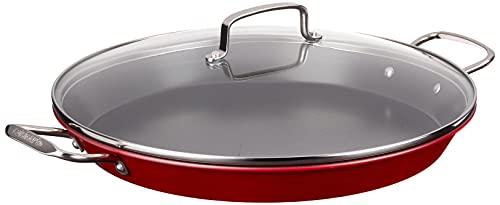
EXCEPTIONAL DESIGN: Enjoy professional performance with hard anodized exterior, unsurpassed heat distribution and quantanium nonstick for professional results.

DURABLE CARBON STEEL: Paelluxe paella pan is crafted from thick 1.2mm carbon steel with a durable enameled coated finish that resists rust and simplifies cleanup. This 13 inch paellera sarten includes silicone handle holders and is ideal for everyday cookware or a large gathering.
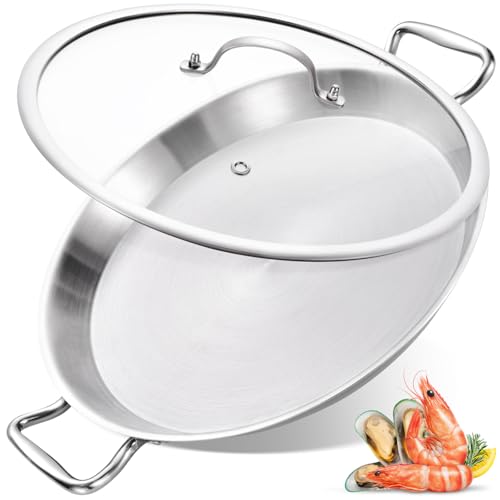
🔥 FLAWLESS SOCARRAT & NO WARPING – Engineered with premium Tri-ply construction (Aluminum core bonded with stainless steel), this heavy-duty pan ensures fast, even heating across the entire flat bottom. Unlike thin carbon steel pans, it never warps or bows in the center, ensuring oil stays evenly distributed for the perfect Spanish rice crust every time.
Authentic Spanish Paella Substitutions and Variations
Since authentic paella is all about working with what you have, you can absolutely make substitutions that suit your taste, budget, or what’s available at your local grocery store.
I’ve tried numerous paella variations over the years, and they’ve all turned out delicious. For ingredient swaps, you can replace the kielbasa and andouille with chorizo, chicken thighs, or even leave out meat entirely for a vegetarian version.
If mussels aren’t available, use clams or extra shrimp instead. Don’t have saffron? A pinch of turmeric gives similar color, though the flavor differs.
You can swap Basmati rice for short-grain Spanish rice or arborio. Fresh parsley works wonderfully, but cilantro adds a different twist if you prefer.
Shop Related Products

【Authentic Socarrat, Every Time】- Experience the perfect crispy bottom layer (socarrat) that defines great paella. Our pan is tri-ply construction, and precise heat control delivers authentic Spanish results effortlessly. Your guests will be impressed!

【Authentic Socarrat, Every Time】- Experience the perfect crispy bottom layer (socarrat) that defines great paella. Our pan is tri-ply construction, and precise heat control delivers authentic Spanish results effortlessly. Your guests will be impressed!
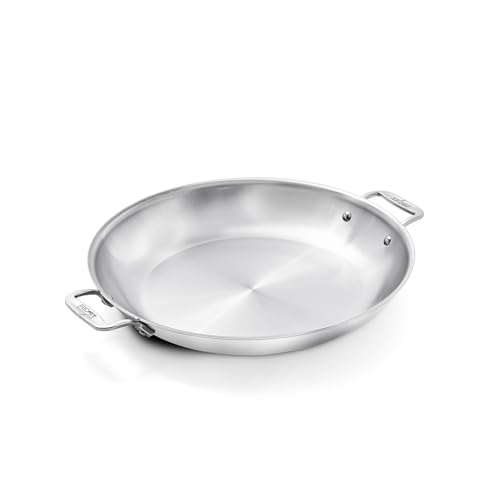
Go beyond paella with this Expansive pan. The D3 14-inch has a wide surface giving you room to layer, stir, and build flavor without crowding, perfect for seafood, rice dishes, sautéed vegetables, and generous portions for easy, flavorful one-pan meals
What to serve with Authentic Spanish Paella

Paella’s robust flavors and hearty portions make it a complete meal on its own, but I’ve found that a few simple sides really elevate the dining experience.
I recommend starting with a crisp green salad dressed with olive oil and sherry vinegar to cut through the richness. Crusty bread is essential for soaking up every last bit of that saffron-infused broth.
For drink pairings, I always reach for a chilled Spanish white wine like Albariño or a light rosé that won’t overpower the seafood. If you prefer beer, a crisp lager works beautifully.
These side dishes keep the focus on the paella while adding invigorating contrasts in texture and flavor that make the entire meal feel balanced and complete.
Final Thoughts
After making this paella several times, I’ve come to appreciate how it transforms a simple dinner into something genuinely special.
The combination of saffron-infused rice, smoky sausages, and fresh seafood creates flavors that stick with you long after the meal ends.
My biggest cooking tips are to keep extra stock nearby and resist overcrowding the pan, which guarantees everything cooks evenly.
For serving suggestions, I recommend letting the paella rest for five minutes before bringing it to the table, allowing the flavors to settle.
Don’t forget warm crusty bread to soak up those delicious juices.
Whether you’re cooking for family or hosting friends, this dish delivers an impressive experience that’s surprisingly manageable for home cooks.
Frequently Asked Questions
Can I Make Paella Ahead of Time and Reheat It?
I don’t recommend making paella ahead since reheating dries out the rice and overcooks seafood. If you must, I’d prepare components separately and combine them fresh. Reheating methods like gentle stovetop warming work best over microwaving.
What Type of Pan Is Traditionally Used for Cooking Paella?
I’ll use a wide, shallow paella pan with sloped sides for authentic results. This traditional design guarantees even heat distribution and proper rice cooking. Different paella variations benefit from this pan, though cooking techniques can adapt to large skillets if needed.
How Do I Properly Clean and Prepare Fresh Mussels?
I’ll scrub each mussel under cold running water, removing the beard by pulling it firmly toward the hinge. For proper mussel preparation, I’ll discard any that won’t close when tapped, ensuring mussel cleaning eliminates compromised ones.
Can Paella Be Frozen for Later Consumption?
I don’t recommend freezing paella since the seafood and rice become mushy when reheated. For best results, I suggest refrigerating leftovers for up to two days. Fresh paella always tastes superior to frozen versions.
What Is the Origin and History of Paella?
Paella originated in Valencia, Spain during the 18th century, where farmers and laborers cooked rice with available ingredients over open fires. I’ve noticed how paella variations evolved across regions, each incorporating unique regional ingredients that reflected local tastes and resources.