I’ve spent years perfecting my sourdough bagel recipe, and I’m excited to share what I’ve learned with you. These aren’t your typical quick bagels—they demand time, attention, and a bit of patience. The result, though, is worth every minute of waiting. The tangy flavor from the starter combines with that distinctive chewy texture to create something truly special. If you’re ready to elevate your bagel game, let me show you exactly how it’s done.
Why You`ll Love this Tangy Sourdough Bagel
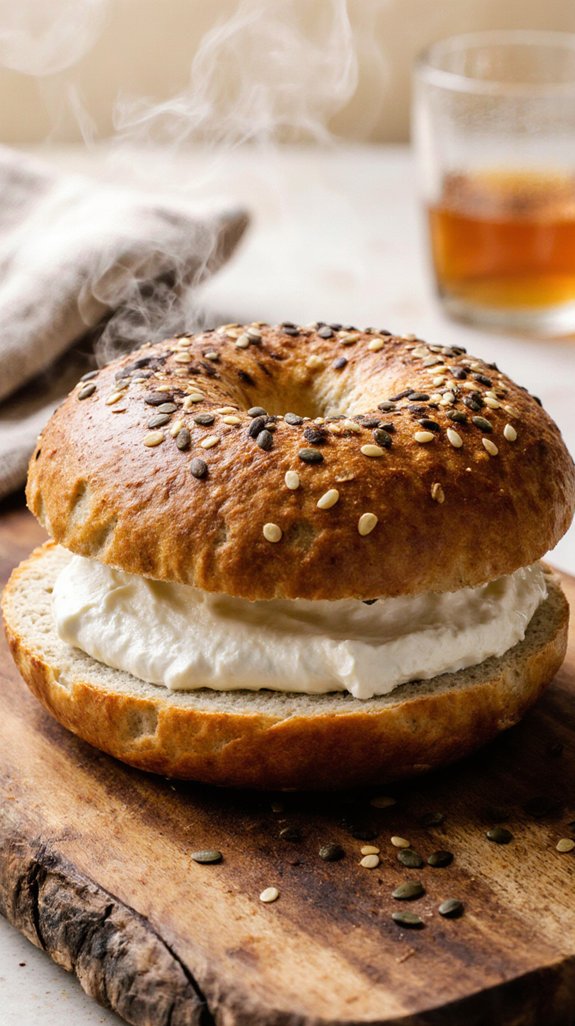
These homemade sourdough bagels deliver that perfect balance of chewy texture and tangy flavor that you simply can’t find in store-bought versions.
I’ve discovered that the overnight fermentation creates complex flavors that transform simple ingredients into something truly special. The taste experience goes beyond ordinary bagels, with subtle sourness complementing the sweet, golden crust perfectly.
What makes this recipe rewarding is how baking patience pays off in every bite. Yes, you’ll need to plan ahead with the overnight starter and longer rise times, but I promise the results are worth it.
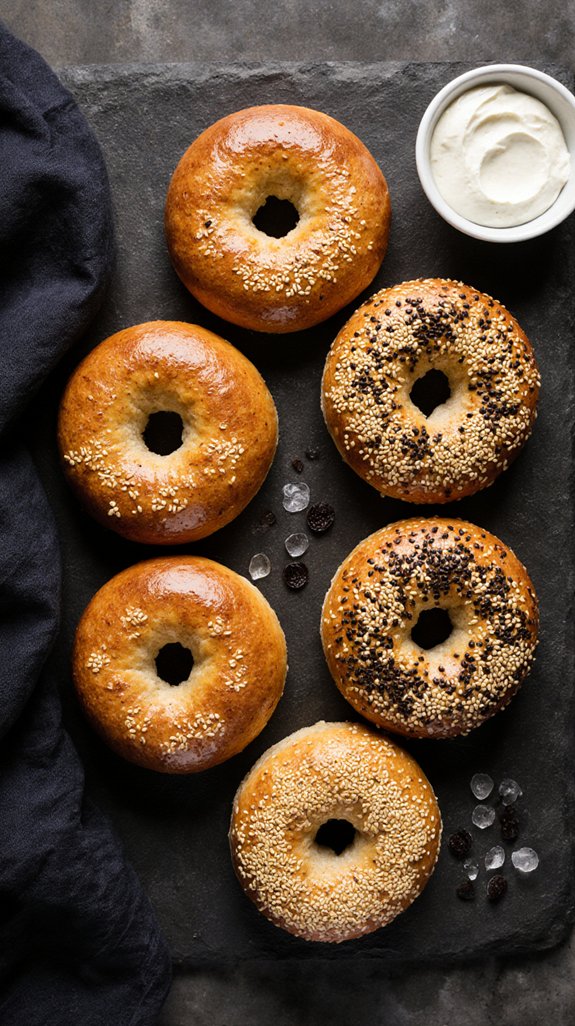
When you pull these shiny, golden bagels from your oven, you’ll understand why taking time creates superior flavor. Each chewy, tangy bite proves that good things truly come to those who wait.
What ingredients are in Tangy Sourdough Bagel?
Making authentic sourdough bagels requires just a handful of simple, wholesome ingredients that work together during the fermentation process. The foundation starts with active sourdough starter, which gives these bagels their characteristic tangy flavor and chewy texture. Combined with basic pantry staples, these ingredients transform into bakery-quality bagels right in your own kitchen.
Ingredients for Sourdough Bagels:
- 2 tablespoons sourdough starter
- 1 1/2 cups warm water
- 1 1/2 cups flour (for initial mixture)
- 2 cups additional flour (for dough)
- 1 1/2 ounces sugar
- 1/2 ounce salt
- 1 egg white (for brushing)
- Optional toppings: poppy seeds, dried onions, sesame seeds, or your favorite bagel toppings
The quality of your sourdough starter makes a significant difference in the final product, so confirm it’s active and bubbly before beginning.
You’ll also want to have extra flour on hand for kneading, as the exact amount needed can vary based on humidity and flour type. The dough should feel firm rather than sticky, so don’t hesitate to incorporate additional flour during the kneading process.
While the recipe calls for measuring sugar and salt by weight in ounces, this precision helps achieve consistent results batch after batch.
How to make this Tangy Sourdough Bagel
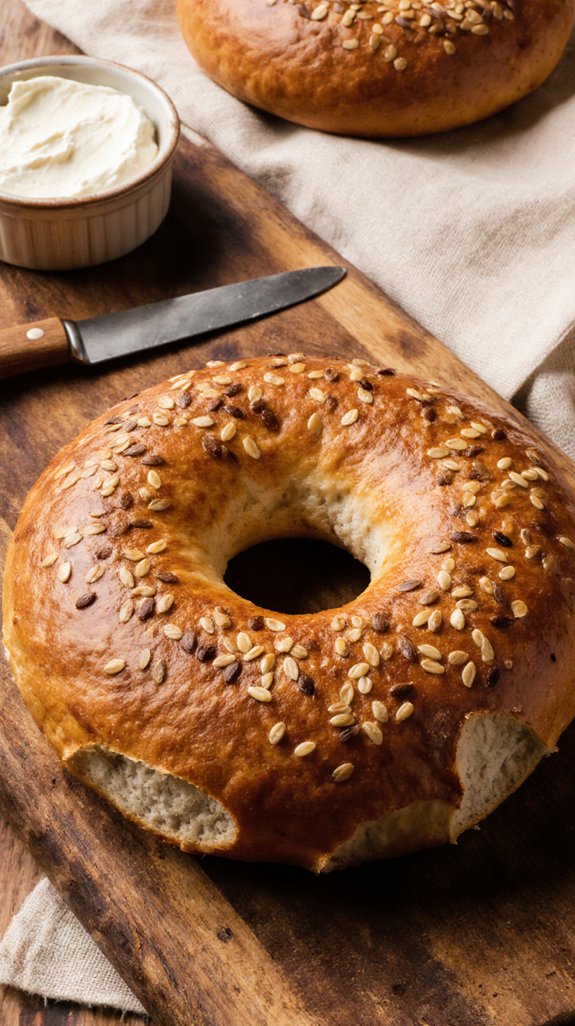
Making sourdough bagels is a rewarding process that begins the night before you plan to bake. Start by mixing 2 tablespoons of sourdough starter with 1 1/2 cups warm water and 1 1/2 cups flour in a bowl. This initial mixture, often called a sponge, needs to sit covered overnight at room temperature.
By morning, you’ll notice it has transformed into a bubbly, spongy mixture with a pleasant fermented aroma. This overnight fermentation is what gives these bagels their distinctive tangy flavor, so don’t skip this step or try to rush it.
The next morning, add 1 1/2 ounces of sugar, 1/2 ounce of salt, and 2 cups of additional flour to your fermented mixture. Mix everything together thoroughly, then turn the dough out onto a floured surface for kneading. You’ll want to knead for about 10 minutes, adding more flour as needed until the dough feels firm rather than sticky.
Once kneaded, place the dough in a greased bowl, cover it, and let it rise until it doubles in size. Remember that sourdough takes longer to rise than regular yeast dough, so be patient and give it the time it needs.
After the dough has doubled, punch it down and divide it into 12 equal balls. To shape each bagel, press your thumb through the center of a ball to create a hole, then gently stretch and shape it until you have a bagel with about a 2-inch hole in the middle.
While you’re shaping, bring 2 quarts of water to a boil on your stovetop. This boiling step is what gives bagels their characteristic chewy crust. Drop 2 or 3 bagels at a time into the boiling water, cooking them for 30 seconds on each side before removing them with a slotted spoon.
Place the boiled bagels on a baking sheet, brush the tops with egg white, and add any toppings you like. Bake at 350°F for 35 minutes, turning them once halfway through for even browning. You’ll know they’re done when they’re golden and shiny. If you plan to serve these bagels with deli meats for breakfast or lunch, a commercial meat slicer can help you achieve perfectly thin, uniform slices that layer beautifully on your homemade bagels.
Shop Related Products
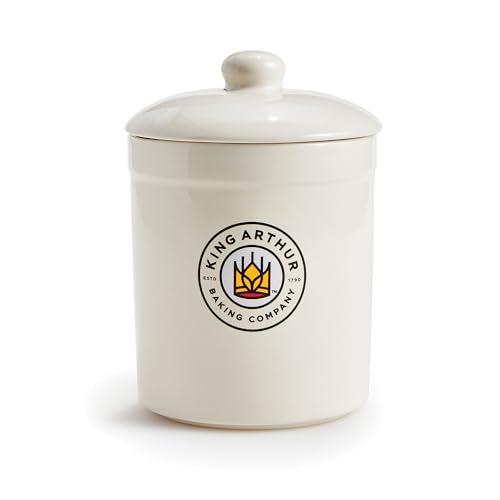
King Arthur Baking Company Classic Sourdough Storage Crock: Stores sourdough starter to keep it fresh and active on the counter or in the refrigerator

Achieve Professional Artisan Bread at Home - Expertly designed for bread baking, this 6 qt cast iron bread oven creates the ideal steam baking environment. Crafted from high-quality cast iron, it ensures superior heat retention for a crispy, golden crust and impressive oven spring—just like a bakery. The domed cloche lid traps moisture perfectly, guaranteeing delectable results every time This explicitly states that this is a premium, delicate kitchen item that requires careful handling to maintain its beauty and durability
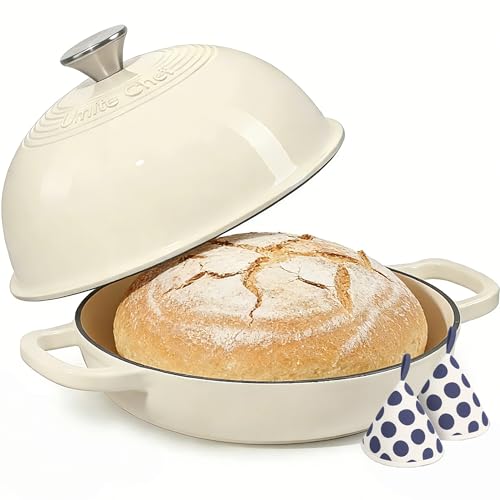
Achieve Professional Artisan Bread at Home - Expertly designed for bread baking, this 6 qt cast iron bread oven creates the ideal steam baking environment. Crafted from high-quality cast iron, it ensures superior heat retention for a crispy, golden crust and impressive oven spring—just like a bakery. The domed cloche lid traps moisture perfectly, guaranteeing delectable results every time
Tangy Sourdough Bagel Substitutions and Variations
Once you’ve mastered the basic sourdough bagel recipe, you’ll find there’s plenty of room for experimentation with both ingredients and flavors.
I love exploring flour alternatives like whole wheat, rye, or even a blend of all-purpose and bread flour for different textures and tastes. Each one changes the character of your bagels in delightful ways.
When it comes to topping ideas, the possibilities are endless.
I’ve tried everything from classic sesame seeds and poppy seeds to more adventurous options like everything bagel seasoning, coarse sea salt, dried garlic, or even cinnamon sugar for a sweet twist.
You can also mix ingredients directly into the dough—think cheese, jalapeños, or dried fruits.
Don’t be afraid to get creative and make these bagels your own.
Shop Related Products

BAGEL MAKING SUPPLIES YOU CAN'T MISS: Achieve crispy crust & chewy texture with this traditional bagel board, designed for easy flipping and perfect results.

Size: The size of our bagel board is 41× 9× 2cm. Please confirm whether your baking tray can accommodate it before purchasing. This bagel board uses high-quality cedar wood and has a natural cedar smell. The surface is covered with linen

What to serve with Tangy Sourdough Bagel
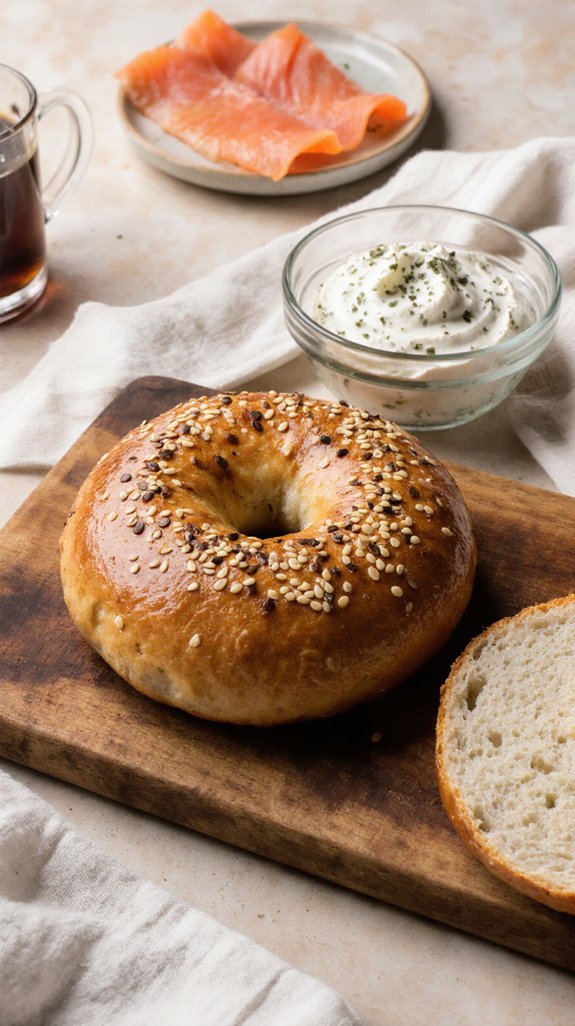
Now that you’ve baked a batch of these beautifully tangy sourdough bagels, let’s talk about what makes them shine at the breakfast or brunch table.
I love spreading cream cheese as the classic base, then layering on smoked salmon with capers and pickled onions for a sophisticated touch.
If you prefer something lighter, try avocado spread topped with tomato slices and fresh herbs like dill or basil.
For a sweeter option, honey butter creates a delightful contrast to the bagel’s tang.
You can mix and match these toppings based on your mood—the sourdough flavor pairs well with both savory and sweet combinations.
Don’t be afraid to experiment with your own favorite ingredients.
Final Thoughts
While these sourdough bagels require patience and planning, I think you’ll find they’re worth every minute of effort. The overnight fermentation creates a complex tanginess that store-bought versions simply can’t match.
As you develop your skills with this recipe, you’ll discover your own baking tips and favorite flavor pairings. Maybe you’ll prefer everything bagels for breakfast sandwiches, or cinnamon-raisin varieties for spreading with cream cheese.
The beauty of homemade bagels is that you control every ingredient and can customize them to your taste. Remember that sourdough rises more slowly than commercial yeast, so don’t rush the process.
Give yourself plenty of time, stay patient, and enjoy the wonderful aroma filling your kitchen. Your effort will be rewarded with golden, chewy, perfectly tangy bagels.
Frequently Asked Questions
How Long Does Sourdough Starter Last in the Refrigerator?
I’ll tell you that with proper sourdough maintenance, your starter longevity can extend indefinitely in the refrigerator. I feed mine weekly, and it’s thrived for years, ready whenever I need it for baking.
Can I Freeze the Bagel Dough Before Boiling?
Yes, I can freeze the shaped bagel dough before boiling. I’ll guarantee proper dough consistency first, then use proper freezing techniques by wrapping each bagel individually and storing them in airtight containers for up to three months.
What’s the Best Way to Store Leftover Sourdough Bagels?
I’ll share my storing tips for bagel freshness: keep them in an airtight container at room temperature for 2-3 days, or freeze them individually wrapped for up to three months. Toast frozen bagels directly!
Why Do My Bagels Not Have a Shiny Crust?
Your bagels lack shine because you’re likely skipping the egg white wash. I always brush my bagels with egg white before baking—it’s essential for that glossy bagel crust. This baking technique makes all the difference.
Can I Make Bagels Without Boiling Them First?
I don’t recommend skipping the boiling step, as there aren’t effective boiling alternatives that achieve authentic bagel texture. Without boiling, you’ll get bread rolls instead of bagels with their characteristic chewy crust and dense interior.