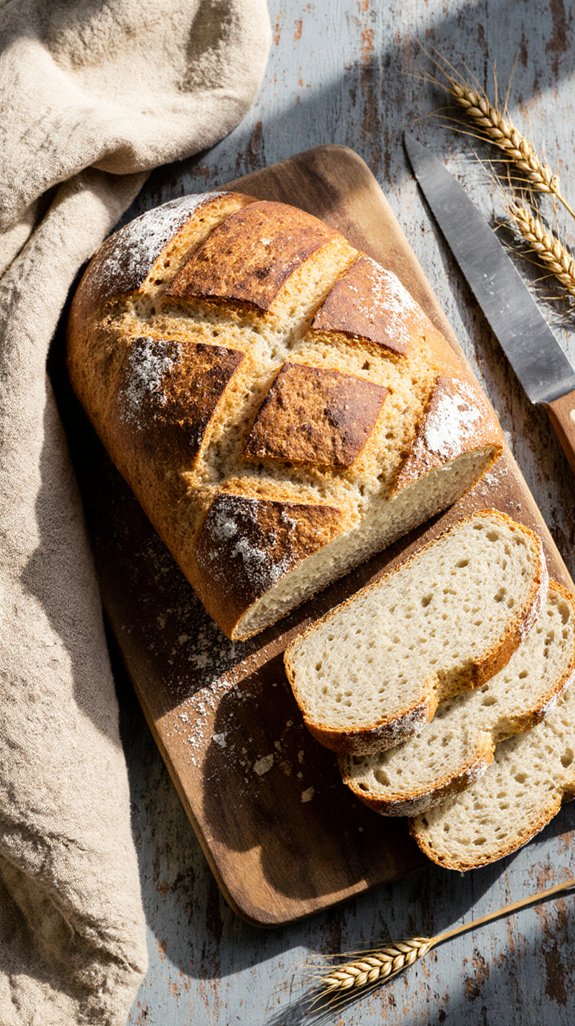
I’ve spent years perfecting this sourdough French bread, and I’m confident it’ll become your go-to recipe once you taste that crispy, golden crust and soft, tangy interior. The secret isn’t complicated techniques or fancy equipment—it’s about understanding how your starter works with time and temperature. What makes this recipe special is how it transforms simple ingredients into something that honestly tastes better than what you’d pay premium prices for at artisan bakeries.
Why You`ll Love this Homemade Sourdough French Bread
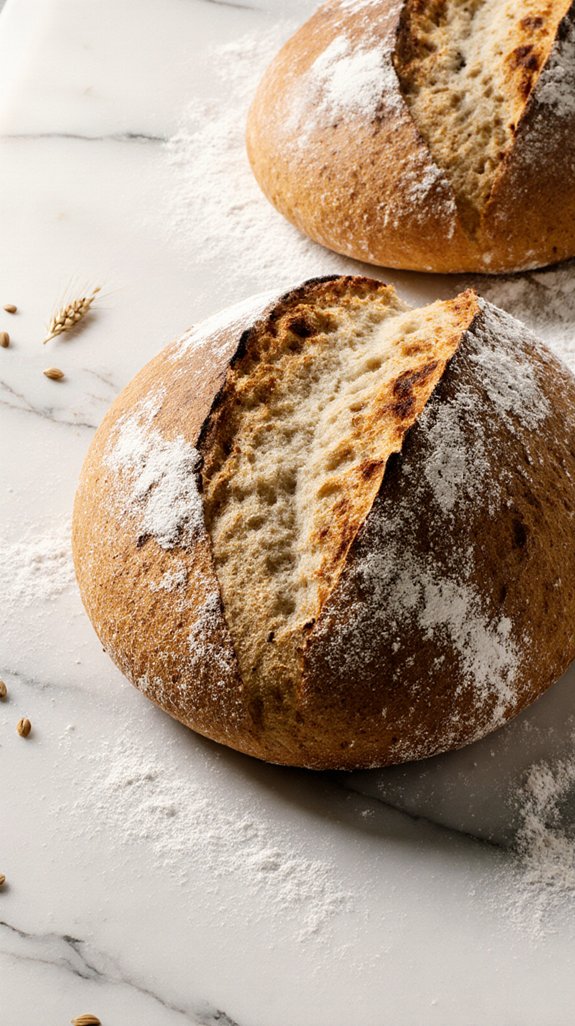
While store-bought French bread sits wrapped in plastic on grocery shelves, there’s something magical about pulling a warm, golden loaf from your own oven.
This recipe delivers that bakery-quality crust with a tender, airy crumb you’ve been craving. I love how the sourdough starter adds complex tangy notes without the long fermentation times traditional sourdough demands.
The sourdough benefits include improved digestibility and enhanced flavor depth that plain yeast bread can’t match. Plus, mastering these baking techniques gives you confidence to tackle other artisan breads.
You’ll need just basic ingredients and a couple hours for rising. The diagonal cuts aren’t just decorative—they help the loaves expand beautifully while baking, creating those classic French bread ridges everyone adores.
What ingredients are in Homemade Sourdough French Bread?
This sourdough French bread brings together simple pantry staples with the magic of sourdough starter to create bakery-worthy loaves at home. The ingredient list is invigoratingly straightforward, requiring no specialty items beyond your active sourdough starter. Each component plays a specific role in developing that characteristic crusty exterior and soft, hole-filled interior that defines excellent French bread.
Ingredients:
- 1 packet active dry yeast
- 1/4 cup water (110 to 115°F)
- 4 1/2 cups unbleached flour, unsifted
- 2 tablespoons sugar
- 2 teaspoons salt
- 1 cup water
- 1/2 cup milk
- 2 tablespoons vegetable oil
- 1/4 cup sourdough starter
The combination of commercial yeast and sourdough starter is what makes this recipe particularly forgiving for home bakers. While the starter contributes that signature tangy flavor and helps with texture, the active dry yeast guarantees a reliable rise even if your starter isn’t at peak strength. The milk adds richness and helps create a tender crumb, while the small amount of sugar feeds the yeast and promotes browning. Using unbleached flour is recommended for better texture and flavor development, though all-purpose flour will work in a pinch. Make sure your sourdough starter is active and recently fed for the best results.
How to make this Homemade Sourdough French Bread
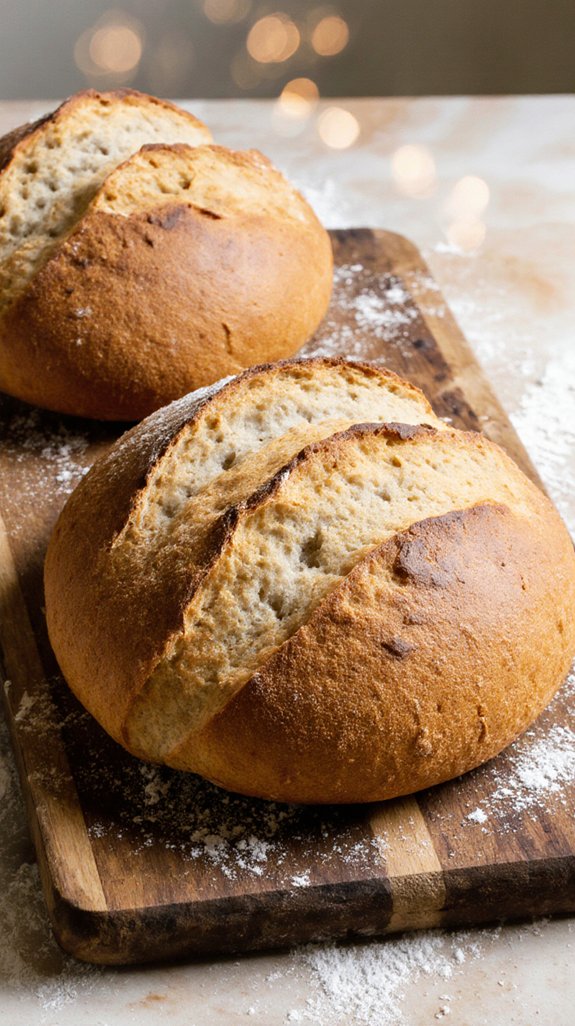
Making this sourdough French bread is surprisingly straightforward, even if you’re relatively new to bread baking. Start by dissolving 1 packet of active dry yeast in 1/4 cup of warm water (110 to 115°F), then add all the remaining ingredients: 4 1/2 cups of unbleached flour, 2 tablespoons of sugar, 2 teaspoons of salt, 1 cup of water, 1/2 cup of milk, 2 tablespoons of vegetable oil, and 1/4 cup of your sourdough starter.
Mix everything together until it forms a cohesive dough, then knead it lightly on a floured surface. The kneading doesn’t need to be vigorous or lengthy—just enough to bring the dough together smoothly. Return the dough to your bowl and let it rise in a warm spot until it doubles in size, which typically takes about an hour depending on your kitchen temperature.
Once the dough has doubled, turn it out onto a floured board and divide it into two equal parts. Shape each portion into an oblong shape, then roll them up tightly starting from one long side, similar to how you’d roll up a sleeping bag. Seal the outside edge by pinching the seam closed, and adjust the shape to your preferred loaf size—you can make them shorter and plumper or longer and thinner.
Place both loaves on a greased baking sheet with the seam side down, then let them rise again until they’ve doubled in size. This second rise is essential for achieving that light, airy texture inside.
Before baking, use a razor blade or very sharp knife to make several diagonal cuts across the top of each loaf. These slashes aren’t just decorative—they allow the bread to expand properly in the oven and create those classic French bread ridges.
Brush the loaves lightly with water to help develop a crisp, golden crust, then bake at 400 degrees F for about 25 minutes. You’ll know they’re done when they’re beautifully browned and sound hollow when tapped on the bottom.
Let them cool on a wire rack for at least 15 minutes before slicing, though waiting longer helps the interior finish setting up properly. For consistent results every time, consider investing in a high end cookware set that includes quality baking sheets designed to distribute heat evenly.
Shop Related Products

SET OF TWO 8 x 4-INCH MEDIUM LOAF PANS: Great for baking meatloaf, sweet or savory breads, thick cakes or brownies, smaller portions of lasagnas or casseroles, and more for the perfect bake every time

🔹100 PCS LOAF PAN LINER Get everything you need for perfect bread: 100 unbleached parchment paper liners for disposable convenience for eco-friendly baking. Designed to fit standard 9x5 inch or 1.5 lb loaf pans — no trimming needed.

STANDARD 9 x 5-INCH LOAF PAN: This standard loaf pan is perfect for baking meatloaf, sweet or savory breads, thick cakes or brownies, smaller portions of lasagnas or casseroles, and more. Enjoy the perfect bake every time with this versatile bread pan
Homemade Sourdough French Bread Substitutions and Variations
One of the best things about this sourdough French bread recipe is how adaptable it’s to whatever ingredients you have on hand or dietary preferences you’re working with.
While I stick with unbleached all-purpose flour most of the time, you can experiment with flour alternatives like whole wheat, spelt, or bread flour. Just keep in mind that whole grain flours will create a denser loaf.
If you’re out of active dry yeast, instant yeast works perfectly as a substitute—you can skip the dissolving step and add it directly to your dry ingredients.
For a richer flavor, I sometimes swap the vegetable oil for melted butter or olive oil. You can also adjust the sourdough starter amount based on how tangy you want your bread to taste.
Shop Related Products
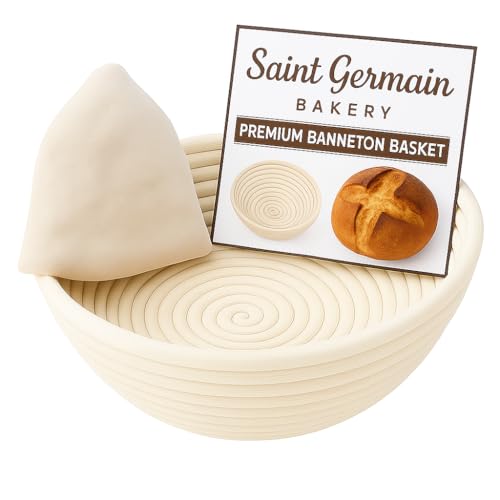
"EXCELLENT CRAFTSMANSHIP: Beautiful handmade using natural rattan, absolutely free from dye and free from chemicals. Made with love and care by a small family business in Vietnam."

PERFECT FOR THE BAKER IN YOUR HOME: You will be impressed with our bread proofing baskets' quality and performance. Dimpola sourdough proofing baskets are made of high-quality, natural rattan cane that allows for excellent airflow and moisture absorption, resulting in perfectly proofed bread every time.

Perfect Home Proofing Baskets for Sourdough Bread Baking
What to serve with Homemade Sourdough French Bread
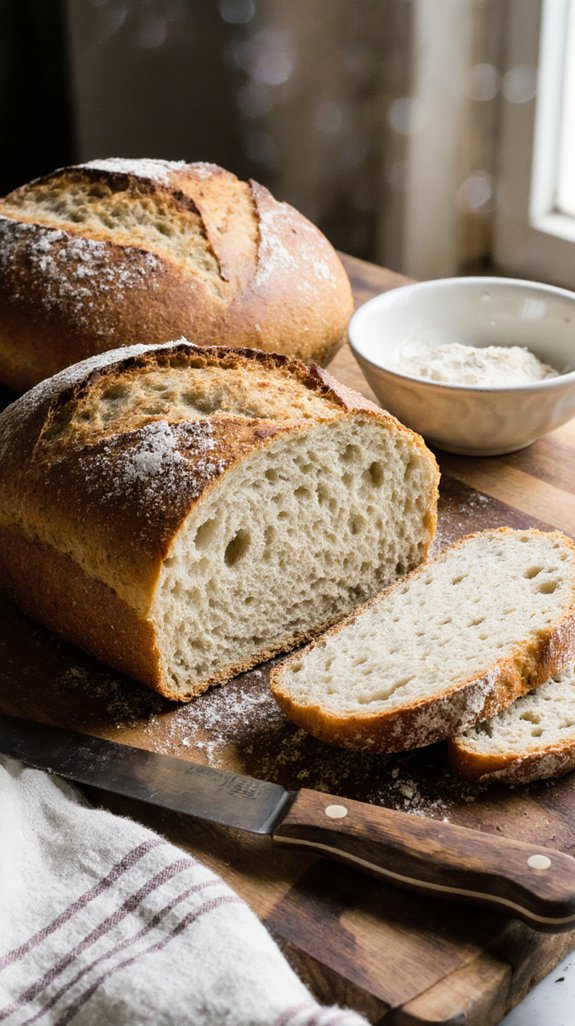
Fresh from the oven, this sourdough French bread pairs beautifully with just about anything you’d serve at a meal.
I love setting out an assortment of dipping sauces like herb-infused olive oil, balsamic vinegar, or garlic butter for appetizers. The tangy flavor also makes it perfect for cheese pairings, particularly aged cheddar, brie, or sharp gouda.
When it comes to soup companions, this bread is essential alongside tomato bisque, French onion soup, or creamy potato chowder.
I also find it works wonderfully as one of those salad accompaniments that makes a light lunch feel more substantial. The crispy crust and tender interior soak up flavors while adding satisfying texture to any meal you’re serving.
Final Thoughts
There’s something deeply satisfying about pulling a loaf of homemade sourdough French bread from your oven, knowing you created it with your own hands. This recipe delivers that bakery-quality crust and tender crumb you’ve been craving, and it’s more approachable than you might think. Remember those baking tips I shared—proper kneading, letting your dough rise fully, and using a sharp blade for scoring. They’ll make all the difference in your results. Don’t be afraid to experiment with flavor enhancements like herbs, garlic, or even cheese once you’ve mastered the basic recipe. Each loaf you bake will teach you something new. Soon, you’ll be sharing warm slices with family and friends, and trust me, they’ll be impressed.
Frequently Asked Questions
How Do I Know When the Dough Has Doubled in Size?
I’ll know your dough has doubled when it’s visibly puffed up to twice its original height. During dough fermentation, I look for rising indicators like the dough reaching the bowl’s rim or passing the finger-poke test.
Can I Freeze the Baked Sourdough French Bread?
Yes, I can freeze the baked sourdough French bread! For best results with freezing techniques, I’ll wrap it tightly in plastic wrap, then foil. This storing bread method preserves freshness for up to three months.
What Temperature Should the Water Be for Dissolving Yeast?
I’ll use water between 110 to 115°F for yeast activation. This water temperature is essential because it’s warm enough to wake up the yeast without killing it, ensuring proper fermentation for your bread.
How Should I Store Leftover Sourdough French Bread?
I’ll store your leftover sourdough French bread in a paper bag at room temperature for up to two days to maintain bread freshness. For longer storing methods, I recommend freezing it wrapped tightly in plastic wrap.
Why Did My Bread Turn Out Dense Instead of Airy?
Your bread likely turned out dense because you didn’t let it rise long enough, or conversely, you had overproofed dough that collapsed. I’ve also found insufficient hydration in the mixture can prevent proper air pocket formation.