I’ve spent years watching people overthink tri-tip, loading it up with fifteen different spices like they’re hiding something instead of celebrating it. The truth is, you don’t need a complicated rub to make this cut shine. A simple salt-based approach, the kind my uncle used at every family barbecue, actually does more for the meat than any fancy blend ever could. Let me show you why less really is more here.
Why You`ll Love this Perfect Tri Tip Salt Rub
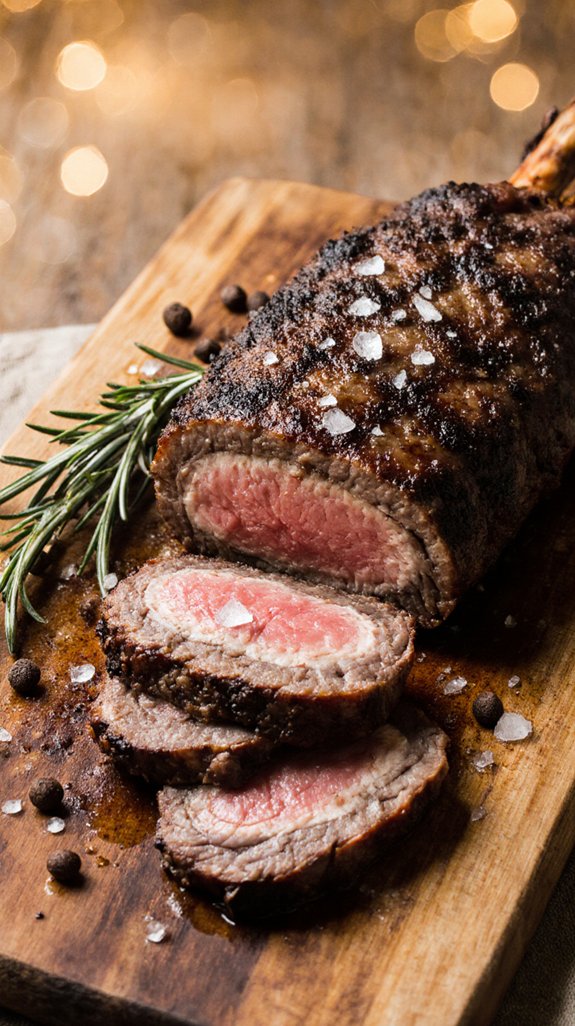
Simplicity drives this recipe, and that’s exactly why it works so well for anyone who’s ever felt intimidated by cooking beef. I’m talking about four tablespoons of seasoned salt and a couple hours of patience—that’s it. The flavor enhancement happens naturally as the salt creates this incredible seal around the meat, locking in juices while smoke works its magic on your grill. I’ve watched countless friends master this technique at their first attempt, and they’re always amazed by the results. The grilling techniques here aren’t complicated—just indirect heat and a thermometer. What you get is a roast that transforms from something frankly unappealing in its packaging into a beautifully colored, perfectly seasoned centerpiece that’ll make you look like a backyard legend.
What ingredients are in Perfect Tri Tip Salt Rub?
The ingredient list for this tri tip salt rub couldn’t be more straightforward. You’re working with just two components that come together to create something far greater than the sum of their parts. The seasoned salt does all the heavy lifting regarding flavor, while the tri tip itself provides the perfect canvas for this simple but effective technique.
Ingredients:
- 4 tablespoons seasoning salt (Lawry’s recommended)
- 2 lbs tri-tip roast
When selecting your ingredients, the quality of your tri tip matters more than you might think. These roasts come vacuum-sealed in cryo-bags and may not look particularly appealing at first glance, but don’t let that discourage you. As for the seasoned salt, Lawry’s is specifically mentioned in the original technique because it provides the right balance of salt and spices to create that essential seal without overpowering the beef’s natural flavor. The proportions here are calibrated for a 2-pound roast, so if you’re scaling up for a party—say, six roasts for 40 guests—you’ll want to multiply accordingly, keeping that 2-tablespoons-per-pound ratio consistent across all your roasts.
How to make this Perfect Tri Tip Salt Rub
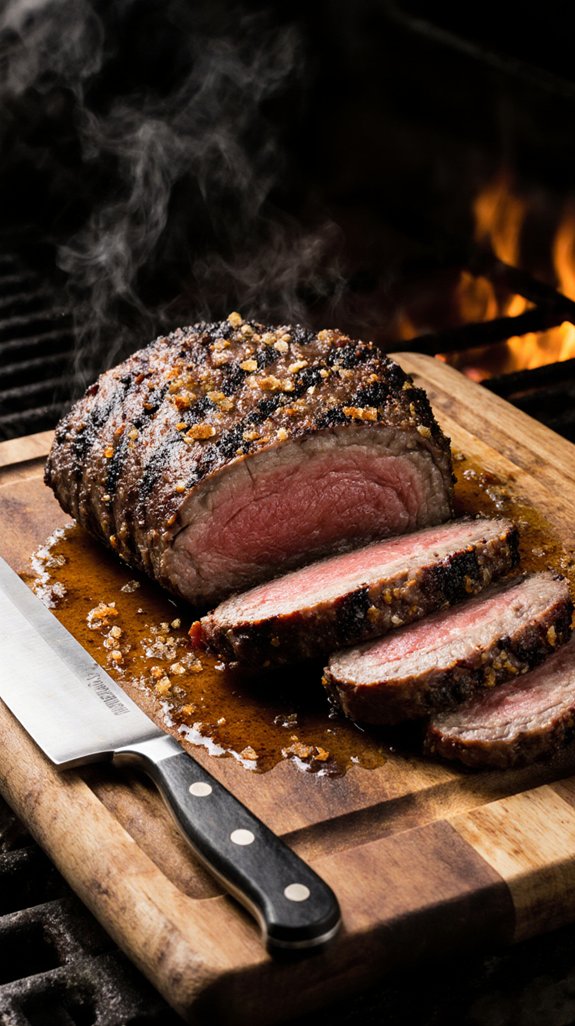
The preparation process for this tri tip salt rub is invigoratingly simple, though the timing requires some planning ahead. Start by coating your 2-pound tri-tip roast completely with the 4 tablespoons of seasoning salt, making sure to cover the entire surface to create what’s called a “seal.” This isn’t just about seasoning—you’re actually forming a protective layer that will transform the roast during cooking.
Once you’ve applied the salt rub thoroughly, place the roast in the refrigerator for 3 to 4 hours. This timing is essential, so resist the temptation to leave it overnight, as that would be too long and could affect the texture. About an hour before you’re ready to grill, remove the roast from the refrigerator to let it come closer to room temperature.
When it’s time to cook, set up your charcoal grill for indirect heat using trays or rails, and here’s where things get interesting—you’ll want to use a grilling rack rather than placing the meat directly on the grill grates. This prevents those characteristic grill marks from scoring the roast and helps retain the juices that would otherwise drip through.
Place the roast on the rack with the grill covered, and aim to maintain a temperature between 375 and 425 degrees during the first half hour. Grill for 20 minutes, flip the roast once, then check the internal temperature after a total of 40 minutes.
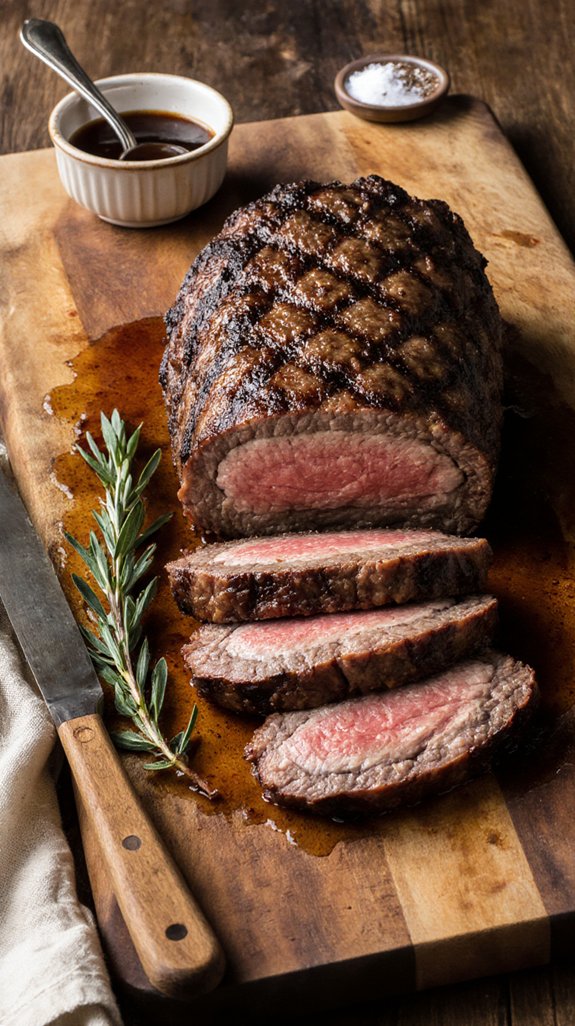
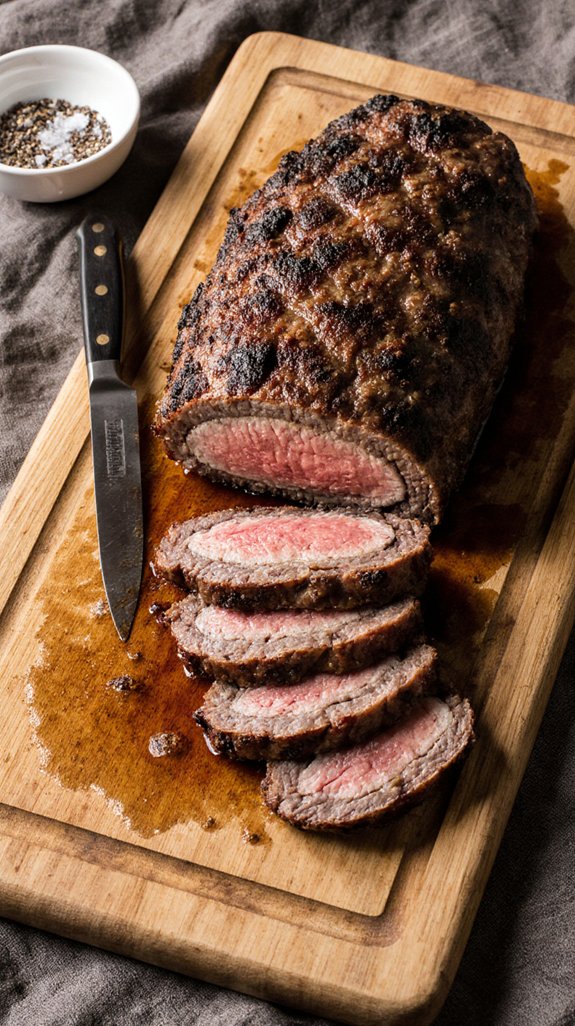
If you’ve created a good salt seal, you’ll notice something remarkable—the roast actually changes shape during cooking, expanding within its protective layer and sometimes puffing up like a pillow. What started as an unattractive piece of meat from the cryo-bag transforms into something with appealing colors, some small charred edges, and interesting contours.
Pull the roast when it reaches an internal temperature of 135 degrees, then let it rest for 10 minutes before slicing. You’ll be surprised by how much liquid accumulates—easily half a cup or more—so make sure you have a cutting board with deep grooves to catch all those flavorful juices. For consistently excellent results, investing in a premium cookware set can make all the difference in your grilling and cooking preparations.
Shop Related Products
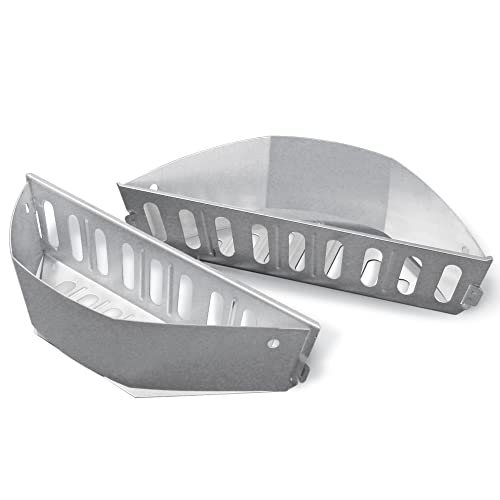
Fit up to 10 regular-sized briquettes in each charcoal holder


Stainless Steel Premium Materials: The warming cooking rack made of premium stainless steel for long use, corrosion-resistant, heat-resistant, durable and sturdy, easy to use and clean
Perfect Tri Tip Salt Rub Substitutions and Variations
While Lawry’s seasoned salt works beautifully as the foundation for this recipe, you’ll find that experimenting with different salt blends can lead you down some delicious rabbit holes.
I’ve had success with Montreal steak seasoning when I’m craving bolder garlic notes, and coarse kosher salt mixed with cracked pepper creates a more minimalist approach that lets the beef shine through.
These rub variations taught me that the technique matters more than the specific brand. For seasoning alternatives, I sometimes add smoked paprika or chipotle powder to my salt base, which gives the crust an extra layer of complexity.
The key is maintaining that essential salt-to-meat ratio, roughly two tablespoons per pound, regardless of which blend you choose for your tri tip adventure.
Shop Related Products


Bold seasoning from McCormick Grill Mates that’s perfect for grilling tri-tip steaks

Authentic tri tip seasoning for Santa Maria Style BBQ
What to serve with Perfect Tri Tip Salt Rub
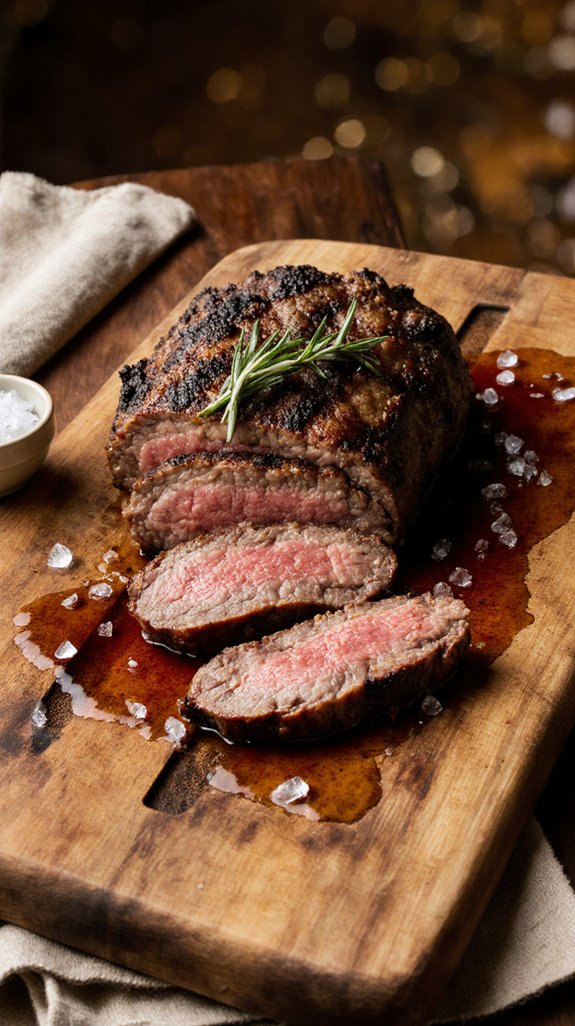
Since tri tip delivers such bold, smoky flavors on its own, I’ve learned that the best sides are ones that complement rather than compete with the star of the show.
My go-to pairing options include creamy potato salad, which balances the salt-crusted exterior beautifully, and grilled vegetables that pick up that same smoky char.
I’m also partial to a crisp coleslaw, something with vinegar-based dressing rather than mayo-heavy versions, because it cuts through the richness.
For heartier gatherings, I’ll add baked beans and cornbread to round out the plate.
These sides suggestions work whether you’re serving the tri tip sliced thin on small sandwiches or plated as a main course, and they’ve never failed me at parties where forty guests are waiting to eat.
Final Thoughts
After grilling countless tri tip roasts over the years, I’ve come to appreciate how this simple salt rub technique transforms an unattractive cut into something that consistently impresses at gatherings.
The beauty lies in mastering basic grilling techniques rather than complicating things with elaborate marinades or fancy equipment.
I’ve watched these roasts evolve from awkward-looking hunks of meat into pillowy, beautifully colored centerpieces that guests remember long after the party ends.
The distinct flavor profiles you’ll achieve—that perfect balance of smoky char and seasoned crust—come from patience and attention to grain direction when slicing.
Each roast tells its own story through unique shapes and colors, reminding me that perfection isn’t uniformity but rather understanding how salt, smoke, and time work together to create something memorable.
Frequently Asked Questions
Can I Use the Salt Rub Technique on Other Cuts of Beef?
Yes, you can apply the salt rub technique to other beef cuts like ribeye, sirloin, or top round. I’d adjust the resting time based on thickness, but the method works beautifully across different cuts.
Why Shouldn’t the Tri Tip Sit in Salt Rub Overnight?
I don’t recommend letting it sit overnight because excessive salt absorption will cause too much moisture loss, making your tri-tip overly salty and dry. The 3-4 hour window gives you perfect seasoning without compromising texture.
What Internal Temperature Should Tri Tip Reach for Medium-Rare Doneness?
I remove the tri tip at 135°F internal temperature for perfect medium-rare doneness. After resting for 10 minutes, it reaches the ideal medium rare temperature and you’ll have a beautifully cooked roast ready for slicing.
How Do I Identify the Changing Grain Directions When Slicing Tri Tip?
I examine the tri tip carefully before slicing, noting where muscle fibers change direction. I’ll adjust my slicing technique accordingly, cutting across the grain throughout to guarantee tender pieces, especially important when serving guests at parties.
Can I Cook Tri Tip Using Gas Grill Instead of Charcoal?
Yes, you can use a gas grill. The gas grill benefits include easier temperature control and convenience. Apply the same indirect cooking techniques I described—just adjust your burners to maintain that 375-425°F range consistently.