I still remember the first time I tasted real carnitas at my friend Rosa’s house, watching her grandmother turn simple pork into something magical with nothing more than lard, patience, and a few citrus fruits. That experience changed everything I thought I knew about Mexican cooking, and honestly, I’ve been chasing that perfect combination of tender, falling-apart meat with crispy, golden edges ever since. What makes authentic carnitas different from everything else out there comes down to technique and tradition, which I’m going to share with you today.
Why You`ll Love these Authentic Pork Carnitas
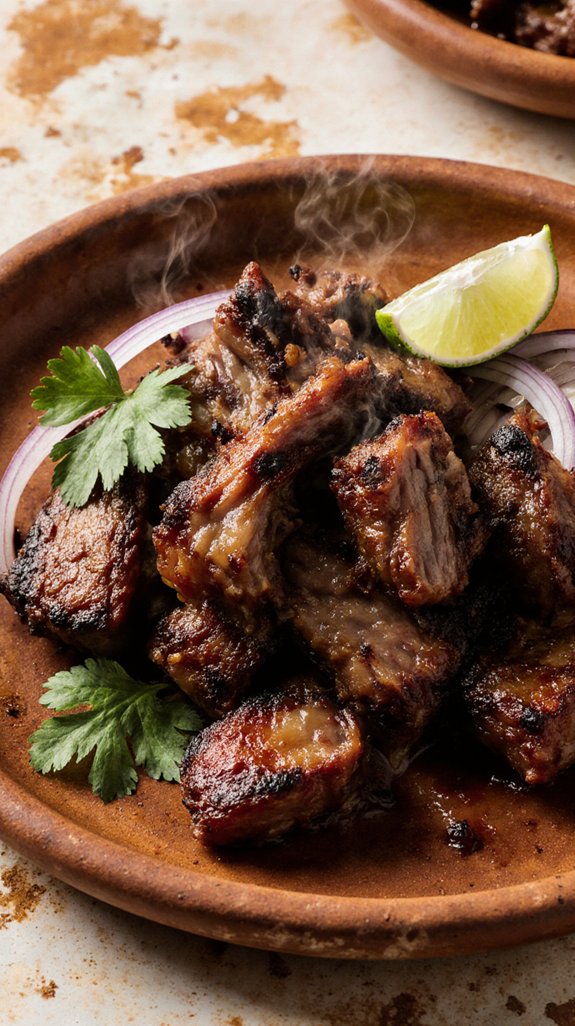
When I first tasted real carnitas at a tiny taqueria in Michoacán, I realized everything I’d eaten before was just fancy pot roast pretending to be Mexican food.
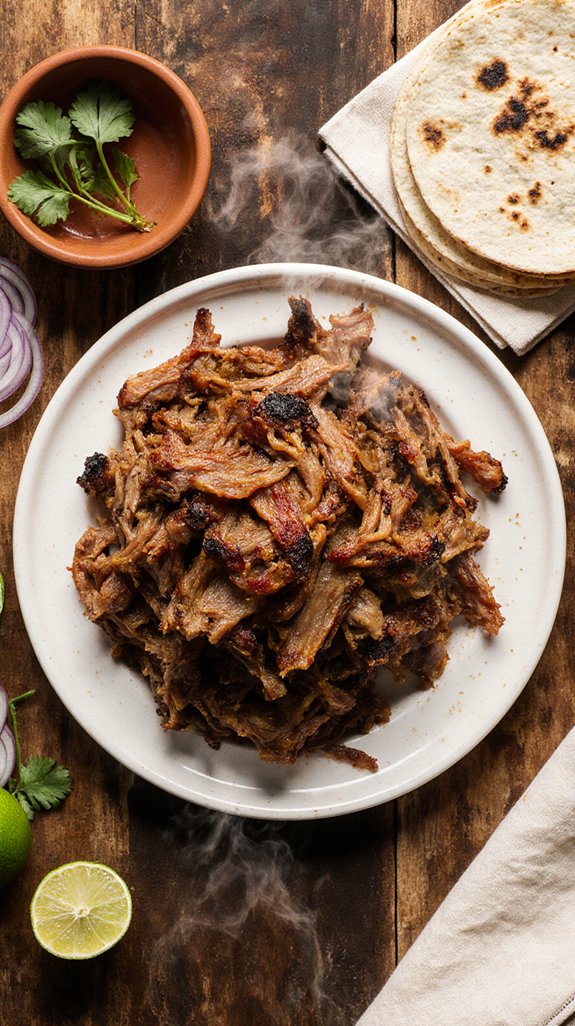
These authentic carnitas deliver that exact tender texture, with edges that shatter like glass while the inside melts on your tongue.
The flavor profile hits differently too, thanks to that unexpected citrus and lard combo that traditionalists swear by. You’ll get crispy bits without drying out the meat, which is the holy grail of carnitas.
I’ve tested dozens of shortcuts, but this slow-cooked method produces carnitas that actually taste like they came from a Mexican market, not your neighbor’s crockpot experiment.
What ingredients are in Authentic Pork Carnitas?
The foundation of authentic carnitas lies in a carefully curated selection of ingredients that work together to create the signature flavor and texture. Unlike Americanized versions that rely on broth and spices alone, this traditional recipe uses rendered pork fat and citrus to achieve that perfect balance of crispy exterior and succulent interior that defines real carnitas.
Ingredients:
- 2 1/2-3 lbs pork butt, cut into large pieces at least 2×2
- 1 lb lard
- 1/2 orange, skin on, quartered
- 1 lime, skin on, quartered
- 4 medium garlic cloves, skinned but whole, slightly smashed
- 1 medium white onion
- 1 teaspoon salt
- 1/2 teaspoon pepper
- 1/2 teaspoon oregano
- 1 teaspoon cumin
- 1/4 cup bacon fat
- 1 tablespoon olive oil
The citrus fruits are used with their skins intact, which is vital for infusing the meat with essential oils that provide depth beyond just acidity. The combination of lard and bacon fat might seem excessive, but this is what allows the pork to confit properly rather than simply braise. The garlic cloves are left whole and only slightly smashed to prevent them from burning during the long cooking process while still releasing their flavor into the rendered fat. Don’t substitute the lard with oil or the bacon fat with butter—these traditional fats are non-negotiable if you want authentic results.
How to make these Authentic Pork Carnitas
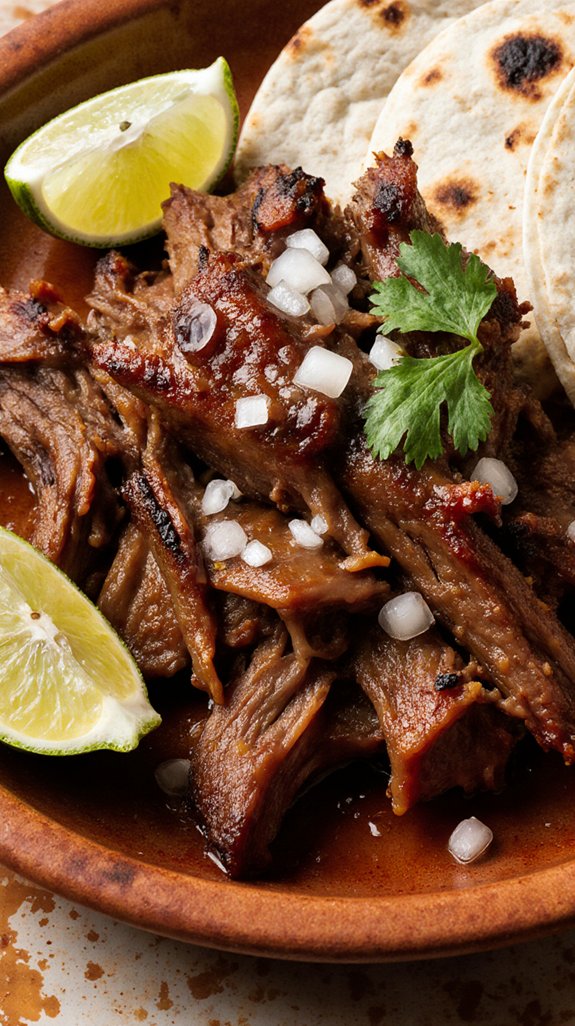
Making authentic carnitas is surprisingly straightforward, though it does require patience and a willingness to embrace traditional cooking methods. Start by preheating your oven to 275 degrees, which might seem low, but this gentle heat is exactly what you need for the pork to slowly confit in its own fat.
In a 9x11x2 casserole dish, combine all your ingredients—the 2 1/2-3 lbs of pork butt pieces, 1 lb of lard, the quartered 1/2 orange and whole lime (skins and all), 4 slightly smashed garlic cloves, the white onion, 1 teaspoon salt, 1/2 teaspoon each of pepper and oregano, 1 teaspoon cumin, and 1/4 cup bacon fat. Investing in a high end cookware set can make a significant difference in how evenly your carnitas cook and how well the casserole dish retains that crucial low, steady heat.
Cover the dish tightly and let it bake for five full hours. During this time, the magic happens as the pork slowly breaks down, absorbing all those citrus oils and spices while becoming incredibly tender in the rendered fat.
Once those five hours are up, carefully remove the dish from the oven and use a strainer to scoop out the meat, letting all the cooking liquid and the softened citrus, onion, and garlic fall away—you won’t need them anymore.
Now comes the vital step that separates good carnitas from great ones: brush a sheet pan with 1 tablespoon of olive oil and arrange your tender pork in a single layer.
Slide it under the broiler for about five minutes, keeping a close watch the entire time. This final blast of high heat creates those crispy, caramelized edges that make carnitas irresistible, but you need to stay vigilant because the line between perfectly crispy and dried-out or burnt is thin.
The goal is golden-brown crispy bits on the outside while keeping that juicy, fall-apart texture inside. Serve immediately with your choice of flour or corn tortillas, and feel free to top with fresh cilantro or extra onion if that’s your style.
Shop Related Products

Meet Your Daily Needs: DOWAN larger and deeper ceramic baking dish measures 15.6"L x 9.3"W x 3.1" H (including handle size)-135 OZ, sized perfectly for cooking lasagna, casseroles, chicken, roast, bread, pasta, beef, and more. Whether you're cooking a family dinner or serving food, this versatile casserole dish has got you covered.
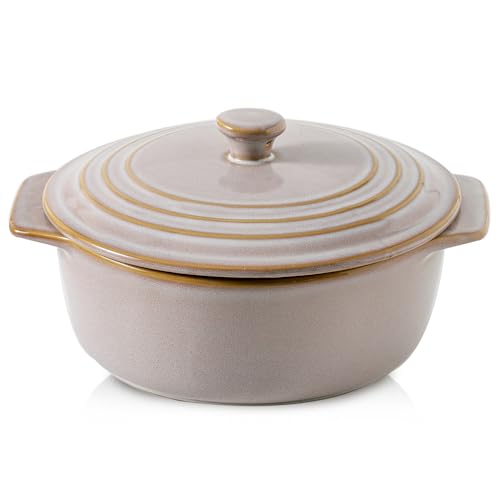
Multiple Uses in Life: HVH's ceramic bakeware with a capacity of 2qt and a size of 9 inches is very suitable for preparing and serving various dishes, including casseroles, lasagna, spaghetti, chicken, meat, beef, vegetables, roasting, reheating leftovers and more. It is suitable for baking, storage and many more daily use that will meet your different needs.

【MEET YOUR ALL NEEDS】MALACASA casserole dishes for oven measure 15.6"L x 9.2"W x 3.1"H (including handle size)-142 OZ, straight-sided design allowing it to hold a larger capacity. Perfect for cooking lasagna, casseroles, chicken, roast, bread, pasta, beef, and more. Whether you're preparing a family dinner or serving, this versatile casserole dish has got you covered.
Authentic Pork Carnitas Substitutions and Variations
While this recipe stays true to traditional Mexican cooking, I’ve learned over the years that sometimes you need to work with what’s available in your kitchen or accommodate different dietary needs and preferences.
For pork alternatives, I’ve successfully used boneless chicken thighs or beef chuck roast, though the cooking time may need adjustment. The chicken cooks faster, around three hours, while beef needs the full five.
When it comes to spice variations, I sometimes add a cinnamon stick for warmth or chipotle powder for smokiness. My cousin swears by adding bay leaves and Mexican coriander, which creates an earthier flavor profile.
Don’t be afraid to experiment with the citrus either—try all orange or substitute with grapefruit for a slightly bitter, sophisticated twist.
Shop Related Products

Even Heat Distribution Retention: This Umite Chef Dutch oven Made with heavy-duty enameled cast iron, ensures even heat distribution for perfect searing and slow cooking, locking in flavors. thickened walls lock in heat for slow braising, searing, and baking. Unlike thin pots that scorch food, this professional-grade Enameled cast iron potSuperior heat retention after preheating (allow 5-7 mins for even distribution). CRITICAL: Always cool naturally for 45+ mins before cleaning. Thermal shock (hot-to-cold contact) cracks enamel. USE TIP: Preheat 2-3 mins on medium-low only

Quality Enameled Dutch Oven: The Lodge Essential Enamel Cast Iron Dutch Oven gives you all the benefits of cast iron cooking, great heat retention and durability, without fear of rust; it's also PFAS free
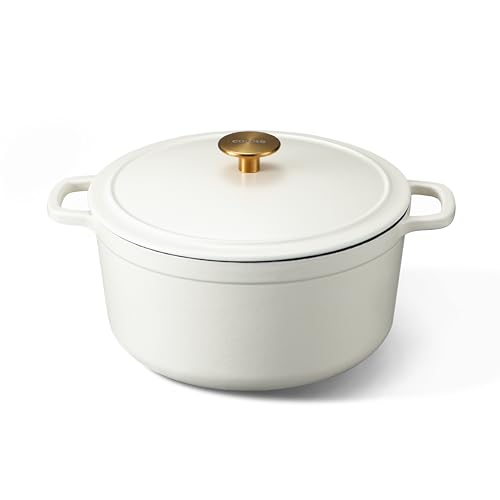
Superior Even Heat Control: One-piece thick cast iron delivers uniform heat with zero hot spots and excellent heat retention, ideal for searing, braising and crusty bread baking. Preheat on medium-low heat; cool naturally before washing to prevent enamel cracking.
What to serve with Authentic Pork Carnitas
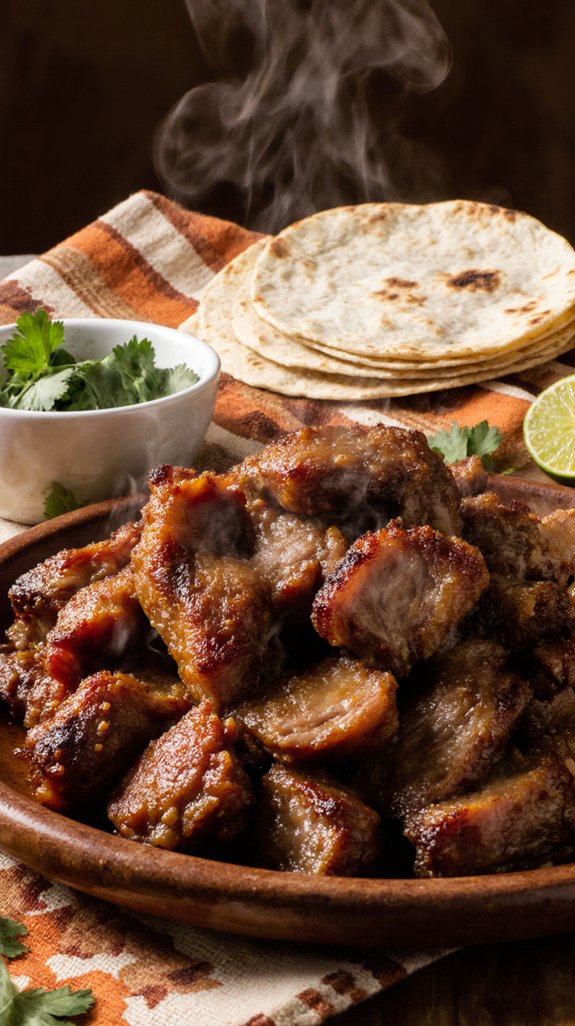
Carnitas practically beg to be served taco-style, and I’ve found that warming corn tortillas directly over a gas flame gives them the perfect char and flexibility to hold all those tender, crispy pork pieces.
My topping suggestions include fresh cilantro, diced white onion, a squeeze of lime, and your favorite salsa, whether it’s a bright verde or smoky red.
For side dishes, I always reach for classic Mexican rice and refried beans, though a simple cabbage slaw adds a crunchy, invigorating contrast that cuts through the richness of the pork.
Don’t forget the pickled jalapeños if you want heat, and warm some extra tortillas because everyone always wants seconds, sometimes thirds.
Final Thoughts
After you’ve made this dish once or twice, you’ll start to understand why carnitas hold such a special place in Mexican cuisine, and you’ll probably find yourself craving them on random Tuesday afternoons like I do.
The cooking tips I’ve shared come from years of trial and error, watching my grandmother work her magic in the kitchen. Don’t stress if your first batch isn’t perfect—carnitas are forgiving, and even slightly imperfect ones taste incredible.
Remember those serving suggestions we covered, but feel free to experiment with your own toppings and accompaniments. The beauty of this recipe is its adaptability. Once you master the basic technique, you can make it your own, adjusting seasonings and textures to match your family’s preferences.
Frequently Asked Questions
Can I Make Carnitas in a Slow Cooker Instead of the Oven?
Yes, I’ll use my slow cooker for carnitas! The slow cooker benefits include hands-off cooking and tender results. I’ll cook on low for 6-8 hours, then broil the meat for that crispy finish.
How Long Will Leftover Carnitas Stay Fresh in the Refrigerator?
I’ll share my refrigerator tips for leftover storage: your carnitas will stay fresh for 3-4 days when stored in an airtight container. I always cool them completely before refrigerating to maintain the best quality and food safety.
Can I Freeze Cooked Carnitas for Later Use?
Yes, I highly recommend freezing cooked carnitas for convenient meal prep. I’ll share my freezing tips: portion the cooled meat into airtight containers or freezer bags, removing excess air. They’ll stay fresh for three months.
What’s the Best Way to Reheat Carnitas Without Drying Them Out?
I’ll reheat carnitas using a stovetop technique with a splash of water or broth in a covered pan over medium heat. The microwave method works too, but cover the meat with a damp paper towel to retain moisture.
Is Pork Shoulder the Same as Pork Butt for This Recipe?
Yes, I consider them interchangeable for carnitas! Both pork cuts come from the shoulder area and contain similar marbling. They’ll yield identical results with this recipe’s cooking methods, becoming tender and flavorful after slow-roasting in lard.