I’ve been making Swiss steak for my family since my oldest was in diapers, and it’s one of those recipes that never fails to bring everyone to the table without complaints. The secret lies in the slow simmer that transforms a tough cut of meat into something fork-tender, while the onions practically dissolve into a rich, savory gravy. If you’re looking for a meal that feels like a warm hug after a long day, this is it.
Why You`ll Love this Tender Swiss Steak
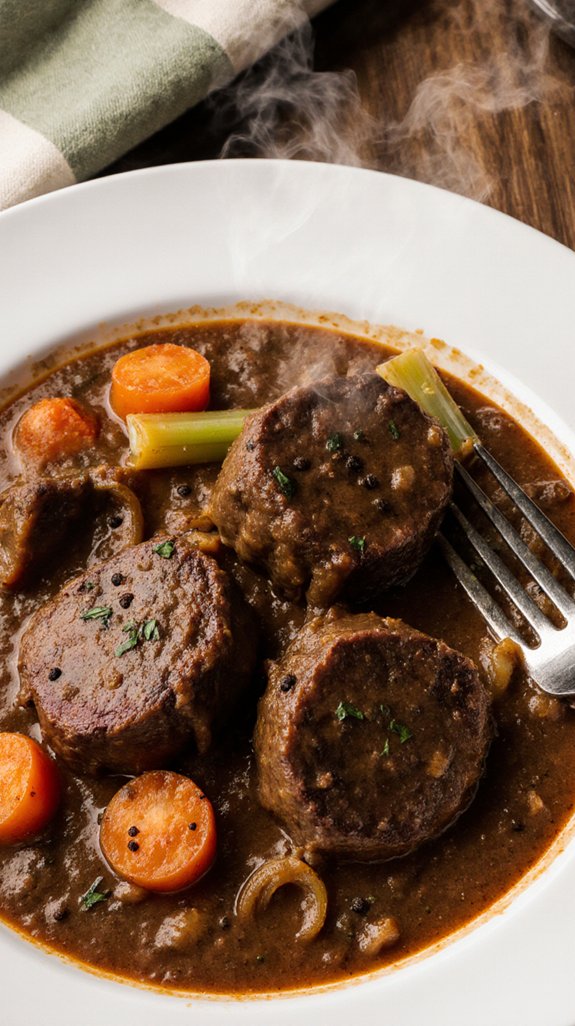
When you’re craving something that melts in your mouth without babysitting the stove all day, this Swiss steak delivers exactly what you need. The flavor profile hits that perfect balance between savory and comforting, with tender meat that practically falls apart on your fork. I love how the cooking techniques here are straightforward—just dredge, brown, and simmer—yet they transform a budget-friendly cut into something special. The onions break down into the sauce, creating this rich gravy that begs for mashed potatoes or rice underneath. You’ll get restaurant-quality results without the fussy prep work, and your house will smell amazing while it cooks. It’s become my go-to when I want impressive results with minimal effort.
What ingredients are in Tender Swiss Steak?
The beauty of Swiss steak lies in its simplicity—you probably have most of these ingredients in your pantry right now. This isn’t a recipe that requires a specialty store run or exotic components. Just honest, everyday ingredients that come together to create something truly satisfying.
- 1 1/2-2 lbs round steaks, cut 1-inch thick
- 1/4 cup flour
- 3 tablespoons olive oil
- 1 1/2 teaspoons salt
- 1/4 teaspoon pepper
- 1/2 teaspoon seasoning salt
- 1 large onion, sliced
- 1 cup water
The water measurement is flexible depending on how much gravy you prefer—some cooks add extra during the simmering process to achieve their desired consistency. Round steak is the traditional choice here because it benefits so much from the long, slow cooking method, becoming fork-tender despite being a leaner, more economical cut. The flour creates a light coating that not only helps with browning but also thickens the pan juices into a proper gravy as everything cooks together.
How to make this Tender Swiss Steak
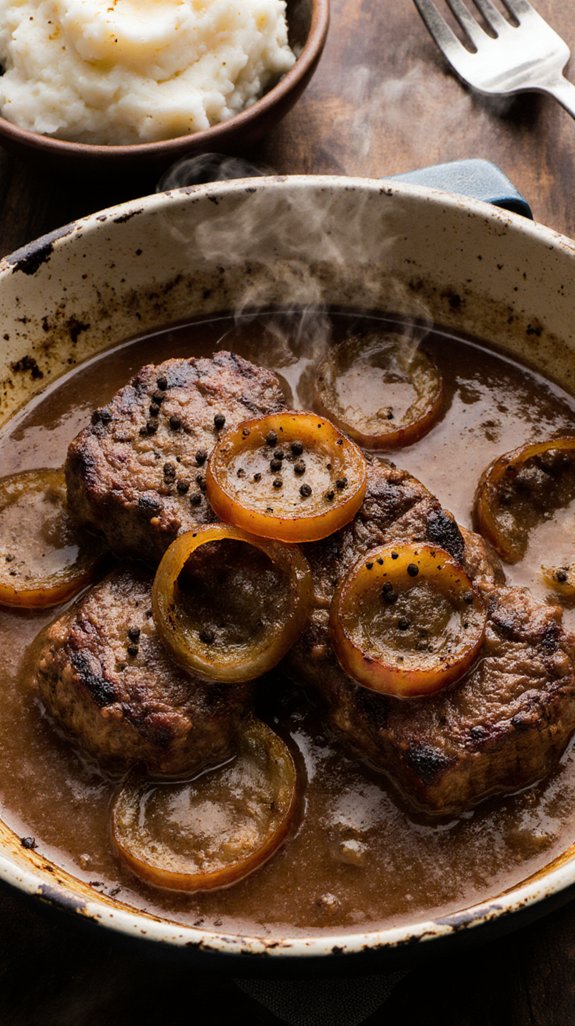
Making Swiss steak is a straightforward process that transforms an affordable cut of meat into something special. Start by dredging your 1 1/2-2 lbs of round steak in 1/4 cup of flour, making certain to coat both sides evenly.
Heat 3 tablespoons of olive oil in a large skillet or Dutch oven over medium heat, then brown the floured steaks on both sides until they develop a nice golden crust. This browning step is important because it locks in flavor and creates those delicious browned bits on the bottom of the pan that will later enrich your gravy.
Once browned, sprinkle the meat with 1 1/2 teaspoons of salt, 1/4 teaspoon of pepper, and 1/2 teaspoon of seasoning salt, distributing the seasonings evenly across the surface.
Next, add your sliced large onion to the pan, arranging it around and on top of the meat. Pour in 1/2 cup of water, cover the pan with a tight-fitting lid, and reduce the heat to maintain a gentle simmer.
Let everything cook together for about 1 1/2 hours, checking occasionally to verify the meat is becoming tender. During this cooking time, add the remaining 1/2 cup of water to keep things from drying out.
The key to perfect Swiss steak is patience—that long, slow simmer is what breaks down the tough fibers in the round steak and creates a rich, flavorful gravy. If you prefer more gravy or notice things getting too dry, feel free to add additional water as needed until you reach your desired consistency.
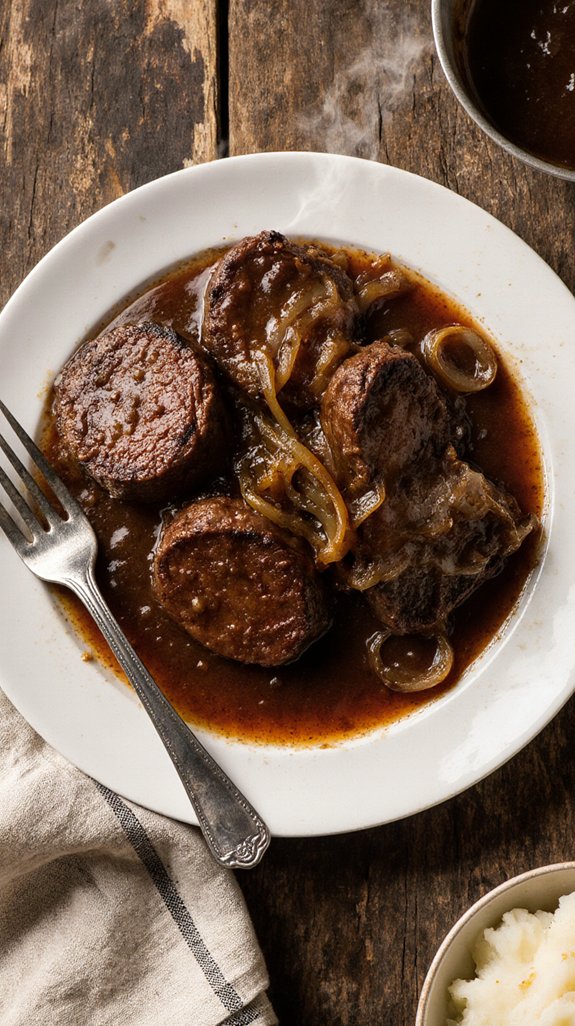
The finished dish should feature tender, fall-apart meat surrounded by savory gravy that’s perfect for spooning over mashed potatoes or rice. Investing in a premium cookware set can make the cooking process even more enjoyable with better heat distribution and durability.
Shop Related Products

The Original slow cooker distributes and retains heat evenly and has generous sized handles

🔥Self-Circulating Lid: This Dutch oven pot features a circulating shower-type lid designed to capture steam as it rises, condense it back into water inside the lid, and evenly distribute the moisture over the food to preserve its original nutrients.

【ONE-PAN DINNERS MADE EASY】Designed as a 3.8QT shallow cast iron braiser, this enameled pan gives you a wide cooking surface for searing, sautéing, simmering, roasting, and serving in one pot. Perfect for weeknight dinners, chicken thighs, short ribs, vegetables, pasta dishes, and skillet-style braised meals for couples and small families.
Tender Swiss Steak Substitutions and Variations
Once you’ve mastered the basic recipe, you’ll find Swiss steak is incredibly forgiving and welcomes all sorts of substitutions.
I’ve tried countless ingredient swaps over the years, and most work beautifully. You can replace round steak with chuck roast or even pork chops if beef isn’t your thing.
For tenderness variations, I sometimes add a splash of vinegar or a can of diced tomatoes to help break down tough fibers.
The flour can be swapped for cornstarch, though you’ll need less. I’ve used beef broth instead of water for richer flavor, and garlic powder when fresh onions weren’t available.
My grandmother once used cream of mushroom soup when she ran out of water, creating an entirely new family favorite that I still make today.
Shop Related Products

Even Heat Distribution Retention: This Umite Chef Dutch oven Made with heavy-duty enameled cast iron, ensures even heat distribution for perfect searing and slow cooking, locking in flavors. thickened walls lock in heat for slow braising, searing, and baking. Unlike thin pots that scorch food, this professional-grade Enameled cast iron potSuperior heat retention after preheating (allow 5-7 mins for even distribution). CRITICAL: Always cool naturally for 45+ mins before cleaning. Thermal shock (hot-to-cold contact) cracks enamel. USE TIP: Preheat 2-3 mins on medium-low only

IDEAL FOR FAMILY MEALS - Perfectly sized for families of 3–5 people, this 5.5QT Dutch oven handles everything from hearty soups and stews to one-pot dinners, pasta dishes, and Sunday pot roasts. Spacious enough for a whole chicken yet practical for everyday cooking, it delivers the ideal balance between daily family meals and weekend entertaining. Also well-sized for artisan bread bakers who want one pot for both family dinners and sourdough baking.

What to serve with Tender Swiss Steak
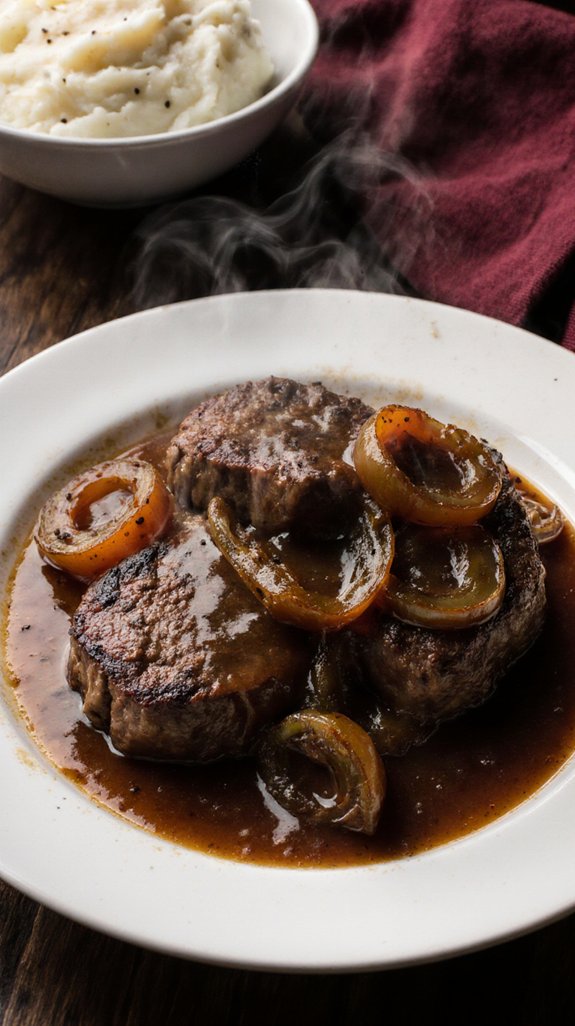
When dinner includes tender, gravy-laden Swiss steak, I’ve learned that the best side dishes are those that soak up all that wonderful sauce without competing for attention.
Creamy mashed potatoes remain my top choice, creating perfect little valleys for pooling that rich gravy. Buttered egg noodles work beautifully too, their wide surfaces catching every drop.
I’ll often serve simple roasted green beans or glazed carrots alongside, vegetables that add color without overshadowing the main event.
For meal pairings, crusty bread is non-negotiable—someone needs to mop up those final precious bits from the plate.
My grandmother always served this with a crisp iceberg salad dressed simply with vinegar and oil, which provided a rejuvenating contrast to the hearty, savory meat.
These straightforward combinations let the Swiss steak shine.
Final Thoughts
After years of making this dish, I’ve come to appreciate Swiss steak as more than just another weeknight dinner—it’s a connection to simpler cooking, where patience and basic ingredients created something genuinely satisfying.
This recipe works beautifully for meal prep, as it actually tastes better the next day when the flavors have melded together overnight. I often double the batch and freeze half for those evenings when I need dinner ready without the fuss.
It’s become my go-to for family gatherings, particularly when I want to serve something hearty without spending hours in the kitchen. The beauty of Swiss steak lies in its reliability—follow these straightforward steps, and you’ll have a tender, flavorful meal that brings everyone to the table.
Frequently Asked Questions
Can I Make Swiss Steak in a Slow Cooker or Instant Pot?
Yes, I’ll share slow cooker tips and instant pot methods for you. After browning the meat, transfer everything to your slow cooker for 6-8 hours on low, or pressure cook for 35 minutes.
How Do I Store Leftover Swiss Steak and How Long Does It Last?
I’ll share my storing tips: refrigerate your leftover Swiss steak in an airtight container for 3-4 days, or freeze it for up to 3 months. The leftover lifespan extends considerably when you freeze portions in freezer-safe containers.
Can I Freeze Swiss Steak for Meal Prep?
Yes, I recommend freezing Swiss steak for convenient meal prep. My top freezing tips include cooling it completely first, using airtight containers, and consuming within three months for best quality and flavor.
What’s the Difference Between Swiss Steak and Salisbury Steak?
Swiss steak uses tenderized round steak that’s braised with vegetables, while Salisbury steak is ground beef formed into patties and pan-fried. Their culinary origins and cooking techniques differ completely, creating distinct textures and flavors I’ve come to appreciate.
Why Is It Called Swiss Steak if It’s Not From Switzerland?
I’ll explain the culinary origins: “Swiss” doesn’t refer to Switzerland but to “swissing,” a fabric-smoothing technique. The meat’s pounded and tenderized similarly. Among steak variations, this braising method creates fork-tender results through mechanical tenderization.