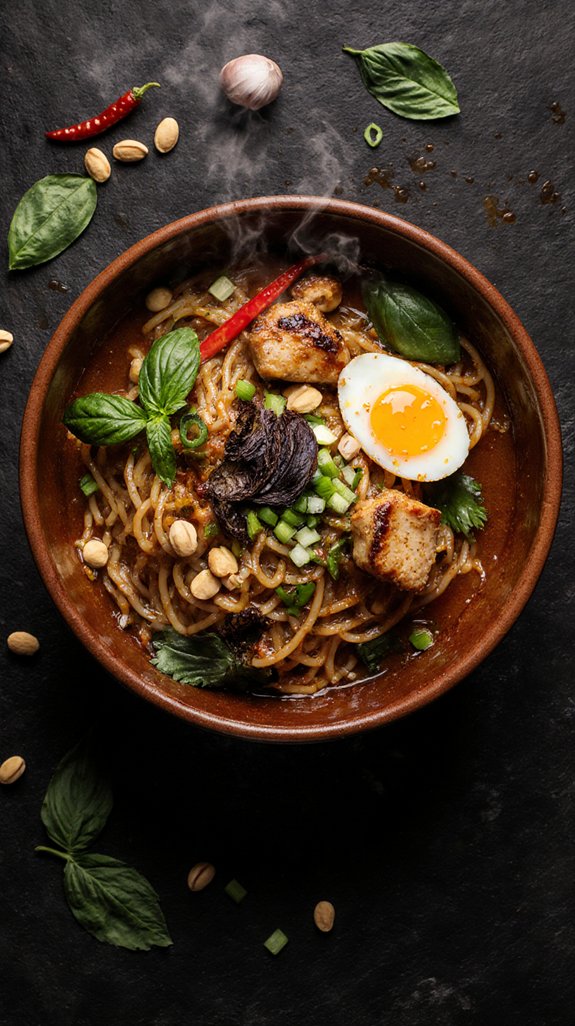
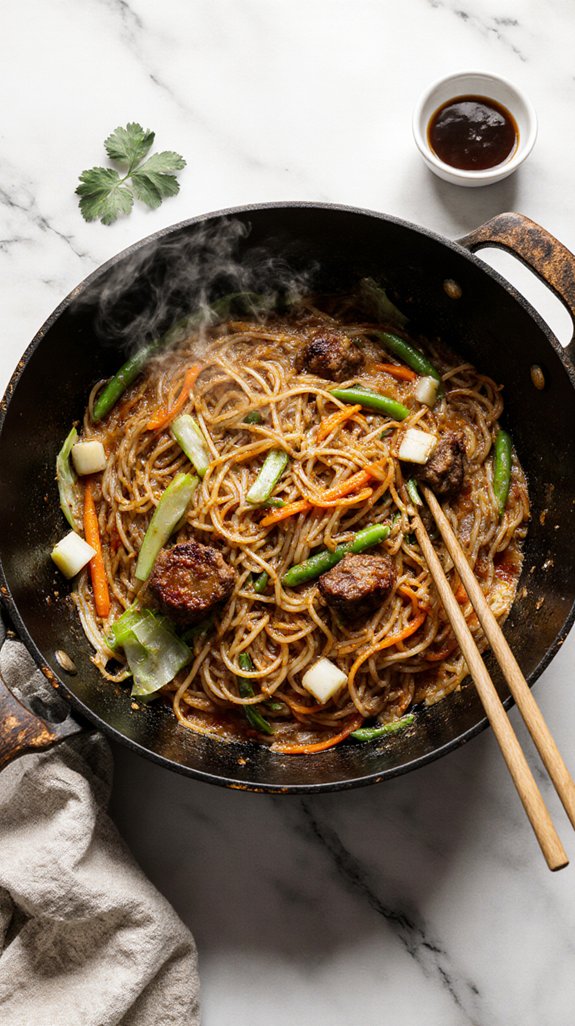
I’ve watched my lola’s hands move through countless batches of pancit, and I’m convinced there’s something magical about noodles that stretch across the table, feeding a dozen people without breaking your budget. This dish shows up at every Filipino celebration for good reason—it’s forgiving, feeds a crowd, and somehow tastes better when you’re elbow-to-elbow with family. Let me show you how I make mine, borrowing from tradition while keeping things practical for your kitchen.
Why You`ll Love this Hearty Filipino Pancit
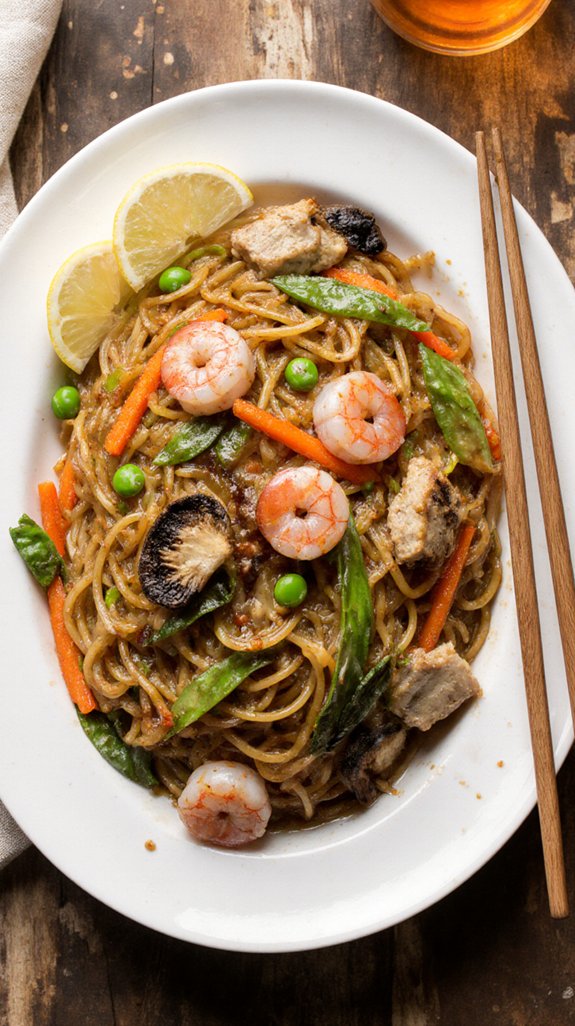
This dish has everything you want when you’re craving comfort food that actually fills you up, and I mean really fills you up, not like those meals that leave you raiding the fridge an hour later.
The combination of tender pork, rice noodles, and vegetables creates a complete meal that satisfies every single time.
What I love most is how the flavorful ingredients work together, with the soy sauce coating each strand of noodle while the pork adds richness you can’t get from anything else.
The cooking techniques are straightforward enough that you won’t stress over getting dinner on the table, but the results taste like you’ve spent hours in the kitchen.
It’s perfect for feeding a crowd without breaking your budget or your back.
What ingredients are in Hearty Filipino Pancit?
The ingredients for this hearty Filipino pancit are simple to find and come together to create a dish that’s both filling and packed with flavor. You’ll need a good mix of protein, noodles, and fresh vegetables that each bring their own texture and taste to the final dish.
Ingredients:
- 4 lbs pork chops
- 2 (6 ounce) packages rice noodles
- 16 ounces frozen green beans
- 1 small onion, diced
- 2-3 garlic cloves, minced
- 2-3 stalks celery, diced
- 8 green onions
- 4 ounces carrots, shredded
- 1 small cabbage, shredded
- 1 tablespoon oil
- 1/4 cup soy sauce
When gathering your ingredients, keep in mind that the pork chops will be boiled and shredded, so choose cuts with some meat on them but don’t worry too much about getting the most expensive cuts since they’ll be pulled apart anyway. The rice noodles are essential for authentic pancit, so don’t substitute with other types of noodles if you want the traditional texture. Fresh vegetables can be used instead of frozen green beans if you prefer, and the cabbage should be a regular green cabbage that shreds easily. Having all your vegetables prepped and ready before you start cooking will make the stir-frying process much smoother.
How to make this Hearty Filipino Pancit
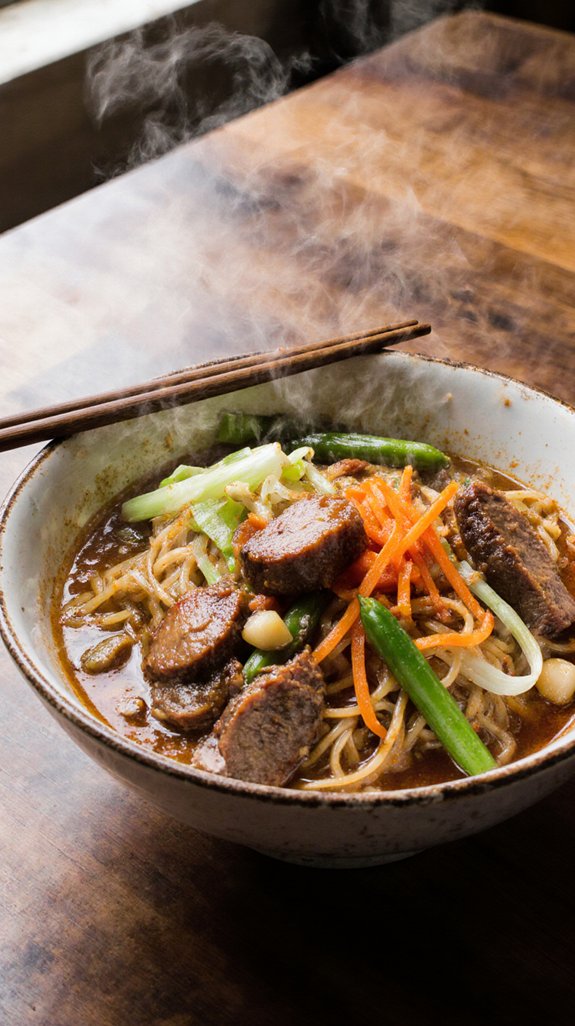
Making this hearty Filipino pancit starts with preparing the pork, which gives the dish its rich, savory foundation. Begin by boiling 4 lbs of pork chops for 30-45 minutes until they’re fully cooked and tender. Once they’re done, let them cool down so you can handle them safely, then pull the meat apart into bite-size pieces with your hands or a fork, making sure to remove any excess fat.
Here’s an important tip: don’t throw away that broth! You’ll need it later to add moisture and flavor to your noodles. While the pork is cooling, soak your 2 (6 ounce) packages of rice noodles in cold water for 10-15 minutes until they become soft and pliable.
Now comes the fun part where everything comes together quickly, so having all your ingredients prepped beforehand really helps. Heat 1 tablespoon of oil in a large wok or skillet, then sauté 1 small diced onion and 2-3 minced garlic cloves until they’re soft and fragrant. Using a high end cookware set can make the stir-frying process more even and efficient, giving you better control over heat distribution.
Add 2-3 stalks of diced celery and 4 ounces of shredded carrots, stir-frying for 2-3 minutes, then toss in 1 small shredded cabbage and continue cooking for about 5 minutes more. Next, add 16 ounces of frozen green beans and stir-fry for just 1-2 minutes.
Pour in about 1/4 cup of the reserved pork broth and 1/4 cup of soy sauce, bringing everything to a boil. Before draining your soaked noodles, pull them apart with your hands to make them closer to bite-size pieces, which makes the dish easier to eat and helps the noodles mix better with all those vegetables.
Add the noodles to your wok along with the shredded pork, mixing everything together thoroughly, and if the mixture seems a bit dry, add another 1/4 cup of broth to loosen things up. Once everything is well combined and heated through, it’s ready to serve immediately while it’s hot and fresh.
Shop Related Products

HexClad’s Hybrid technology features a laser-etched hexagonal nonstick surface that combines both stainless-steel and our TerraBond ceramic coating for the ultimate sear and easy cleaning.

Durable Scratch Material: Scratch resistant non stick frying pans is made of titanium alloy surface, which has excellent corrosion resistance and durability. Requiring less oil or butter for cooking,and a healthy cooking environment for you and your family. It is designed to be ready for everyday family cooking.

HexClad’s Hybrid technology features a laser-etched hexagonal nonstick surface that combines both stainless-steel and our TerraBond ceramic coating for the ultimate sear and easy cleaning.
Hearty Filipino Pancit Substitutions and Variations
While pancit is wonderful as written, you’ll find that this recipe practically begs for customization based on what’s sitting in your refrigerator or what your family loves to eat.
For pancit variations, I’ve swapped pork chops for chicken thighs, shrimp, or even leftover rotisserie chicken when I’m pressed for time. The rice noodles can be replaced with wheat-based pancit canton for a chewier texture, which my kids actually prefer.
Ingredient substitutions work beautifully here—snap peas instead of green beans, bok choy in place of cabbage, or bell peppers for extra color and sweetness. I’ve even tossed in mushrooms when my daughter went through her vegetarian phase.
The key is maintaining that balance of protein, vegetables, and noodles while keeping the soy sauce base intact.
Shop Related Products

Helen's Asian Kitchen Carbon Steel Mini Wok: Traditional Chinese-style flat bottom wok quickly stir fries, sears, browns, and performs high-heat cooking for single-serve recipes, fried rice, noodles, vegetables, meats, seafood, and smaller portions
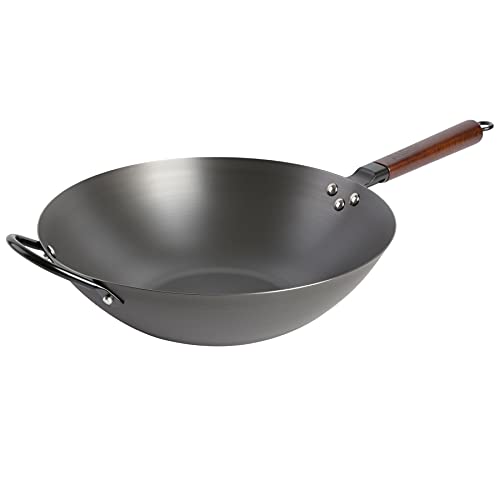
Consumer Reports Top Rated Wok 26': Babish 14 Inch Carbon Steel Wok (6" Flat Bottom)

[Wok Set & Cookwares] - KAQINU 14 piece wok pan set includes wok pan with lid, wok spatula, wok brush, wok ring, drain oil rack, chopstick, slotted spatula, spaghetti spoon, slotted spoon, rice spoon, soup ladle, carving fork and apron. Owning this all-in-one Chinese wok pan, make cooking easier, faster and more efficient, then your cooking life will be more handy.
What to serve with Hearty Filipino Pancit
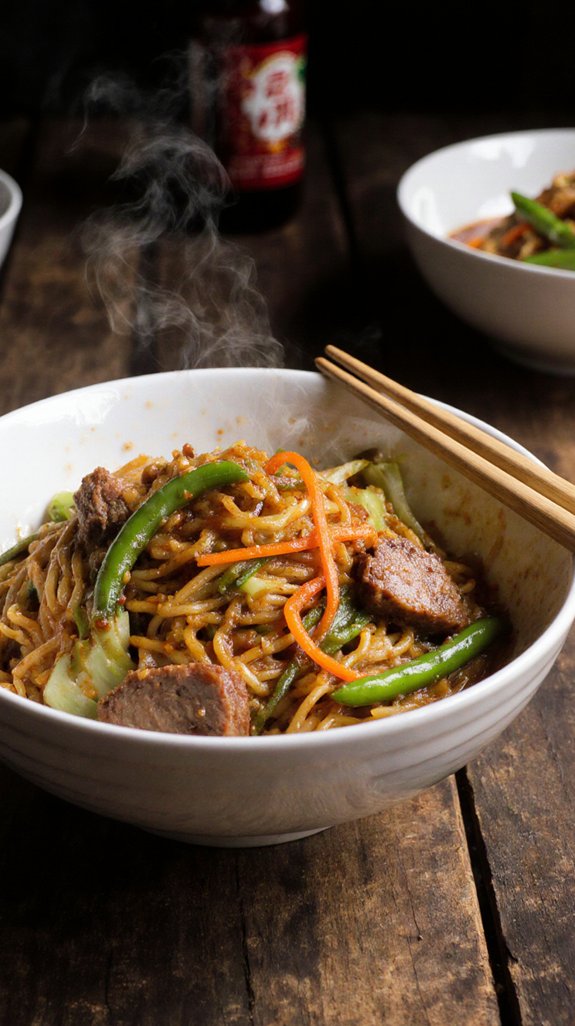
Since pancit is already loaded with protein, vegetables, and noodles, it functions as a complete one-dish meal that doesn’t technically require anything else on the table.
That said, I’ve found that certain side dishes enhance the experience, especially during family gatherings when you’re feeding a crowd. Lumpia, those crispy Filipino spring rolls, make perfect flavor pairings with pancit’s savory-sweet profile.
I also serve it alongside steamed white rice, which my dad always insisted on despite the noodles already present. For lighter options, I’ll add sliced tomatoes with fish sauce or a simple cucumber salad to cut through the richness.
Some families serve it with grilled meats or fried chicken, transforming the spread into a proper feast that keeps everyone coming back for seconds.
Final Thoughts
This dish has traveled with me through every stage of my life, from childhood birthday parties where it appeared in massive aluminum trays to my own kitchen where I now make smaller batches on busy weeknights.
The cultural significance runs deeper than simply feeding people, though pancit certainly excels at that. It’s how my family traditions get passed down, how I teach my kids about their heritage while they help me shred cabbage at the counter.
Every time I pull those noodles apart with my hands, I’m doing exactly what my grandmother did, and her mother before her.
That’s what makes this more than just another noodle dish. It’s edible history, family connection, and honestly, one of the most satisfying meals you’ll ever make.
Frequently Asked Questions
Can I Make Pancit Ahead of Time and Reheat It Later?
Yes, I can make pancit ahead of time! For proper pancit storage, I’ll refrigerate it in an airtight container for up to three days. When reheating, I’ll use gentle reheating techniques like steaming or quick stir-frying to maintain texture.
How Long Does Leftover Pancit Last in the Refrigerator?
I’ll store leftover pancit in an airtight container for 3-4 days maximum. Proper pancit storage is essential since noodle freshness deteriorates quickly. I recommend reheating portions as needed rather than the entire batch to maintain quality.
Can I Freeze Cooked Pancit for Meal Prep?
I don’t recommend freezing cooked pancit for meal prep. The rice noodles become mushy and lose their texture when thawed. Here’s my freezing tip: prepare and freeze the pork and vegetables separately instead.
What Type of Rice Noodles Work Best for This Recipe?
I recommend using rice stick noodles (bihon) or thin rice vermicelli for authentic pancit. These rice noodle types absorb the broth beautifully while maintaining a pleasant noodle texture that’s tender yet slightly chewy when stir-fried properly.
How Do I Prevent the Noodles From Sticking Together?
I’ll prevent sticking through proper noodle preparation: soaking them in cold water, then pulling them apart by hand before draining. The cooking techniques of adding reserved broth and constantly mixing while stir-frying keep everything separated beautifully.