I’ll be honest with you—there’s something almost magical about making flatbread at home, watching simple ingredients transform into warm, pillowy rounds that fill your kitchen with that unmistakable yeast-and-butter scent. My grandmother used to say that bread was the great equalizer in cooking, forgiving enough for beginners yet rewarding for experienced bakers, and after years of making this recipe, I’ve found she was absolutely right about that.
Why You`ll Love this Homemade Flatbread
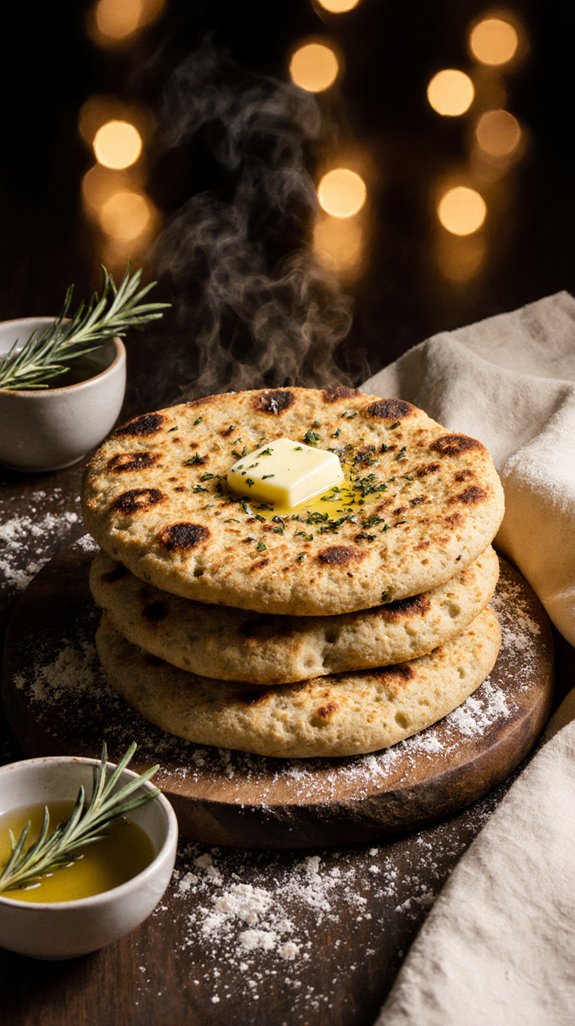
Fresh bread, warm from the pan and practically steaming in your hands, is one of those simple pleasures that never gets old.
I’ve made this flatbread countless times, and it honestly never disappoints. What I love most is how forgiving it is—the dough practically guides you through the process, and the cooking techniques are straightforward enough that you won’t stress over getting it perfect.
You can stick with the basic recipe or experiment with endless flavor variations, from garlic and herbs to za’atar and sesame seeds.
The entire process, from mixing to eating, takes just over two hours, and most of that time is hands-off while the dough rises. It’s genuinely rewarding to create something this delicious from scratch.
What ingredients are in Homemade Flatbread?
This flatbread recipe comes together with a handful of pantry staples that you likely already have on hand.
The beauty of this recipe lies in its simplicity—no exotic ingredients or specialty items required. Just basic baking essentials that combine to create something truly special.
- 200 ml milk
- 200 ml lukewarm water
- 1 (7 g) packet dried yeast
- 500 g strong bread flour
- 25 g salt
- 25 g butter, softened and cut into cubes
- Oil, for greasing
The quality of your ingredients will directly impact the final result, so use the best flour you can find—strong bread flour is essential for developing the right texture and elasticity.
Make sure your yeast is fresh and hasn’t expired, as this will determine whether your dough rises properly. The butter should be at room temperature to make it easier to rub into the flour, and while any neutral oil works for greasing, olive oil adds a subtle flavor enhancement if you prefer.
How to make this Homemade Flatbread
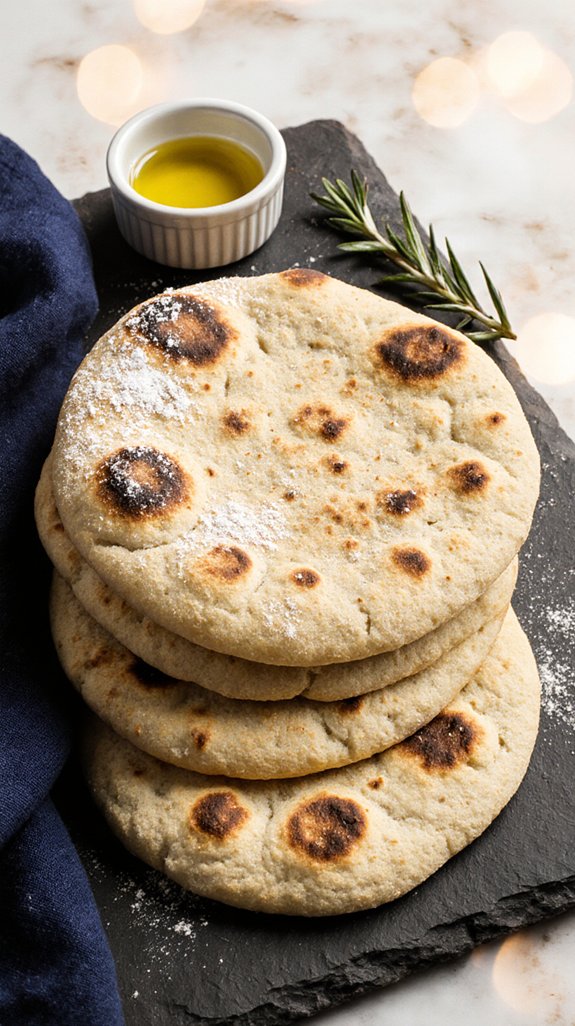
Making homemade flatbread is surprisingly straightforward, starting with the yeast mixture. In a jug, combine 200 ml of milk with 200 ml of lukewarm water, then sprinkle in your 1 (7 g) packet of dried yeast and give it a quick whisk. Set this aside in a warm spot for a few minutes to let the yeast wake up and start bubbling—this tells you it’s ready to work its magic.
While that’s happening, mix together 500 g of strong bread flour and 25 g of salt in a large bowl, then rub in the 25 g of softened, cubed butter until it’s evenly distributed throughout the flour. Create a well in the center of your flour mixture and gradually pour in the yeast mixture, adding it bit by bit until everything comes together as a cohesive dough. If things feel too sticky, dust in a little extra flour, or if it seems dry, add a splash more warm water to get the consistency just right.
Once your dough is formed, turn it out onto a lightly floured surface and knead it for about five minutes until it becomes shiny and elastic—you’ll feel the difference as it transforms under your hands.
After kneading, rinse out your mixing bowl with hot water, shape the dough into a neat ball, and place it back in the bowl. Cover it with oiled cling film and leave it somewhere warm for up to two hours, or until it’s doubled in size and feels light and airy to the touch.
When the dough has risen beautifully, punch it down to knock out the air, then knead it for another minute or so to redistribute everything evenly.
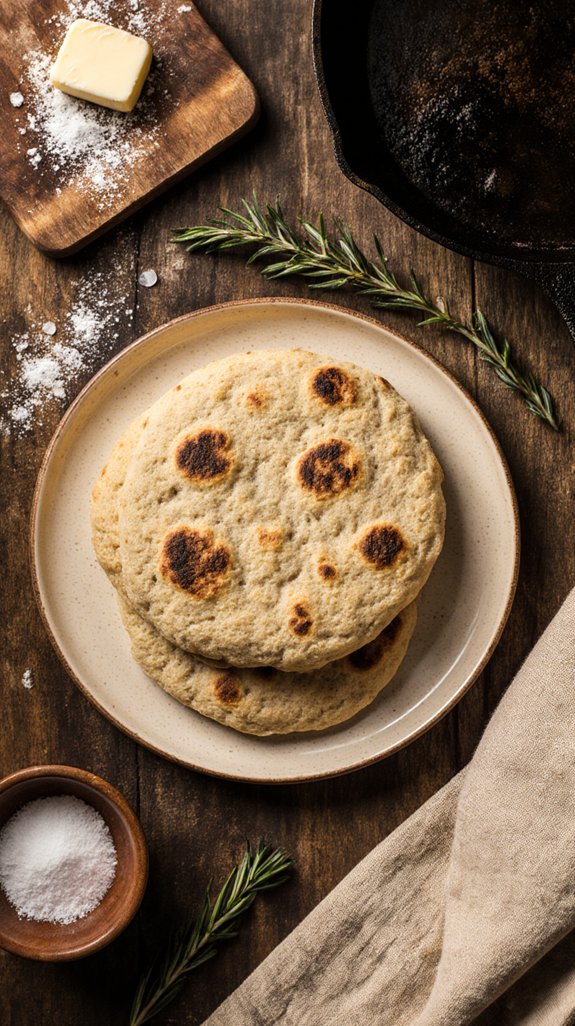
Now comes the fun part—rip off pieces of dough and start flattening them out with your hands, then use a rolling pin to get them nice and thin. This step is essential because the flatbread will puff up when it hits the heat, so if you skip making it thin enough, you’ll end up with a doughy center instead of that perfect, crispy texture we’re after.
Heat up a heavy-based frying pan, then place your flatbread in and turn the heat down. Let it crisp up on one side, flip it over to cook the other side, and then enjoy it immediately while it’s still warm and fresh from the pan. Investing in premium cookware sets can make the cooking process even more enjoyable, as quality pans distribute heat evenly and help achieve that perfect golden-brown finish every time.
Shop Related Products

ULTIMATE BAKING VERSATILITY: Perfect for everything from cookies and bars to vegetables and meats, ensuring versatility in your kitchen.

3-PIECE SET: NutriChef 3-piece nonstick cookware set includes the small, medium, and large size of cookie pans. These are a flexible, stylish, and non-stick carbon steel bakeware set with red silicone handles
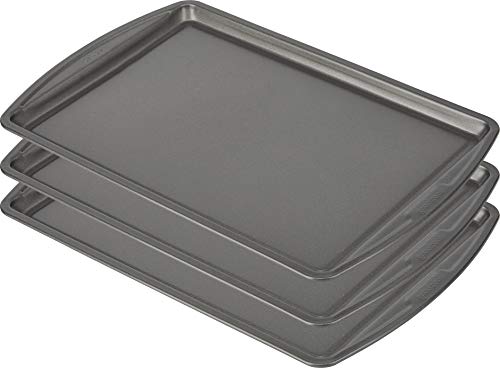
SET OF 3 BAKING SHEETS: GoodCook’s Nonstick Cookie Sheet Set comes with three 13 x 9-inch baking sheets to bake your favorite recipes from cookies, desserts, and tasty sheet pan dinners
Homemade Flatbread Substitutions and Variations
Once you’ve mastered the basic flatbread recipe, you’ll find it’s incredibly forgiving and open to all sorts of creative tweaks that can transform it into something entirely new.
I’ve swapped half the bread flour for whole wheat, which gives you a nuttier, heartier bread that my kids surprisingly loved. For gluten free alternatives, you can use a pre-mixed gluten-free flour blend, though you’ll need to adjust the liquid since these flours absorb moisture differently.
When it comes to flatbread toppings, the possibilities are endless. I brush mine with garlic butter and sprinkle za’atar before cooking, or add minced herbs directly into the dough.
You can even press in caramelized onions or cheese, creating something that reminds me of the street food I ate growing up.
Shop Related Products

Bake everyday favorites with ease, great for crisping homemade pizzas, baking flatbreads, reheating leftovers, or serving giant cookies and party snacks

【Safe and Harmless Materials】: Made with food-grade materials, our crepe pan is free from harmful chemicals such as PFOA and PFOS, ensuring your meals are not only delicious but also cooked in a healthy manner

Swiss Non-Stick Coating - Swiss ILAG nonstick granite coating. Free of Intentionally Added PFOA. Smokeless, safe & healthy. Cooking with little oil for healthy diet.
What to serve with Homemade Flatbread
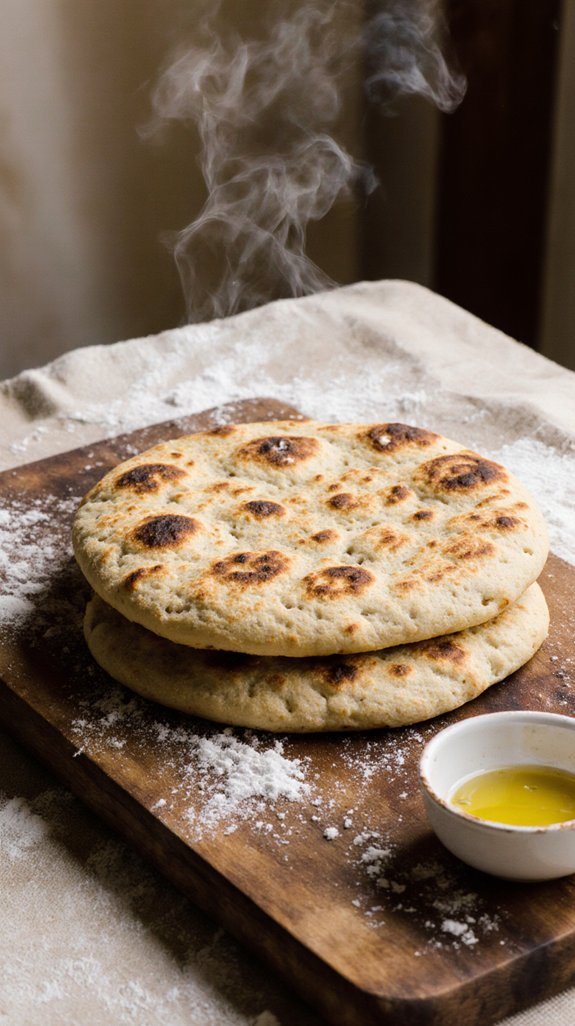
When I pull fresh flatbread from the pan, the smell alone tells me it needs something equally good alongside it, and I’ve learned over years of feeding my family that these simple rounds shine brightest when they’re part of a bigger spread.
Dipping sauces like garlicky tzatziki or spiced hummus transform each bite into something memorable. For topping ideas, I pile on grilled vegetables, crumbled feta, and fresh herbs, creating what my kids call “fancy pizza.”
Meal pairings work best when I serve flatbread alongside soups or stews, where it becomes the perfect vehicle for soaking up every last drop.
The flavor combinations are endless, whether you’re going Mediterranean with olive tapenade or keeping it simple with good butter and flaky salt.
Final Thoughts
This flatbread recipe has earned its place in my weekly rotation because it delivers bakery-quality results without the fuss of complicated techniques or hard-to-find ingredients.
The beauty lies in its simplicity, requiring only basic kitchen tools like a mixing bowl, rolling pin, and heavy-based frying pan. I’ve learned that mastering a few essential cooking tips, like ensuring your dough is properly thin and your pan is adequately heated, makes all the difference between mediocre and magnificent flatbread.
What started as an experiment has become my go-to solution for quick dinners, last-minute gatherings, and those evenings when I need something comforting straight from my own hands.
You’ll find yourself making these more often than you’d expect.
Frequently Asked Questions
Can I Freeze the Flatbread Dough for Later Use?
Yes, I’ll share my freezing tips for you. After kneading the dough, divide it into portions, wrap each tightly in plastic, and freeze. For proper dough storage, thaw overnight in your refrigerator before using.
How Long Do Cooked Flatbreads Stay Fresh?
I’ve found cooked flatbreads stay fresh for 2-3 days at room temperature in an airtight container. For better storage tips, refrigerate them for up to a week. Key freshness factors include proper sealing and keeping moisture out.
What’s the Best Way to Reheat Leftover Flatbreads?
I’ll reheat your leftover flatbreads using the oven technique by wrapping them in foil at 350°F for 5 minutes. Alternatively, the microwave method works quickly—just dampen them slightly and heat for 20 seconds.
Can I Make This Recipe Without a Stand Mixer?
I’ve made this flatbread entirely by hand many times. The recipe doesn’t require a stand mixer at all—just focus on proper hand kneading for five minutes until you achieve a shiny, elastic dough consistency.
Why Didn’t My Flatbread Puff up During Cooking?
Your flatbread likely didn’t puff because of flatbread thickness issues—if it’s too thick, it won’t steam properly. I’d also check your dough hydration; too little water prevents the necessary steam pockets from forming during cooking.