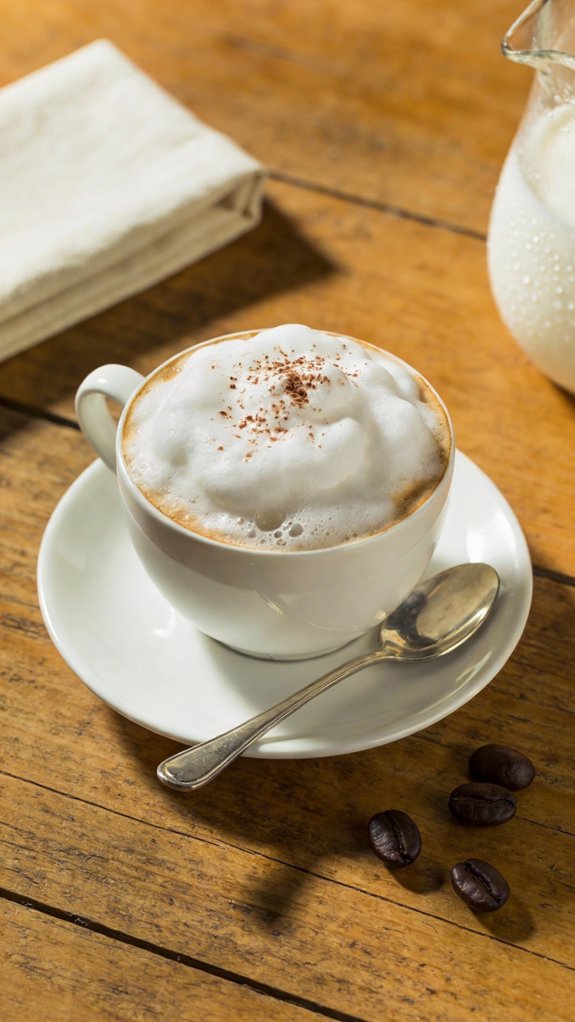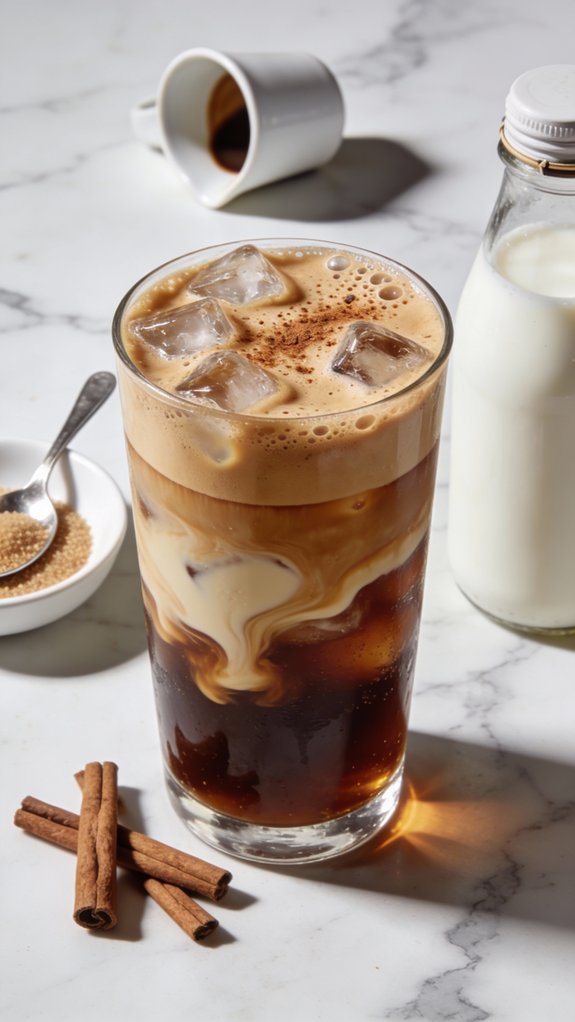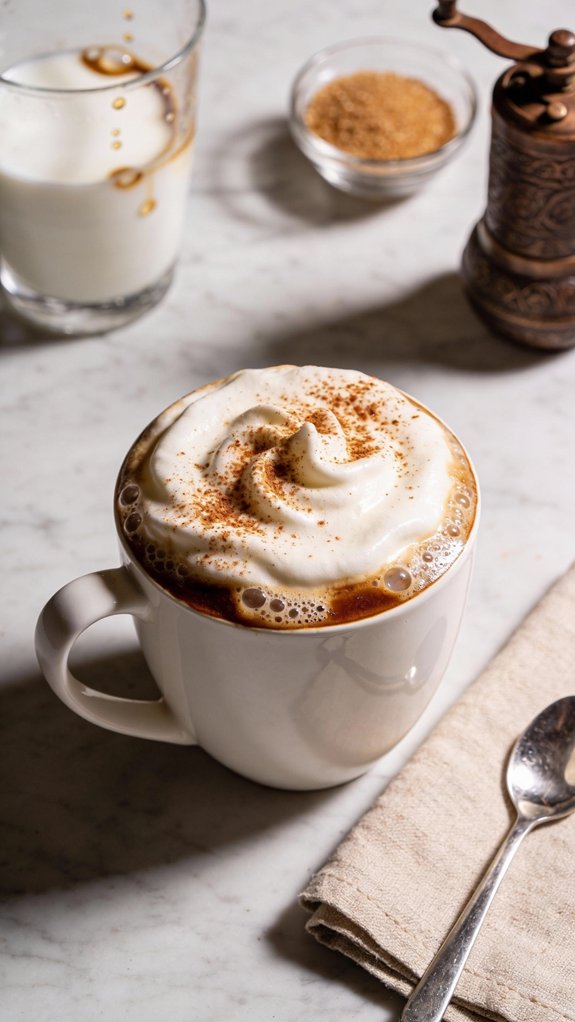

I was reaching for my coffee mug this morning when my roommate asked the exact same question you’re probably wondering about right now. Making coffee with milk seems simple enough, but there’s actually a sweet spot between watery disappointment and that perfectly creamy cup that makes your morning feel complete. The difference comes down to timing, temperature, and one surprising trick I learned from my grandmother’s kitchen that changed everything.
History
While nobody knows exactly when the first person poured milk into their coffee, I’ve always found it fascinating that this simple combination has been around for centuries.
Europeans started mixing milk with coffee sometime in the 1600s, right around when coffee houses became popular gathering spots in cities like Vienna and Paris. The practice really took off because milk helped soften coffee’s bitter edge, making it more enjoyable for people who found straight espresso too intense.
In France, café au lait became a breakfast staple, while Italians developed their own versions like cappuccino and latte. Different cultures put their own spin on it, but the basic idea stayed the same: coffee tastes better with a splash of creamy milk.
Recipe
This timeless combination brings together the bold richness of freshly brewed coffee with the smooth, creamy comfort of warm milk.
It’s the perfect middle ground between black coffee and a latte—strong enough to wake you up but gentle enough to sip slowly. The touch of vanilla and hint of cinnamon transform this everyday drink into something that feels a bit special without any fuss.
Whether you’re starting your morning, taking an afternoon break, or winding down after dinner, coffee with milk fits the moment.
It’s approachable for coffee newcomers who find straight espresso too intense, yet satisfying enough for seasoned coffee drinkers who want something smooth and mellow.
Ingredients:
- 1 cup freshly brewed coffee
- ½ cup whole milk
- 1 tablespoon granulated sugar
- ¼ teaspoon vanilla extract
- Pinch of ground cinnamon
Preparation:
- Brew 1 cup of coffee using your preferred method and pour it into a large mug.
- Add the sugar and vanilla extract to the hot coffee, stirring until the sugar completely dissolves.
- Heat the milk in a small saucepan over medium heat or in the microwave until warm and steaming but not boiling (about 1-2 minutes).
- Pour the warm milk into the coffee and stir gently to combine.
- Sprinkle the ground cinnamon on top and serve immediately.
Tips:
You can easily customize this recipe to suit your preferences.
Swap whole milk for any dairy-free alternative like oat, almond, or soy milk, though the creaminess will vary. For an extra-rich drink, use half-and-half instead.
Adjust the sweetness by adding more or less sugar, or substitute with honey, maple syrup, or your preferred sweetener.
If you like frothy milk, use a milk frother or whisk vigorously while heating.
This drink tastes best when fresh, but you can brew the coffee ahead of time and gently reheat it before adding the milk and other ingredients.
Shop Related Products

Vacuum Insulated Coffee Mug: our coffee mug has a vacuum double walled insulation design that ensures beverage can stay either hot or cold over time, letting you enjoy hot or cold drinks
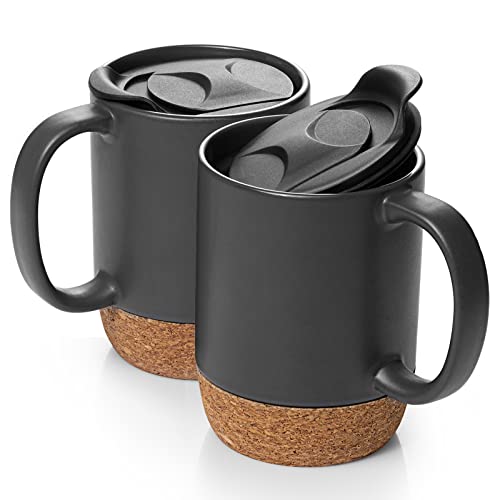
Spill-Resistant Lid for Desk Use: Each coffee mug comes with a splash-resistant lid, perfect for daily use at your desk or home office. Please note: the lid is not completely leak-proof and is not meant for travel.

Healthy Material - The Vacuum double wall was made of high quality grade 304 stainless steel that completely taste-free, rust-proof, leak-proof, The lid was made of food-grade silicone, BPA free, guaranteed high durability.
Preparation Steps
Making coffee with milk isn’t complicated, but I’ve learned that getting the order right makes all the difference between a lukewarm disappointment and a cup that actually warms you from the inside out.
You’ll start by brewing a fresh cup of coffee and pouring it into your favorite mug while it’s still piping hot, which is when you’ll stir in the sugar and vanilla extract until everything dissolves completely.
The milk comes next, heated until it’s steaming and ready to transform your plain coffee into something smooth and comforting, finished with just a sprinkle of cinnamon on top before you take that first satisfying sip.
Shop Related Products
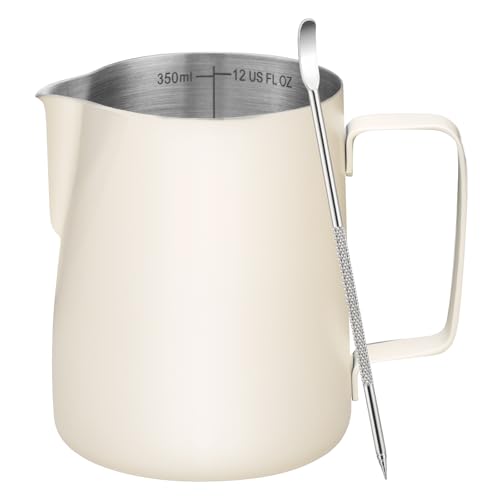
304 STAINLESS STEEL: Amrules 12oz creamer pitcher are crafted of 18/8 food grade stainless steel. The pitcher features external mirror finish and internal hairline finish. It is sturdy, durability, rust-resistant and resistant to deformation

304 STAINLESS STEEL: Amrules 12oz creamer pitcher are crafted of 18/8 food grade stainless steel. The pitcher features external mirror finish and internal hairline finish. It is sturdy, durability, rust-resistant and resistant to deformation

Perfect Combination Of Milk Frothing Pitcher And Latte Art Pen: The milk frother jug can be used in different ways: froth or steam milk for lattes; measure liquids; serve milk or cream. Featured with a latte art pen which can shape kinds of beautiful coffee pattern. Perfect for making frothing or steaming milk for espresso, cappuccino or hot chocolate. Be your own barista in home and office.
Step 1. Brew Coffee, Fill Mug

Before you can enjoy coffee with milk, you’ve got to start with a solid brew. Use whatever method works for you—drip machine, French press, pour-over, whatever’s sitting on your counter.
I usually go with my trusty drip maker since it’s reliable and I don’t have to think much before my first cup. Measure out enough coffee grounds for a strong brew, about one to two tablespoons per six ounces of water, depending on how bold you like it.
Once the coffee’s done brewing, pour it straight into your favorite mug while it’s still hot and steaming. The heat matters here because you’ll be adding sugar and vanilla next, and they dissolve much better in hot liquid than lukewarm.
Step 2. Add Sugar and Vanilla
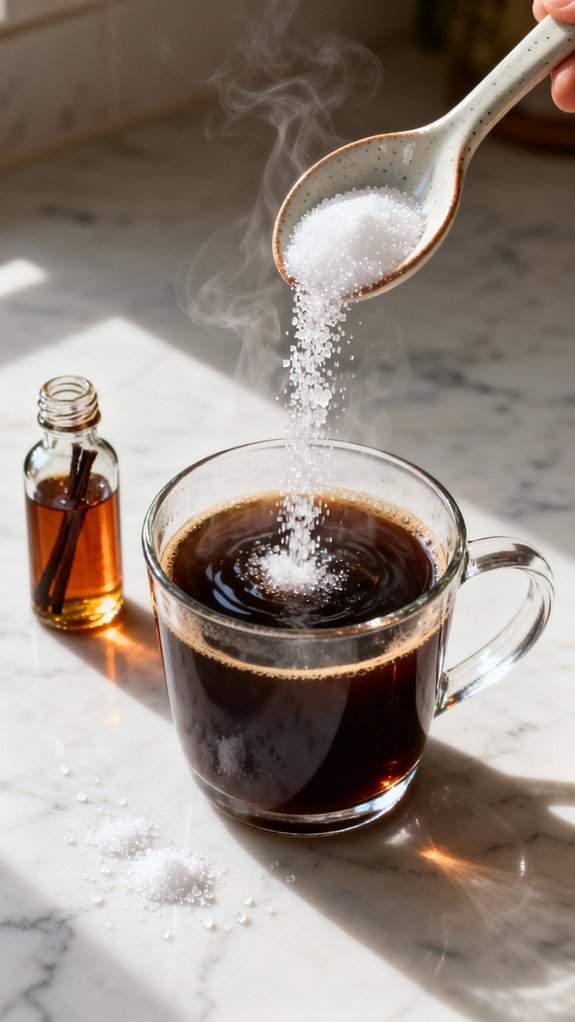
Once the coffee’s in your mug and still piping hot, you want to move quickly with the sugar and vanilla. Hot liquid dissolves sugar way better than lukewarm stuff, and you don’t want grainy bits settling at the bottom.
I usually add the tablespoon of sugar first, then the quarter teaspoon of vanilla extract right after. Give it a good stir for about ten seconds until everything disappears completely.
The vanilla adds this subtle warmth that reminds me of my grandmother’s kitchen on Saturday mornings. You’ll smell it right away, that sweet, familiar scent mixing with the coffee’s bitterness.
Don’t skip the stirring part. I’ve made that mistake before, and the first sip’s perfect while the last one’s basically syrup.
Step 3. Heat Milk Until Steaming
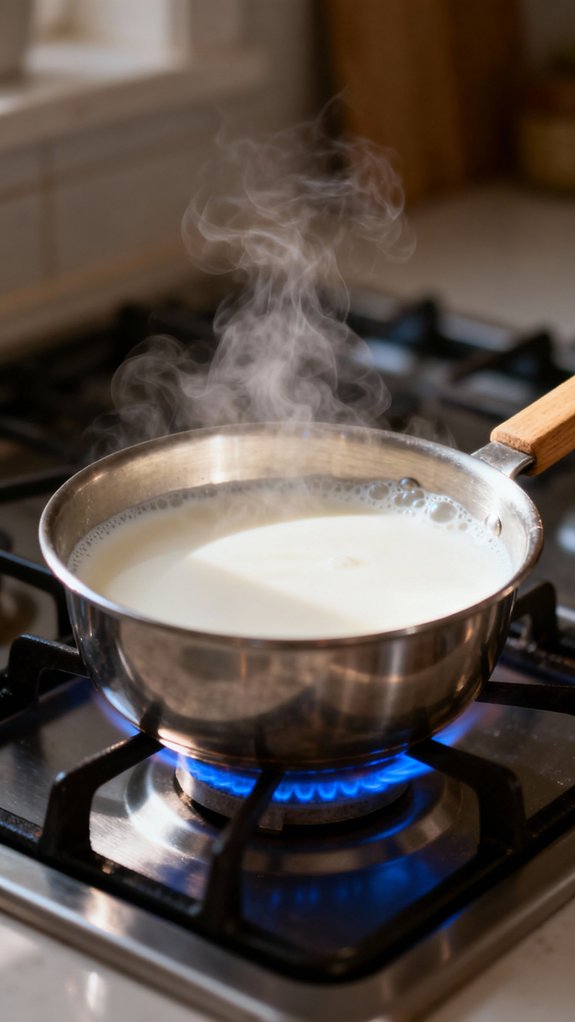
The milk needs about two minutes of your attention, whether you’re using a saucepan on the stove or taking the microwave shortcut.
I usually go with the stovetop because I can watch it better. You want the milk to steam and get little bubbles around the edges, but don’t let it boil. That ruins the texture.
When I use the microwave, I heat it in thirty-second bursts, checking between each one. The milk should feel hot when you dip your finger in quickly, almost too hot to touch comfortably.
You’ll see wisps of steam rising from the surface when it’s ready. That’s your signal to pour it straight into your sweetened coffee before it cools down.
Step 4. Pour Milk Into Coffee
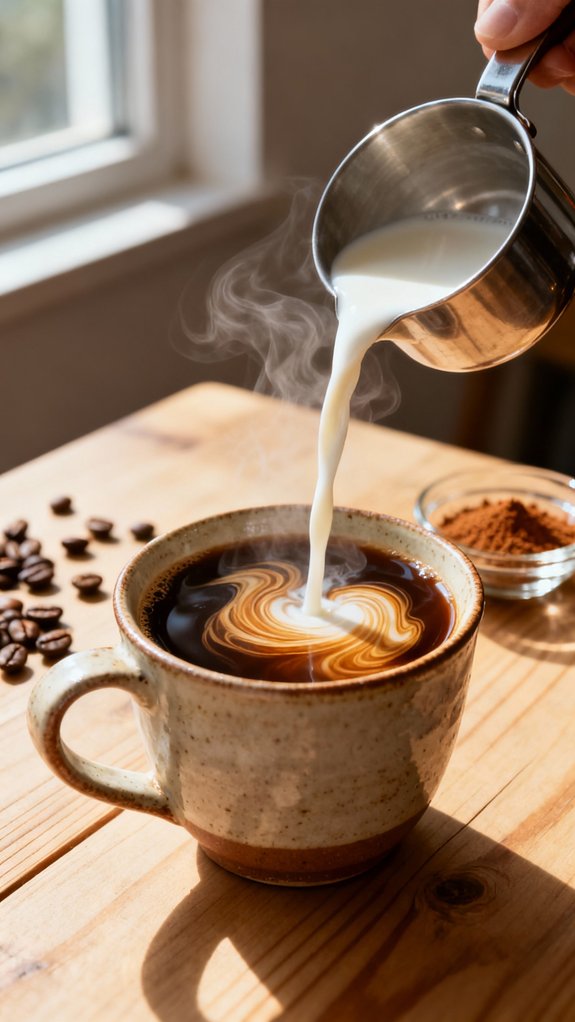
Right after your milk hits that perfect steaming point, grab the saucepan or mug and get ready to pour.
I like to pour slowly at first, watching the coffee lighten as the milk swirls in, creating these nice tan ribbons that remind me of painting. You don’t need any fancy technique here—just tilt the cup slightly and let the warm milk flow in a steady stream.
The coffee and milk will naturally blend together, and you’ll see the color shift from dark brown to a softer, lighter shade. Give it a gentle stir with a spoon to make sure everything’s mixed evenly.
The whole process takes maybe ten seconds, and you’re basically done.
Step 5. Sprinkle Cinnamon, Serve Immediately

After you’ve got your coffee and milk perfectly blended, grab your ground cinnamon and hold it about six inches above the mug.
Give it a light shake so just a pinch falls across the surface. You want enough to see it floating there, creating those delicate brown swirls, but not so much that it clumps together or tastes bitter.
Serve it right away while everything’s still hot.
The first sip should be warm and comforting, with that cinnamon aroma hitting you before the coffee even touches your lips.
I’ve learned that waiting even five minutes makes the drink lose something special.
The milk cools down, the cinnamon settles to the bottom, and honestly, it’s just not the same experience anymore.
Final Thoughts
Making coffee with milk doesn’t require fancy equipment or barista-level skills—it’s honestly one of the simplest ways to enjoy a comforting cup at home.
You’ve just learned a recipe that’ll work whether you’re rushing out the door on a Tuesday morning or sitting down for a lazy weekend breakfast with the newspaper spread across the table.
The beauty of this drink is how forgiving it is—too much milk, add more coffee; too sweet, skip the sugar next time.
I’ve made this hundreds of times, and it’s never quite the same twice, which somehow makes it better.
Once you get the basic method down, you’ll start tweaking it to match your exact preferences without even thinking about it.
Frequently Asked Questions
Can I Make Coffee With Milk Ahead of Time and Reheat It Later?
While you can reheat coffee with milk like warming yesterday’s news, it won’t taste as fresh. You’ll get better results brewing coffee ahead, then adding warm milk just before serving for ideal flavor.
What Is the Best Milk-To-Coffee Ratio for Coffee With Milk?
The best ratio is 2 parts coffee to 1 part milk, which you’ll find in the recipe’s 1 cup coffee to ½ cup milk measurement. This balance maintains coffee’s flavor while adding creamy smoothness you’ll enjoy.
Does Adding Milk to Coffee Reduce Its Caffeine Content?
No, adding milk doesn’t reduce caffeine content—it only dilutes the concentration. You’ll still consume the same amount of caffeine from your coffee; the milk simply increases the drink’s total volume without affecting caffeine levels.
Can I Use Cold Milk Instead of Heating It First?
You can cut corners and use cold milk, but you’ll sacrifice the drink’s warmth and comfort. The temperature contrast will cool your coffee considerably, resulting in a lukewarm beverage that’s less satisfying overall.
How Many Calories Are in Coffee With Milk and Sugar?
Using the recipe’s measurements, you’ll consume approximately 100-120 calories. The coffee itself has minimal calories, while the half-cup whole milk contributes roughly 75 calories and the tablespoon of sugar adds about 50 calories to your drink.