I’ll never forget my first bite of real Pad See Ew in Bangkok, where the smoky char from the wok, the tender rice noodles, and that perfect balance of sweet and salty made me realize everything I’d tried back home was just a pale imitation. The secret isn’t complicated, but it does require understanding a few key techniques that transform simple ingredients into something extraordinary.
Why You`ll Love this Authentic Pad See Ew
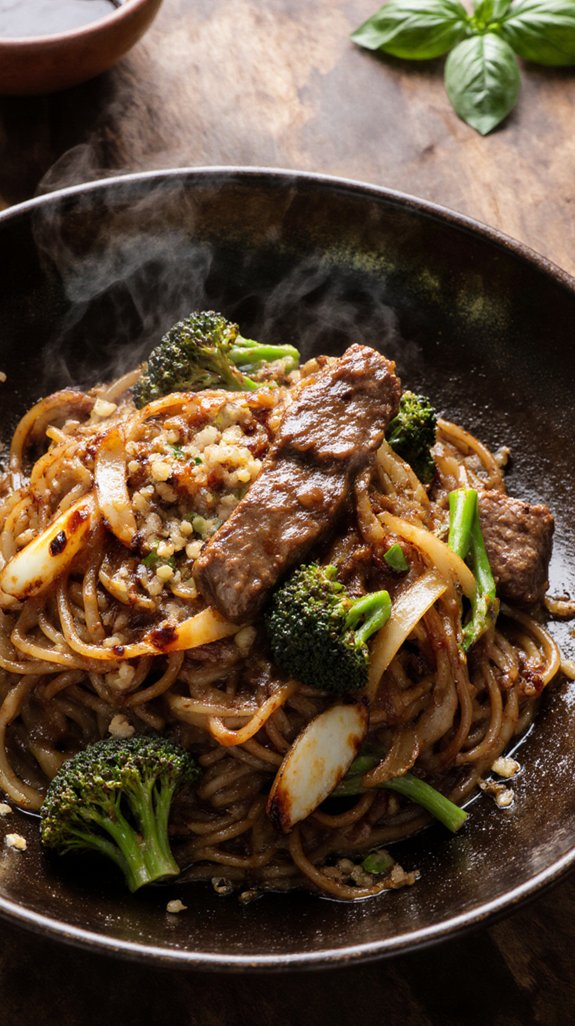
While pad see ew might look intimidating with its glossy noodles and charred edges, I’m here to tell you it’s actually one of the most forgiving stir-fries you’ll ever make. The delicious flavors come together in under thirty minutes, transforming simple ingredients into a satisfying meal that rivals any Thai restaurant.
I love how the wide rice noodles soak up that sweet-savory sauce, creating those beautiful caramelized bits that stick to the pan. You don’t need fancy equipment or hard-to-find ingredients, just a hot skillet and confidence.
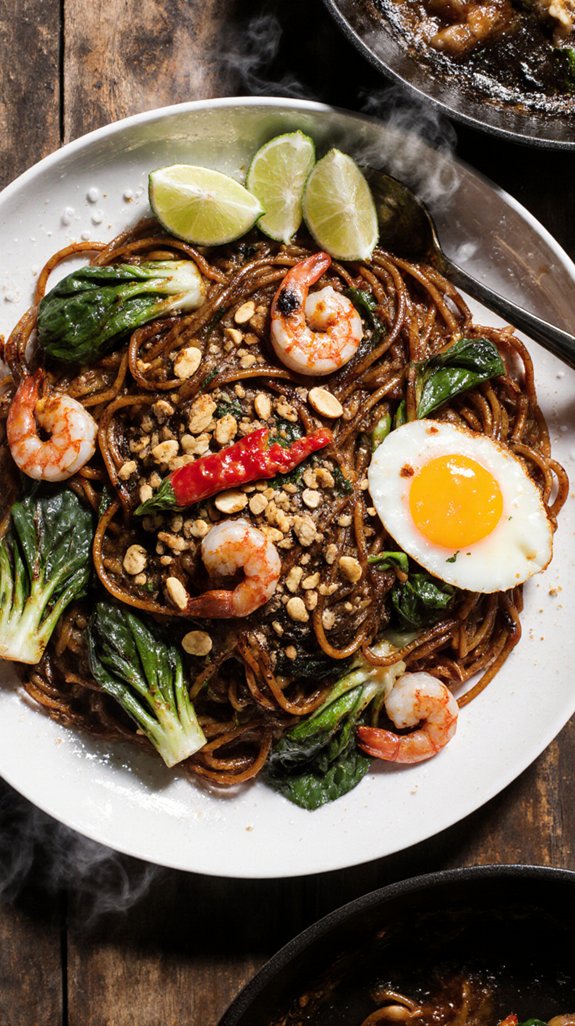
The best part is watching those noodles transform from pale and plain into something golden and glossy, with crisp bok choy and tender shrimp throughout. It’s comfort food that actually delivers.
What ingredients are in Authentic Pad See Ew?
The beauty of pad see ew lies in its straightforward ingredient list that delivers complex, restaurant-quality flavors. You’ll find that most of these items are pantry staples if you cook Asian food regularly, and the fresh ingredients are readily available at most grocery stores. The combination of savory sauces creates that signature umami-rich coating, while the wide rice noodles provide the perfect canvas for those caramelized, slightly charred flavors.
For the Sauce:
- 3 tablespoons Asian fish sauce
- 1 tablespoon miso or fermented yellow beans
- 1 tablespoon oyster sauce
- 4 teaspoons sugar
- 1/4 cup low sodium soy sauce
For the Stir-Fry:
- 1 lb bok choy, cut into 2-inch pieces
- 2/3 lb dried rice noodles
- 1/4 cup plus 3 tablespoons vegetable oil (divided)
- 3/4 lb shelled and deveined medium shrimp
- Salt to taste
- 4 large garlic cloves, minced
- 3 large eggs, beaten
- 3 Thai bird chiles or serrano chiles, thinly sliced
- 2 tablespoons chopped roasted salted peanuts
- Lime wedges for serving
When selecting your ingredients, pay special attention to the noodles—look for wide, flat dried rice noodles sometimes labeled as “pad see ew noodles” or “chow fun noodles” at Asian markets. Fresh bok choy should have crisp, bright green leaves and firm white stalks. If you can’t find miso or fermented yellow beans, you can substitute with an additional tablespoon of oyster sauce, though the depth of flavor will be slightly different. The Thai bird chiles pack serious heat, so serrano peppers make a milder alternative if you’re sensitive to spice.
How to make this Authentic Pad See Ew
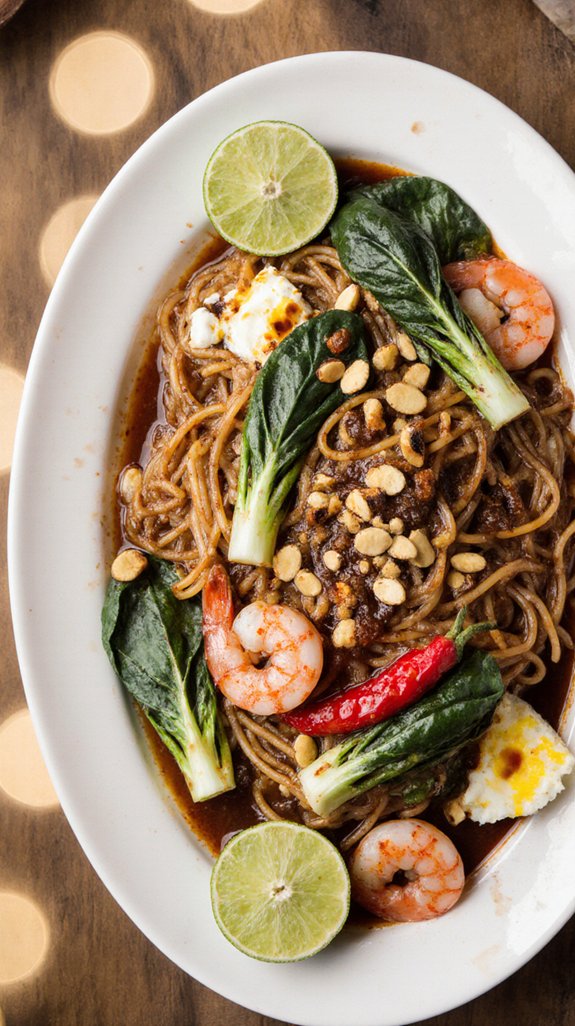
Making pad see ew is all about timing and high heat to achieve those restaurant-quality charred flavors. Start by whisking together your sauce in a small bowl, combining 3 tablespoons of Asian fish sauce, 1 tablespoon of miso (or fermented yellow beans), 1 tablespoon of oyster sauce, 4 teaspoons of sugar, and 1/4 cup of low sodium soy sauce until the sugar dissolves. Set this aside while you prep your ingredients.
Bring a large pot of lightly salted water to a boil and cook 1 lb of bok choy pieces for about 2 minutes until they’re crisp-tender, then transfer them to a plate. Use the same boiling water to cook 2/3 lb of dried rice noodles for about 5 minutes until they’re firm but pliable—not mushy. Drain them well, rinse under cold water to stop the cooking, and shake out any excess water before tossing them with 1 tablespoon of vegetable oil to prevent sticking.
Now comes the exciting part where everything comes together quickly. Heat 1 tablespoon of oil in a large nonstick skillet over high heat and cook 3/4 lb of shrimp seasoned with salt for about 2 minutes until they turn pink throughout, then add them to the plate with the bok choy. For best results with high-heat cooking like this, consider investing in a premium cookware set that can handle the intense temperatures needed for authentic Thai stir-frying.
Add another 1/4 cup plus 1 tablespoon of oil to the same skillet and wait until it’s shimmering hot. Toss in 4 minced garlic cloves and stir for just 30 seconds until fragrant, then pour in 3 beaten eggs and let them cook for about 30 seconds until lightly scrambled.
Add your prepared noodles and toss everything together, then pour in the sauce mixture and give it a light toss. Here’s the key: let the noodles cook without stirring for about 5 minutes so the liquid evaporates and the bottom starts to caramelize. Give them one good stir, then let them cook for another 2 minutes until they’re beautifully browned on the bottom.
Finally, add back the shrimp and bok choy just to heat them through, transfer everything to a platter, and top with 3 thinly sliced Thai bird chiles (or serrano peppers) and 2 tablespoons of chopped roasted peanuts, serving with lime wedges on the side.
Shop Related Products

【TRI-PLY STAINLESS STEEL】Tri-Ply Stainless Steel Pan Combines Ergonomic kitchenware Design and superior features for better cooking performance. Stainless steel surface doesn't react with food or alter flavors.

【ULTRALIGHT PURE TITANIUM CONSTRUCTION】 Upgrade your everyday cooking with premium pure titanium kitchen utensils designed for exceptional strength while remaining incredibly lightweight. The durable titanium material offers excellent corrosion resistance and long-lasting performance, providing a refined alternative to traditional metal cookware tools
Authentic Pad See Ew Substitutions and Variations
If you can’t find fresh wide rice noodles at your local Asian market, dried rice noodles work beautifully and actually give you more control over the texture since you can adjust the cooking time to your preference.
For protein substitutions suggestions, I often swap shrimp for thinly sliced chicken, beef, or tofu, each bringing its own character to the dish. The key is cutting everything uniformly so it cooks evenly.
I’ve also discovered creative variations that keep things interesting: adding Chinese broccoli instead of bok choy creates a slightly bitter contrast, while extra garlic never hurts.
Some nights I’ll increase the chilies when I’m craving more heat, or reduce them when cooking for friends who prefer milder flavors. The beauty of pad see ew lies in its adaptability.
Shop Related Products
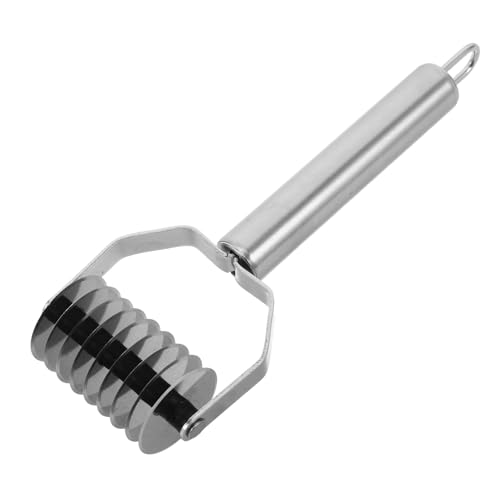
Precision Cutting Performance: Crafted from stainless steel, this pasta cutter tool provides sharp, even cuts every time, ensuring uniform noodles or pastries for consistent cooking and presentation

UNIQUE DESIGN - Our classic cutting wheel make it easy for you to create delicious fresh ravioli and pasta at home. The fluted edges of the ravioli cutter can easily press out clear patterns.MHJKUBOYEEYHJK

Material: The pasta roller cutter are made of food gread stainless steel blades and wood handle, sturdy construction and are mounted solidly, no side to side wobble,safe for long-term use
What to serve with Authentic Pad See Ew
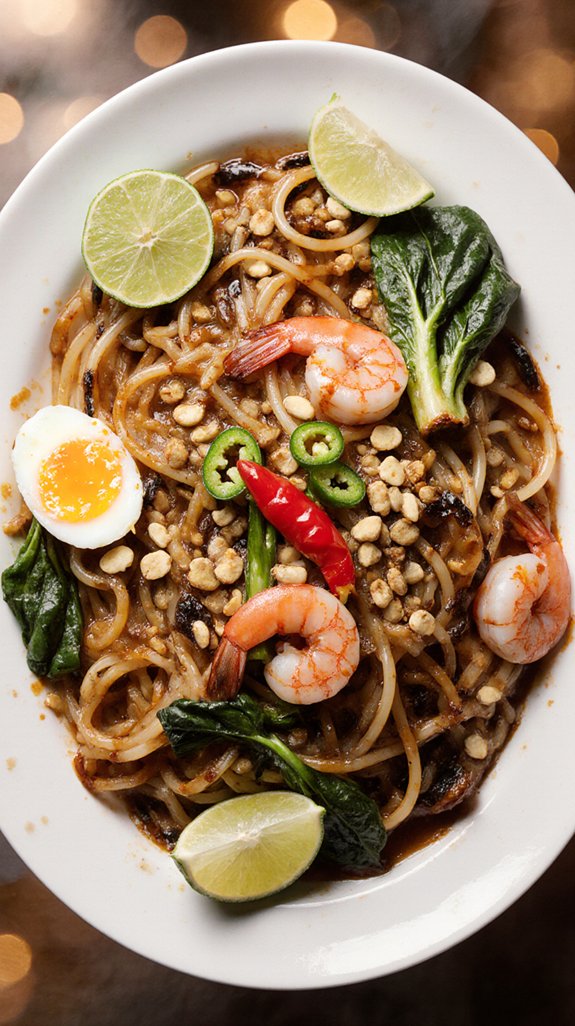
Once you’ve mastered preparing pad see ew with your preferred variations, you’ll want to round out the meal with complementary sides that don’t compete with the noodles’ bold, sweet-savory flavors.
I typically keep my sides suggestions simple, reaching for fresh cucumber salad with rice vinegar or crisp Thai spring rolls that add textural contrast without overwhelming the palate.
A light tom yum soup works beautifully as a starter, warming your guests before the main event arrives.
For complementary dishes, I’ve found that simple steamed jasmine rice helps stretch the meal for larger gatherings, while Thai-style grilled chicken satay with peanut sauce offers protein variety.
My grandmother always served pad see ew with papaya salad, which I initially thought odd, but the cooling crunch perfectly balances the rich noodles.
Final Thoughts
After years of tweaking this recipe and watching countless batches of noodles transform in my wok, I’ve learned that pad see ew rewards patience more than perfection. Don’t stress if your first attempt doesn’t look restaurant-worthy, because mine certainly didn’t. The cooking tips I’ve shared come from plenty of slightly-burnt noodles and overcooked shrimp. Each time you make this dish, you’ll discover new flavor enhancements that suit your palate, whether that’s an extra splash of fish sauce or a heavier hand with the chilies. What matters most is that you’re creating something authentic, something that connects you to centuries of Thai street food tradition. Trust your instincts, taste as you go, and remember that even imperfect pad see ew beats takeout every single time.
Frequently Asked Questions
Can I Make Pad See Ew Ahead of Time and Reheat It?
I don’t recommend making Pad See Ew ahead of time because the noodles become mushy during storage. If you must, use proper reheating techniques like quick high-heat stir-frying to restore texture, though fresh is always best.
How Do I Prevent Rice Noodles From Sticking Together?
I’ll prevent rice noodles from sticking by tossing them with oil immediately after cooking and draining. During noodle soaking, I make certain they’re fully submerged and separated. My cooking tips include using high heat and constantly moving them while stir-frying.
What Type of Wok or Pan Works Best for This Recipe?
I’ll use a large nonstick skillet or carbon steel wok for this recipe. The recipe specifically calls for a nonstick surface, which prevents sticking. Among wok materials, carbon steel conducts heat excellently, while nonstick pan shapes with sloped sides allow easy tossing.
How Long Does Leftover Pad See Ew Stay Fresh in the Refrigerator?
I’ll share my leftover storage advice: your pad see ew stays fresh for 3-4 days when refrigerated in an airtight container. For best refrigeration tips, let it cool completely before storing, and reheat thoroughly before enjoying again.
Can I Freeze Pad See Ew for Later Use?
I don’t recommend freezing pad see ew because the rice noodles become mushy and break apart when thawed. Freezing techniques can’t preserve the texture, and flavor preservation suffers as the sauce separates during defrosting.