I’ve been making Jollof rice since my grandmother first showed me how to layer those bright tomatoes with fragrant spices, and I’ll tell you, there’s a reason this dish sparks such passionate debates across West Africa. The secret isn’t just in the ingredients, it’s in understanding how each component builds flavor in the pot. Let me walk you through the techniques that’ll transform your kitchen into something that smells like home.
Why You`ll Love this Authentic West African Jollof Rice
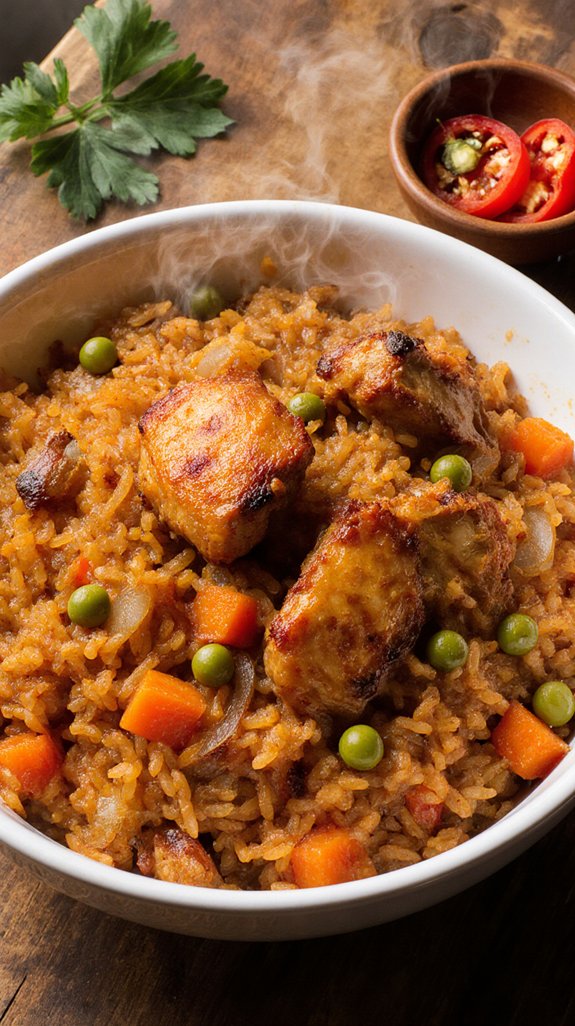
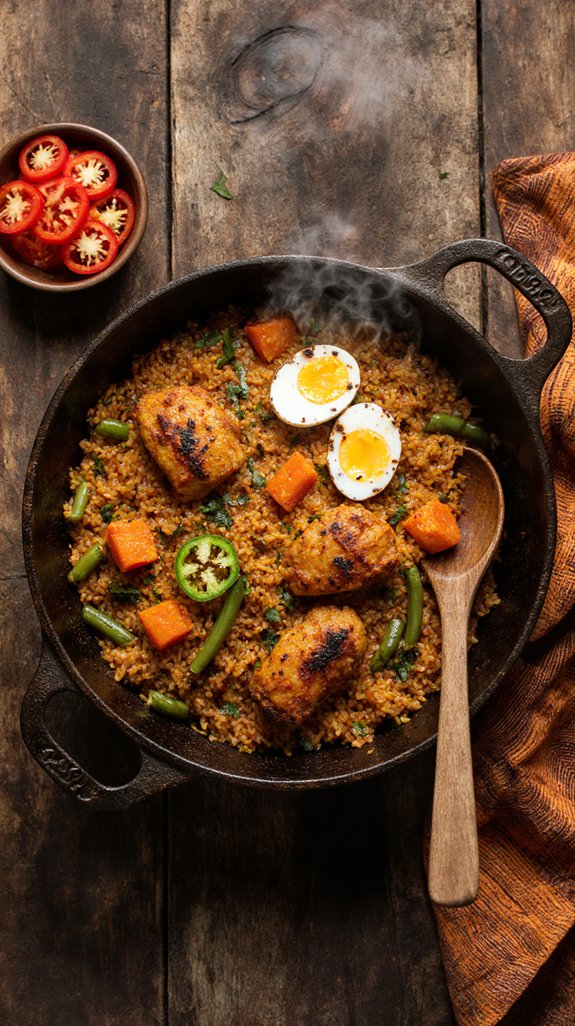
While debates rage across West Africa about whose version reigns supreme, this jollof rice recipe brings together everything that makes the dish irresistible—smoky depth, layers of spice, and that perfectly cooked rice that’s neither mushy nor dry.
I’ve tested this countless times, adjusting the ratio of tomatoes to broth until I got that signature orange-red color that makes jollof instantly recognizable. The cultural significance runs deep here, connecting generations through shared meals and family gatherings.
What you’ll get is a genuine flavor explosion—the ginger and garlic wake up your taste buds, while cinnamon adds unexpected warmth that most people can’t quite place.
It’s hearty enough to feed a crowd, yet simple enough for a weeknight dinner.
What ingredients are in Authentic West African Jollof Rice?
The heart of authentic West African jollof rice lies in its vibrant combination of aromatics, proteins, and vegetables that create layers of complex flavor. This recipe brings together traditional ingredients that have been used across the region for generations, from the foundational trinity of onions, tomatoes, and peppers to the warming spices that give jollof its distinctive character. Each component plays a vital role in building the dish’s signature taste and appearance.
Essential Ingredients:
- 4-5 tablespoons oil (coconut oil for traditional preparation)
- 1 large chicken, cut into pieces
- 4 onions, peeled and sliced
- Salt and white pepper to taste
- 5-10 ml hot pepper (fresh or dried, chopped)
- 4 garlic cloves (the pungent variety)
- 1 tablespoon fresh thyme leaves
- 2 tablespoons fresh ginger, finely chopped
- 2 teaspoons cinnamon
- 2-4 cups raw rice
- 6 large ripe tomatoes, peeled and chopped
- 2 green sweet peppers, chopped with seeds removed
- 2-4 large carrots, chopped
- 2-3 cups green beans, chopped
- 2 ounces tomato paste (or 1 small can)
- 2-4 cups chicken broth or water (adjusted based on rice quantity)
- Hard-boiled eggs for garnish (optional)
The beauty of this recipe lies in its flexibility—you can adjust the rice quantity from 2 to 4 cups depending on how many people you’re serving, but remember to scale your liquid accordingly to maintain the proper cooking ratio. Fresh ingredients make a noticeable difference, particularly with the ginger, garlic, and thyme, though dried hot peppers work just as well as fresh ones. The choice between chicken broth and water impacts the depth of flavor, with broth adding richness that complements the spices beautifully.
How to make this Authentic West African Jollof Rice
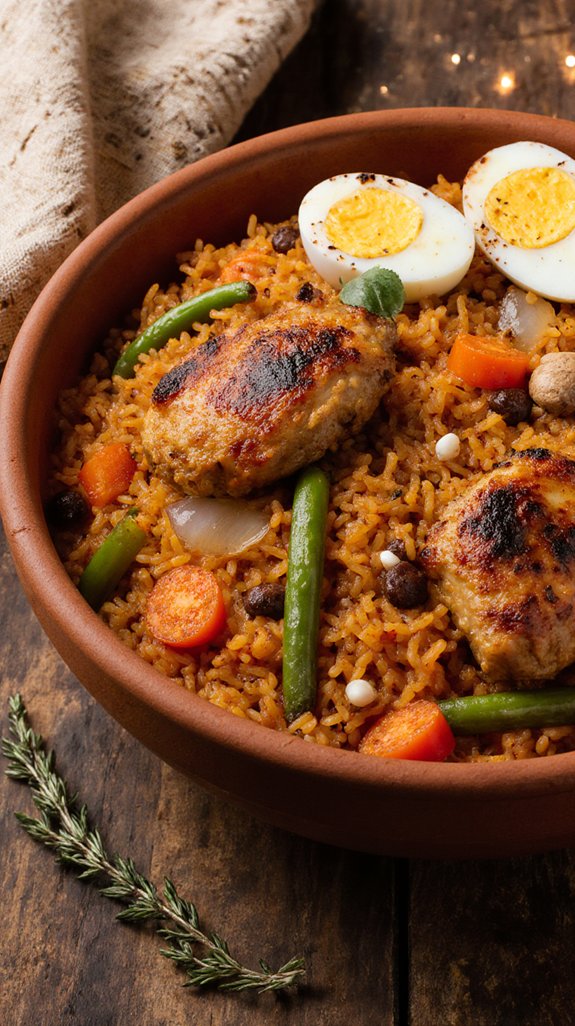
Making authentic West African jollof rice begins with building a flavorful foundation. Start by heating 4-5 tablespoons of oil (coconut oil gives the most traditional taste) in a very large pan, soup pot, or wok.
Once the oil is hot, add your chicken pieces and stir-fry them until they’re beautifully browned on all sides. This step seals in the juices and adds color to your chicken. Remove the browned chicken from the pot and set it aside for now—it’ll come back later.
In that same flavorful oil, add your 4 sliced onions along with salt, white pepper, 5-10 ml of chopped hot pepper (adjust based on your heat preference), 4 garlic cloves, 1 tablespoon of fresh thyme leaves, 2 tablespoons of finely chopped ginger, and 2 teaspoons of cinnamon. Stir everything together and let these aromatics start releasing their wonderful fragrance as they cook.
Once your spice mixture is sizzling, it’s time to add the main components. Toss in your 2-4 cups of raw rice, 6 chopped large tomatoes, 2 chopped green sweet peppers (seeds removed), 2-4 chopped carrots, and 2-3 cups of chopped green beans.
Give everything a good stir to coat the rice and vegetables with those aromatic spices. Mix your 2 ounces of tomato paste into 2-4 cups of chicken broth or water (remember, the amount of liquid depends on how much rice you’re using), then pour this mixture into the pot.
Bring everything to a boil, then reduce the heat to let it simmer gently. About halfway through the cooking process, nestle your reserved chicken pieces back into the rice mixture.
Cover the pot and let everything cook over low heat until both the rice and vegetables are tender, which usually takes about 30-40 minutes depending on your rice variety. Stir the dish occasionally and carefully to prevent any burning at the bottom, but don’t stir too vigorously or you’ll break up the rice grains. Investing in premium cookware sets can make a significant difference in achieving even heat distribution and preventing hot spots that could burn your jollof rice.
If you notice the rice looking dry before it’s fully cooked, add a few extra glugs of liquid to keep things moist. You can cook this covered for steamed rice or leave it uncovered if you prefer a slightly drier texture with some crispy bits on the bottom.
When everything is cooked through and the flavors have melded together beautifully, serve your jollof rice hot, garnished with sliced hard-boiled eggs if you like.
Shop Related Products

[Upgrade Modern Non-Stick Technology] After a long time of research and development, we have developed a new non-stick wok technology to bring you a brand new cooking experience. NOTE: The rough and granular effect on the surface of the wok is a natural non-stick layer formed by the state-of-the-art non-stick technology, which prevents food from sticking to the pan, burning, rusting and is easy to clean

【Safe Material, Lock Natural Flavor】Carbon steel wok is no PFOA, no PFAS. Just pure carbon steel, hardened through high-temperature nitriding. You can deglaze with wine, toss in acidic tomatoes, or simmer a lemony broth. The flavor stays true to your ingredients, not your cookware. Whether you're stir-frying for families or meal-prepping for the week, this wok pan delivers cleaner meals with every toss

PRE SEASONED & NONSTICK: Tired of rusty woks? SUMEIGUAN carbon steel wok is pre-cured and engineered with advanced Nitriding technology. This treatment fundamentally transforms the steel, creating a dense, molecular-level shield against rust. The result is a wok with exceptional resistance to rust, scratches, and corrosion—ready to cook right out of the box. Built to last up to 3 times longer than ordinary wok pans, this is the only wok you’ll need in your kitchen.
Authentic West African Jollof Rice Substitutions and Variations
One beautiful thing about jollof rice is how forgiving it’s when you don’t have every single ingredient on hand, and I’ve made countless versions over the years depending on what I could find at the market.
For ingredient substitutions, I’ve used vegetable oil when coconut oil wasn’t available, swapped chicken for beef or fish, and even made it completely vegetarian by adding more beans and vegetables.
The cooking methods can vary too—some families swear by oven-baking after the initial stovetop preparation, which creates a delicious crust on the bottom called “socarrat.”
I’ve even adapted it for slow cookers when I needed to prepare it ahead for gatherings, though the traditional stovetop method remains my favorite for achieving that perfect balance.
Shop Related Products

Enameled cast iron delivers superior heat distribution and retention
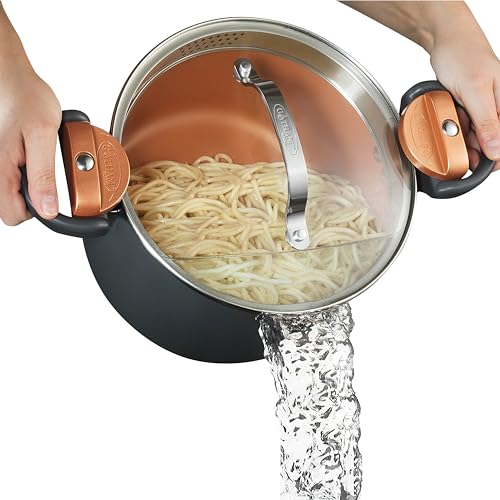
5 QUART PASTA POT WITH STRAINER LID — This nonstick ceramic stock pot cooks and drains spaghetti, penne, soup, rice, and vegetables in one pot, no colander needed. The built-in strainer lid, twist and lock handles, and dishwasher safe design make it the easiest way to cook pasta without the mess.

LARGE COOKING CAPACITY: This caldero has a capacity of 7.5 quarts, making it ideal for substantial meal sizes effortlessly, providing extensive versatility in various cooking applications
What to serve with Authentic West African Jollof Rice
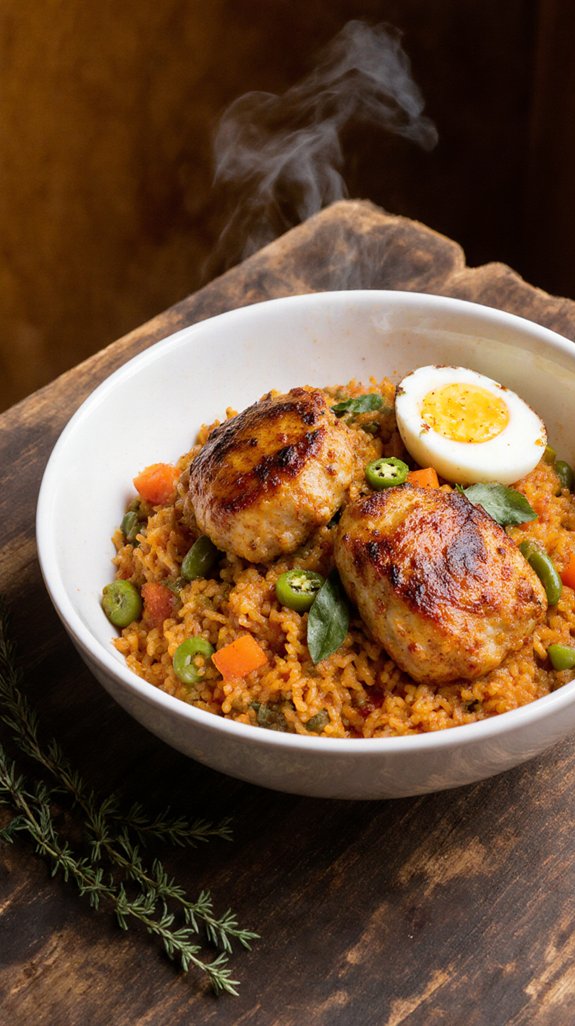
While jollof rice is technically substantial enough to serve as a complete meal on its own, I’ve found that certain accompaniments transform it from everyday dinner into a proper feast that’ll have your guests asking for seconds.
The side dishes I grew up with included fried plantains, which bring a sweet contrast to the rice’s savory depth, and a simple cucumber-tomato salad dressed with lemon juice to cut through the richness.
Grilled or roasted chicken works beautifully if you want additional protein beyond what’s cooked into the rice.
For flavor pairings, consider serving it with coleslaw made with vinegar rather than mayo, or steamed greens like collards or kale.
These additions create textural variety and balance without competing with the jollof’s bold, aromatic character.
Final Thoughts
After you’ve made this dish a few times, you’ll notice something shift in your kitchen confidence. You’ll start eyeballing the spice measurements, adjusting the heat level without second-guessing yourself, and maybe even developing your own cooking tips along the way. I remember when I first stopped following the recipe exactly, adding extra ginger because that’s what felt right, and the dish somehow tasted more authentic. Don’t be afraid to make this recipe yours while respecting its roots. The serving suggestions I’ve shared are just starting points—you might discover that your family loves it with fried plantains or a crisp cucumber salad. This dish rewards experimentation, patience, and trust in your instincts.
Frequently Asked Questions
Can I Make Jollof Rice in a Rice Cooker or Instant Pot?
I’ve successfully made jollof rice in both appliances. For Jollof rice preparation, I use my Instant Pot’s sauté function for browning, then pressure cook. Rice cooker settings work too, using the white rice option.
How Long Does Leftover Jollof Rice Stay Fresh in the Refrigerator?
I’ll share that leftover storage of jollof rice works well for 3-4 days when refrigerated in an airtight container. Proper rice preservation requires cooling it quickly before refrigerating to maintain freshness and safety.
What’s the Difference Between Nigerian and Ghanaian Jollof Rice?
I’ll share that Nigerian jollof rice typically uses more Nigerian spices and has a smokier flavor, while Ghanaian versions emphasize Ghanaian tomatoes and maintain a reddish-orange color with slightly different seasoning proportions.
Can Jollof Rice Be Frozen and Reheated Later?
Yes, I can freeze jollof rice for up to three months in airtight containers. My freezing tips include cooling it completely first. For reheating methods, I’ll use the microwave or stovetop with added liquid.
Why Does My Jollof Rice Burn at the Bottom?
Your jollof rice burns because you’re not stirring it enough or the heat’s too high. I’d recommend using proper burn prevention by stirring carefully throughout cooking and maintaining low heat—essential cooking techniques for perfect jollof.