Have you ever stood at your kitchen counter on a lazy Sunday morning, staring at that carton of orange juice and wondering how to turn it into something more exciting? I’ve been there countless times, especially after hosting a brunch where everyone raved about the one Mimosa I managed to pull together. The thing is, orange juice isn’t just for breakfast anymore—it’s actually the secret ingredient that transforms simple spirits into vibrant cocktails worth serving at any gathering.
Classic Mimosa
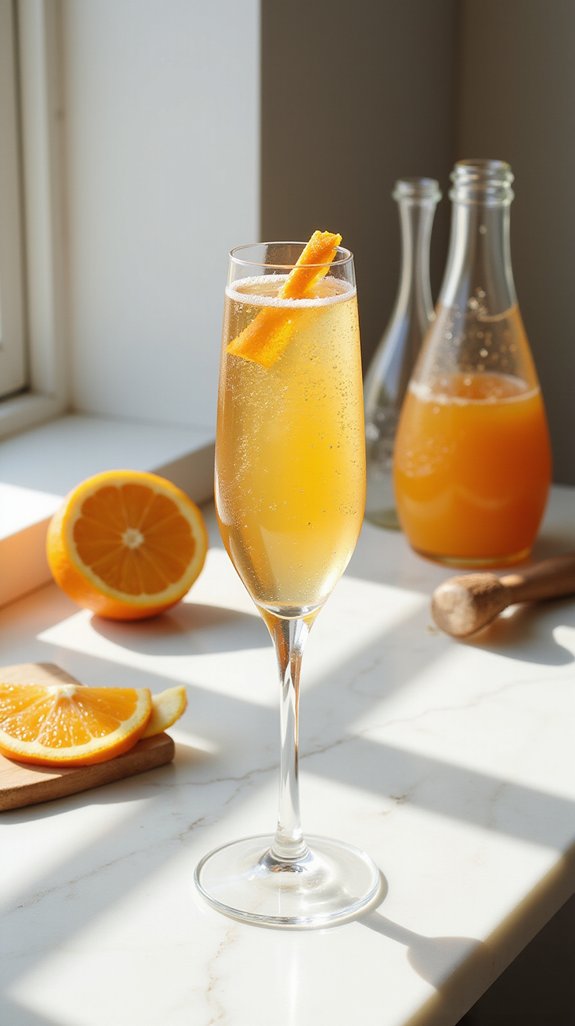
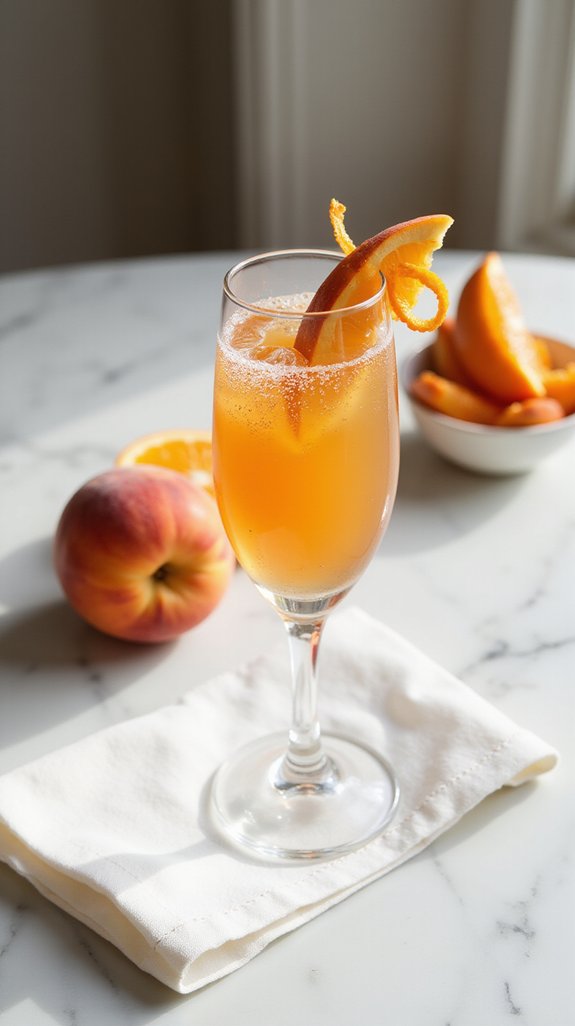
The Classic Mimosa is one of the most elegant and effortless brunch cocktails, beloved for its delicate balance of dry champagne and fresh orange juice.
Originating at the Ritz Hotel in Paris in 1925, this sparkling cocktail was named after the mimosa flower due to its bright yellow color. The beauty of a perfect mimosa lies in its simplicity, requiring only two main ingredients and minimal preparation time.
A properly made mimosa isn’t overly sweet but rather invigorating and sophisticated, making it the ideal complement to morning and afternoon gatherings.
The key to an exceptional mimosa is using quality ingredients: freshly squeezed orange juice and a good bottle of dry sparkling wine or champagne. When prepared correctly, this timeless cocktail strikes the perfect balance between fruity brightness and crisp effervescence.
Ingredients
- 3 oz chilled champagne or dry sparkling wine
- 3 oz freshly squeezed orange juice, chilled
- Orange slice or twist for garnish (optional)
Shop Related Products

AN EXCELLENT CHOICE: As a veritable wine connoisseur, your home bar should definitely include a set of finest quality champagne flutes, to surprise your special guests on every special occasion. The JoyJolt Layla Collection is the perfect solution!

Disposable Convenience: The Oojami 6 Oz Clear Plastic Champagne Glasses come in a 16-pack, making them the ideal choice for any celebration, from parties and weddings to toasting events. Enjoy the convenience of disposable design without compromising on style.

Elevate your celebrations with our generous set of 16 stemless champagne glasses, Champagne glasses holds up to 8.5 ounce of champagne, sparkling wine, mimosa, prosecco or your favourite beverage.
Instructions
Pour the chilled orange juice into a champagne flute first, filling it about halfway.
Slowly top with the chilled champagne or sparkling wine, pouring gently down the side of the glass to preserve the bubbles and prevent overflow.
The traditional ratio is 1:1, though some prefer more champagne for a drier drink or more juice for a sweeter version.
Gently stir once if desired, then garnish with an orange slice or twist on the rim of the glass.
Tips
Always use chilled ingredients to guarantee your mimosa stays cold without needing ice, which would dilute the flavors.
Freshly squeezed orange juice makes a significant difference in taste compared to store-bought varieties, though if using bottled juice, choose a high-quality, pulp-free option.
For the best bubbles, tilt the glass when pouring the champagne and pour slowly.
If serving mimosas for a crowd, you can premix the orange juice and champagne in a pitcher in larger quantities, though the drinks will lose some effervescence over time.
Screwdriver
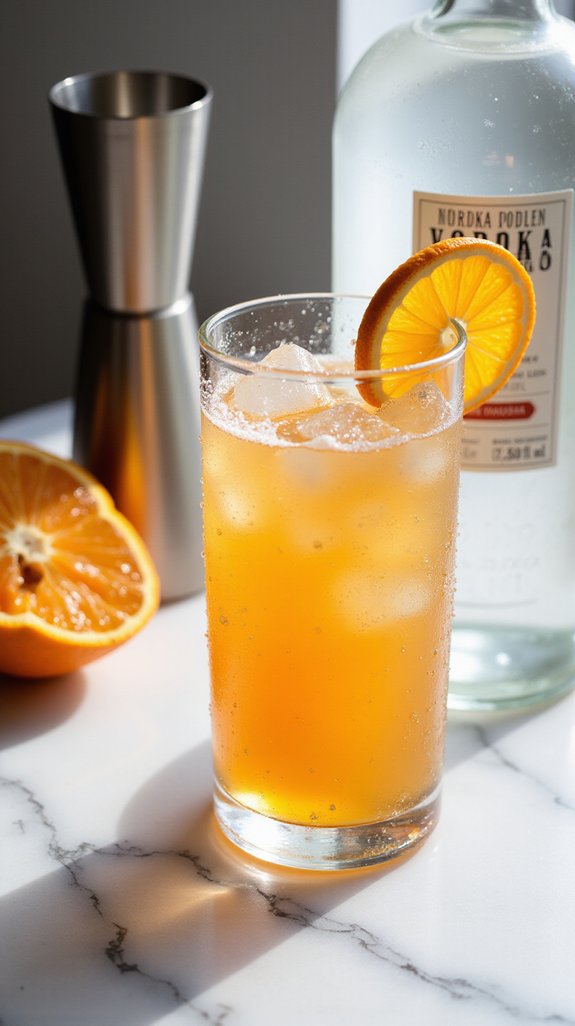
The Screwdriver is a straightforward, no-nonsense cocktail that has been a staple of bars and home gatherings since the mid-20th century. Legend has it that American oil workers in the Persian Gulf invented this drink by stirring vodka into their orange juice with a screwdriver—the only tool they’d on hand.
Whether or not this origin story is true, the name stuck, and the drink became one of the most recognizable vodka cocktails in the world. Its appeal lies in its simplicity and the invigorating combination of smooth vodka and tangy citrus.
Unlike more complex cocktails, the Screwdriver relies entirely on the quality of its two primary ingredients and the proper ratio between them. This makes it an excellent choice for those new to cocktail making, while still being satisfying enough for experienced drinkers.
The drink can be enjoyed any time of day, though it’s particularly popular as a brunch beverage or a casual afternoon pick-me-up. When made with freshly squeezed orange juice and premium vodka, this humble cocktail transforms into something genuinely enjoyable.
Shop Related Products
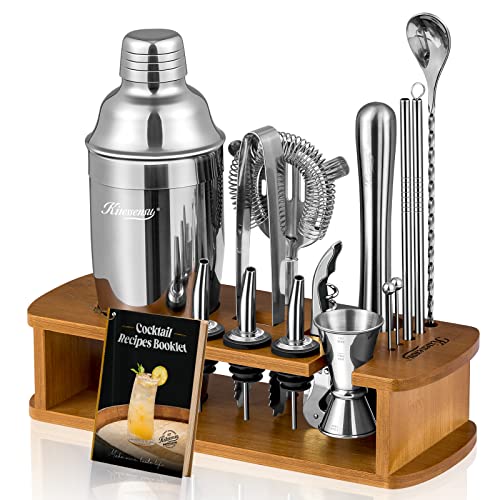
Made to Last: Upgraded 18/8 stainless steel bartender kit cocktail set is your best bet, which is specially thickened (0.8 mm) to protect itself from rust for lifetime and remain shiny and new after years of shaking, and it can withstand lots of rough and tumble, even being dropped, without letting you down. and the bar mixing set is safe in the dishwasher

1. COMPLETE 18-PIECE BARTENDING SET – From a 24 oz shaker with built-in strainer to a double-sided 0.5/1 oz jigger, muddler, mixing spoon, ice tongs and bottle opener, this cocktail making kit also includes pourers, wine stoppers, reusable straws, a cleaning brush, recipe guide and clear organizer.
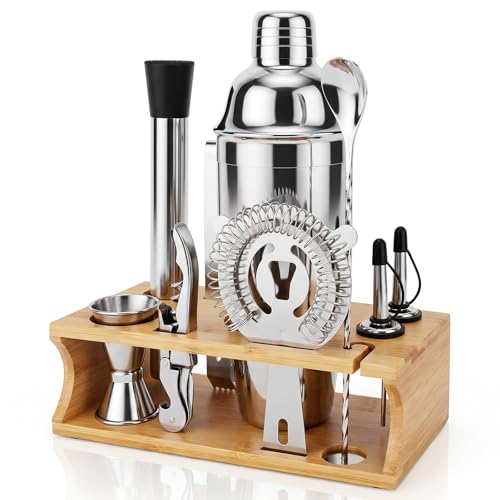
10-Piece Essential Cocktail Shaker Set - This bartender kit includes a 24oz martini shaker, muddler for cocktails, jigger, mixing spoon, cocktail strainer, ice tongs, wine opener, 2PCS liquor pour spout and an exquisite bamboo stand. This bartender set contains all the tools you need for crafting cocktails, eliminating the need to purchase any additional accessories. It is the perfect bar tools for making the perfect Old Fashioned, Margarita, Mojito and Espresso Martini at home, kitchen or bar.
Ingredients
- 2 oz vodka
- 4-6 oz freshly squeezed orange juice
- Ice cubes
- Orange wheel or wedge for garnish (optional)
Instructions
Fill a highball or rocks glass with ice cubes. Pour the vodka over the ice, then add the orange juice to your preferred taste—typically 4 to 6 ounces depending on how strong you want the drink.
Stir gently with a bar spoon or regular spoon for about 10 seconds to combine the ingredients and chill the mixture. Garnish with an orange wheel or wedge placed on the rim of the glass if desired, and serve immediately.
Tips
The quality of vodka matters more in simple cocktails like the Screwdriver since there are fewer ingredients to mask inferior spirits—choose a smooth, well-filtered vodka for the best results.
Freshly squeezed orange juice is strongly recommended over store-bought as it provides brighter flavor and better texture, though if using bottled juice, select a high-quality brand without added sugars.
Adjust the ratio of vodka to orange juice based on your preference, keeping in mind that a 1:2 or 1:3 ratio is most common. For a variation, try using blood orange juice when in season for a more complex, slightly tart flavor profile.
Tequila Sunrise
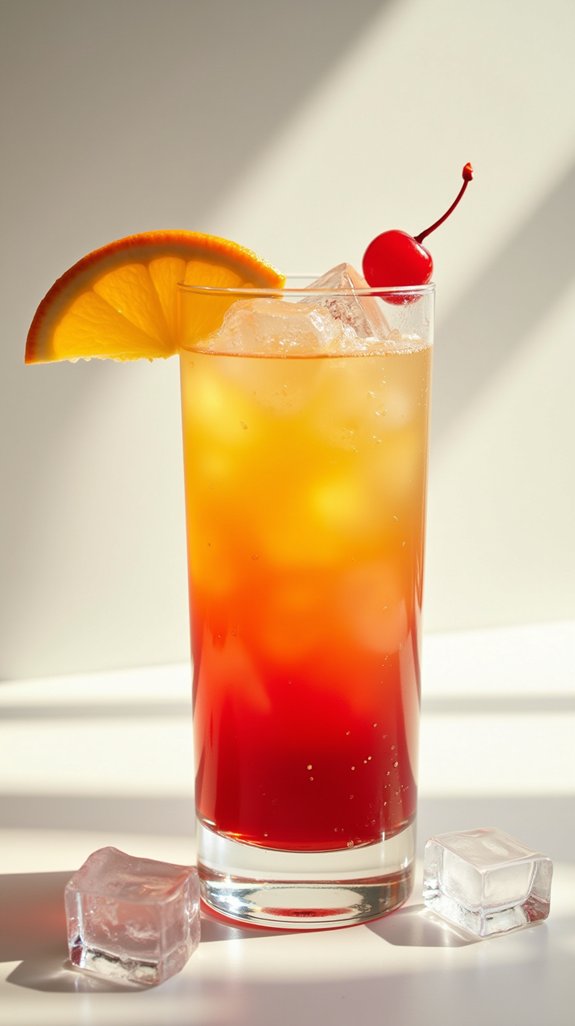
The Tequila Sunrise is a visually stunning cocktail that became a symbol of 1970s California culture, though its origins trace back to the 1930s in Arizona. Named for its resemblance to a colorful sunrise, this drink features a beautiful gradient effect where deep red grenadine settles at the bottom and gradually blends upward through vibrant orange juice, creating layers of color that range from crimson to golden yellow.
The drink gained massive popularity after Mick Jagger tried it during a tour stop, and the Rolling Stones‘ 1972 American tour became known as the “cocaine and tequila sunrise tour.” The Eagles even immortalized the cocktail in their 1973 hit song of the same name.
What makes the Tequila Sunrise special isn’t just its appearance but also the interplay of flavors—the earthy agave notes of tequila, the bright acidity of orange juice, and the sweet, fruity depth of grenadine create a balanced and invigorating drink. Unlike shaken cocktails, the Tequila Sunrise is built directly in the glass, and the key to its signature look is patience—allowing the grenadine to sink naturally without stirring creates those iconic sunrise layers.
This makes it both impressive to serve and easy to prepare, requiring no special bartending skills beyond a gentle pour.
Ingredients
- 2 oz tequila (silver or reposado)
- 4 oz freshly squeezed orange juice
- ½ oz grenadine syrup
- Ice cubes
- Orange slice and maraschino cherry for garnish (optional)
Instructions
Fill a highball glass with ice cubes, then pour the tequila over the ice. Add the orange juice and stir gently to combine these two ingredients.
Slowly pour the grenadine into the drink by letting it drip down the side of the glass or by pouring it over the back of a bar spoon—this allows the grenadine to sink to the bottom due to its density, creating the signature sunrise layering effect.
Don’t stir after adding the grenadine. Garnish with an orange slice and maraschino cherry on a cocktail pick or perched on the rim of the glass, and serve with a straw so the drinker can mix the layers as they enjoy it.
Tips
Use real grenadine made from pomegranate juice rather than the artificial red syrup commonly found in stores—brands like Small Hand Foods or Liber & Co. offer authentic versions that greatly improve the flavor.
The temperature of your ingredients matters; cold orange juice and room-temperature grenadine create better layering since the density difference is more pronounced.
If you prefer a less sweet drink, reduce the grenadine to ¼ ounce, though this will make the sunrise effect less dramatic.
For the best visual presentation, use a clear glass so guests can appreciate the gradient, and consider using reposado tequila for a slightly smoother, more complex flavor profile than silver tequila provides.
Fuzzy Navel
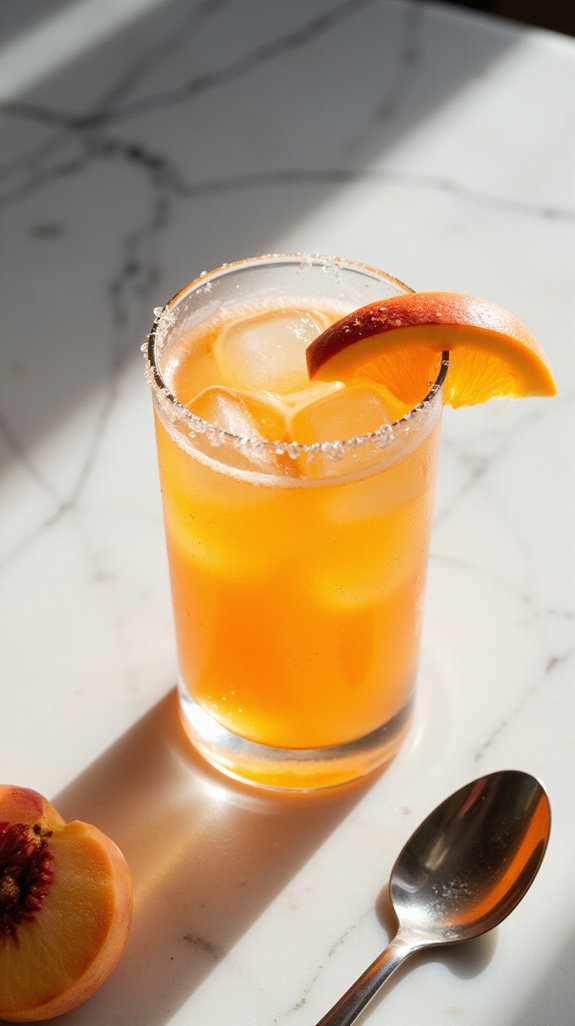
The Fuzzy Navel emerged in the 1980s as part of the era’s obsession with sweet, approachable cocktails that prioritized fun over sophistication. Created during the height of peach schnapps‘ popularity, this two-ingredient wonder became a staple at bars, beach resorts, and poolside gatherings across America.
The name cleverly plays on the drink’s main ingredient—peach schnapps, with “fuzzy” referring to the fuzzy skin of a peach and “navel” referring to navel oranges. Its simplicity and sweet, fruity profile made it particularly popular among those new to cocktails, though it earned a somewhat unfavorable reputation among serious mixologists for being overly sugary and unsophisticated.
Despite its reputation as a simple party drink, the Fuzzy Navel occupies an important place in cocktail history as a gateway drink that introduced countless people to the world of mixed beverages. When made with quality ingredients and proper proportions, it transforms from a cloying sweet bomb into a pleasant, invigorating sipper that genuinely captures the essence of ripe peaches and bright citrus.
The drink spawned numerous variations, including the Hairy Navel (adding vodka) and the Fuzzy Screw (adding vodka and using a higher proportion of orange juice), proving its versatility as a base template. The key to elevating this retro classic is using freshly squeezed orange juice and a premium peach schnapps or peach liqueur.
Ingredients
- 1½ oz peach schnapps
- 4 oz freshly squeezed orange juice
- Ice cubes
- Orange wheel or peach slice for garnish (optional)
Instructions
Fill a highball glass or rocks glass with ice cubes. Pour the peach schnapps over the ice, then add the freshly squeezed orange juice. Stir gently with a bar spoon for about 5 seconds to combine the ingredients and guarantee even distribution of flavors.
If desired, garnish with an orange wheel placed on the rim of the glass or a fresh peach slice during peach season. Serve immediately while cold.
Tips
The quality of your peach schnapps dramatically affects the final result—seek out premium brands like Mathilde Pêche, Giffard Crème de Pêche, or Combier Liqueur de Pêche de Vigne, which offer genuine peach flavor without excessive sweetness or artificial notes.
If your peach schnapps is particularly sweet, adjust the ratio to 1 oz schnapps and 5 oz orange juice for better balance. For an upgraded version, muddle a few fresh peach slices in the glass before adding ice to introduce fresh fruit character.
This drink is best served ice-cold, so consider chilling your glass in the freezer for a few minutes beforehand, and always use freshly squeezed orange juice rather than bottled—the brightness and acidity of fresh juice cuts through the sweetness and makes this simple cocktail shine.
Orange Crush
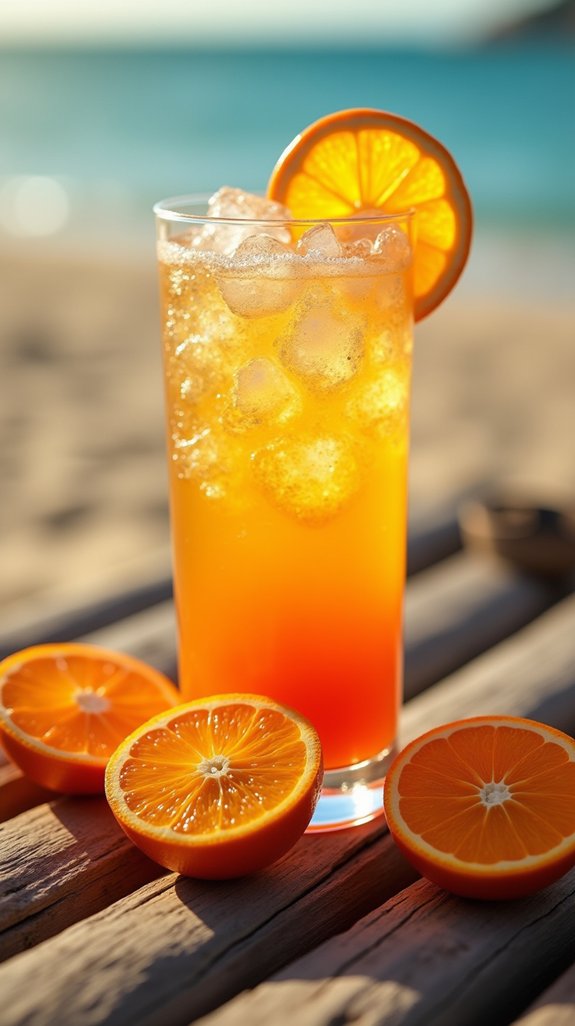
The Orange Crush is a revitalizing vodka-based cocktail that originated in the beach bars of coastal Delaware and Maryland during the late 1990s, though its exact creation is disputed among several establishments. Unlike the sugary soda of the same name, this cocktail celebrates fresh citrus with a combination of freshly squeezed orange juice, orange-flavored vodka, and a splash of lemon-lime soda for effervescence.
The drink became synonymous with summer beach culture along the Mid-Atlantic coast, particularly in Ocean City, Maryland, where bars serve thousands of these bright orange concoctions throughout the warm months. Its popularity has since spread beyond its regional origins, becoming a summertime staple at beach bars, tiki establishments, and backyard gatherings across the country.
What distinguishes the Orange Crush from other orange juice cocktails is its emphasis on fresh ingredients and the delicate balance between citrus intensity and revitalizing fizz. The combination of orange vodka and fresh orange juice creates a concentrated citrus punch that’s then lightened with sparkling soda, resulting in a drink that’s simultaneously bold and crushingly easy to drink—hence the name.
The triple orange component (orange vodka, fresh orange juice, and often an orange liqueur in some variations) creates layers of citrus complexity that elevate it beyond a simple screwdriver. When properly executed with quality ingredients, the Orange Crush delivers a crisp, invigorating drinking experience that captures the essence of coastal summer leisure.
Ingredients
- 1½ oz orange-flavored vodka
- ½ oz triple sec or orange liqueur
- 3 oz freshly squeezed orange juice
- 2 oz lemon-lime soda (Sprite or 7-Up)
- Ice cubes
- Orange slice for garnish
Instructions
Fill a highball or pint glass with ice cubes. Add the orange vodka and triple sec, followed by the freshly squeezed orange juice. Stir gently to combine the spirits and juice.
Top with the lemon-lime soda, adding it slowly to preserve carbonation. Give one final gentle stir to incorporate the soda without losing too much fizz. Garnish with a fresh orange slice wedged onto the rim of the glass and serve immediately with a straw.
Tips
The quality and freshness of your orange juice is paramount—always squeeze oranges fresh rather than using store-bought juice, as the bright, vibrant flavor is essential to this cocktail’s character.
Some bartenders add a splash of fresh lemon juice (about ¼ oz) to enhance the citrus complexity and add brightness. If you prefer a less sweet version, use club soda instead of lemon-lime soda and add the triple sec sparingly or omit it entirely.
For the most authentic experience, use Smirnoff Orange or Absolut Mandrin vodka, though any quality citrus vodka will work well. During peak orange season, seek out blood oranges or cara cara oranges for a more complex, visually stunning variation.
Brass Monkey
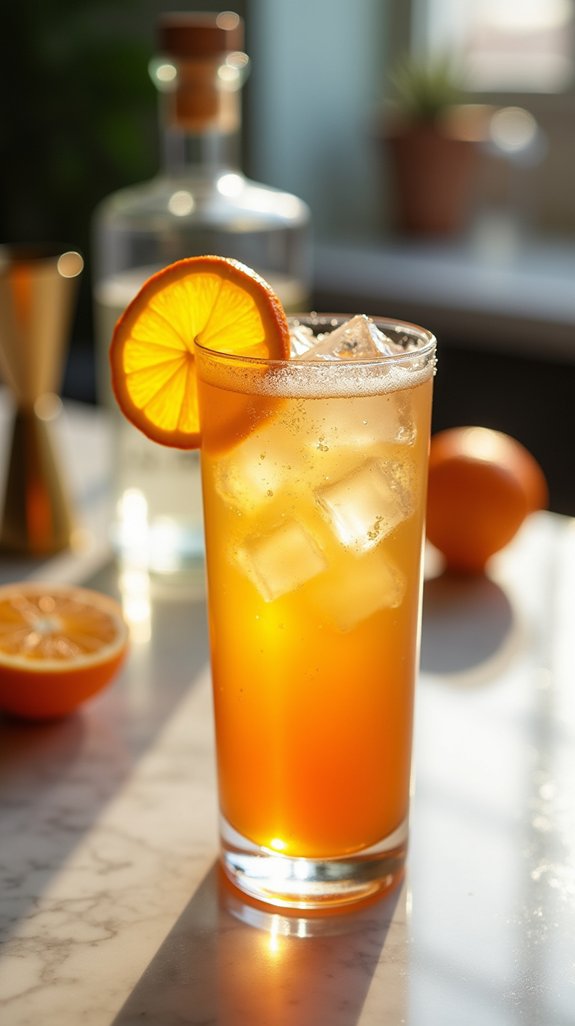
The Brass Monkey occupies a unique position in cocktail history as a drink that gained mainstream cultural recognition through hip-hop music before many bartenders had ever made one. Popularized by the Beastie Boys‘ 1986 song of the same name, the Brass Monkey became synonymous with 1980s party culture, though the recipe has evolved considerably from its original form. The classic version combines orange juice with malt liquor in a surprisingly simple two-ingredient mixture, while the more refined modern interpretation substitutes vodka and rum for a smoother, more versatile cocktail that maintains the drink’s easygoing character.
Despite its humble origins and straightforward composition, the Brass Monkey represents an interesting intersection of pop culture and cocktail culture, transforming from a budget-conscious party drink into a legitimate orange juice cocktail served in bars worldwide.
The modern Brass Monkey’s appeal lies in its accessibility and balanced flavor profile that walks the line between tropical rum drinks and vodka-based citrus cocktails. The combination of light rum and vodka creates a neutral spirit base that allows the fresh orange juice to shine while providing enough alcoholic backbone to distinguish it from a simple juice drink.
Some variations incorporate dark rum for added depth, while others maintain the lighter, brighter profile that made the drink famous. The result is a revitalizing, uncomplicated cocktail that works equally well at casual gatherings and more upscale establishments when crafted with quality ingredients and fresh juice.
Ingredients
- 1 oz vodka
- 1 oz light rum
- 4 oz freshly squeezed orange juice
- Ice cubes
- Orange wheel for garnish
- Optional: splash of grenadine for sweetness
Instructions
Fill a highball glass with ice cubes to chill it thoroughly. Pour the vodka and light rum over the ice, followed by the freshly squeezed orange juice. Stir well for 10-15 seconds to properly blend the spirits with the juice and guarantee even chilling throughout the drink.
If using grenadine, add a small splash and stir gently to incorporate without fully mixing, creating subtle layering. Garnish with an orange wheel placed on the rim or floated on top of the drink and serve immediately.
Tips
The quality of orange juice dramatically impacts the final result, so always opt for fresh-squeezed over processed varieties that contain added sugars and preservatives. The vodka-to-rum ratio can be adjusted based on personal preference—increasing the rum provides more tropical character, while more vodka creates a cleaner, crisper finish.
For a more authentic throwback version, some enthusiasts still prepare the original style by pouring out a portion of a 40-ounce malt liquor bottle and refilling it with orange juice, though this approach is less common in contemporary cocktail settings. The drink should be consumed shortly after preparation to enjoy the orange juice at its freshest and prevent the ice from over-diluting the cocktail.
Harvey Wallbanger
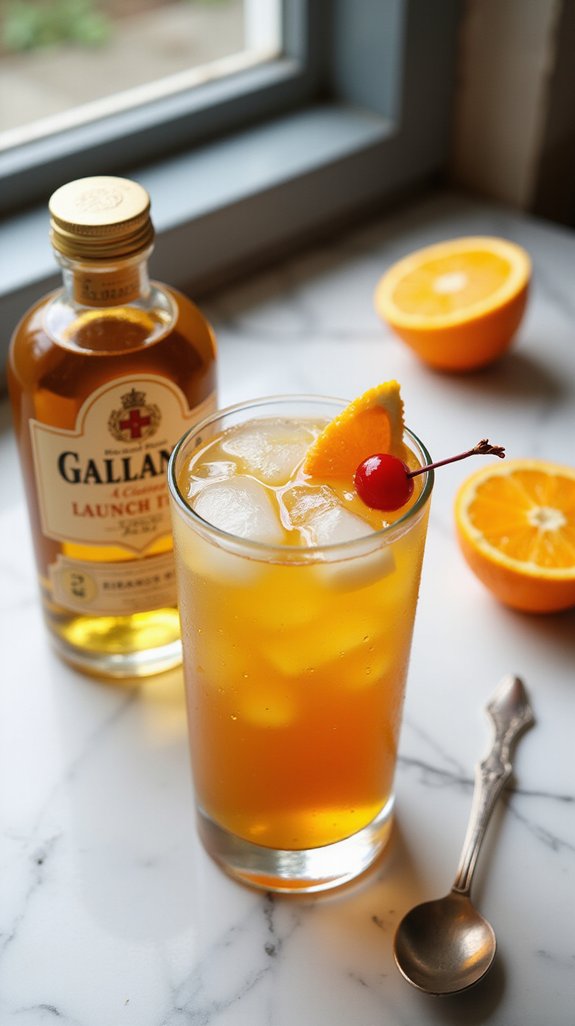
The Harvey Wallbanger stands as one of the most iconic cocktails to emerge from the 1970s California bar scene, though its exact origins remain somewhat disputed among cocktail historians. The most popular origin story credits bartender Donato “Duke” Antone with creating the drink at his Blackwatch Bar in Hollywood during the late 1960s, reportedly naming it after a regular customer who’d bounce off the walls after enjoying too many of these deceptively smooth cocktails.
Built upon the foundation of a Screwdriver, the Harvey Wallbanger distinguishes itself through the addition of Galliano, a golden Italian herbal liqueur that floats atop the drink and provides complex vanilla and anise notes that transform simple orange juice and vodka into something more sophisticated and memorable.
The drink experienced massive popularity throughout the 1970s, becoming a symbol of the era’s casual cocktail culture before fading into relative obscurity during the craft cocktail movement’s early days. However, the Harvey Wallbanger has experienced a resurgence in recent years as bartenders rediscover vintage recipes and appreciate the drink’s clever balance between approachability and complexity.
The Galliano float creates both visual appeal and a layered drinking experience, with the first sips offering herbal sweetness that gradually mingles with the citrus-forward base. While some dismiss it as a relic of outdated cocktail trends, those who craft it properly with fresh ingredients and quality spirits discover a well-conceived orange juice cocktail that deserves its place in the modern repertoire.
Ingredients
- 1.5 oz vodka
- 4 oz freshly squeezed orange juice
- 0.5 oz Galliano L’Autentico
- Ice cubes
- Orange slice for garnish
- Maraschino cherry for garnish (optional)
Instructions
Fill a highball or Collins glass with ice cubes. Pour the vodka over the ice, followed by the freshly squeezed orange juice, and stir gently for about 10 seconds to combine and chill the mixture.
Carefully pour the Galliano over the back of a bar spoon held just above the surface of the drink, allowing it to float on top and create a distinct layer. Garnish with an orange slice placed on the rim of the glass, adding a maraschino cherry if desired for a more retro presentation. Serve immediately with a straw or stirrer, allowing the drinker to decide whether to mix the Galliano throughout or sip it layered.
Tips
Using fresh-squeezed orange juice rather than commercial varieties is essential for achieving the proper balance, as the Galliano’s sweetness can become cloying when paired with pre-sweetened juice.
The floating technique requires a gentle pour over a bar spoon to prevent the Galliano from sinking into the drink prematurely, though some prefer to stir it in completely for a more integrated flavor profile. Quality vodka makes a noticeable difference since it comprises a significant portion of the drink’s base, and choosing a smooth, neutral vodka allows both the orange juice and Galliano to express their flavors without interference.
Store your Galliano properly at room temperature away from direct sunlight to maintain its vibrant color and complex herbal characteristics, as this liqueur is the defining element that separates a Harvey Wallbanger from a simple Screwdriver.
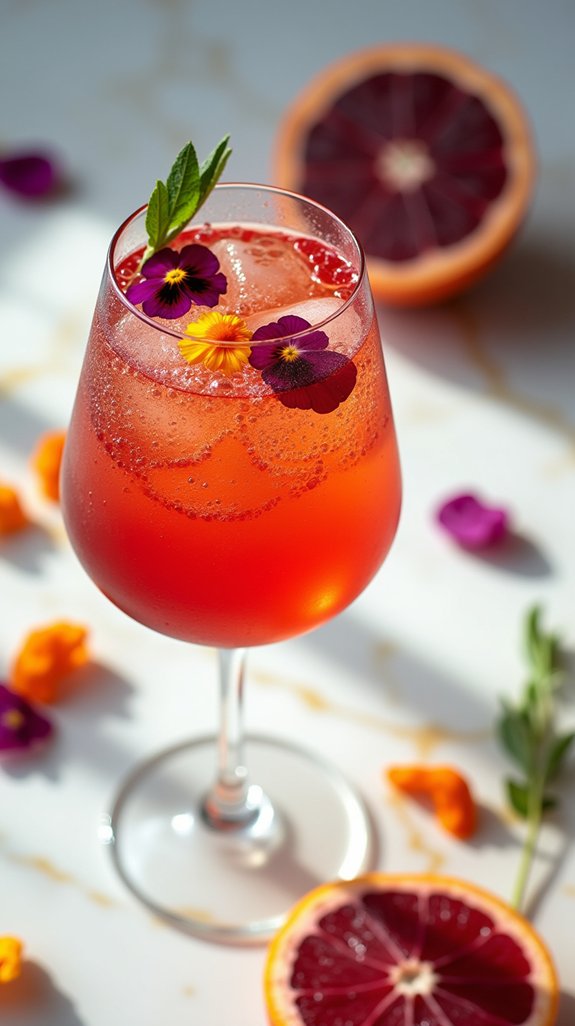
Aperol Spritz With Orange Juice
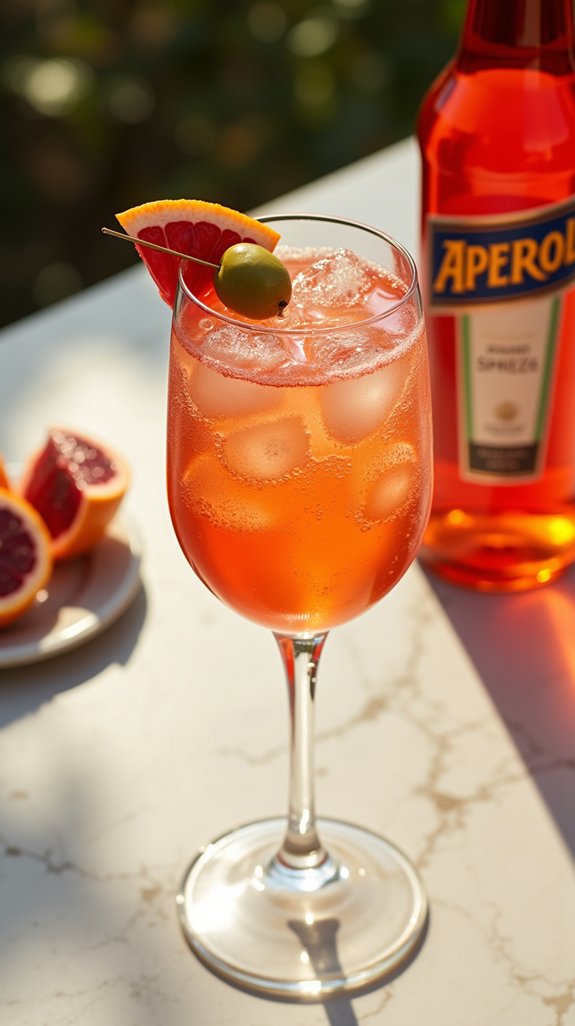
The Aperol Spritz has become the quintessential symbol of Italian aperitivo culture, capturing the essence of leisurely afternoons in sunny piazzas from Venice to Rome. While the traditional recipe calls for prosecco, Aperol, and soda water, adding fresh orange juice creates a richer, more fruit-forward variation that enhances the bitter orange notes already present in the Aperol itself.
This adaptation maintains the drink’s invigorating character while introducing natural sweetness and body that makes it particularly appealing to those who find the classic version too bitter or austere. The vibrant sunset hue becomes even more pronounced with the addition of orange juice, creating a visually stunning cocktail that embodies the warmth and conviviality of Mediterranean drinking culture.
This orange juice variation has gained popularity particularly in warmer months and at brunch gatherings, where its lower alcohol content and bright citrus profile make it an ideal session drink. The addition of orange juice doesn’t simply sweeten the cocktail; it creates a more rounded flavor profile that bridges the gap between Aperol’s distinctive bitterness and prosecco’s effervescence.
While purists may debate its authenticity, this adaptation respects the spirit of the original while making it more accessible to those building their appreciation for bitter liqueurs. The result is a sophisticated yet approachable cocktail that works equally well as a pre-dinner aperitif or a standalone revitalizing drink on a hot afternoon.
Ingredients
- 2 oz Aperol
- 2 oz freshly squeezed orange juice
- 3 oz prosecco
- 1 oz soda water
- Ice cubes
- Orange slice for garnish
- Green olive or orange peel for garnish (optional)
Instructions
Fill a large wine glass or stemless wine glass with ice cubes until about three-quarters full. Pour the Aperol over the ice, followed by the freshly squeezed orange juice, and give it a brief stir to combine.
Add the prosecco, pouring it slowly down the side of the glass to preserve the bubbles, then top with soda water. Give the drink one final gentle stir, just enough to integrate the ingredients without losing too much carbonation.
Garnish with a half-moon orange slice placed in the glass or on the rim, adding a green olive skewered alongside the orange or a twisted orange peel for additional aromatics if desired. Serve immediately while the drink is still well-chilled and effervescent.
Tips
The quality of your orange juice makes a significant difference in this cocktail, so always use freshly squeezed juice rather than store-bought varieties that often contain added sugars or preservatives that can clash with the Aperol’s complex bitterness.
When pouring the prosecco, avoid vigorous stirring afterward as this will flatten the bubbles that provide essential texture and lift to the drink. If you find the drink too bitter, resist the temptation to add simple syrup; instead, adjust the ratio by increasing the orange juice slightly or using a sweeter prosecco.
The drink should be served very cold, so consider chilling your glass in the freezer for a few minutes beforehand, and always build the drink just before serving rather than preparing it in advance, as the carbonation and ice dilution are vital to the proper balance.
Orange Margarita
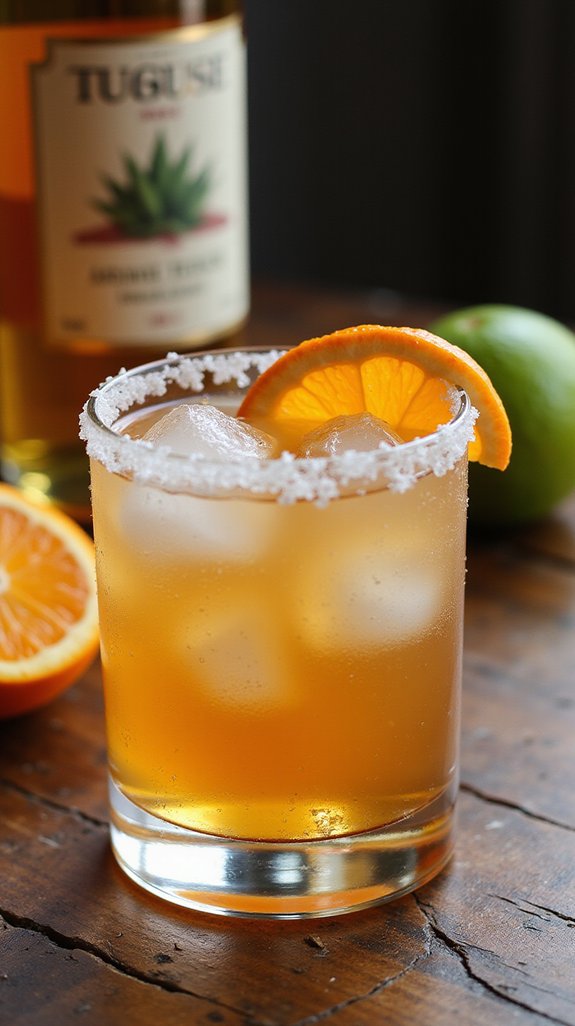
The Orange Margarita transforms the classic tequila cocktail into a citrus lover’s dream, combining the traditional lime-forward profile with the sweeter, more aromatic complexity of fresh orange juice. This variation builds upon the margarita’s foundation while creating something distinctly different—a drink that maintains the characteristic tequila bite and salt rim contrast but introduces a softer, more approachable fruit character.
Unlike the simpler lime margarita, the orange version offers layers of citrus that complement the agave notes in quality tequila, creating a more rounded and less aggressively tart experience. The addition of orange juice doesn’t mask the tequila; rather, it highlights different aspects of the spirit, particularly when using a reposado or añejo tequila whose oak aging harmonizes beautifully with orange’s natural sweetness.
This cocktail has become a favorite for those who find traditional margaritas too sharp or one-dimensional, offering a gateway into tequila appreciation while still delivering the sophistication expected from a well-crafted cocktail. The orange margarita works exceptionally well with Mexican and Southwestern cuisine, where its fruit-forward profile complements spicy dishes without overwhelming them.
Whether served at casual backyard gatherings or upscale cocktail bars, this variation demonstrates that tampering with a classic can yield delicious results when done with respect for the original’s core elements. The balance between orange sweetness, lime acidity, tequila warmth, and optional orange liqueur creates a harmonious drink that refreshes and satisfies in equal measure.
Ingredients
- 2 oz tequila (blanco or reposado)
- 1 oz freshly squeezed orange juice
- 1 oz freshly squeezed lime juice
- 1/2 oz orange liqueur (Cointreau or Triple Sec)
- 1/2 oz agave syrup or simple syrup
- Ice cubes
- Salt for rimming
- Orange wheel or lime wedge for garnish
Instructions
Prepare the glass by running a lime wedge around the rim and dipping it into a plate of salt to create an even coating on half or the entire rim, depending on preference. Fill a cocktail shaker with ice and add the tequila, freshly squeezed orange juice, lime juice, orange liqueur, and agave syrup.
Shake vigorously for 15-20 seconds until the outside of the shaker becomes frosty and cold. Fill your prepared rocks glass with fresh ice, then strain the cocktail over the ice. Garnish with an orange wheel placed on the rim or a lime wedge, and serve immediately while thoroughly chilled.
Tips
For the best flavor, always use freshly squeezed citrus juices rather than bottled alternatives, as the bright, natural oils make a significant difference in the final product. The choice between blanco and reposado tequila will dramatically affect the drink’s character—blanco offers a cleaner, more citrus-forward profile, while reposado adds vanilla and oak notes that create a richer, more complex cocktail.
Adjust the sweetness by varying the agave syrup amount based on the natural sweetness of your oranges and personal preference, starting with less and adding more if needed. If you prefer a frozen version, blend all ingredients with ice until smooth, creating a slushy consistency that works particularly well in hot weather.
Vodka Sunrise
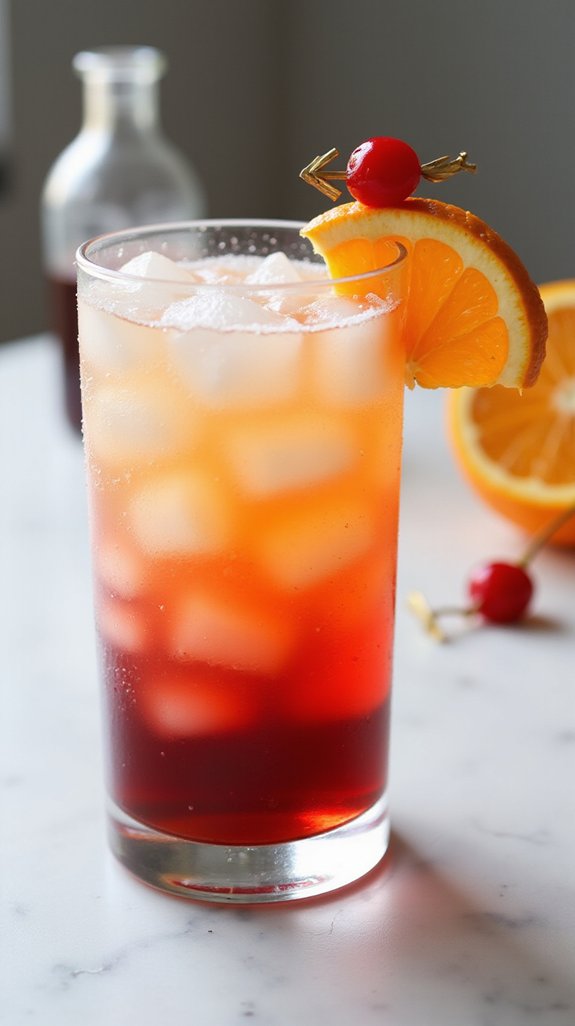
The Vodka Sunrise offers a lighter, more neutral alternative to its famous tequila-based cousin, the Tequila Sunrise. By substituting vodka for tequila, this cocktail transforms into a smoother, less assertive drink that allows the interplay between orange juice and grenadine to take center stage. The vodka’s clean profile creates a canvas where the sweet citrus and pomegranate syrup can shine without competing against strong agave flavors. This makes the Vodka Sunrise particularly appealing to those who prefer subtler spirits or want a cocktail that emphasizes fruit flavors over the base alcohol.
The drink maintains the stunning visual gradient that made the original sunrise cocktail famous—the grenadine slowly cascading through orange juice creates layers of color that evoke a morning sky, making it as Instagram-worthy as it’s invigorating. This cocktail has carved out its own identity in the vodka drink repertoire, serving as a perfect brunch companion or poolside reviver when something sweet and visually striking is desired.
The Vodka Sunrise requires minimal effort to prepare yet delivers maximum impact, both in presentation and flavor. Its approachable taste profile makes it ideal for entertaining guests with varying cocktail preferences, as the combination of orange juice and grenadine creates a familiar, crowd-pleasing sweetness that few find objectionable. The drink works equally well as a single serving or scaled up for pitchers, though the dramatic grenadine pour works best when executed glass by glass to preserve the signature sunrise effect.
Ingredients
- 2 oz vodka
- 4 oz freshly squeezed orange juice
- 1/2 oz grenadine syrup
- Ice cubes
- Orange slice for garnish
- Maraschino cherry for garnish (optional)
Instructions
Fill a highball glass with ice cubes to the top. Pour the vodka over the ice, followed by the orange juice, and stir gently to combine these two ingredients. Slowly pour the grenadine into the glass, allowing it to sink to the bottom by pouring it over the back of a bar spoon or directly down the side of the glass—do not stir after adding the grenadine, as this preserves the layered sunrise effect. The grenadine will naturally settle at the bottom and gradually diffuse upward, creating the characteristic gradient from deep red at the base through orange to lighter yellow at the top.
Tips
For the best visual effect, use a clear glass and verify your orange juice is at a similar temperature to your other ingredients—extreme temperature differences can cause the grenadine to disperse too quickly. Fresh-squeezed orange juice produces superior flavor compared to store-bought varieties, though if using packaged juice, opt for pulp-free versions for cleaner layering.
Quality grenadine makes a significant difference; look for real pomegranate-based syrups rather than artificially flavored versions for authentic taste and better color. If you prefer a less sweet drink, reduce the grenadine to 1/4 oz or add a splash of fresh lime juice to balance the sweetness. Some bartenders add the grenadine first, then build the drink on top, which creates an equally beautiful but inverted color gradient—experiment to find your preferred presentation method.
Rum Runner
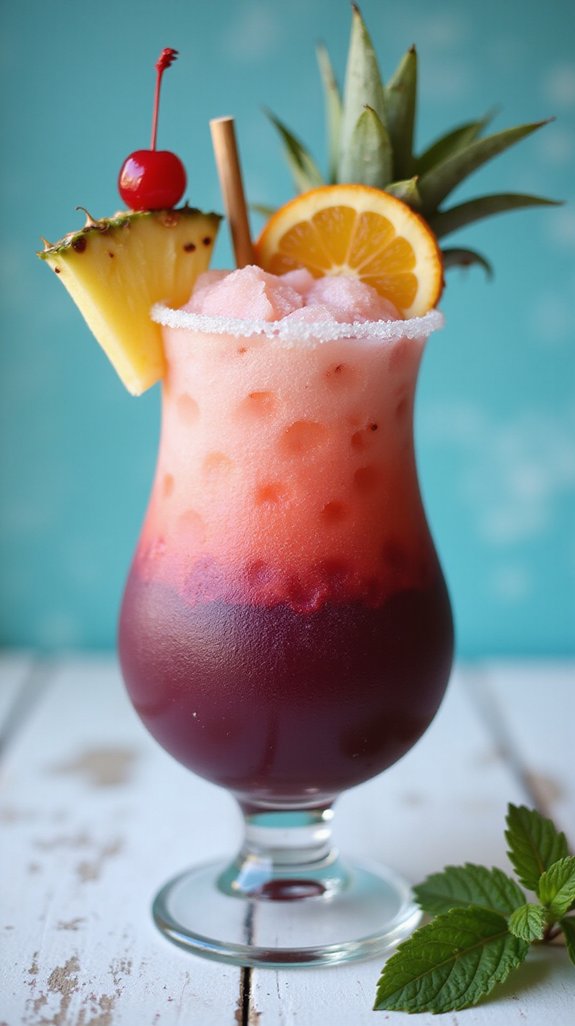
The Rum Runner stands as one of the Caribbean‘s most beloved tropical cocktails, a vibrant fusion of multiple rums, fruit juices, and liqueurs that captures the spirit of island escapism in a single glass. Born in the Florida Keys during the 1950s at the Holiday Isle Tiki Bar, this drink was created as a way to use up overstock of rum and liqueurs, resulting in a fortuitous combination that became a vacation staple.
Unlike simpler orange juice cocktails, the Rum Runner is a complex, layered experience where orange juice plays a supporting but essential role alongside banana liqueur, blackberry liqueur, and a blend of light and dark rums. The result is a sweet, fruity powerhouse that disguises its considerable alcohol content behind a smoothie-like texture and candy-sweet flavor profile. The drink’s deep purple-red hue, derived from the blackberry liqueur and grenadine, makes it visually distinctive and unmistakably tropical.
This cocktail has earned its reputation as a potent party drink and beachside favorite, often blended with ice to create a frozen concoction perfect for hot weather sipping. The Rum Runner’s generous spirit content—typically featuring two different rums plus two liqueurs—means it delivers significant impact while tasting remarkably approachable and fruit-forward.
The orange juice provides essential acidity and brightness that prevents the drink from becoming cloying despite the sweet liqueurs, while also contributing body and natural fruit flavor that complements the banana and blackberry notes. Whether served frozen or on the rocks, the Rum Runner remains a celebration in a glass, transporting drinkers to sun-soaked beaches regardless of their actual location.
Ingredients
- 1 oz light rum
- 1 oz dark rum
- 1 oz banana liqueur
- 1 oz blackberry liqueur
- 2 oz orange juice
- 2 oz pineapple juice
- 1/2 oz grenadine
- 1/2 oz lime juice
- Ice cubes (or crushed ice for frozen version)
- Orange slice for garnish
- Pineapple wedge for garnish
- Maraschino cherry for garnish
Instructions
Add the light rum, dark rum, banana liqueur, blackberry liqueur, orange juice, pineapple juice, grenadine, and lime juice to a cocktail shaker filled with ice, then shake vigorously for 15-20 seconds until well-chilled and combined. Strain the mixture into a hurricane glass or large highball glass filled with fresh ice cubes.
For a frozen version, combine all ingredients in a blender with 1-2 cups of crushed ice and blend until smooth and slushy, then pour into your serving glass. Garnish elaborately with an orange slice, pineapple wedge, and maraschino cherry, either arranged on the rim or speared together on a cocktail pick.
Tips
Quality grenadine makes a noticeable difference in this cocktail—avoid artificially flavored versions in favor of pomegranate-based syrups for better depth of flavor. If you find the drink too sweet, increase the lime juice to 3/4 oz or add a splash more orange juice to balance the liqueurs.
The frozen version is more popular and traditional, as blending mellows the alcohol burn and creates a smoother, more cohesive flavor where the individual components integrate better than when served on the rocks. Because of its high alcohol content, consider making Rum Runners slightly smaller for guests who aren’t accustomed to strong tropical drinks, and always use freshly squeezed citrus juices rather than commercial alternatives to provide the brightness needed to cut through the sweetness.
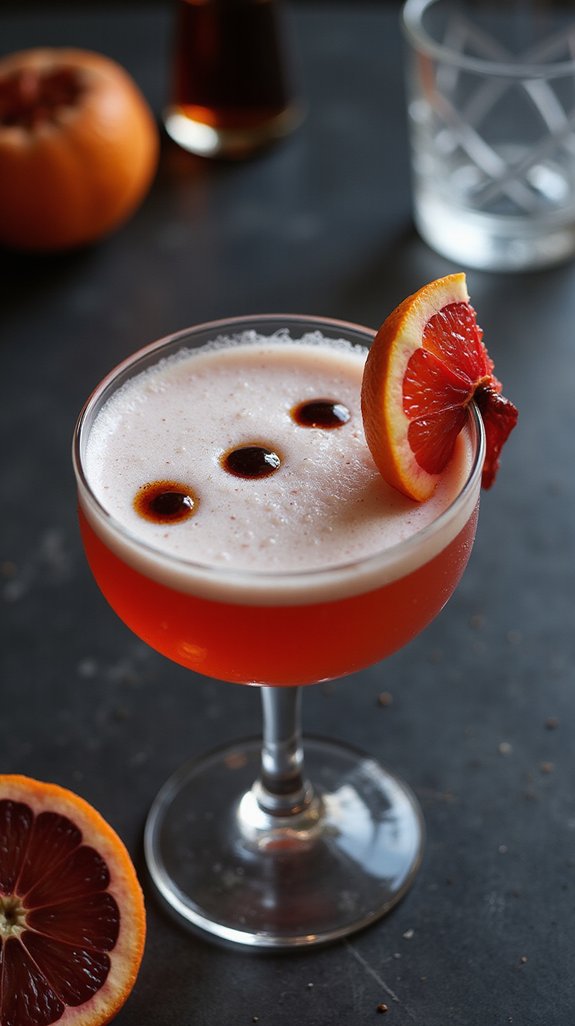
Blood Orange Bourbon Sour
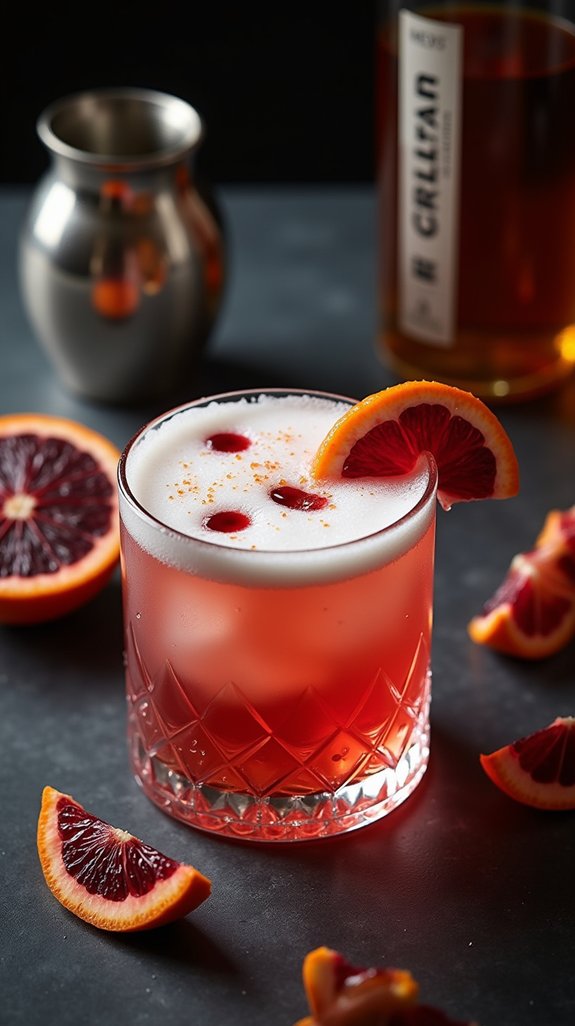
The Blood Orange Bourbon Sour elevates the classic whiskey sour into a sophisticated, seasonally-inspired cocktail that showcases the distinctive ruby-hued citrus at its finest. This modern variation combines the robust, caramel notes of bourbon with the complex sweetness and slight bitterness of blood orange juice, creating a more nuanced and visually stunning drink than its traditional counterpart.
Blood oranges, with their distinctive crimson flesh and flavor profile that hints at raspberry and grapefruit, bring a depth that standard orange juice simply can’t match. The result is a cocktail that balances the warming spice of bourbon against bright citrus acidity, with just enough sweetness to harmonize the elements without masking the whiskey’s character.
Unlike tropical, rum-based orange juice cocktails, the Blood Orange Bourbon Sour occupies a more refined space in the cocktail spectrum, making it equally suitable for upscale dinner parties and intimate evening gatherings. The drink’s striking appearance—ranging from coral pink to deep crimson depending on the blood oranges used—makes it a conversation starter, while its balanced flavor profile appeals to both whiskey enthusiasts and those who typically prefer lighter, fruitier cocktails.
The addition of egg white (optional but recommended) creates a silky foam cap that adds textural elegance and mellows the drink’s edges, transforming it into a restaurant-quality cocktail that’s surprisingly simple to execute at home.
Ingredients
- 2 oz bourbon
- 1 oz fresh blood orange juice
- 3/4 oz fresh lemon juice
- 1/2 oz simple syrup
- 1 egg white (optional)
- 2-3 dashes Angostura bitters
- Ice cubes
- Blood orange wheel or twist for garnish
Instructions
If using egg white, first perform a dry shake by combining the bourbon, blood orange juice, lemon juice, simple syrup, and egg white in a cocktail shaker without ice, shaking vigorously for 15 seconds to emulsify the egg white.
Add ice to the shaker and shake again vigorously for another 15-20 seconds until well-chilled. Strain the mixture into a rocks glass over fresh ice or serve up in a coupe glass. Add 2-3 dashes of Angostura bitters on top of the foam (if using egg white), and garnish with a blood orange wheel or expressed twist.
Tips
Blood oranges are seasonal and typically available from December through May, so plan accordingly or substitute with a combination of regular orange juice and a splash of cranberry or pomegranate juice for color and tartness during off-season months.
The simple syrup amount can be adjusted based on the sweetness of your blood oranges, as some varieties are naturally sweeter than others. If you’re concerned about using raw egg white, pasteurized egg whites from a carton work perfectly and eliminate food safety concerns, or you can omit the egg white entirely for a lighter, more straightforward sour.
For the best flavor, use a mid-range bourbon with good spice notes rather than an overly smooth or premium bottle, as you want the whiskey to stand up to the bold citrus flavors.
Frequently Asked Questions
What Type of Orange Juice Is Best for Cocktails?
You’ll want freshly squeezed orange juice for the best flavor in cocktails. If that’s not available, choose a high-quality, not-from-concentrate variety with pulp. Avoid artificial sweeteners and preservatives that’ll compromise your drink’s taste.
Can I Use Store-Bought Orange Juice Instead of Fresh-Squeezed?
While fresh-squeezed is the gold standard, you can absolutely use store-bought orange juice in a pinch. Just choose 100% pure juice without added sugars, and your cocktails will still taste delicious and invigorating.
How Long Does Fresh Orange Juice Stay Good for Mixing Drinks?
You’ll want to use fresh orange juice within 2-3 days when it’s stored in the refrigerator. After that, it’ll start losing flavor and brightness, which affects your cocktails’ taste and quality considerably.
What Are Good Non-Alcoholic Orange Juice Mocktail Alternatives?
When life gives you oranges, make mocktails! You’ll love virgin mimosas with sparkling water, orange creamsicle smoothies, citrus spritzers with ginger ale, tropical sunrise blends with grenadine, or invigorating orange-mint fizzes for delicious alcohol-free options.
Should Orange Juice Be Refrigerated Before Making Cocktails?
Yes, you should refrigerate orange juice before making cocktails. Cold orange juice blends better with other ingredients, prevents ice from diluting your drink too quickly, and creates a more invigorating, flavorful cocktail experience.