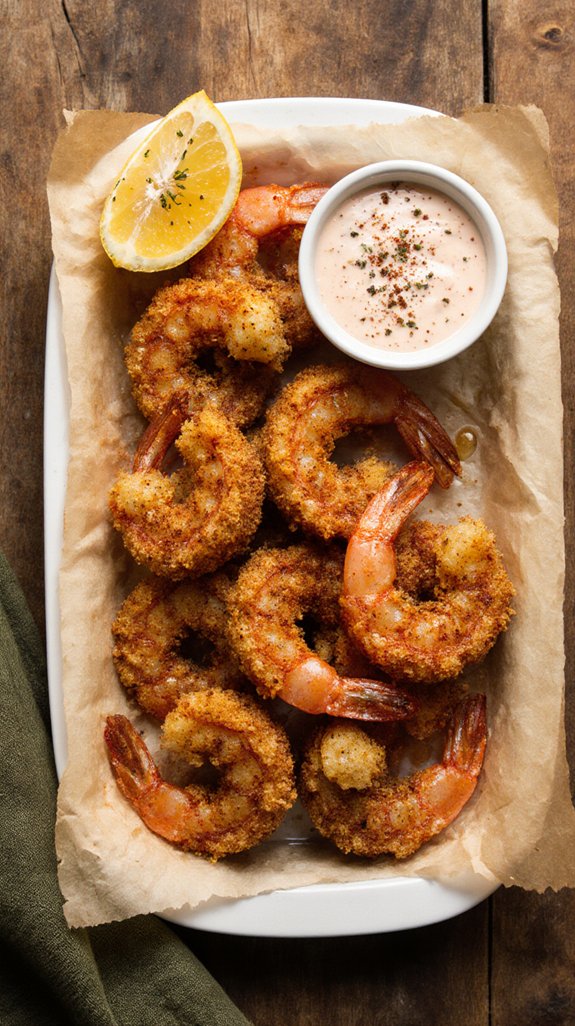
I’ve spent years chasing the perfect fried shrimp, the kind my grandmother used to make on lazy summer evenings, and I’m convinced I’ve finally cracked the code. The secret isn’t just about tossing shrimp in flour and calling it a day—it’s about understanding how buttermilk, cornmeal, and a double-coating technique work together to create that satisfying crunch that makes everyone reach for seconds before you’ve even finished frying the first batch.
Why You`ll Love this Crispy Southern Fried Shrimp
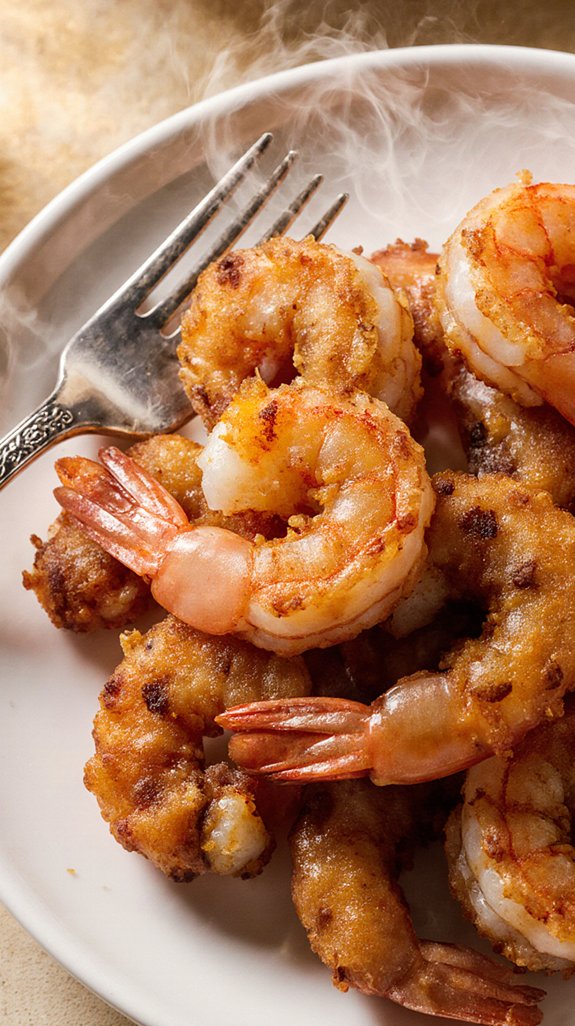
When I first bit into properly fried shrimp as a kid at my grandmother’s kitchen table, I understood what all the fuss was about. That golden, crunchy coating gave way to tender, sweet shrimp that made me reach for seconds before I’d finished chewing.
The flavor profile here delivers Southern comfort through paprika, cayenne, and thyme, creating layers of warmth and spice that complement the shrimp’s natural sweetness.
What makes this recipe work is the double-coating technique, where buttermilk acts as glue for that cornmeal-flour mixture. The cooking techniques aren’t complicated, you’re just creating the perfect temperature environment for rapid crisping.
When done right, you’ll get restaurant-quality results that’ll have everyone hovering around your kitchen, waiting for the next batch.
What ingredients are in Crispy Southern Fried Shrimp?
The ingredient list for this Southern fried shrimp stays invigoratingly short while delivering maximum flavor impact. You’re working with fresh shrimp as your protein base, building a seasoned coating that combines both flour and cornmeal for textural contrast, and using buttermilk as your binding agent. The spice blend brings authentic Southern heat and aromatics without requiring a trip to specialty stores—everything here should be available in your standard grocery store spice aisle.
Ingredients:
- 1 lb peeled and deveined shrimp
- 3/4 cup all-purpose flour
- 1/2 cup cornmeal
- 2 teaspoons paprika
- 1 teaspoon cayenne pepper
- 1 teaspoon dried thyme
- 1 teaspoon garlic powder
- 1 teaspoon onion powder
- 1 teaspoon salt
- 3/4 cup buttermilk
- 1 large egg, beaten
- 2-3 cups oil for frying (vegetable, canola, or peanut oil work well)
The shrimp size matters here—medium to large shrimp work best since they won’t overcook during the brief frying time. If you can’t find buttermilk, you can make a quick substitute by adding a tablespoon of lemon juice or vinegar to regular milk and letting it sit for five minutes. The oil choice is flexible, but pick something with a high smoke point like vegetable, canola, or peanut oil. Don’t skimp on the oil quantity either—you need enough depth for the shrimp to float and cook evenly, which is typically at least two inches in your frying vessel.
How to make this Crispy Southern Fried Shrimp
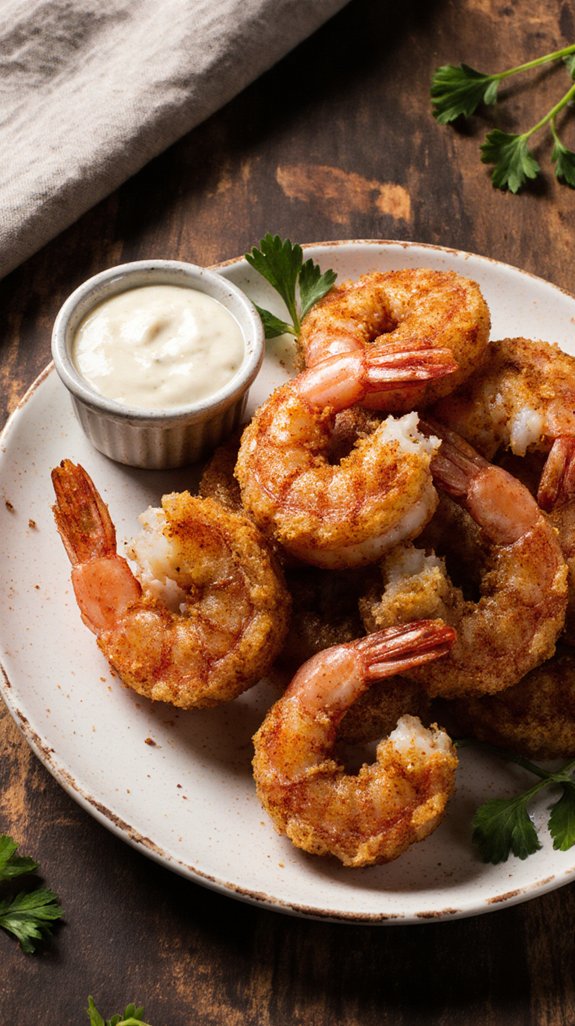
The cooking process moves quickly, so having everything ready before you start frying makes all the difference. Begin by heating 2-3 cups of oil in a sturdy, deep pan until it reaches 375 degrees—use a thermometer to check because the right temperature is what gives you that golden, crispy exterior without greasy results.
While the oil heats, set up your breading station with two shallow dishes: one combining all your dry ingredients (3/4 cup flour, 1/2 cup cornmeal, 2 teaspoons paprika, 1 teaspoon cayenne pepper, 1 teaspoon thyme, 1 teaspoon garlic powder, 1 teaspoon onion powder, and 1 teaspoon salt), and another whisking together 3/4 cup buttermilk with 1 beaten egg. This dual-coating system is what creates those irresistible crispy ridges that cling to each shrimp.
Once your oil hits the target temperature, you’re ready to work in small batches. Take each piece from your 1 lb of peeled and deveined shrimp, dip it into the buttermilk mixture to coat completely, then dredge it through the seasoned flour-cornmeal blend, making sure to shake off any excess coating.
Carefully place 5-7 coated shrimp into the hot oil at a time—overcrowding the pan drops the oil temperature and results in soggy, grease-soaked shrimp instead of crispy ones. These cook incredibly fast, usually needing only about 2-3 minutes total until they turn golden brown and float to the surface.
Use a slotted spoon to transfer them to a paper towel-lined plate, which absorbs excess oil while keeping the coating crisp. Continue this process with the remaining shrimp, letting the oil return to 375 degrees between batches for consistent results every time. For even better temperature control and consistent frying results, consider investing in premium cooking appliances designed specifically for high-heat cooking.
Shop Related Products

Temperature Range: 100° to 500°F /40° to 260°C. Probe Length: 5.5-inches Dial Diameter: 2.5-inches

ADJUSTABLE PAN CLIP FOR ANY SIZE POT: The built-in clip secures to pots and pans of all sizes, keeping the thermometer stable and hands-free so you can monitor candy stages or frying oil without constant attention.
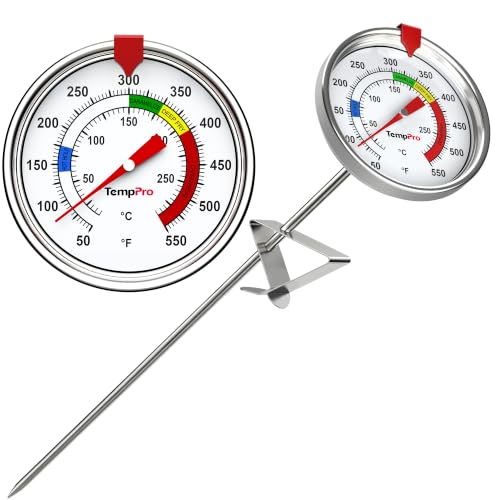
【9" Long Probe with Pot Clip】The frying thermometer for oil comes with a 9-inch probe and a secure pot clip, allowing it to be safely attached to cooking pots of different sizes, effectively protecting you from hot oil splatter
Crispy Southern Fried Shrimp Substitutions and Variations
While this recipe delivers classic Southern flavor exactly as written, you can absolutely make adjustments based on what’s in your pantry or your personal taste preferences. For spice variations, I’ll sometimes add extra cayenne when I’m feeling bold, or swap in Creole seasoning for a different flavor profile altogether. If you need gluten alternatives, almond flour or a gluten-free all-purpose blend works surprisingly well in place of regular flour, though the texture will be slightly different. You can also use regular milk mixed with a tablespoon of lemon juice if buttermilk isn’t available. I’ve even substituted crushed cornflakes for the cornmeal when I’ve run out, which creates an unexpectedly satisfying crunch that my kids actually prefer.
Shop Related Products
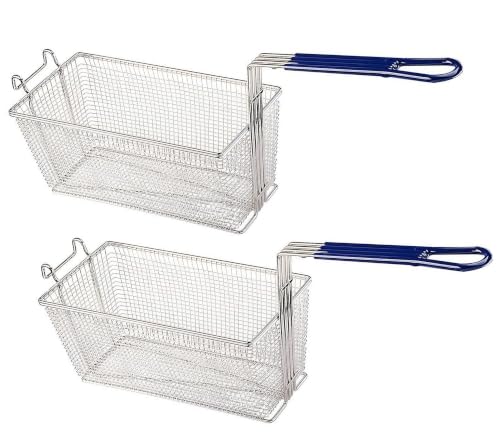
【Optimal Size For High-Volume Frying】 - Measuring 13.25" X 6.5" X 5.9",Handle Length: 11.2" (28.5 Cm). Our Deep Fryer Basket Is Perfect For Large Batches. This Optimal Size Increases Efficiency By Allowing You To Fry More Food At Once, Reducing Cooking Time And Improving Service Speed.

🍟[Suitable Size]: The diameter of each fryer basket is 9 inches. The thicker and longer handle keeps hands safe from heat. And the angled design is for comfortable use.
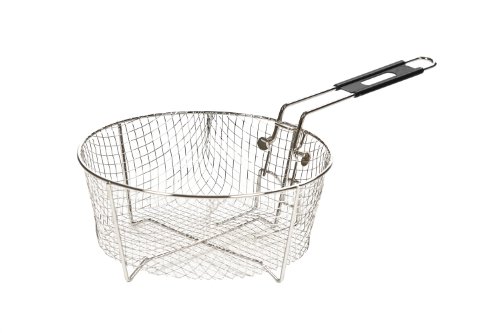
YOUR NEW GO-TO DEEP FRY BASKET: The Lodge Deep Fry Basket turns your dutch oven into a deep fryer. Get to cooking your favorite fried delectables with this commercial-grade fry basket.
What to serve with Crispy Southern Fried Shrimp
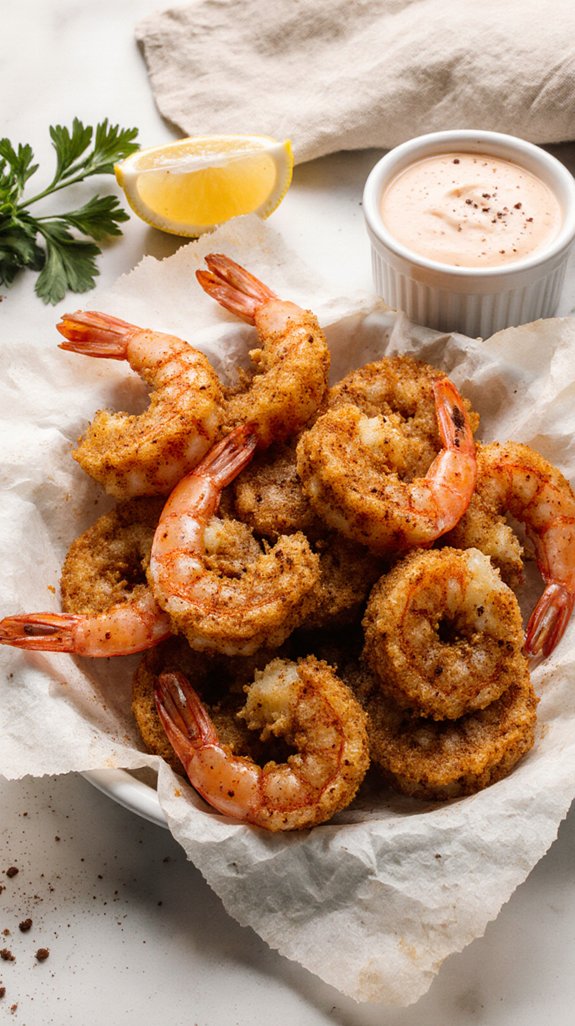
Classic Southern sides transform fried shrimp from a simple dish into a complete meal that feels like a celebration.
I always serve mine with creamy coleslaw and crispy hush puppies, though fresh-cut fries work beautifully too. You’ll want to prepare several dipping sauces since everyone has their favorite—I set out cocktail sauce, remoulade, and spicy mayo.
The creamy, tangy side dishes balance the crunchy coating perfectly, and there’s something special about watching everyone reach for different sauces throughout the meal.
My grandmother used to say that good fried shrimp deserves good company on the plate. She’d pile everything high on a newspaper-lined table, and we’d feast like royalty.
Don’t overthink it—just choose sides that make you happy.
Final Thoughts
Southern fried shrimp has earned its place at my table more times than I can count, and it’s become one of those recipes I turn to when I want to make people smile.
Beyond the crispy coating and tender bite, there’s something satisfying about choosing shrimp from suppliers who follow sustainability practices, knowing I’m making choices that matter.
The health benefits are there too, since shrimp delivers protein without much fat, especially when I don’t go overboard on portions.
I’ve learned that the best meals come from respecting both the ingredients and where they come from.
This recipe connects me to Southern traditions while letting me create new memories, one golden batch at a time.
Frequently Asked Questions
Can I Use Frozen Shrimp for This Recipe?
Yes, you can use frozen shrimp! I recommend thawing them first using proper thawing methods like refrigerator overnight or cold water bath. Pat them completely dry before dipping in buttermilk to guarantee the coating sticks properly.
How Do I Know When the Oil Is Hot Enough?
I’ll use an oil thermometer to check when it reaches 375 degrees. If I don’t have one, I can do a temperature test by dropping a small piece of bread in—it should sizzle and brown quickly.
How Long Can I Store Leftover Fried Shrimp?
I’ll store leftover fried shrimp in an airtight container in the refrigerator for up to 3 days. Leftover storage is essential for shrimp freshness, so I’ll reheat them in the oven to restore crispiness.
Can I Bake These Instead of Frying Them?
Yes, I can bake them at 425°F for 10-12 minutes, flipping halfway through. While baking techniques produce a lighter result than frying, the coating won’t be as crispy. Shrimp alternatives like fish work well too.
What’s the Best Oil to Use for Frying Shrimp?
I’d recommend using peanut or vegetable oil for frying shrimp. These oil types have high smoke points that handle frying temperatures of 375 degrees perfectly, plus they won’t overpower the shrimp’s delicate flavor.