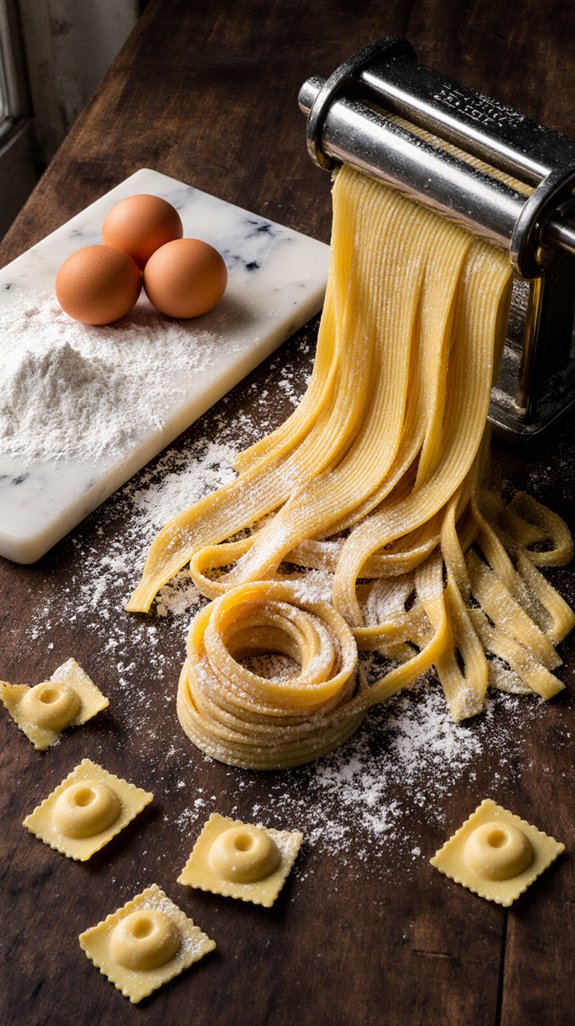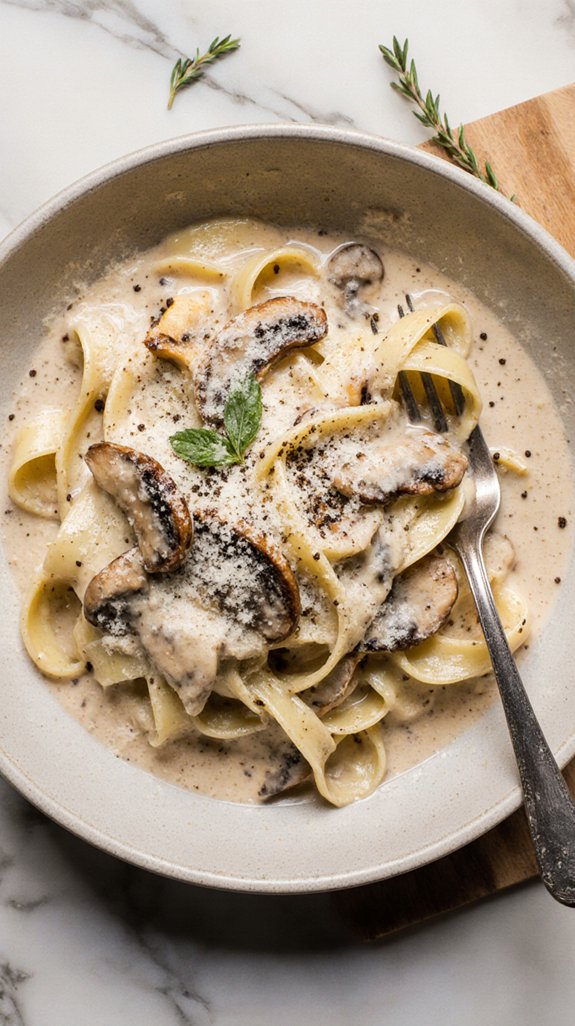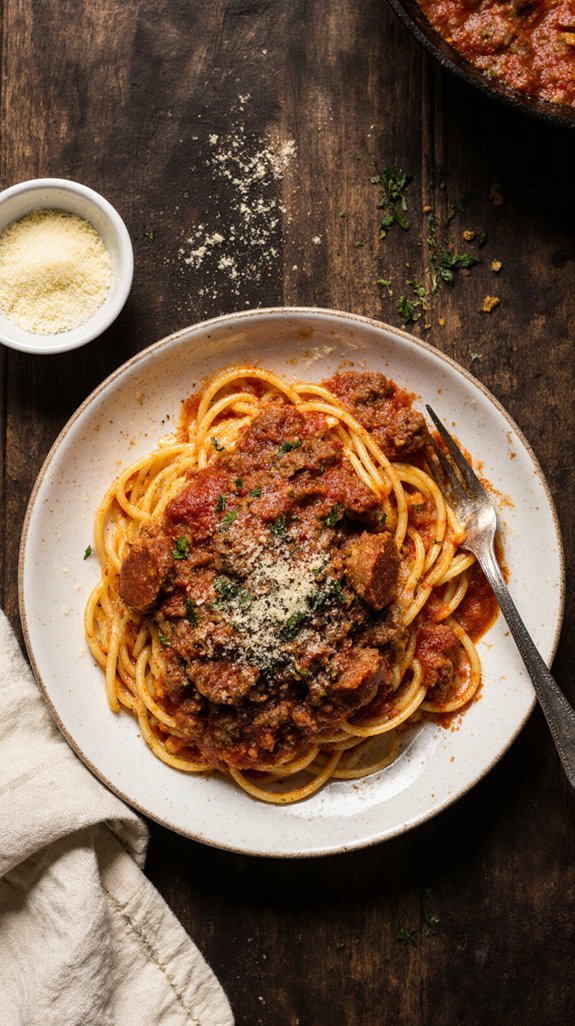

I’ve been making fettuccine alfredo for years, and I’ll let you in on a secret: the restaurant version you’re paying $20 for isn’t any better than what you can create at home in 15 minutes. This classic Italian-American dish has three essential ingredients that work together to create pure magic on your plate. Once you master this simple technique, you’ll wonder why you ever ordered it anywhere else.
Why You`ll Love this Creamy Fettuccine Alfredo

While store-bought Alfredo sauce sits in jars for months, this homemade version comes together in about 15 minutes with ingredients you probably already have in your kitchen.
I’m talking butter, cream, milk, Parmesan cheese, and a few pantry staples that transform into pure comfort food magic.
This recipe delivers restaurant-quality results without the hefty price tag or the need to change out of your pajamas.
Whether you’re planning a romantic dinner for two or just craving something indulgent on a Tuesday night, this creamy fettuccine hits the spot every time.
The silky sauce clings to each strand of pasta perfectly, and trust me, once you taste how fresh and rich homemade Alfredo is, those jarred versions won’t stand a chance.
What ingredients are in Creamy Fettuccine Alfredo?
The beauty of this Creamy Fettuccine Alfredo lies in its simplicity. You won’t need to hunt down any exotic ingredients or make a special trip to a gourmet market. Everything required for this dish can be found at your local grocery store, and chances are, you already have most of these items on hand. The combination of pantry staples and fresh dairy creates a sauce that’s both luxurious and approachable.
- 1 (16 ounce) box fettuccine pasta
- 1/2 cup butter
- 2 tablespoons flour
- 1 cup milk
- 1 cup light cream
- 1 cup parmesan cheese
- 1/4 teaspoon salt
- 1 tablespoon parsley
When selecting your ingredients, quality matters, especially with the Parmesan cheese. Freshly grated Parmesan will melt more smoothly and provide better flavor than the pre-grated varieties. For the light cream, you can substitute half-and-half if that’s what you have available. The butter should be real butter, not margarine, as it contributes greatly to the sauce’s rich flavor and velvety texture. Fresh parsley is ideal, but dried parsley works in a pinch if you reduce the amount slightly.
How to make this Creamy Fettuccine Alfredo

Making this Creamy Fettuccine Alfredo is wonderfully straightforward, and the key to success is taking your time with the sauce. Start by cooking your 1 (16 ounce) box of fettuccine pasta according to the package directions, then drain and set it aside while you prepare the sauce.
In a large saucepan, melt 1/2 cup of butter over low heat, being careful not to let it brown. Once the butter is completely melted, add 2 tablespoons of flour and stir continuously until the mixture becomes bubbly. This creates a roux, which will thicken your sauce and give it that perfect creamy consistency. The bubbling stage is important because it cooks out the raw flour taste, so don’t rush this step.
Next, gradually add 1 cup of milk and 1 cup of light cream to the butter-flour mixture, stirring constantly to prevent any lumps from forming. Bring this mixture to a gentle boil, then immediately reduce the heat and let it simmer for 2 minutes while you keep stirring. This constant stirring is what transforms these simple ingredients into a smooth, velvety sauce.
After the simmering time is up, add 1 cup of Parmesan cheese, 1/4 teaspoon of salt, and 1 tablespoon of parsley, stirring until the cheese melts completely into the sauce. The sauce should be smooth and glossy at this point.
Finally, toss the cooked fettuccine with the warm Alfredo sauce, making sure every strand gets coated evenly. You can do this right in the saucepan or transfer everything to a large serving bowl. The heat from the sauce will warm up the pasta again, and the noodles will absorb some of that creamy goodness.
Serve immediately while it’s hot, because Alfredo sauce tends to thicken as it cools. If the sauce seems too thick, you can thin it out with a splash of pasta cooking water or a little extra milk.
Shop Related Products

Hoosier Hill Farm Alfredo Sauce Mix makes rich, creamy, cheesy fettuccine alfredo in minutes! Packed with real Parmesan cheese, butter, and cream, this easy and delicious alfredo sauce adds rich, savory flavor to pastas, pizzas, flatbreads, and much more.
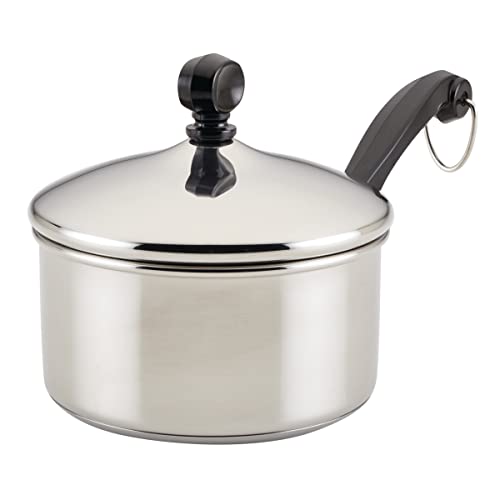
STAINLESS STEEL COOKWARE: The 1-quart saucepan’s full cap base boasts stainless steel layered over a thick aluminum core for rapid, even heating; pan exterior is mirror-finished

Premium 18/10 Stainless Steel: DEAYOU butter warmer pan is made of high-end food-grade 18/10 (304) stainless steel. The perfectly flat induction heavy bottom allows the small saucepan to work on induction, gas or electric stoves. Has classic looks and professional performance, can heat quickly and spreads heat evenly
Creamy Fettuccine Alfredo Substitutions and Variations
One of the best things about Fettuccine Alfredo is how easily you can adapt it to suit your taste preferences or work with what you’ve got in your kitchen.
I love swapping regular pasta for cauliflower noodles when I want a lighter option, and vegan cheese works surprisingly well if you’re avoiding dairy.
Adding shrimp gives the dish a restaurant-quality feel, while tossing in fresh spinach boosts nutrition without changing the creamy texture.
For flavor variations, I’ll often add minced garlic for extra depth or a pinch of nutmeg for a subtle, warm twist that makes people wonder what my secret ingredient is.
These simple changes let you create something new every time you make it.
Shop Related Products
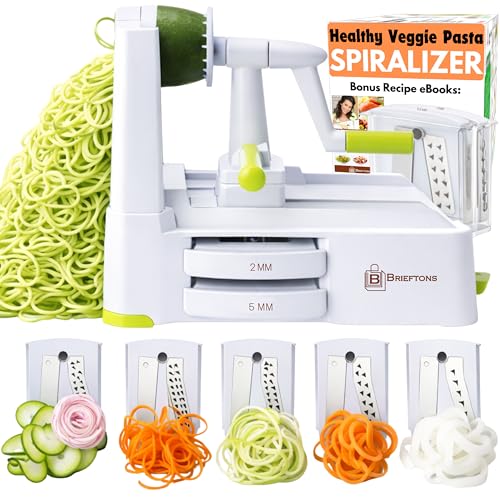
MAKE ZUCCHINI NOODLES & VEGGIE PASTA IN UNDER 2 MINUTES — Turn zucchini, carrots, sweet potatoes, beets, cucumbers, and more into beautiful spiral noodles and ribbons in minutes. This zoodles spiralizer is the fastest way to replace carb-heavy pasta with fresh, healthy vegetables your whole family will actually enjoy eating. Use it as your zoodler for zucchini pasta, sweet potato noodles, beet ribbons, and cucumber salads.
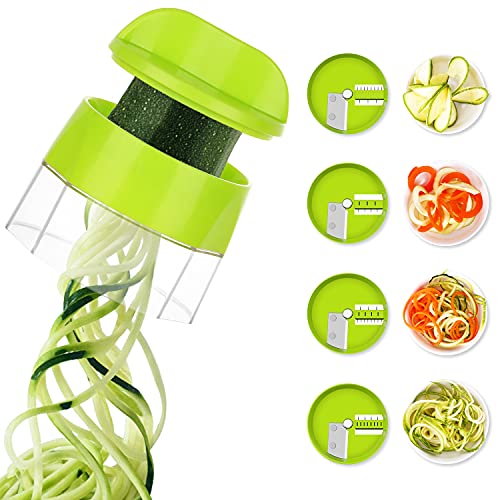
Reliable Quality: The spiralizer for veggies is made of ABS plastic and 304 food-grade stainless steel. It integrates 4 different blades
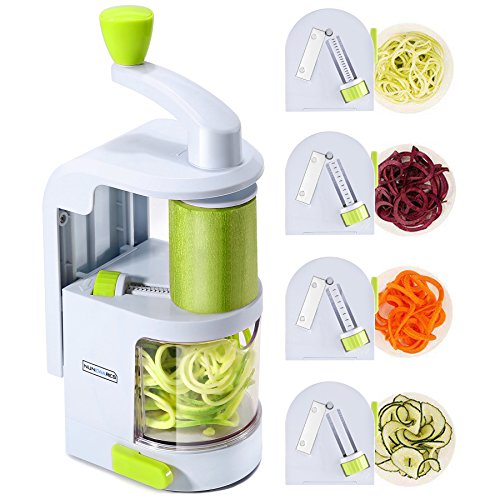
▶EASY TO USE Vertical Spiralizer: The Gravity does half the work so no awkward sideways pressure is needed and makes it more easier to get the slices and noodles from vegetable or fruits in seconds;
What to serve with Creamy Fettuccine Alfredo
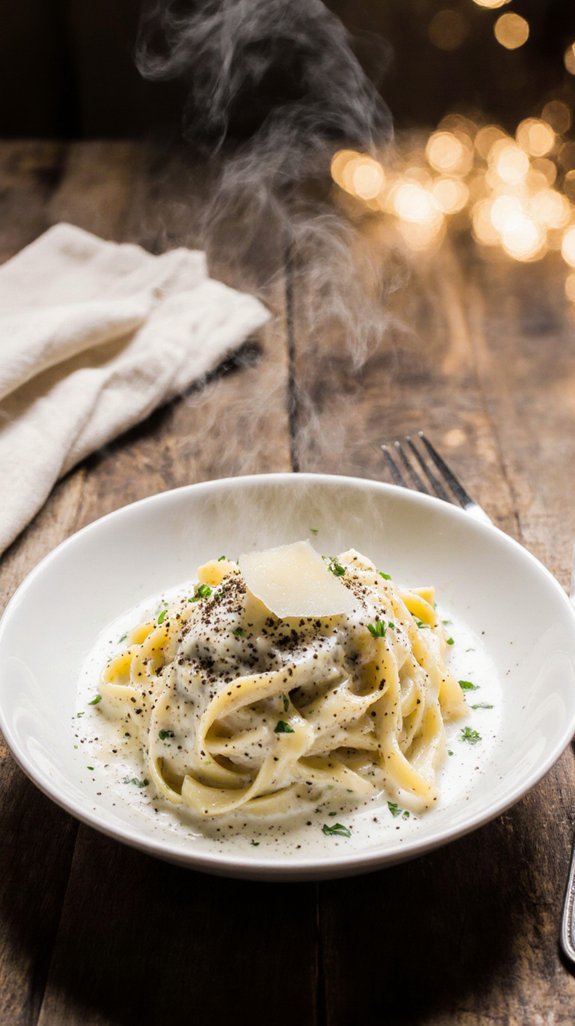
Since Fettuccine Alfredo is already rich and creamy, I like to balance it with sides that add freshness and texture to the meal. Garlic bread is a classic choice that’s perfect for soaking up extra sauce.
For something lighter, I’ll serve Caesar salad or Caprese salad alongside the pasta. Grilled chicken adds protein without overwhelming the dish, while garlic shrimp brings a seafood twist.
Roasted vegetables or steamed broccoli introduce color and nutrients, cutting through the richness beautifully. Bruschetta makes an excellent starter, offering bright tomato flavors that complement the creamy pasta.
The key is choosing sides that contrast with the Alfredo’s heaviness, creating a well-rounded meal that doesn’t leave you feeling overly full or weighed down.
Final Thoughts
Fettuccine Alfredo remains one of my all-time favorite comfort foods because it’s genuinely simple to make yet tastes incredibly indulgent.
I’ve shared my cooking tips throughout this recipe to help you achieve that restaurant-quality sauce at home. The key is maintaining low heat and constant stirring to prevent lumps.
When you’re thinking about pasta pairings, remember that the flat ribbons of fettuccine hold the sauce beautifully, but you can also try linguine or pappardelle.
I hope this recipe becomes a regular in your dinner rotation, whether you’re cooking for family or impressing guests. The creamy, cheesy sauce never fails to satisfy, and once you’ve mastered the basics, you’ll find yourself turning to this dish again and again.
Frequently Asked Questions
Can I Make Fettuccine Alfredo Ahead of Time and Reheat It Later?
I don’t recommend making fettuccine alfredo ahead of time for meal planning. The cream sauce separates and becomes grainy when reheated. Instead, I’d prepare fresh ingredients beforehand, then cook when you’re ready to serve.
How Long Does Leftover Fettuccine Alfredo Last in the Refrigerator?
I’ll store your leftover fettuccine Alfredo in an airtight container, where it’ll last 3-4 days in the refrigerator. For best shelf life, I recommend proper storage tips like cooling it completely before refrigerating.
Why Did My Alfredo Sauce Become Grainy or Separated?
I’ve found that sauce separation and grainy texture happen when you overheat the cheese or add it too quickly. I always remove the pan from heat first, then gradually stir in the parmesan to prevent clumping.
Can I Freeze Fettuccine Alfredo for Meal Prep Purposes?
I don’t recommend freezing fettuccine alfredo because cream-based sauces separate when thawed, creating an unappetizing texture. For meal prep, I’d suggest freezing the cooked pasta separately and making fresh sauce when ready to serve.
What’s the Best Way to Reheat Alfredo Without Breaking the Sauce?
I’ll reheat your alfredo using stovetop methods with added cream or milk, stirring constantly over low heat. Microwave techniques work too—use 30-second intervals at 50% power, stirring between each heating cycle.