I’ve been making coq au vin for years, and I can tell you it’s one of those dishes that sounds fancy but isn’t complicated at all. The secret is letting the chicken slowly braise in wine until it practically falls off the bone, while bacon and mushrooms work their magic in the background. If you’re looking for a meal that’ll make your kitchen smell incredible and impress everyone at the table, you’re in the right place.
Why You`ll Love this Classic Coq au Vin
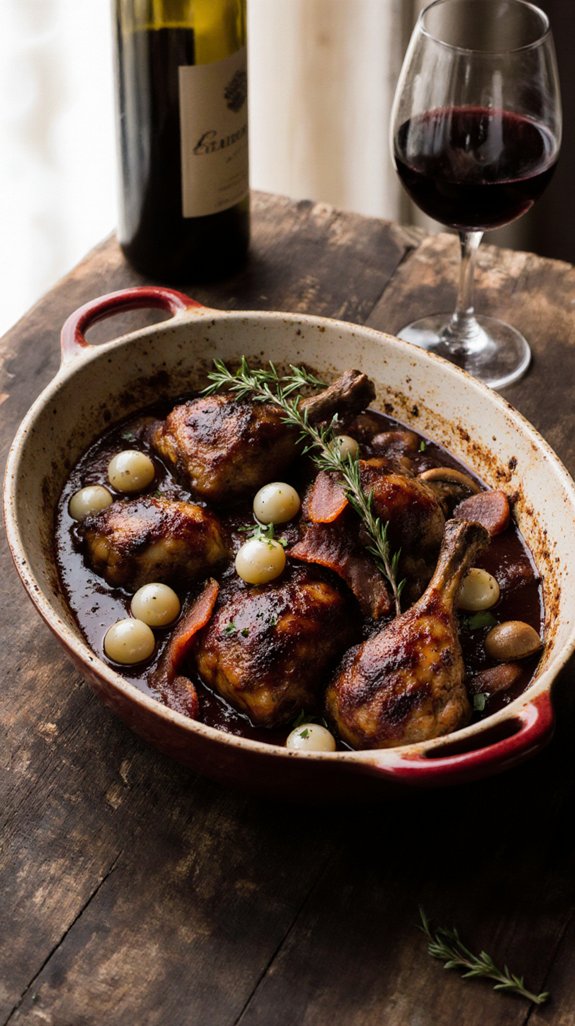
While coq au vin might sound fancy and intimidating, I promise it’s one of those dishes that’ll make you look like a culinary genius without requiring actual genius-level skills.
This classic French cuisine transforms simple chicken into something extraordinary through slow braising in wine and aromatics. What I love most is how it fits perfectly into the comfort food category while still feeling special enough for guests.
The bacon adds smokiness, the mushrooms bring earthiness, and that wine-based sauce ties everything together beautifully. Plus, it’s actually quite forgiving—the longer it simmers, the more tender your chicken becomes.
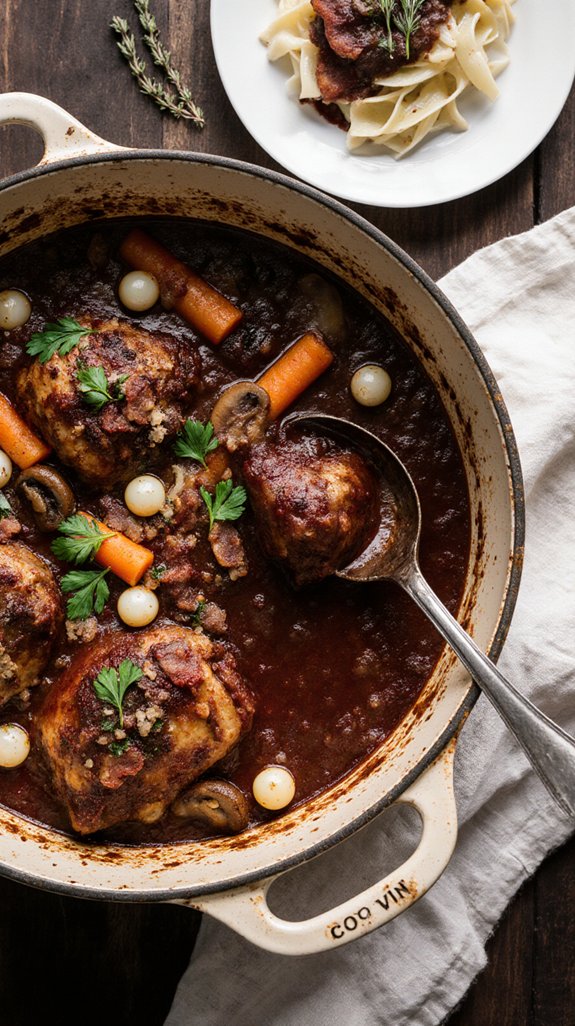
You’ll end up with fall-off-the-bone meat swimming in rich, flavorful sauce that begs to be soaked up with crusty bread or spooned over noodles.
What ingredients are in Classic Coq au Vin?
This traditional French dish relies on a combination of humble ingredients that transform into something magnificent. At its heart, you’ll need chicken pieces, bacon, aromatic vegetables, and of course, a good bottle of Burgundy wine.
The beauty of coq au vin lies in how these simple components work together during the braising process to create layers of complex flavor.
Ingredients:
- 4 slices bacon
- 2 chicken breasts
- 2 chicken thighs
- 2 chicken legs
- 1/2 cup flour
- Salt and pepper
- 2 cloves garlic, chopped
- 2 cups white pearl onions, peeled
- 2 cups small mushrooms (slice larger ones)
- 2 carrots, cut in 2-inch pieces
- 1/2 cup cognac or brandy
- 1 bottle Burgundy wine
- 2 cups chicken broth
- 5 sprigs fresh thyme
- 2 teaspoons herbes de provence
- 3 bay leaves
- Fresh parsley, chopped (for garnish)
When selecting your ingredients, quality matters—particularly with the wine. Since it’s a primary flavor component, choose a Burgundy you’d actually enjoy drinking.
The pearl onions can be substituted with regular onions if needed, though the petite size adds to the dish’s traditional presentation. Fresh herbs make a noticeable difference, but dried herbs de provence work well as a convenient blend of rosemary, sage, and thyme.
You may also want to have tomato paste or cornstarch on hand to help thicken the sauce during the final stages of cooking.
How to make this Classic Coq au Vin
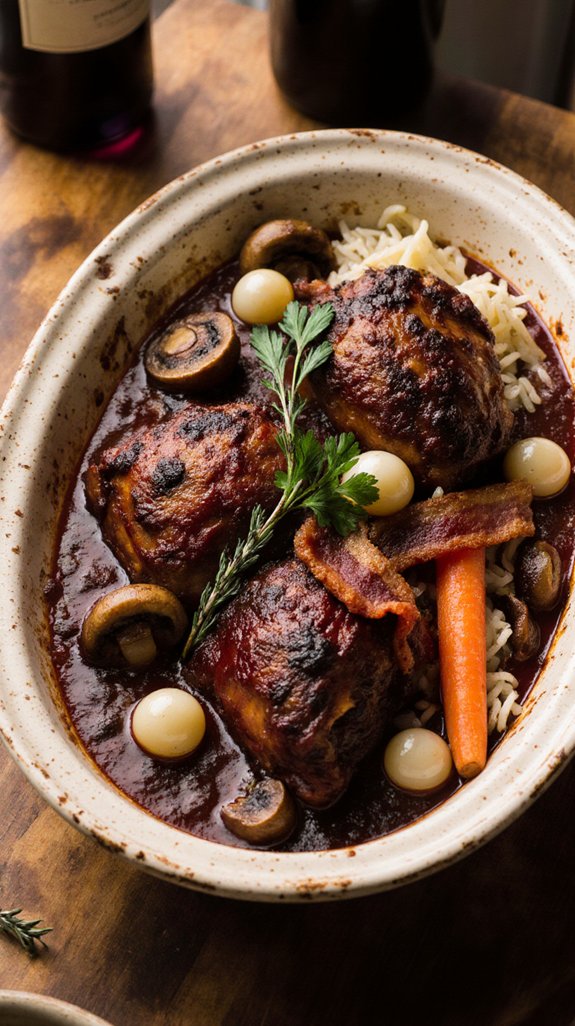
Making classic coq au vin is a wonderfully rewarding process that fills your kitchen with incredible aromas. Start by frying 4 slices of bacon in a large, heavy skillet or Dutch oven over medium heat until they’re nice and crisp, then transfer them to paper towels to drain.
Now coat your chicken pieces—2 breasts, 2 thighs, and 2 legs—in 1/2 cup of flour seasoned with salt and pepper, and brown them on both sides in that flavorful bacon fat. Once the chicken is beautifully golden, add 2 cloves of chopped garlic, 2 cups of peeled white pearl onions, 2 cups of small mushrooms (slicing any larger ones), and 2 carrots cut into 2-inch pieces.
Let these vegetables sauté for about 2 minutes to soften slightly, then it’s time for the dramatic part. Remove the pan from the heat and carefully pour in 1/2 cup of cognac or brandy. Return the pan to the flame and flambé by lighting a long match just above the pot to ignite the fumes—the brandy will catch fire and burn out within a minute, so keep that pot lid handy just in case.
Once the flames die down, gradually stir in 1 bottle of Burgundy wine and 2 cups of chicken broth, blending everything together. Add your herbs: 5 sprigs of fresh thyme, 2 teaspoons of herbes de provence, and 3 bay leaves. Cover the pot and let it simmer gently for 1 hour, allowing all those flavors to meld together beautifully.
After an hour, remove the lid and continue simmering for another 15 minutes to reduce and concentrate the sauce. If you find the sauce needs thickening, you can stir in a tablespoon of tomato paste or cornstarch—the tomato paste adds a subtle depth that really enhances the dish.
When you’re ready to serve, top the coq au vin with the reserved crumbled bacon and a generous sprinkle of fresh chopped parsley. Ladle it over noodles or rice, and you’ve got yourself an impressive French bistro meal right at home. Investing in premium kitchen appliances can make preparing this classic dish even more enjoyable with better heat control and cooking precision.
Shop Related Products

Even Heat Distribution Retention: This Umite Chef Dutch oven Made with heavy-duty enameled cast iron, ensures even heat distribution for perfect searing and slow cooking, locking in flavors. thickened walls lock in heat for slow braising, searing, and baking. Unlike thin pots that scorch food, this professional-grade Enameled cast iron potSuperior heat retention after preheating (allow 5-7 mins for even distribution). CRITICAL: Always cool naturally for 45+ mins before cleaning. Thermal shock (hot-to-cold contact) cracks enamel. USE TIP: Preheat 2-3 mins on medium-low only


Quality Enameled Dutch Oven: The Lodge Essential Enamel Cast Iron Dutch Oven gives you all the benefits of cast iron cooking, great heat retention and durability, without fear of rust; it's also PFAS free
Classic Coq au Vin Substitutions and Variations
If you don’t have all the traditional ingredients on hand or want to put your own spin on this French classic, coq au vin is actually quite flexible.
For substitutions options, you can swap the Burgundy wine for any dry red wine you prefer, or even use white wine for a lighter version. The cognac can be replaced with additional wine if you’d rather skip the flambé.
When it comes to ingredient variations, I’ve used bone-in chicken thighs exclusively for a richer result, and you can add celery or leeks alongside the carrots.
Different cooking techniques work too—some people prefer using a slow cooker for convenience.
For flavor enhancements, try adding a splash of balsamic vinegar or a teaspoon of Dijon mustard to deepen the sauce.
Shop Related Products

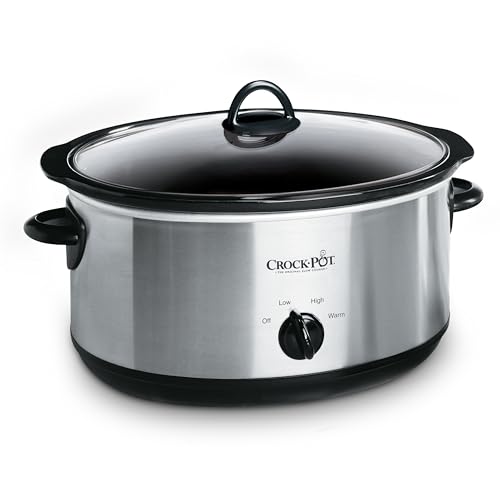
Generous Capacity: 7-quart slow cooker that comfortably serves 9+ people or fits a 7-pound roast

What to serve with Classic Coq au Vin
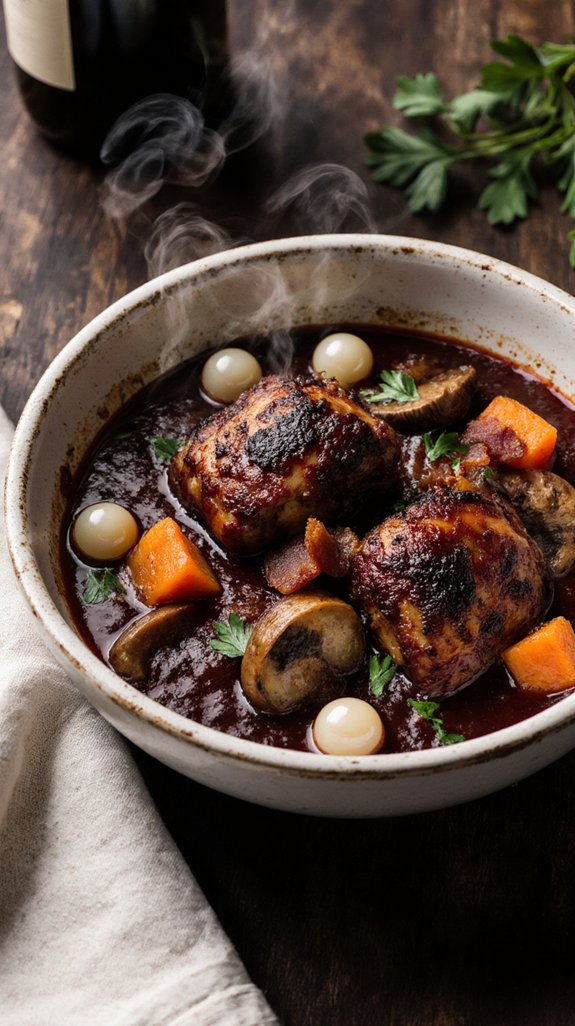
Since coq au vin features such a rich, wine-based sauce, you’ll want side dishes that can soak up all those delicious flavors without competing with the dish’s hearty character.
I love serving this dish atop buttered egg noodles or creamy mashed potatoes—they’re perfect for capturing every drop of that incredible sauce. A crusty French baguette works beautifully too, giving you something to mop your plate with.
For vegetables, I recommend simple roasted green beans or a crisp salad with vinaigrette to cut through the richness.
When it comes to wine pairings, stick with what you cooked with—a good Burgundy or Pinot Noir complements the flavors perfectly.
These side dishes keep things classic and let the coq au vin remain the star.
Final Thoughts
Coq au vin represents everything I love about French home cooking—it’s elegant enough for special occasions yet forgiving enough for a relaxed Sunday dinner.
The layers of flavor from the wine, herbs, and bacon create something truly special. My best cooking tips include not rushing the browning process and using quality wine you’d actually drink.
For flavor enhancements, I sometimes add a splash of red wine vinegar at the end to brighten everything up. Don’t skip the flambé step either—it burns off harsh alcohol flavors while adding depth.
This dish actually tastes better the next day, making it perfect for entertaining. Once you master this recipe, you’ll find yourself making it again and again.
Frequently Asked Questions
Can I Make Coq Au Vin in a Slow Cooker or Instant Pot?
Yes, I’ve successfully adapted this recipe for both appliances. For a slow cooker, brown the chicken first, then cook on low for 6-8 hours. In an Instant Pot, use the sauté function for browning, then pressure cook for 15 minutes.
How Long Does Leftover Coq Au Vin Last in the Refrigerator?
I’ll store your leftover coq au vin in an airtight container for 3-4 days in the refrigerator. Following proper chicken safety guidelines and leftover storage practices guarantees it stays fresh and safe to enjoy.
Can Coq Au Vin Be Frozen and Reheated Later?
Yes, I can freeze coq au vin for up to three months. I’ll use proper freezing techniques like airtight containers, then apply gentle reheating methods on the stovetop or in the oven for best results.
What’s the Difference Between Coq Au Vin and Coq Au Riesling?
The main difference is the wine: I use red Burgundy for coq au vin, while coq au Riesling uses white wine. These regional variations from different parts of France employ similar cooking techniques but create distinct flavor profiles.
Do I Need to Marinate the Chicken in Wine Overnight?
No, you don’t need to marinate the chicken overnight. While marinade benefits include enhanced flavor, the braising process provides excellent chicken tenderness. The wine simmers with the chicken for over an hour, infusing plenty of flavor.