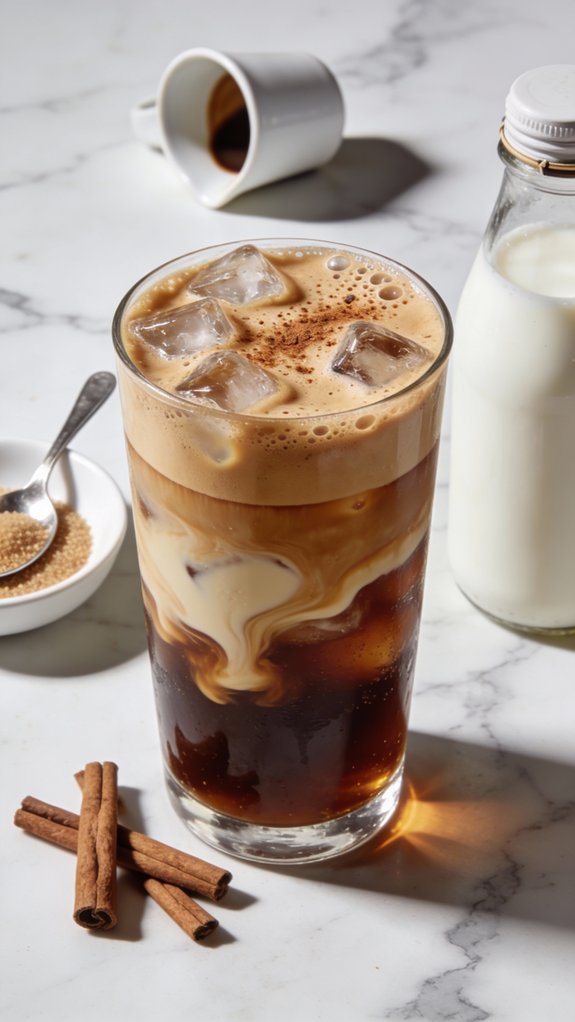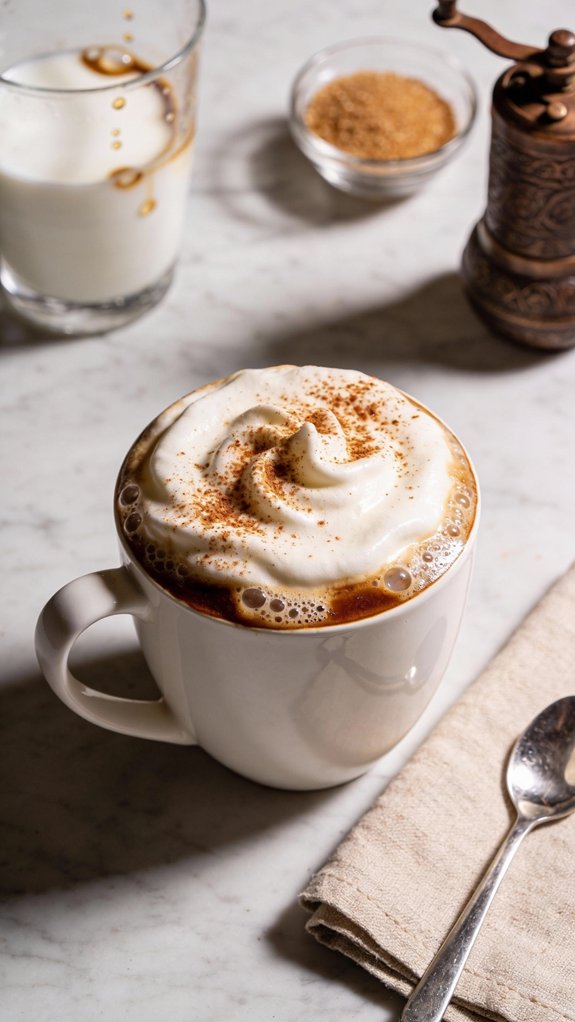

I still remember the first time I made a mocha at home, thinking it’d be complicated like those fancy coffee shops make it seem. You’re probably imagining some barista-level skills, but honestly, it’s just espresso meeting chocolate with some steamed milk to bring them together. The whole thing takes maybe five minutes, and once you nail the chocolate-to-coffee ratio that works for your taste, you’ll wonder why you ever paid seven bucks for one.
History
Although coffee houses had been serving chocolate and coffee separately for centuries, the mocha as it’s understood emerged from American café culture in the 1980s and ’90s.
I remember my mom telling me about the first time she ordered one at a Starbucks in Seattle, confused by the menu but pleasantly surprised by the result.
The drink actually takes its name from the port city of Mocha in Yemen, which was famous for exporting coffee beans with naturally chocolatey notes.
Somewhere along the way, baristas decided to make that chocolate flavor more obvious by adding actual cocoa or chocolate syrup.
The combination caught on quickly, becoming a gateway drink for people who found plain espresso too intense.
Recipe
A mocha combines the rich depth of espresso with the sweet indulgence of chocolate, creating a café favorite that satisfies both coffee and dessert cravings.
This harmonious blend strikes the perfect balance between bitter and sweet, with velvety steamed milk bringing everything together into a smooth, comforting beverage.
This drink shines as a morning pick-me-up when you need something more substantial than plain coffee, or as an afternoon treat that feels luxurious without being overly heavy.
The chocolate adds just enough sweetness to make it feel special while the espresso keeps it firmly in coffee territory.
Shop Related Products

Perfect Combination Of Milk Frothing Pitcher And Latte Art Pen: The milk frother jug can be used in different ways: froth or steam milk for lattes; measure liquids; serve milk or cream. Featured with a latte art pen which can shape kinds of beautiful coffee pattern. Perfect for making frothing or steaming milk for espresso, cappuccino or hot chocolate. Be your own barista in home and office.

NO MORE BATTERIES -- USB Rechargeable. Forget buying batteries! Just plug in the included USB cable to charge. One charge lasts for months, making it eco-friendly and always ready to use.
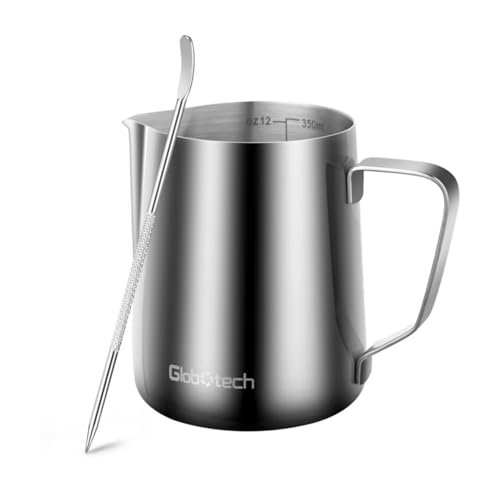
PROFESSIONAL RESULTS AT HOME: Craft café-quality latte art, cappuccinos, and creamy foam effortlessly with this barista-approved frothing pitcher.
Ingredients
- 2 shots espresso
- 1 tablespoon cocoa powder
- 1 tablespoon sugar
- 1 cup milk
- Whipped cream
Shop Related Products

CRAFT COFFEE AT HOME: Produces six demitasse/espresso servings of rich, smooth espresso coffee in minutes. Craft your own espresso, Americano, Cuban coffee, Italian-style coffee, Moka, lattes, cappuccinos and more from the convenience of your home.Filter type:Reusable

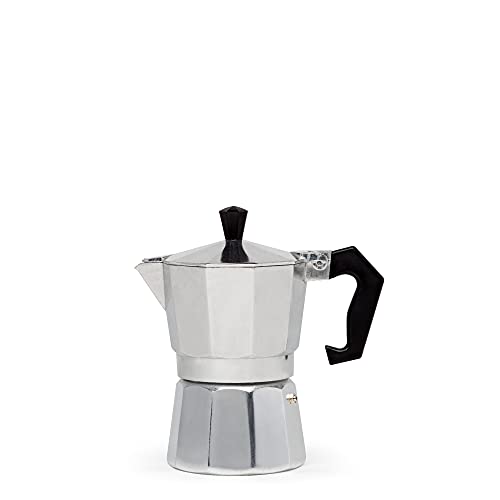
CRAFT COFFEE AT HOME: Produces three demitasse/espresso servings of rich, smooth espresso coffee in minutes. Craft your own espresso, Americano, Cuban coffee, Italian-style coffee, Moka, lattes, cappuccinos and more from the convenience of your home.
Preparation
- Brew 2 shots of espresso and pour into your serving mug.
- Mix the cocoa powder and sugar together in a small bowl.
- Add a splash of the hot espresso to the cocoa mixture and stir until you have a smooth paste with no lumps.
- Pour the chocolate paste back into the mug with the remaining espresso and stir well.
- Steam or heat the milk until hot and frothy.
- Pour the steamed milk over the chocolate-espresso mixture, stirring gently to combine.
- Top with a generous dollop of whipped cream.
Tips
For a darker chocolate flavor, use Dutch-process cocoa powder, or swap the cocoa and sugar for 2 tablespoons of chocolate syrup for convenience.
Any milk works well here—whole milk creates the richest texture, while oat or almond milk offer dairy-free alternatives that still foam nicely.
Adjust sweetness by adding more or less sugar to taste, or omit it entirely if using sweetened chocolate syrup.
The chocolate-espresso base can be made ahead and refrigerated for up to 3 days, then simply reheated and topped with fresh steamed milk when ready to serve.
Preparation Steps
Making a mocha isn’t complicated, but the order matters if you want everything to blend smoothly without clumps of cocoa powder floating around. I learned this the hard way after my first attempt left me with a gritty mess at the bottom of my cup. The trick is building the drink in layers, starting with the espresso base and ending with that cloud of whipped cream on top.
Step 1. Brew Two Espresso Shots
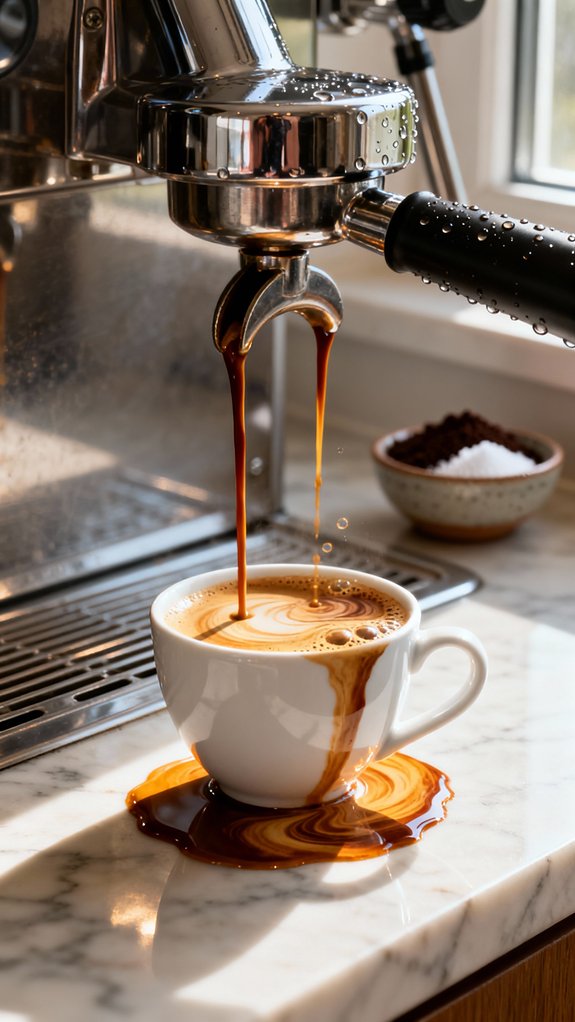
Two perfect espresso shots form the foundation of your mocha, and getting them right makes all the difference in how your drink turns out.
I usually grind my beans fresh right before brewing, aiming for that fine texture that looks almost like cocoa powder. You’ll want to pull both shots directly into your serving mug, which saves you an extra dish to wash later.
The espresso should brew in about 25-30 seconds, producing those beautiful golden crema swirls on top that smell incredibly rich and slightly nutty. If your machine takes longer or the shots taste bitter, your grind might be too fine.
Don’t stress about perfection though—even slightly imperfect espresso still makes a delicious mocha.
Step 2. Make Chocolate Paste
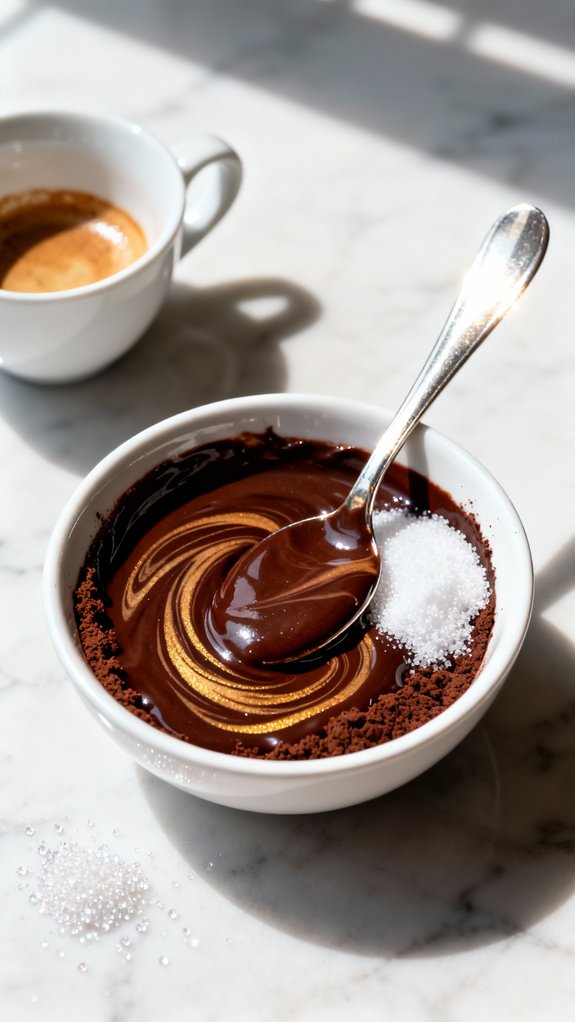
With your espresso ready and waiting, you’ll need to transform plain cocoa powder into something that actually blends smoothly instead of clumping up in your drink.
I learned this trick after spending months fishing chocolate lumps out of my mochas with a spoon. Mix one tablespoon of cocoa powder with one tablespoon of sugar in a small bowl.
Add just a splash of your hot espresso—maybe a teaspoon or two—and stir until you’ve got a thick, glossy paste without any dry powder hiding in the corners.
The espresso’s heat helps dissolve everything while creating this smooth base that’ll actually incorporate into your drink. It takes maybe thirty seconds of stirring, but it makes all the difference between a professional-tasting mocha and a grainy disappointment.
Step 3. Combine Chocolate With Espresso
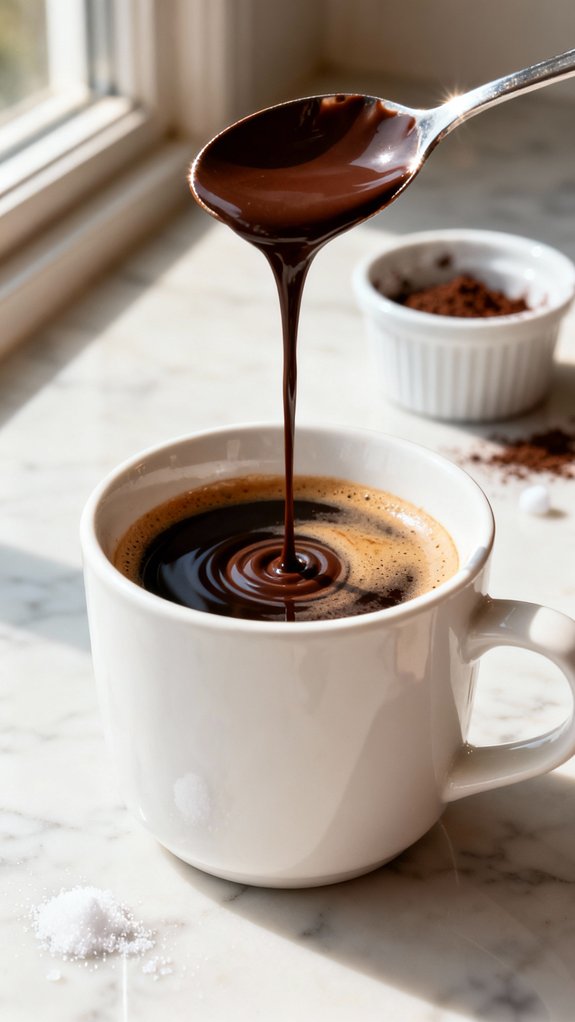
Once you’ve got that silky chocolate paste ready, pour it back into the mug with your waiting espresso shots and give everything a good stir.
This part always reminds me of those science experiments where two liquids suddenly become something completely different. The paste loosens up as it meets the hot espresso, swirling into darker and lighter brown streaks before evening out into one smooth mixture.
You’ll want to stir for about ten seconds to make sure the chocolate distributes evenly throughout the espresso—no clumps hiding at the bottom. The aroma that rises up is incredible, that bitter coffee scent mingling with sweet chocolate.
This combined base is what makes your mocha actually taste like a mocha instead of just coffee with chocolate sitting awkwardly on top.
Step 4. Heat And Froth Milk
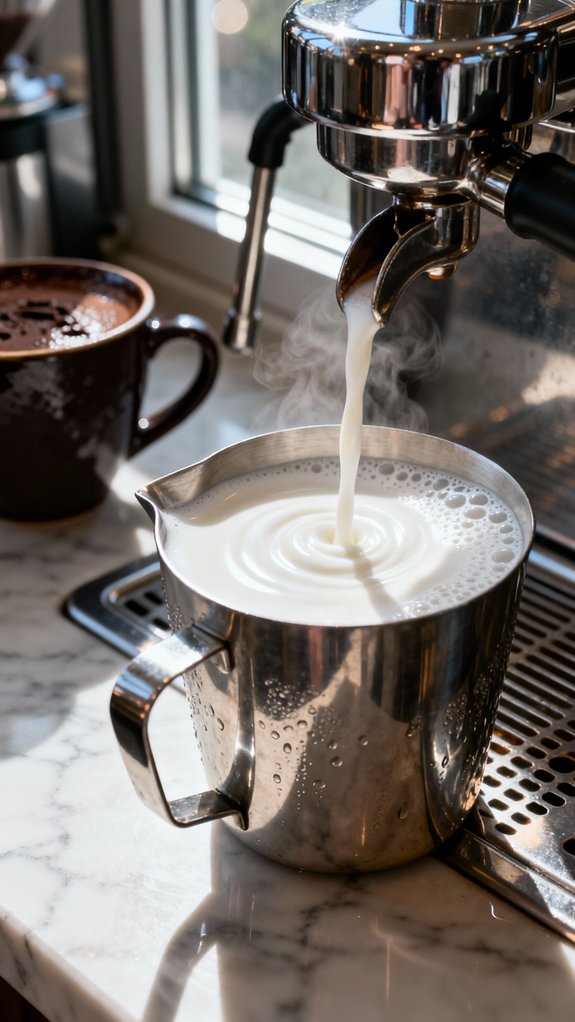
The milk is what transforms your chocolate-espresso base from an intense shot into an actual drink you can sip and savor.
You’ll want to heat one cup of milk until it’s hot but not boiling—around 150°F if you’re measuring, though I usually just wait until I see gentle steam rising.
If you’ve got a steam wand on an espresso machine, use it to froth the milk simultaneously as it heats. Without one, heat the milk on the stove or in the microwave, then use a handheld frother for about thirty seconds until small bubbles form across the surface.
The goal isn’t stiff peaks like cappuccino foam, just a creamy, slightly airy texture that’ll blend smoothly with your chocolate-espresso mixture.
Step 5. Top With Whipped Cream
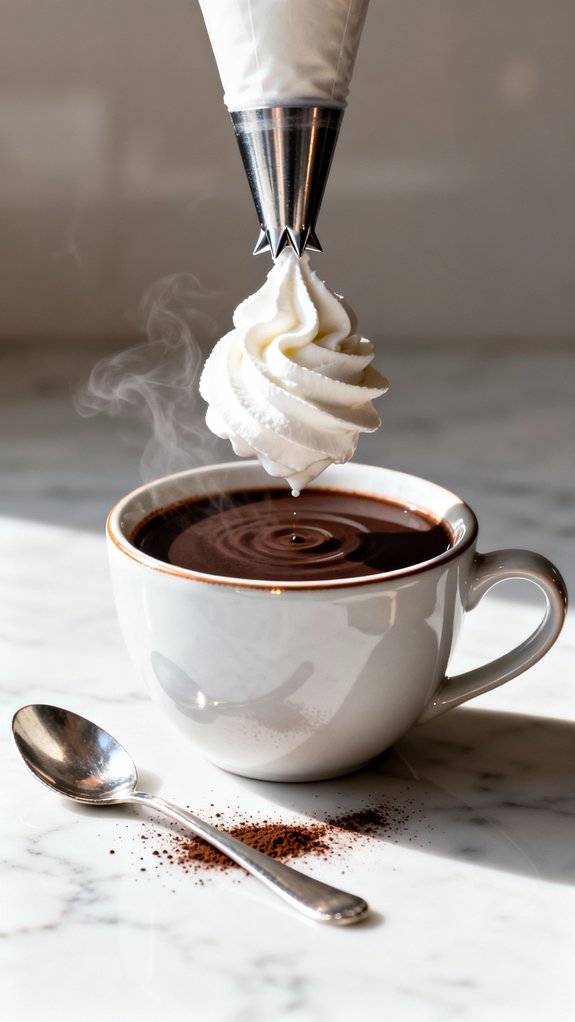
Finishing your mocha is honestly the easiest part—just grab your whipped cream and add a generous dollop right on top of that steamed milk.
I usually go for about a two-inch tower of cream, which sounds excessive but melts down into the drink perfectly. You can use store-bought whipped cream from a can or make your own if you’re feeling ambitious.
The cream creates this nice barrier between you and the hot drink, cooling each sip just enough. Sometimes I’ll dust a tiny bit of cocoa powder over the whipped cream for looks, though it’s completely optional.
The whole thing takes maybe ten seconds, and suddenly your kitchen mocha looks like something from an actual café.
Final Thoughts
While this mocha mightn’t replace your go-to coffee shop order every single time, it’s honestly nice to have in your back pocket for those mornings when you want something special without leaving the house.
I keep cocoa powder and sugar mixed together in a jar now, which makes the whole process faster when I’m half-awake. The best part is adjusting everything to your preferences—more chocolate, less sugar, extra espresso if you need a serious caffeine boost.
It’s become my Saturday morning thing, sitting at the kitchen table with a homemade mocha that tastes just as good as the café version. Plus, you can make one in your pajamas, which automatically makes it better.
Frequently Asked Questions
Can I Make a Mocha Without an Espresso Machine?
Yes, you can use strong brewed coffee instead of espresso. Make about 1/2 cup of concentrated coffee using double the grounds you’d normally use, then follow the same preparation steps with the chocolate mixture.
What’s the Difference Between a Mocha and a Latte?
A mocha’s chocolate content makes up about 20% of the drink’s volume. You’re adding chocolate (cocoa powder or syrup) to your espresso and milk, while a latte’s just espresso with steamed milk—no chocolate whatsoever.
How Many Calories Are in a Homemade Mocha?
Your homemade mocha contains roughly 200-250 calories depending on your milk choice. Whole milk adds more calories, while almond or oat milk reduces them. The whipped cream topping contributes an additional 50-100 calories.
Can I Use Dark Chocolate Instead of Cocoa Powder?
You’ll love melting rich dark chocolate into your espresso—it creates an even silkier mocha. Chop 1-2 ounces finely, stir into hot espresso until dissolved, then add steamed milk. Adjust sweetness since dark chocolate’s less sweet than cocoa.
Is a Mocha Stronger in Caffeine Than Regular Coffee?
Not necessarily. A mocha uses 2 espresso shots (about 120-150mg caffeine), while regular drip coffee typically contains 95-200mg per 8oz cup depending on brewing strength. It’s comparable, not automatically stronger.