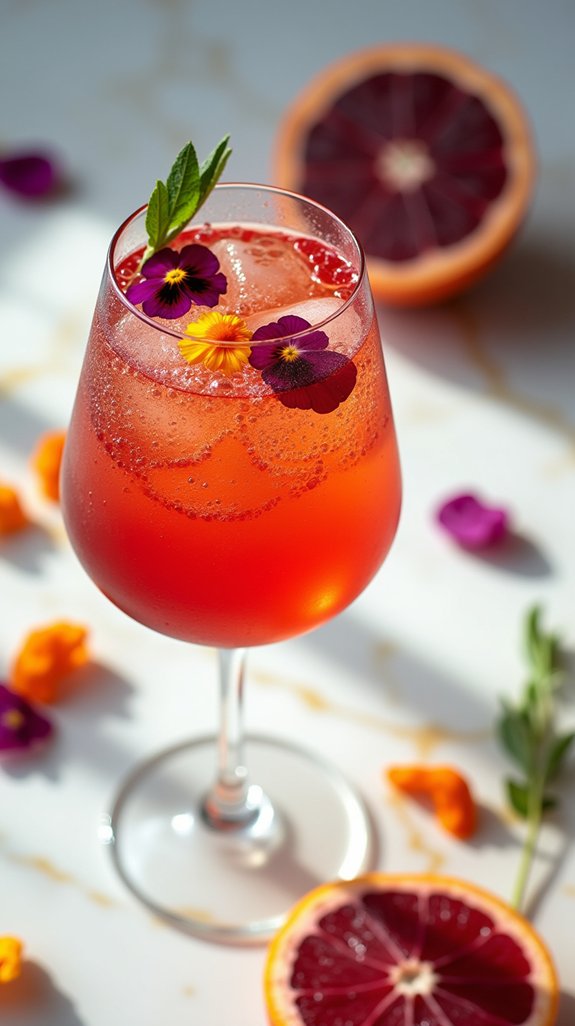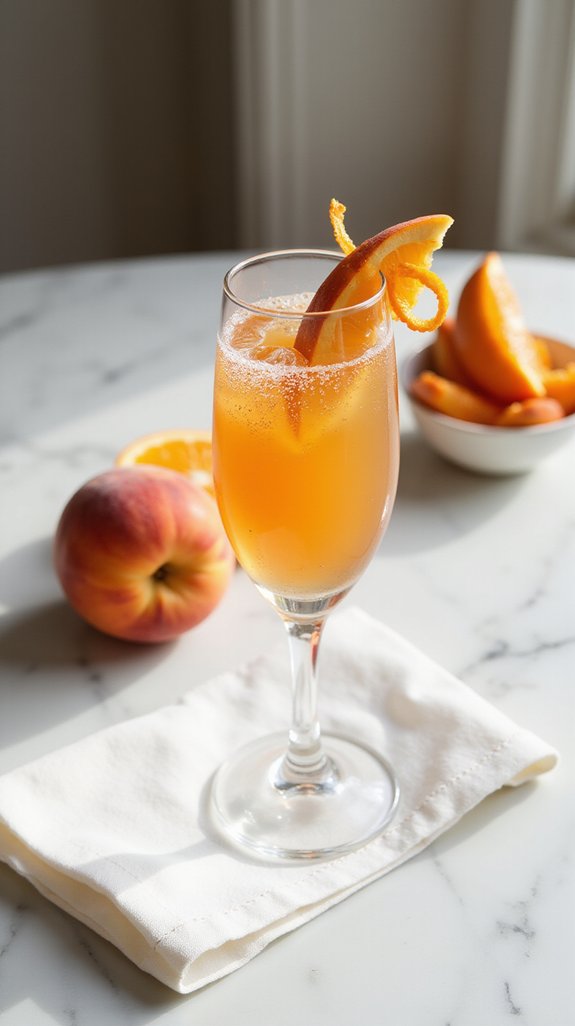
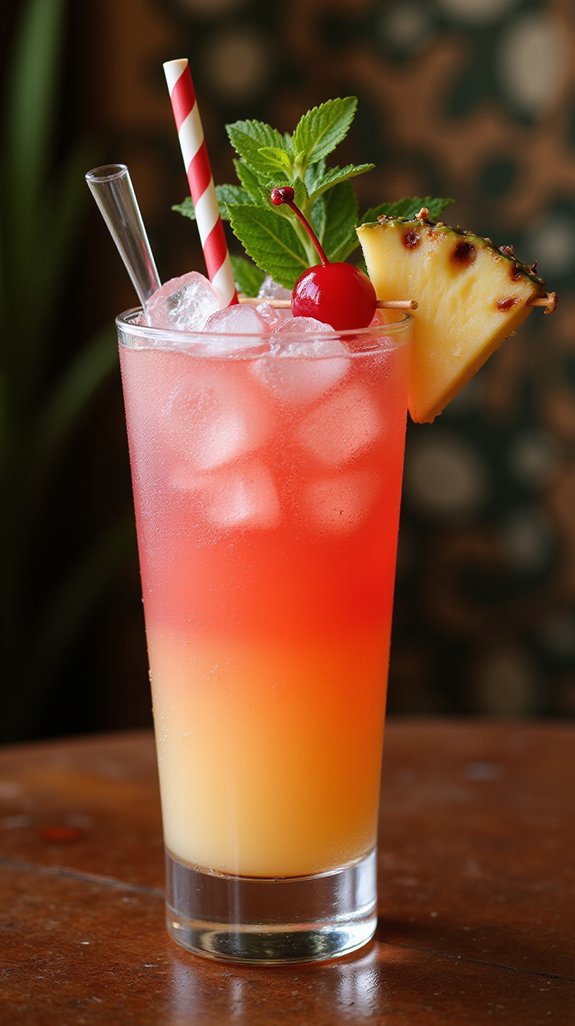
You’ve probably seen those layered orange-and-red drinks in old photos from your parents’ parties, and there’s a good reason the Tequila Sunrise became such a staple back then. The ’70s wasn’t just about disco balls and platform shoes—it was when bartenders started getting creative with tropical flavors, creamy liqueurs, and drinks that looked as fun as they tasted. I’m talking about cocktails that made every gathering feel like an event.
Tequila Sunrise
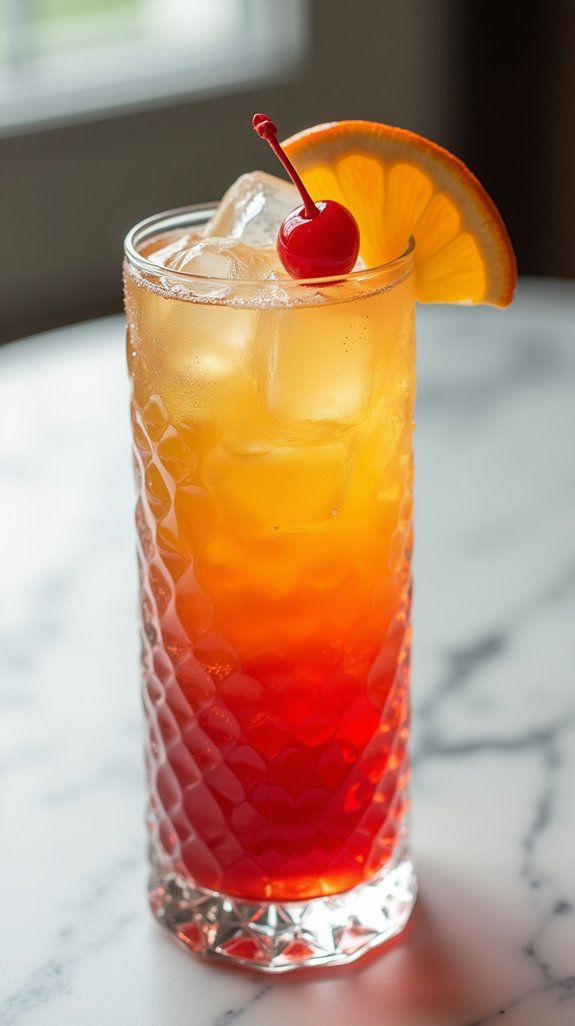
The Tequila Sunrise became one of the most iconic cocktails of the 1970s, rising to fame alongside the California rock scene and earning its place as a symbol of the era’s laid-back culture. This visually stunning drink gets its name from the gradient effect created when grenadine sinks through orange juice, creating layers that resemble a colorful sunrise.
The cocktail’s popularity exploded after the Rolling Stones’ 1972 tour, which was nicknamed the “Cocaine and Tequila Sunrise Tour,” cementing its status as the decade’s signature drink.
While earlier versions of the Tequila Sunrise existed, the modern recipe that dominated 1970s bars was created at the Trident restaurant in Sausalito, California, in the early part of the decade. Its simple three-ingredient formula made it accessible to home bartenders while its beautiful presentation made it a favorite at parties and discotheques.
The drink perfectly captured the sun-soaked aesthetic of West Coast living that defined much of 1970s popular culture.
Ingredients
- 2 ounces tequila (preferably blanco or reposado)
- 4 ounces fresh orange juice
- ½ ounce grenadine syrup
- Ice cubes
- Orange slice for garnish
- Maraschino cherry for garnish
Shop Related Products
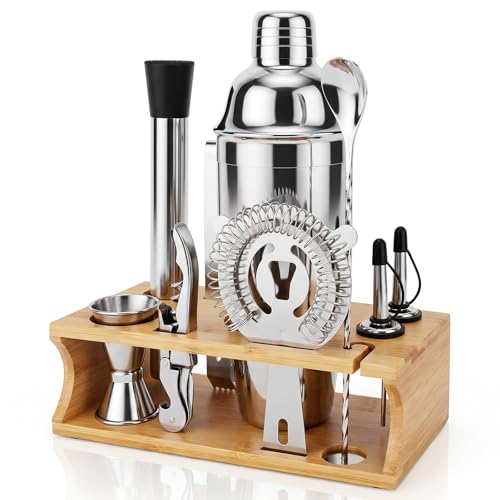
10-Piece Essential Cocktail Shaker Set - This bartender kit includes a 24oz martini shaker, muddler for cocktails, jigger, mixing spoon, cocktail strainer, ice tongs, wine opener, 2PCS liquor pour spout and an exquisite bamboo stand. This bartender set contains all the tools you need for crafting cocktails, eliminating the need to purchase any additional accessories. It is the perfect bar tools for making the perfect Old Fashioned, Margarita, Mojito and Espresso Martini at home, kitchen or bar.

【6-Piece Cocktail Shaker Set】6 piece cocktail shaker set include all your necessary bartendering kits with 24oz shaker, strainer, muddler, jigger, spoon, pour spouts and recipe guide. You can achive to make most special drinks or cocktail with this set.

12-Piece Cocktail Shaker Set – Upgrade your home bar with this complete bartender kit, including essential cocktail tools for shaking, stirring, mixing, straining, and serving drinks. Great for making martinis, margaritas, mojitos, whiskey cocktails, mocktails, and more.
Instructions
Fill a highball glass with ice cubes and pour the tequila over the ice. Add the orange juice and stir gently to combine the tequila and juice.
Slowly pour the grenadine into the glass, allowing it to sink to the bottom by pouring it over the back of a spoon or drizzling it down the side of the glass. Don’t stir after adding the grenadine, as the layered effect is essential to the drink’s signature appearance.
Garnish with an orange slice and maraschino cherry on the rim of the glass.
Tips
For the best visual effect, use a clear glass so the gradient layers are visible, and resist the urge to stir after adding the grenadine.
Freshly squeezed orange juice will provide superior flavor compared to store-bought varieties, though any quality orange juice will work.
The quality of grenadine matters greatly—seek out real pomegranate grenadine rather than the bright red corn syrup versions commonly found in supermarkets, as authentic grenadine will provide better flavor and a more natural color progression.
If you want a stronger drink, you can increase the tequila to 3 ounces, but maintain the ratio of other ingredients to preserve the layering effect.
Harvey Wallbanger
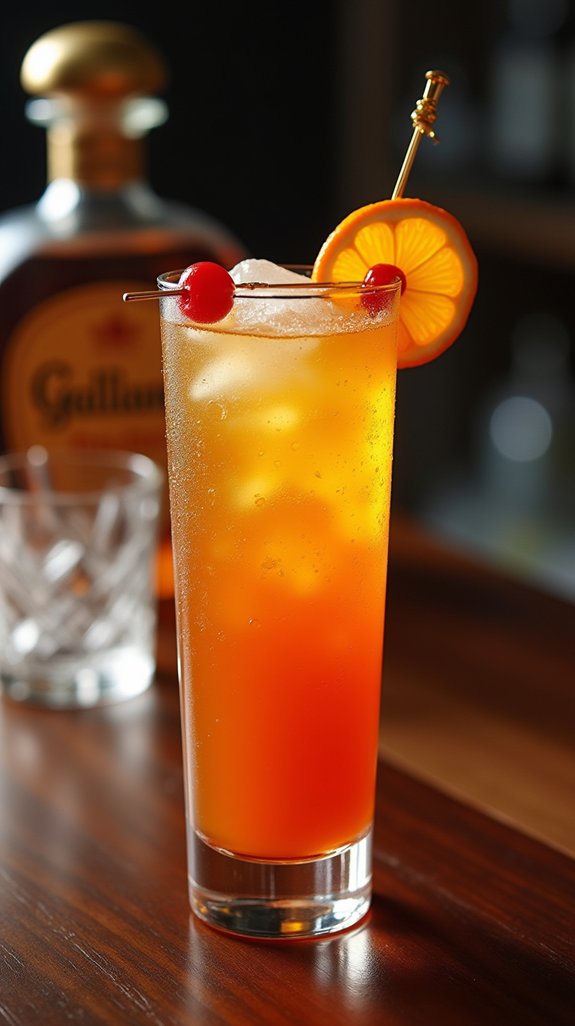
The Harvey Wallbanger emerged as one of the quintessential cocktails of the 1970s, embodying the decade’s playful spirit and love of colorful, easy-to-make drinks. According to popular legend, the drink was named after a California surfer named Harvey who, after consuming too many of these potent cocktails, would bang into walls on his way out of his favorite bar. While the story’s authenticity is debatable, what’s certain is that the drink was heavily promoted by the Galliano company throughout the 1970s, with bartender Donato “Duke” Antone often credited with its creation in the late 1960s.
The Harvey Wallbanger is fundamentally a Screwdriver with a float of Galliano liqueur, transforming a simple vodka and orange juice into something more sophisticated and distinctly seventies.
The drink’s popularity was fueled by clever marketing campaigns featuring a cartoon character named Harvey, complete with surfer-style blonde hair and bell-bottom jeans. Galliano, an Italian herbal liqueur with notes of vanilla and anise, was the key ingredient that set this drink apart from its predecessor, adding a sweet, aromatic finish that appealed to the era’s taste for sweeter cocktails.
The Harvey Wallbanger became a staple at bars, discos, and home parties throughout the decade, representing the fun-loving, carefree attitude that characterized 1970s drinking culture.
Shop Related Products

[15-PIECE BARTENDER TOOL KIT] : This cocktail shaker set consists of a 20oz & 24oz Boston Shaker Tins, a strainer, a Jigger, a bar spoon, a corkscrew, 2 Bent Straws, a Brushes, a muddler, a ice tongs, a bottle stopper, a stylish Acrylic stand, a hardcover cocktail recipe book, 2 liquor pourers. This All-in-one bartending tool kit can easily help you make delicious cocktails, so you can become a professional bartender to lay the foundation
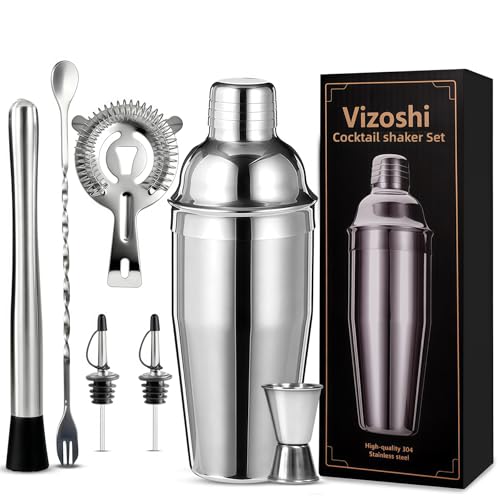
1. COMPLETE 7-PIECE COCKTAIL MAKING KIT – Elevate your home bar with a complete cocktail shaker set designed for beginners, enthusiasts and mixologists. This bartender kit includes a martini shaker, precision jigger, cocktail strainer, mixing spoon, muddler and 2 liquor pourers. A versatile mixology kit with essential bartending tools for crafting cocktails, martinis, margaritas, mojitos and mocktails at home.

Add Master Mixologist to Your Resume: Curated by KITESSENSU with the cocktail enthusiast in mind, this 3-piece cocktail shaker set has everything mixology kit you need to make cocktails, whether you’re a bartender looking for quality drink mixer set, or a home mixologist to get started creating and serving drinks from your own entertainment space
Ingredients
- 1½ ounces vodka
- 4 ounces fresh orange juice
- ½ ounce Galliano liqueur
- Ice cubes
- Orange slice for garnish
- Maraschino cherry for garnish
Instructions
Fill a highball glass with ice cubes and add the vodka and orange juice, stirring gently to combine. Using the back of a bar spoon or by pouring slowly down the side of the glass, float the Galliano on top of the drink so it rests on the surface of the orange juice mixture.
The Galliano should create a visible layer on top rather than mixing completely into the drink. Garnish with an orange slice and maraschino cherry on the rim of the glass, and serve immediately.
Tips
The key to a proper Harvey Wallbanger is successfully floating the Galliano on top rather than letting it sink and disperse throughout the drink. Pour very slowly and steadily over the back of a spoon held just above the surface of the drink to achieve the best layering effect.
Fresh-squeezed orange juice will always taste better than bottled, and using quality vodka makes a noticeable difference since it’s a primary component of the cocktail. If you find the drink too sweet, reduce the orange juice slightly or add a splash of soda water for a lighter, more invigorating version.
Galliano can be difficult to find in some areas, but it’s crucial to the authentic Harvey Wallbanger experience—there’s no real substitute for its unique vanilla-anise flavor profile that defined this iconic 1970s beverage.
Piña Colada
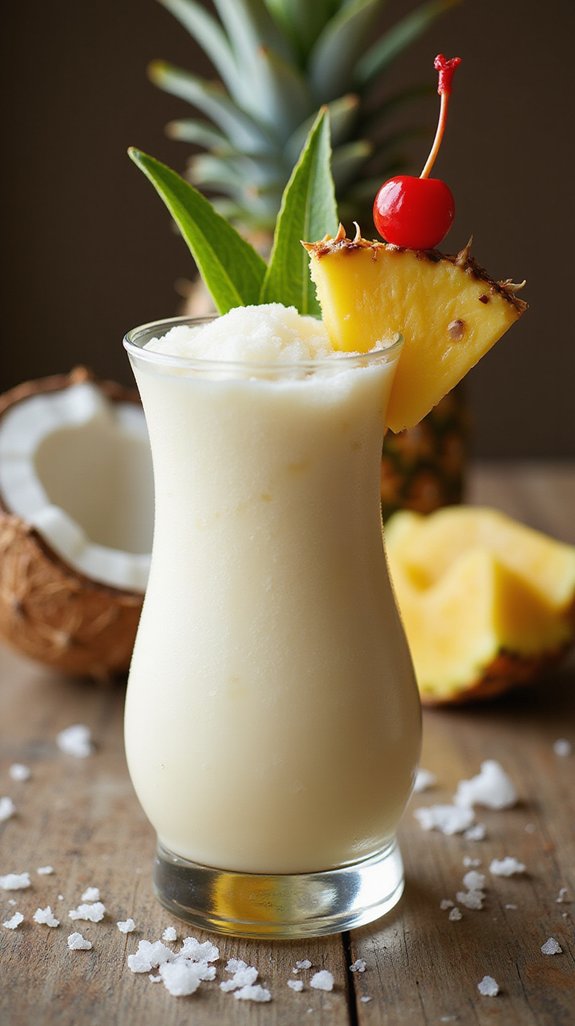
The Piña Colada stands as perhaps the most iconic tropical cocktail to achieve mainstream popularity in the 1970s, becoming synonymous with beach vacations, poolside relaxation, and escapist fantasies. While its origins date back to Puerto Rico in the 1950s, with the Caribe Hilton‘s bartender Ramón “Monchito” Marrero widely credited with creating the modern version in 1954, the drink truly exploded onto the American cocktail scene during the disco era.
The 1970s saw the Piña Colada transform from a regional specialty into a nationwide phenomenon, helped enormously by the advent of affordable blenders in home kitchens and the growing tiki bar culture. In 1978, Puerto Rico even declared it the official beverage of the island, cementing its cultural significance just as Rupert Holmes’ 1979 song “Escape (The Piña Colada Song)” would make it a permanent fixture in American pop culture.
The drink’s appeal in the 1970s lay in its creamy, indulgent texture and sweet, exotic flavor profile that transported drinkers to tropical paradises far removed from everyday life. Unlike many classic cocktails that require specialized techniques or obscure ingredients, the Piña Colada was democratic and accessible—anyone with a blender could create a taste of the Caribbean at home.
The combination of rum, coconut cream, and pineapple juice delivered a dessert-like experience that perfectly matched the decade’s preference for sweeter, more approachable cocktails. Bars and restaurants across America installed blenders specifically to meet demand for frozen Piña Coladas, and the drink became a staple at theme parties, tropical-themed restaurants, and anywhere people gathered to embrace the laid-back, leisure-focused lifestyle that defined seventies social culture.
Ingredients
- 2 ounces white rum
- 3 ounces fresh pineapple juice
- 2 ounces coconut cream (such as Coco López)
- 1½ cups crushed ice
- Pineapple wedge for garnish
- Maraschino cherry for garnish
- Pineapple leaves for garnish (optional)
Instructions
Add the white rum, pineapple juice, coconut cream, and crushed ice to a blender and blend on high speed for approximately 15-20 seconds until the mixture achieves a smooth, slushy consistency similar to a frozen smoothie. The drink should be thick enough to require a straw but still pourable.
Pour the blended mixture into a chilled hurricane glass or large poco grande glass, being careful not to lose the frozen texture. Garnish with a pineapple wedge and maraschino cherry on the rim of the glass, adding pineapple leaves if available for an authentic tropical presentation.
Tips
The quality of coconut cream makes an enormous difference in the final product—Coco López remains the gold standard and provides the authentic sweetness and consistency that defined the classic 1970s version.
If you prefer a less sweet drink, you can substitute unsweetened coconut milk, though you may need to add simple syrup to taste. Fresh pineapple juice is vastly superior to canned, and for an even more authentic experience, you can blend fresh pineapple chunks directly into the drink instead of using juice.
The ice-to-liquid ratio is essential: too much ice and the drink becomes watery and bland, too little and it won’t have that vital frozen texture. Some bartenders prefer using frozen pineapple chunks instead of ice to maintain flavor intensity while achieving the proper consistency.
For a darker, more complex flavor profile, substitute aged or gold rum for the white rum, though purists argue that white rum keeps the focus on the tropical fruit and coconut flavors.
Grasshopper
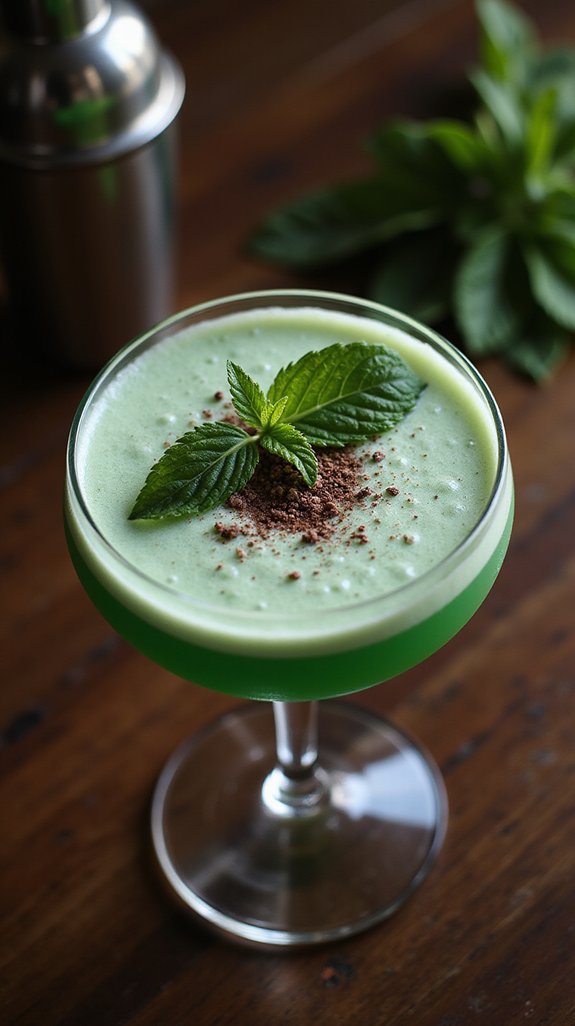
The Grasshopper represents the quintessential after-dinner cocktail of the 1970s, embodying the era’s love affair with creamy, dessert-like drinks that prioritized indulgence over sophistication. Originally created in the 1950s at Tujague’s bar in New Orleans, the Grasshopper found its true heyday during the 1970s when it became a staple at dinner parties, supper clubs, and hotel bars across America.
Its distinctive bright green color—achieved through crème de menthe—made it visually striking and perfectly aligned with the decade’s bold aesthetic sensibilities. The drink’s sweet, mint-chocolate flavor profile appealed to those who might otherwise shy away from cocktails, making it particularly popular among women at a time when the cocktail culture was becoming more inclusive and social drinking was increasingly accepted in mixed company.
The Grasshopper’s popularity in the 1970s also reflected the decade’s fascination with convenience and modern appliances, as the drink was often prepared in blenders to create a frozen, milkshake-like consistency that felt both decadent and contemporary. It became a signature offering at fondue restaurants, steakhouses, and the countless Continental-style dining establishments that dominated the American restaurant scene.
The cocktail’s name and vivid appearance gave it a playful, approachable quality that contrasted sharply with the more serious, spirit-forward cocktails of previous generations. While it would later fall out of favor as tastes shifted toward craft cocktails and less sweet profiles, the Grasshopper remains an enduring symbol of 1970s cocktail culture and the era’s unapologetic embrace of pleasure and excess.
Ingredients
- 1 ounce green crème de menthe
- 1 ounce white crème de cacao
- 1 ounce heavy cream
- 1 cup crushed ice (for frozen version) or regular ice cubes (for shaken version)
- Fresh mint sprig for garnish
- Shaved chocolate for garnish (optional)
Instructions
For the classic shaken version, combine the green crème de menthe, white crème de cacao, and heavy cream in a cocktail shaker filled with ice cubes and shake vigorously for 15-20 seconds until well-chilled and the mixture becomes frothy. Strain into a chilled coupe or martini glass and garnish with a fresh mint sprig.
For the frozen version more popular in the 1970s, add all liquid ingredients along with crushed ice to a blender and blend on high speed for 20-30 seconds until smooth and resembling a milkshake consistency, then pour into a chilled cocktail glass or champagne coupe and garnish with mint and optional shaved chocolate.
The key to a well-balanced Grasshopper is using quality heavy cream and ensuring all ingredients are measured precisely, as even small variations can make the drink either too sweet or too thin. Some bartenders in the 1970s would add a small scoop of vanilla ice cream to the frozen version for extra richness, though this makes the drink considerably sweeter and heavier.
The drink should be served immediately after preparation, especially the frozen version, as the cream will separate if left standing. For a less sweet variation that became popular later in the decade, reduce the liqueurs slightly and add a quarter-ounce of vodka to give the drink more backbone without compromising its signature minty-chocolate character.
White Russian
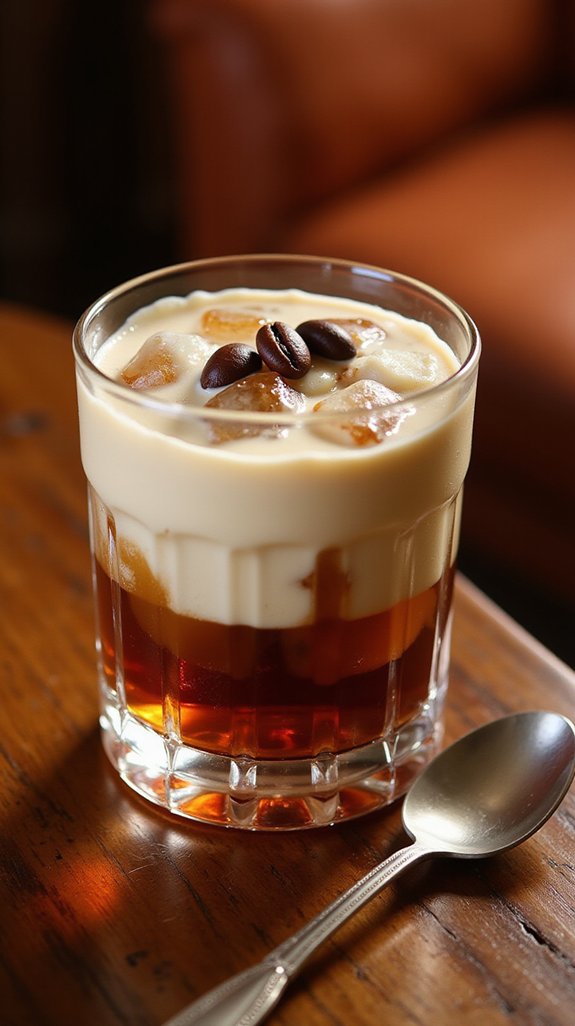
The White Russian achieved iconic status in the 1970s, becoming one of the decade’s most recognizable and enduring cocktail creations despite its origins in the 1960s. This indulgent blend of vodka, coffee liqueur, and cream perfectly captured the era’s preference for sweet, approachable drinks that masked the taste of alcohol beneath layers of richness.
The cocktail’s popularity surged throughout the decade as vodka consumption exploded in America, with the clear spirit shedding its Cold War associations to become the foundation of countless fashionable drinks. The White Russian represented a sophisticated yet accessible option that appealed to both seasoned drinkers and cocktail novices, fitting seamlessly into the social fabric of 1970s leisure culture, from suburban rec rooms to upscale hotel lounges.
The drink’s layered appearance and creamy texture made it a showpiece cocktail that bartenders could prepare with theatrical flair, while its coffee-forward flavor profile offered a smooth shift from dinner to after-dinner relaxation. Unlike its predecessor the Black Russian, which omitted the cream, the White Russian’s addition of dairy transformed the drink into something more dessert-like and forgiving, aligning with the decade’s broader culinary trends toward rich, cream-based preparations.
The cocktail became a fixture at key parties, disco clubs, and casual gatherings, where its easy drinkability and substantial nature made it a meal replacement for many late-night revelers. Though it would later experience a renaissance in the 1990s following its prominent feature in popular culture, the White Russian’s foundation was firmly established during the excess-loving 1970s.
Ingredients
- 2 ounces vodka
- 1 ounce coffee liqueur (Kahlúa or similar)
- 1 ounce heavy cream or half-and-half
- Ice cubes
- Whole coffee beans for garnish (optional)
Instructions
Fill an old fashioned glass with ice cubes and pour the vodka over the ice, followed by the coffee liqueur, stirring gently to combine. Slowly pour the heavy cream over the back of a bar spoon to create a layered effect, allowing it to float on top of the darker mixture, or simply add the cream directly and stir to fully combine for a more uniform appearance.
The choice between layered and mixed depends on personal preference, though the layered presentation was more common in 1970s bars where visual appeal was paramount, while many drinkers would stir the drink themselves before sipping to blend the flavors throughout.
Tips
For the most authentic 1970s experience, use a premium coffee liqueur and don’t skimp on the cream’s fat content, as skim milk or low-fat alternatives will produce a thin, unsatisfying texture that fails to capture the drink’s essential decadence.
The ratio of ingredients can be adjusted to taste, with some preferring a stronger coffee flavor achieved by increasing the liqueur, while others may add extra cream for a milder, dessert-like quality. The cocktail can also be served blended with ice for a frozen variation that was popular at casual 1970s establishments, and some bartenders of the era would dust the top with a pinch of instant coffee or cocoa powder for added visual interest and flavor complexity.
Long Island Iced Tea
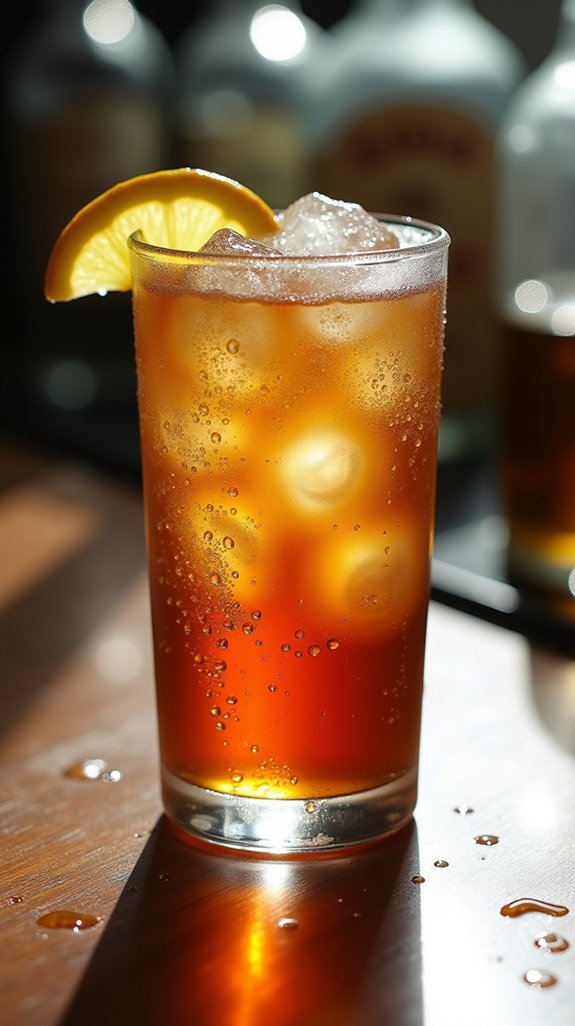
The Long Island Iced Tea emerged in the 1970s as perhaps the decade’s most audacious and deceptive cocktail creation, a potent mixture that became synonymous with the era’s “more is more” philosophy toward both entertainment and intoxication. Despite its name suggesting an invigorating tea-based beverage, this cocktail contained no actual tea but instead combined five different spirits in quantities that made it one of the strongest mixed drinks in any bartender’s repertoire.
The drink’s invention is commonly attributed to Robert “Rosebud” Butt, a bartender from Long Island, New York, who created it during a cocktail competition in 1972, though competing origin stories persist. What made the Long Island Iced Tea particularly popular was its remarkable ability to disguise its considerable alcohol content beneath a cola-sweetened, tea-colored exterior that tasted far more innocent than its composition suggested.
The cocktail’s rise to prominence throughout the mid-to-late 1970s reflected the decade’s embrace of excess and spectacle, offering drinkers a way to consume multiple spirits in a single glass while maintaining the appearance of sipping a casual iced tea. Its popularity spread rapidly from Long Island bars to establishments across America, becoming a staple at beach bars, casual restaurants, and college town watering holes where its reputation as a powerful yet palatable drink made it both celebrated and notorious.
The Long Island Iced Tea embodied the democratic spirit of 1970s drinking culture, where elaborate cocktails were no longer confined to upscale establishments but became accessible to everyday drinkers seeking an efficient and flavorful path to inebriation. The drink’s enduring legacy stems from this era, when bartenders discovered that combining spirits in unconventional ways could produce surprisingly drinkable results that appealed to the decade’s adventurous palates.
Ingredients
- 1/2 ounce vodka
- 1/2 ounce white rum
- 1/2 ounce silver tequila
- 1/2 ounce gin
- 1/2 ounce triple sec
- 3/4 ounce fresh lemon juice
- 3/4 ounce simple syrup
- Cola (Coca-Cola or Pepsi)
- Ice cubes
- Lemon wheel or wedge for garnish
Instructions
Fill a cocktail shaker with ice and add the vodka, rum, tequila, gin, triple sec, lemon juice, and simple syrup, shaking vigorously for 10-15 seconds until well-chilled and combined. Strain the mixture into a tall collins or highball glass filled with fresh ice, then top with a splash of cola—approximately 1/2 to 1 ounce—just enough to give the drink its characteristic iced tea color without overpowering the spirit-forward flavor.
Stir gently once or twice to incorporate the cola, then garnish with a lemon wheel placed on the rim or a lemon wedge dropped into the glass.
Tips
The key to a proper Long Island Iced Tea is restraint with the cola—too much will make the drink overly sweet and dilute the carefully balanced spirit mixture, while too little will leave it without its signature appearance.
Use quality spirits even though multiple types are combined, as inferior liquors will produce harsh flavors that even the cola can’t mask. Fresh lemon juice is essential rather than bottled, as it provides the necessary brightness to cut through the sweetness and alcohol content.
This drink is exceptionally strong despite its approachable taste, so serve responsibly and consider it a sipper rather than a quick cocktail, as its deceptive drinkability has caught many unsuspecting patrons off guard since its 1970s debut.
Brandy Alexander
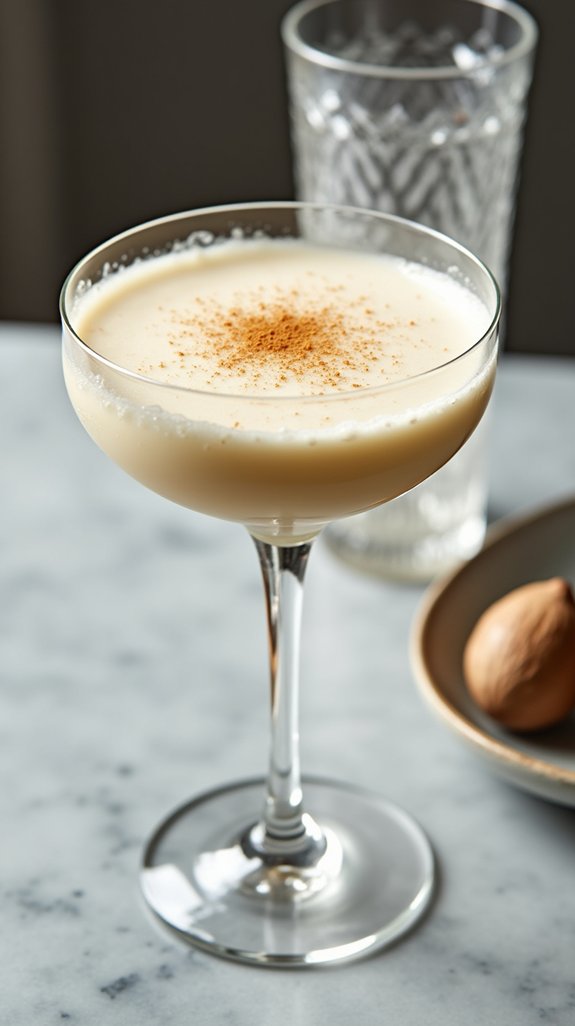
The Brandy Alexander represented the sophisticated, dessert-like indulgence that characterized 1970s cocktail culture, a creamy concoction that bridged the gap between after-dinner drink and liquid dessert. This luxurious cocktail, while actually dating back to earlier decades, experienced a significant revival during the 1970s when cream-based cocktails became fashionable alongside the era’s fondness for fondue parties and elaborate entertaining.
The drink combined brandy with dark crème de cacao and heavy cream, creating a velvety smooth beverage that appealed to those who preferred their cocktails sweet, rich, and reminiscent of melted ice cream. Its popularity during this decade stemmed partly from its appearance in popular culture and its association with a more refined approach to mixed drinks, offering an elegant counterpoint to the era’s tiki drinks and fruit-laden concoctions.
The Brandy Alexander became a staple at dinner parties and upscale restaurants throughout the 1970s, where it served as both aperitif and dessert replacement for guests seeking something decadent yet not overly heavy. The cocktail’s appeal lay in its simplicity of preparation combined with its impressively smooth flavor profile, making it accessible to home bartenders who wanted to offer guests something more sophisticated than the typical highball or martini.
The drink’s creamy texture and chocolate-forward taste made it particularly popular among those who mightn’t typically enjoy spirit-forward cocktails, effectively expanding the drinking demographic to include those with sweeter palates. Its enduring association with the 1970s comes from the decade’s embrace of indulgent, calorie-dense pleasures and the period’s willingness to blur the lines between traditional cocktail categories.
Ingredients
- 1 1/2 ounces brandy (preferably cognac)
- 1 ounce dark crème de cacao
- 1 ounce heavy cream
- Ice cubes
- Freshly grated nutmeg for garnish
Instructions
Fill a cocktail shaker with ice and add the brandy, crème de cacao, and heavy cream, shaking vigorously for 15-20 seconds until the mixture is thoroughly chilled and the cream has been properly emulsified with the spirits.
Strain the cocktail into a chilled coupe glass or small martini glass, guaranteeing a smooth pour that captures the drink’s silky texture. Finish by grating fresh nutmeg over the top of the drink, creating an aromatic crown that adds a subtle spice note to complement the chocolate and brandy flavors.
Tips
For the best results, verify all ingredients are well-chilled before preparation, as this helps create the proper velvety consistency without over-diluting the drink.
Use quality brandy rather than bottom-shelf options, as the spirit’s flavor remains prominent even alongside the cream and chocolate liqueur. Some bartenders prefer to use half-and-half instead of heavy cream for a slightly lighter texture, though this reduces the drink’s signature richness.
The nutmeg garnish is essential rather than optional, as it provides an aromatic element that elevates the drinking experience and cuts through the sweetness with its warm spice notes.
Alabama Slammer
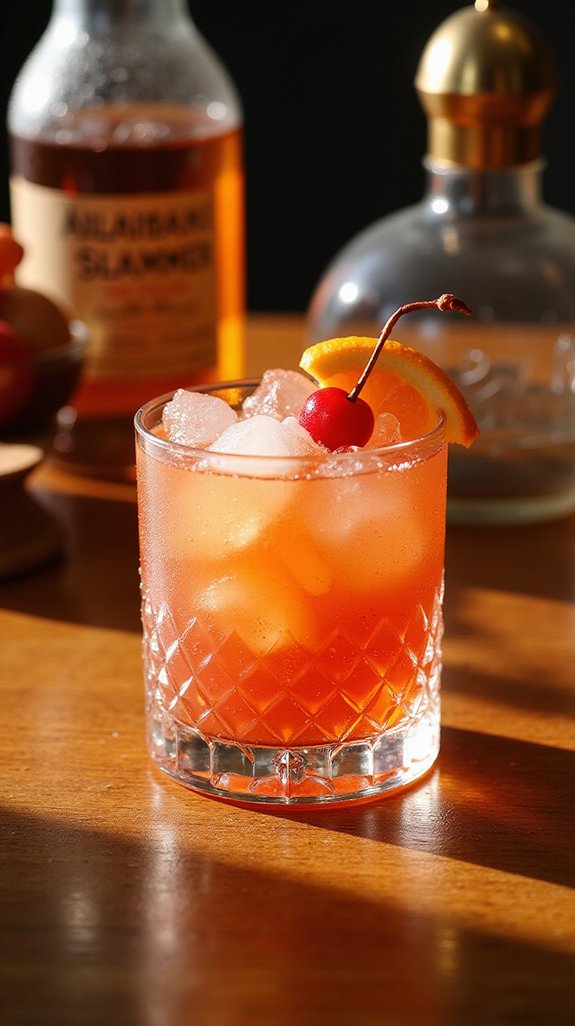
The Alabama Slammer emerged as one of the quintessential party drinks of the 1970s, embodying the decade’s preference for sweet, approachable cocktails that prioritized flavor accessibility over bartending tradition. This fruity, bourbon-based shooter became a fixture at college bars, happy hours, and casual gatherings across America, offering a distinctly Southern twist on the era’s growing appetite for fun, unpretentious drinks.
Unlike the more refined cocktails that preceded it, the Alabama Slammer represented a democratization of mixed drinks, combining Southern Comfort, amaretto, sloe gin, and orange juice into a deceptively smooth concoction that went down easily while packing a considerable alcoholic punch. The drink’s popularity surged throughout the late 1970s as it became synonymous with good times and carefree celebration, perfectly capturing the shift from formal cocktail culture to a more relaxed, casual drinking scene.
The Alabama Slammer’s appeal stemmed from its balanced sweetness and its vibrant, sunset-like appearance that made it visually striking at any social gathering. The combination of almond-flavored amaretto with the fruity notes of sloe gin and the whiskey undertones of Southern Comfort created a complex yet approachable flavor profile that masked the drink’s strength, making it dangerously easy to consume multiple rounds.
Throughout the 1970s, the Alabama Slammer gained legendary status in bars across the Southeast before spreading nationwide, becoming a rite of passage for a generation of drinkers who valued sociability and flavor over cocktail sophistication. The drink could be served as a shooter or over ice as a longer cocktail, demonstrating the versatility that made it adaptable to various drinking occasions and preferences.
Ingredients
- 1 ounce Southern Comfort
- 1 ounce amaretto liqueur
- 1/2 ounce sloe gin
- 2 ounces orange juice
- Ice cubes
- Orange slice for garnish (optional)
- Maraschino cherry for garnish (optional)
Instructions
Fill a cocktail shaker with ice and add the Southern Comfort, amaretto, sloe gin, and orange juice, shaking vigorously for 10-15 seconds until well-chilled and thoroughly combined. Strain the mixture into an old-fashioned glass filled with fresh ice for a longer drink, or divide between shot glasses if serving as shooters for multiple people.
The layered flavors should blend seamlessly, creating a smooth, fruity taste with subtle whiskey warmth in the background. Garnish with an orange slice and maraschino cherry if desired, though the drink is equally enjoyable without elaborate decoration, staying true to its unpretentious, party-friendly origins.
Tips
When preparing Alabama Slammers, use fresh orange juice rather than concentrate to elevate the drink’s flavor and provide a brighter, more natural citrus taste that balances the sweetness of the liqueurs. The drink can be adjusted for personal preference by varying the ratio of orange juice—less for a stronger, more spirit-forward shooter, or more for a mellower, longer cocktail suitable for sipping.
Some bartenders prefer to build the drink directly in the glass over ice rather than shaking, though shaking creates better integration of flavors and a more invigorating chill. Be mindful that the Alabama Slammer’s smooth, sweet taste masks its substantial alcohol content, making it easy to overconsume, so pace yourself and your guests accordingly when serving this deceptively potent 1970s classic.
Fuzzy Navel
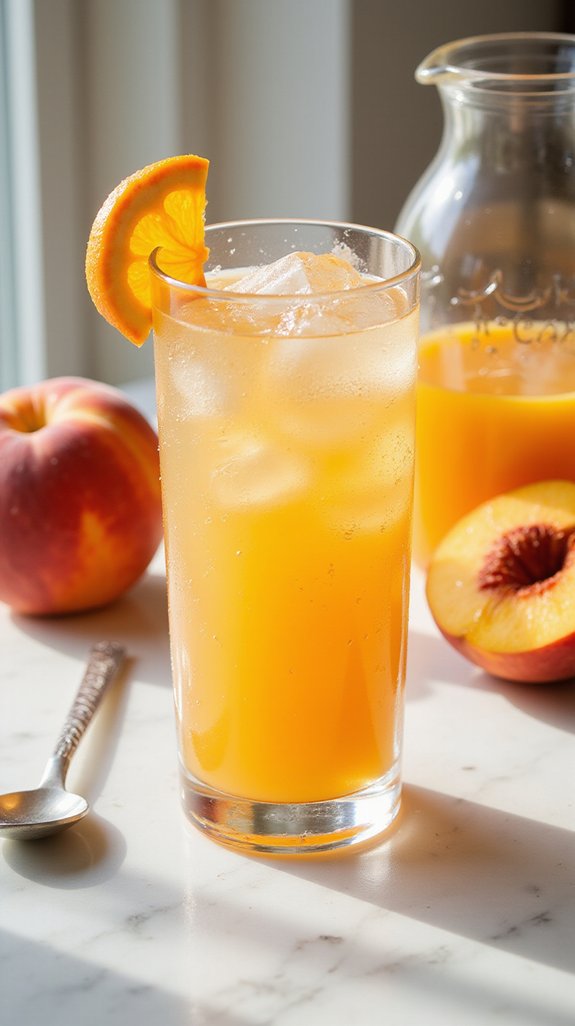
The Fuzzy Navel burst onto the cocktail scene in the mid-1980s, though its roots trace back to the simpler, fruit-forward drinking culture that dominated the late 1970s. This deceptively simple two-ingredient cocktail gained its memorable name from its primary components: peach schnapps (the “fuzzy” peach) and orange juice (representing the navel orange).
The drink epitomized the era’s movement toward approachable, sweet cocktails that required minimal bartending skill while delivering maximum revitalization. Unlike more complex mixed drinks, the Fuzzy Navel’s straightforward recipe made it accessible to home bartenders and professional mixologists alike, contributing to its rapid spread across bars, beach resorts, and backyard gatherings throughout the late 1970s and into the following decade.
The cocktail’s popularity stemmed from its invigorating, candy-like sweetness and its ability to disguise the taste of alcohol, making it particularly appealing to those new to drinking or anyone seeking a light, fruity beverage on warm summer days.
The peachy-orange flavor combination created a taste reminiscent of a spiked fruit punch, while the drink’s vibrant orange-gold color made it visually appealing in any setting. The Fuzzy Navel represented the continuing evolution away from the martini-dominated cocktail culture of previous decades, embracing instead a philosophy of fun, flavor, and accessibility that defined recreational drinking in the 1970s and beyond.
Ingredients
- 2 ounces peach schnapps
- 4 ounces fresh orange juice
- Ice cubes
- Orange slice for garnish (optional)
- Peach slice for garnish (optional)
Instructions
Fill a highball glass with ice cubes and pour the peach schnapps over the ice, followed by the orange juice. Stir gently with a bar spoon for 3-5 seconds to combine the ingredients without over-diluting the drink.
The schnapps and orange juice should blend together to create a smooth, unified flavor profile with the peach notes complementing the citrus brightness of the orange juice.
Tips
For the best results, use freshly squeezed orange juice rather than concentrate, as the natural sweetness and acidity will balance better with the peach schnapps.
The standard ratio is one part peach schnapps to two parts orange juice, but this can be adjusted according to personal preference—more schnapps for a stronger drink or more juice for a lighter, more invigorating version.
Chilling both ingredients before mixing will result in a colder drink that requires less ice, preventing excessive dilution. Some variations include a splash of vodka to create a “Hairy Navel,” though the classic two-ingredient version remains the most popular and authentic representation of this 1970s-era favorite.
Tom Collins
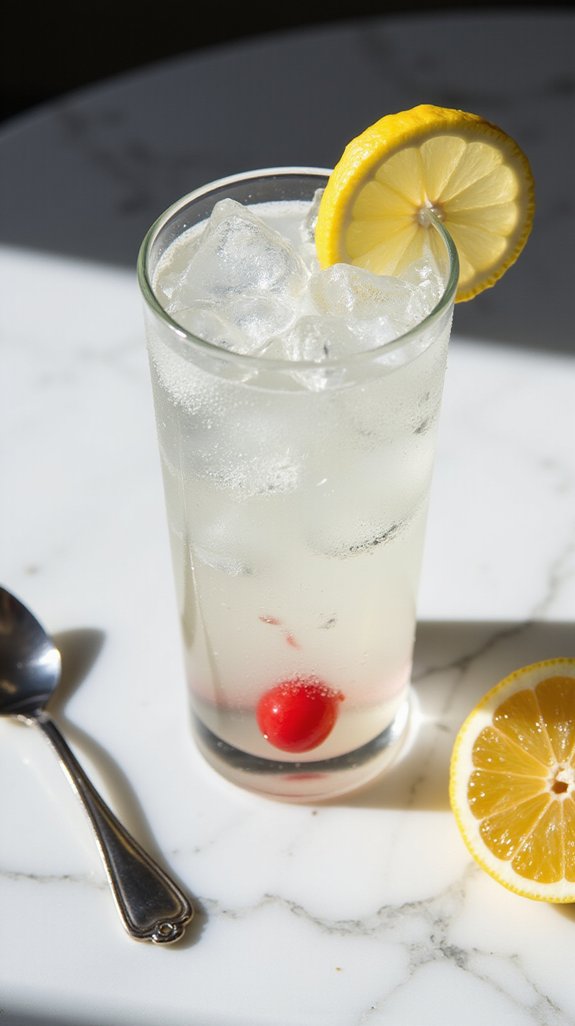
The Tom Collins stands as one of the most enduring and beloved cocktails in the mixology canon, with origins that predate the 1970s by nearly a century. However, this classic gin-based cooler experienced a significant renaissance during the 1970s as part of a broader revival of traditional cocktails. Named after either a popular 19th-century hoax or a legendary bartender (the true origin remains debated), the Tom Collins became a staple of 1970s drinking culture, offering a sophisticated yet approachable alternative to the era’s sweeter concoctions.
The drink’s appeal lay in its perfect balance of botanical gin, tart lemon juice, subtle sweetness, and effervescent soda water, creating a rejuvenating libation that could be enjoyed year-round but particularly shone during warm weather gatherings.
The Tom Collins represented a bridge between the classic cocktail traditions of the early 20th century and the more relaxed, accessible drinking culture of the 1970s. Its simple construction required only basic bartending techniques, yet the result was a drink that felt refined and timeless.
The tall, fizzy cocktail became a favorite at country clubs, hotel bars, and backyard barbecues alike, appealing to those who wanted something more substantial than a simple mixed drink but less intimidating than a dry martini. The Tom Collins proved that classic cocktails could coexist with the decade’s newer, fruitier inventions, maintaining its position as a go-to choice for gin enthusiasts and casual drinkers throughout the 1970s and beyond.
Ingredients
- 2 ounces gin
- 1 ounce fresh lemon juice
- 1/2 ounce simple syrup
- 3-4 ounces club soda
- Ice cubes
- Lemon wheel for garnish
- Maraschino cherry for garnish (optional)
Instructions
Fill a Collins glass (a tall, narrow glass specifically designed for this cocktail) with ice cubes. In a cocktail shaker filled with ice, combine the gin, fresh lemon juice, and simple syrup. Shake vigorously for 10-15 seconds until the mixture is well-chilled and properly diluted.
Strain the mixture into the prepared Collins glass over the ice, then top with club soda, pouring gently to preserve the carbonation. Give the drink a gentle stir with a bar spoon to integrate the soda without losing too much fizz. Garnish with a lemon wheel and, if desired, a maraschino cherry.
Tips
The quality of gin makes a significant difference in a Tom Collins, so choose a London Dry style with prominent juniper and citrus notes for the most authentic flavor profile. Always use freshly squeezed lemon juice rather than bottled versions, as the fresh acidity is essential to the drink’s balance.
If simple syrup is unavailable, it can be made quickly by dissolving equal parts sugar and hot water, then allowing the mixture to cool before use. Some bartenders prefer to build the drink directly in the glass rather than shaking it, adding the gin, lemon juice, and simple syrup to the ice-filled glass, stirring briefly, then topping with soda—this method works well but produces a slightly less integrated flavor.
The amount of simple syrup can be adjusted based on personal preference and the tartness of the lemons used.
Singapore Sling
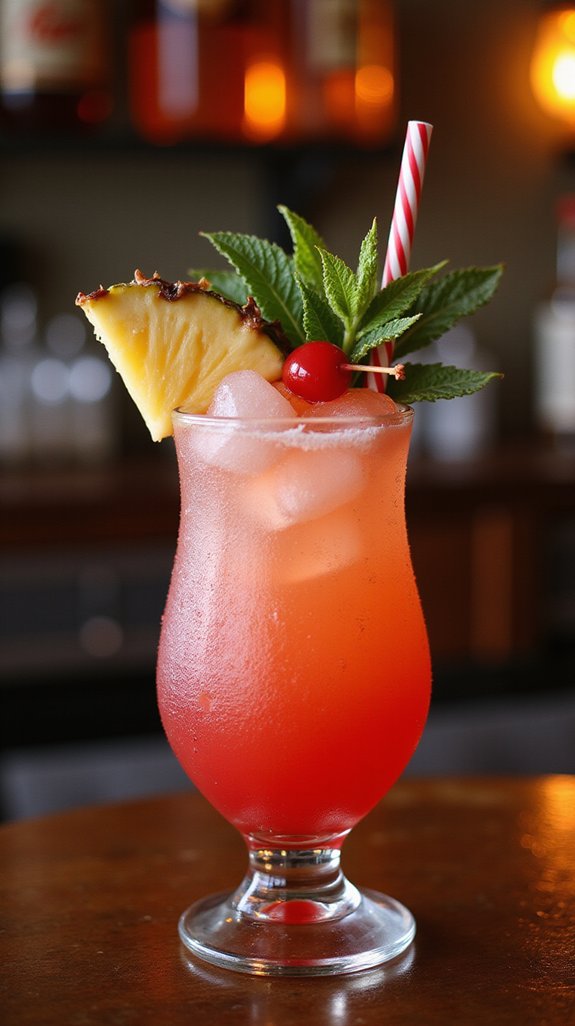
The Singapore Sling emerged from the Long Bar at Singapore’s Raffles Hotel in the early 1900s, but it was during the 1970s that this exotic, tropical cocktail truly captured the American imagination. As tiki culture experienced a resurgence and travel to Southeast Asia became more accessible, the Singapore Sling evolved from an obscure colonial-era drink into a symbol of sophisticated exoticism.
The 1970s version of this cocktail often featured a vibrant pink hue and a complex blend of gin, fruity liqueurs, and tropical juices that perfectly embodied the decade’s love affair with elaborate, colorful drinks. Unlike simpler cocktails, the Singapore Sling required multiple ingredients and careful balancing, making it a showpiece drink that bartenders prepared with theatrical flair, often garnishing it elaborately with pineapple wedges, cherries, and paper umbrellas.
During the 1970s, the Singapore Sling became a fixture at upscale hotel bars, airport lounges, and tiki-themed restaurants across America. The cocktail’s appeal extended beyond its taste to encompass an entire aesthetic of international glamour and tropical escapism that resonated with a generation increasingly interested in global travel and exotic experiences.
While recipes varied considerably from bar to bar—with some versions becoming overly sweet or simplified—the best interpretations maintained a delicate balance between the botanical notes of gin, the tartness of citrus, the sweetness of liqueurs, and the subtle spice of Bénédictine. The Singapore Sling represented the aspirational drinking culture of the 1970s, offering a taste of faraway places in an era when international travel was becoming democratized.
Ingredients
- 1 1/2 ounces gin
- 1/2 ounce cherry brandy (or Cherry Heering)
- 1/4 ounce Cointreau
- 1/4 ounce Bénédictine
- 4 ounces pineapple juice
- 1/2 ounce fresh lime juice
- 1/3 ounce grenadine
- 1 dash Angostura bitters
- Ice cubes
- Pineapple wedge for garnish
- Maraschino cherry for garnish
- Fresh mint sprig for garnish (optional)
Instructions
Fill a cocktail shaker with ice and add the gin, cherry brandy, Cointreau, Bénédictine, pineapple juice, lime juice, grenadine, and Angostura bitters. Shake vigorously for 15-20 seconds until the mixture is thoroughly chilled and well-combined.
Fill a tall Collins or hurricane glass with fresh ice cubes and strain the cocktail mixture over the ice. For an authentic presentation, the drink should display a beautiful gradient of pink and orange hues. Garnish elaborately with a pineapple wedge and maraschino cherry secured on a cocktail pick, and add a sprig of fresh mint if desired for an aromatic finishing touch.
Tips
The Singapore Sling is notoriously variable in its recipes, with dozens of versions circulating during the 1970s, so don’t hesitate to adjust the sweetness level to your preference by adding more or less grenadine.
Using fresh pineapple juice rather than canned makes a remarkable difference in the final flavor, providing a brighter, more authentic tropical taste. If you find the drink too sweet, increase the lime juice slightly or add an extra dash of bitters to provide balance.
The cherry brandy is essential to the drink’s character, so avoid substituting it with cherry-flavored vodka or liqueur, as these lack the depth and complexity that true cherry brandy provides. For the most authentic 1970s presentation, serve the drink with two straws and don’t skimp on the garnishes—the visual appeal was half the experience.
Frequently Asked Questions
What Glassware Is Best for Serving 1970S Cocktails at Home?
You’ll want coupe glasses, highball glasses, and rocks glasses in your collection. These versatile options cover most 1970s cocktails, from Harvey Wallbangers to Tequila Sunrises, ensuring you’re prepared for any retro recipe.
How Can I Make Non-Alcoholic Versions of Classic 1970S Cocktails?
You’ll create mocktail versions by replacing spirits with flavorful substitutes. Swap rum with coconut water, vodka with seedlip or sparkling water, and vermouth with non-alcoholic aperitifs. Keep the original syrups, juices, and garnishes intact.
What Garnishes Were Most Popular for Cocktails in the 1970S?
You’ll find maraschino cherries, orange slices, lemon twists, and cocktail umbrellas dominated 1970s garnishes. Pineapple wedges, celery stalks for Bloody Marys, and plastic cocktail swords with olives were essential bar accessories during this era.
How Long Do Homemade Cocktail Mixers Stay Fresh in the Refrigerator?
You’ll keep citrus mixers fresh for 3-4 days, you’ll preserve cream-based mixers for 2-3 days, and you’ll maintain simple syrups for up to one month when you store them properly in airtight containers.
What Bar Tools Are Essential for Making Classic 1970S Cocktails?
You’ll need a cocktail shaker, jigger for measuring, bar spoon, strainer, muddler, and ice bucket. Don’t forget a citrus juicer and peeler for garnishes, plus proper glassware for serving your retro drinks.