I’ll never forget standing in my grandmother’s kitchen on Christmas Eve, watching her pinch off small pieces of dough to make bobalky, the traditional Slovakian bread that graced our table every year. The smell of yeast and butter filled the air while she worked with practiced hands, transforming simple ingredients into something sacred. What makes this bread truly special isn’t just its pillowy texture or how it soaks up mushroom gravy, but the way it connects us to generations past through every tender bite.
Why You`ll Love this Bobalky Christmas Eve Bread
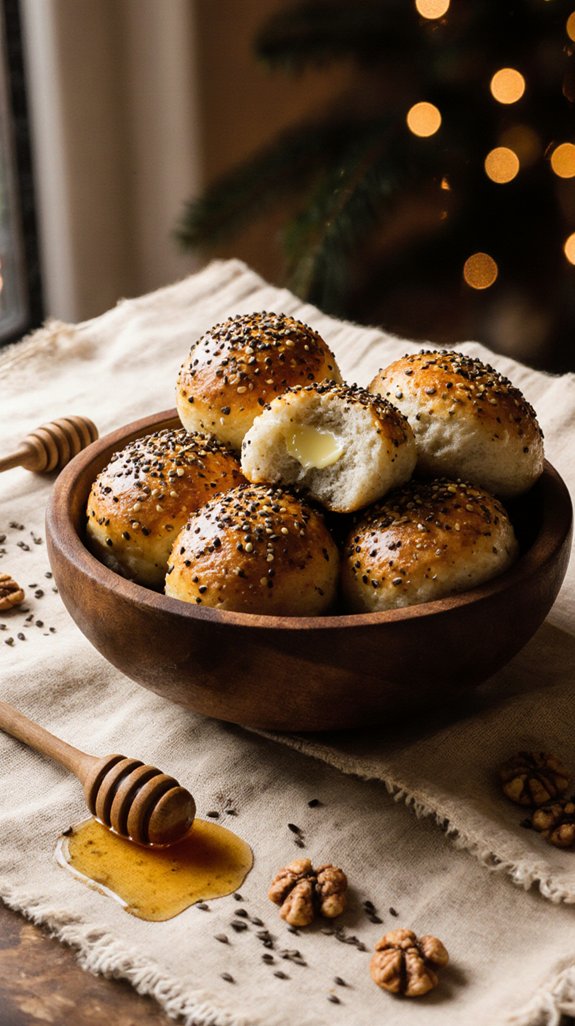
Because these little bread balls have been gracing Slovakian Christmas Eve tables for generations, they carry a warmth that goes beyond their simple ingredients.
I’ll admit, the first time I made bobalky, I wondered why anyone would choose plain dough balls over fancy dinner rolls, but that’s exactly the point. This comforting tradition isn’t about showiness; it’s about gathering around something honest and unpretentious.
When you mix them with tangy sauerkraut and ladle mushroom soup over top, you’ll understand why families keep coming back to this dish. The soft, pillowy texture soaks up every bit of flavor, and there’s something deeply satisfying about sharing a festive gathering meal that’s remained unchanged for centuries.
What ingredients are in Bobalky Christmas Eve Bread?
The magic of bobalky lies in its simplicity – this isn’t a recipe that demands exotic ingredients or a trip to specialty stores.
You’ll need basic pantry staples that come together to create tender, yeasty dough balls with just enough richness to stand up to the tangy sauerkraut they’re traditionally served with. The ingredient list is invigoratingly short, making this an accessible recipe even for novice bakers who want to connect with their heritage or try something authentically Eastern European.
Ingredients:
- 1/2 package yeast
- 1/2 cup scalded milk
- 3 cups flour
- 3 ounces evaporated milk
- 1/2 cup warm water
- 1 teaspoon sugar
- 1/2 tablespoon butter, melted
- 1 egg yolk, beaten
- 1/3 teaspoon salt
- 1 (14 ounce) can sauerkraut, well drained (save liquid if making the mushroom soup)
The combination of both scalded milk and evaporated milk might seem unusual, but this double dairy approach creates a particularly soft crumb that stays tender even after baking.
Make sure your scalded milk has cooled to lukewarm before adding the yeast, or you’ll risk killing those essential leavening agents. The sauerkraut isn’t technically part of the bread itself, but it’s so integral to the final dish that it’s included here – be sure to drain it thoroughly but save that flavorful liquid if you’re planning to make the traditional mushroom soup accompaniment.
This is one of those recipes where measuring accurately matters, especially with the yeast and salt, to achieve that perfect rise and balanced flavor.
How to make this Bobalky Christmas Eve Bread
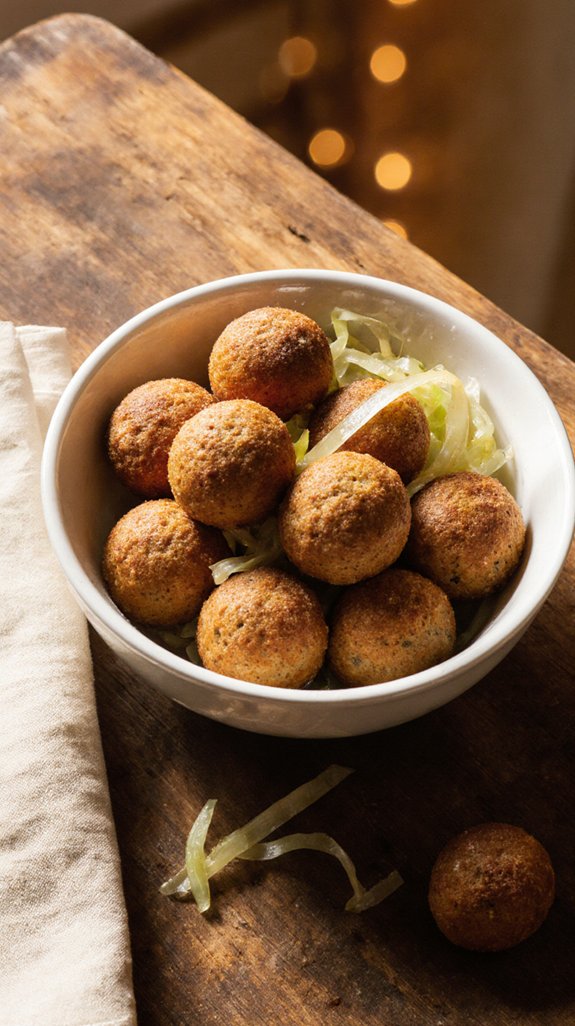
Making bobalky is a rewarding process that requires patience but doesn’t demand advanced baking skills. Start by dissolving 1/2 package of yeast with 1 teaspoon of sugar in the 1/2 cup of scalded milk that’s cooled to lukewarm, then set it aside to rise for about 15 minutes – you’ll know it’s ready when it becomes frothy and activated.
While the yeast is doing its work, sift 3 cups of flour into a deep bowl and create a well in the center. Pour in 3 ounces of evaporated milk, 1/2 cup of warm water, and 1/2 tablespoon of melted butter, followed by 1 beaten egg yolk, 1/3 teaspoon of salt, and your activated yeast mixture.
Now comes the fun part: knead the dough well until it becomes smooth and elastic, which usually takes about 8-10 minutes. Cover the bowl with a clean kitchen towel and let the dough rise in a warm spot for 2 hours, during which time it should roughly double in size.
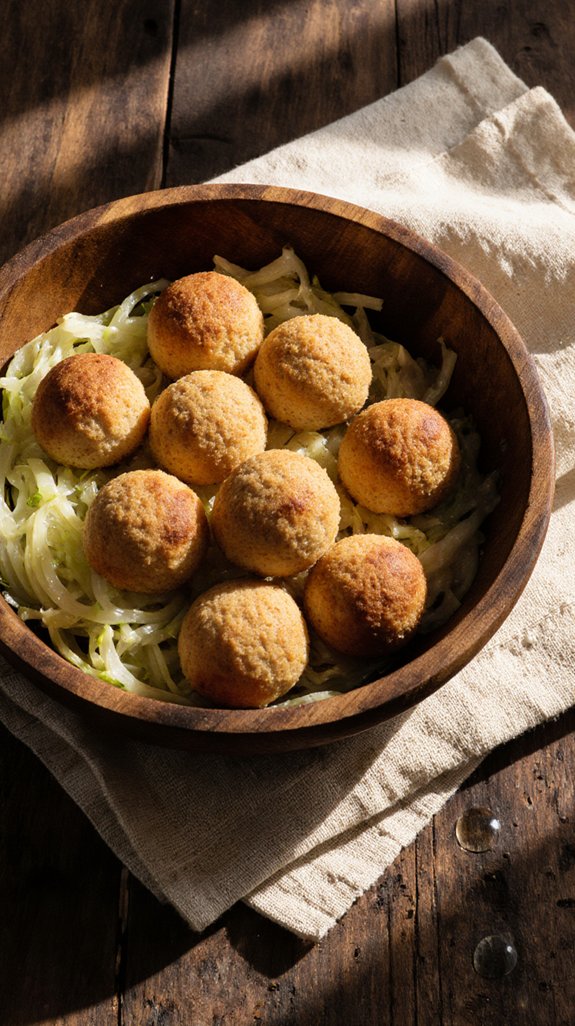
Once the dough has completed its first rise, you’ll shape it into the characteristic small balls that give bobalky its distinctive appearance. Pinch off enough dough to form a ball about 1/2 inch in diameter, rolling it gently between your palms until it’s smooth and round. Place each ball on a non-stick cookie sheet, leaving a bit of space between them since they’ll expand slightly.
After you’ve shaped all the dough, let these little spheres rest for 10 minutes to puff up just a touch more before baking. Slide them into a preheated 375°F oven and bake for 15 minutes, keeping an eye on them during the last few minutes – you’re looking for a light golden-brown color rather than a deep tan.
The final step brings everything together in a way that might surprise first-timers: transfer the baked bread balls to a large bowl and mix them with 1 can (14 ounces) of well-drained sauerkraut. The warm, tender bobalky will soak up some of the tangy sauerkraut flavor, creating that perfect savory-meets-bread combination that makes this Christmas Eve dish so memorable.
Traditionally, this is served alongside mushroom soup, and if you’re making that accompaniment, remember to save the sauerkraut liquid for extra flavor. The contrast between the soft, slightly sweet bread and the sharp sauerkraut is what makes this dish so special, turning simple ingredients into something that’s graced Slovak and Eastern European tables for generations. Having premium cookware sets in your kitchen can make the entire process smoother, from scalding milk to achieving perfectly golden-brown results in the oven.
Shop Related Products

4-Piece Nesting Baking Sheet Set – Multiple Sizes for Every Baking Need This premium stainless steel baking sheet set of 4 includes multiple versatile sizes: 9.25" x 6.89", 10.43" x 8.07", 12.40" x 9.65", and 15.94" x 11.81". Perfect for everything from small batch baking to full family meals, this sheet pan set covers all your cooking needs in one purchase.

Package Includes—Four (4) 25ct packs of Reynolds Kitchens Cookie Baking Sheets measuring 12 inches long by 16 inches wide (100 Total Sheets)

VERSATILE BAKING: The 10 x 15-inch baking sheet is designed for cookies, bars, jelly rolls, sheet cakes, and one-pan meals; use this shape and size for the sweet or savory dishes in your everyday baking routine, from preparation through serving
Bobalky Christmas Eve Bread Substitutions and Variations
While traditional bobalky holds a special place at the Christmas Eve table, I’ve learned over the years that this recipe welcomes adaptations without losing its soul.
For ingredient swaps, I often use whole milk instead of evaporated milk when my pantry runs low, and honey works beautifully in place of sugar. Dietary adaptations are possible too—I’ve made dairy-free versions using almond milk and vegan butter for lactose-intolerant relatives.
Flavor variations can transform this dish: try adding caraway seeds to the dough for an earthy note, or mix poppy seeds with the sauerkraut for texture.
Substitution options extend to the sauerkraut itself—some families prefer fresh cabbage lightly sautéed with onions, which creates a milder, sweeter accompaniment that children particularly enjoy.
Shop Related Products
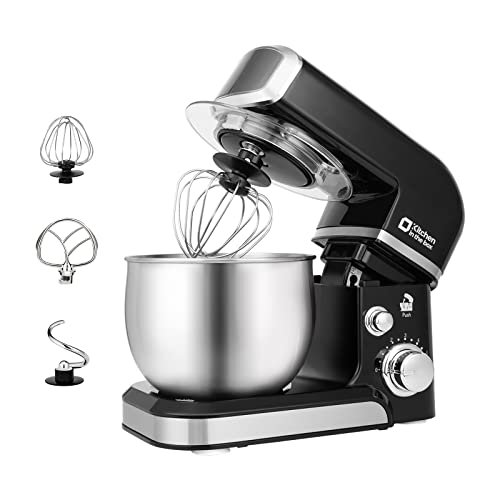
Compact Designed And More Color Options - The stand mixer is less than 7lbs with dimension 12.9*7*10.2 In, small and easy to storage,which could help space-saving. Perfectly suitable for small kitchen,apartment,or limited storage space. And multiple colors to choose,meet a variety of aesthetic needs for your kitchen.

Bake craft-quality bread at home, from Basic White to Boule, Chocolate Rye Boule, even Brioche.
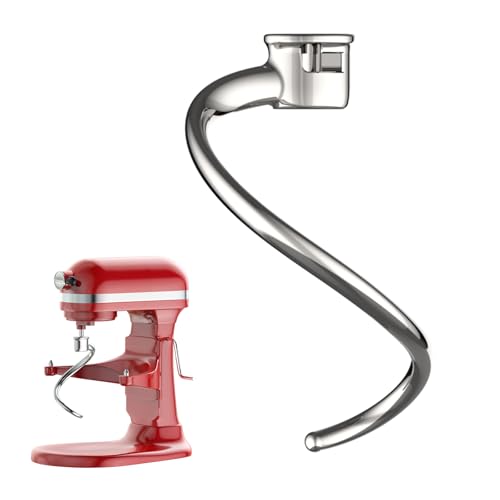
Durability & Material: This dough hook kitchen aid is made of premium 304 stainless steel, offering top durability and rust resistance. It’s non-coated and rustproof—say goodbye to flaking coatings—so you can enjoy a food-safe, easy-to-clean baking experience that’s just what you need
What to serve with Bobalky Christmas Eve Bread
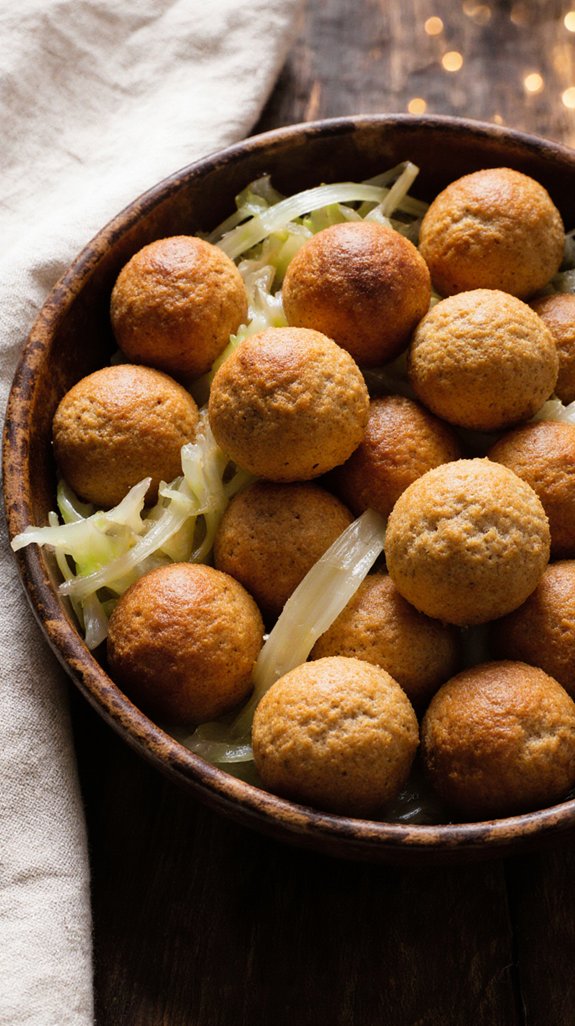
According to Slovak tradition, bobalky never appears on the table alone, and I’ve found that the classic accompaniments create a meal far more meaningful than the sum of its parts.
The recipe itself calls for serving with mushroom soup, which remains the most authentic pairing—those earthy flavors complement the bread’s subtle sweetness perfectly.
I’ve also discovered that other soup pairings work beautifully, like a simple garlic broth or cabbage soup my grandmother used to make on Christmas Eve.
While festive salads aren’t traditionally served alongside bobalky in my family, I won’t judge if you add a crisp winter slaw.
The key is keeping things simple, letting the bread and sauerkraut mixture shine while the accompaniments provide warmth and balance to your holiday table.
Final Thoughts
This recipe has been passed down through generations in my family, and every time I make these little bread balls mixed with sauerkraut, I’m reminded that some traditions survive because they’re worth the effort. Sure, rolling dozens of tiny dough balls tests your patience, but that’s exactly what makes bobalky special. These aren’t just dinner rolls you grab from the bakery on your way home. They’re family traditions shaped by your own hands, creating holiday memories while your kitchen fills with the scent of fresh-baked bread. I hope you’ll try this recipe for your next Christmas Eve gathering. Maybe years from now, someone in your family will remember standing in the kitchen with you, rolling those little balls and wondering why such simple ingredients could mean so much.
Frequently Asked Questions
What Is the Traditional Significance of Bobalky on Christmas Eve?
I’ll share that bobalky carries deep Christmas symbolism as a meatless dish for Christmas Eve’s sacred vigil. It’s woven into family traditions, representing unity when the small bread balls mix with sauerkraut, bringing loved ones together.
Can I Freeze the Dough or Baked Bobalky for Later Use?
I’d recommend freezing bobalky after baking rather than the dough itself. Once cooled, store them in airtight freezer bags for up to three months. Dough storage works too, but the texture’s better with pre-baked ones.
Why Is Sauerkraut Traditionally Served With Bobalky?
I’ll explain the cultural significance of this pairing. Sauerkraut origins trace back to Eastern European Christmas Eve traditions, where meatless dishes symbolized fasting and purification before celebrating Christ’s birth, making it spiritually meaningful.
How Should Leftover Bobalky Be Stored and Reheated?
I’ll store leftover bobalky in an airtight container in the refrigerator for up to three days. For reheating methods, I recommend warming them gently in a 300°F oven for five minutes to restore their soft texture.
Is Bobalky Eaten as Part of the Twelve Dishes Tradition?
Yes, bobalky’s origins tie directly to the Twelve Dishes tradition of Christmas Eve. I’ve found it’s traditionally served with mushroom soup and sauerkraut as one of the meatless dishes in this Slovak-Catholic custom.