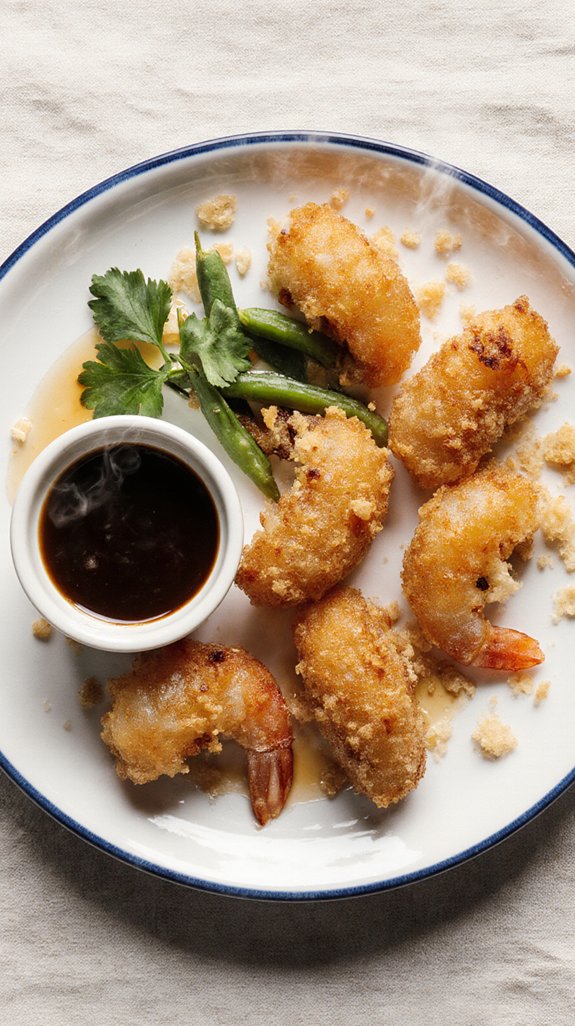
I’ve spent years chasing that perfect tempura coating, the kind that shatters when you bite into it and stays impossibly light. You know what I’m talking about—that delicate, almost lace-like shell you get at Japanese restaurants, where the vegetables inside stay tender and the batter never turns soggy. The secret isn’t some complicated technique or hard-to-find ingredient, and once you understand the simple science behind it, you’ll wonder why you ever settled for heavy, greasy batters.
Why You`ll Love this Crispy Restaurant-Style Tempura Batter
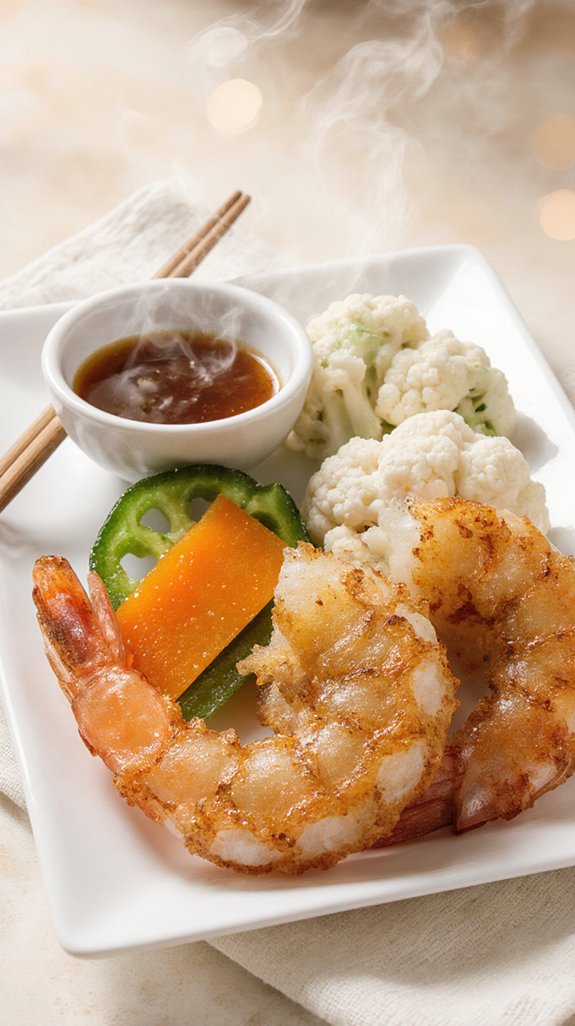
When I first tasted real tempura at a Japanese restaurant years ago, I couldn’t believe how light and delicate the coating was, nothing like the heavy, greasy batter I’d made at home.
That experience changed everything about how I approached this classic Japanese dish. This recipe captures those same flavor profiles and cooking techniques that make restaurant tempura irresistible.
You’ll love how simple it is, using just four ingredients you probably already have. The secret lies in keeping everything ice-cold and working quickly, which creates that signature crackly texture.
Unlike thick batters that mask your ingredients, this one forms a sheer, crispy shell that shatters when you bite into it. It’s the difference between eating fried food and experiencing true tempura.
What ingredients are in Crispy Restaurant-Style Tempura Batter?
The beauty of authentic tempura batter lies in its minimalism. This crispy restaurant-style version requires only four basic ingredients that work together to create that distinctive light, airy coating Japanese cuisine is famous for. Each component plays a vital role in achieving the perfect texture and taste.
Ingredients:
- 1 cup all-purpose flour
- 1 egg, beaten
- 1 teaspoon salt
- Ice water (as needed for consistency)
When selecting ingredients for tempura batter, freshness matters more than you might expect. Use the coldest egg possible, straight from the refrigerator, and prepare your ice water with plenty of ice cubes to keep the temperature as low as possible throughout the mixing process.
The flour should be measured accurately and sifted if you want an even lighter result. Some cooks prefer cake flour for an extra-delicate texture, though all-purpose flour works beautifully in this recipe.
Remember that the quality of your ice water is just as important as the other ingredients—the extreme cold is what prevents gluten development and creates those characteristic crispy shards that make tempura so special.
How to make this Crispy Restaurant-Style Tempura Batter
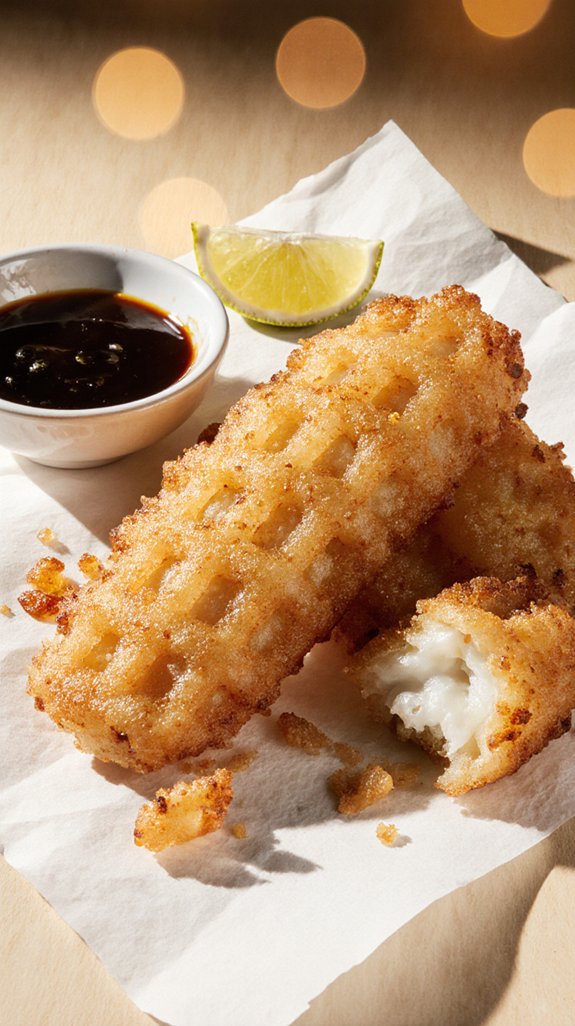
Making this restaurant-quality tempura batter is surprisingly straightforward, though the technique matters just as much as the ingredients. Start by placing your 1 cup of flour, 1 beaten egg, and 1 teaspoon of salt into a mixing bowl.
Here’s where things get interesting—you’ll gradually add ice water to the mixture, stirring gently as you go. The goal is to create a batter that’s thin enough to coat your ingredients lightly but thick enough to cling properly. Don’t worry if you see a few lumps in the batter; in fact, leaving it slightly lumpy is actually preferable to overmixing, which can develop the gluten in the flour and make your tempura tough instead of crispy.
Once you’ve reached the right consistency, immediately place the bowl in the refrigerator for 30 minutes.
The refrigeration step isn’t optional—it’s absolutely essential for achieving that signature tempura crunch. During this 30-minute rest period, the cold temperature keeps the batter from activating too much gluten, which is what gives you those delicate, shattering crispy bits when you fry.
Make sure to keep the batter as cold as possible even after it comes out of the fridge, and plan to use it within 30 minutes of removing it from refrigeration for best results. If your kitchen is particularly warm, you might even consider placing the bowl over another bowl filled with ice while you’re working.
This attention to temperature might seem fussy, but it’s the secret that separates home-cooked tempura from the professional version you’d get at your favorite Japanese restaurant. Using premium cookware sets with excellent heat distribution can also help you maintain the consistent oil temperature needed for perfect tempura every time.
Shop Related Products

HIGH-QUALITY MATERIAL: Made of high-quality durable stainless steel and highly polished processing methods, no worries of rust. You can use the whisk set for a long time.
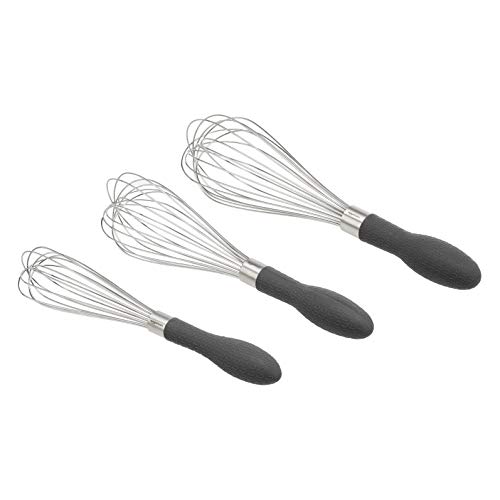
3-piece wire whisk set includes 9-inch, 10-inch, and 11.5-inch sizes

Compact Dual Sizes: Includes 7-inch and 9-inch mini whisks for precise mixing in small bowls, ideal for eggs, sauces, dressings, or batters, giving controlled performance for everyday cooking tasks.
Crispy Restaurant-Style Tempura Batter Substitutions and Variations
Once you’ve mastered the basic technique, you’ll probably want to experiment with different variations to suit your taste or work with what you’ve got in your pantry.
I’ve tried countless tempura variations over the years, and some happy accidents have become my favorites.
For batter alternatives, you can swap half the flour with cornstarch for extra crispiness, or use club soda instead of ice water for lighter, airier results.
Rice flour works beautifully too, creating a delicate crunch that reminds me of the tempura I’d in Tokyo.
Some folks add a splash of sake or vodka, which I’ll admit seemed strange until I tasted the incredible texture it creates.
The alcohol evaporates quickly during frying, leaving behind perfectly crispy coating.
Shop Related Products
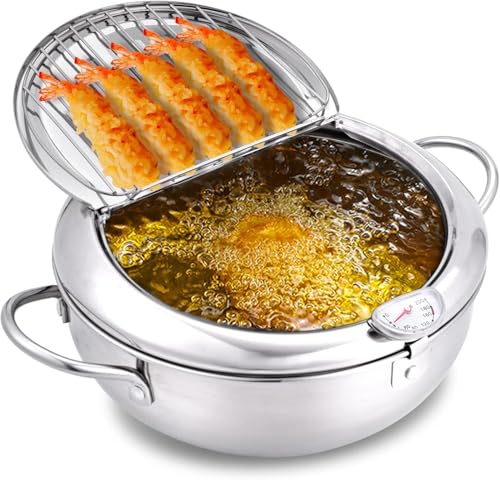
STAINLESS STEEL CONSTRUCTION: Small deep fryer pot is crafted from durable 304 stainless steel, ensuring long-lasting performance and excellent heat insulation; ideal for frying many foods: french fries, chicken nuggets, tempura, squid,shrimp,peanuts,fish

► STAINLESS STEEL FRYING POT -- This is a Tempura fryer pot made of Food grade 304 stainless steel for better health and durability, non-stick and easy to clean. with a simple design and good functionality. Removable stainless steel pot cover, Portable design & easy to carry

Premium Carbon Steel with Advanced Non-Stick Coating -- Expertly crafted from premium carbon steel for superior heat conductivity and frying performance, this pot features a innovative temperature-resistant non-stick coating on both the interior and exterior. This coating prevents food from sticking, resists rust, and makes cleaning remarkably easy. The elegant gold-finish handle adds a touch of sophistication and style to your kitchen
What to serve with Crispy Restaurant-Style Tempura Batter
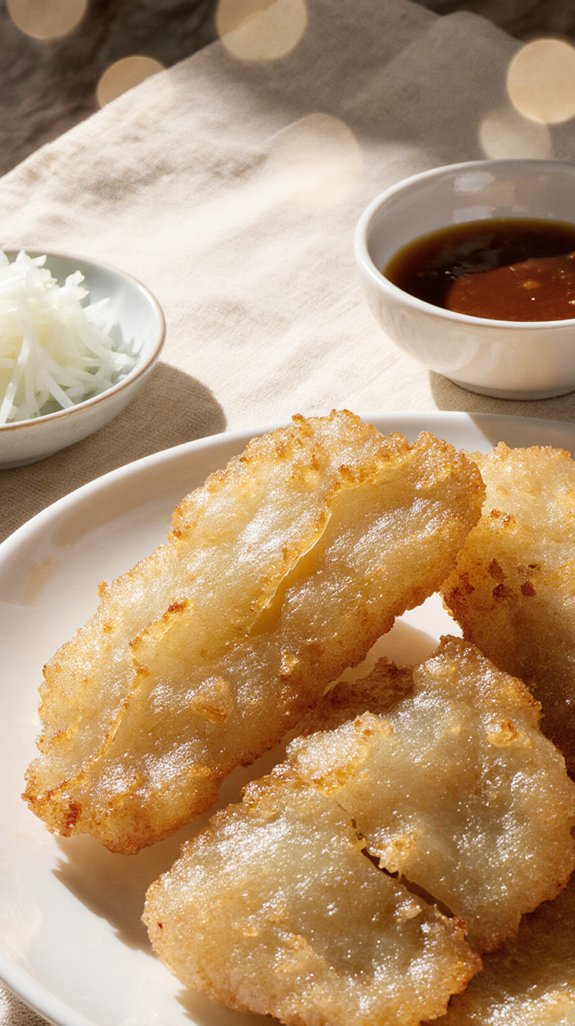
When you’ve got a platter of golden, crispy tempura fresh from the oil, the serving possibilities open up in ways that always make me think back to my first Japanese restaurant visit, where I learned that tempura isn’t just about the batter but about the entire experience on the plate.
I always start with a classic tentsuyu dipping sauce, mixing soy sauce, mirin, and dashi in equal parts, though I’ll admit my early attempts were basically just soy sauce until I learned better.
Beyond dipping sauces, I serve simple side dishes that won’t compete with the tempura’s delicate crunch: steamed rice, miso soup, and a light cucumber salad dressed with rice vinegar.
Some nights I’ll add pickled ginger to cut through the richness.
Final Thoughts
After years of tempura experiments in my kitchen, I’ve realized that this batter recipe isn’t just about following measurements but about understanding the relationship between temperature, timing, and technique.
The ice-cold batter, the quick mixing, the immediate frying—these aren’t arbitrary rules but essential elements that work together to create those delicate, crispy results.
I hope you’ll use this recipe as your foundation for future experiments with different vegetables, seafood, or even unexpected ingredients.
Remember my serving suggestions, but don’t hesitate to discover your own perfect pairings.
Keep that batter cold, work quickly, and trust the process.
Once you master this basic technique, you’ll find yourself making tempura more often than you’d expect, transforming ordinary dinners into something special.
Frequently Asked Questions
Why Does Tempura Batter Need to Stay Cold During Preparation?
I’ll explain the chilling effects on your tempura’s success. When I keep the batter temperature cold, it slows gluten development, preventing toughness. Cold batter also creates steam when hitting hot oil, producing that signature crispy, light texture you’re seeking.
Can I Make Tempura Batter Ahead of Time and Store It?
I don’t recommend tempura storage beyond 30 minutes. Batter preparation works best when used immediately since the mixture loses its crispiness quickly. You’ll get ideal results making it fresh right before frying your ingredients.
What Is the Ideal Oil Temperature for Frying Tempura?
I’ll share that the ideal temperature for frying tempura is 340-360°F. Using proper frying techniques with light oil types like vegetable or canola oil guarantees that crispy, golden coating we’re aiming for without greasiness.
Why Is My Tempura Batter Not Crispy Enough?
Your tempura isn’t crispy because you’re likely using thick batter or poor ingredient quality. I’d recommend thinning it with more ice water and ensuring you’re using fresh, cold ingredients for maximum crispiness.
How Do I Prevent Tempura Coating From Falling off While Frying?
I’ll prevent your tempura coating from falling off by ensuring proper ingredient ratios in my batter and mastering key frying techniques. I’ll pat ingredients completely dry, maintain oil temperature at 350°F, and avoid overcrowding the pan.