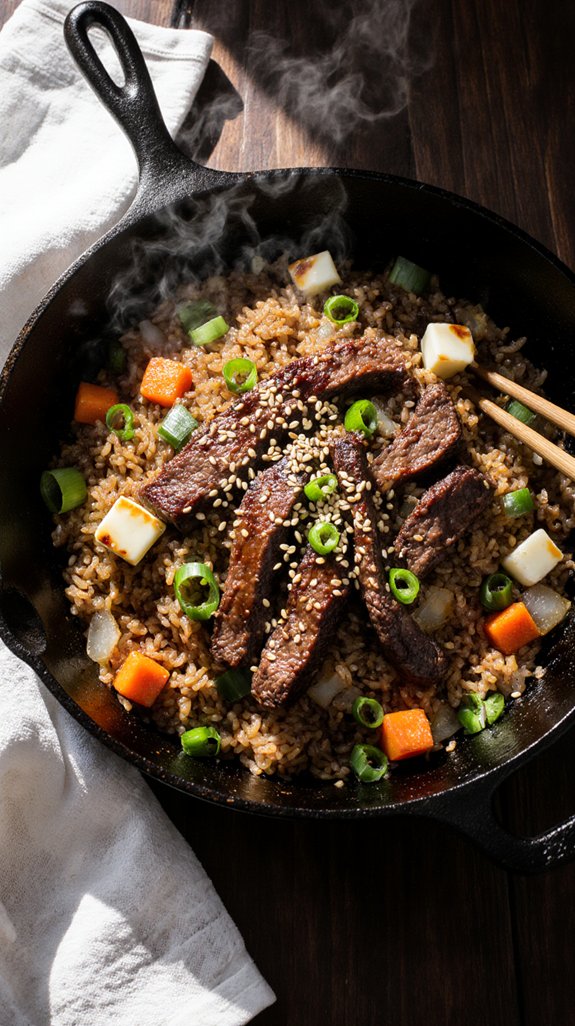
I’ll never forget the first time I watched a hibachi chef work his magic, flipping rice in the air while butter sizzled on that scorching griddle. The smoky aroma, the theatrical display, the impossibly flavorful fried rice—I was hooked. After countless attempts in my own kitchen, I’ve cracked the code to recreating that restaurant experience at home, and it’s surprisingly simpler than you’d think.
Why You`ll Love this Restaurant-Style Hibachi Beef Fried Rice
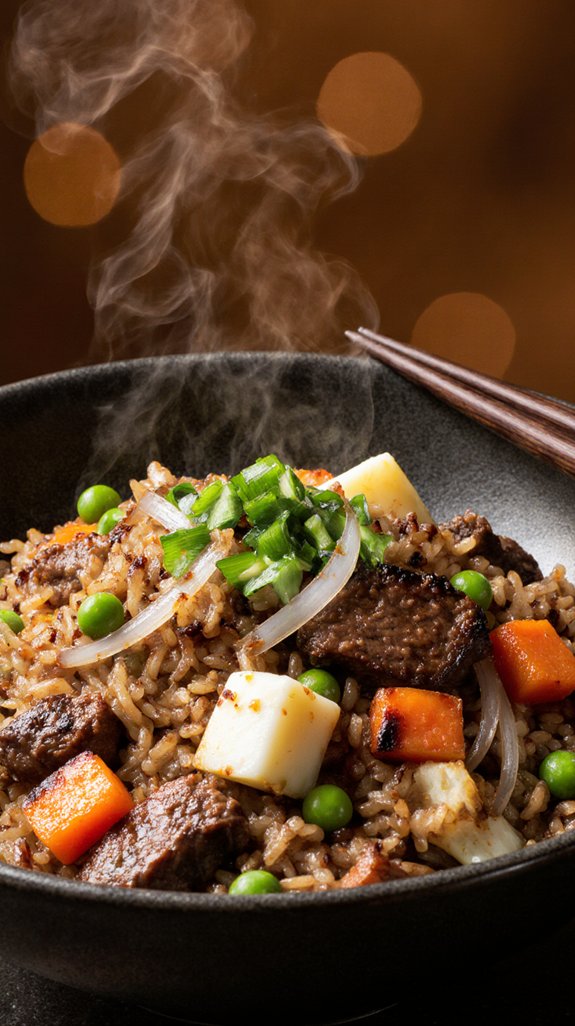
When I first tried making hibachi beef fried rice at home, I couldn’t believe how much better it tasted than the soggy takeout I’d been ordering every Friday night. The flavor profile completely transforms when you use day-old rice and real butter, creating those crispy edges I’d always loved at Japanese steakhouses.
What makes this recipe special is mastering simple cooking techniques that professional chefs use, like cooking each ingredient separately before combining everything at the end. You’ll get perfectly tender beef, crispy vegetables, and rice that actually has texture instead of turning into mush.
The sesame seeds and generous amount of soy sauce create that authentic restaurant taste, while the high heat guarantees everything gets that signature smoky char I’d been missing from my sad delivery orders.
What ingredients are in Restaurant-Style Hibachi Beef Fried Rice?
The foundation of authentic hibachi beef fried rice starts with a carefully selected combination of fresh ingredients and pantry staples that work together to create those signature steakhouse flavors. Day-old white rice is absolutely essential, as freshly cooked rice contains too much moisture and will turn mushy rather than achieving the crispy, separated grains you’re looking for.
The beef needs to be high-quality sirloin cut into thin strips, while the vegetables should be fresh and cut uniformly for even cooking.
Ingredients:
- 5 cups white rice (cooked the day before)
- 1/2 lb sirloin (cut into thin bite-size strips)
- 1 bunch green onion, chopped
- 1/4 cup diced carrot
- 1/2 cup diced onion
- 2 tablespoons garlic (minced)
- 3/4 cup butter (sliced into 8 to 10 pieces)
- 1/2 cup soy sauce
- 1/4 cup sesame seeds
- Vegetable oil
- Salt and pepper
The butter content in this recipe is particularly generous compared to typical fried rice recipes, but this is what gives hibachi-style fried rice its rich, indulgent flavor that sets it apart from Chinese takeout versions.
You may want to adjust the soy sauce and butter quantities based on your personal taste preferences and dietary needs. The vegetable oil should be a neutral variety with a high smoke point, such as canola or peanut oil, since you’ll be cooking at high temperatures to achieve that characteristic sear and slight char on the ingredients.
How to make this Restaurant-Style Hibachi Beef Fried Rice
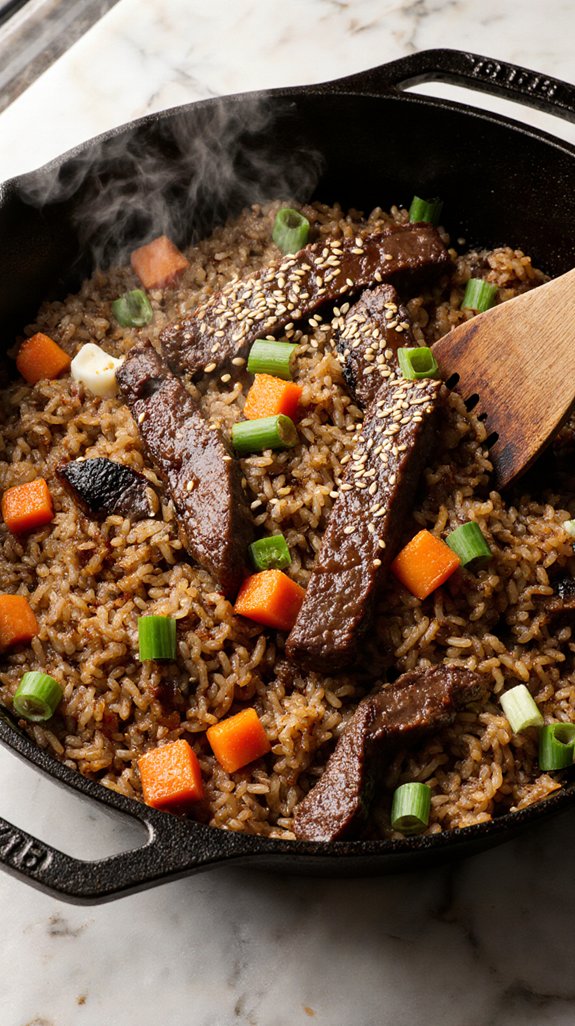
Making hibachi beef fried rice at home is easier than you might think, and the key to success is cooking each component separately before bringing everything together at the end.
Start by heating about two tablespoons of vegetable oil in a large skillet over medium-high heat until it’s nice and hot. Add your 1 bunch of chopped green onions, 1/4 cup diced carrots, 1/2 cup diced onion, and 2 tablespoons of minced garlic to the pan, stirring frequently for about 3-4 minutes until the vegetables are tender and fragrant. Transfer them to a plate and set aside.
Return your skillet to the stove, add another tablespoon of oil, and then add the 1/2 pound of sirloin strips along with a sprinkle of salt, pepper, and a couple pats of butter. Cook the beef for about 3-4 minutes, stirring it around to get a nice sear on all sides, then use a slotted spoon to transfer the meat to the plate with your vegetables.
Now comes the most important part where all those flavors come together into something truly special. Discard any leftover juices from the pan and return it to the stove, then dump in your 5 cups of day-old white rice.
Add the remaining butter (you’ll have quite a bit left from the 3/4 cup total), 1/2 cup of soy sauce, salt and pepper to taste, and 1/4 cup of sesame seeds. This is where you really need to stay active with your spatula, stirring constantly over medium-high heat for about 5 minutes to break up any clumps and coat every grain of rice with that buttery, salty goodness. Having the right premium kitchen gadgets can make this process much smoother and help you achieve that authentic restaurant quality at home.
Finally, add your cooked vegetables and beef back into the skillet and continue cooking until everything is well blended and piping hot throughout. Don’t be afraid to taste and adjust the soy sauce or butter levels to match your preferences, since everyone’s palate is a little different when it comes to saltiness and richness.
Shop Related Products
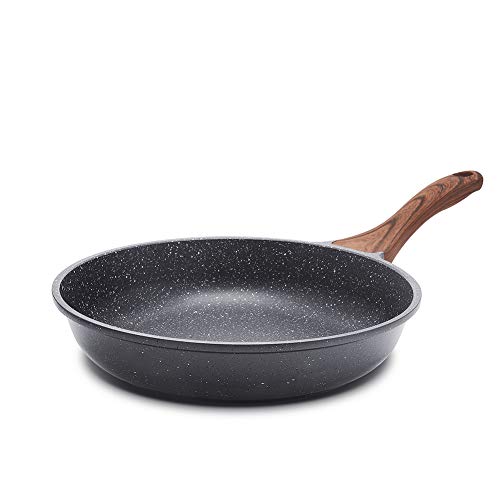
SWISS NON-STICK COATING - Switzerland ILAG nonstick coating, PFOA free, safe and healthy.
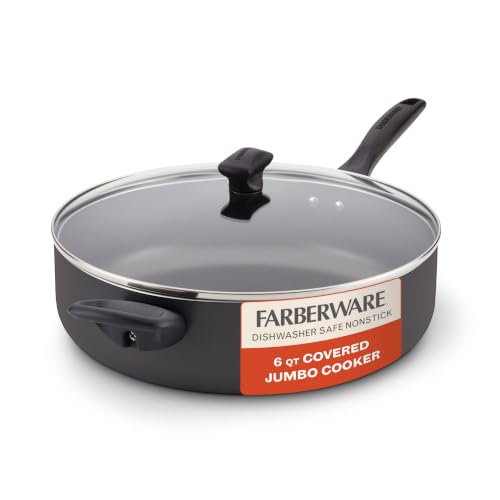
DURABLE, DISHWASHER SAFE COOKING PAN: This dishwasher safe nonstick jumbo cooker features heavy-duty construction that heats fast and evenly

Eco-friendly Classic Granite – Non-stick Granite Material, PFOS,PFOA free, our cookware ensures your daily cooking is always safer and healthier.
Restaurant-Style Hibachi Beef Fried Rice Substitutions and Variations
One of my favorite things about this hibachi fried rice recipe is how forgiving it’s when you need to swap ingredients based on what’s hiding in your fridge.
I’ve learned through plenty of trial and error that you can make some pretty creative substitutions without losing that authentic hibachi restaurant flavor. For beef alternatives, I’ve successfully used chicken thighs, shrimp, or even tofu when my vegetarian friends come over.
The cooking time stays mostly the same, though shrimp needs only about two minutes in the pan.
As for vegetable substitutions, I’ve thrown in frozen peas, bell peppers, zucchini, and mushrooms with great results.
Just keep your veggie pieces roughly the same size so everything cooks evenly.
Shop Related Products

15 gauge (1.8mm) carbon steel - 16 Inch Heavy and Big! Please don't buy if big and heavy is not for you

[Upgrade Modern Non-Stick Technology] After a long time of research and development, we have developed a new non-stick wok technology to bring you a brand new cooking experience. NOTE: The rough and granular effect on the surface of the wok is a natural non-stick layer formed by the state-of-the-art non-stick technology, which prevents food from sticking to the pan, burning, rusting and is easy to clean

Helen's Asian Kitchen Carbon Steel Mini Wok: Traditional Chinese-style flat bottom wok quickly stir fries, sears, browns, and performs high-heat cooking for single-serve recipes, fried rice, noodles, vegetables, meats, seafood, and smaller portions
What to serve with Restaurant-Style Hibachi Beef Fried Rice
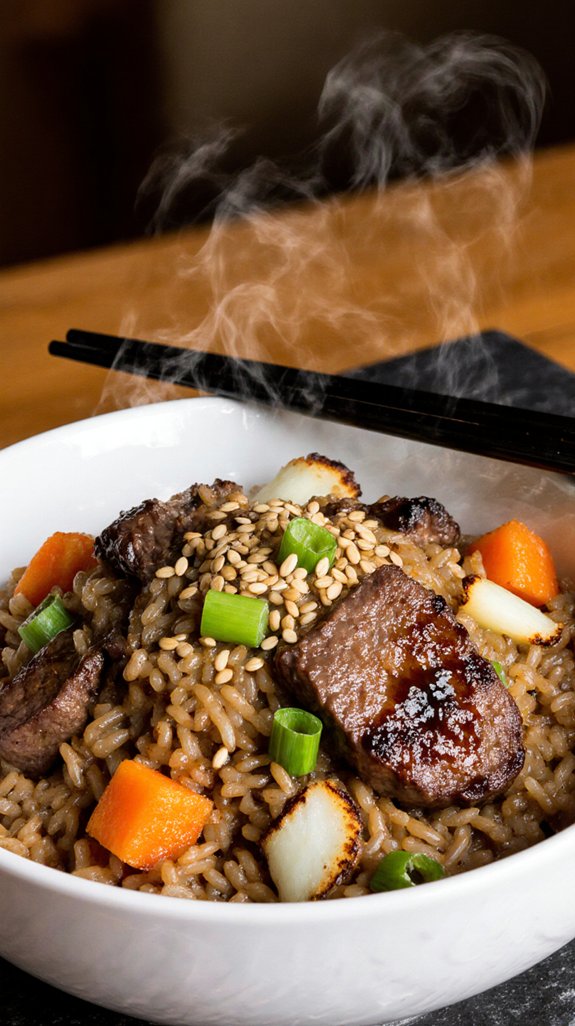
Now that you’ve got your hibachi beef fried rice customized to perfection, you’ll want to round out the meal with some complementary dishes that won’t compete with those bold, buttery flavors.
I always lean toward lighter sides pairings like steamed edamame or a crisp cucumber salad with rice vinegar dressing, which cut through the richness beautifully. Grilled vegetables, especially zucchini and mushrooms, work wonderfully too.
For sauce options, I keep it simple with yum yum sauce or ginger dressing on the side, though honestly, this fried rice is flavorful enough to stand alone. A clear miso soup makes an excellent starter, and if you’re feeling ambitious, some quick-pickled ginger adds a rejuvenating bite between forkfuls.
Keep it balanced, and you’ll have a restaurant-worthy spread.
Final Thoughts
After years of perfecting this recipe in my own kitchen, I can honestly say that hibachi beef fried rice has become one of those dishes I turn to when I want something that feels special without requiring hours of work. The cooking tips I’ve shared throughout this recipe stem from countless batches where I learned what works and what doesn’t. Don’t be afraid to experiment with flavor enhancements like extra garlic or a splash of rice vinegar, because that’s how you’ll make this dish truly your own. The beauty of hibachi-style cooking lies in its flexibility, allowing you to adjust ingredients based on what you have available. Trust your instincts, taste as you go, and remember that the best meals come from cooking with confidence and joy.
Frequently Asked Questions
Can I Use Brown Rice Instead of White Rice for This Recipe?
Yes, you can use brown rice instead! I’d recommend it for the brown rice benefits like extra fiber and nutrients. Just note the rice texture will be chewier and slightly firmer than traditional white rice versions.
How Long Does Leftover Hibachi Beef Fried Rice Stay Fresh in the Refrigerator?
I’ll store your leftover hibachi beef fried rice in an airtight container in the refrigerator for 3-4 days maximum. For food safety, I recommend reheating it thoroughly until steaming hot before eating to guarantee proper leftover storage practices.
What Cut of Beef Works Best if Sirloin Is Unavailable?
I’d recommend flank steak or ribeye steak as excellent alternatives to sirloin. Both cuts slice beautifully into thin strips and cook quickly while staying tender. Flank steak offers great flavor at a lower price point.
Can I Make This Recipe Ahead of Time and Reheat It Later?
Yes, you can make this ahead and store it in the fridge for up to three days. For freezing tips, use airtight containers. When considering reheating methods, I’d recommend using a hot skillet rather than microwaving.
Why Is It Important to Use Rice Cooked the Day Before?
I recommend using day-old rice because it’s drier and less sticky than freshly cooked rice. This importance of day-old rice guarantees better texture and flavor, preventing mushy fried rice while allowing each grain to stay separate and absorb seasonings properly.