I’ll be honest with you, I used to think chuck roast was only good for pot roast until my uncle fired up his grill one summer evening and proved me completely wrong. This tougher cut, which most people toss in a slow cooker, can actually become incredibly tender and flavorful on the grill if you know a few key tricks. The secret lies in proper preparation and patience, two things that’ll transform your next cookout.
Why You`ll Love this Tender Grilled Chuck Roast
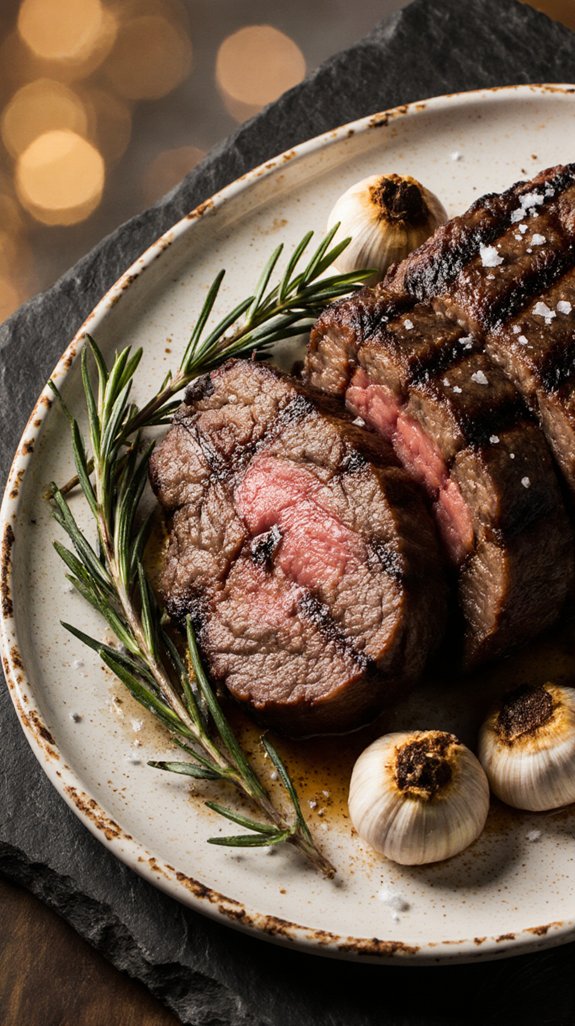
This recipe transforms one of the toughest cuts of beef into something so tender you’ll wonder why you ever spent extra money on premium steaks.
I stumbled upon this method years ago when my budget couldn’t handle ribeyes, and honestly, I’ve never looked back. The flavorful marination works magic on chuck roast, breaking down those tough fibers while infusing every bite with savory depth.
What I love most is how forgiving it is—even if you’re new to perfect grilling, you’ll get incredible results. The combination of red wine, soy sauce, and overnight marinating does the heavy lifting for you.
Plus, there’s something deeply satisfying about serving a budget-friendly cut that tastes like you splurged, watching everyone’s surprise when they take that first impossibly tender bite.
What ingredients are in Tender Grilled Chuck Roast?
The beauty of this tender grilled chuck roast lies in its simplicity—just six ingredients that you likely already have in your pantry. This isn’t a recipe that requires hunting down exotic spices or specialty ingredients. The marinade does all the work, combining acidic wine with umami-rich soy sauce, while the tenderizer and aromatics guarantee every slice is packed with flavor.
Ingredients:
- 3 lbs beef chuck roast
- 1/2 cup red wine
- 1/3 cup soy sauce
- 1/2 teaspoon meat tenderizer
- Oregano (to taste)
- Garlic powder (to taste)
When selecting your chuck roast, look for one with good marbling throughout—those streaks of fat will render during grilling and add moisture to the finished dish. For the red wine, there’s no need to splurge on an expensive bottle; a decent cooking wine or any dry red you’d drink will work perfectly. The meat tenderizer is essential here and can be found in the spice aisle of most grocery stores. As for the oregano and garlic powder, start conservatively if you’re unsure—you can always add more seasoning, but you can’t take it away. Some cooks prefer fresh garlic, but the powder adheres better to the meat’s surface during the marinating process.
How to make this Tender Grilled Chuck Roast
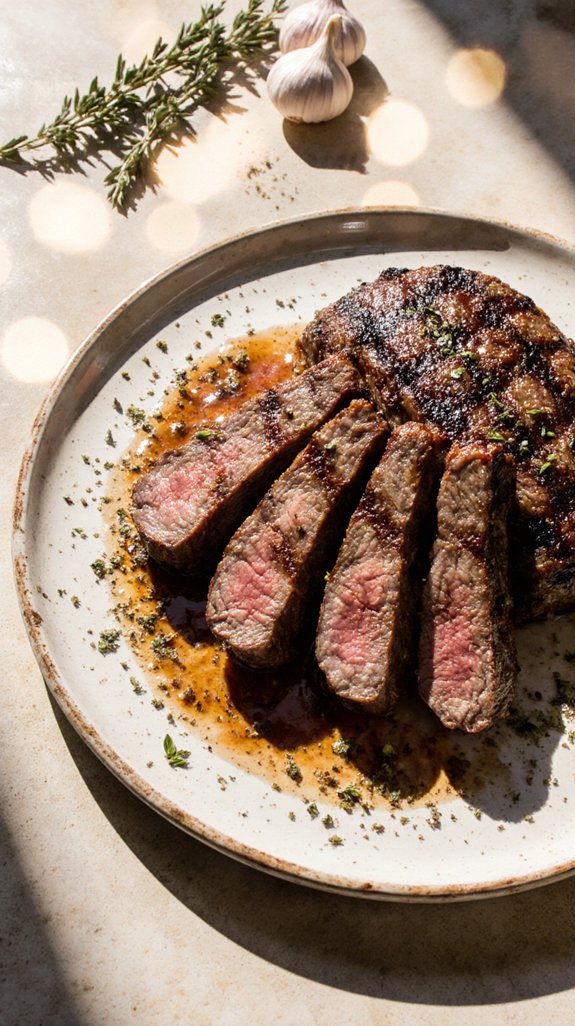
Making this tender grilled chuck roast is all about patience with the marinade, though the actual preparation steps are wonderfully straightforward. Start by combining the 1/2 cup red wine and 1/3 cup soy sauce in a container large enough to hold your 3 lbs beef chuck roast—a large zip-top bag or shallow dish works perfectly.
Dunk the roast into this mixture to moisten both sides, then sprinkle half of the 1/2 teaspoon meat tenderizer on the top side. Here’s where you’ll want to grab a fork and prick the surface all over, which allows the marinade to penetrate deeper into the meat.
Next, season that side with oregano and garlic powder according to your taste preferences, then flip the roast over and repeat the entire process—tenderizer, fork pricking, and seasonings—on the other side. Give it one more flip so it’s resting in the marinade with the first side down.
The secret to this recipe’s success is the overnight marinating time, though you’ll want to flip the roast at least once during that period to guarantee even flavor distribution.
When you’re ready to cook, fire up your grill and cook the chuck roast to your desired level of doneness. The beauty of this marinating technique is that even a relatively quick cooking time will yield tender results, which is unusual for chuck roast.
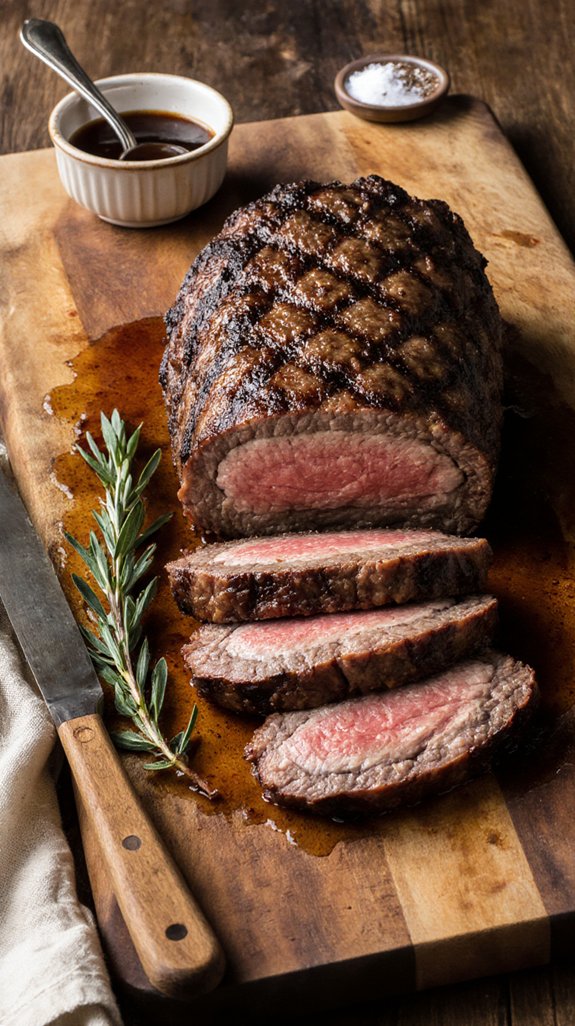
Once it’s done, let it rest for a few minutes before slicing—and this part is essential—cut across the grain rather than with it. Slicing against those muscle fibers makes each piece even more tender and easier to chew, turning what’s typically a tough cut into something you’d expect from a much pricier piece of beef. Having premium cookware sets on hand can make the entire marinating and preparation process more efficient and enjoyable.
Shop Related Products

Set of four (4) Meat Bags

Easy filling and storing of meats and marinades

Package Includes—Fifty six (56) Hefty Slider Gallon Freezer Bags for meal prepping, leftovers, camping, traveling, freezer storage, organizing, and more
Tender Grilled Chuck Roast Substitutions and Variations
Want to experiment with this recipe but don’t have all the ingredients on hand, or maybe you’re just looking to put your own spin on it? I’ve got some substitutions suggestions that work beautifully. Swap red wine for beef broth mixed with a tablespoon of balsamic vinegar, which gives you similar depth without the alcohol. For flavor variations, I like adding fresh rosemary and thyme to the marinade, especially when I’m feeling fancy. You can also try Worcestershire sauce instead of soy sauce for a tangier profile. My dad once threw in some crushed red pepper flakes, and honestly, the subtle heat was fantastic. Don’t be afraid to adjust the garlic powder and oregano amounts either, since everyone’s taste is different, and this recipe is forgiving enough to handle your creativity.
Shop Related Products

Steakhouse Sear At Home: The Lodge Square Cast Iron Grill Pan delivers high-heat searing and bold grill marks while channeling excess grease away

Double Burner Configuration: The Lodge Double Play Reversible Cast Iron Grill/Griddle covers two burners, offering a generous breakfast grill plate for family breakfasts or meal prep with ease

【2-in-1 Reversible Grill & Griddle】: Unlock a world of recipes with a single reversible griddle pan. One ribbed side creates perfect sear marks on steaks, chops, fish, chicken, and veggies; flip to the smooth side for pancakes, eggs, bacon, burgers, tortillas, and more. Ideal for indoor stovetop or outdoor BBQ
What to serve with Tender Grilled Chuck Roast
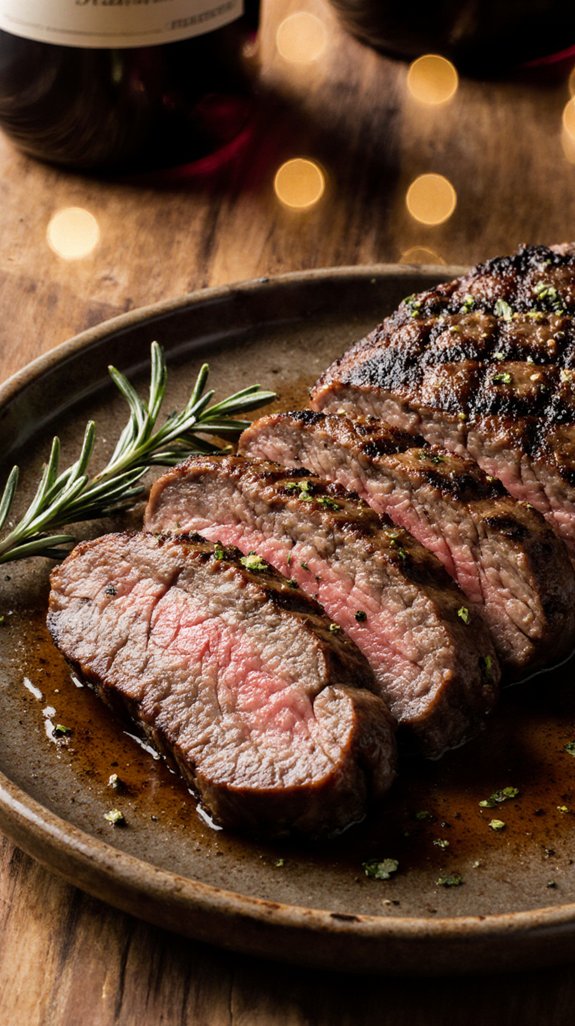
Pairing sides with this tender grilled chuck roast doesn’t have to be complicated, and honestly, I’ve found that simple classics work better than anything fancy.
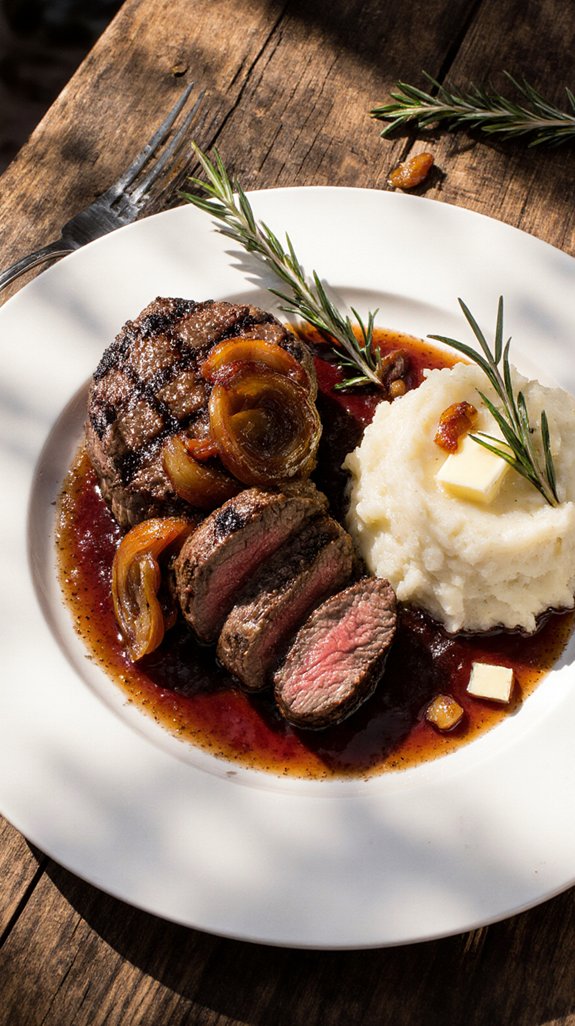
I usually go with roasted vegetables like carrots and potatoes, which soak up those marinade flavors beautifully when you spoon pan juices over them. A crisp garden salad cuts through the richness nicely, and garlic bread never disappoints when you want something to mop up extra sauce.
For wine pairings, I reach for bold reds like Cabernet Sauvignon or Malbec, which stand up to the soy and garlic without overpowering the beef.
My mom always served hers with buttered corn on the cob, and I’ve carried that tradition forward because these side dishes create a complete meal that feels special without requiring hours of preparation.
Final Thoughts
This grilled chuck roast has become one of those recipes I return to whenever I need to feed a crowd without spending half my paycheck, and I’ve learned that the overnight marinade really does all the heavy lifting.
The cooking techniques here aren’t complicated, which is exactly why this recipe works so well for weeknight dinners or weekend gatherings.
I used to think meat selection meant buying expensive cuts, but chuck roast proves that wrong every single time.
The soy sauce and wine break down those tough fibers while you sleep, and the tenderizer speeds things along nicely.
Now I actually prefer this over pricier options because the flavor penetrates deeper, the texture stays juicy, and nobody ever guesses it’s budget-friendly.
Frequently Asked Questions
Can I Marinate the Chuck Roast for Longer Than Overnight?
Yes, I recommend marinating your chuck roast for up to 48 hours for maximum flavor absorption. Beyond that marinade duration, the meat’s texture may become mushy from the acids breaking down the fibers too much.
What Internal Temperature Should the Chuck Roast Reach for Medium-Rare?
For medium-rare, I’d aim for an internal temperature of 130-135°F. However, here’s my cooking tip: chuck roast benefits from longer cooking to break down connective tissue, so I’d recommend aiming for medium or medium-well instead.
Should I Let the Roast Rest After Grilling Before Slicing?
Yes, I always let my roast rest for 10-15 minutes after grilling. The resting benefits include redistributed juices throughout the meat. Then I’ll use proper slicing techniques, cutting across the grain for maximum tenderness.
Can I Use This Marinade Recipe for Other Cuts of Beef?
Yes, I’ve successfully used this marinade on various beef cuts including sirloin, flank steak, and tri-tip. The marinade variations work well across different cuts, though you’ll want to adjust marinating time based on thickness and tenderness.
How Do I Identify the Grain Direction When Slicing the Roast?
I’ll look for the parallel lines of muscle fibers running through the cooked meat. Proper slicing techniques involve cutting perpendicular to these fibers, which maximizes meat tenderness by shortening the muscle strands you’ll chew.