I’ve spent years perfecting this homemade gyro recipe, and I’m confident it’ll become your new favorite way to enjoy this Greek classic. The combination of ground lamb and beef, seasoned with aromatic spices and wrapped in crispy bacon, creates layers of flavor that rival any restaurant version. What makes this recipe special isn’t just the taste—it’s how surprisingly simple the process is once you understand a few key techniques.
Why You`ll Love this Homemade Gyro
When you make gyros from scratch, you’re getting restaurant-quality flavor for a fraction of the cost. I love how this recipe gives you complete control over the spices and meat quality, creating delicious flavors that rival any Greek restaurant.
The homemade convenience of preparing a large loaf means you’ll have enough for multiple meals throughout the week. You can slice it thin whenever a craving hits, making weeknight dinners incredibly easy.
The blend of lamb and beef creates an authentic taste, while the spice mixture brings warmth and depth to every bite. Plus, there’s something deeply satisfying about serving your family food you’ve crafted from scratch, especially when they’re asking for seconds and thirds.
What ingredients are in Homemade Gyro?
The beauty of homemade gyro lies in its carefully balanced combination of meats, aromatics, and warming spices that create that distinctive Mediterranean flavor profile. This recipe uses a blend of ground lamb and beef as the base, enhanced with a robust spice mixture that includes both common and exotic seasonings.
The bacon serves a dual purpose, adding flavor while also helping to keep the meat loaf moist during the baking process.
For the Gyro Meat:
- 1 1/2 lbs ground lamb
- 1 lb ground beef
- 1/4 cup chopped onion
- 2 garlic cloves, minced
- 1/3 cup water
- 2 teaspoons vegetable oil
For the Spice Mixture:
- 1 tablespoon salt
- 1 tablespoon sugar
- 2 teaspoons oregano
- 2 teaspoons coarsely ground black pepper
- 1 teaspoon cumin
- 1 teaspoon cayenne pepper
- 1/2 teaspoon cinnamon
Additional Ingredients:
- 8 slices bacon, blanched
- Butter (for testing)
- Pita bread (for serving)
When selecting your ingredients, quality matters greatly for the final result. Look for ground lamb with a moderate fat content to guarantee the meat stays moist and flavorful.
If you can’t find ground lamb at your regular grocery store, check with a butcher who can grind it fresh for you. The spices should be relatively fresh for maximum flavor impact—if your oregano or cumin has been sitting in the pantry for years, consider replacing them.
The bacon acts as a natural basting agent during cooking, so choose a good-quality bacon that isn’t overly salty or heavily smoked, as you don’t want it to overpower the Mediterranean spices.
How to make this Homemade Gyro
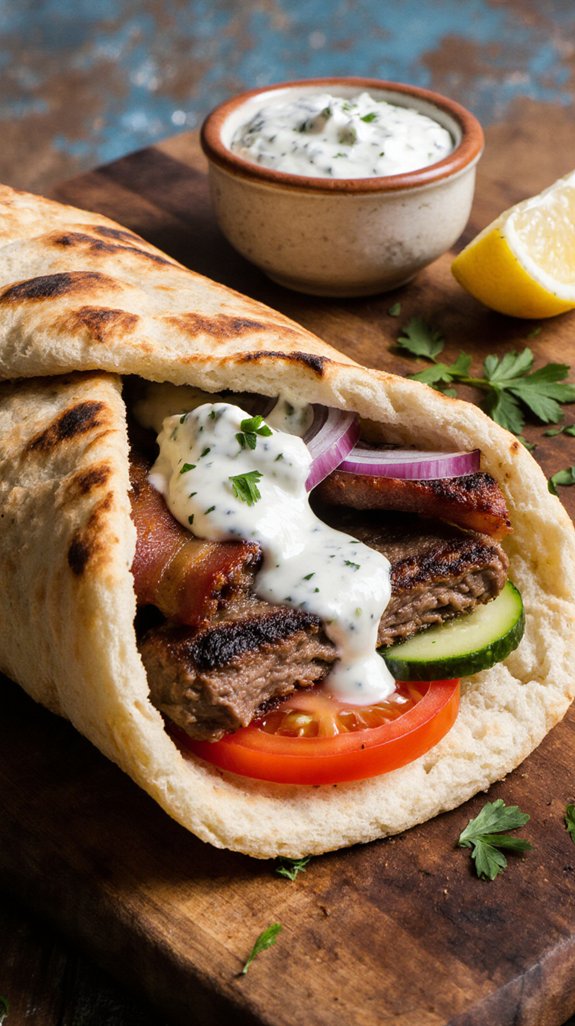
Making homemade gyro involves a careful layering process that transforms seasoned ground meat into an authentic Mediterranean delicacy. Start by combining 1 tablespoon salt, 2 teaspoons oregano, 2 teaspoons black pepper, 1 teaspoon cumin, 1 teaspoon cayenne pepper, and 1/2 teaspoon cinnamon in a small bowl, mixing thoroughly to guarantee even distribution.
In a large bowl, combine 1 1/2 lbs ground lamb, 1 lb ground beef, 1/4 cup chopped onion, and your spice mixture. Add 2 minced garlic cloves and 2 teaspoons vegetable oil, then work everything together with your hands until the spices are evenly distributed throughout the meat. This hands-on mixing is vital for developing the right texture and making sure every bite has that perfect balance of flavors.
Cover the mixture and refrigerate it for several hours to allow the flavors to meld together beautifully.
Before assembling your gyro loaf, take a moment to test your seasoning by frying a small amount of the meat mixture in butter. This gives you a chance to adjust the spices if needed before committing to the full batch.
Next, blanch 8 slices of bacon by simmering them in hot water for about 3 minutes, then drain them on paper towels. Line an 8 1/2 x 5 x 3-inch loaf pan with the blanched bacon, covering both the sides and bottom to create a protective, flavorful jacket for the meat.
Pack the gyro meat firmly into the pan, filling it to the top, then cover with the remaining bacon slices. Place the filled loaf pan in a hot water bath that reaches about 3/4 of the way up the sides of the pan, which helps the meat cook evenly and stay moist.
Bake at 375°F for 20-30 minutes, then reduce the heat to 325°F and continue baking for another 30 minutes. Once done, remove the pan from the water bath and place it on a wire rack.
Here’s where patience pays off: cover the loaf with aluminum foil and weigh it down with about 2 lbs of weight to compress the meat as it cools. This significant step creates that dense, sliceable texture you’d get from a traditional gyro spit.
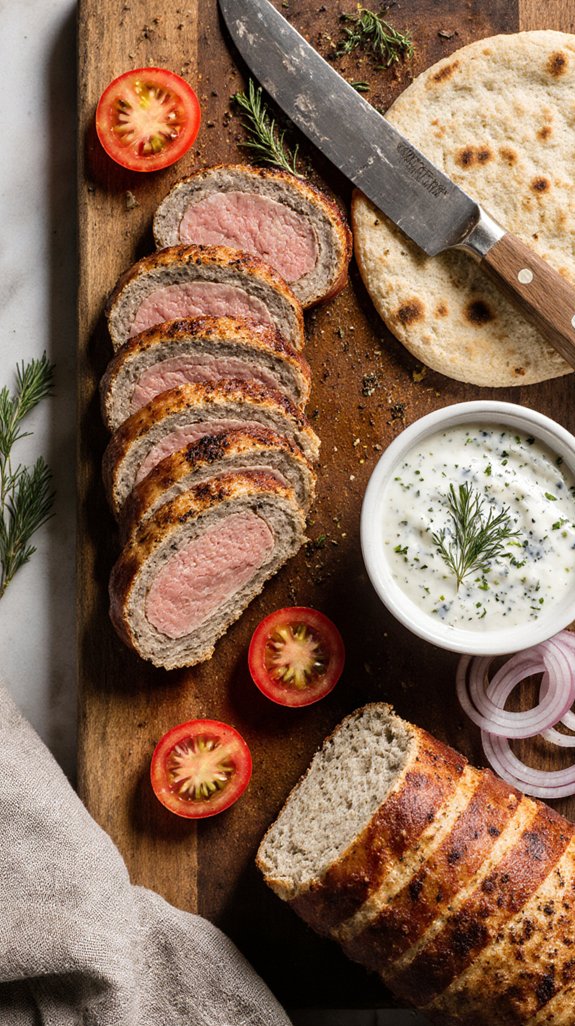
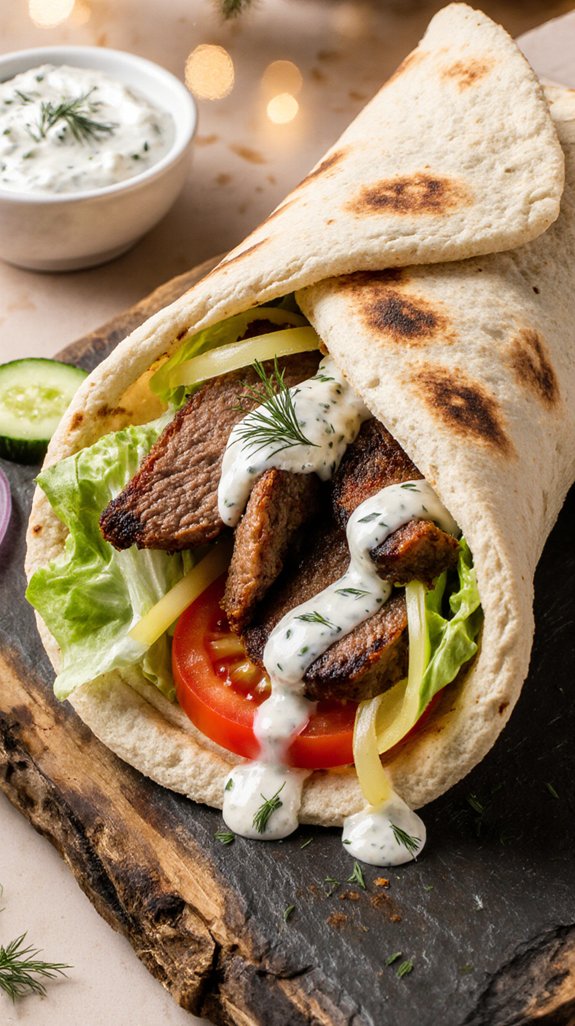
Let it cool to room temperature, then refrigerate the weighted loaf for 12 hours or overnight, which allows the flavors to ripen and intensify. When you’re ready to serve, slice the meat very thin and pile it into pita bread with your favorite toppings like sliced onions, tomatoes, and tzatziki sauce. Having premium kitchen gadgets like a quality meat slicer or sharp carving knife can make all the difference in achieving those perfectly thin, professional-looking gyro slices.
Shop Related Products

WHAT'S IN THE BOX: One 9-inch loaf pan.

Set of 2 rectangular-shaped loaf pans; ideal for baking bread, pound cake, meatloaf, and more

SET OF TWO 8 x 4-INCH MEDIUM LOAF PANS: Great for baking meatloaf, sweet or savory breads, thick cakes or brownies, smaller portions of lasagnas or casseroles, and more for the perfect bake every time
Homemade Gyro Substitutions and Variations
Once you’ve mastered the traditional recipe, you’ll find that gyros are remarkably adaptable to different tastes and dietary needs.
For gyro meat alternatives, I’ve successfully used ground turkey or chicken when I want a lighter option. You can even go completely vegetarian with seasoned lentils or chickpeas.
The seasoning variations are where you can really get creative. I sometimes add extra garlic for a bolder flavor, or substitute smoked paprika for the cayenne when I’m cooking for kids.
Greek-style gyros traditionally use more oregano and lemon zest, while Turkish versions include sumac and Aleppo pepper. You can adjust the spice levels to match your preferences, making this recipe truly your own while maintaining that authentic Mediterranean taste.
Shop Related Products
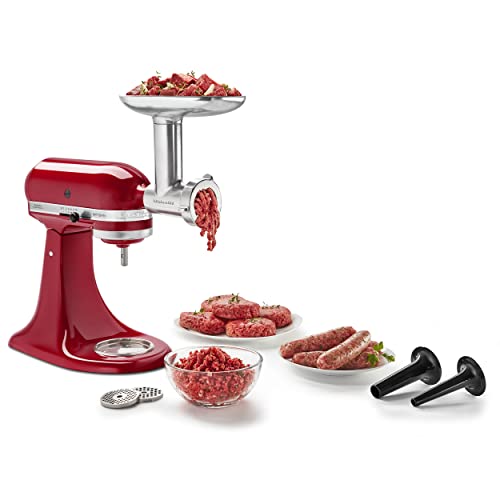
Connect to any household KitchenAid Stand Mixer power hub and use the power of the motor to run the metal food grinder attachment. sold separately.

[Metal Sturdy Design] This Gvode Kitchen Aid meat grinder attachment for KitchenAid stand mixer is made of aluminum (Not dishwasher safe), designed for kitchenAid stand mixers, and easy to assemble and grind meat.

Genuine KitchenAid Stand Mixer Attachment - Designed and engineered by the manufacturers of the KitchenAid Stand Mixer, sold separately
What to serve with Homemade Gyro
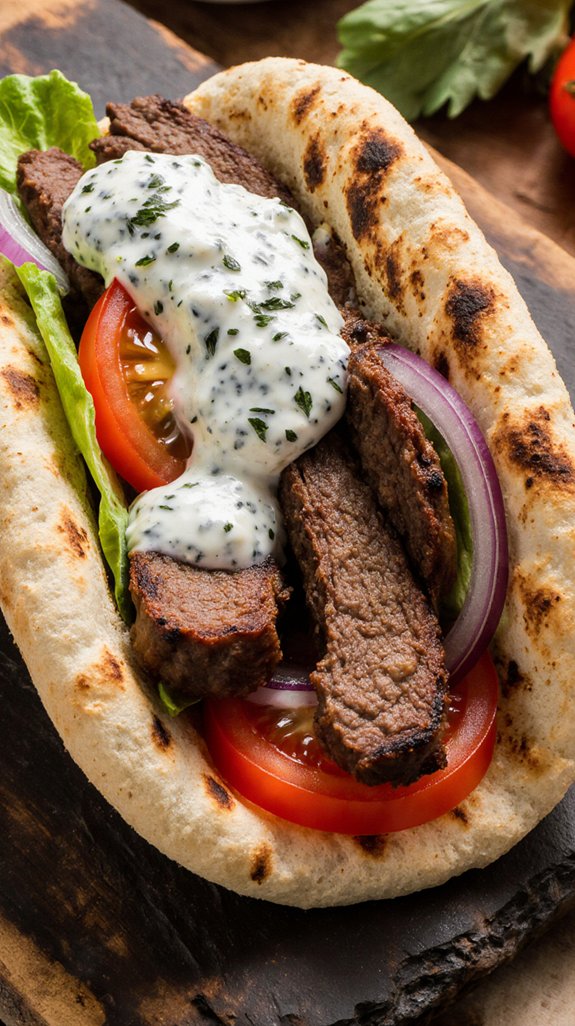
When you’ve gone through the effort of making homemade gyros, you’ll want to pair them with sides that complement the rich, spiced meat without overpowering it.
I love serving Greek lemon potatoes alongside my gyros—they’re crispy, tangy, and absolutely addictive. A fresh Greek salad with cucumbers, tomatoes, feta, and olives provides a cool contrast to the warm pita.
For more serving ideas, consider crispy french fries seasoned with oregano and feta, or a simple cucumber-tomato salad dressed with olive oil and lemon juice. Rice pilaf makes an excellent addition if you want something more substantial.
These sides suggestions help create a complete Mediterranean meal that showcases your homemade gyros while offering variety in textures and flavors.
Final Thoughts
This homemade gyro recipe transforms your kitchen into a Greek taverna, and I’m confident you’ll be amazed at how closely the results rival what you’d find at your favorite Mediterranean restaurant.
The blend of lamb and beef creates authentic flavor, while the spice combination delivers that distinctive taste we all crave.
My best cooking tips include weighing down the loaf overnight, which intensifies the flavors and creates the perfect texture for slicing.
For flavor enhancements, don’t skip the refrigeration time, as it allows the spices to meld beautifully.
Serve your gyros with homemade tzatziki sauce, fresh vegetables, and warm pita bread.
I guarantee your family will request this recipe again and again. Happy cooking!
Frequently Asked Questions
Can I Freeze the Gyro Meat Loaf for Later Use?
I’d recommend freezing the gyro meat loaf for up to three months. For proper meat storage, wrap it tightly in plastic wrap, then aluminum foil. These freezing tips guarantee you’ll maintain the best flavor and texture when reheating.
What Temperature Should the Gyro Meat Reach for Food Safety?
I recommend cooking the gyro meat to an internal cooking temperature of 160°F for food safety. Use a meat thermometer to check the center of the loaf, ensuring both the lamb and beef are properly cooked through.
How Thin Should I Slice the Gyro Meat for Serving?
I’ll slice the gyro meat as thin as possible, ideally paper-thin like traditional gyros. Proper slicing techniques and achieving the right meat thickness guarantee tender, flavorful bites that layer perfectly in pita bread with toppings.
Can I Cook Gyro Meat Without Using a Water Bath?
Yes, I can suggest alternative cooking methods for your gyro meat preparation. You can bake it directly on a rack over a sheet pan, grill it on skewers, or form it into patties and pan-fry them instead.
What’s the Best Tool to Slice Gyro Meat Thinly?
I’d recommend using a sharp knife or electric slicer for thin gyro slices. Chilling the meat thoroughly makes slicing techniques much easier. Sharp knives work best when you use long, smooth strokes rather than sawing motions.