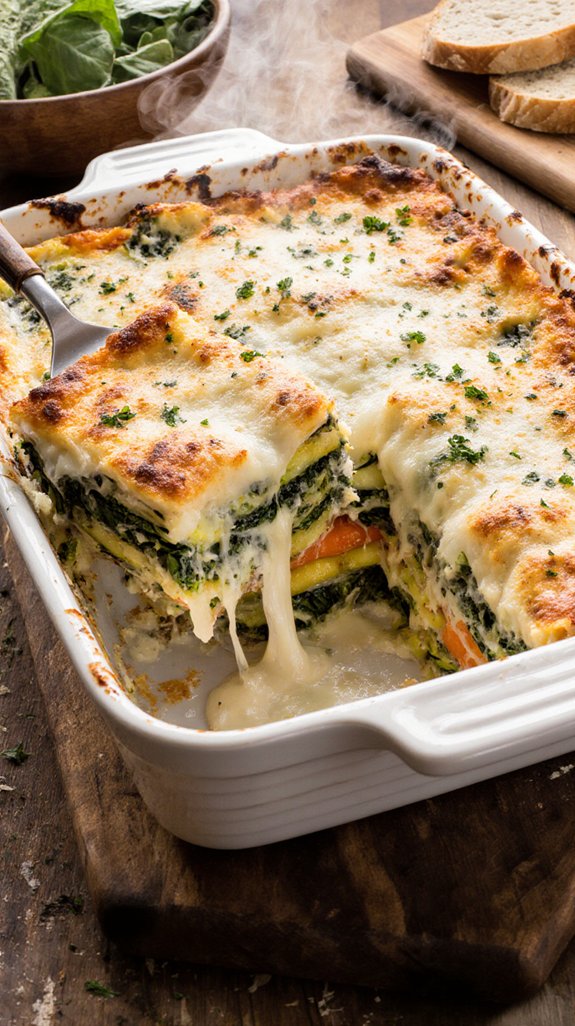
I’ll never forget the first time I assembled a vegetable lasagna in my tiny apartment kitchen, convinced that layering seven different vegetables between pasta sheets was somehow less work than browning ground beef. Spoiler alert: it wasn’t, but the creamy, garden-packed result made every slice worth the effort. If you’re craving something hearty that won’t leave you in a food coma, this recipe strikes that perfect balance between indulgent comfort food and actually eating your vegetables.
Why You`ll Love this Garden-Fresh Vegetable Lasagna
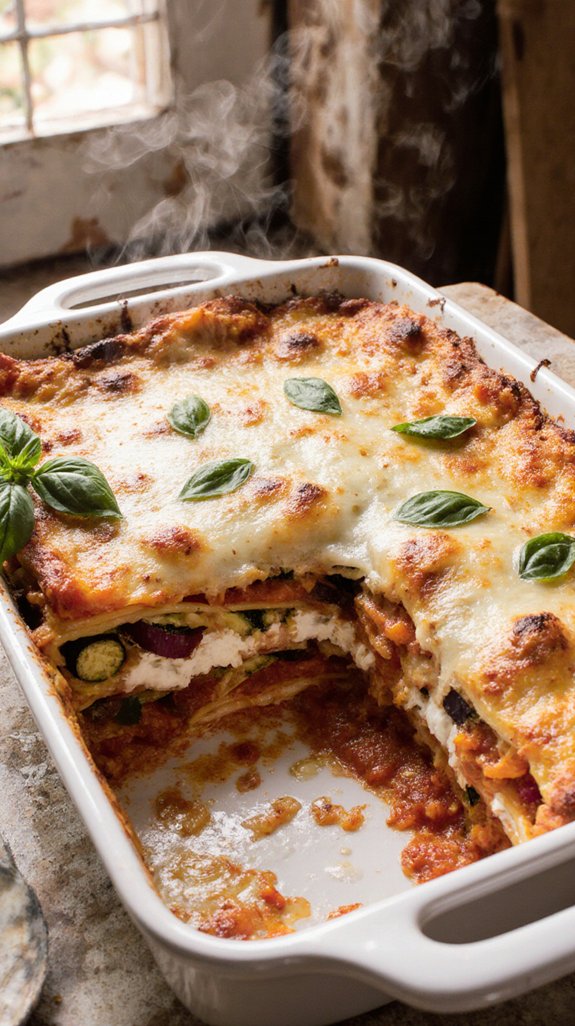
When I first made this vegetable lasagna, I didn’t expect it to become the dish that converted my meat-loving brother into someone who actually requests “that veggie one” at family dinners.
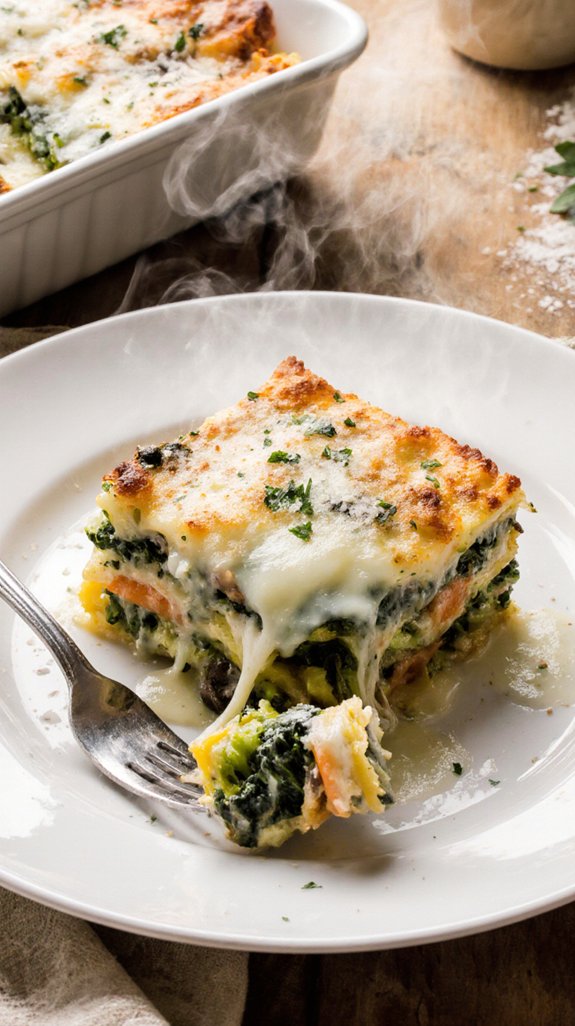
This recipe packs all the comfort food richness you crave—creamy white sauce, melted cheese, and tender pasta—while delivering genuine vegetable benefits from seven different varieties.
The zucchini, squash, mushrooms, carrots, broccoli, and spinach aren’t just filler ingredients; they create layers of texture and flavor that make each bite interesting.
I’ve served this at potlucks where nobody realized it was meatless until I mentioned it later.
The Italian seasoning and garlic give it that classic lasagna taste, while the julienned vegetables distribute evenly throughout, ensuring you get perfectly balanced forkfuls every time.
What ingredients are in Garden-Fresh Vegetable Lasagna?
This vegetable lasagna brings together a beautiful combination of fresh vegetables, three types of cheese, and a homemade white sauce that elevates it beyond typical red-sauce lasagna. The ingredient list is substantial but broken down into three main components: the sautéed vegetable mixture, the creamy white sauce, and the cheese layers that bind everything together.
Each ingredient plays a specific role in creating the complex flavors and satisfying texture that make this dish a standout.
For the Vegetable Mixture:
- 1 cup zucchini, julienned
- 1 cup yellow squash, julienned
- 1 cup fresh mushrooms, sliced
- 1 cup carrot, julienned and steamed
- 1 cup broccoli florets, steamed
- 1 (10 ounce) package frozen spinach, thawed and chopped
- 1/2 teaspoon garlic, minced
- 1 teaspoon Italian seasoning
For the White Sauce:
- 6 tablespoons Fleischmann’s margarine (divided – 2 Tbs for vegetables, 4 Tbs for sauce)
- 6 tablespoons flour
- 3 cups 1% low-fat milk
- 1/2 teaspoon white pepper
- 1 1/4 teaspoons salt (divided)
- 1/2 cup Parmesan cheese, freshly grated
For the Pasta and Cheese Layers:
- 1 (16 ounce) package lasagna noodles
- 1 lb low-fat mozzarella cheese, shredded
- 15 ounces low-fat ricotta cheese
- 3 tablespoons Parmesan cheese, freshly grated (for topping)
- Fresh parsley, chopped (for garnish)
The beauty of this recipe is its flexibility with ingredients. While the recipe calls for Fleischmann’s margarine, you can substitute butter if preferred.
The low-fat dairy products—1% milk, low-fat mozzarella, and low-fat ricotta—keep the calorie count reasonable without sacrificing the creamy richness that makes lasagna so comforting. Freshly grated Parmesan cheese makes a noticeable difference compared to pre-grated varieties, as it melts more smoothly into the sauce and creates a better crust on top.
If you can’t find pre-julienned vegetables, allow extra prep time for cutting them into thin, uniform strips, which guarantees even cooking and attractive presentation when the lasagna is sliced.
How to make this Garden-Fresh Vegetable Lasagna
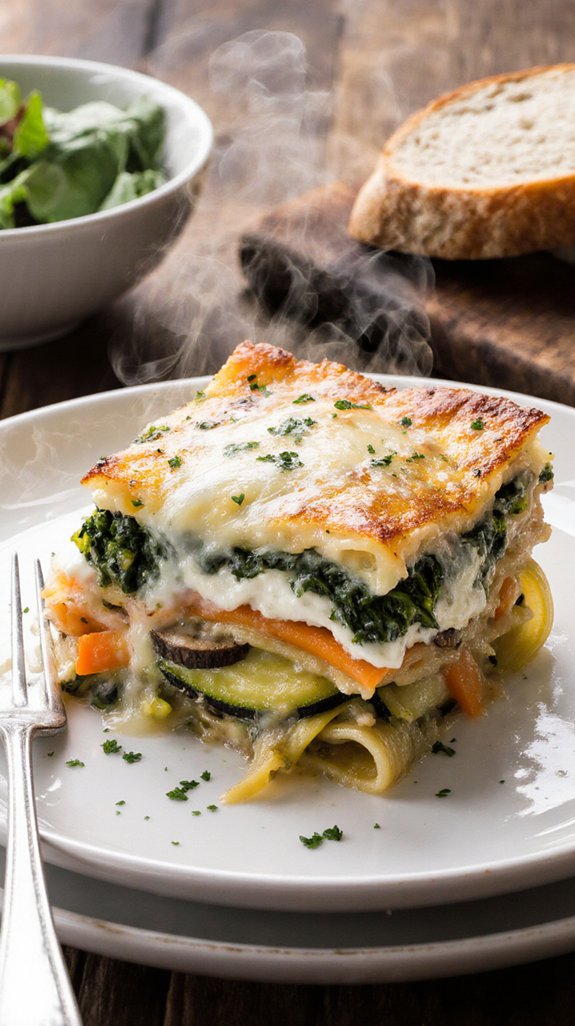
Making this vegetable lasagna involves three main stages: preparing the vegetables and white sauce, cooking the pasta, and assembling the layers before baking.
Start by sautéing 1 cup julienned zucchini, 1 cup julienned yellow squash, 1 cup sliced mushrooms, and 1/2 teaspoon minced garlic in 2 tablespoons of margarine until the vegetables are tender. Add 1 teaspoon Italian seasoning and 1/4 teaspoon salt to the pan, then stir in 1 cup julienned and steamed carrots along with 1 cup steamed broccoli florets. Set this colorful mixture aside to cool while you work on the sauce.
For the white sauce, melt the remaining 4 tablespoons of margarine in a saucepan, then add 6 tablespoons flour, 1/2 teaspoon white pepper, and the remaining 1 teaspoon salt. Cook this mixture over medium heat for 5 minutes to create a roux, which will thicken your sauce beautifully. Stir in 3 cups of 1% low-fat milk and continue cooking until the sauce thickens to a creamy consistency, then remove it from the heat and stir in 1/2 cup freshly grated Parmesan cheese. Using premium cookware sets can help you achieve more even heat distribution when preparing your sauces and sautéing vegetables.
Meanwhile, cook your 16-ounce package of lasagna noodles according to the package directions, then rinse them in cool water and drain thoroughly.
Now comes the fun part—assembling your lasagna in a greased pan. Spoon just enough white sauce to barely cover the bottom of the pan, creating a protective layer that prevents sticking. Start with 3 noodles, then spoon half of your vegetable mixture down the center of each noodle and sprinkle one-third of the 1 pound of shredded mozzarella over the vegetables.
Add another layer of 3 noodles, spread with half of the 15 ounces of ricotta cheese and half of the thawed, chopped 10-ounce package of spinach, then cover with half of the remaining white sauce. Repeat this layering pattern: 3 noodles, the rest of the vegetables, half of the remaining mozzarella, then 3 more noodles topped with the remaining ricotta, spinach, and white sauce.
Finish by covering everything with the last of the mozzarella and sprinkling 3 tablespoons of grated Parmesan and some chopped fresh parsley over the top. Bake your masterpiece for 45 minutes in a preheated 350°F oven, then let it stand for 15 minutes before serving—this resting time allows the layers to set properly, making it much easier to cut clean, beautiful slices.
Serve alongside a crisp green salad and fresh bread for a complete meal that celebrates the best of garden-fresh vegetables.
Shop Related Products

Eco-friendly Classic Granite: Non-stick Granite Material, PFOS,PFOA free, our cookware ensures your daily cooking is always safer and healthier.
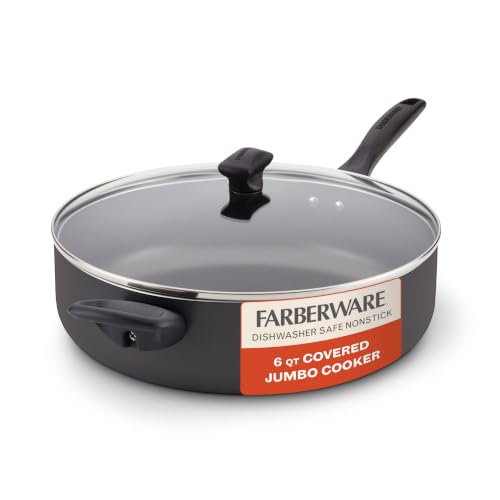
DURABLE, DISHWASHER SAFE COOKING PAN: This dishwasher safe nonstick jumbo cooker features heavy-duty construction that heats fast and evenly
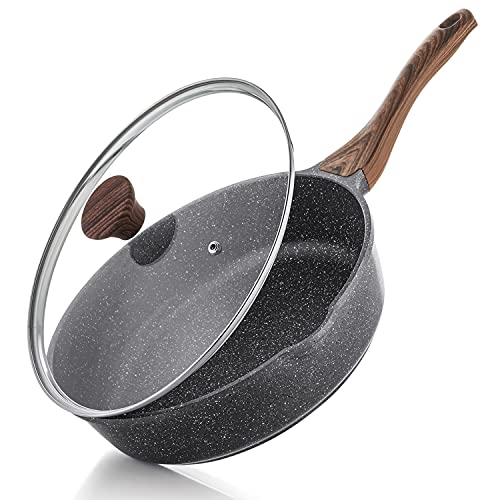
Swiss Non-Stick Coating - Switzerland ILAG nonstick granite coating, free of intentionally added PFOA. Smokeless, safe, and healthy—cook with 80% less oil for a healthier diet.
Garden-Fresh Vegetable Lasagna Substitutions and Variations
One of my favorite things about lasagna is how forgiving it’s when you need to work with what’s already in your fridge or adapt it to your family’s tastes.
Try vegetable swaps like eggplant for zucchini, or bell peppers for squash, depending on what’s in season. I’ve used seasonal veggies throughout the year, from butternut squash in fall to asparagus in spring.
If you’re dairy-sensitive, cheese alternatives like cashew ricotta work surprisingly well. Gluten-free noodles hold up beautifully when cooked properly.
Add extra herbs like fresh basil or oregano for brightness. My brother always requests protein additions, so sometimes I’ll layer in white beans or crumbled tempeh between the vegetables, which makes it heartier without losing that garden-fresh quality I love.
Shop Related Products

【MEET YOUR ALL NEEDS】MALACASA casserole dishes for oven measure 15.6"L x 9.2"W x 3.1"H (including handle size)-142 OZ, straight-sided design allowing it to hold a larger capacity. Perfect for cooking lasagna, casseroles, chicken, roast, bread, pasta, beef, and more. Whether you're preparing a family dinner or serving, this versatile casserole dish has got you covered.
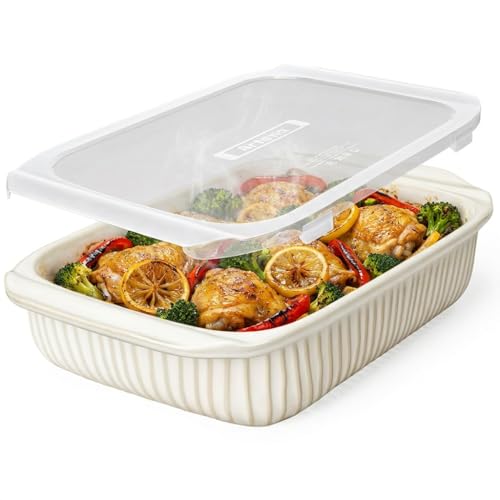
CERAMIC CASSEROLE DISH WITH PP LID – Bake, serve, and store in one dish. The included PP lid covers leftovers for refrigerator storage, helping protect food from dust and minor spills without transferring to another container. Convenient for potlucks and family gatherings. While not airtight, it keeps leftovers neatly covered

A HEALTHIER BAKING CHOICE - The Whitford-reinforced for exceptional release, the two-layer coating is chemical-free – PFOA, BPA, and PTFE. It is thus safe to use. In addition, it has a smooth, non-stick surface that makes it a breeze to clean while protecting against scratching, staining, and corrosion.
What to serve with Garden-Fresh Vegetable Lasagna
A crisp Caesar salad with shaved Parmesan and homemade croutons is my go-to pairing for this lasagna, since the cool, tangy greens cut through the richness of all that cheese and creamy white sauce.
I’ve also served it alongside a simple arugula salad tossed with lemon vinaigrette, which adds a peppery bite that complements the mild vegetables beautifully. For salad pairings, anything with bright acidity works wonders.
When it comes to bread options, I can’t resist garlic bread—the kind slathered with butter, garlic, and parsley, then broiled until golden.
A crusty baguette works too, especially if you’re watching calories after all those layers. My family always expects both, honestly, and I’ve learned not to argue with tradition.
Final Thoughts
After years of making this vegetable lasagna, I’ve learned that it’s become more than just a recipe in my kitchen—it’s turned into a tradition that brings people together, whether I’m feeding vegetarians at a potluck or sneaking extra vegetables into my family’s dinner rotation.
The beauty of this dish lies in its flexibility, and I’ve experimented with countless lasagna variations over time, swapping ingredients based on what’s available at the farmers market. Understanding vegetable pairings has made all the difference—roasted red peppers work beautifully with eggplant, while asparagus complements the mushrooms perfectly.
Don’t be afraid to make this recipe your own, adjusting layers and vegetables to suit your taste. That’s when cooking transforms from following instructions to creating something truly memorable.
Frequently Asked Questions
Can I Make This Vegetable Lasagna Ahead of Time and Freeze It?
Yes, I’d recommend assembling the lasagna completely, covering it tightly with plastic wrap and foil, then freezing for up to three months. This meal prep strategy makes weeknight dinners incredibly convenient with proper freezing tips applied.
How Do I Prevent My Lasagna From Being Watery or Soggy?
I’ll share moisture reduction tips to prevent sogginess. First, drain your cooked vegetables thoroughly. When using lasagna layering techniques, don’t oversaturate with sauce. Let it rest 15 minutes before serving—this helps excess liquid absorb.
What’s the Best Way to Reheat Leftover Vegetable Lasagna?
I’ll reheat your leftover vegetable lasagna using oven reheating at 350°F for 20-25 minutes covered with foil. For quicker microwave techniques, I’ll heat individual portions on medium power for 2-3 minutes.
Can I Use No-Boil Lasagna Noodles Instead of Regular Ones?
Yes, I recommend using no-boil noodles for convenience. The no boil benefits include saving time and effort. They’ll absorb moisture from the sauce, creating perfect noodle texture. Just make certain your white sauce is slightly thinner.
How Long Will This Vegetable Lasagna Last in the Refrigerator?
I’d recommend storing your vegetable lasagna in an airtight container in the refrigerator for 3-4 days maximum. For best shelf life, follow proper storage tips like cooling completely before refrigerating and keeping it well-sealed.