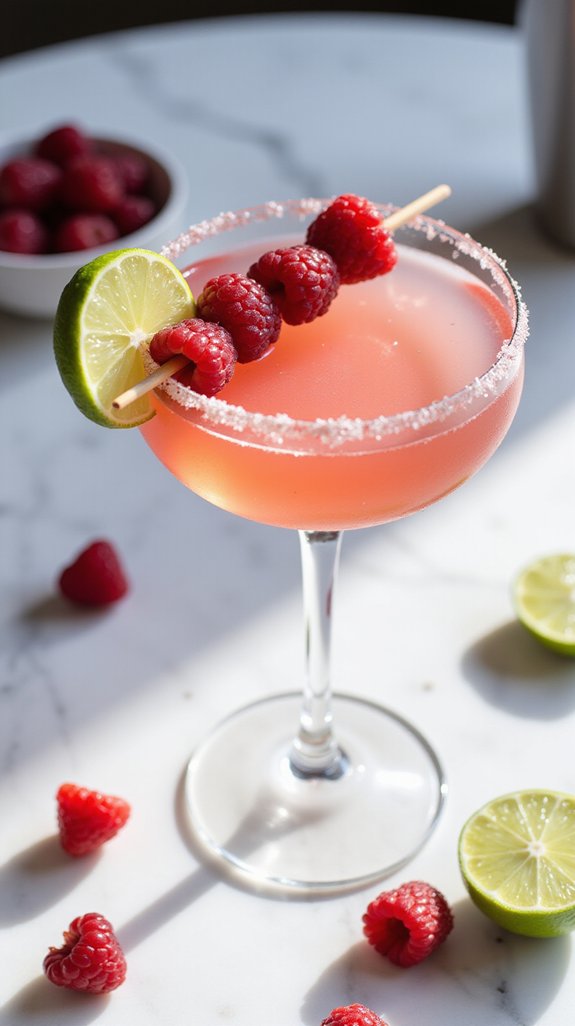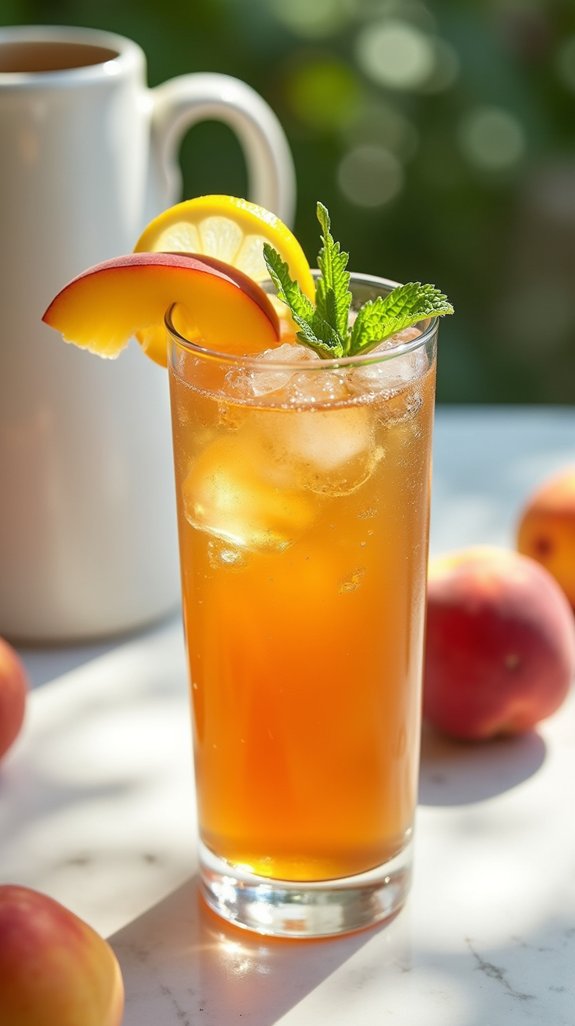
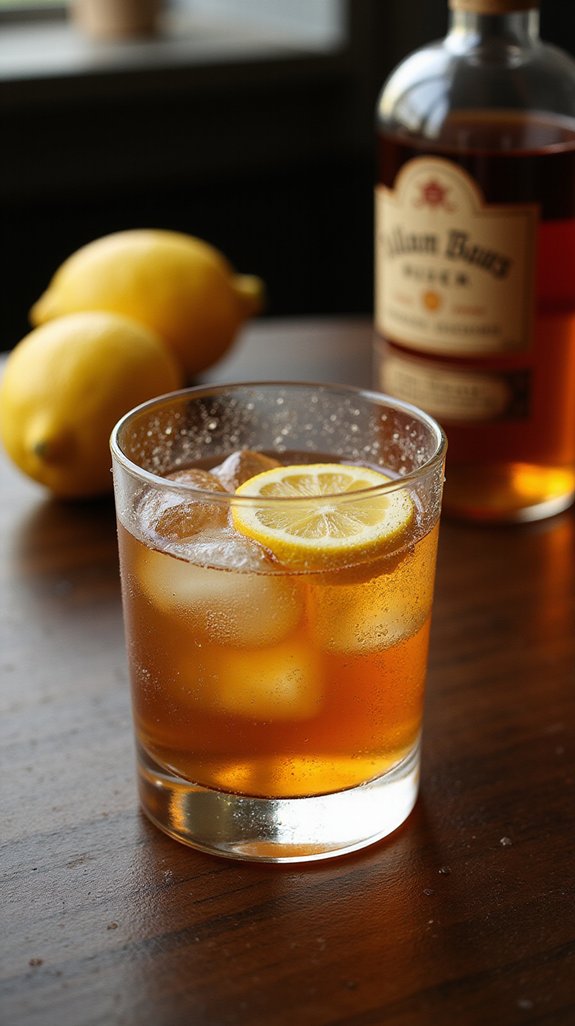
You know what’s funny? Just last weekend, I realized my fully-stocked bar cart was missing half the ingredients for a proper martini, right as guests were walking up my driveway. That’s when I discovered the beauty of two-ingredient cocktails—drinks that taste like you spent twenty minutes measuring and muddling, but really took about thirty seconds to pour. I’ll show you thirteen favorites that’ll make you look like a seasoned bartender, even when you’re completely winging it.
Classic Gin and Tonic

The gin and tonic stands as one of the most timeless and invigorating cocktails in the world, requiring just two simple ingredients to create a perfectly balanced drink. This elegant combination has been enjoyed for centuries, originating from British colonial India where tonic water containing quinine was mixed with gin to make the medicinal drink more palatable.
Today, it remains a staple in bars and homes worldwide, celebrated for its crisp, botanical flavor profile and effortless sophistication.
What makes the gin and tonic particularly appealing is its versatility and simplicity. The quality of your ingredients directly impacts the final result, so choosing a good gin and a premium tonic water will elevate this straightforward cocktail into something truly special.
The ratio of gin to tonic can be adjusted to personal preference, though the classic proportion creates a harmonious balance that allows both the botanical notes of the gin and the subtle bitterness of the tonic to shine through.
Ingredients
- 2 oz gin
- 4-6 oz tonic water
- Ice cubes
- Lime wedge (for garnish)
Shop Related Products

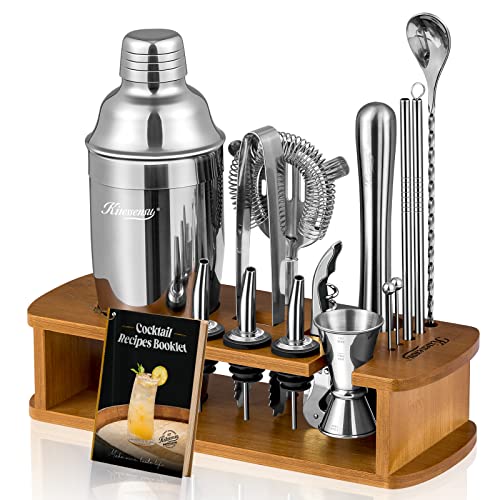
Made to Last: Upgraded 18/8 stainless steel bartender kit cocktail set is your best bet, which is specially thickened (0.8 mm) to protect itself from rust for lifetime and remain shiny and new after years of shaking, and it can withstand lots of rough and tumble, even being dropped, without letting you down. and the bar mixing set is safe in the dishwasher

[12-PIECE BARTENDER TOOL KIT] This cocktail shaker set consists of a 24 Oz cocktail shaker, a strainer, a Jigger, a bar spoon, a corkscrew, a muddler, a ice tongs, a bottle stopper, a stylish bamboo stand, a hardcover cocktail recipe book, 2 liquor pourers. This All-in-one bartending tool kit can easily help you make delicious cocktails, so you can become a professional bartender to lay the foundation
Instructions
Fill a highball glass with ice cubes to chill the glass and keep your drink cold. Pour the gin over the ice, then slowly add the tonic water to preserve its carbonation.
Give the drink a gentle stir with a bar spoon or stirrer, being careful not to agitate it too much and lose the bubbles. Squeeze a lime wedge over the drink to release its oils, then drop it into the glass as a garnish.
Tips
The temperature and carbonation of your tonic water are essential to achieving the best gin and tonic. Always use chilled tonic water and open a fresh bottle when possible, as tonic water loses its fizz quickly once opened.
Pour the tonic water slowly down the side of the glass rather than directly onto the ice to maintain maximum carbonation.
Experiment with different gin styles—London Dry offers classic juniper-forward flavor, while contemporary gins provide unique botanical profiles that can completely transform this simple cocktail.
Moscow Mule

The Moscow Mule burst onto the American cocktail scene in the 1940s and quickly became a cultural phenomenon, transforming vodka from a relatively unknown spirit into a household favorite. This invigorating highball cocktail combines vodka with spicy ginger beer and fresh lime juice, creating a zesty, effervescent drink that’s both energizing and notably easy to prepare.
Traditionally served in a distinctive copper mug, the Moscow Mule has maintained its popularity for decades, appealing to those who appreciate a cocktail with a pleasant kick and bright, clean flavors.
The beauty of the Moscow Mule lies in its perfect balance of sweetness, spice, and citrus tartness. The ginger beer provides a robust, spicy backbone that distinguishes this cocktail from simpler mixed drinks, while the lime juice adds essential brightness and acidity.
Unlike ginger ale, ginger beer offers a more pronounced ginger flavor and slight heat that gives the Moscow Mule its characteristic bite. The neutral profile of vodka allows these complementary flavors to take center stage, making this two-ingredient cocktail (plus a splash of lime) remarkably complex and satisfying.
Ingredients
- 2 oz vodka
- 4-6 oz ginger beer
- Ice cubes
- Lime wedge (for garnish and juice)
Shop Related Products

【6-Piece Cocktail Shaker Set】6 piece cocktail shaker set include all your necessary bartendering kits with 24oz shaker, strainer, muddler, jigger, spoon, pour spouts and a recipe book. You can achive to make most special drinks or cocktail with this set.

Add Master Mixologist to Your Resume: Curated by KITESSENSU with the cocktail enthusiast in mind, this 3-piece cocktail shaker set has everything mixology kit you need to make cocktails, whether you’re a bartender looking for quality drink mixer set, or a home mixologist to get started creating and serving drinks from your own entertainment space
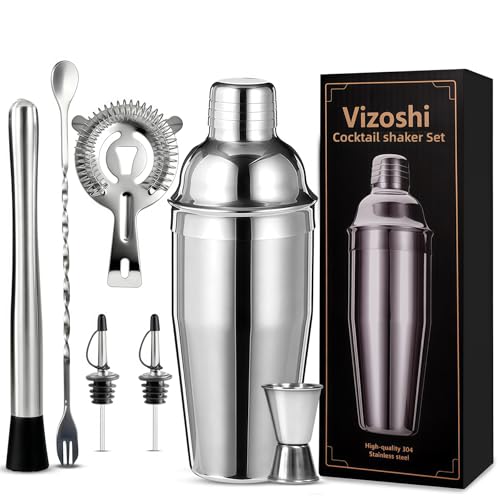
【All-in-One Professional Bartender Kit - Unleash Your Inner Mixologist】Elevate your home bar with this complete 7-piece cocktail shaker set, the ultimate bartender kit for enthusiasts and beginners alike. Whether you're crafting cocktails, martinis, or mocktails, this bar set includes every bar tool: a premium Martini shaker, precise jigger, strainer, mixer spoon, versatile muddler, and two efficient liquor pourers. It's the mixology kit and bar essentials for home that contains all the bartending supplies you need to create bar-quality drinks.
Instructions
Fill a copper mug or highball glass with ice cubes. Pour the vodka over the ice, then squeeze half a lime (about half an ounce of fresh lime juice) directly into the glass.
Top with ginger beer, pouring slowly to preserve carbonation. Stir gently with a bar spoon to combine the ingredients without losing too much fizz. Garnish with a lime wedge on the rim of the glass or dropped into the drink.
Tips
The choice of ginger beer greatly impacts your Moscow Mule’s flavor profile, so select one that matches your preferred intensity level—some brands offer a subtle ginger taste while others deliver substantial spice and heat.
Always use fresh lime juice rather than bottled; the bright, natural acidity is essential to balancing the sweetness of the ginger beer. While the copper mug is traditional and keeps the drink exceptionally cold due to the metal’s thermal properties, any glass will work if you don’t have one available.
For the best results, chill your mug or glass in the freezer for a few minutes before preparing the drink.
Rum and Coke

The Rum and Coke, also known as a Cuba Libre when lime is added, stands as one of the world’s most recognizable and beloved cocktails, with roots stretching back to the early 1900s in Cuba. This simple yet satisfying combination emerged during the Spanish-American War era and quickly spread across the globe, becoming a staple in bars, restaurants, and home gatherings everywhere.
The drink’s enduring appeal lies in its effortless preparation and universally pleasing flavor profile, making it an excellent choice for both novice cocktail enthusiasts and seasoned drinkers seeking a reliable, no-fuss revitalization.
The magic of a Rum and Coke comes from the interplay between the rich, slightly sweet notes of rum and the caramel-forward, effervescent qualities of cola. Dark rum brings deeper molasses and oak flavors, while light rum offers a cleaner, more subtle base that allows the cola to shine through more prominently.
The carbonation of the cola adds a lively texture that keeps each sip invigorating, while the natural spices in both the rum and the cola create layers of complexity that belie the drink’s simple two-ingredient formula. This cocktail proves that sophisticated flavor doesn’t require complicated techniques or extensive ingredient lists.
Ingredients
- 2 oz rum (light or dark, depending on preference)
- 4-6 oz cola
- Ice cubes
- Lime wedge (optional, for garnish)
Instructions
Fill a highball glass to the top with ice cubes to guarantee the drink stays properly chilled. Pour the rum over the ice, then slowly add the cola, pouring down the side of the glass to preserve carbonation and prevent excessive fizzing.
Stir gently once or twice with a bar spoon to combine the ingredients while maintaining the cola’s effervescence. If desired, squeeze a lime wedge into the drink and drop it in, or place it on the rim as a garnish.
Tips
The quality and type of cola you choose greatly impacts the final taste—premium colas or Mexican Coke made with cane sugar offer a cleaner, more refined sweetness compared to standard sodas made with high-fructose corn syrup.
Use cold rum and cola straight from the refrigerator to minimize ice dilution and maintain peak carbonation. The rum-to-cola ratio can be adjusted based on personal preference, with a 1:2 or 1:3 ratio being most common, though some prefer a stronger pour.
For the most authentic Cuba Libre experience, always include fresh lime juice, which adds brightness and transforms this simple mixed drink into a more complex and historically accurate cocktail.
Aperol Spritz

The Aperol Spritz has become the quintessential symbol of Italian aperitivo culture, embodying the relaxed sophistication of late afternoon gatherings in sun-drenched piazzas across Italy. This vibrant orange cocktail originated in the Veneto region during the 1950s, though spritz-style drinks have been popular in northeastern Italy since the 19th century.
The Aperol Spritz gained international fame in the 2000s and has since become a global phenomenon, particularly beloved during warm weather months when its invigorating, bittersweet profile provides the perfect shift from day to evening. The drink’s lower alcohol content compared to traditional cocktails makes it ideal for extended socializing without overwhelming the palate or the senses.
The brilliance of the Aperol Spritz lies in its perfect balance of bitter and sweet, with Aperol’s signature blend of orange, rhubarb, and gentian creating a complex yet approachable flavor profile that pairs beautifully with the crisp effervescence of Prosecco.
The slight bitterness stimulates the appetite, making it a traditional pre-dinner drink, while the sparkling wine adds elegance and celebratory character. The addition of soda water lightens the drink further, creating a revitalizing spritz that’s both sophisticated and easy-drinking. Its gorgeous sunset-orange hue makes it as visually appealing as it’s delicious, instantly elevating any gathering with its photogenic presence.
Ingredients
- 3 oz Prosecco
- 2 oz Aperol
- 1 oz soda water
- Ice cubes
- Orange slice (for garnish)
Instructions
Fill a large wine glass or rocks glass with ice cubes, ensuring the glass is well-chilled. Pour the Prosecco first, followed by the Aperol, then top with a splash of soda water.
Give the drink a gentle stir with a bar spoon to combine the ingredients without losing too much carbonation. Garnish with a fresh orange slice, either placed on the rim of the glass or floated in the drink.
Tips
Using quality Prosecco makes a noticeable difference—choose a dry (brut) Prosecco rather than sweet varieties to maintain the proper balance with Aperol’s sweetness.
The traditional ratio is 3:2:1 (Prosecco:Aperol:soda), but this can be adjusted to taste, with some preferring more Prosecco for a lighter drink or more Aperol for increased bitterness.
Serve immediately after preparation to enjoy maximum carbonation and freshness. For the best presentation, use large format ice cubes or spheres that melt slowly, preventing dilution while keeping the drink properly chilled throughout the aperitivo hour.
Whiskey Ginger

The Whiskey Ginger stands as one of the most enduring and versatile two-ingredient cocktails in the drinking world, beloved for its straightforward preparation and universally appealing flavor combination. This classic highball has roots stretching back to the late 19th and early 20th centuries, when ginger ale became widely available as a commercial soft drink and bartenders began pairing it with various spirits.
The combination of whiskey and ginger creates a harmonious marriage where the spirit’s warmth and complexity are lifted by ginger ale’s sweet spiciness, resulting in a revitalizing drink that works equally well as a casual afternoon refreshment or an evening cocktail. Its simplicity has made it a staple at bars worldwide and a go-to choice for whiskey drinkers who want something lighter than a neat pour.
What makes the Whiskey Ginger particularly appealing is its adaptability to different whiskey styles, each bringing its own character to the mix. Irish whiskey creates a smooth, mellow version; bourbon adds caramel sweetness and vanilla notes; rye whiskey contributes spicy complexity that complements the ginger beautifully; and Canadian whisky offers a lighter, more delicate interpretation.
The ginger ale’s effervescence and subtle sweetness temper the whiskey’s strength while allowing its distinctive characteristics to shine through, making this an excellent introductory cocktail for those new to whiskey while remaining satisfying for seasoned enthusiasts. The drink’s approachability and invigorating nature have guaranteed its popularity across generations and geographies.
Ingredients
- 2 oz whiskey (bourbon, rye, Irish, or Canadian)
- 4-6 oz ginger ale
- Ice cubes
- Lime wedge (for garnish, optional)
Instructions
Fill a highball glass or Collins glass with ice cubes to chill thoroughly. Pour the whiskey over the ice, then top with ginger ale according to your preference for strength—use less ginger ale for a more spirit-forward drink or more for a lighter, longer cocktail.
Give the drink a gentle stir with a bar spoon, just enough to integrate the ingredients without releasing too much carbonation from the ginger ale. If desired, squeeze a lime wedge over the drink and drop it in, or simply garnish the rim with a fresh lime wedge.
Tips
The choice of ginger ale notably impacts the final drink—premium ginger ales with real ginger provide more robust, authentic ginger flavor and less cloying sweetness than mainstream brands, creating a more sophisticated cocktail.
For an even spicier kick, consider using ginger beer instead of ginger ale, though this creates a different drink with more assertive ginger character. Build the drink directly in the glass rather than shaking to preserve carbonation and maintain the drink’s invigorating effervescence.
The ratio of whiskey to ginger ale can be adjusted based on personal preference, but a 1:2 or 1:3 ratio typically provides good balance between spirit character and refreshment.
Vodka Cranberry

The Vodka Cranberry, often called a Cape Codder, represents the epitome of effortless cocktail-making while delivering a drink that’s both visually appealing and deliciously balanced. This simple combination emerged in the 1940s when Ocean Spray began promoting cranberry juice as a mixer, though it gained widespread popularity during the 1960s and 1970s as vodka became America’s spirit of choice.
The drink’s brilliant ruby-red hue and tart-sweet flavor profile have made it a perennial favorite at bars, parties, and casual gatherings. Its invigorating nature and moderate strength make it particularly popular as a warm-weather drink, though its versatility keeps it on menus year-round. The Vodka Cranberry’s simplicity belies its effectiveness—the vodka’s clean, neutral character serves as a perfect canvas for the cranberry juice’s vibrant tartness.
Beyond its ease of preparation, the Vodka Cranberry has achieved cultural significance, becoming synonymous with social drinking and often serving as a gateway cocktail for those developing their palate. The drink strikes an ideal balance where neither ingredient overwhelms the other—quality vodka provides smooth alcoholic warmth while cranberry juice contributes bright acidity, natural sweetness, and a pleasant astringency.
This combination creates a cocktail that’s simultaneously sophisticated enough for discerning drinkers yet approachable for novices. The drink’s popularity has spawned numerous variations, but the classic two-ingredient version remains the standard, valued for its reliability and crowd-pleasing characteristics.
Ingredients
- 2 oz vodka
- 4-6 oz cranberry juice
- Ice cubes
- Lime wedge (for garnish, optional)
Instructions
Fill a highball or rocks glass with ice cubes, creating a cold foundation for the drink. Pour the vodka over the ice, followed by the cranberry juice—adjust the ratio based on personal preference, using less cranberry juice for a stronger, more spirit-forward cocktail or more for a lighter, sweeter drink.
Stir gently with a bar spoon for a few seconds to combine the ingredients thoroughly and ascertain even chilling. If desired, garnish with a lime wedge on the rim or squeeze it into the drink for added citrus brightness before dropping it in.
Tips
The quality of cranberry juice notably affects the final cocktail—opt for 100% cranberry juice or cranberry juice blends with minimal added sugar rather than cranberry cocktail, which tends to be overly sweet and can make the drink cloying.
Pure cranberry juice creates a more sophisticated, tart cocktail that better showcases the vodka’s character. For the vodka, while premium brands offer smoother results, mid-range vodkas work perfectly well given the juice’s strong flavor presence.
Consider chilling both the vodka and cranberry juice beforehand to minimize ice dilution, which helps maintain the drink’s intended strength and prevents it from becoming watery too quickly. Some drinkers prefer adding a splash of fresh lime juice for enhanced tartness and complexity, which transforms the drink into a subtle variation that highlights the cranberry’s natural acidity.
Dark and Stormy

The Dark and Stormy stands as one of the most iconic rum-based cocktails, distinguished by its proprietary status as the national drink of Bermuda and its trademark protection by Gosling’s Rum. This classic highball emerged in the early 20th century when British sailors in Bermuda combined the island’s beloved Gosling’s Black Seal Rum with ginger beer, creating a drink whose dramatic appearance—dark rum floating atop golden ginger beer—inspired its evocative name.
The combination produces a cocktail that masterfully balances the deep, molasses-rich complexity of dark rum against the spicy, effervescent bite of ginger beer. While technically requiring only these two ingredients, the drink’s bold flavor profile and substantial character make it a favorite among those who appreciate cocktails with personality and depth. The Dark and Stormy has transcended its island origins to become a global favorite, particularly popular in coastal regions and tropical climates where its invigorating yet robust nature finds perfect context.
The genius of the Dark and Stormy lies in how its components interact—the rum’s caramel sweetness and subtle vanilla notes provide a luxurious foundation, while the ginger beer contributes sharp spiciness, citrus undertones, and lively carbonation that lifts the entire drink. Unlike gentler cocktails, the Dark and Stormy announces itself boldly, offering a complex sensory experience that evolves with each sip as the rum gradually mingles with the ginger beer.
This cocktail appeals to those seeking more assertive flavors without excessive sweetness, making it particularly popular among whiskey drinkers exploring rum-based options. The drink’s presentation adds to its appeal—the layered effect creates visual drama that makes it immediately recognizable, while the combination of cold, fizzy ginger beer with warming rum creates a textural experience as compelling as its taste.
Ingredients
- 2 oz dark rum (traditionally Gosling’s Black Seal Rum)
- 4-6 oz ginger beer
- Ice cubes
- Lime wedge (for garnish, optional)
Instructions
Fill a highball glass with ice cubes to guarantee proper chilling and dilution. Pour the ginger beer over the ice first, filling the glass about three-quarters full depending on desired strength.
Carefully float the dark rum on top by slowly pouring it over the back of a bar spoon held just above the ginger beer’s surface, creating the signature layered effect that gives the drink its characteristic stormy appearance. Gently stir once or twice before drinking to partially combine the ingredients, or leave layered for a more gradual flavor evolution as you sip. If using, squeeze the lime wedge over the drink and drop it in to add citrus brightness that cuts through the richness.
Tips
The choice of ginger beer greatly impacts the cocktail’s character—select a high-quality ginger beer with authentic ginger spiciness rather than mild ginger ale, as brands like Fever-Tree, Barritt’s, or Bundaberg provide the robust flavor necessary to stand up to dark rum’s intensity.
While Gosling’s Black Seal is the traditional choice and creates the authentic Bermudian experience, other quality dark rums work well, particularly those from the Caribbean with rich molasses profiles. The rum-to-ginger-beer ratio can be adjusted based on preference, with a 1:2 ratio creating a spirit-forward drink and 1:3 offering more refreshment.
For ideal presentation and flavor development, avoid over-stirring initially—the layered pour isn’t just aesthetic but allows drinkers to experience the rum’s full character before it fully integrates with the ginger beer.
Champagne Cocktail

The Champagne Cocktail represents the epitome of elegant simplicity, transforming premium champagne or sparkling wine into a sophisticated drink with the addition of just one ingredient: a sugar cube soaked in aromatic bitters. This timeless creation dates back to the mid-19th century and has graced countless celebrations, from intimate gatherings to grand galas, earning its reputation as the ultimate two-ingredient expression of refined taste.
The drink’s brilliance lies in its theatrical presentation and the way a single sugar cube, saturated with bitters, gradually dissolves in the effervescent wine, creating an evolving flavor profile that begins with concentrated sweetness and aromatic spice before mellowing into a subtly enhanced champagne experience. The rising bubbles, catalyzed by the sugar cube, create a mesmerizing visual effect that transforms an ordinary glass of sparkling wine into an occasion worthy of toasting.
What distinguishes the Champagne Cocktail from simply drinking champagne is the transformative power of bitters-soaked sugar, which introduces layers of complexity—hints of warming spices, subtle citrus, and herbal notes—that complement rather than overpower the wine’s natural characteristics. The sugar cube serves dual purposes: it sweetens the typically dry champagne while the bitters provide aromatic depth, creating a balanced drink that appeals to those who find straight champagne too austere yet don’t want an overly complicated cocktail.
This cocktail particularly shines during celebrations and formal occasions, where its visual elegance matches its refined flavor profile. The continuous stream of bubbles emanating from the dissolving sugar cube creates an enchanting display that never fails to captivate, making each Champagne Cocktail as much a feast for the eyes as for the palate.
Ingredients
- 1 sugar cube
- 2-3 dashes Angostura bitters
- 4-5 oz champagne or dry sparkling wine, chilled
- Lemon twist (for garnish, optional)
Instructions
Place the sugar cube in the bottom of a champagne flute or coupe glass. Saturate the sugar cube completely with 2-3 dashes of Angostura bitters, allowing the bitters to soak thoroughly into the cube until it appears dark brown.
Slowly pour the chilled champagne or sparkling wine over the sugar cube, filling the glass while watching the bubbles stream upward from the dissolving sugar. The sugar cube will continue to effervesce and gradually dissolve throughout drinking, so there’s no need to stir—the natural carbonation will incorporate the sweetness and bitters as you sip.
If desired, express a lemon twist over the glass to release its oils and drop it in as garnish, though many purists prefer the drink without citrus to maintain the focus on the champagne-bitters-sugar interaction.
Tips
Use well-chilled champagne or quality sparkling wine to guarantee the best effervescence and prevent the drink from becoming flat too quickly—the colder the wine, the longer it maintains its bubbles.
While authentic champagne creates the most luxurious version, dry prosecco or cava work excellently as more affordable alternatives that still deliver impressive results. The sugar cube’s size matters; standard cubes work perfectly, but if using larger decorative cubes, consider breaking them in half to prevent excessive sweetness.
Some bartenders place the sugar cube on a small plate, saturate it with bitters beforehand, and then transfer it to the glass, which prevents bitters from splashing and guarantees even saturation. For guests who prefer less sweetness, use only half a sugar cube, and remember that different bitters—such as orange or aromatic bitters—can create interesting variations while maintaining the cocktail’s essential two-ingredient simplicity.
Tequila Sunrise

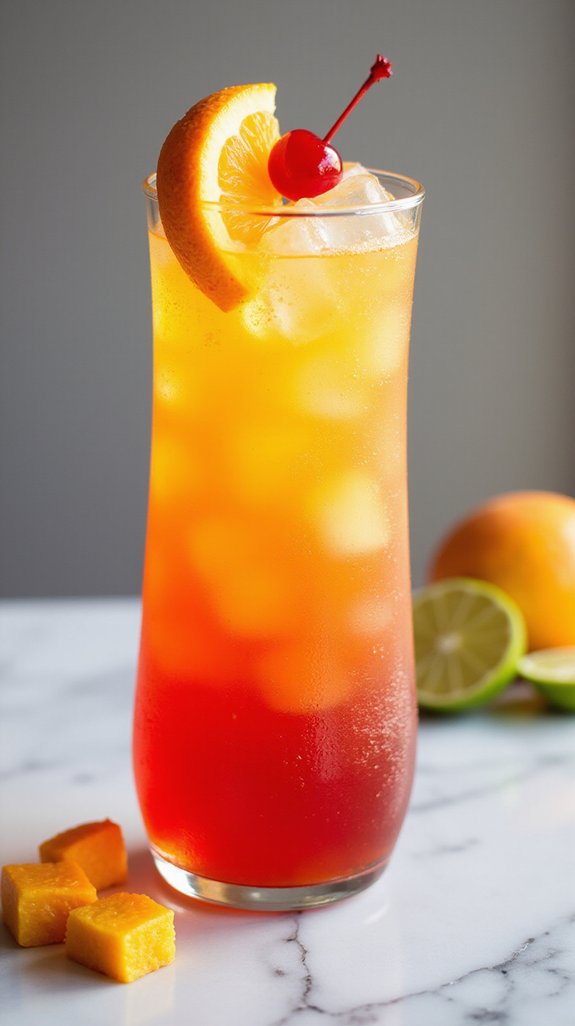
The Tequila Sunrise stands as one of the most visually stunning two-ingredient cocktails in the mixologist’s repertoire, earning its name from the breathtaking gradient of colors that mimics the natural phenomenon of dawn breaking across the horizon. While many modern variations add orange juice as a third component, the original two-ingredient version relies solely on tequila and grenadine syrup to create a striking presentation and a boldly simple flavor profile that showcases the spirit’s agave character against the sweet, pomegranate-infused depths of quality grenadine.
This cocktail gained legendary status in the 1970s, becoming synonymous with the rock and roll lifestyle and beachside gatherings, though its roots trace back to the 1930s in Arizona. The beauty of the Tequila Sunrise lies not just in its appearance but in its accessibility—requiring no special equipment, no precise measurements, and no complicated techniques, making it the perfect choice for both novice home bartenders and seasoned professionals seeking an impressive yet effortless creation.
What makes this two-ingredient version particularly special is its focus on the interplay between the tequila’s distinctive flavor and the grenadine’s concentrated sweetness, without the dilution of fruit juice that characterizes more common interpretations. The technique of layering creates the signature sunrise effect, as the dense grenadine sinks to the bottom of the glass and gradually diffuses upward through the clear tequila, producing ribbons of deep red and orange hues that fade into the transparent spirit above.
This stratification isn’t merely aesthetic—it creates a dynamic drinking experience where the first sips deliver pure tequila character, gradually shifting to sweeter notes as the grenadine mingles with the spirit. The drink works equally well as a contemplative sipper or a party showpiece, and its dramatic presentation makes it ideal for sunset gatherings, poolside entertaining, or any occasion where visual impact matters as much as taste.
Ingredients
- 2 oz tequila (blanco or reposado)
- ½ oz grenadine syrup
- Ice cubes
- Orange slice and maraschino cherry (for garnish, optional)
Instructions
Fill a highball or old-fashioned glass with ice cubes to the top. Pour the tequila directly over the ice, allowing it to settle and chill. Slowly pour the grenadine into the glass, directing it along the inside edge or straight down the center, allowing the dense syrup to sink naturally to the bottom of the glass without stirring.
The grenadine will gradually begin to rise through the tequila, creating the characteristic sunrise gradient effect with deep red at the bottom shifting to orange and amber tones before reaching the clear tequila at the top. Serve immediately while the layers are still distinct, providing a long spoon or stirrer alongside so the drinker can mix the cocktail to their preferred level of sweetness.
For the most dramatic visual effect, use a clear glass and verify your grenadine is authentic pomegranate-based syrup rather than artificially colored corn syrup, as real grenadine produces more vibrant, natural-looking color gradients. The type of tequila greatly impacts the final flavor—blanco tequila offers a crisp, agave-forward taste that contrasts sharply with the grenadine’s sweetness, while reposado adds subtle oak and vanilla notes that harmonize more smoothly with the syrup.
Pour the grenadine very slowly and from a low height to maintain distinct layers; rushing this step will cause premature mixing and diminish the sunrise effect. If you prefer a less sweet drink, reduce the grenadine to ¼ ounce, though this may create a less pronounced visual gradient.
Screwdriver

The Screwdriver represents the pinnacle of two-ingredient cocktail simplicity, combining vodka and orange juice in a straightforward union that has made it a staple of bars, brunches, and casual gatherings for decades. This unpretentious drink emerged in the mid-20th century, with its name reportedly derived from American petroleum engineers in the Persian Gulf who discreetly stirred vodka into their orange juice using actual screwdrivers—the only mixing implement readily available on oil rigs.
Despite its humble origins and construction, the Screwdriver has endured as a beloved classic precisely because of its accessibility and the universal appeal of its flavor combination. The cocktail’s genius lies in allowing the orange juice to smooth vodka’s harsh edges while the spirit’s clean profile prevents the juice from becoming cloying, creating a balanced refreshment that works equally well at breakfast, lunch, or evening social occasions.
What distinguishes a truly excellent Screwdriver from a merely adequate one is the quality of its two components and the ratio in which they’re combined. Premium vodka contributes smoothness and subtle character notes, while freshly squeezed orange juice transforms this simple mixture into something genuinely special, providing natural sweetness, acidity, and complexity that bottled juice simply can’t match.
The standard ratio typically falls between 1:2 and 1:3 vodka to orange juice, though personal preference should always guide the final proportions. The Screwdriver’s versatility extends beyond its basic form—it serves as the foundation for numerous variations including the Harvey Wallbanger (with added Galliano) and countless other riffs, yet the original two-ingredient version remains unmatched for its pure, uncomplicated refreshment and the way it showcases how two simple ingredients, when properly balanced, can create something far greater than the sum of their parts.
Ingredients
- 2 oz vodka
- 4-6 oz fresh orange juice
- Ice cubes
- Orange wheel or wedge (for garnish, optional)
Instructions
Fill a highball glass with ice cubes, then pour the vodka over the ice. Add the orange juice to your preferred strength, typically using a 1:2 or 1:3 ratio of vodka to juice depending on desired potency. Stir gently with a bar spoon or the handle of a regular spoon for 5-10 seconds to combine and chill the ingredients thoroughly.
The stirring should be just enough to integrate the two components without diluting the drink excessively or losing the orange juice’s fresh, bright character. Garnish with an orange wheel or wedge if desired, placing it on the rim or dropping it into the glass.
For the best possible Screwdriver, always use freshly squeezed orange juice rather than store-bought varieties, as the difference in flavor is transformative—the natural oils, brightness, and complexity of fresh juice elevate this simple cocktail dramatically. Strain the pulp if you prefer a smoother texture, or leave it in for additional body and authenticity.
Choose a quality vodka that suits your palate, whether that means a neutral, clean spirit or one with subtle grain character. Adjust the ratio based on the occasion: a stronger version works well as an evening cocktail, while a juice-forward preparation is ideal for brunch settings.
The Screwdriver benefits from being served immediately after preparation to preserve the orange juice’s vibrant, fresh qualities and prevent excessive dilution from melting ice.
Black Russian

The Black Russian stands as one of the most elegant expressions of two-ingredient cocktail craftsmanship, pairing vodka with coffee liqueur in a deceptively simple combination that delivers sophisticated depth and luxurious flavor. Created in 1949 by Belgian barman Gustave Tops at the Hotel Metropole in Brussels for Perle Mesta, the American ambassador to Luxembourg, this cocktail emerged during the early Cold War era—a time when Russian vodka was gaining international prominence and the drink’s name reflected both its primary spirit and the geopolitical tensions of the period.
Unlike many cocktails that rely on citrus, sweetness, or elaborate garnishes, the Black Russian embraces a darker, more contemplative character, making it an excellent after-dinner drink or late-night sipper that appeals to those who appreciate coffee’s bitter complexity married with vodka’s clean strength. Its popularity has waxed and waned over the decades, yet it remains a proof of how two quality ingredients can create a cocktail of remarkable sophistication without requiring elaborate preparation or exotic components.
The beauty of the Black Russian lies in its bold simplicity and the way coffee liqueur’s rich, sweet notes interact with vodka’s neutral character to create something entirely distinctive. The standard ratio of 2:1 vodka to coffee liqueur strikes an excellent balance, allowing the coffee liqueur’s sweetness and complexity to shine without overwhelming the palate while the vodka provides backbone and prevents the drink from becoming cloying.
Quality matters greatly here—premium vodka contributes smoothness and subtle character, while a well-crafted coffee liqueur like Kahlúa or Tia Maria brings authentic coffee flavor, vanilla undertones, and the perfect level of sweetness. The Black Russian’s influence extends beyond its own glass, serving as the foundation for the White Russian (with added cream), yet the original version remains the purist’s choice for its concentrated flavors and straightforward presentation that honors both ingredients equally.
Ingredients
- 2 oz vodka
- 1 oz coffee liqueur (Kahlúa or Tia Maria)
- Ice cubes
- Coffee beans (for garnish, optional)
Instructions
Fill an old-fashioned glass or rocks glass with ice cubes, creating a cold foundation for the cocktail. Pour the vodka over the ice first, followed by the coffee liqueur, allowing the liquids to naturally begin combining as they settle around the ice. Stir gently with a bar spoon for 10-15 seconds, ensuring the two ingredients are thoroughly integrated and the cocktail is properly chilled throughout. The stirring should create a uniform dark color and silky texture, with the dilution from the ice helping to soften any alcoholic harshness while maintaining the drink’s bold character.
For the best Black Russian experience, serve the cocktail immediately after preparation while it’s ice-cold, as the drink loses its appeal as it warms and becomes overly sweet. Some bartenders prefer to build this cocktail in a mixing glass with ice, stir it there, and then strain it over fresh ice in the serving glass for maximum clarity and ideal temperature control, though the direct-build method works perfectly well for home preparation.
The ratio can be adjusted slightly based on personal preference—those who prefer a less sweet version might use a 3:1 ratio, while those who enjoy more coffee flavor might move closer to 1.5:1, though the classic 2:1 proportion remains the gold standard for balanced flavor that showcases both ingredients equally.
Bellini

The Bellini represents the pinnacle of Italian cocktail elegance, combining prosecco with white peach purée in a revitalizing two-ingredient masterpiece that has captivated drinkers since its creation in the 1940s. Giuseppe Cipriani, founder of the legendary Harry’s Bar in Venice, invented this iconic drink and named it after the 15th-century Venetian painter Giovanni Bellini, whose works featured soft pink tones reminiscent of the cocktail’s delicate hue.
Unlike many cocktails that rely on spirits for their foundation, the Bellini showcases the lighter side of mixology, making it an ideal brunch companion, aperitif, or celebratory drink that appeals to those seeking something sophisticated yet approachable. The drink’s original recipe called for fresh white peach purée made from the small, intensely flavored peaches that grow in Italy’s Veneto region, and while the cocktail has inspired countless variations, the classic combination remains unmatched in its ability to transport drinkers to a Venetian terrace overlooking the Grand Canal.
The success of a Bellini depends entirely on the quality and balance of its two components, with fresh peach purée providing natural sweetness and fruity complexity while crisp prosecco adds effervescence and a dry counterpoint that prevents the drink from becoming saccharine. The traditional ratio calls for approximately one part peach purée to two parts prosecco, though adjustments can be made based on the sweetness of the peaches and personal preference.
Authentic Bellinis require white peaches rather than yellow varieties, as they offer a more delicate flavor profile and create the signature pale pink color that defines the drink’s aesthetic appeal. When fresh white peaches are unavailable, high-quality frozen white peach purée serves as an acceptable substitute, though purists insist that only seasonal fresh fruit can deliver the Bellini’s true character—a drink that captures the essence of Italian summer in a single, elegant glass.
Ingredients
- 2 oz white peach purée (fresh or high-quality frozen)
- 4 oz prosecco (chilled)
- Fresh white peach slice (for garnish, optional)
Instructions
Spoon the white peach purée into a chilled champagne flute, making sure the glass is cold to maintain the prosecco’s effervescence and the drink’s revitalizing temperature. Slowly pour the chilled prosecco over the purée, allowing it to gently mix with the fruit as the bubbles naturally incorporate the two ingredients—avoid stirring vigorously as this will diminish the carbonation that gives the Bellini its signature lightness and texture.
The prosecco should be added gradually at an angle to prevent excessive foaming, and the final drink should display a beautiful gradient of pale pink hues with a delicate layer of foam on top. For the best results, always use freshly chilled prosecco and make sure your champagne flutes are cold before assembly, as temperature is critical to maintaining the drink’s effervescence and revitalizing quality.
If making peach purée from fresh fruit, blanch the peaches briefly in boiling water to remove the skins easily, then blend the flesh until completely smooth, adding just a drop of lemon juice to prevent oxidation and preserve the delicate color. The purée can be made ahead and refrigerated for up to 24 hours, making Bellinis an excellent choice for entertaining when you can prepare the fruit component in advance and simply add prosecco when guests arrive.
Avoid over-sweetening the purée, as ripe white peaches should provide sufficient natural sugar, and the prosecco’s dryness is meant to balance rather than compete with added sweetness.
Amaretto Sour

The Amaretto Sour stands as one of the most approachable and balanced two-ingredient cocktails in the modern bar repertoire, pairing the sweet almond-flavored liqueur amaretto with fresh lemon juice to create a drink that walks the perfect line between dessert-like richness and citrus brightness. This Italian-American creation gained widespread popularity in the 1970s and has remained a staple ever since, appealing to both cocktail novices and seasoned enthusiasts who appreciate its straightforward preparation and reliably satisfying flavor profile.
Unlike more complex sours that require multiple spirits, simple syrups, and egg whites, the Amaretto Sour proves that exceptional cocktails don’t need lengthy ingredient lists—just two thoughtfully chosen components that complement each other perfectly. The amaretto’s nutty sweetness, typically derived from apricot pits or almonds, provides all the sugar the drink needs, while the tartness of fresh lemon juice cuts through the liqueur’s richness and adds the vibrant acidity that defines the sour family of cocktails.
The beauty of the Amaretto Sour lies in its versatility and forgiving nature, making it an excellent choice for home bartenders who want impressive results without mastering advanced techniques or investing in specialized equipment. The classic ratio typically calls for two parts amaretto to one part lemon juice, though this can be adjusted to suit individual taste preferences—those who prefer a sweeter drink can increase the amaretto proportion, while citrus lovers might add extra lemon juice for a more pronounced tartness.
The drink works equally well served straight up in a cocktail glass or over ice in a rocks glass, and its naturally sweet profile makes it a favorite after-dinner sipper or a gateway cocktail for those shifting from sweeter drinks to more complex flavor combinations. Whether enjoyed as a nightcap or a casual evening cocktail, the Amaretto Sour delivers consistent satisfaction with minimal effort.
Ingredients
- 2 oz amaretto liqueur
- 1 oz fresh lemon juice
- Ice
- Lemon wheel or maraschino cherry (for garnish, optional)
Instructions
Fill a cocktail shaker with ice and add the amaretto and freshly squeezed lemon juice, ensuring the lemon juice is strained of pulp and seeds for a smooth texture. Shake vigorously for 10-15 seconds until the outside of the shaker becomes frosty and cold, which properly chills the ingredients and creates the slight dilution that mellows the amaretto’s sweetness.
Strain the mixture into a rocks glass filled with fresh ice or serve it straight up in a chilled cocktail glass, depending on your preference. Garnish with a lemon wheel placed on the rim or a maraschino cherry dropped into the drink for a classic presentation.
Tips
Always use fresh lemon juice rather than bottled varieties, as the bright, natural acidity makes an enormous difference in the final drink’s quality and prevents the artificial taste that characterizes inferior versions of this cocktail.
The amaretto brand you choose greatly impacts the flavor—premium brands like Disaronno offer smoother, more complex almond notes compared to budget alternatives. For those who find the traditional recipe too sweet, adding an extra half-ounce of lemon juice creates a more assertive tartness without requiring additional ingredients.
Some bartenders add a dash of aromatic bitters as an optional enhancement, though this technically moves beyond the two-ingredient format while adding fascinating depth to the drink’s flavor profile.
Frequently Asked Questions
What Basic Bar Tools Do I Need for Making Two-Ingredient Cocktails?
Picture Sarah making a martini with just gin and vermouth. You’ll need a jigger for measuring, a mixing glass or shaker, a strainer, and a bar spoon. That’s it—you’re ready to mix two-ingredient cocktails efficiently.
How Do I Properly Measure Cocktail Ingredients Without a Jigger?
You can use a tablespoon as a half-ounce measure, or count a standard pour as about three seconds. Shot glasses typically hold 1.5 ounces, making them reliable measuring tools you’ll likely already have.
Can I Batch-Prepare Two-Ingredient Cocktails for Parties in Advance?
You can batch most two-ingredient cocktails ahead of time, but hold off on adding carbonated mixers until serving. Pre-mix spirit-based combinations and refrigerate them. Add ice, soda, or tonic water when you’re ready to pour.
What Are the Best Ice Types to Use for Different Cocktails?
“Good things come to those who wait”—you’ll want large ice cubes for spirit-forward drinks, crushed ice for revitalizing cocktails, and standard cubes for mixed drinks. Each melts differently, affecting dilution and temperature control.
How Long Do Opened Mixers and Spirits Stay Fresh?
You’ll find that opened spirits last indefinitely due to high alcohol content, while mixers stay fresh for different periods: citrus juices need using within 24 hours, and sodas remain carbonated for 2-4 days refrigerated.