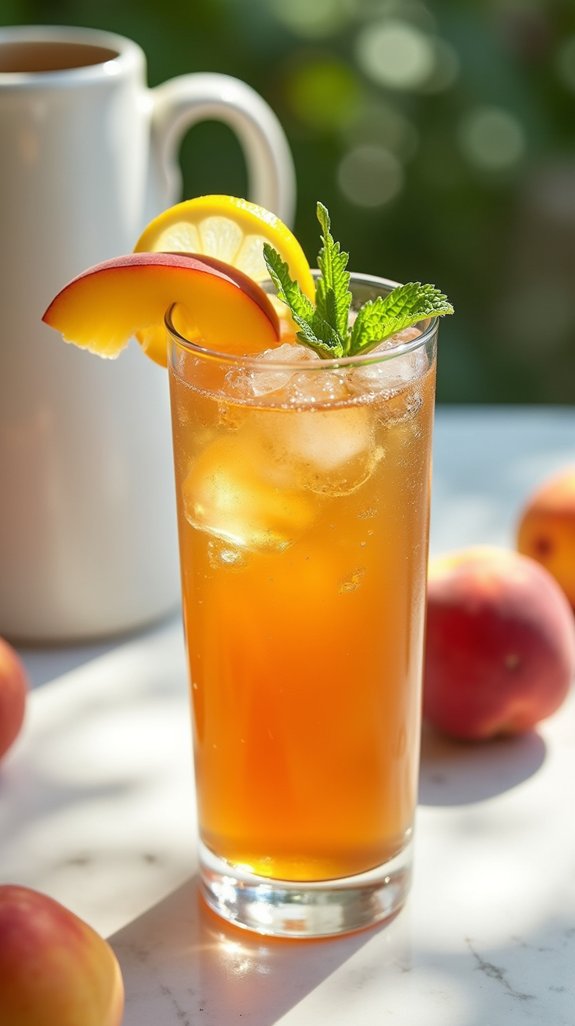
Picture yourself standing at your home bar, eyeing just three bottles while your friends wait expectantly in the next room. I’ve been there more times than I’d like to admit, wondering if I could pull off something impressive without a degree in mixology. The truth is, you don’t need a cart full of exotic ingredients or complicated techniques to serve drinks that’ll make people ask for seconds.
Classic Margarita
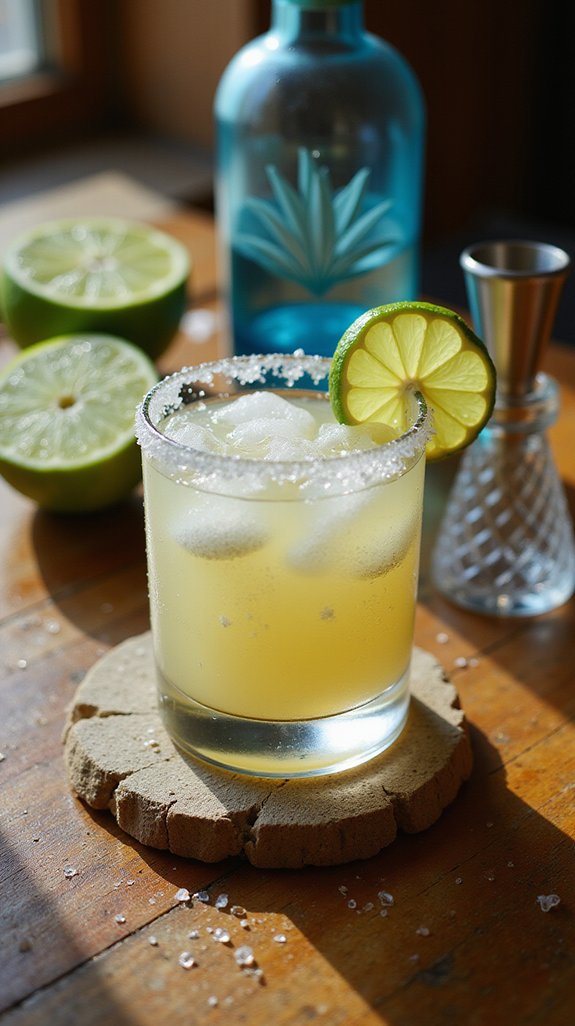
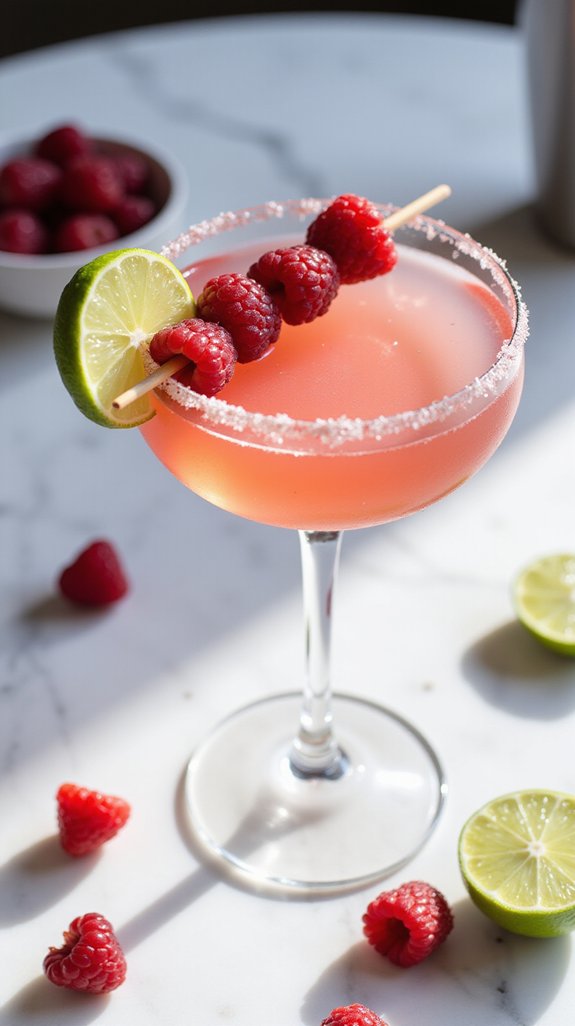
The Classic Margarita stands as one of the most beloved cocktails in the world, perfectly balancing the bright citrus of fresh lime juice with the smooth complexity of tequila and the subtle sweetness of orange liqueur. This iconic drink originated in Mexico and has become a staple at bars, restaurants, and home gatherings across the globe.
Despite countless variations that have emerged over the decades, the traditional three-ingredient margarita remains the gold standard for cocktail enthusiasts.
What makes the Classic Margarita truly exceptional is its simplicity and the quality of its ingredients. With only three components, each one plays a vital role in creating the perfect harmony of flavors. The result is a invigoratingly tart yet subtly sweet cocktail with a clean finish that showcases the agave notes of good tequila while the citrus elements provide brightness and balance.
Ingredients
- 2 oz tequila (preferably 100% agave blanco or reposado)
- 1 oz fresh lime juice
- 1 oz orange liqueur (Cointreau or triple sec)
- Ice
- Salt for rimming (optional)
- Lime wheel for garnish (optional)
Shop Related Products

【6-Piece Cocktail Shaker Set】6 piece cocktail shaker set include all your necessary bartendering kits with 24oz shaker, strainer, muddler, jigger, spoon, pour spouts and a recipe book. You can achive to make most special drinks or cocktail with this set.

Add Master Mixologist to Your Resume: Curated by KITESSENSU with the cocktail enthusiast in mind, this 3-piece cocktail shaker set has everything mixology kit you need to make cocktails, whether you’re a bartender looking for quality drink mixer set, or a home mixologist to get started creating and serving drinks from your own entertainment space
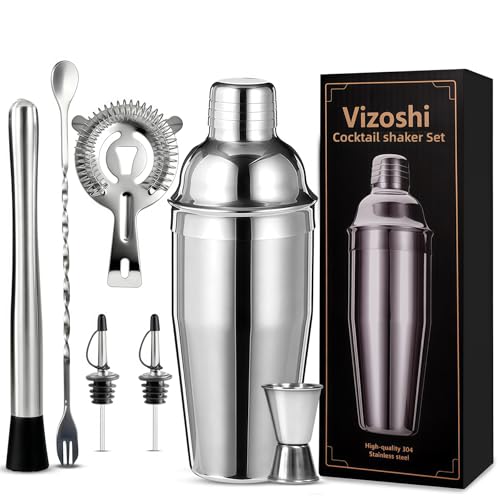
【All-in-One Professional Bartender Kit - Unleash Your Inner Mixologist】Elevate your home bar with this complete 7-piece cocktail shaker set, the ultimate bartender kit for enthusiasts and beginners alike. Whether you're crafting cocktails, martinis, or mocktails, this bar set includes every bar tool: a premium Martini shaker, precise jigger, strainer, mixer spoon, versatile muddler, and two efficient liquor pourers. It's the mixology kit and bar essentials for home that contains all the bartending supplies you need to create bar-quality drinks.
Instructions
Start by rimming a rocks glass or coupe with salt if desired by running a lime wedge around the rim and dipping it in coarse salt.
Fill a cocktail shaker with ice and add the tequila, fresh lime juice, and orange liqueur. Shake vigorously for 15-20 seconds until the outside of the shaker becomes frosty and cold.
Strain the mixture into your prepared glass over fresh ice for a rocks-style margarita, or strain into a chilled coupe glass for an up presentation. Garnish with a lime wheel if desired and serve immediately.
Tips
Always use freshly squeezed lime juice rather than bottled juice, as the difference in flavor is substantial and will elevate your margarita considerably.
The quality of tequila matters immensely in a three-ingredient cocktail, so invest in a good 100% agave tequila rather than a mixto for the best results.
If you find the margarita too tart, you can add a small splash of agave nectar or simple syrup, though purists prefer the recipe as written.
For the most balanced flavor, maintain the 2:1:1 ratio of tequila to lime juice to orange liqueur, and always shake with plenty of ice to achieve proper dilution and temperature.
Aperol Spritz
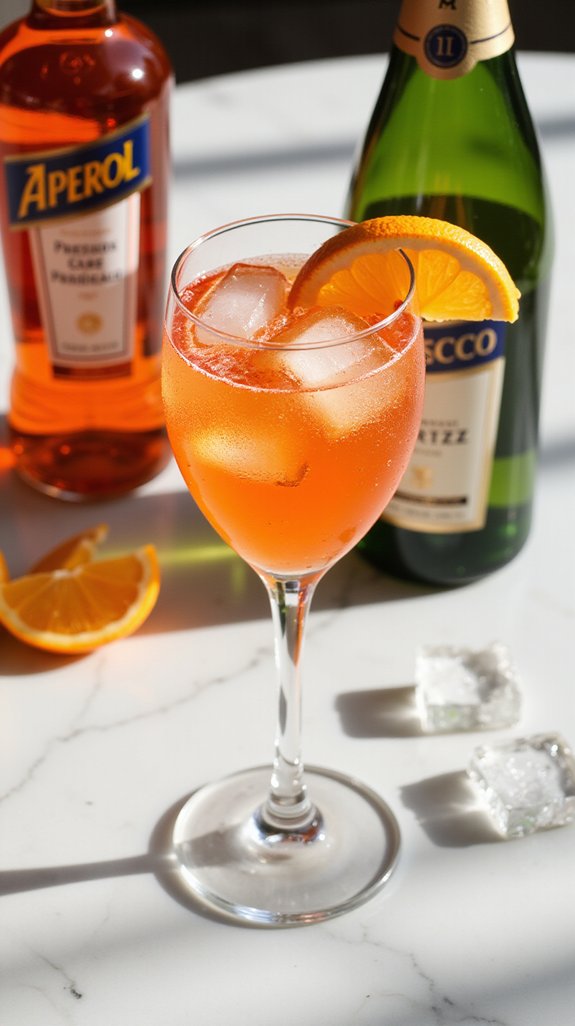
The Aperol Spritz has become synonymous with Italian aperitivo culture and sunny afternoon gatherings. This effervescent cocktail originated in the Veneto region of northeastern Italy and has experienced a remarkable surge in global popularity over the past decade.
With its distinctive bright orange hue and rejuvenating bittersweet flavor profile, the Aperol Spritz captures the essence of la dolce vita in a glass. The drink’s simplicity—requiring just three ingredients—makes it an ideal choice for both novice and experienced cocktail makers looking to recreate a taste of Italy at home.
What distinguishes the Aperol Spritz from other cocktails is its perfect balance of bitter and sweet flavors combined with lively effervescence. Aperol, the star ingredient, is an Italian aperitif with notes of orange, rhubarb, and herbs that provides a gentle bitterness without being overwhelming.
When combined with crisp Prosecco and a splash of sparkling water, the result is a light, low-alcohol cocktail that’s incredibly invigorating and wonderfully sessionable. The Aperol Spritz is best enjoyed as a pre-dinner drink, served ice-cold during warm weather, making it the ultimate beverage for outdoor entertaining.
Ingredients
- 3 oz Prosecco
- 2 oz Aperol
- 1 oz sparkling water (club soda)
- Ice
- Orange slice for garnish
Shop Related Products

DESIGNED FOR EXPERT BARTENDING - This 22oz/650ml lead free crystal mixing glass is designed and sized to match professional grade equipment used by bartenders. You wouldn't be surprised to see this bar accessory in use at the finest cocktail lounges.

Quality Seamless Design - Made of ultra-clear lead-free glass with with a thick, weighted bottom to ensure that you get the most from your mixing experience
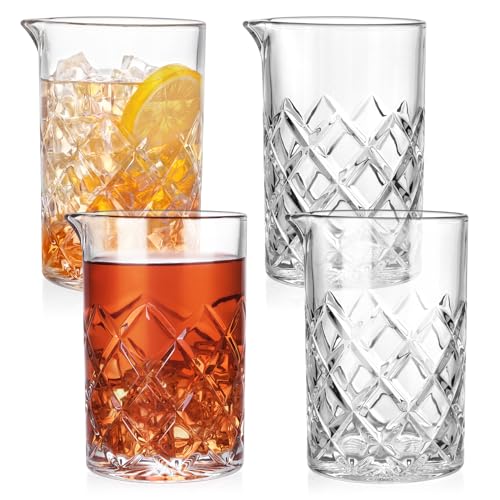
DESIGNED FOR PROFESSIONAL BARTENDING - specially selected by GOSDENG professional bartenders, the 700ml/24oz size makes one or two cocktails, and the cocktail mixing glasses are designed to match the professional-grade equipment used by bartenders.
Instructions
Fill a large wine glass or rocks glass with ice cubes. Pour the Prosecco into the glass first, followed by the Aperol, and finish with the sparkling water.
Give the drink a gentle stir with a bar spoon to combine the ingredients without losing too much carbonation. Garnish with a fresh orange slice, placing it directly in the drink or perching it on the rim of the glass. Serve immediately while the cocktail is cold and bubbly.
Tips
The traditional ratio for an Aperol Spritz is 3:2:1 (Prosecco:Aperol:sparkling water), which creates a balanced, not-too-sweet cocktail, though some prefer adjusting these proportions to taste.
Use a good quality, dry Prosecco rather than an overly sweet variety to prevent the drink from becoming cloying. The sparkling water is essential for tempering the sweetness and adding lightness, so don’t skip it even though some bars unfortunately do.
For the best presentation and flavor, use large ice cubes that melt slowly and won’t dilute the drink too quickly. Always build this cocktail directly in the glass rather than shaking it to preserve the delicate bubbles from the Prosecco.
Moscow Mule
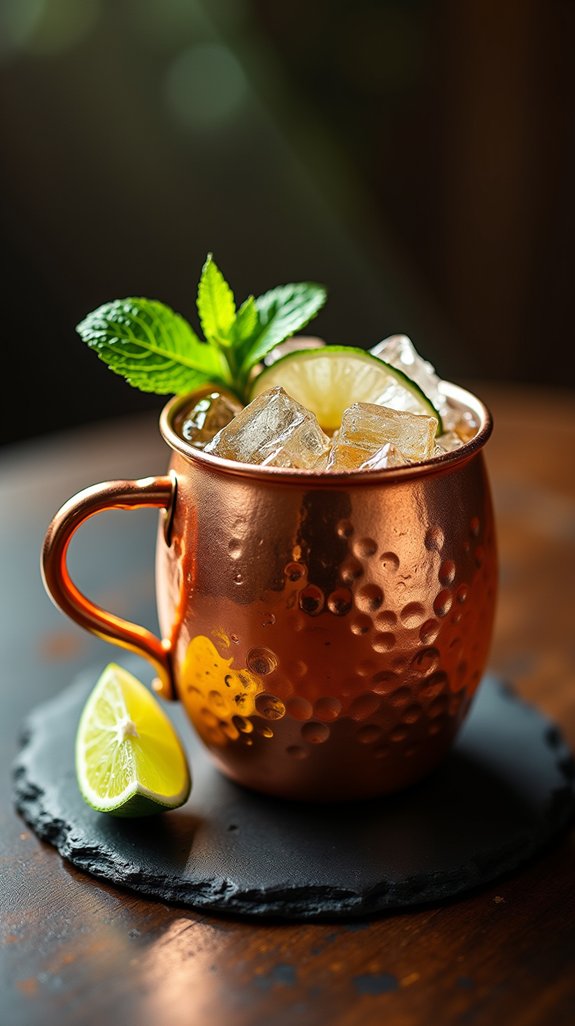
The Moscow Mule is a classic American cocktail that burst onto the scene in the 1940s, born from a clever marketing collaboration between a vodka distributor, a ginger beer producer, and a copper mug manufacturer. Despite its Russian-sounding name, this invigorating drink is entirely American in origin, created at the Cock ‘n’ Bull pub in Hollywood.
The cocktail’s signature serve in a distinctive copper mug isn’t just for show—the metal vessel keeps the drink icy cold while providing a satisfying tactile experience. With its crisp, spicy, and citrusy flavor profile, the Moscow Mule remains one of the most popular vodka cocktails worldwide and has inspired countless variations.
What makes the Moscow Mule endlessly appealing is its straightforward preparation and the stimulating interplay between sharp ginger beer, smooth vodka, and bright lime juice. The spicy kick from quality ginger beer forms the backbone of this cocktail, while fresh lime juice adds essential acidity that prevents the drink from becoming one-dimensional.
The vodka provides a clean, neutral base that allows the other flavors to shine without competing for attention. This three-ingredient wonder is extraordinarily revitalizing, making it perfect for warm weather sipping, casual gatherings, or anytime you need a zesty, thirst-quenching beverage with a bit of a bite.
Ingredients
- 2 oz vodka
- 4 oz ginger beer
- ½ oz fresh lime juice
- Ice
- Lime wheel or wedge for garnish
- Fresh mint sprig for garnish (optional)
Instructions
Fill a copper mug or highball glass with ice cubes. Pour the vodka over the ice, followed by the fresh lime juice. Top with ginger beer, pouring slowly to preserve carbonation.
Stir gently with a bar spoon to combine all ingredients without losing too much fizz. Garnish with a lime wheel or wedge and a sprig of fresh mint if desired. Serve immediately with a straw or stirrer.
Tips
The quality of your ginger beer makes or breaks a Moscow Mule, so invest in a brand with real ginger that delivers authentic spicy heat rather than artificial sweetness.
Always use fresh lime juice rather than bottled—the difference is dramatic and essential to achieving the proper balance. While copper mugs are traditional and keep drinks exceptionally cold, any glass will work if you don’t have them; just be sure to use plenty of ice.
For extra ginger intensity, muddle a few slices of fresh ginger in the bottom of the mug before adding the other ingredients. The ideal ratio keeps the ginger beer as the dominant flavor, so resist the temptation to add more vodka, which can overpower the delicate spice-and-citrus balance that defines this cocktail.
Whiskey Sour
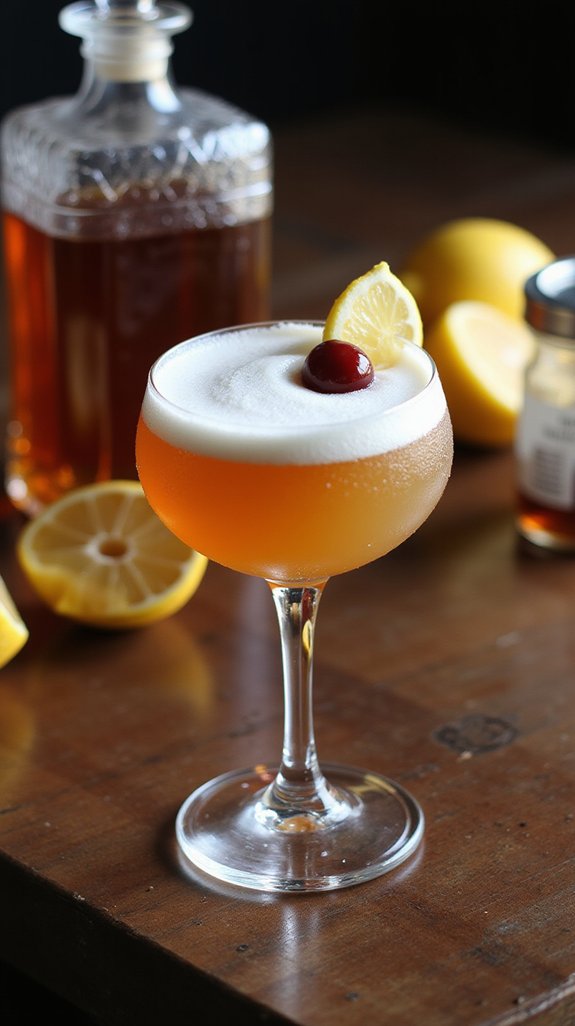
The Whiskey Sour stands as one of the most beloved and enduring cocktails in American drinking culture, with roots stretching back to the 1860s. This timeless combination of whiskey, citrus, and sweetness represents the perfect template for a sour-style cocktail, balancing the robust warmth of whiskey with the bright acidity of fresh lemon juice and the smoothness of simple syrup.
Traditionally made with bourbon or rye whiskey, this cocktail has evolved over generations while maintaining its essential character as a sophisticated yet approachable drink. The optional addition of egg white, which creates a luxurious foam cap, transforms the drink into a Boston Sour, though the classic three-ingredient version remains the standard for purists seeking straightforward elegance.
What makes the Whiskey Sour so universally appealing is its masterful balance of sweet, sour, and spirit—a harmony that’s simultaneously complex and invigorating. The whiskey provides a rich, warming foundation with notes of caramel, vanilla, and oak, while fresh lemon juice delivers the essential tartness that defines the sour category.
Simple syrup rounds out the edges and brings all the elements together without overwhelming the whiskey’s character. This versatile cocktail works equally well as a pre-dinner aperitif or an after-work wind-down, and its adaptability to different whiskey styles means you can customize the flavor profile to your preferences, from the sweetness of bourbon to the spicier notes of rye.
Ingredients
- 2 oz bourbon or rye whiskey
- ¾ oz fresh lemon juice
- ¾ oz simple syrup
- Ice
- Lemon wheel or cherry for garnish
- Orange slice for garnish (optional)
Instructions
Fill a cocktail shaker with ice cubes. Add the whiskey, fresh lemon juice, and simple syrup to the shaker. Seal the shaker and shake vigorously for 15-20 seconds until the outside of the shaker becomes frosty and cold.
Strain the cocktail into a rocks glass filled with fresh ice or serve it up in a chilled coupe glass without ice, depending on your preference. Garnish with a lemon wheel and a maraschino cherry, or add an orange slice for a classic presentation. Serve immediately.
Tips
Always use freshly squeezed lemon juice rather than bottled versions, as the brightness and natural acidity are vital to achieving the proper balance in this cocktail.
The ratio of lemon juice to simple syrup can be adjusted to suit your taste—start with equal parts and adjust from there, adding more syrup if you prefer sweeter drinks or more lemon for extra tartness.
Choose a quality bourbon or rye that you’d enjoy sipping neat, as the whiskey’s flavor remains prominent in the finished cocktail; mid-range options like Buffalo Trace, Bulleit, or Rittenhouse Rye work beautifully without breaking the bank.
For a silkier texture and professional presentation, add half an egg white to the shaker before shaking, which creates a beautiful foam cap and mellows the drink’s sharpness, though this technically makes it a four-ingredient variation.
Rum and Coke (Cuba Libre)
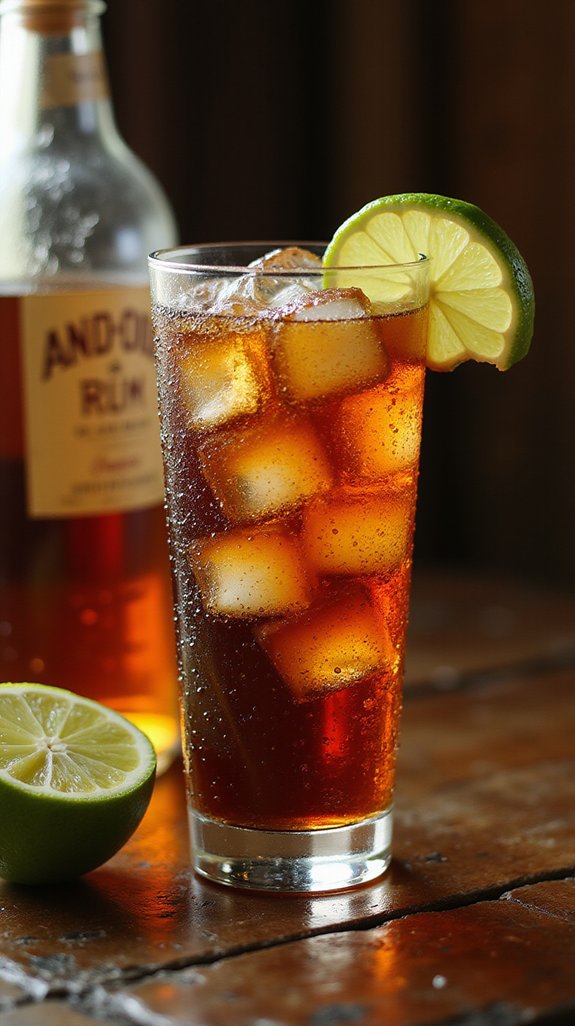
The Rum and Coke, more properly known as the Cuba Libre when garnished with lime, is one of the world’s most popular and accessible cocktails, beloved for its invigorating simplicity and satisfying flavor combination. Born in Havana, Cuba, around 1900 during the Spanish-American War, this drink allegedly got its name from the toast “Por Cuba Libre!” (To a Free Cuba!).
While often dismissed as too simple to be considered a proper cocktail, when made with quality ingredients and proper proportions, the Cuba Libre transforms into a surprisingly nuanced drink that showcases the interplay between rum’s molasses-rich sweetness, cola’s complex spice notes, and lime’s bright acidity. The key distinction between a simple rum and Coke and a true Cuba Libre is the addition of fresh lime juice, which elevates the drink from a casual mixer to a legitimate cocktail with historical significance.
What makes this cocktail enduringly popular is its incredible versatility and crowd-pleasing appeal, requiring minimal bartending skill while delivering maximum enjoyment. The rum provides a smooth, slightly sweet base with hints of vanilla, caramel, and tropical fruit, while the cola contributes its signature blend of citrus oils, spices, and effervescence.
The lime juice cuts through the sweetness and adds a layer of complexity that prevents the drink from becoming cloying, creating a balanced beverage that works in virtually any setting. Whether you’re using a light Puerto Rican rum for a cleaner taste or a darker Caribbean rum for more robust molasses notes, this three-ingredient classic adapts beautifully to different rum styles and personal preferences, making it the perfect introduction to rum-based cocktails.
Ingredients
- 2 oz white or gold rum
- 4-6 oz Coca-Cola (or your preferred cola)
- ½ oz fresh lime juice
- Ice
- Lime wedge for garnish
Instructions
Fill a highball glass or Collins glass with ice cubes. Pour the rum over the ice, followed by the fresh lime juice. Top with Coca-Cola, pouring slowly to preserve carbonation and prevent excessive fizzing.
Give the drink a gentle stir with a bar spoon, just one or two rotations to combine the ingredients without losing too much carbonation. Squeeze a lime wedge over the drink to release its oils, then drop it into the glass as a garnish. Serve immediately while the drink is cold and effervescent.
Tips
The quality of your cola matters considerably in this simple cocktail—consider using Mexican Coca-Cola made with cane sugar rather than high-fructose corn syrup for a cleaner, less cloying sweetness that better complements the rum.
Use fresh lime juice rather than bottled, as the brightness is essential to cutting through the sweetness and creating the proper Cuba Libre profile. The ratio of rum to cola can be adjusted based on preference, but avoid using too much cola as it will dilute the rum and make the drink overly sweet.
For a more authentic Cuban experience, use a quality Cuban-style rum if available, though any good white or gold rum will work well. Add the cola last and stir minimally to maintain maximum carbonation, as a flat Cuba Libre loses much of its invigorating appeal.
Gin and Tonic
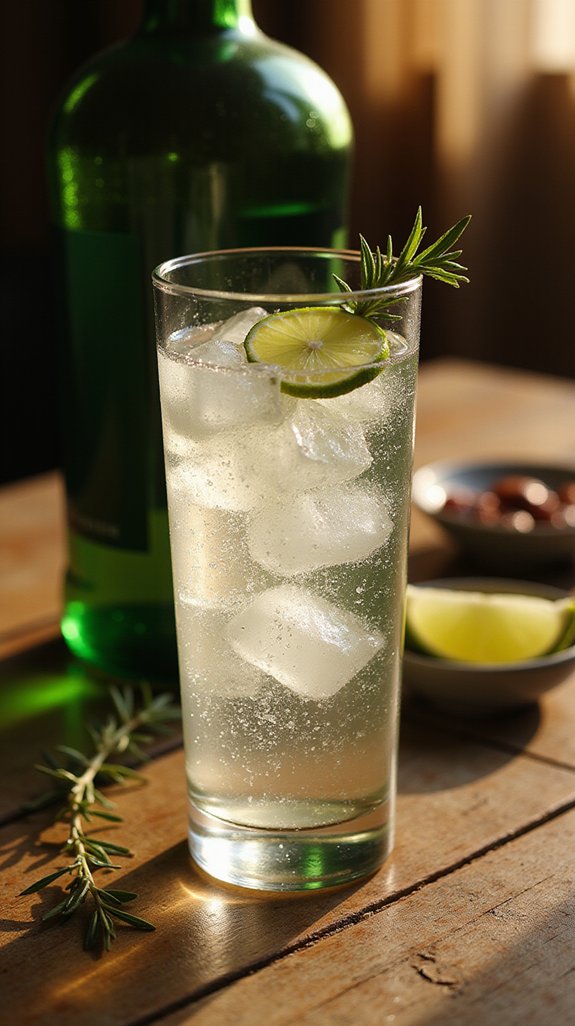
The Gin and Tonic stands as one of the most iconic and invigorating cocktails in the world, with roots tracing back to British colonial India in the 1800s when officers of the East India Company mixed their medicinal quinine tonic water with gin to make the bitter antimalarial remedy more palatable.
What began as a practical solution to preventing malaria evolved into a sophisticated cocktail that has transcended its utilitarian origins to become a beloved staple in bars worldwide. The drink’s enduring appeal lies in its perfect balance of gin’s botanical complexity against tonic water’s distinctive bitter-sweet quinine flavor, all brightened by a squeeze of fresh citrus.
While deceptively simple in construction, the Gin and Tonic offers remarkable depth and has experienced a renaissance in recent years as craft gin producers and premium tonic water makers have elevated this humble highball to new heights of sophistication.
The beauty of the Gin and Tonic is that it allows the gin’s unique botanical profile to shine while the tonic water provides an effervescent, slightly bitter counterpoint that enhances rather than masks the spirit’s character.
Whether you prefer a London Dry gin with its juniper-forward profile, a contemporary gin with floral or citrus notes, or a more exotic variety featuring unusual botanicals, the G&T framework adapts beautifully to showcase different expressions.
The drink’s simplicity means there’s nowhere for inferior ingredients to hide, making quality essential—fresh lime or lemon, premium tonic water, and a gin you genuinely enjoy drinking are non-negotiable for achieving cocktail excellence.
This three-ingredient classic proves that sometimes the most elegant solutions are also the simplest.
Ingredients
- 2 oz gin
- 4-5 oz tonic water
- ½ oz fresh lime juice (or lemon juice)
- Ice
- Lime or lemon wheel for garnish
Instructions
Fill a highball glass or large wine glass with ice cubes to guarantee the drink stays properly chilled.
Pour the gin over the ice, followed by the fresh lime or lemon juice. Top with tonic water, pouring gently down the side of the glass to preserve as much carbonation as possible.
Stir very gently with a bar spoon, using just one or two slow rotations to combine the ingredients while maintaining the tonic’s effervescence.
Garnish with a lime or lemon wheel, or for a more aromatic presentation, express the oils from a citrus peel over the drink before adding it to the glass. Serve immediately while the drink is cold and bubbly.
Tips
The ratio of gin to tonic is essential and highly personal—start with a 1:2 ratio and adjust to your preference, keeping in mind that too much tonic will dilute the gin’s botanicals while too little can make the drink overly strong.
Always use chilled tonic water and avoid flat or stale bottles, as the carbonation is essential to the drink’s character.
Consider matching your gin’s botanical profile with complementary garnishes beyond citrus: cucumber slices pair beautifully with lighter gins, rosemary sprigs enhance herbaceous varieties, and pink peppercorns or juniper berries can amplify a London Dry’s classic notes.
The size and quality of your ice matters—larger cubes melt more slowly and prevent excessive dilution, keeping your drink properly balanced from first sip to last.
Vodka Cranberry (Cape Codder)
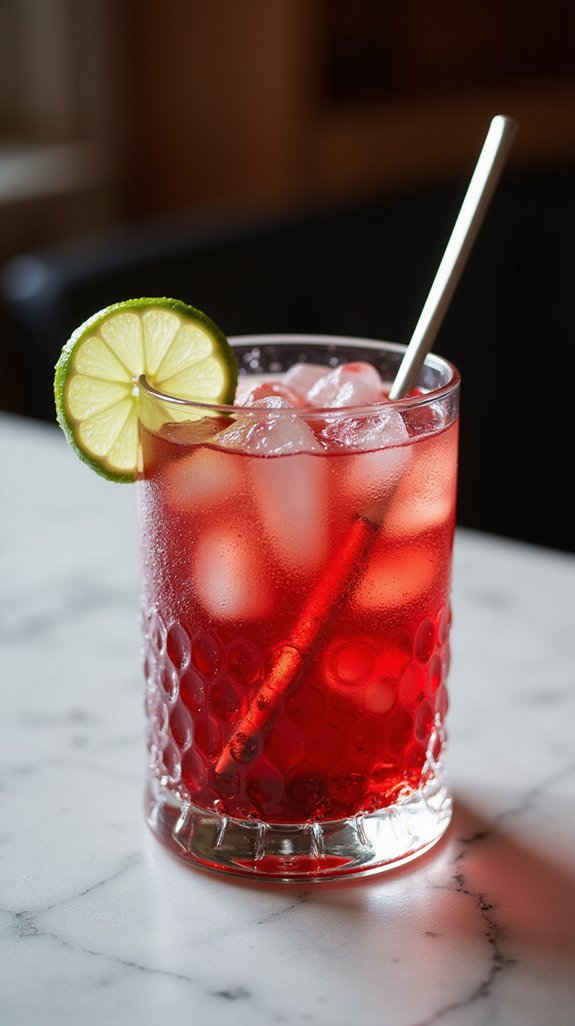
The Vodka Cranberry, more formally known as the Cape Codder, is a quintessentially American cocktail that emerged from the cranberry bogs of Massachusetts in the 1940s. Named after the Cape Cod peninsula where Ocean Spray cranberry growers developed their juice products, this invigorating drink gained popularity as cranberry juice became commercially available to the masses.
The cocktail’s rise coincided with vodka’s surge in American popularity during the mid-20th century, when the spirit’s neutral profile made it the perfect canvas for fruit-forward mixed drinks. What distinguishes the Cape Codder from countless vodka-juice combinations is its perfect balance of tart cranberry and bright citrus, creating a drink that’s simultaneously invigorating and sophisticated despite its humble three-ingredient composition.
The Cape Codder’s enduring popularity stems from its remarkable versatility and crowd-pleasing flavor profile that appeals to both cocktail novices and seasoned drinkers alike. The cranberry juice provides natural sweetness balanced by pleasant tartness, while the lime juice adds a fresh citrus note that prevents the drink from becoming cloying.
Unlike more spirit-forward cocktails, the Cape Codder offers easy drinkability without sacrificing character, making it ideal for everything from casual backyard gatherings to upscale bar service. The drink also serves as the foundation for variations like the Sea Breeze and Bay Breeze, proving its adaptability. Its vibrant ruby-red color makes it visually striking, while the straightforward preparation means anyone can master this classic at home with minimal effort.
Ingredients
- 2 oz vodka
- 4 oz cranberry juice
- ½ oz fresh lime juice
- Ice
- Lime wedge for garnish
Instructions
Fill a highball glass with ice cubes and pour the vodka over the ice. Add the cranberry juice and fresh lime juice, then stir gently but thoroughly with a bar spoon to guarantee all ingredients are well combined and properly chilled.
The stirring should be brisk enough to integrate the flavors but not so vigorous that it dilutes the drink excessively. Garnish with a lime wedge on the rim of the glass, which can be squeezed into the drink for additional citrus brightness or left as a visual accent.
Tips
For the best Cape Codder, always use 100% cranberry juice rather than cranberry juice cocktail, which contains added sugars and dilutes the drink’s authentic tart character—if pure cranberry juice proves too tart for your taste, add a small splash of simple syrup rather than compromising on juice quality.
The fresh lime juice is essential and should never be substituted with bottled lime juice, as the bright, fresh citrus notes are vital to balancing the cranberry’s richness. Consider upgrading to a premium vodka if you prefer a smoother drink, though the cranberry juice’s bold flavor means a mid-shelf vodka works perfectly well for most occasions.
For a more sophisticated presentation, serve the drink in a rocks glass over a large ice cube, which melts more slowly and maintains ideal dilution throughout your drinking experience.
Tequila Sunrise
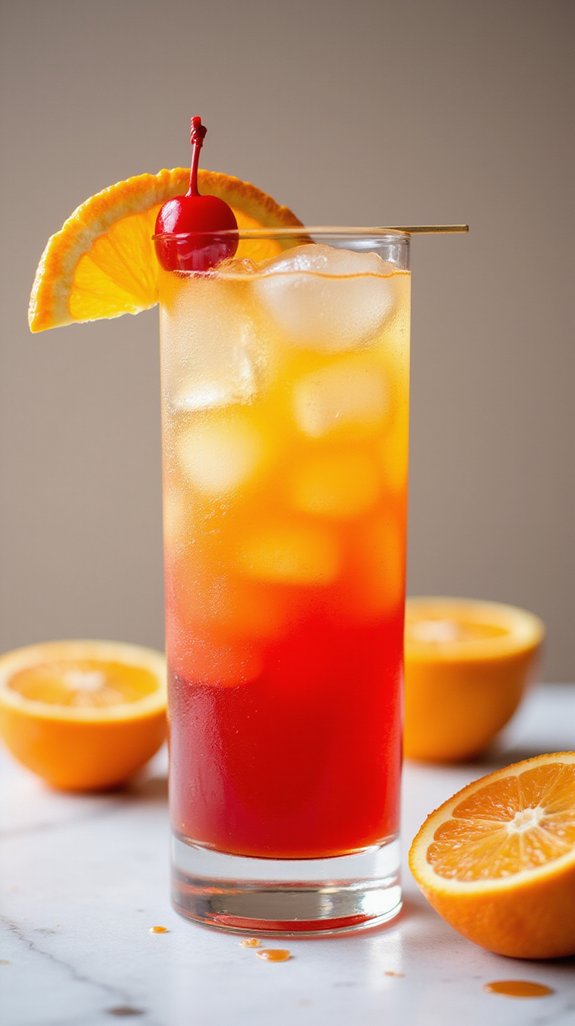
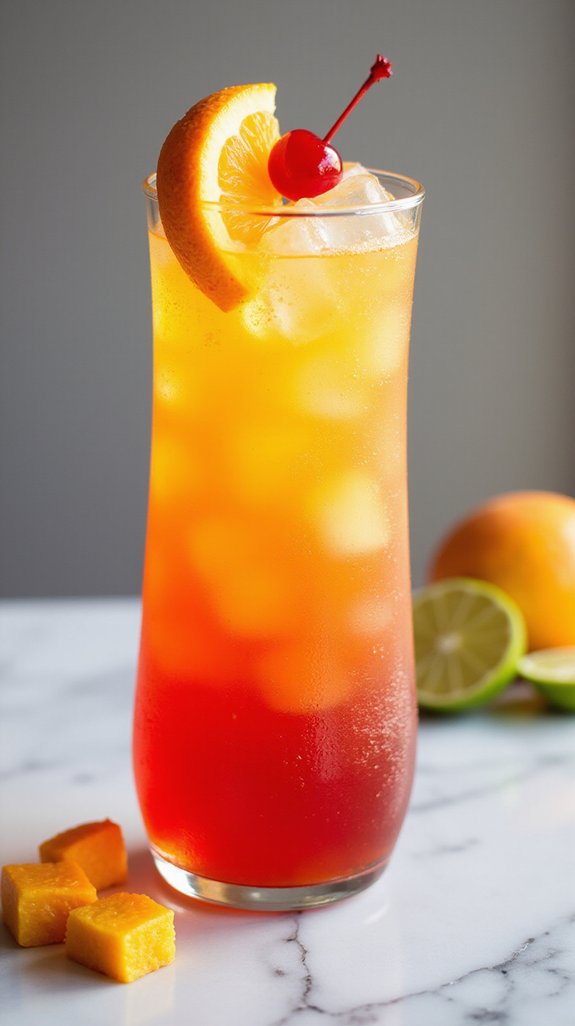
The Tequila Sunrise is a visually stunning cocktail that achieved legendary status during the 1970s, though its origins trace back to the 1930s in Baja California, Mexico. The drink earned its evocative name from the gradient effect created when grenadine syrup slowly sinks through the orange juice, mimicking the warm hues of a sunrise spreading across the morning sky.
While an earlier version existed, the modern recipe was popularized at the Trident restaurant in Sausalito, California, where it caught the attention of the Rolling Stones during their 1972 American tour. The band’s embrace of the cocktail, including naming their 1973 tour after it, catapulted the Tequila Sunrise into international fame. This tropical-inspired drink represents the perfect marriage of tequila’s agave character with citrus sweetness, creating a cocktail that’s as much a feast for the eyes as it’s for the palate.
The Tequila Sunrise’s enduring appeal lies in its deceptive simplicity and dramatic presentation that makes even novice bartenders look like professionals. Unlike many classic cocktails that require precise measurements and technique, the Tequila Sunrise relies on the natural density of grenadine to create its signature layered effect, making it virtually foolproof to prepare.
The combination of tequila’s distinctive flavor with fresh orange juice provides a revitalizing, approachable drink that works equally well at brunch, poolside, or evening gatherings. The cocktail’s sweetness is balanced by the tequila’s complexity, while the grenadine adds both visual drama and a subtle pomegranate undertone. Its vibrant appearance and tropical flavor profile have kept it relevant across decades, making it a staple on bar menus worldwide.
Ingredients
- 2 oz tequila (preferably blanco or reposado)
- 4 oz fresh orange juice
- ½ oz grenadine syrup
- Ice
- Orange slice and maraschino cherry for garnish
Instructions
Fill a highball or Collins glass with ice cubes and pour the tequila over the ice. Add the fresh orange juice and stir gently to combine the tequila and juice thoroughly.
Slowly pour the grenadine into the drink, allowing it to sink naturally to the bottom of the glass by pouring it over the back of a bar spoon or directly down the side of the glass—do not stir after adding the grenadine, as this will disrupt the signature sunrise effect. Garnish with an orange slice and a maraschino cherry, either on a cocktail pick or placed directly in the drink.
Tips
The key to achieving the perfect sunrise gradient is using real grenadine syrup made from pomegranate rather than artificially flavored red syrup, which will provide superior flavor and authentic color.
Always use freshly squeezed orange juice when possible, as it delivers brighter, more vibrant citrus notes that complement the tequila far better than commercial varieties. For the most dramatic visual effect, pour the grenadine very slowly and from a slight height, allowing it to cascade through the drink and settle naturally at the bottom.
If you prefer a less sweet cocktail, reduce the grenadine to ¼ oz, though this may result in a less pronounced color gradient.
Dark and Stormy
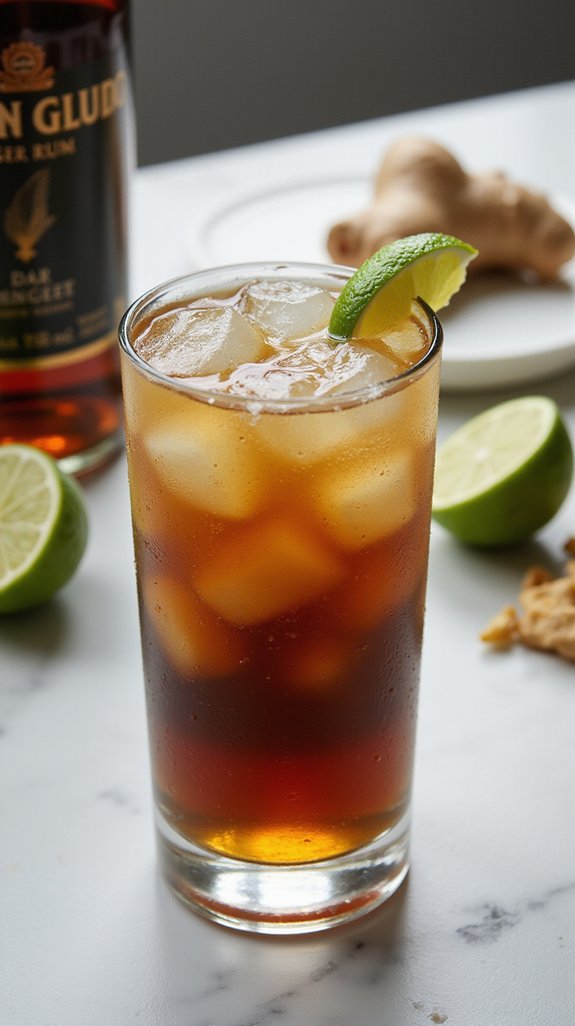
The Dark and Stormy is Bermuda’s national drink and one of the few cocktails with a legally protected name, as both “Dark and Stormy” and “Dark ‘N Stormy” are registered trademarks of Gosling’s Brothers Limited. This proprietary protection means that technically, only a cocktail made with Gosling’s Black Seal Rum can legitimately bear the name.
The drink emerged in the early 20th century when British Royal Navy sailors stationed in Bermuda began mixing the island’s indigenous Gosling’s rum with ginger beer, which was becoming increasingly popular as a mixer. The name aptly describes the drink’s appearance: the dark rum floating atop the pale ginger beer resembles storm clouds gathering over the ocean, a fitting image for an island nation.
Beyond its trademarked status, the Dark and Stormy has become a Caribbean classic that embodies the invigorating, spice-forward character of rum-based tropical cocktails.
What makes the Dark and Stormy particularly appealing is its bold flavor profile that stands apart from sweeter, fruit-forward rum drinks. The combination of rich, molasses-heavy dark rum with spicy, effervescent ginger beer creates a sophisticated interplay of warmth and rejuvenation.
The lime juice adds a vital citrus element that brightens the drink and cuts through the rum’s intensity while complementing the ginger’s bite. This cocktail requires minimal effort but delivers maximum impact, making it ideal for warm weather entertaining or as a simple yet impressive drink for casual gatherings.
Its distinctive flavor has influenced numerous variations and inspired a generation of ginger beer-based cocktails, though purists maintain that nothing quite matches the original Bermudian formula.
Ingredients
- 2 oz dark rum (traditionally Gosling’s Black Seal)
- 4 oz ginger beer
- ½ oz fresh lime juice
- Ice
- Lime wedge for garnish
Instructions
Fill a highball glass with ice cubes and pour the fresh lime juice over the ice. Add the ginger beer, filling the glass about three-quarters full, and stir gently to combine with the lime juice.
Slowly pour the dark rum over the top of the drink, either pouring it over the back of a bar spoon or carefully down the side of the glass to create a floating layer of rum that sits above the ginger beer, creating the signature “stormy” appearance. Garnish with a lime wedge on the rim of the glass.
Tips
For the best Dark and Stormy, use a high-quality ginger beer rather than ginger ale—the two are distinctly different, with ginger beer offering a spicier, more pronounced ginger flavor and less sweetness that’s essential to the drink’s character.
Brands like Fever-Tree, Q Ginger Beer, or Barritt’s (another Bermudian favorite) work exceptionally well. While the traditional presentation calls for floating the rum on top, many drinkers prefer to give the cocktail a gentle stir before drinking to integrate the flavors, which is perfectly acceptable once the visual effect has been appreciated.
If you can’t source Gosling’s Black Seal, look for other full-bodied dark rums with rich molasses notes, though be aware you’ll need to call your creation something else to respect the trademark. The drink can be adjusted to personal taste by varying the ratio of ginger beer to rum, and some bartenders add a dash of Angostura bitters for additional complexity.
Negroni

The Negroni stands as one of the most iconic and influential cocktails in the mixology canon, with a heritage dating back to 1919 Florence, Italy. According to legend, Count Camillo Negroni asked bartender Forsco Scarselli at Caffè Casoni to strengthen his favorite cocktail, the Americano, by replacing the soda water with gin. The result was an immediately enchanting blend of equal parts gin, Campari, and sweet vermouth that would go on to define the aperitivo tradition and inspire countless variations.
The drink’s popularity remained largely confined to Italy until the craft cocktail renaissance of the early 2000s, when bartenders worldwide rediscovered classic recipes and the Negroni experienced a dramatic resurgence. Today, it serves as a benchmark of bartending skill and a reflection of the power of perfectly balanced bitterness, with an entire week—Negroni Week—dedicated annually to celebrating this ruby-red classic while raising money for charitable causes.
What distinguishes the Negroni from other three-ingredient cocktails is its unapologetic bitterness and complexity, making it a distinctly acquired taste that rewards those who embrace its bold character. The botanical complexity of the gin interacts with Campari’s bitter orange and herbal notes, while the sweet vermouth provides a subtle sweetness and additional botanical depth that ties the components together.
This interplay creates a drink that’s simultaneously invigorating and contemplative, stimulating the palate rather than simply satisfying it. The Negroni has become a symbol of sophisticated drinking culture, appealing to those who appreciate cocktails that challenge and evolve with each sip. Its simple equal-parts formula makes it remarkably easy to prepare, yet the quality of ingredients and proper technique greatly impact the final result, making it both accessible to home bartenders and worthy of professional attention.
Ingredients
- 1 oz gin
- 1 oz Campari
- 1 oz sweet vermouth
- Ice
- Orange peel for garnish
Instructions
Fill a rocks glass or old-fashioned glass with ice cubes or one large ice cube. Pour the gin, Campari, and sweet vermouth directly into the glass over the ice, maintaining the equal proportions. Stir gently with a bar spoon for about 15-20 seconds to properly chill and dilute the drink while combining the ingredients.
Express the oils from an orange peel over the surface of the drink by holding the peel over the glass and giving it a firm twist, then either run the peel around the rim of the glass before dropping it into the drink or perch it on the rim as a garnish.
Tips
The equal-parts ratio is sacrosanct to purists, but the Negroni can be adjusted slightly to personal preference—some prefer a bit more gin for a drier drink or more vermouth to soften the bitterness. The quality of sweet vermouth matters enormously, and it should always be fresh since vermouth oxidizes and loses its character within a few weeks of opening; store opened vermouth in the refrigerator to extend its life.
The choice of gin greatly impacts the final flavor, with London Dry gins creating a more classic, juniper-forward profile, while modern gins with citrus or floral botanicals can add interesting dimensions. Stirring rather than shaking is essential to maintain the drink’s silky texture and clarity, and proper dilution through adequate stirring is vital to integrate the strong flavors and create a balanced, approachable drink.
Paloma
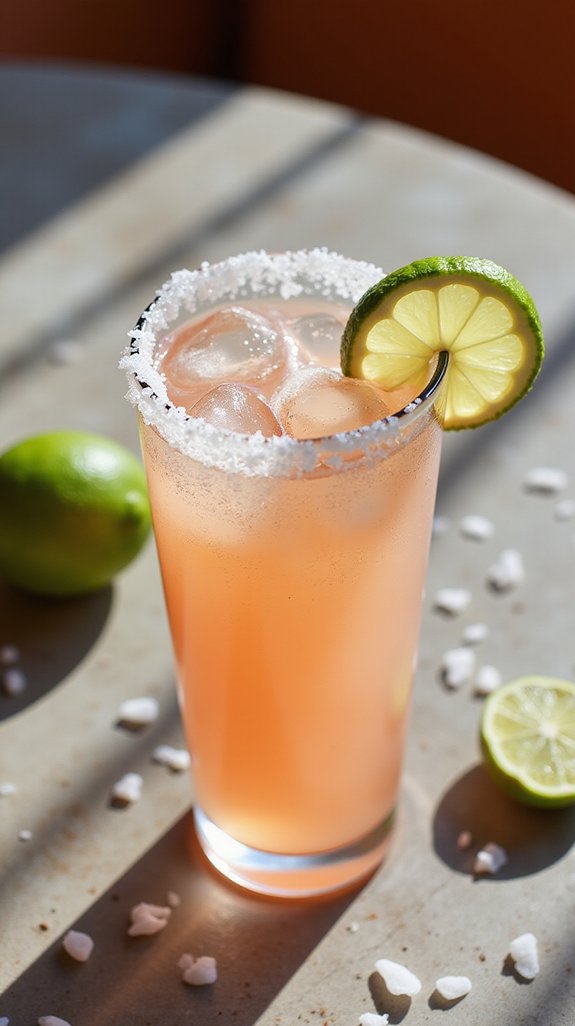
The Paloma represents Mexico’s most beloved tequila cocktail, surpassing even the margarita in domestic popularity, though it remains relatively underappreciated in many international markets. The drink’s origins are somewhat murky, with some attributing its creation to Don Javier Delgado Corona, owner of La Capilla bar in Tequila, Jalisco, sometime before 1950, while others suggest it evolved organically from the Mexican tradition of mixing tequila with grapefruit soda.
The name “Paloma,” meaning “dove” in Spanish, adds a poetic touch to this invigoratingly straightforward cocktail. Unlike many classic cocktails with precise documented histories, the Paloma’s authenticity lies in its grassroots popularity throughout Mexico, where it has been enjoyed for generations as a casual, thirst-quenching drink rather than a sophisticated craft cocktail. Its rise in craft cocktail circles has led to fresh-squeezed variations, but the traditional preparation using grapefruit soda remains the most common and accessible version.
What makes the Paloma particularly appealing is its perfect balance of tart, sweet, and salty flavors, combined with an effervescence that makes it supremely revitalizing in warm weather. The bright citrus notes of grapefruit complement tequila’s agave character beautifully, while the salt rim enhances the drink’s complexity by highlighting both the sweetness and tartness.
This cocktail exemplifies the Mexican approach to drinking—unpretentious, social, and designed for enjoyment rather than contemplation. The Paloma’s simplicity makes it an ideal introduction to tequila-based cocktails for newcomers, while its clean flavors allow quality tequila to shine through without being masked by excessive sweetness or complexity. As a three-ingredient cocktail, it delivers remarkable sophistication with minimal effort, making it a staple for both home entertaining and professional bars seeking to offer authentic Mexican drinking culture.
Ingredients
- 2 oz tequila blanco
- 4 oz grapefruit soda (such as Jarritos, Squirt, or Fresca)
- 0.5 oz fresh lime juice
- Salt for rim
- Ice
- Lime wheel or grapefruit wedge for garnish
Instructions
Prepare a highball glass by running a lime wedge around the rim and dipping it in salt to create a salt rim on half or the entire edge, according to preference. Fill the glass with ice cubes, then pour the tequila and fresh lime juice over the ice.
Top with grapefruit soda, pouring gently to preserve carbonation, and stir briefly and delicately with a bar spoon—just two or three rotations—to combine the ingredients without losing too much effervescence. Garnish with a lime wheel or grapefruit wedge on the rim.
Tips
The choice between using bottled grapefruit soda versus fresh grapefruit juice with sparkling water considerably affects the drink’s character, with the traditional soda version offering nostalgic sweetness and convenience while the fresh version provides a more refined, less sugary experience.
When selecting tequila, choose a quality blanco or reposado that you’d enjoy sipping, as the Paloma’s simplicity means there’s nowhere for inferior spirits to hide. The salt rim is essential rather than optional, as it creates a flavor contrast that elevates the entire drinking experience, though salting only half the rim allows drinkers to choose their preferred intensity with each sip.
For the most authentic experience, seek out Mexican grapefruit sodas like Jarritos Toronja, which have a distinct flavor profile that differs from American alternatives, though any grapefruit soda will produce a delicious result.
Champagne Cocktail
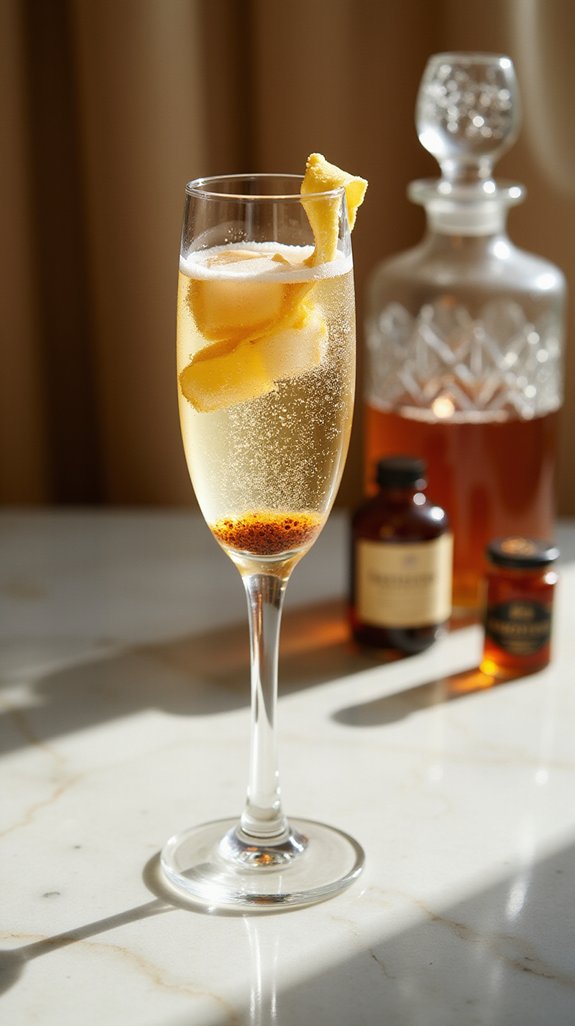
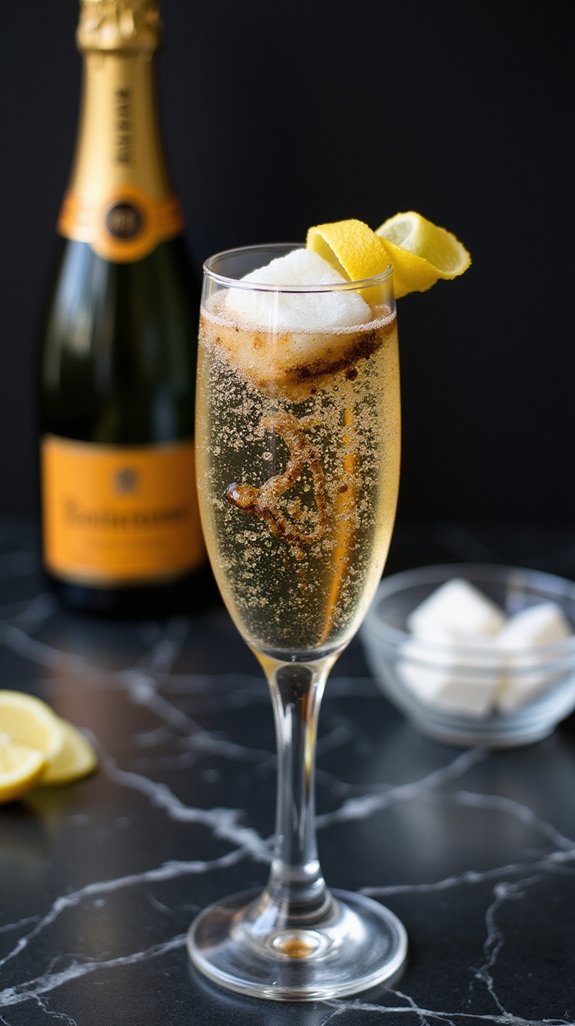
The Champagne Cocktail stands as one of the oldest recorded mixed drinks in cocktail history, with references dating back to the 1850s, appearing in Jerry Thomas‘s 1862 bartending guide “How to Mix Drinks.” This elegant libation emerged during an era when adding sugar and bitters to wine was common practice, but the Champagne Cocktail elevated this concept by combining these elements with the luxury of sparkling wine and the theatrical touch of a sugar cube that slowly dissolves while releasing ribbons of bitters throughout the drink.
Despite its simplicity, the cocktail became synonymous with sophistication and celebration, frequently appearing in literature and film as the drink of choice for glamorous occasions. The classic recipe has remained remarkably consistent over more than a century and a half, a proof of its flawlessly balanced composition that enhances rather than masks the champagne’s inherent qualities.
What distinguishes the Champagne Cocktail from mere champagne service is the way the sugar cube acts as both sweetener and effervescent catalyst, creating a mesmerizing visual effect as it fizzes at the bottom of the glass while gradually releasing the aromatic bitters into the wine. The Angostura bitters add complexity with their blend of spices and herbs, transforming ordinary sparkling wine into something more nuanced and intriguing.
This cocktail proves that luxury doesn’t require complexity—just three carefully chosen ingredients can create an experience that feels special and refined. The Champagne Cocktail works equally well as an aperitif, a celebratory toast, or an elegant way to extend champagne service throughout an evening. Its minimal ingredient list makes it accessible to anyone with a bottle of sparkling wine, while its presentation and flavor profile deliver the sophistication expected at the finest establishments.
Ingredients
- 1 sugar cube
- 2-3 dashes Angostura bitters
- 4-5 oz champagne or sparkling wine (chilled)
- Lemon twist for garnish
Instructions
Place the sugar cube at the bottom of a champagne flute or coupe glass. Saturate the sugar cube with 2-3 dashes of Angostura bitters, allowing the bitters to soak into the cube completely. Slowly pour chilled champagne or sparkling wine over the sugar cube, filling the glass while observing the effervescent reaction as the sugar begins to dissolve and release the bitters throughout the drink.
Express a lemon twist over the surface of the cocktail to release its oils, then either drop it into the glass or rest it on the rim as garnish.
Tips
Use a quality sparkling wine rather than expensive vintage champagne, as the added sugar and bitters will alter the wine’s carefully crafted flavor profile—a good Cava, Prosecco, or non-vintage champagne works perfectly.
Make certain your sparkling wine is well-chilled before preparation to maintain peak effervescence and prevent the drink from becoming flat too quickly. The sugar cube will continue dissolving throughout drinking, making the cocktail progressively sweeter, so some prefer to let it fully dissolve and stir before serving, though this eliminates the dramatic visual effect.
For a drier version, use a half sugar cube, or for added depth, experiment with different bitters varieties such as orange or Peychaud’s, though Angostura remains the traditional choice that best complements champagne’s flavor.
Frequently Asked Questions
What Type of Glassware Is Best for Serving Three-Ingredient Cocktails?
You’ll want to match your glassware to the cocktail style. Use highball glasses for fizzy drinks, rocks glasses for spirit-forward cocktails, and coupe or martini glasses for shaken drinks served up without ice.
How Long Do Opened Bottles of Spirits Last at Home?
Most opened spirits last indefinitely when stored properly since their high alcohol content preserves them. However, you’ll notice liqueurs and vermouth deteriorate within 6-12 months, so refrigerate these after opening for best quality.
Can I Batch Prepare These Cocktails in Advance for Parties?
You can definitely batch most three-ingredient cocktails ahead of time. Mix everything except carbonated ingredients, store in the fridge, and add ice plus any fizzy components right before serving your guests.
What Are Good Non-Alcoholic Substitutes for Making Mocktail Versions?
You’ll open a world of flavor by swapping spirits for seedlip, kombucha, or shrubs. Try sparkling water with fruit syrups, cold-brew tea concentrates, or flavored tonics—they’ll mimic cocktails’ complexity beautifully without alcohol.
Should Cocktail Ingredients Be Measured or Can I Pour Freely?
You should measure your ingredients, especially when you’re starting out. Proper ratios guarantee balanced flavors and consistent results. Once you’ve mastered a recipe, you can experiment with free-pouring to match your taste preferences.