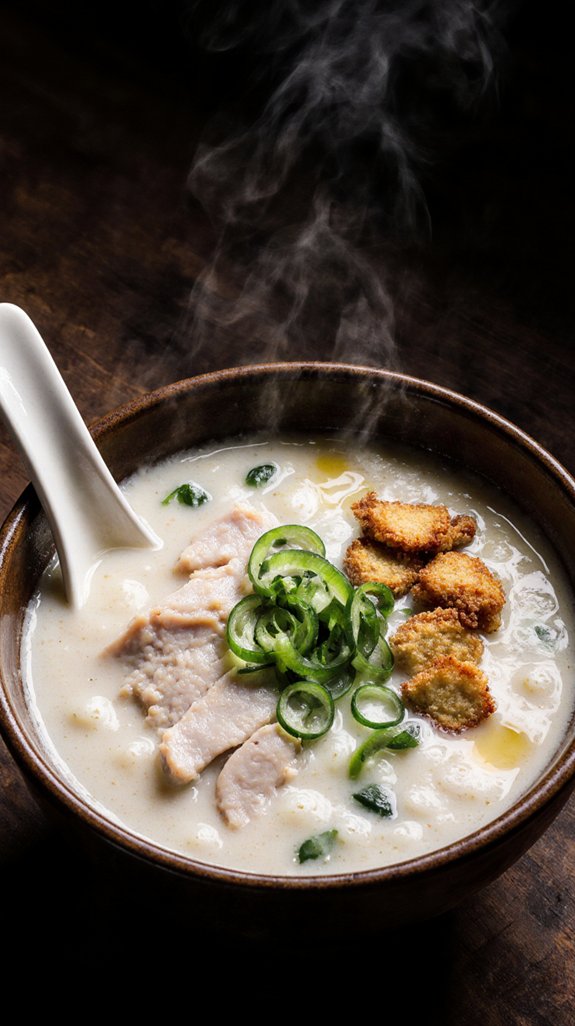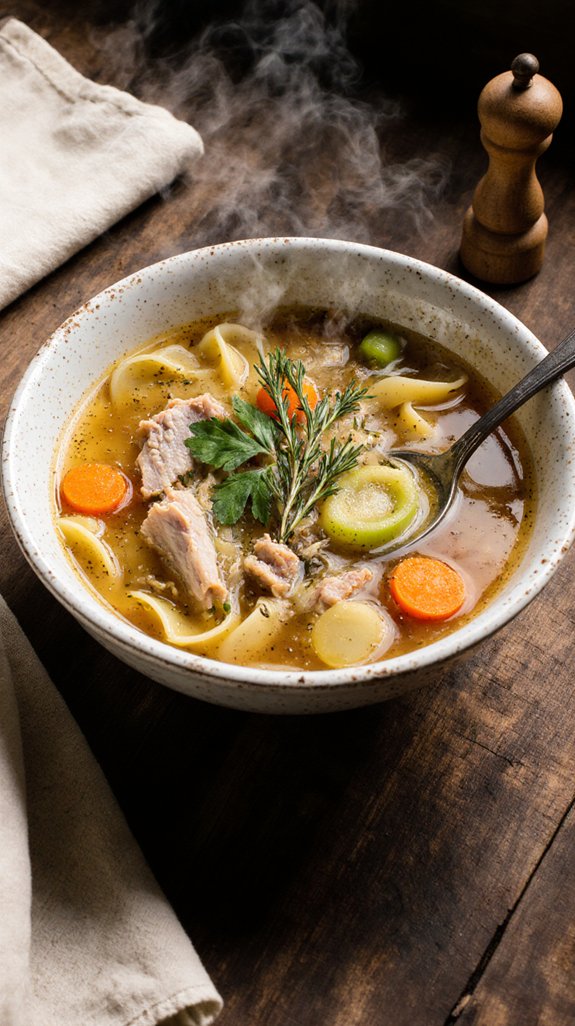

There’s something deeply satisfying about a pot of split pea soup simmering on the stove when winter winds are howling outside. I’ve been making this recipe for years, and it never fails to deliver the kind of warmth that goes beyond just temperature. The best part? You probably have most of what you need already sitting in your pantry, and the technique couldn’t be simpler once you understand the key steps that transform humble ingredients into something extraordinary.
Why You`ll Love this Hearty Split Pea Soup

When cold weather settles in, there’s nothing quite like a bowl of homemade split pea soup to warm you from the inside out.
I love this recipe because it delivers comforting flavor in every spoonful while packing impressive nutritious benefits. The split peas provide excellent protein and fiber, making this soup both filling and good for you.
What really sets this soup apart is how the ham bone infuses the broth with rich, savory depth that you simply can’t get from store-bought versions.
I appreciate that it’s surprisingly simple to make, requiring just basic ingredients you probably already have. The vegetables add sweetness and texture, while the slow cooking process melds everything together into a thick, satisfying meal that’ll keep you coming back for seconds.
What ingredients are in Hearty Split Pea Soup?
This classic split pea soup comes together with just a handful of simple, wholesome ingredients that you can easily find at any grocery store. The beauty of this recipe lies in its simplicity – no fancy or expensive items required, just straightforward pantry staples and fresh vegetables that combine to create something truly delicious and nourishing.
- 1 cup split peas
- 6 cups boiling water
- 1 ham bone
- 1-2 onions, chopped
- 1 carrot, diced
- Salt and pepper to taste
- 1 potato, sliced
- Ham for garnish (optional)
The ham bone is the secret ingredient that elevates this soup from ordinary to extraordinary, providing deep flavor and richness as it simmers. If you can’t find a ham bone, you can substitute with ham hocks or even smoked turkey parts for a similar effect.
The split peas don’t require pre-soaking overnight like some dried legumes, though this recipe does call for a quick one-hour soak after an initial boil to help them cook more evenly. Feel free to adjust the vegetable quantities to your preference – an extra carrot or potato won’t hurt, and some cooks like to add celery for additional flavor.
The final consistency can be adjusted by adding more water if you prefer a thinner soup, or letting it simmer longer for an extra-thick, hearty texture.
How to make this Hearty Split Pea Soup

Making split pea soup is wonderfully straightforward, and the process begins with a quick-soak method that saves you hours compared to traditional overnight soaking. Start by adding your 1 cup of split peas to 6 cups of boiling water in a large pot. Let this mixture boil for just 2 minutes, then remove it from the heat, cover the pot tightly with a lid, and let the peas soak for 1 hour. This short soaking period helps soften the peas and guarantees they’ll cook evenly, giving you that perfect creamy texture we all love in split pea soup.
After the soaking time is complete, it’s time to build the flavor by adding all the remaining ingredients to the pot. Toss in your ham bone, which will infuse the soup with rich, savory flavor as it cooks. Add your 1-2 chopped onions, 1 diced carrot, and 1 sliced potato, along with a generous sprinkle of salt and pepper to taste.
Give everything a good stir, then bring the pot to a gentle simmer. Let the soup cook slowly over low to medium-low heat for about 45 minutes, or until the peas become wonderfully tender and start to break down naturally.
Once the cooking time is up, carefully remove the ham bone from the pot and set it aside. At this point, you have a choice to make about texture – you can either rub the peas through a sieve for an ultra-smooth, refined consistency, or leave the soup unstrained for a more rustic, chunky feel.
Season the soup again with additional salt and pepper if needed, and check the thickness. If your soup seems too thick for your liking, simply stir in some extra water until you reach your preferred consistency.
Before serving, garnish each bowl with some chopped ham, which adds a lovely finishing touch and extra protein to this already satisfying meal.
Shop Related Products
COOK LIKE RACHAEL RAY: Durable enamel on steel construction provides fast, even heating and easy cleaning convenience when cooking with this Rachael Ray stockpot
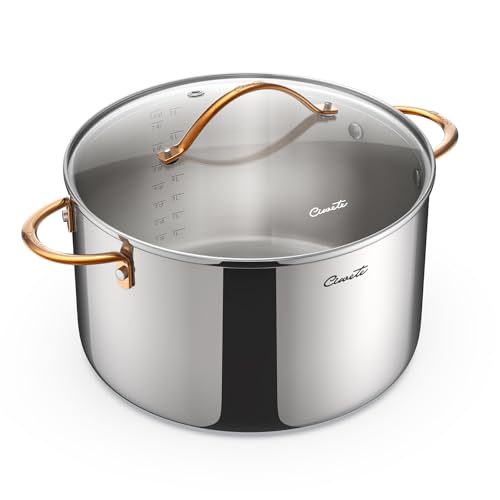
【Tri-Ply Clad Stainless Steel for Fast Heating】This 8 qt stock pot features seamless one-piece construction with an integrated triple-layer clad base and body (18/10 stainless steel interior, aluminum core, and magnetic stainless steel exterior). The 360° full-body heat distribution ensures rapid and even heating across the entire pot, preventing localized hot spots and warping. It offers faster heating and greater energy efficiency, resulting in uniformly cooked food, exceptional cooking performance, and long-lasting durability.

Perfect Heat Distribution: Made of thick gauge aluminum, the non-stick stockpot provides even heat conduction and prevents hot spots
Hearty Split Pea Soup Substitutions and Variations
While this classic split pea soup recipe is absolutely delicious as written, I love that it’s incredibly flexible and welcomes all sorts of substitutions based on what you have in your kitchen.
For vegetable alternatives, you can swap the carrot for celery, parsnips, or sweet potatoes. I often add garlic or leeks along with the onion for extra depth.
If you want to explore spice variations, try stirring in cumin, smoked paprika, or a bay leaf while the soup simmers. Fresh thyme or rosemary also work beautifully.
For a vegetarian version, skip the ham bone and use vegetable broth instead of water, adding liquid smoke for that smoky flavor.
You can even blend the finished soup completely smooth if you prefer a creamy texture over rustic.
Shop Related Products

Large and Versatile Cookware: The Ohtomber 12 quart stock pot with lid, with its large capacity, is ideal for cooking, steaming, simmering, boiling, and stew, all while effectively reducing boil-overs. This big pot is suitable for different dishes, including soups, pasta, chili, spaghetti, pho, broths, lobsters, and stew sauces, as well as for canning baths. Whether you're preparing meals for your family or hosting gatherings, this cooking pot provides ample space to meet all your cooking needs.

15 QUARTS: The NutriChef Stainless Steel Large Cooking Pot features 15-quart capacity weighing 6.7 lbs w/ lid which is the perfect size for boiling eggs, simmering stocks & soups or making sauces for a large crowd. Great for commercial & home cooking

Premium Stainless Steel Construction Crafted from high-quality, durable stainless steel, this soup pot offers excellent heat distribution and resistance to warping, corrosion, and staining. Perfect for everyday cooking, it maintains performance on gas, electric, and induction stovetops.
What to serve with Hearty Split Pea Soup

A warm bowl of split pea soup practically begs for crusty bread on the side, and I’d recommend a hearty sourdough, French baguette, or even homemade cornbread to soak up every last drop.
Each bread pairs beautifully with the soup’s thick, creamy texture, creating a satisfying meal. For a lighter complement, I’ll often add a simple side salad to balance the richness.
Fresh salad options include a crisp green salad with vinaigrette, a tangy coleslaw, or sliced tomatoes with cucumber. The acidity from the dressing cuts through the soup’s heaviness perfectly.
If you’re feeding a crowd, consider adding pickles or a cheese platter alongside. These simple additions transform your soup into a complete, restaurant-worthy meal that’ll warm you from the inside out.
Final Thoughts
Why settle for bland, watery soup when you’ve got a recipe that delivers authentic, stick-to-your-ribs comfort in every spoonful?
I’ve walked you through making this hearty split pea soup from start to finish, and now you’re armed with all the recipe tips you need for success.
Remember, the key is patience—letting those peas break down creates that naturally thick, velvety texture we’re after.
When it comes to soup storage, this recipe actually improves overnight as the flavors meld together.
Store it in airtight containers in your fridge for up to five days, or freeze portions for up to three months.
Just add a splash of water when reheating, since it’ll thicken as it sits.
Now get cooking!
Frequently Asked Questions
Can I Freeze Split Pea Soup for Later Use?
Yes, I’ll share freezing tips for your split pea soup. It’s perfect for meal prep—I freeze it in portions for up to three months. Just let it cool completely before freezing in airtight containers.
How Long Does Split Pea Soup Last in the Refrigerator?
I’ll share some storage tips: your split pea soup’s shelf life in the refrigerator is typically 3-5 days when stored in an airtight container. I always recommend cooling it completely before refrigerating to maintain freshness.
Do I Need to Soak Split Peas Before Cooking?
I’ll share helpful cooking tips: you don’t need to soak split peas before cooking. The recipe demonstrates this—you’ll boil them for two minutes, then let them soak for just one hour before continuing with your soup.
Can I Make This Soup in a Slow Cooker?
Yes, I can adapt this recipe for your slow cooker. Among slow cooker benefits, you’ll enjoy hands-off cooking for 6-8 hours on low. For soup cooking tips, add ingredients together and let it simmer until tender.
What Causes Split Pea Soup to Become Too Thick?
Split peas act as natural thickening agents, absorbing water as they cook and break down. If I don’t maintain proper ingredient ratios of liquid to peas, or if the soup simmers too long, it’ll become overly thick.