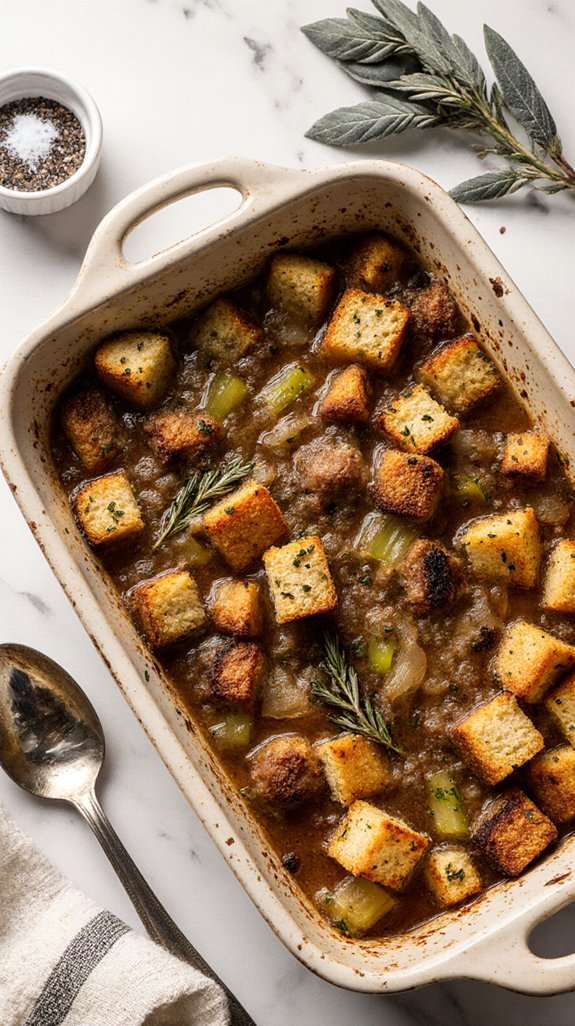
I’ll never forget the year I accidentally added clams to my sausage stuffing—turns out, the recipe card had stuck to another page in my grandmother’s cookbook. While that particular experiment didn’t make it to the holiday table, it taught me something valuable: the best stuffing balances familiar comfort with unexpected depth. Today’s version skips the seafood mishap but keeps the lesson, combining classic ingredients in ways that’ll transform your Thanksgiving spread.
Why You`ll Love this Savory Sausage Stuffing
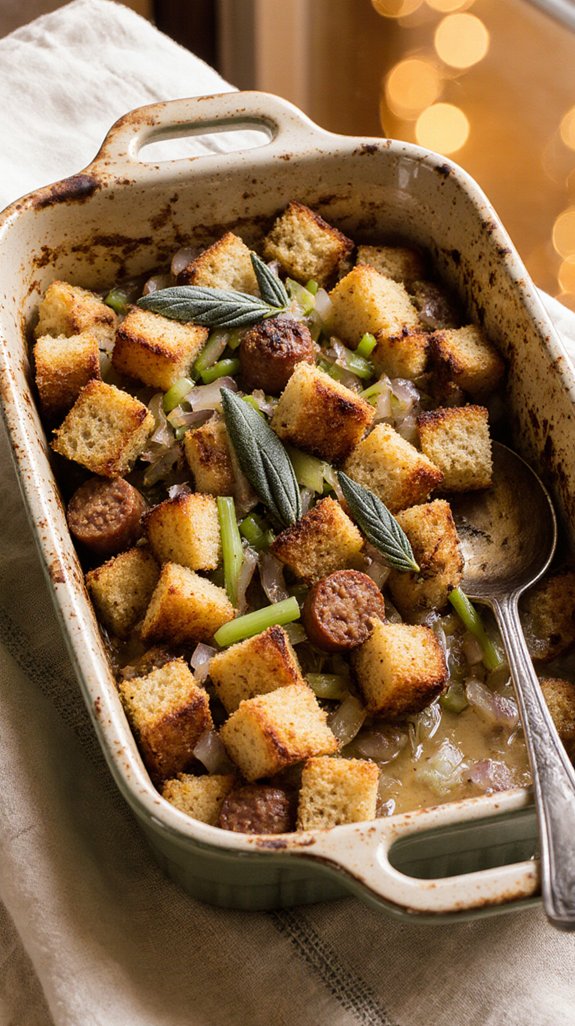
While most stuffing recipes rely on Italian sausage or breakfast links, this version takes a different approach that I’ve come to appreciate over years of holiday cooking. The combination of clams, savory herbs, and umami-rich sauces creates depth that transforms ordinary bread into something memorable.
I’ll admit, when I first encountered clams in stuffing, I was skeptical, but the briny sweetness adds complexity you won’t find in typical holiday favorites. The blend of sage, savory, and thyme brings flavorful twists that complement turkey without overpowering it.
What really makes this recipe shine is how the Worcestershire and soy sauces deepen every bite, creating layers of flavor that keep guests reaching for seconds. It’s become my go-to because it delivers restaurant-quality results with straightforward preparation.
What ingredients are in Savory Sausage Stuffing?
This stuffing recipe calls for a thoughtful combination of aromatics, herbs, and umami-rich ingredients that work together to create extraordinary flavor. Unlike traditional sausage stuffing that relies heavily on meat, this version uses an unexpected ingredient—canned clams—to provide depth and a subtle brininess that elevates the entire dish. The foundation is built on classic aromatics and a carefully selected blend of dried herbs that capture the essence of holiday cooking.
Ingredients:
- 2 cups celery, chopped
- 1 cup onion, chopped
- 2 tablespoons sage
- 1/2 tablespoon savory
- 1/2 tablespoon thyme
- 1/2 teaspoon pepper
- 1 tablespoon soy sauce
- 1 tablespoon Worcestershire sauce
- 1 (6 1/2 ounce) can minced clams (liquid included)
- 1 bouillon cube (or enough to make 2 cups liquid, preferably Rapunzel brand)
- 2 loaves bread (use old bread and cut into cubes)
The quality of your bread matters greatly in this recipe—stale or day-old bread is actually preferred because it absorbs the flavorful liquid without becoming mushy. The bouillon cube should be dissolved in enough water to create 2 cups of liquid total when combined with the clam juice, giving you control over the stuffing’s moisture level. While bacon grease is recommended for sautéing the vegetables to add another layer of savory richness, olive oil works as a suitable alternative for those seeking a lighter option.
How to make this Savory Sausage Stuffing
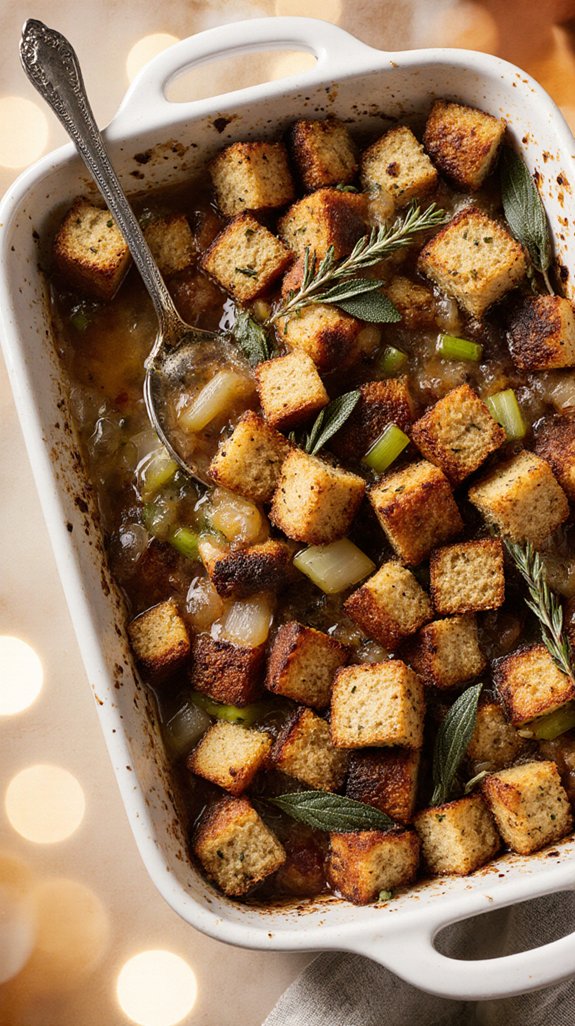
Making this savory stuffing is surprisingly straightforward, and the key is building layers of flavor as you go. Start by sautéing your 2 cups of chopped celery and 1 cup of chopped onion in a large skillet—bacon grease is the traditional choice here and adds incredible richness, but olive oil works perfectly well if you prefer.
Once the vegetables are softened and fragrant, stir in your herb blend: 2 tablespoons of sage, 1/2 tablespoon each of savory and thyme, and 1/2 teaspoon of pepper. These herbs are what give the stuffing its classic holiday aroma. Next, add 1 tablespoon each of soy sauce and Worcestershire sauce, stirring everything together until well combined. The umami from these sauces creates a deep, complex flavor that makes this stuffing stand out from ordinary versions.
Once your aromatic mixture is ready, remove the skillet from the heat and add the entire 6 1/2-ounce can of minced clams, including all the liquid. This is the secret ingredient that adds a subtle brininess and moisture to the stuffing.
Prepare your bouillon by dissolving 1 cube in enough water to make 2 cups of liquid total when combined with the clam juice, then add this to your mixture. Now pour this entire flavorful liquid over your 2 loaves of cubed, stale bread in a large bowl, mixing thoroughly to guarantee every piece gets coated.
The bread should be pleasantly moist but not soggy—if it seems too dry, you can add a bit more liquid until you reach your desired consistency. For best results, use premium cookware sets that distribute heat evenly throughout the cooking process. This recipe makes enough to generously stuff a 20-pound turkey, and one of the best parts is that you can prepare it ahead of time and keep it refrigerated until you’re ready to use it.
Savory Sausage Stuffing Substitutions and Variations
One of the beautiful things about this stuffing recipe is how flexible it becomes once you understand the basic technique, and you can adapt it to suit different tastes or dietary needs without losing that savory depth.
I’ve swapped the clams for cooked Italian sausage when I need heartier stuffing alternatives, crumbling it right into the sautéed vegetables. You can also use vegetable broth instead of the clam liquid for a lighter version.
For flavor enhancements, I sometimes add dried cranberries or chopped apples, which bring unexpected sweetness against those earthy herbs. My aunt once threw in chestnuts, and honestly, it felt fancy enough for a magazine cover.
The bread type matters too—sourdough gives tang, while cornbread creates Southern comfort.
Shop Related Products

5.5-inch square skillet for grilled cheese or ham & cheese sandwiches
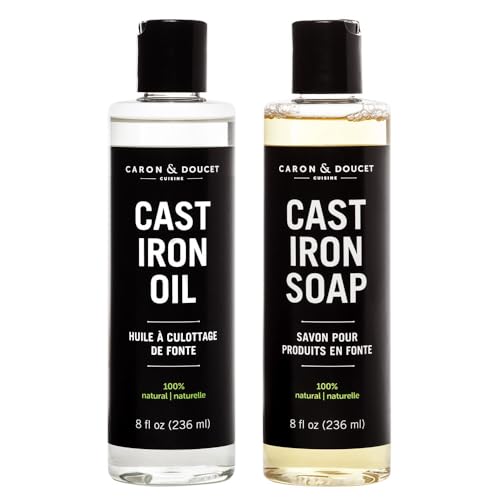
CLEANS CAST IRON | Includes our Cast Iron Soap unlike detergent based soaps, this soap is formulated with 100% natural plant-based oils & free of sulfates, phosphates, parabens & petrochemicals! Gentil on cast iron seasoning & on your hands!

Seasoned with oil for a natural, easy-release finish that improves with use
What to serve with Savory Sausage Stuffing
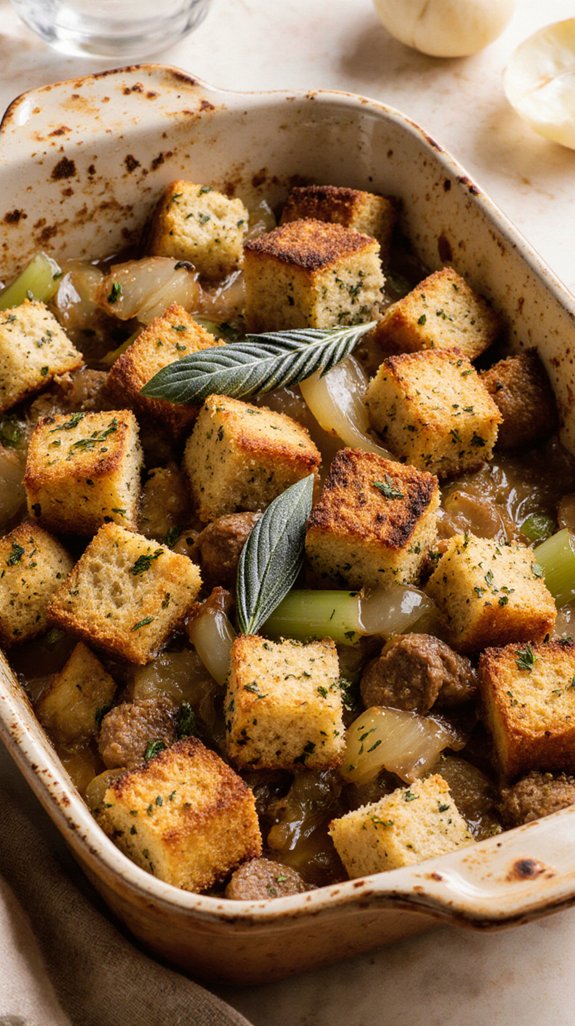
When Thanksgiving dinner hits the table, I’ve learned that savory stuffing like this needs companions that balance its rich, herbal intensity rather than compete with it.
I always plan my sides pairing around simple, clean flavors—roasted Brussels sprouts with just butter and salt, creamy mashed potatoes, and bright cranberry sauce that cuts through the richness. The flavor complements work best when they’re straightforward rather than complicated.
My grandmother taught me that good turkey needs minimal seasoning since the stuffing does the heavy lifting, and she was right.
I’ve found that green beans almondine or glazed carrots add sweetness without overwhelming the sage and thyme.
Skip heavily spiced or creamy sides that muddle the meal’s balance.
Final Thoughts
Holiday traditions aren’t built overnight. They emerge from consistent quality, from flavors that trigger flavorful memories, from recipes that connect generations.
This stuffing has earned its place at our table through reliability and taste. Whether you’re starting a new tradition or honoring an old one, I hope this recipe becomes part of your family’s story.
Make it your own, adjust the seasonings, and most importantly, make enough for leftovers—trust me on this.
Frequently Asked Questions
Can I Freeze Leftover Stuffing for Later Use?
Yes, I’ll gladly share freezing tips! You can freeze leftover stuffing for up to three months. Use airtight storage containers or freezer bags, removing excess air. Let it cool completely before freezing to maintain quality.
How Long Does Homemade Stuffing Last in the Refrigerator?
I’d store homemade stuffing in the refrigerator for 3-4 days maximum. For the best shelf life, I’ll give you this storage tip: keep it in an airtight container and refrigerate within two hours of cooking.
What Temperature Should the Stuffing Reach for Food Safety?
I always make certain my stuffing reaches an internal temperature of 165°F for food safety. I use a meat thermometer to check the center, where it’s coolest, ensuring harmful bacteria are eliminated before serving.
Can I Cook the Stuffing Inside the Turkey Safely?
I don’t recommend cooking stuffing inside the turkey for safety reasons. Turkey cooking times often don’t allow the stuffing’s center to reach 165°F, risking bacterial growth. I’d suggest baking your stuffing separately for better stuffing safety.
How Do I Reheat Leftover Stuffing Without Drying It Out?
I’ll reheat your stuffing at 350°F covered with foil for moisture retention. Add a few tablespoons of broth before reheating. These reheating techniques prevent drying—remove the foil for the last five minutes to crisp the top.