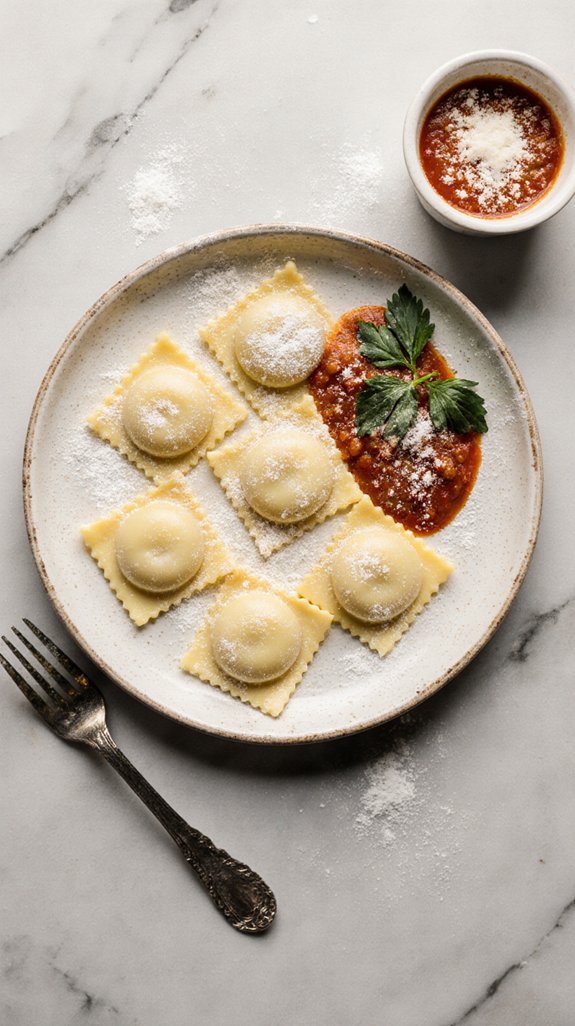
I’ve been making pasta for years, and I can tell you that nothing compares to biting into a perfect homemade ravioli. The tender dough, the creamy filling, the way it all comes together—it’s honestly not as complicated as you might think. Sure, it takes a bit of time, but the process is straightforward and incredibly rewarding. Let me show you exactly how to create these little pockets of deliciousness in your own kitchen.
Why You`ll Love this Homemade Ravioli
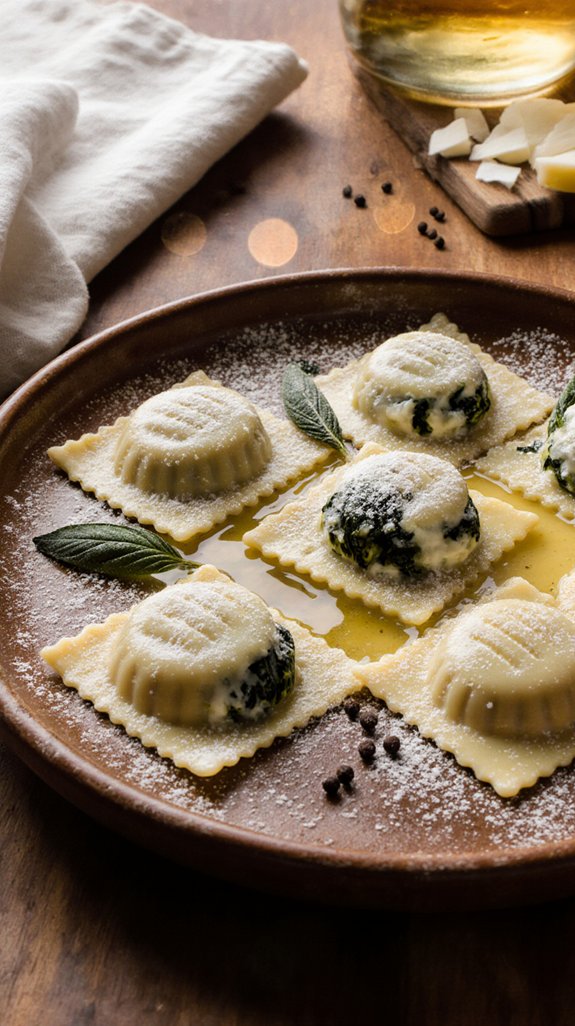
Nothing beats the satisfaction of making ravioli from scratch in your own kitchen.
I’ll share cooking tips that make this process easier than you might think. Working with fresh ingredients transforms simple pasta into something extraordinary, and you’ll taste the difference in every bite.
The dough comes together quickly, requiring just flour, eggs, olive oil, and salt. After a brief rest, you’ll roll it thin and fill it with creamy ricotta, mozzarella, and parmesan. The technique isn’t complicated, but it does require patience.
Once you cut those beautiful pillows of pasta and boil them for just a few minutes, you’ll understand why homemade ravioli earns its reputation. Your favorite sauce brings everything together perfectly.
What ingredients are in Homemade Ravioli?
The foundation of perfect homemade ravioli lies in two distinct components: the pasta dough and the cheese filling. The dough requires just a handful of pantry staples that work together to create tender, silky sheets of pasta. Meanwhile, the filling combines three types of cheese with fresh herbs for a rich, creamy interior that complements the delicate pasta exterior.
For the Pasta Dough:
- 3 3/4 cups flour
- 5 eggs
- 3 tablespoons olive oil
- 1 pinch salt
For the Filling:
- 2 cups fat-free ricotta cheese
- 1 cup part-skim mozzarella cheese
- 3 eggs
- 1/2 cup lowfat parmesan cheese
- 1/4 cup parsley
When selecting ingredients, quality matters greatly in such a simple recipe. The flour should be all-purpose or “00” flour for the best texture, while the eggs should be fresh and at room temperature for easier incorporation into the dough. For the filling, you can adjust the fat content of the cheeses based on your preferences, though the recipe as written uses lighter options without sacrificing flavor. Fresh parsley adds brightness that cuts through the richness of the cheese, so don’t skip this ingredient. You’ll also need salt water for boiling and your choice of sauce for serving, though these aren’t part of the ravioli itself.
How to make this Homemade Ravioli
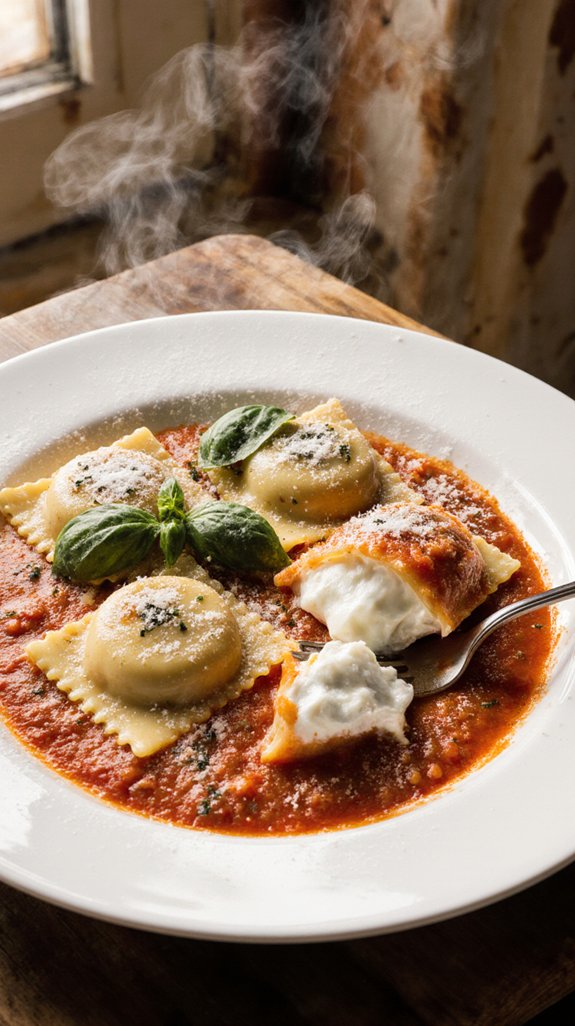
Making homemade ravioli from scratch is a rewarding process that comes together in several straightforward steps. Start by preparing the pasta dough with 3 3/4 cups flour, 5 eggs, 3 tablespoons olive oil, and a pinch of salt. Mix these ingredients together for 10 to 15 minutes until the dough becomes smooth and elastic—this kneading time is essential for developing the gluten that gives your ravioli the perfect texture.
Once mixed, let the dough rest for one hour, which allows it to relax and makes it much easier to roll out later. While the dough rests, prepare your filling by combining 2 cups fat-free ricotta cheese, 1 cup part-skim mozzarella cheese, 3 eggs, 1/2 cup lowfat parmesan cheese, and 1/4 cup parsley in a bowl, mixing until everything is well incorporated.
After the dough has rested, it’s time to assemble your ravioli. Roll out the dough to about 1/16th inch thickness, which should be thin enough to see your hand through but sturdy enough not to tear. Using a piping bag or spoon, pipe the cheese filling onto the dough in evenly spaced portions, leaving enough room between each mound to seal and cut the ravioli.
Carefully lay another sheet of rolled dough over the top, pressing gently around each filling mound to remove air pockets and seal the layers together. Use cookie cutters to cut out individual ravioli pieces, making sure the edges are well-sealed so the filling doesn’t escape during cooking.
To cook your ravioli, bring a large pot of salted water to a boil and carefully drop in the pasta pillows. They’ll only need 3 to 4 minutes of cooking time—you’ll know they’re ready when they float to the surface and the pasta is tender.
Remove them gently with a slotted spoon and transfer them directly to your favorite sauce, whether that’s a simple marinara, brown butter and sage, or a creamy alfredo. The beauty of homemade ravioli is that you’ve created something special from simple ingredients, and that final moment when you plate them up makes all the effort worthwhile. Investing in premium cookware sets can make the entire pasta-making process smoother, from rolling dough to simmering the perfect sauce.
Shop Related Products

UNIQUE DESIGN - Our classic cutting wheel make it easy for you to create delicious fresh ravioli and pasta at home. The fluted edges of the ravioli cutter can easily press out clear patterns.MHJKUBOYEEYHJK
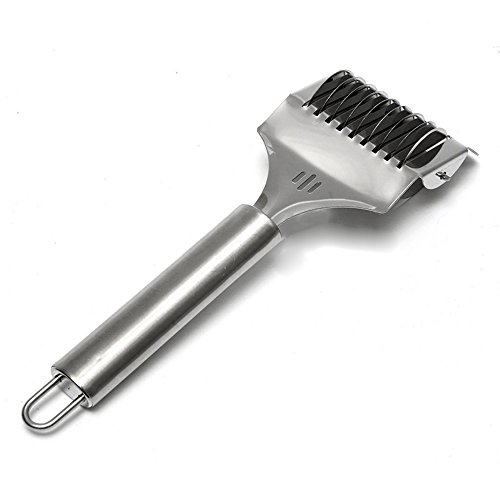
high quality 304 corrosion-resistant stainless steel does not rust, non- toxic, no smell, safty and healthy
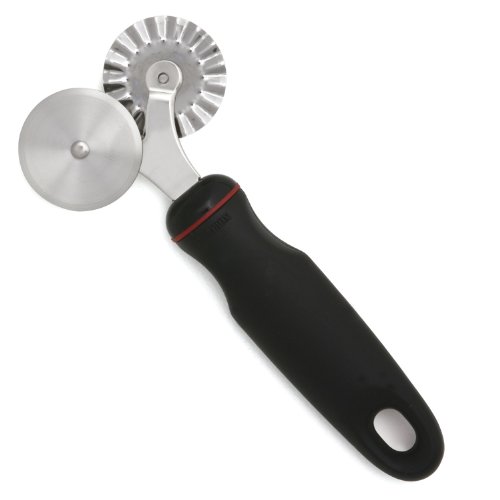
DUAL-HEADED CUTTING WHEELS: Features two stainless steel blades in one versatile tool—a fluted wheel for decorative scalloped edges and a smooth, flat wheel for precise straight cuts.
Homemade Ravioli Substitutions and Variations
While traditional ravioli filling features the classic ricotta and mozzarella blend, you’ve got plenty of room to experiment with flavors and ingredients that suit your taste or dietary needs.
I love swapping in different ravioli fillings like spinach and goat cheese, butternut squash with sage, or even mushroom and truffle oil. You can try meat-based options with ground beef or Italian sausage too.
For dough alternatives, whole wheat flour adds nuttiness and extra fiber, while gluten-free flour blends work perfectly for those with sensitivities. I’ve even made successful batches using a mix of all-purpose and semolina flour for extra texture.
Don’t be afraid to adjust the cheese ratios in your filling either—more parmesan creates a sharper flavor, while additional mozzarella makes it creamier.
Shop Related Products

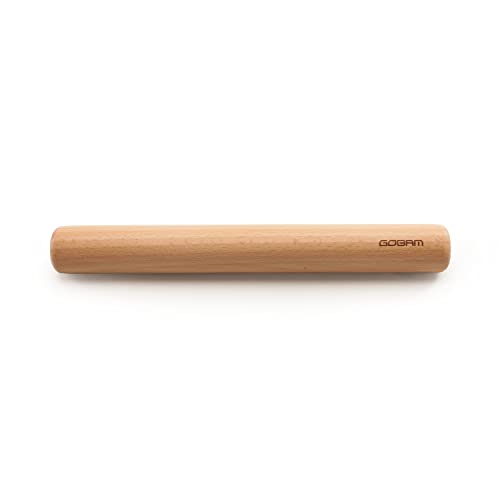
Multi-purpose Rolling Pin: Start your gourmet journey with the GOBAM wooden rolling pin that helps you roll chapati, pasta, pie crusts, tarts, cookie, and pizza dough at home. With a smooth surface, the dowel can also be used as a fondant roller

"Il Bastone" is a large Italian style rolling pin, with a large (1 3/4") diameter useful for rolling out pasta dough, bread dough, fondant, and other confections.
What to serve with Homemade Ravioli
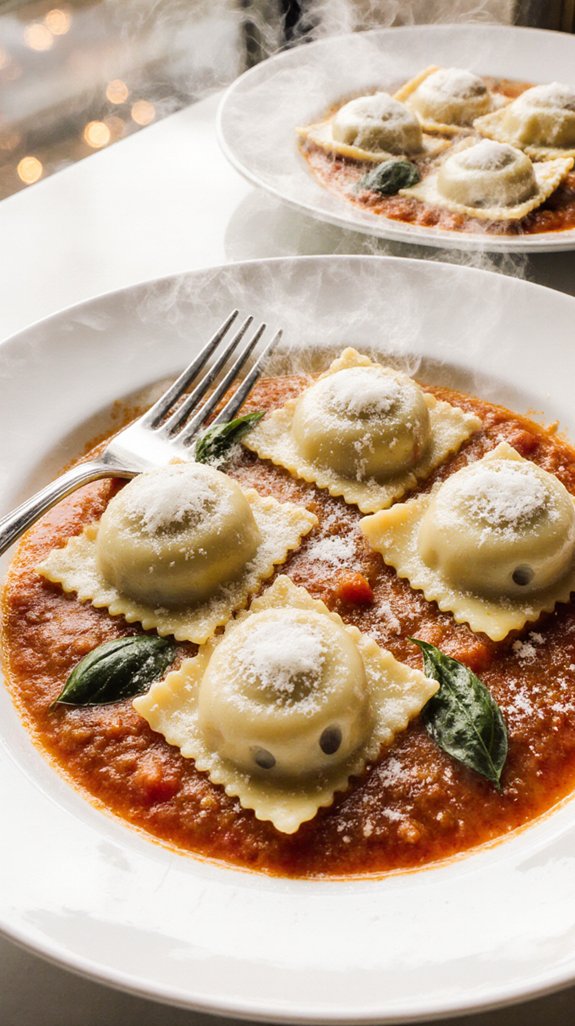
Once you’ve mastered your ravioli and settled on your favorite filling, you’ll want to pair it with sides that complement rather than compete with those delicate pasta parcels.
I keep things simple with sauce pairings—a light marinara, brown butter with sage, or garlic-infused olive oil all work beautifully.
For side salads, I reach for fresh greens tossed with lemon vinaigrette or a classic Caesar. The crisp, acidic notes cut through the richness of the cheese filling perfectly.
Garlic bread is always welcome at my table, along with roasted vegetables like asparagus or zucchini.
I also love serving a light soup, such as minestrone, as a starter. The key is balancing textures and flavors without overshadowing your homemade ravioli.
Final Thoughts
There’s something genuinely rewarding about pulling together fresh pasta dough with your own hands and transforming it into pillowy ravioli that rivals anything you’d find in a restaurant.
I hope you’ll give this recipe a try, because the process itself becomes easier each time you make it.
My sauce recommendations include classic marinara, brown butter with sage, or a simple olive oil and garlic combination—all let the delicate filling shine through.
For storage tips, I suggest freezing uncooked ravioli on a parchment-lined baking sheet until solid, then transferring them to freezer bags for up to three months. You can cook them straight from frozen, adding just a minute or two to the boiling time.
Making homemade ravioli truly is worth the effort.
Frequently Asked Questions
Can I Freeze Uncooked Ravioli for Later Use?
Yes, I’ll show you the best freezing techniques for uncooked ravioli. Arrange them on a floured baking sheet without touching, freeze until solid, then transfer to freezer bags. For cooking tips, boil frozen ravioli directly without thawing.
How Do I Prevent the Ravioli From Opening While Boiling?
I’ll guarantee proper dough sealing techniques by pressing edges firmly with a fork and removing air pockets. For boiling tips, I maintain gentle simmering rather than rolling boils, and I don’t overcrowd the pot.
What’s the Best Way to Store Leftover Homemade Ravioli?
I’ll store uncooked ravioli in a single layer on a floured baking sheet in the fridge for up to two days. When refrigerating ravioli that’s cooked, I keep it in an airtight container, then focus on properly reheating ravioli later.
Can I Use a Pasta Machine Instead of Rolling by Hand?
I’d recommend using a pasta machine for consistent thickness and easier rolling. The pasta machine benefits include uniform dough and less physical effort. Start with the widest setting, then gradually decrease until you reach the desired 1/16th inch thickness.
How Do I Know When the Ravioli Are Done Cooking?
I’ll know they’re done when they float to the surface after 3 to 4 minutes of boiling. However, I always recommend taste testing one to confirm the pasta’s tender, since cooking times can vary slightly.