I’ve spent years chasing the perfect homemade pizza, and I’ll be honest, the long rises and advance planning nearly drove me back to delivery. That changed when I discovered this lightning-fast dough method that actually works. It’s not just hype—you really can have fresh pizza dough ready in about an hour, no overnight fermentation required. The secret lies in how you handle the yeast and water temperature, which I’ll show you.
Why You`ll Love this Lightning-Fast Pizza Dough
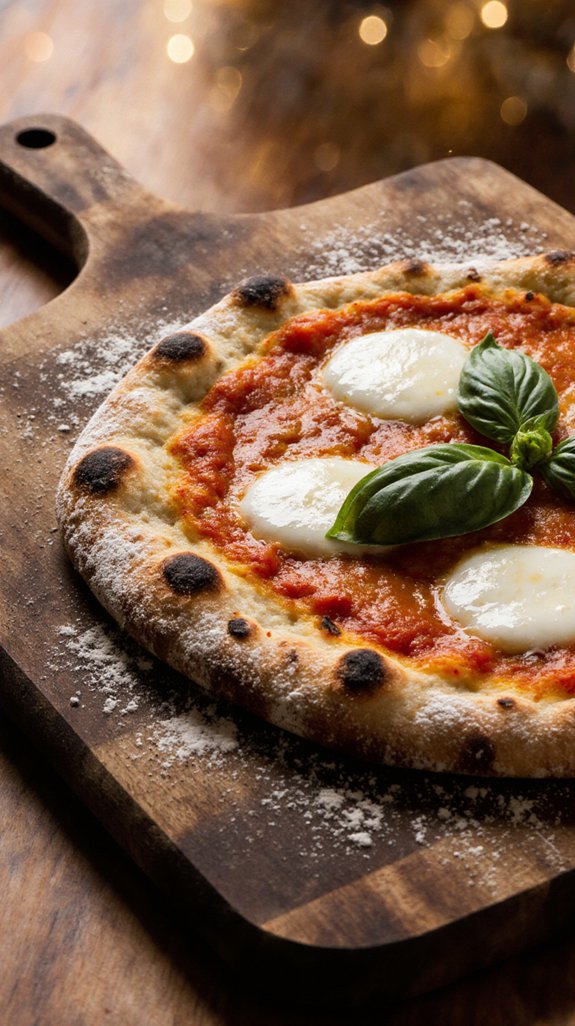
While most pizza dough recipes demand hours of patience, this one’s ready in just about an hour, which means you can go from craving to eating without ordering takeout.
The convenience factor here is unmatched, especially when you’re juggling dinner prep with homework help or unexpected guests.
I remember my grandmother spending entire afternoons on bread dough, but this streamlined approach delivers the same satisfying results in a fraction of the time.
The taste appeal rivals any pizzeria, with that perfect chewy texture and slightly yeasty flavor that makes homemade pizza special.
You’ll get golden, bubbly crusts that crisp beautifully in the oven, proving that quick doesn’t mean compromising on quality.
It’s become my go-to solution for Friday nights.
What ingredients are in Lightning-Fast Pizza Dough?
This recipe uses simple pantry staples that most home cooks already have on hand, making it incredibly accessible for weeknight pizza making. The ingredient list is delightfully short, requiring only six basic components that work together to create a surprisingly flavorful and textured dough.
Unlike some artisan recipes that call for specialty flours or hard-to-find items, this version keeps things straightforward without sacrificing quality.
- 1 cup water
- 2 tablespoons olive oil
- 3-3½ cups all-purpose flour
- 1 (¼ ounce) package active dry yeast
- 1 teaspoon sugar
- ½ teaspoon salt
The variable amount of flour (3 to 3½ cups) gives you flexibility depending on humidity levels and how the dough feels during kneading. You’ll want to use standard active dry yeast rather than instant yeast, as the recipe specifically calls for this variety.
The sugar serves as food for the yeast, helping it activate more quickly, while the olive oil adds subtle flavor and helps create a more tender crumb. Water temperature is critical here—it needs to reach 120 degrees Fahrenheit when combined with the oil, so having a kitchen thermometer handy guarantees the best rise.
Regular all-purpose flour works perfectly; there’s no need for bread flour or double-zero pizza flour.
How to make this Lightning-Fast Pizza Dough
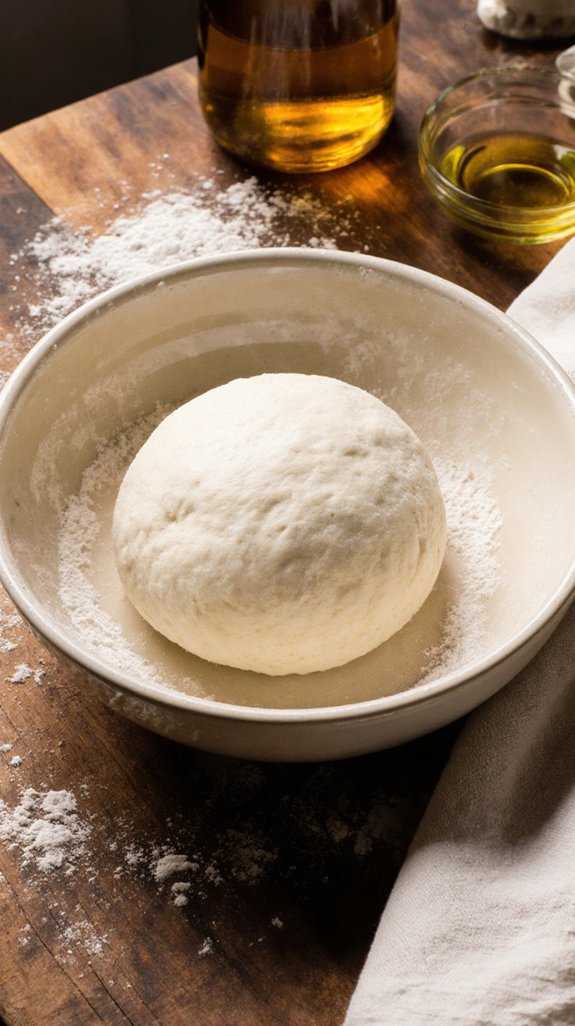
This pizza dough comes together remarkably quickly thanks to a clever technique that speeds up the rising process. Start by heating 1 cup water and 2 tablespoons olive oil together until the mixture reaches exactly 120 degrees Fahrenheit—this warmer temperature activates the yeast faster than traditional methods.
While that’s warming, grab a large batter bowl and combine 1½ cups all-purpose flour with 1 package (¼ ounce) active dry yeast, 1 teaspoon sugar, and ½ teaspoon salt. Once your water mixture hits the right temperature, pour it into the flour mixture and beat everything with an electric mixer for a full 3 minutes. This mixing develops the gluten structure and gives your dough a head start.
After that initial mixing, stir in another 1½ cups flour by hand until you have a soft, shaggy dough that’s ready for kneading.
Turn your dough out onto a floured surface and knead it for 10 minutes, which might seem like a while but really helps develop that perfect pizza texture. As you work the dough, gradually add the remaining ½ cup flour as needed to prevent sticking, though you mightn’t need all of it depending on your kitchen’s humidity.
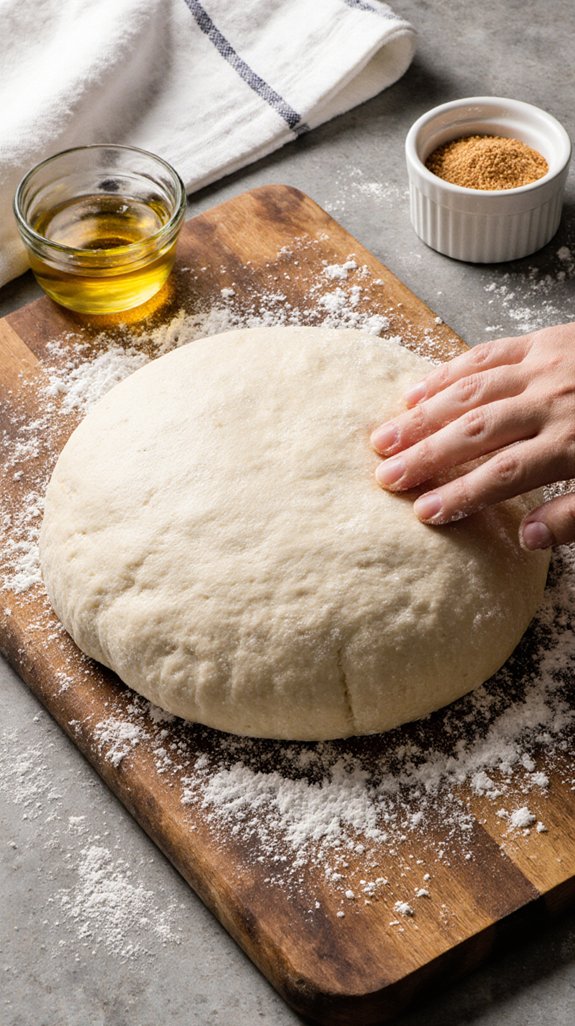
You’re looking for dough that feels smooth and elastic but not sticky when you’re done kneading. Shape it into a neat ball and place it in a large greased bowl, turning it once so the top gets coated with oil too.
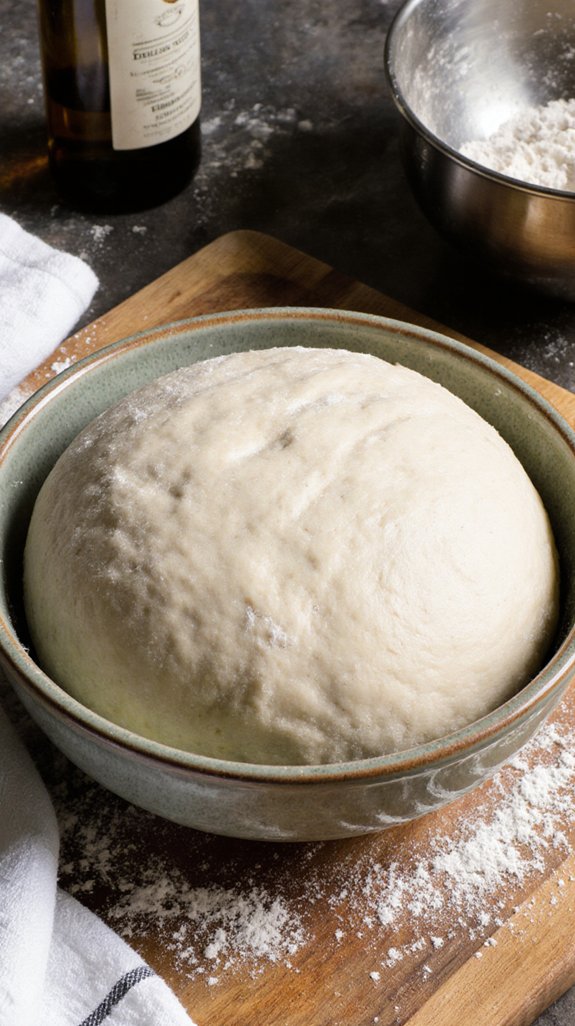
Cover the bowl with a damp cloth and set it somewhere warm in your kitchen—this could be near (but not on) a warm stovetop or even inside an oven with just the light on. Let the dough rise until it doubles in size, which should take about 45 to 60 minutes.
Once it’s puffed up and ready, you can punch it down and shape it into your pizza crust. Having a premium cookware set makes all the difference when you’re ready to bake your homemade pizza to perfection.
Shop Related Products

Versatile Dough Options: Joydeem electric dough maker mimics the action of hand-kneading with a 300W motor that operates in intervals. Ideal for making dough for bread, pizza, pasta, sourdough, roti, dumplings, and steamed buns. In Mix mode, the machine runs intermittently to simulate traditional kneading, while in Blend mode, it operates continuously for evenly mixed fillings. Saves time and effort, simplifying baking and kitchen cooking.
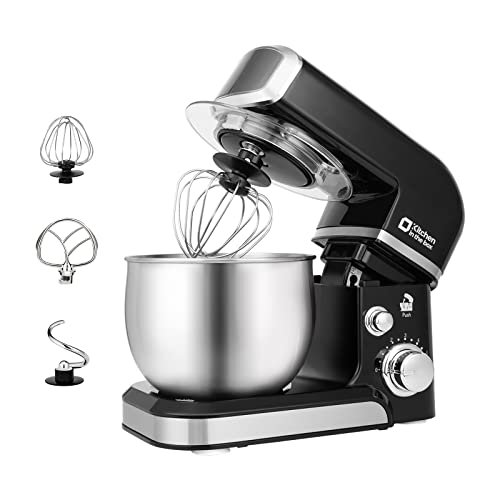
Compact Designed And More Color Options - The stand mixer is less than 7lbs with dimension 12.9*7*10.2 In, small and easy to storage,which could help space-saving. Perfectly suitable for small kitchen,apartment,or limited storage space. And multiple colors to choose,meet a variety of aesthetic needs for your kitchen.
Lightning-Fast Pizza Dough Substitutions and Variations
One of the beautiful things about pizza dough is how forgiving it can be when you need to make substitutions, and I’ve tested quite a few over the years when I’ve found myself missing an ingredient right in the middle of pizza night.
For dough flavorings, I’ll sometimes swap half the water for beer, which adds a subtle malty depth. Herb additions like dried oregano, basil, or garlic powder mixed into the flour transform ordinary dough into something special.
While gluten free options require completely different recipes using rice or almond flour blends, they’re worth exploring if needed. My favorite variation involves adding shredded parmesan directly into the dough, though cheese variations like cheddar or asiago work beautifully too, creating little pockets of melted goodness throughout.
Shop Related Products
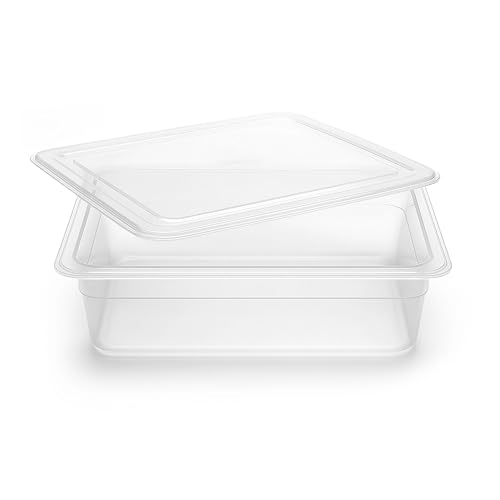
PROOF LIKE A PRO AT HOME – Mix, proof, and fold your dough in one container without messy towels or plastic wrap. Designed for consistent rises, smooth fermentation, and bakery-level texture that makes every bake feel professional.

AIRTIGHT LIDS & 3 GRATER ATTACHMENTS:The airtight lids that come with this mixing bowl set make it easy to store ingredients and leftovers without worrying about spills or leaks. 3.5qt had a removable lid inside the main lid, for adding contents or pairing it with your blender without removing the entire lid to prevent splash. This bowl set comes with 3 different grater attachments (slicing/grating/shredding) just shred or slice right into the bowl!

NON SLIP SILICONE BOTTOMS: Most metal mixing bowls is that they will slide on the counter the more vigorously you store items in them. These bowls have a rubber bottom which Keeps the bowl steady on the counter while you whisk or mix; no need to hold it with one hand. There is no doubt that the silicone base is more wear-resistant, and you do not need to worry about wear on the bottom of the bowl, or making your marble countertop scratching or leaving marks
What to serve with Lightning-Fast Pizza Dough
While pizza often steals the spotlight as a complete meal on its own, I’ve learned through countless family dinners that the right side dishes can transform pizza night from casual to memorable.
I typically start with a crisp garden salad, which balances the richness of pizza toppings like pepperoni and cheese. My go-to includes mixed greens, cherry tomatoes, and a simple balsamic vinaigrette that cuts through the dough’s density.
Garlic knots made from leftover dough have become a tradition at our table, brushed with butter and sprinkled with parmesan. For heartier appetites, I’ll roast vegetables like zucchini and bell peppers, which complement any pizza toppings you’ve chosen.
These side dishes don’t compete with your pizza, they enhance the entire experience without requiring much extra effort.
Final Thoughts
After years of experimenting with pizza dough recipes, I’ve come to appreciate that this quick version strikes the perfect balance between convenience and homemade quality.
The beauty lies in its simplicity, though I’ve learned a few tricks about dough storage that make weeknight pizzas even easier. You can refrigerate the dough for up to three days, which actually improves the flavor, or freeze it for up to three months.
I’ve also discovered countless recipe variations worth exploring: substitute whole wheat flour for half the all-purpose, add herbs like rosemary or garlic powder to the dry ingredients, or swap in honey for the sugar.
Each tweak creates something uniquely yours, and that’s what makes homemade pizza so rewarding.
Frequently Asked Questions
Can I Freeze the Dough for Later Use?
I’ll show you effective freezing methods for pizza dough storage. After the first rise, divide the dough into portions, wrap each tightly in plastic wrap, then place in freezer bags. It’ll keep for three months frozen.
How Do I Know When the Dough Has Doubled in Size?
I’ll gently press two fingers into the dough rising in the bowl. If the indentations remain without springing back, it’s doubled. This measuring technique works better than eyeballing, ensuring your pizza dough’s perfectly proofed every time.
What Temperature Should My Oven Be for Baking the Pizza?
I don’t see specific oven settings mentioned in this recipe, but I’ll recommend using baking techniques with your oven preheated to 450-475°F for ideal results. This high temperature creates that perfect crispy crust you’re after.
Can I Make This Dough Without a Mixer?
Yes, I can make this dough without a mixer. I’ll simply combine the ingredients by hand, then use proper hand kneading technique for the full 10 minutes to achieve the right dough consistency—smooth but not sticky.
How Long Does the Baked Pizza Need to Cook?
I don’t see baking time information in this recipe since it only covers dough preparation. However, most pizzas typically bake at 450-500°F for 12-15 minutes, depending on your crust thickness and pizza toppings you’ve chosen.