
I’ve spent years perfecting this pad thai recipe, and I’m confident it’ll rival your favorite Thai restaurant’s version. The secret isn’t just in the ingredients—it’s in the technique and timing that most recipes gloss over. I’ve tested this dish dozens of times, tweaking the sauce ratios and cooking methods until I nailed that perfect balance of sweet, sour, and savory that makes authentic pad thai unforgettable. Let me show you exactly how it’s done.

Authentic Pad Thai Recipe: Restaurant-Quality Homemade
Ingredients
Method
- Mix together the fish sauce, rice vinegar, tomato paste, and sugar in a bowl and set aside.
- Prepare the rice noodles according to package directions, keeping them slightly al dente.
- Scramble the eggs in a skillet until fully cooked, then remove from the pan and set aside.
- Add the canola oil to the hot skillet, then add the garlic, baby carrots, and mushrooms.
- Cook for 2 to 3 minutes until tender and fragrant.
- Pour in the prepared sauce and stir to combine.
- Add the green onions, scrambled eggs, chicken, shrimp, and peanuts.
- Cook and stir for about 2 minutes until heated through.
- Add the cooked noodles and bean sprouts.
- Toss everything together and cook for about 2 more minutes until well combined.
- Transfer to plates and serve with lime wedges.
- Sprinkle with crushed red pepper flakes if desired.
Why You`ll Love this Authentic Pad Thai
This Pad Thai recipe delivers everything you crave in the classic Thai street food favorite—tangy tamarind notes, tender noodles with just the right chew, and that perfect balance of sweet, salty, and savory that makes each bite irresistible.
I love making this dish because it’s a flavor explosion that rivals any restaurant version, yet you can have it on your table in about 30 minutes. Unlike takeout, you control the ingredients and can adjust the spice level to your preference.
The combination of succulent shrimp, tender chicken, crunchy peanuts, and fresh vegetables creates layers of texture that keep every forkful interesting. Plus, it’s genuinely a quick meal that feels special enough for guests but easy enough for busy weeknights.
What ingredients are in Authentic Pad Thai?

This Pad Thai recipe combines traditional Thai ingredients with some accessible alternatives to create an authentic-tasting dish right in your home kitchen. The foundation starts with a flavorful sauce made from fish sauce, rice vinegar, tomato paste, and sugar, which replaces the harder-to-find tamarind paste while still delivering that signature tangy-sweet flavor profile. Rice noodles provide the essential base, while proteins like chicken and shrimp offer substance and variety.
While this recipe uses tomato paste as a substitute for traditional tamarind paste, it still captures the essence of authentic Pad Thai. Make certain to use unseasoned rice vinegar rather than seasoned varieties, as you want to control the sweetness and saltiness through the other sauce ingredients. The proteins should be pre-cooked before adding them to the dish, which greatly speeds up the cooking process and guarantees everything is properly heated through without overcooking the delicate noodles. Fresh bean sprouts and lime wedges are essential finishing touches that add brightness and crunch to the final dish.
Shop Related Products

Our premium wok brass pan is a handcraft of "BangkokBrass" (บ้านทองเหลือง) leader of brassware of Thailand
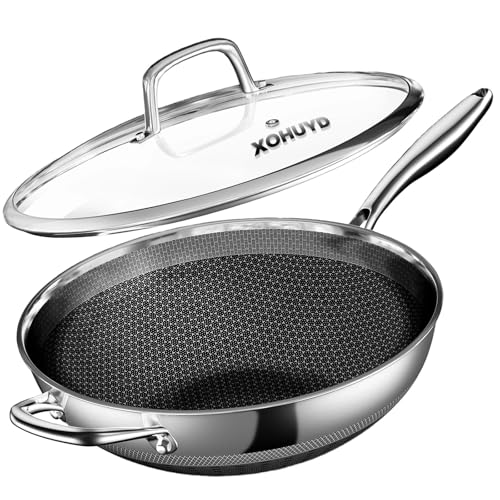
【Advanced Nonstick Tech | PFOA-Free & Healthy】Features innovative laser-etching that creates a precise raised pattern on this premium stainless steel wok. This 0.3mm deep physical barrier reduces sticking by 50%, providing superior food release without harmful chemicals. Requires minimal oil for healthier cooking—100% free from PFOA/PFAS/PTFE. Enjoy exceptional durability and effortless cleaning for stir-fries, meats without scraping. Engineered for a lifetime of healthy cooking.

【PRE-SEASON & NATURALLY NONSTICK】Crafted from premium carbon steel, our woks and stir-fry pans deliver exceptional performance. Once properly seasoned, the natural nonstick surface ensures smooth food release for hassle-free cooking. Pre-seasoned at over 1000°F through advanced nitrogen treatment, these pans offer remarkable strength, superior wear resistance, and excellent protection against corrosion.
Authentic Pad Thai Substitutions and Variations
While traditional Pad Thai calls for specific ingredients, you can easily adapt this recipe to suit what you have in your pantry or to match your dietary preferences.
I’ve found that alternative proteins work beautifully in this dish. Try swapping the chicken and shrimp for tofu, beef, or pork. You can even make it completely vegetarian by using firm tofu and extra vegetables.
Speaking of vegetable options, don’t feel limited to just carrots and mushrooms. I love adding bell peppers, snap peas, or broccoli for extra crunch and nutrition.
If you can’t find rice noodles, linguine makes a decent substitute in a pinch. You can also adjust the sauce’s sweetness or spiciness by tweaking the sugar and red pepper flakes to match your taste preferences.
What to serve with Authentic Pad Thai

Pad Thai is such a flavorful and filling dish that it doesn’t need much alongside it, but I’ve discovered that a few complementary sides can round out your meal beautifully.
I recommend serving fresh spring rolls with peanut sauce or a simple cucumber salad to add invigorating contrast to the rich noodles. Thai-style coleslaw with a tangy dressing also works wonderfully.
For side dishes, steamed edamame or crispy vegetable wontons make excellent appetizers.
When it comes to drink pairings, I prefer Thai iced tea, which balances the spicy and savory flavors perfectly. If you want something lighter, try coconut water or a crisp lager beer. Green tea also complements the meal nicely while cleansing your palate between bites.
Shop Related Products

Asian flat bread

[ Premium Material ] --- Crafted from high-grade plastic, this vegetable meat rolling tool allows you to effortlessly and neatly craft the sushi roll within minutes. Its superior quality ensures usage for a prolonged period.

【Fast & Uniform Rolling with the Lumpia Roller Machine】 This lumpia roller machine helps you roll lumpia every time, solving the common problem of uneven hand-rolling. Ideal for family cooking, meal prep, and DIY Asian cuisine, this lumpia maker speeds up your workflow while keeping every roll neat and consistent.
Final Thoughts
Now that you’ve got everything you need to create and serve this dish, I want to share what makes this Pad Thai recipe truly special.
The cooking tips I’ve included aren’t just suggestions—they’re the difference between good noodles and restaurant-quality excellence. Pay close attention to the flavor balance between sweet, salty, sour, and savory elements. That’s what sets authentic Pad Thai apart from mediocre versions.
Don’t rush the process, especially when preparing your sauce and cooking the proteins. Each component deserves your attention.
Remember, the beauty of making this at home is that you control every ingredient. You’ll know exactly what goes into your meal, and you can adjust the heat level, sweetness, or tang to match your preferences perfectly.
That’s the real magic here.
Frequently Asked Questions
Can I Make Pad Thai Ahead of Time and Reheat It?
I don’t recommend preparing Pad Thai ahead of time since the noodles become mushy when stored. If you must, undercook them slightly and use gentle reheating techniques like quick stir-frying to restore texture.
How Do I Prevent Rice Noodles From Sticking Together?
I’ll rinse the cooked noodles with cold water immediately after draining, which is my essential noodle preparation step. For cooking tips, I toss them with a bit of oil to prevent sticking until ready to use.
What’s the Best Way to Store Leftover Pad Thai?
I’ll store your leftover Pad Thai in an airtight container in the refrigerator for up to three days. For ideal flavor preservation and leftover storage, I recommend keeping the lime wedges and bean sprouts separate until reheating.
Is Pad Thai Gluten-Free or Can It Be Made Gluten-Free?
Traditional Pad Thai isn’t gluten-free because fish sauce contains gluten. However, I can make it gluten-free by using tamari or coconut aminos as alternative sauces, and rice noodles are naturally gluten-free options you’ll love.
How Long Does Homemade Pad Thai Last in the Refrigerator?
I’ll share some refrigerator tips: your homemade Pad Thai lasts 3-4 days when stored properly in an airtight container. The storage duration depends on freshness of ingredients, but I recommend eating it within three days for best quality.