You’re scrolling through cocktail recipes at 10 PM on a Wednesday, wondering if enjoying a drink means signing up for a sugar crash. I’ve been there, staring at my shaker and realizing that most classic cocktails pack more sweetness than a dessert menu. The good news? You don’t have to choose between flavor and feeling decent the next morning, and these eleven recipes prove it without turning you into a bartender mixing complicated ingredients you’ll never use again.
Classic Gin and Tonic With Fresh Herbs
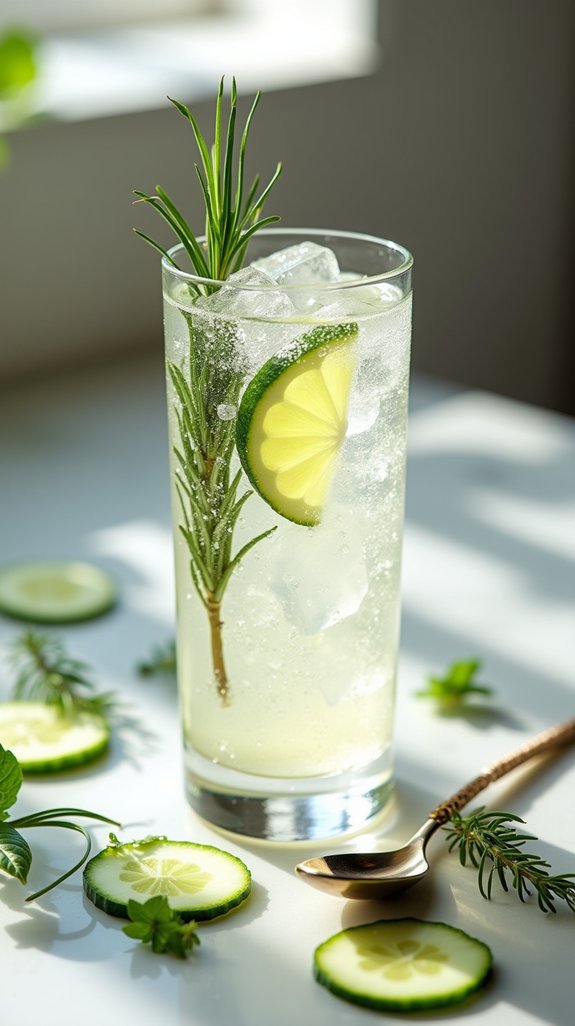
The gin and tonic is a timeless cocktail that doesn’t need much sugar to shine, especially when you focus on quality ingredients and aromatic fresh herbs. By using a premium tonic water with reduced sugar content or a naturally sweetened alternative, you can considerably cut down on unnecessary calories while still enjoying a revitalizing, sophisticated drink.
The botanicals in gin provide complex flavors that pair beautifully with herbaceous additions, creating a cocktail that feels indulgent without the sugar overload. Fresh herbs transform this classic drink from simple to spectacular, adding layers of aroma and taste that make each sip more interesting than the last.
Rosemary, basil, thyme, or mint each bring their own character to the cocktail, complementing the juniper notes in gin while providing a garden-fresh quality. This approach to the gin and tonic proves that reducing sugar doesn’t mean sacrificing flavor—it simply means being more thoughtful about the ingredients you choose.
Shop Related Products

Durable plastic: swizzle sticks are made of quality plastic, toxic free and odor free, safe to use, clear plastic pick stirrers with star on top, delicate design, great for daily using
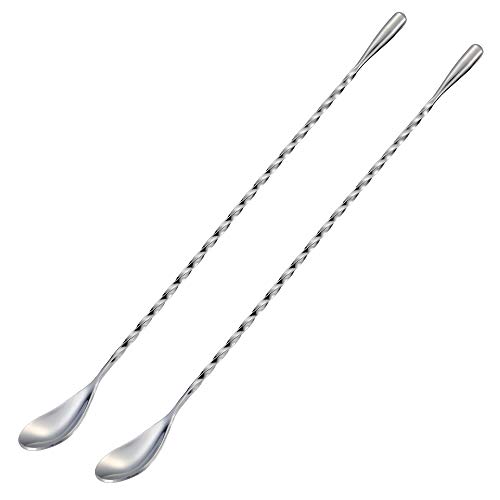
Mirror polished food grade 18/8 stainless steel construction for superb durability and corrosion resistance

Durable plastic: swizzle sticks are made of quality plastic, toxic free and odor free, safe to use, clear stirrers with a ball on top and glitter golden pieces, unique design, disposable for easy clean up, or hand wash for reuse, great for daily using
Ingredients
- 2 ounces gin
- 4 ounces low-sugar or diet tonic water
- 2-3 sprigs fresh herbs (rosemary, thyme, basil, or mint)
- 1/2 lime or lemon
- Ice cubes
- Optional: 2-3 cucumber slices
Instructions
Fill a highball or copa glass with ice cubes and add the fresh herb sprigs, gently pressing them against the side of the glass with a bar spoon to release their oils.
Pour the gin over the ice, then slowly add the tonic water to preserve its carbonation. Squeeze the lime or lemon half over the drink and drop it into the glass, then stir gently once or twice to combine.
Add cucumber slices if desired and garnish with an additional herb sprig for presentation.
Tips
Choose a gin with botanicals that complement your selected herbs—a citrus-forward gin works wonderfully with basil, while a more traditional London Dry gin pairs perfectly with rosemary or thyme.
Always add tonic water last and pour it slowly down the side of the glass to maintain maximum fizz, as flat tonic water can make the drink taste medicinal.
Chill your glass in the freezer for 10 minutes before preparing the cocktail to keep it colder longer, and don’t over-stir, as this will release carbonation and dilute the drink too quickly.
Skinny Margarita With Fresh Lime
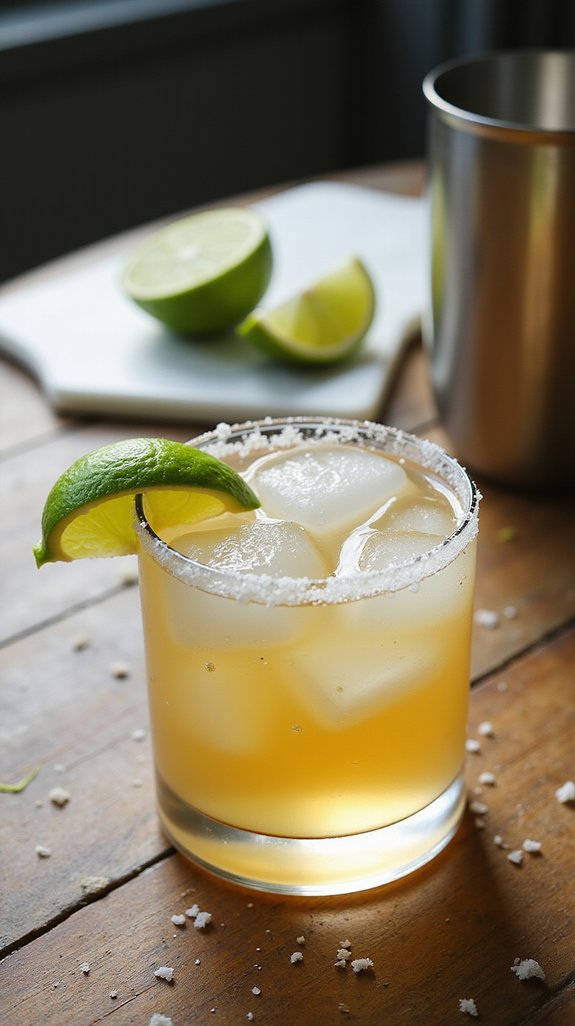
The margarita is one of the most beloved cocktails in the world, but traditional versions can pack a serious sugar punch thanks to premade mixes and excessive amounts of sweetener. A skinny margarita strips away all the unnecessary additions and focuses on what makes this drink truly great—premium tequila, fresh lime juice, and just a touch of natural sweetness.
By using fresh citrus instead of bottled mix and opting for a small amount of agave nectar or a sugar-free orange liqueur alternative, you can create a margarita that’s light, invigorating, and guilt-free without sacrificing any of the bright, tangy flavor that makes this cocktail so crave-worthy.
The beauty of the skinny margarita lies in its simplicity and the quality of its components. Fresh lime juice is absolutely essential—it provides natural acidity and vibrant citrus flavor that no bottled substitute can match.
When you combine it with a good-quality blanco or reposado tequila and just the right amount of sweetener, you get a perfectly balanced cocktail that tastes like sunshine in a glass. This version proves that sometimes less really is more, delivering all the satisfaction of a classic margarita while keeping your sugar intake in check.
Shop Related Products

SET: This orange squeezer set includes three different sizes measuring seven point seven inches, eight point six inches, and nine inches, designed to handle limes, lemons, oranges, and small grapefruits with versatile manual juicer functionality

DURABLE ALUMINUM: This lemon squeezer features durable aluminum construction with nine point eight four inch length and three point one five inch width, providing optimal leverage for maximum citrus extraction from lemons, limes, and other citrus fruits

MAXIMUM STRENGTH FOR PROFESSIONAL EXTRACTION: Our Premium Lemon Squeezer is made with Ultra-Strong High Quality 18/8 Stainless steel with the perfect metal composition for no corrosion or rusting and with an unbreakable tank status. You also will have NO seeds in your juice. Works perfectly on Meyer lemons Key limes limequats Mexican limes Eureka or Lisbon lemons Rangpur or Tahiti limes. From Florida California or abroad our Citrus Juicer Tool can squeeze them all with maximum result.
Ingredients
- 2 ounces blanco or reposado tequila
- 1 ounce fresh lime juice (about 1 large lime)
- 1/2 ounce fresh orange juice
- 1/2 teaspoon agave nectar (or sugar-free orange liqueur alternative)
- Ice cubes
- Lime wedge for garnish
- Optional: coarse salt for rim
- Optional: splash of sparkling water
Instructions
If desired, rim a rocks glass with salt by rubbing a lime wedge around the edge and dipping it in coarse salt, then fill the glass with ice and set aside.
In a cocktail shaker, combine the tequila, fresh lime juice, orange juice, and agave nectar with a handful of ice cubes. Shake vigorously for 15-20 seconds until the outside of the shaker becomes frosty and cold.
Strain the mixture into your prepared glass over fresh ice, add a splash of sparkling water if you prefer a lighter drink, and garnish with a lime wedge on the rim.
Tips
Always use freshly squeezed lime juice rather than bottled—the difference in flavor is remarkable and makes or breaks this cocktail.
You can adjust the sweetness level by starting with less agave nectar and adding more to taste, as different brands of tequila have varying levels of natural sweetness.
For an even lighter version, skip the agave entirely and rely on the natural sweetness from the orange juice, or substitute the orange juice with a few drops of orange extract and an extra splash of lime.
Store your limes at room temperature and roll them firmly on the counter before juicing to extract the maximum amount of juice.
Vodka Soda With Muddled Cucumber and Mint
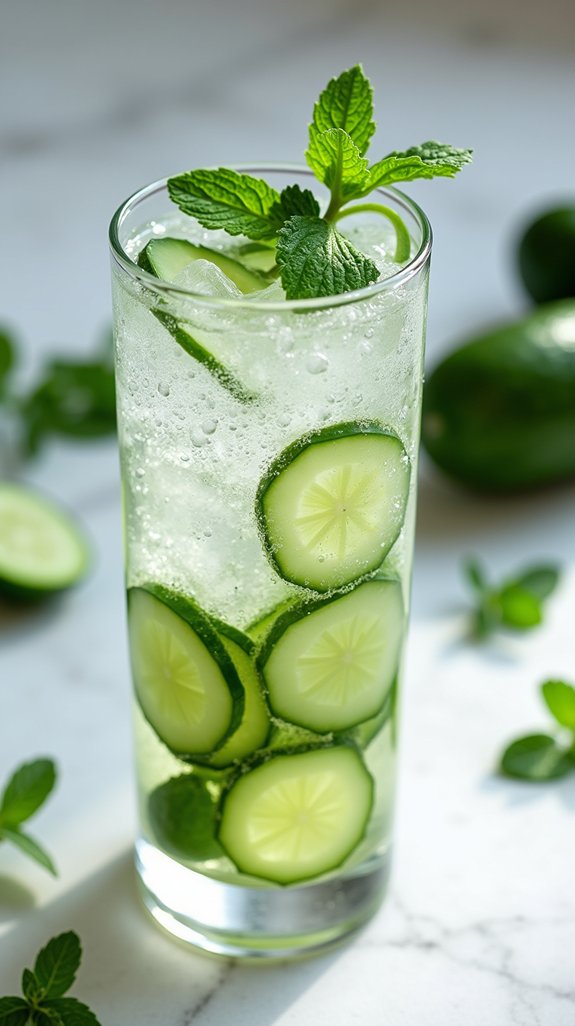
The vodka soda is already one of the lowest-calorie cocktails you can order at a bar, but when you add fresh muddled cucumber and mint, you transform this simple two-ingredient drink into something special and spa-like without adding any sugar at all. This invigorating combination brings cooling, herbaceous flavors that make the drink feel far more sophisticated than its minimal ingredient list would suggest.
The cucumber provides a subtle vegetal sweetness and incredible freshness, while the mint adds aromatic complexity that makes each sip feel like a mini vacation. Best of all, there’s zero added sugar—just pure, clean flavors that let the quality of your vodka shine through.
What makes this cocktail particularly appealing is its versatility and ease of preparation. Unlike many low-sugar cocktails that rely on artificial sweeteners or sugar alcohols, this drink gets all its flavor from fresh produce and herbs, making it naturally light and genuinely healthy as far as alcoholic beverages go.
It’s incredibly hydrating thanks to the cucumber and soda water, and the act of muddling releases essential oils from the mint that create an aromatic experience with every sip. Whether you’re looking for a pre-dinner drink that won’t spoil your appetite or a revitalizing sipper for a warm afternoon, this vodka soda delivers maximum flavor with minimum calories and zero guilt.
Ingredients
- 2 ounces vodka
- 3-4 thin slices of cucumber
- 6-8 fresh mint leaves
- 4-6 ounces club soda or sparkling water
- Ice cubes
- Lime wedge for garnish
- Optional: additional cucumber slice and mint sprig for garnish
Instructions
Place the cucumber slices and mint leaves in the bottom of a highball or Collins glass and gently muddle them together for about 15-20 seconds, pressing just enough to release the juices and oils without shredding the ingredients into pulp.
Fill the glass with ice cubes, pour the vodka over the ice, and top with club soda or sparkling water to your desired strength. Give the drink a gentle stir with a bar spoon to distribute the muddled flavors throughout, then garnish with a lime wedge squeezed into the drink, along with an additional cucumber slice and mint sprig if desired.
Tips
When muddling, use a gentle press-and-twist motion rather than aggressive pounding—you want to release the flavors without breaking the cucumber and mint into bitter, stringy bits that will float in your drink.
English cucumbers work particularly well for this cocktail because they’ve fewer seeds and a more delicate flavor than regular cucumbers, but any variety will work as long as it’s fresh and crisp. For the best flavor, slap the mint leaves between your palms before muddling to release their aromatic oils, and consider using a flavored sparkling water like lime or lemon if you want an extra hint of citrus without adding juice or sweetener.
Paloma With Grapefruit and Lime
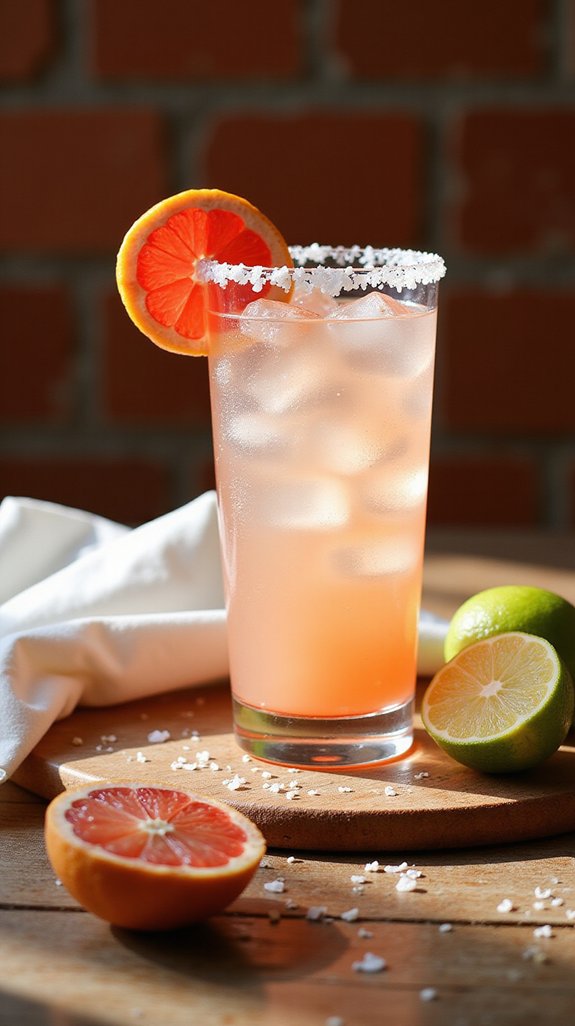
The Paloma is Mexico’s most beloved cocktail, and it happens to be naturally lower in sugar than many classic drinks—especially when you make it with fresh grapefruit juice instead of sugary soda. This bright, citrusy tequila cocktail combines the earthy agave notes of a good blanco or reposado tequila with the tart-sweet complexity of fresh grapefruit and lime, creating a perfectly balanced drink that’s both invigorating and sophisticated.
The natural bitterness of grapefruit means you don’t need to add any sweetener at all, or you can use just a touch of agave nectar if you prefer a slightly sweeter profile. Either way, you’ll end up with a drink that has a fraction of the sugar found in margaritas or other tequila-based cocktails.
What makes the Paloma such an excellent choice for health-conscious cocktail enthusiasts is its reliance on fresh citrus, which provides natural flavor, vitamin C, and antioxidants along with minimal calories. The addition of sparkling water or club soda gives the drink a lively effervescence that makes it feel festive and special, while keeping the sugar content in check.
Unlike commercial grapefruit sodas that can contain upwards of 30 grams of sugar per serving, a fresh Paloma made with real fruit contains only the naturally occurring sugars in the citrus juice—typically around 6-8 grams for the entire cocktail. It’s a drink that tastes indulgent and celebratory while actually being one of the smarter choices you can make at happy hour.
Ingredients
- 2 ounces tequila (blanco or reposado)
- 3 ounces fresh grapefruit juice
- 1/2 ounce fresh lime juice
- 2-3 ounces club soda or sparkling water
- Ice cubes
- Coarse salt for rimming (optional)
- Grapefruit wedge or wheel for garnish
- Optional: 1/4 ounce agave nectar if you prefer a sweeter drink
Instructions
If desired, rim a highball glass with salt by rubbing a grapefruit or lime wedge around the rim and dipping it into coarse salt on a small plate. Fill the glass with ice cubes, then add the tequila, fresh grapefruit juice, and lime juice.
If using agave nectar for a touch of sweetness, add it at this point. Stir gently to combine all the ingredients, then top with club soda or sparkling water to your preferred strength. Give the drink one final gentle stir to incorporate the bubbles without losing too much carbonation, and garnish with a grapefruit wedge or wheel placed on the rim of the glass.
Tips
For the best flavor, use freshly squeezed grapefruit juice rather than bottled—the difference in taste is remarkable, and you’ll avoid any added sugars or preservatives found in many commercial juices. Ruby red grapefruits tend to be sweeter and less bitter than white or pink varieties, making them ideal if you’re skipping added sweeteners entirely.
When salting the rim, only coat half of the glass so drinkers can choose whether they want the salty contrast with each sip or prefer the pure citrus flavors. The Paloma is extremely forgiving regarding ratios, so feel free to adjust the grapefruit-to-soda proportion based on how strong or light you want your drink—more soda makes it a longer, more sessionable cocktail perfect for warm weather.
Whiskey Sour With Egg White
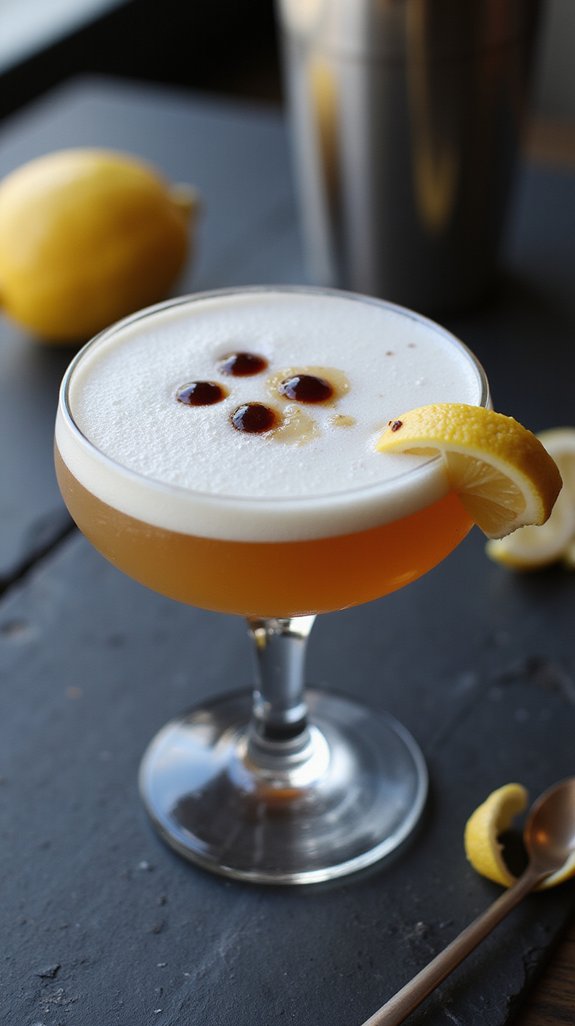
The Whiskey Sour is a timeless classic that proves sophisticated cocktails don’t need to be sugar bombs. When made properly with fresh lemon juice and minimal sweetener, this bourbon-based drink delivers bold, complex flavors with a surprisingly modest sugar content.
The addition of egg white—a traditional component often omitted in modern versions—creates a luxurious, silky texture and beautiful foam cap that makes the drink feel decadent and special, all without adding a single gram of sugar or carbohydrate. By controlling the amount of simple syrup or using alternatives like honey or maple syrup, you can create a balanced cocktail that has roughly 8-12 grams of sugar, compared to the 20-30 grams found in many commercial sour mixes.
What sets the egg white Whiskey Sour apart from other cocktails is its perfect harmony of tart, sweet, and rich elements. The fresh lemon juice provides bright acidity and vitamin C, while the whiskey contributes depth and warmth with notes of vanilla, oak, and caramel.
The egg white doesn’t add flavor but transforms the texture entirely, creating a velvety mouthfeel and a foam that holds aromatic bitters beautifully. This is a drink that looks as impressive as it tastes, with minimal sugar required because the egg white’s richness makes the cocktail feel more substantial and satisfying than a simple spirit-and-citrus combination would on its own.
Ingredients
- 2 ounces bourbon or rye whiskey
- 3/4 ounce fresh lemon juice
- 1/2 ounce simple syrup (or substitute honey or maple syrup)
- 1 egg white (about 1 ounce)
- Ice cubes
- 2-3 dashes Angostura bitters for garnish
- Optional: lemon wheel or brandied cherry for garnish
Instructions
Add the whiskey, fresh lemon juice, simple syrup, and egg white to a cocktail shaker without ice. Seal the shaker and shake vigorously for about 15 seconds—this is called a “dry shake” and helps emulsify the egg white to create that signature foam.
Open the shaker, add a generous handful of ice cubes, then seal and shake again vigorously for another 15-20 seconds until the shaker is frosty and well-chilled. Strain the cocktail into a rocks glass or coupe glass, allowing the foam to settle on top. Wait a moment for the foam to fully form and stabilize, then carefully add 2-3 dashes of Angostura bitters on top of the foam—you can drag a toothpick through the drops to create a decorative pattern if desired.
Garnish with a lemon wheel or brandied cherry if using.
Tips
The dry shake (shaking without ice first) is essential for achieving the proper foam structure with egg white, so don’t skip this step even though it requires a bit more effort.
If you’re concerned about using raw egg white, you can substitute pasteurized egg whites from a carton (use about 1 ounce) or aquafaba (chickpea liquid) as a vegan alternative, though aquafaba may require slightly longer shaking to achieve the same foam.
For an even lower-sugar version, reduce the simple syrup to 1/4 ounce—the richness of the egg white allows the drink to remain balanced with less sweetener than you’d need otherwise.
Always use fresh lemon juice rather than bottled, as the bright, natural acidity is what makes this cocktail shine and keeps you from needing extra sugar to mask off-flavors.
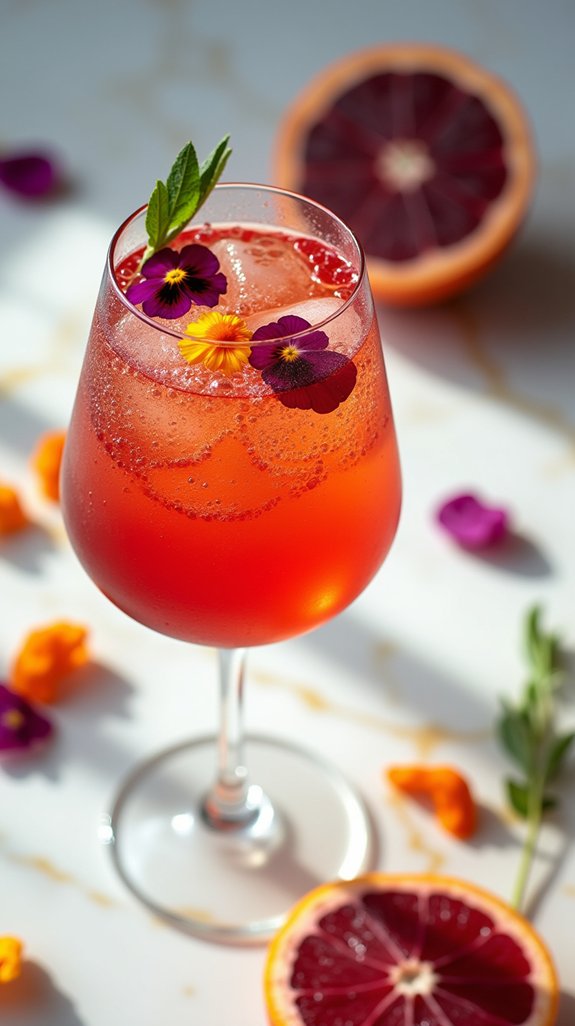
Aperol Spritz
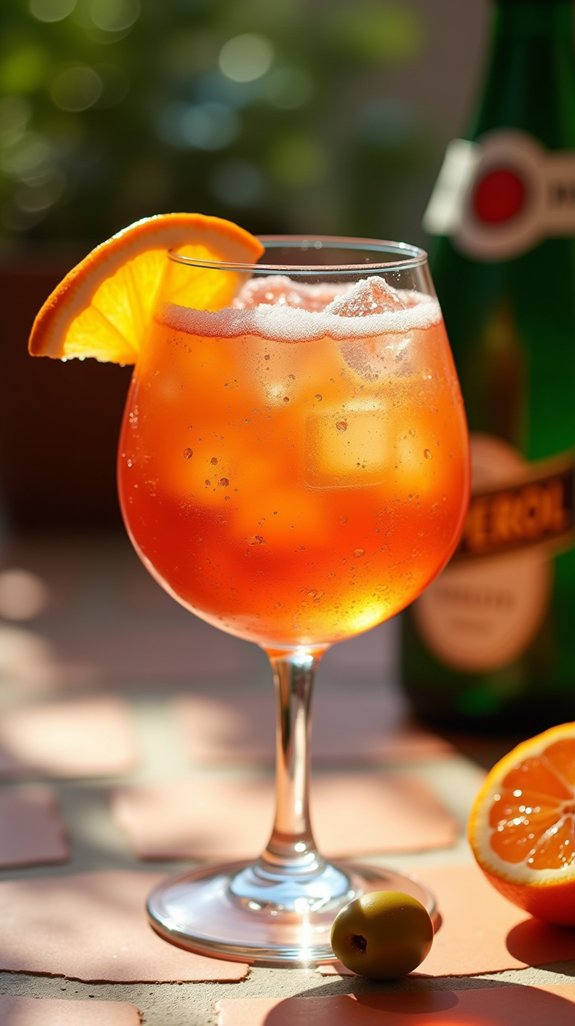
The Aperol Spritz has become the unofficial drink of summer, and for good reason—it’s invigorating, vibrant, and naturally lower in sugar than most popular cocktails. Originating in Northern Italy, this effervescent sipper combines Aperol (a bittersweet orange aperitif), prosecco, and soda water in perfect harmony.
What makes it particularly suitable for those watching their sugar intake is that the recipe relies heavily on sparkling water for volume, with Aperol contributing only about 8-10 grams of sugar per serving and prosecco adding minimal additional sweetness. The result is a drink with approximately 10-15 grams of sugar total—significantly less than margaritas, daiquiris, or mojitos—while still delivering a complex flavor profile of bitter orange, herbs, and gentle sweetness.
Beyond its lower sugar content, the Aperol Spritz is celebrated for its digestive properties and sessionability. Aperol contains gentian root and rhubarb, traditional bitter ingredients believed to aid digestion, making this an ideal pre-dinner aperitivo.
The drink’s relatively low alcohol content (around 8-10% ABV when properly mixed) and high proportion of soda water mean you can enjoy one without feeling overly full or intoxicated. The brilliant orange hue and abundant bubbles make it visually stunning, while the interplay between Aperol’s bittersweet citrus notes and prosecco’s delicate fruit flavors creates a sophisticated taste that feels special yet remains incredibly easy to prepare.
Ingredients
- 3 ounces prosecco, chilled
- 2 ounces Aperol
- 1 ounce soda water
- Ice cubes
- Orange slice for garnish
- Optional: green olive for a savory twist
Instructions
Fill a large wine glass or rocks glass with ice cubes to chill it thoroughly. Pour the prosecco into the glass first, followed by the Aperol, and then top with soda water.
Give the drink a gentle stir with a bar spoon—just one or two rotations to combine the ingredients without losing too much carbonation. Tuck an orange slice into the glass as garnish, positioning it so it rests against the ice and is visible from the side of the glass. Serve immediately while the bubbles are still lively and the drink is properly chilled.
The key to a perfect Aperol Spritz is maintaining the proper ratios and temperature. Always use chilled prosecco and keep your Aperol in the refrigerator so the ice doesn’t dilute the drink too quickly while trying to cool warm ingredients.
The classic Venetian ratio is 3-2-1 (prosecco-Aperol-soda), though some prefer a boozier 2-2-1 ratio or a lighter 3-2-2 for extra effervescence. Don’t over-stir, as you want to preserve the carbonation that makes this drink so invigorating.
While orange is the traditional garnish, a grapefruit slice offers a more tart variation, and some Italian bars add a single green olive for a savory element that complements Aperol’s herbal notes beautifully.
Moscow Mule With Sugar-Free Ginger Beer
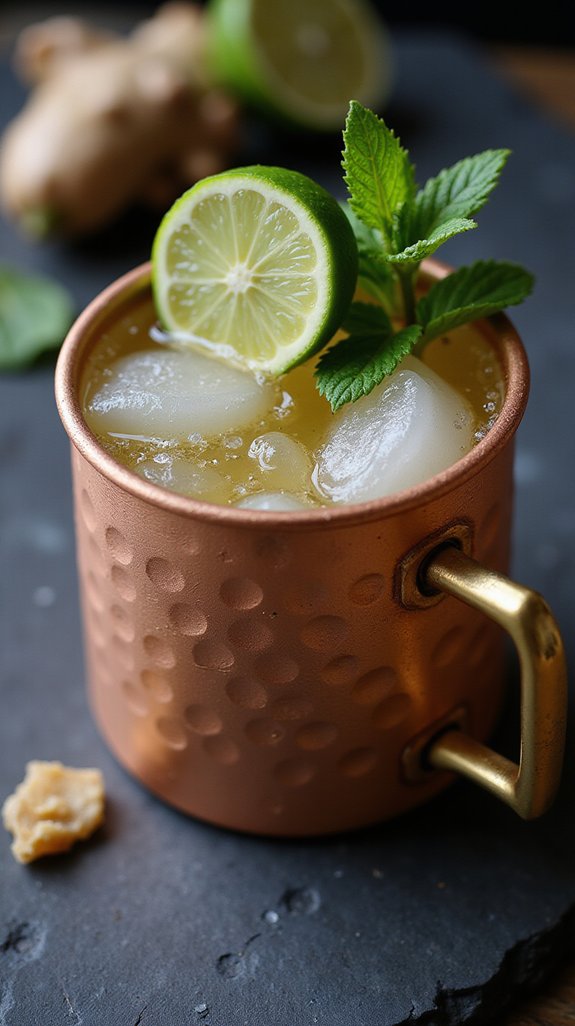
The Moscow Mule has experienced a remarkable resurgence in recent years, with its signature copper mug and rejuvenating ginger-lime combination making it a staple at bars and home gatherings alike. Traditionally, this cocktail contains substantial amounts of sugar from ginger beer, with some brands packing 20-30 grams per serving. However, by substituting sugar-free ginger beer, you can reduce the sugar content to nearly zero while maintaining the drink’s iconic spicy kick and effervescence.
The combination of vodka, fresh lime juice, and ginger creates a bright, zingy flavor profile that’s both invigorating and sophisticated, with the sugar-free ginger beer providing all the peppery bite and carbonation without the glycemic impact. What makes the Moscow Mule particularly appealing for sugar-conscious drinkers is its simplicity and the wide availability of quality sugar-free ginger beer options.
Brands like Fever-Tree Light, Zevia Ginger Beer, and Q Mixers Ginger Beer offer robust ginger flavor using alternative sweeteners like stevia or erythritol, guaranteeing you don’t sacrifice taste for health benefits. The fresh lime juice contributes only about 1-2 grams of natural sugar while adding essential vitamin C and tartness that balances the ginger’s heat. Served in the traditional copper mug, which keeps the drink exceptionally cold and adds a festive touch, this version delivers approximately 2-4 grams of total sugar—a fraction of the original recipe’s content.
Ingredients
- 2 ounces vodka
- ½ ounce fresh lime juice (about half a lime)
- 4-6 ounces sugar-free ginger beer, chilled
- Ice cubes
- Lime wheel or wedge for garnish
- Fresh mint sprig for garnish (optional)
- Candied ginger for garnish (optional, adds minimal sugar)
Instructions
Fill a copper mug or highball glass with ice cubes, filling it completely to guarantee proper chilling. Pour the vodka over the ice, followed by the fresh lime juice, squeezing any remaining juice from the lime half directly into the mug.
Top with chilled sugar-free ginger beer, pouring slowly to preserve carbonation, and adjust the amount based on your preferred strength (more ginger beer for a lighter drink, less for a boozier version). Give the drink a gentle stir with a bar spoon—just enough to incorporate the lime juice without flattening the bubbles.
Garnish with a lime wheel placed on the rim or tucked into the ice, and add a mint sprig if desired for aromatic appeal and visual interest. The quality of your sugar-free ginger beer makes or breaks this cocktail, so sample different brands to find one with robust ginger flavor rather than artificial sweetness.
Always use fresh lime juice rather than bottled, as the brightness is essential to balance the ginger’s intensity and the vodka’s neutrality. If you find sugar-free ginger beer too aggressively spicy, you can dilute it slightly with plain soda water, or look for “light” versions that tend to be milder.
The copper mug isn’t just for show—it actually keeps the drink colder longer than glass, though a stainless steel cup or regular highball glass works perfectly well if you don’t have the traditional vessel.
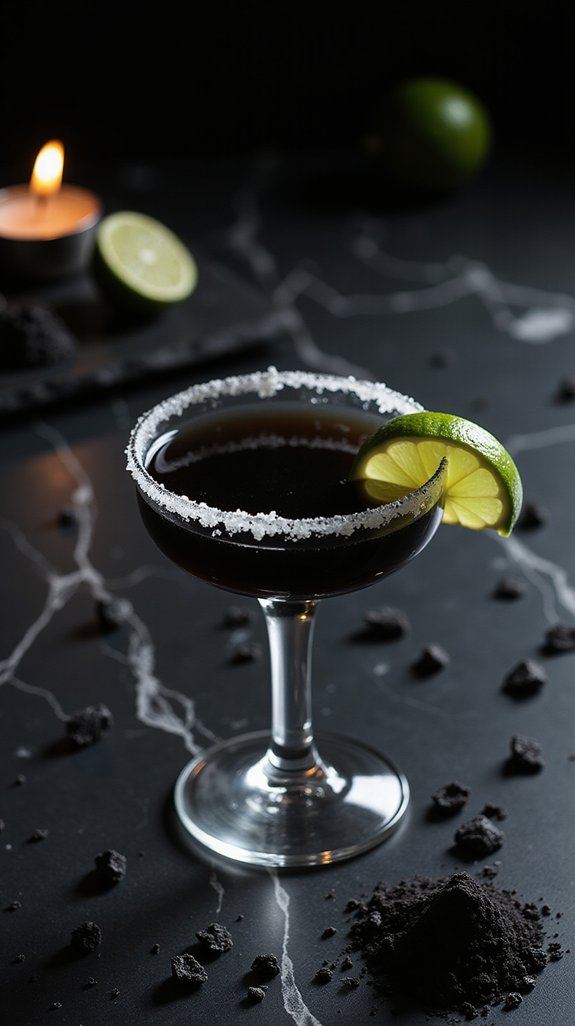
Dry Martini With a Twist
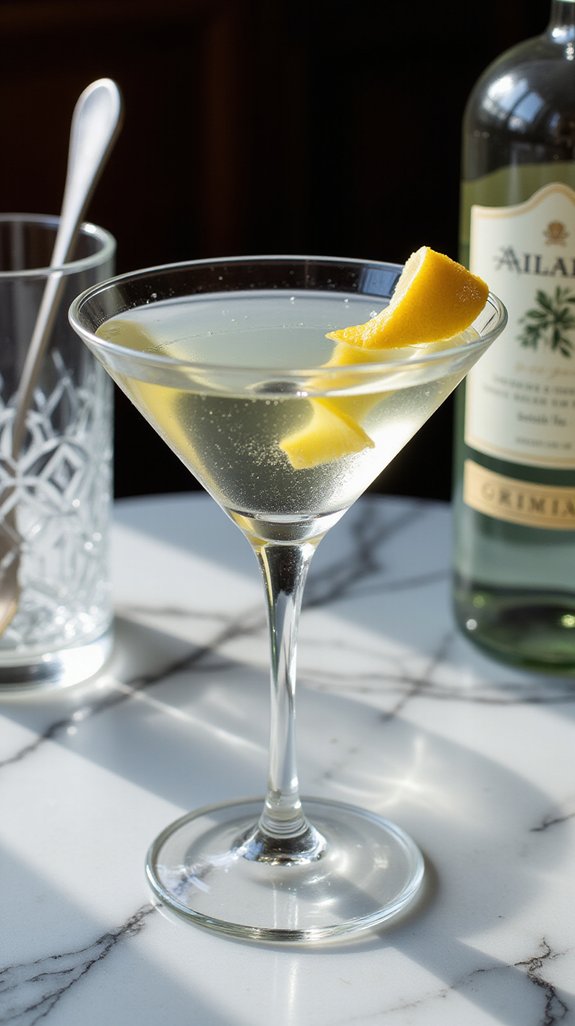
The Dry Martini stands as one of the most iconic and timeless cocktails in history, and it happens to be naturally low in sugar—a perfect choice for those seeking sophisticated flavors without the glycemic load. Unlike many popular cocktails that rely on sugary mixers, syrups, or liqueurs, the classic Dry Martini contains only gin (or vodka), dry vermouth, and a citrus garnish, resulting in virtually zero grams of sugar per serving.
The term “dry” refers to the minimal amount of vermouth used, which further reduces any trace sweetness, creating a crisp, botanical, and spirit-forward experience that highlights the quality of the base liquor. This elegant cocktail delivers complex flavors through the gin’s juniper and botanical notes, complemented by the subtle herbal qualities of vermouth and the bright, aromatic oils from a lemon twist.
The beauty of the Dry Martini lies not only in its negligible sugar content but also in its versatility and the ritual of its preparation. The ratio of gin to vermouth can be adjusted to personal preference, with some purists preferring ratios as extreme as 15:1 or even just a whisper of vermouth rinsed around the glass.
The choice between shaking and stirring affects the drink’s texture and dilution, while the decision between a lemon twist and olive garnish creates distinctly different flavor profiles—the twist adding citrus oils and brightness, the olive contributing savory, briny notes. For the sugar-conscious drinker, this cocktail represents the epitome of low-sugar indulgence, typically containing less than 0.5 grams of sugar while delivering a refined drinking experience that has satisfied discerning palates for over a century.
Ingredients
- 2½ ounces gin (or vodka for a Vodka Martini)
- ½ ounce dry vermouth
- Ice cubes for stirring or shaking
- Lemon peel for twist garnish
- Optional: 1-2 dashes of orange bitters
Instructions
Fill a mixing glass with ice cubes and pour in the gin and dry vermouth, along with orange bitters if using. Stir gently with a bar spoon for 30-40 seconds to properly chill and dilute the cocktail while maintaining its silky texture, or shake vigorously for 10-15 seconds if you prefer a colder, slightly more diluted drink with tiny ice shards (though purists typically stir).
Strain the mixture into a chilled coupe or martini glass that has been pre-chilled in the freezer for at least 15 minutes. To create the twist garnish, use a vegetable peeler or paring knife to cut a strip of lemon peel about 2 inches long, expressing the oils over the drink by holding it over the glass and giving it a firm twist to release the aromatic citrus oils, then either drop it into the drink or run it around the rim before discarding, depending on your preference.
Tips
The quality of your gin makes an enormous difference in a Dry Martini since there are so few ingredients to mask inferior spirits—opt for premium brands with botanical profiles you enjoy, such as Hendrick’s for cucumber notes, Tanqueray for classic juniper, or The Botanist for complex herbal character.
Always use fresh vermouth and store it in the refrigerator after opening, as vermouth is a fortified wine that oxidizes and loses its delicate flavors within weeks; stale vermouth can ruin an otherwise perfect Martini. For an extra-dry Martini, reduce the vermouth to ¼ ounce or even just rinse the glass with vermouth before discarding the excess.
The temperature is essential—ensure your glass is properly chilled and never skip the ice in your mixing glass, as proper dilution is vital to balance the strong alcohol content and create the drink’s signature smooth texture. If you’re sensitive to even minimal sugar, note that dry vermouth contains approximately 1-4 grams of sugar per ounce, so adjusting to a drier ratio will further reduce the already negligible sugar content.
Ranch Water
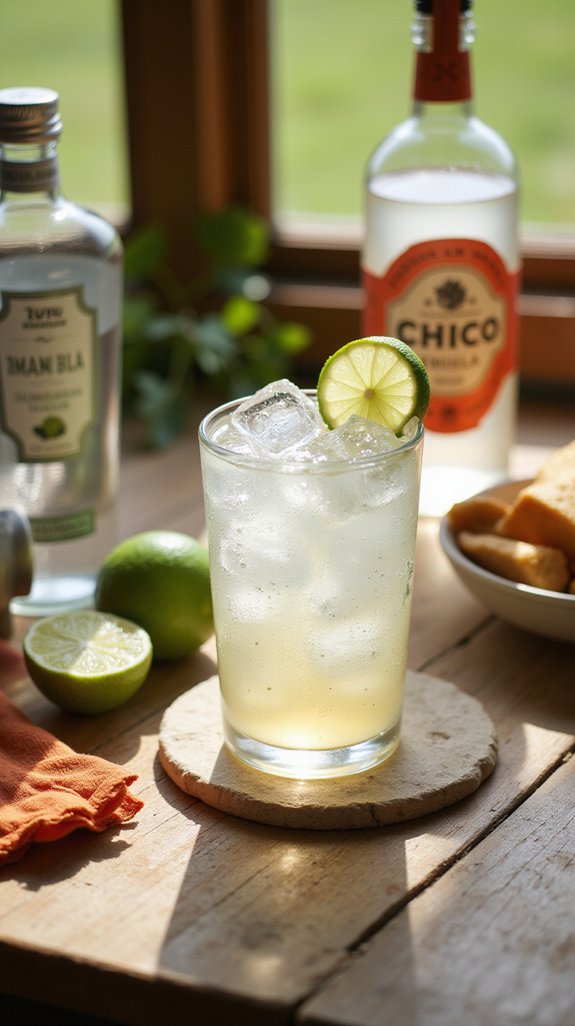
Ranch Water has emerged as a invigoratingly simple, low-sugar alternative to traditional margaritas and other tequila-based cocktails, originating from West Texas and gaining widespread popularity across the United States for its clean, mineral-forward profile. This minimalist three-ingredient cocktail contains no added sugars, syrups, or sweet liqueurs, relying instead on the natural agave flavors of quality tequila, fresh lime juice, and sparkling mineral water—typically Topo Chico, the iconic Mexican mineral water that gives Ranch Water its characteristic effervescence and subtle salinity.
With only the natural sugars found in fresh lime juice (approximately 1-2 grams per serving), this cocktail delivers maximum rejuvenation with minimal glycemic impact, making it an ideal choice for outdoor gatherings, hot summer days, or anyone monitoring their sugar intake while still enjoying a spirited beverage.
The beauty of Ranch Water lies in its simplicity and scalability—it can be mixed individually in a tall glass or batched in large quantities for parties, maintaining its integrity and invigorating qualities regardless of preparation method. Unlike more complex cocktails that require precise measurements and technique, Ranch Water is forgiving and adaptable, allowing the quality of the tequila to shine through while the mineral water and lime provide balance and brightness.
The drink’s hydrating properties, courtesy of the mineral water’s electrolytes and the relatively high water-to-alcohol ratio, make it particularly appealing for warm weather consumption. This no-fuss cocktail has become a staple at Texas ranch gatherings and urban bars alike, representing the perfect intersection of sophisticated simplicity and health-conscious mixology.
Ingredients
- 2 ounces blanco or reposado tequila
- ½ ounce fresh lime juice (about half a lime)
- 4-6 ounces Topo Chico or other sparkling mineral water
- Ice cubes
- Lime wheel for garnish
- Optional: salt for rimming the glass
Fill a tall highball or Collins glass with ice cubes, then pour in the tequila and fresh lime juice. Top with chilled Topo Chico or sparkling mineral water, pouring gently to preserve carbonation, and give the drink a brief stir with a bar spoon—just one or two rotations to integrate the ingredients without losing too much effervescence.
Garnish with a lime wheel placed on the rim or dropped into the glass, and if desired, rim half the glass with salt before building the drink by running a lime wedge around the rim and dipping it in coarse salt.
The key to an exceptional Ranch Water is using high-quality tequila, as there are no sweet mixers to mask inferior spirits, and ensuring all ingredients are thoroughly chilled before mixing to maximize revitalization and minimize dilution.
For the most authentic experience, seek out Topo Chico mineral water, which provides a distinctive mineral taste and aggressive carbonation that elevates the drink beyond what regular soda water can achieve. Adjust the ratio of mineral water to suit your preference—less for a stronger drink or more for enhanced hydration and sessionability—and always use fresh-squeezed lime juice rather than bottled, as the bright citrus notes are essential to balancing the tequila’s agave character.
Mojito With Stevia
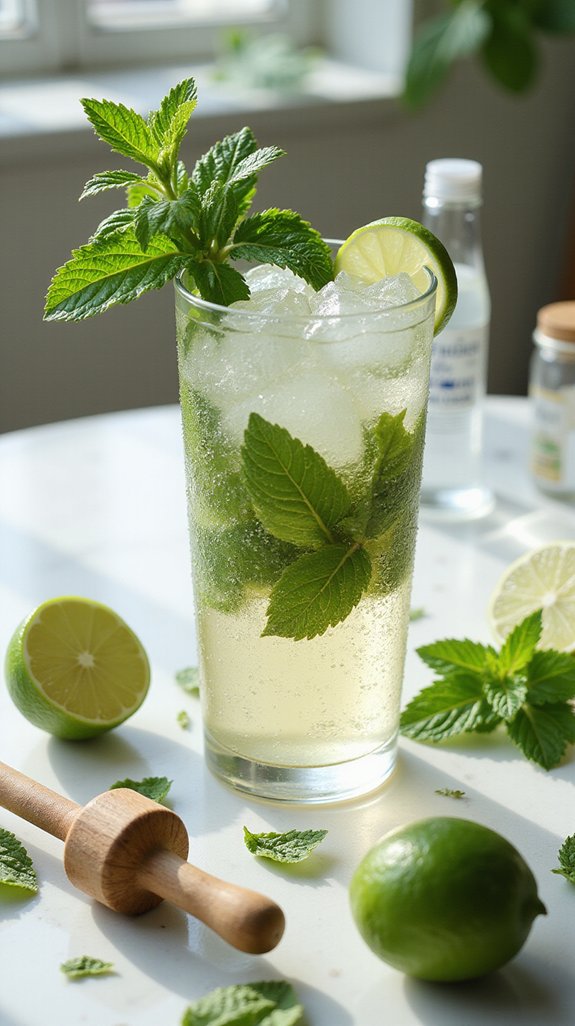
The classic Cuban mojito traditionally relies on muddled sugar to balance the bright lime juice and aromatic fresh mint, but swapping conventional sugar for stevia creates a remarkably authentic low-sugar version that captures all the essential characteristics of this beloved cocktail without the glycemic impact. This adaptation reduces the sugar content from approximately 20-25 grams in a traditional mojito to virtually zero while maintaining the cocktail’s signature balance of sweet, tart, and herbaceous flavors.
Stevia, a natural zero-calorie sweetener derived from the Stevia rebaudiana plant, provides the necessary sweetness to complement the lime’s acidity and temper mint’s intensity without adding the simple syrup or granulated sugar that typically makes mojitos a high-sugar indulgence. When properly prepared with quality white rum, plenty of fresh mint, and the right amount of stevia, this version delivers all the refreshment and complexity of the original while fitting seamlessly into a low-sugar lifestyle.
The key to a successful stevia mojito lies in understanding how to work with this alternative sweetener, as stevia behaves differently than sugar in cocktails and requires a lighter hand due to its concentrated sweetness—stevia is approximately 200-300 times sweeter than sugar, meaning a tiny amount goes a long way.
Liquid stevia drops work particularly well in mojitos because they dissolve instantly and distribute evenly throughout the drink, unlike some powdered stevia products that can leave a slightly gritty texture or concentrated sweet spots. This mojito variation maintains the traditional muddling technique that releases the mint’s essential oils and lime’s juice, creating the aromatic foundation that defines this cocktail, while the stevia seamlessly integrates during the muddling process or can be added afterward for precise sweetness control.
The result is a guilt-free refreshment that delivers the same cooling satisfaction as its sugar-laden predecessor.
Ingredients
- 2 ounces white rum
- ¾ ounce fresh lime juice (about one lime)
- 8-10 fresh mint leaves, plus a sprig for garnish
- 3-5 drops liquid stevia (or ¼ teaspoon powdered stevia)
- 2 ounces club soda
- Ice cubes
- Lime wheel for garnish
Place the mint leaves and lime juice in the bottom of a highball or Collins glass, then add the stevia drops and gently muddle the mint with a muddler or the handle of a wooden spoon, pressing just enough to release the mint’s oils without tearing the leaves into small pieces that will create an unpleasant texture.
Fill the glass with ice cubes, pour in the rum, and stir vigorously for 10-15 seconds to chill and combine the ingredients, then top with club soda and give one final gentle stir to integrate. Garnish with a fresh mint sprig gently slapped between your hands to release its aroma and a lime wheel.
When working with stevia in mojitos, start with fewer drops than you think you need and taste before adding more, as it’s easier to add sweetness than to correct an overly sweet drink—stevia’s intense sweetness means that one extra drop can notably alter the balance.
If using powdered stevia instead of liquid, dissolve it in the lime juice before adding it to the glass to guarantee even distribution and prevent undissolved granules. Some people find certain stevia brands have a slight aftertaste, so experiment with different products to find one that works best for your palate, or consider blending stevia with a small amount of erythritol for a more sugar-like sweetness profile without noticeably increasing the sugar content.
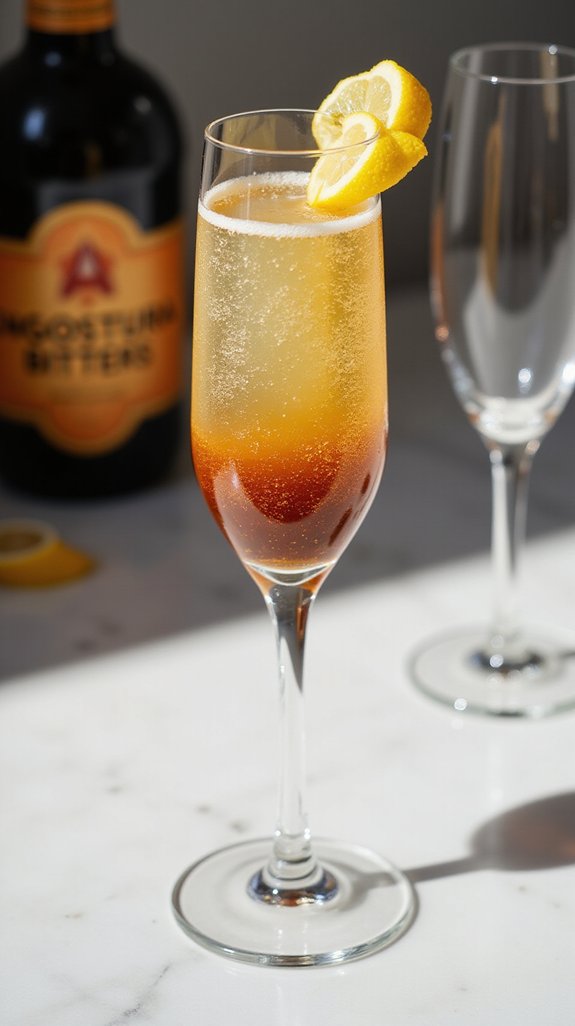
Champagne Cocktail With Bitters
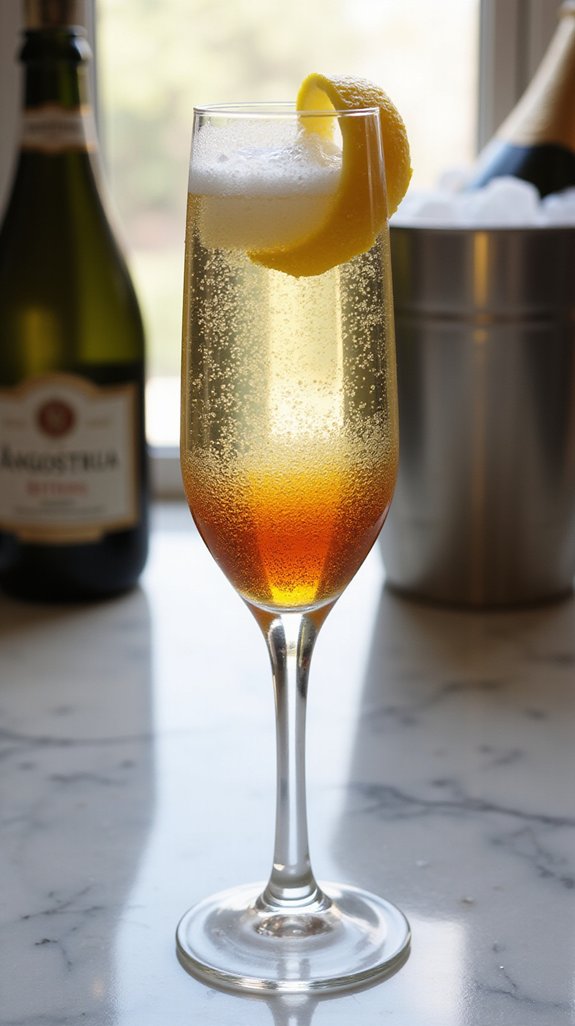
The champagne cocktail represents one of the most elegant and naturally low-sugar options in the classic cocktail repertoire, relying primarily on the dry sparkling wine itself with only minimal additional sweetening, making it an ideal choice for those seeking sophisticated beverages without excessive sugar content.
This timeless drink, which dates back to the mid-19th century, traditionally features just a sugar cube soaked with aromatic bitters and topped with champagne, but by eliminating or drastically reducing the sugar component, the cocktail becomes even more compatible with low-sugar dietary goals while still delivering the celebratory effervescence and complex flavor profile that has made it a favorite for special occasions.
The beauty of this particular cocktail lies in its simplicity and the fact that quality dry champagne or sparkling wine already contains minimal residual sugar—typically 0-12 grams per liter for brut varieties—meaning the drink starts from a low-sugar baseline that requires only thoughtful adjustment rather than complete reformulation.
The key to crafting an exceptional low-sugar champagne cocktail centers on allowing the aromatic bitters to provide the complexity and subtle sweetness perception that would traditionally come from the sugar cube, while the champagne’s natural effervescence and delicate flavors remain the star of the drink.
Angostura bitters, the most common choice for this cocktail, contain trace amounts of sugar but contribute primarily botanical complexity, subtle spice notes, and aromatic depth that enhance the champagne without adding considerable sweetness or calories.
By using bitters generously and optionally adding just a single drop of liquid stevia if any additional sweetness is desired, this adaptation maintains the cocktail’s sophisticated character while keeping sugar content to an absolute minimum.
The result is a refined, celebratory drink that feels indulgent and special while aligning perfectly with health-conscious goals.
Ingredients
- 4-5 ounces chilled champagne or dry sparkling wine (brut or extra brut)
- 3-4 dashes Angostura bitters
- 1 drop liquid stevia (optional)
- 1 lemon peel twist for garnish
- Ice-cold champagne flute or coupe glass
Add the Angostura bitters directly to a chilled champagne flute or coupe glass, swirling them gently to coat the bottom and lower sides of the glass, then add the optional drop of liquid stevia if desired and swirl again to combine.
Slowly pour the chilled champagne or sparkling wine into the glass, allowing it to cascade gently down the side to preserve the bubbles and prevent excessive foaming.
Express the oils from the lemon peel twist over the surface of the drink by holding it over the glass and giving it a firm twist, then either drop the twist into the cocktail or run it around the rim before discarding, depending on your presentation preference.
For the best results, verify your champagne or sparkling wine is thoroughly chilled to 40-45°F before mixing, as proper temperature is essential for both flavor and maintaining the delicate carbonation that defines this cocktail.
Choose a brut or extra brut champagne or quality sparkling wine like prosecco or cava to keep sugar content minimal, avoiding demi-sec or doux varieties which contain notably more residual sugar.
The bitters will settle slightly at the bottom of the glass, creating a beautiful gradient effect and ensuring that each sip offers evolving flavor as the drink is consumed, so encourage drinkers to avoid stirring once the champagne is added.
If you find the bitters alone don’t provide enough sweetness perception, start with just one drop of stevia and taste before adding more, as it’s easy to over-sweeten and impossible to reverse once the champagne is added.
Frequently Asked Questions
How Does Alcohol Itself Affect Blood Sugar Levels?
Alcohol lowers your blood sugar initially by preventing your liver from releasing glucose. However, if you’re mixing drinks with sugary ingredients, you’ll experience spikes. You should monitor your intake carefully, especially if you’re diabetic.
What Are the Best Sugar-Free Mixers to Keep on Hand?
You’ll want club soda, fresh citrus juices, coconut water, kombucha, and herbal teas stocked in your bar. Don’t forget sugar-free tonic water, flavored seltzers, and fresh herbs like mint and basil for infusions.
Can Artificial Sweeteners Cause Health Problems in Cocktails?
Coincidentally, you’re asking this just as new research emerges. Most artificial sweeteners are safe in cocktails when you use them moderately. However, some people experience digestive issues or headaches, so you’ll want to monitor your body’s response.
How Many Calories Can You Save Using Low-Sugar Recipes?
You’ll save 50-150 calories per cocktail by using low-sugar recipes. Traditional margaritas contain around 200 calories, while low-sugar versions have just 80-100 calories, letting you enjoy drinks without the guilt.
Do Low-Sugar Cocktails Affect Intoxication Differently Than Regular Cocktails?
You’ll actually absorb alcohol faster from low-sugar cocktails since sugar slows digestion. This means you could feel intoxicated more quickly, even though the alcohol content remains the same as regular cocktails.