
I’ve spent years perfecting this savory shrimp lo mein, and I’m excited to share what makes it so irresistible. The combination of perfectly cooked shrimp, crisp vegetables, and silky noodles tossed in a rich oyster-based sauce creates something truly special. What sets this recipe apart isn’t just the flavor—it’s how quickly you can bring authentic Asian takeout taste to your own table, with ingredients you’ll actually feel good about eating.
Why You`ll Love this Savory Shrimp Lo Mein

While takeout might seem convenient, this homemade shrimp lo mein delivers restaurant-quality flavor without the wait or the hefty price tag.
I’m sharing this recipe because it transforms simple ingredients into a flavor explosion that’ll have your family asking for seconds. The combination of tender shrimp, crisp vegetables, and savory sauce creates layers of taste in every bite.
What makes this dish perfect for an easy weeknight is the straightforward preparation that takes less time than driving to your favorite Chinese restaurant. You’ll love how the fresh bok choy and pea pods maintain their crunch while soaking up the rich oyster sauce.
Plus, you control the ingredients, ensuring a healthier meal that’s customized to your preferences.
What ingredients are in Savory Shrimp Lo Mein?
This savory shrimp lo mein brings together fresh seafood, crisp vegetables, and tender noodles in a harmonious blend of flavors and textures. The recipe relies on a combination of protein-rich shrimp, colorful vegetables like bok choy and mushrooms, and authentic Chinese egg noodles. Each ingredient plays a specific role in creating the dish’s signature taste and appearance, from the delicate shrimp to the robust oyster sauce that ties everything together.
Ingredients:
- 3/4 lb shrimp (fresh or frozen)
- 1 teaspoon cornstarch (for shrimp marinade)
- 1/2 teaspoon sesame oil
- 1/4 teaspoon salt (for shrimp marinade)
- 1/8 teaspoon white pepper
- 8 ounces bok choy (about 4 large stalks)
- 6 ounces pea pods
- 4 ounces mushrooms
- 2 green onions (with tops)
- 3 tablespoons cornstarch (for sauce)
- 3 tablespoons cold water
- 2 quarts water (for cooking noodles)
- 1 (8 ounce) package Chinese egg noodles
- 2 tablespoons vegetable oil (for shrimp)
- 1 teaspoon gingerroot, chopped
- 1 teaspoon garlic, finely chopped
- 2 tablespoons vegetable oil (for vegetables)
- 1/4 cup oyster sauce
- 1 teaspoon salt (for vegetables)
- 1 cup chicken broth
- 1 cup barbecued pork, sliced
When shopping for these ingredients, look for fresh shrimp with a clean ocean smell, though frozen shrimp works perfectly well and can be peeled under cold running water. The bok choy should have crisp, bright green leaves and firm white stems. Chinese egg noodles can typically be found in the Asian foods section of most grocery stores, but if unavailable, fresh lo mein noodles or even spaghetti can serve as substitutes. The oyster sauce is essential for authentic flavor and can be found in the international aisle alongside other Asian condiments. If you don’t have barbecued pork on hand, you can substitute cooked chicken, beef, or simply omit the meat for a lighter version.
Shop Related Products

[PROFESSIONAL TRI-PLY CONSTRUCTION] Elevate your everyday cooking. This 13 inch stainless steel wok with lid is built with a premium aluminum core entirely sandwiched between two layers of high-grade steel. This advanced tri-ply bottom design guarantees ultra-fast, edge-to-edge heat conductivity. Say goodbye to frustrating hot spots—your meats will sear beautifully and your Asian noodles will be tossed to perfection every single time.

WHAT'S IN THE BOX: One 14-inch stainless steel wok with wood handles

Massive 10.6" Cooking Surface: Unlike traditional skillets, this 11-inch pan features an extra-wide 10.6-inch flat bottom with straight sides. Perfect for searing 4 large steaks simultaneously or pan-frying multiple ingredients without overcrowding.
How to make this Savory Shrimp Lo Mein

Making this savory shrimp lo mein is easier than you might think, though it does require some prep work and careful timing. Start by preparing your shrimp—peel the 3/4 lb of shrimp (if frozen, you can peel them under cold running water), make a shallow cut down the back, and remove the sand vein. Cut each shrimp in half lengthwise, then toss them with 1 teaspoon cornstarch, 1/2 teaspoon sesame oil, 1/4 teaspoon salt, and 1/8 teaspoon white pepper. Let this marinate in the refrigerator for 20 minutes while you prep your vegetables.
Separate the leaves from the stems of 8 ounces bok choy, cutting the leaves into 2-inch pieces and slicing the stems diagonally into 1/4-inch pieces—keeping them separate is important since the stems need more cooking time. Remove the strings from 6 ounces of pea pods, then blanch them quickly in boiling water for just 1 minute before draining and rinsing with cold water. Slice 4 ounces of mushrooms into 1/2-inch pieces, cut 2 green onions into 2-inch lengths, and mix 3 tablespoons cornstarch with 3 tablespoons cold water for your thickening sauce.
When you’re ready to cook, boil 2 quarts of water and cook your 8-ounce package of Chinese egg noodles for about 5 minutes until they’re soft and can be separated, then drain and keep them warm in a 300°F oven.
Heat your wok until water droplets dance across the surface, add 2 tablespoons vegetable oil, and stir-fry the shrimp with 1 teaspoon chopped gingerroot and 1 teaspoon finely chopped garlic until the shrimp turns pink. Remove the shrimp and set aside, then add another 2 tablespoons oil to the wok.
Start with the bok choy stems and stir-fry for 1 minute before adding the leaves, 4 ounces mushrooms, 1/4 cup oyster sauce, and 1 teaspoon salt—stir-fry for another minute. Pour in 1 cup chicken broth and bring it to a boil, then add your cornstarch mixture and stir until the sauce thickens, which should only take about 10 seconds.
Finally, toss in the cooked shrimp, blanched pea pods, green onions, and 1 cup sliced barbecued pork, cooking everything together for just 30 seconds to heat through. Serve this flavorful mixture over your warm noodles, and you’ve got a restaurant-quality dish right at home.
Shop Related Products

[11PCS WOK SET] You not only have quality 12.8 inch carbon steel pan and wooden lid, but also get 10 accessories include slotted turner, ladle, spatula, skimmer, solid spoon, slotted spoon, egg whisk, wok brush, wok ring and pasta server. The step design wooden lid to precise match the pot and accelerate to your cooking, the soup mouth design is easy to pour soup, the detachable wooden handle is not hot and easy to save, also easy use in the oven
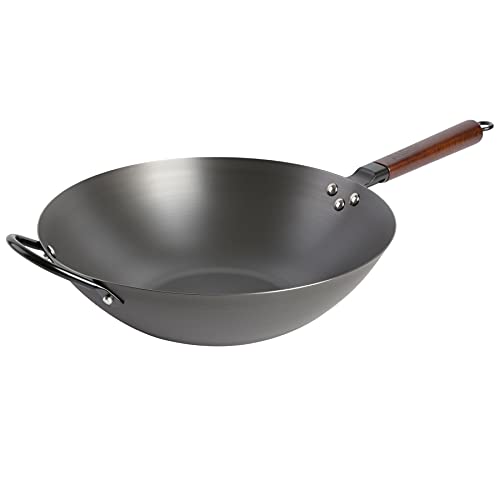
Babish 14 Inch Carbon Steel Wok (6" Flat Bottom)

Ideal Holiday Gift: This high-quality carbon steel wok combines texture and functionality. With a 13.07-inch diameter and 3.86-inch depth, it is specially designed for families of 4-6 people, easily handling daily meals and friend gatherings. It's a perfect gift for festivals and housewarmings, decent and durable for daily use, and a great wok in the kitchen
Savory Shrimp Lo Mein Substitutions and Variations
One of the best things about lo mein is how flexible it’s when it comes to substitutions and variations, making it perfect for using what you already have on hand or adapting to your taste preferences.
For vegetable substitutions, I often swap bok choy with napa cabbage or regular cabbage, and the pea pods can easily be replaced with snap peas or broccoli florets. Mushroom varieties are completely interchangeable too.
When it comes to protein variations, chicken, beef, or tofu work beautifully in place of shrimp, and you can skip the barbecued pork entirely or substitute it with ham or regular cooked pork.
I’ve even made vegetarian versions using only tofu and extra vegetables, and they’re equally satisfying and delicious. Additionally, using high end seafood cookware can enhance your cooking experience, ensuring even better results.
What to serve with Savory Shrimp Lo Mein

Since lo mein is already a complete meal with protein, vegetables, and noodles, I like to keep my side dishes light and complementary rather than heavy or competing for attention.
A simple cucumber salad with rice vinegar provides a cool, crisp contrast to the warm noodles. Spring rolls or pot stickers work well if you want something more substantial, though I usually save these for when I’m feeding a crowd.
For drink pairings, I reach for jasmine tea or green tea to cleanse the palate between bites. If you prefer something cold, an iced oolong tea or even a light beer complements the savory oyster sauce beautifully.
The key is choosing side dishes that enhance rather than overshadow the lo mein’s flavors.
Final Thoughts
After making this shrimp lo mein a dozen times, I’ve learned that the recipe’s true beauty lies in its flexibility and forgiving nature.
Don’t stress if you’re missing an ingredient or two—swap vegetables based on what’s in your fridge. The cooking tips I’ve shared come from real trial and error, so trust the process even when your wok gets crowded.
For meal prep enthusiasts, this dish is absolutely perfect. Cook the components separately, store them in containers, and combine everything when you’re ready to eat.
The noodles stay fresh for three days, and the protein holds up beautifully. Once you master the basic technique, you’ll find yourself turning to this recipe whenever you need something quick, satisfying, and impressive.
Frequently Asked Questions
Can I Make This Recipe Ahead of Time and Reheat It?
I don’t recommend making this recipe ahead of time. The noodles and vegetables will become soggy when reheated. For best results, cook it fresh. However, you can prep ingredients beforehand for quicker assembly.
How Long Does Leftover Shrimp Lo Mein Last in the Refrigerator?
I’d recommend storing your leftover shrimp lo mein for no more than 3-4 days in the refrigerator. Proper leftover storage is essential since shrimp freshness declines quickly, potentially causing food safety issues beyond that timeframe.
Can I Freeze Shrimp Lo Mein for Meal Prep?
I don’t recommend freezing shrimp lo mein for meal prep because the noodles become mushy and the shrimp gets rubbery when thawed. For better shrimp storage, refrigerate it instead and consume within three days.
What Type of Wok Is Best for Making Lo Mein?
I recommend using a carbon steel wok for making lo mein. It heats quickly and evenly, allowing you to achieve that perfect stir-fry texture. While non stick woks work, carbon steel develops better seasoning over time.
Where Can I Buy Oyster Sauce if Not at Regular Grocery Stores?
I’d recommend checking Asian markets or specialty stores for oyster sauce. You can also find it through online retailers or sometimes in international aisles at larger supermarkets where ethnic ingredients are stocked.