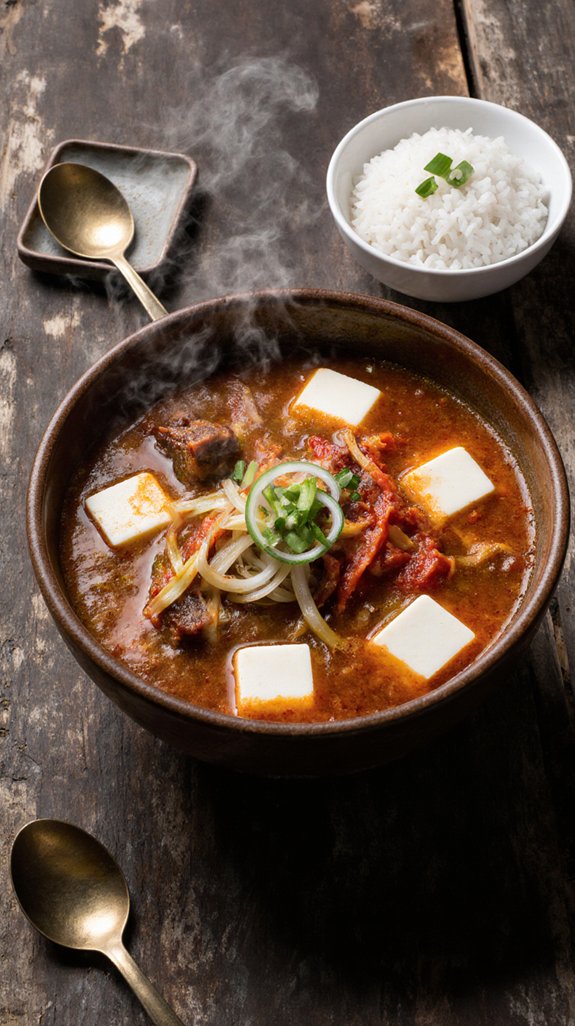
I’ll never forget the first time I watched my grandmother lift the lid off her bubbling pot of kimchi jjigae, releasing a cloud of spicy, garlicky steam that immediately cleared my sinuses and made my stomach growl. That bright red broth, dotted with tender pork and silky tofu, became my definition of comfort food. Now, whenever life feels overwhelming, I find myself craving that same warmth, and I’ve learned to recreate it in my own kitchen with surprising ease.
Why You`ll Love this Comforting Kimchi Jjigae
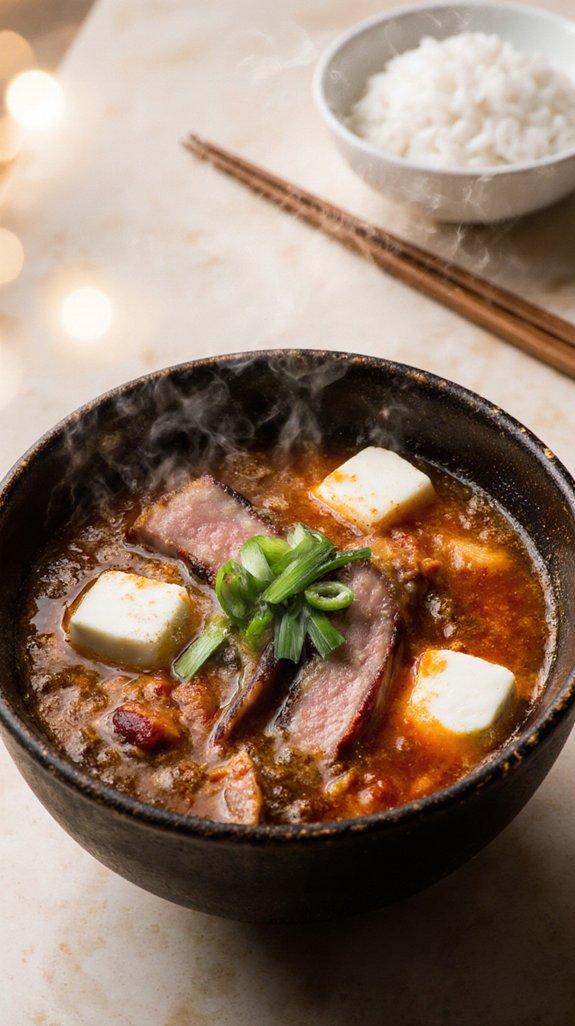
The first spoonful of bubbling kimchi jjigae on a cold day hits differently than any other soup I know, and that’s because this stew doesn’t just warm you up, it practically wraps you in a blanket of tangy, spicy, umami-rich comfort.
I’ll never forget my first bowl at my Korean friend’s house, watching her grandmother toss ingredients into a pot with the kind of confidence that comes from decades of practice.
The flavor profile balances fermented kimchi’s sourness with pork belly’s richness, while soft tofu absorbs every bit of that crimson broth.
Beyond taste, there’s real cultural significance here—this isn’t fancy restaurant food, it’s what Korean families make when someone needs comfort, which is exactly why it works so well.
What ingredients are in Comforting Kimchi Jjigae?
The beauty of kimchi jjigae lies in its simplicity—you don’t need a pantry full of exotic ingredients, just a handful of Korean staples that build incredible depth. The star is obviously well-fermented kimchi (the older and funkier, the better), which you can either make from scratch or buy from a Korean grocery store.
Pork belly adds richness, though you can substitute with other cuts or even skip the meat entirely for a vegetarian version. The remaining ingredients are straightforward: Korean rice cakes (ddeok) for texture, soft or medium-firm tofu for protein, basic aromatics like garlic and scallions, and simple seasonings.
For the Kimchi Jjigae:
- 1 ounce pork belly, sliced
- 1 teaspoon ground black pepper (divided)
- 1 teaspoon salt (divided)
- 1 cup cabbage kimchi
- 1/2 teaspoon smashed garlic
- 4 slices oval disc-shaped Korean rice cakes (ddeok)
- 1 teaspoon granulated sugar
- 5 slices soft tofu or medium firm tofu
- Scallion, cut into 2-inch pieces for garnish
- Steamed rice, for serving
- Korean side dishes for serving (such as kimchi, cucumber kimchi, daikon radish kimchi, bean sprouts, watercress)
For Homemade Kimchi (if making from scratch):
- 1/2 cup coarse salt
- 1 whole napa cabbage, quartered lengthwise
- 1/2 cup fine salt
- 5 garlic cloves, peeled
- 5 thin slices ginger
- 1/2 onion, chopped
- 1/4 cup Korean fish sauce (such as sand lance or anchovy sauce)
- 1/4 cup salted shrimp sauce
- 1 tablespoon granulated sugar
- Korean red chili paste (gochugaru)
- 1 bunch scallion, chopped into 2-inch pieces
If you’re making kimchi from scratch, plan ahead—it needs at least 10 days to 2 weeks to properly ferment in the refrigerator, which is when those complex sour and funky flavors develop.
Store-bought kimchi works perfectly well and saves considerable time, especially if you grab a jar that’s already aged. The recipe calls for Korean fish sauce and salted shrimp sauce in the kimchi preparation, which are essential for authentic flavor but can be found at most Asian markets.
Don’t skip the ddeok if you can help it—those chewy rice cakes transform in the stew, soaking up broth while maintaining their satisfying texture.
How to make this Comforting Kimchi Jjigae
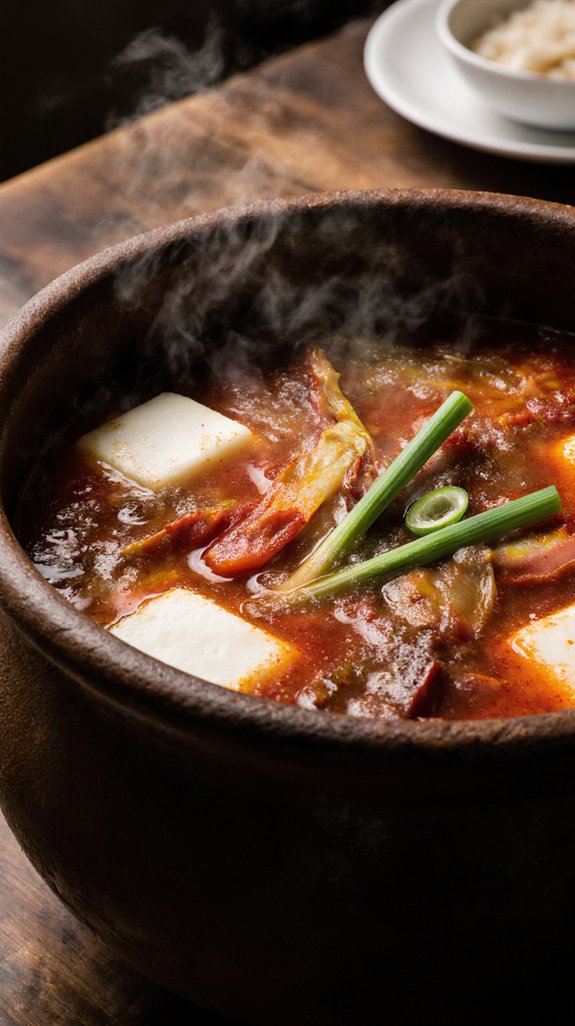
Making kimchi jjigae is remarkably straightforward, though the layered cooking process is what builds such incredible flavor. Start by heating a small heavy pot over medium-high heat and adding your 1 ounce of sliced pork belly, then sprinkle it with 1/2 teaspoon black pepper and 1/2 teaspoon salt. Let the pork cook while stirring occasionally, allowing the fat to render out and create a flavorful base for your stew.
Once the pork is almost fully cooked, add your 1 cup of cabbage kimchi directly to the pot and stir-fry everything together—this step is essential because it allows the kimchi to caramelize slightly and release its tangy, funky flavors into the fat. Pour in 2 cups of water along with 1/2 teaspoon smashed garlic, then bring everything to a rolling boil.
Once your broth is bubbling away, add the 4 slices of Korean rice cakes (ddeok) and let the stew simmer for about 10 minutes, giving the rice cakes time to soften and absorb all those delicious flavors. During this simmering time, the broth will become richer and more concentrated, while the ddeok transforms from firm discs into tender, chewy morsels.
After the 10 minutes are up, season with the remaining 1/2 teaspoon black pepper, 1/2 teaspoon salt, and 1 teaspoon granulated sugar, which helps balance the sourness of the kimchi with just a touch of sweetness. Finally, add your 5 slices of tofu and the scallion pieces as garnish—the tofu doesn’t need much cooking time, just enough to warm through while keeping its silky texture.
Ladle the steaming stew into bowls and serve it alongside steamed rice and an array of Korean side dishes for a complete, soul-warming meal. Having reliable cooking appliances in your professional kitchen ensures you can maintain consistent heat throughout the entire cooking process, which is crucial for developing the deep, complex flavors that make this dish so special.
Shop Related Products
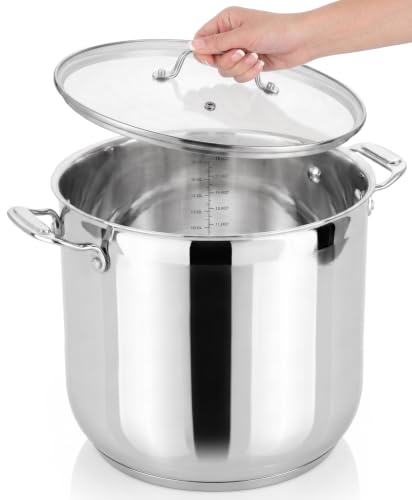
19 QUARTS: The NutriChef Stainless Steel Large Cooking Pot features 19-quart capacity weighing 7.4 lbs w/ lid which is the perfect size for boiling eggs, simmering stocks & soups or making sauces for a large crowd. Great for commercial & home cooking

Food-Grade Material for Safe Cooking: Crafted from premium, food-safe & rust-resistant stainless steel, TeamFar stock pot providing a non-toxic and healthy cooking experience for your family, It doesn't react with acidic foods, nor does it leach chemicals into your food, With its heavy-duty construction, This pasta pot is a safe and reliable option for everyday cooking and long-term use with no health concerns

6 QUARTS: The NutriChef Stainless Steel Large Cooking Pot features 6-quart capacity weighing 4.5 lbs w/ lid which is the perfect size for boiling eggs, simmering stocks & soups, or making sauces.Great for commercial & home cooking
Comforting Kimchi Jjigae Substitutions and Variations
While this recipe delivers authentic Korean flavors, you don’t need to stress if your pantry isn’t fully stocked with every traditional ingredient—kimchi jjigae is wonderfully forgiving and practically begs you to make it your own.
I’ve swapped pork belly for alternative proteins like spam, bacon, or even canned tuna when my fridge looked particularly bare.
Vegetarians can skip meat entirely and double up on tofu for a satisfying bowl.
As for spice levels, start conservatively with the kimchi if you’re heat-sensitive, since aged kimchi packs serious punch. You can always add gochugaru (Korean red pepper flakes) to intensify the burn.
My mom adjusted spice levels based on who was eating, creating mild versions for my young cousins while keeping ours pleasantly fiery.
Shop Related Products
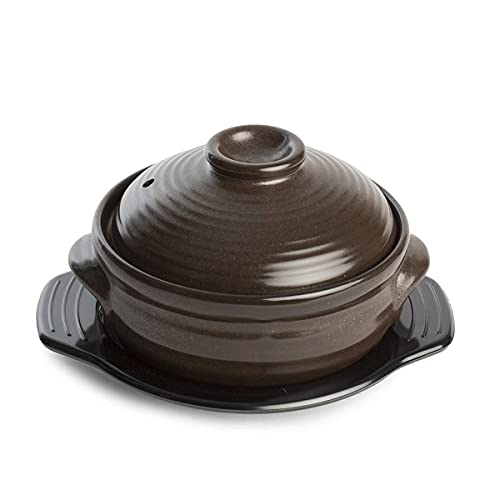
Lead (Pb) free, cadmium (Cd) free, arsenic (As) free. Premium stoneware (ceramics) made from fine clay, glaze-fired twice with a natural glaze.

Ceramic Stone Bowl: Crafted from high-quality ceramic, this Korean stone bowl ensures even heat distribution and excellent heat retention, keeping your bibimbap, soups, and stews sizzling hot.

Okllen Korean ceramic bowl overall size, 9.8"Dx5.1"H, holding up to 54 oz, ideal size for cooking traditional dishes like dolsot bibimbap, ramen, casseroles, stews, and soups. Keeps food hot and sizzling for maximum flavor.
What to serve with Comforting Kimchi Jjigae
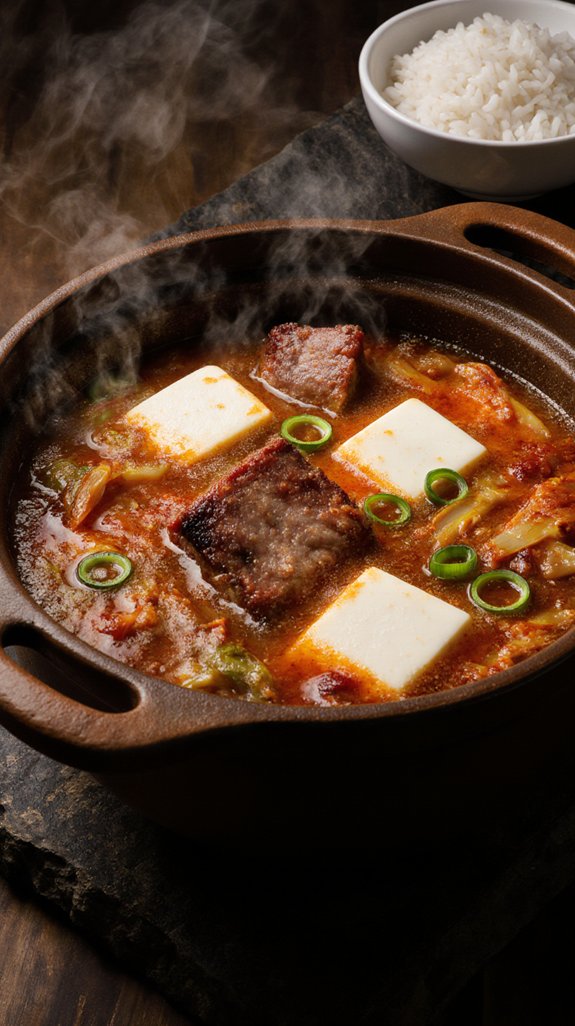
Kimchi jjigae demands the company of steamed white rice—this isn’t negotiable in my book, since the stew’s robust, funky flavors need that neutral, fluffy backdrop to balance each spoonful.
Beyond rice, I set out an array of banchan, those small side dishes that transform any Korean meal into a feast: crisp cucumber kimchi, crunchy bean sprouts, seasoned watercress, and tangy daikon radish kimchi all work beautifully.
The cool, revitalizing textures contrast perfectly with the stew’s heat and richness, giving your palate little breaks between bites.
For drink pairings, I reach for cold barley tea or a light lager—something crisp that won’t compete with the kimchi’s intense personality.
My grandmother always served hers with makgeolli, that milky rice wine, which adds its own sweet-tart dimension to the experience.
Final Thoughts
This stew has carried me through countless cold evenings, breakups, celebrations, and ordinary Tuesdays when I just needed something that tasted like home.
I’ve shared my best cooking tips throughout this recipe, but remember that kimchi jjigae is forgiving, adaptable, and meant to be made your way.
Don’t stress over perfect measurements or technique. The real magic happens when you trust your instincts, taste as you go, and adjust the seasoning to match your mood.
Experiment with flavor enhancements like a splash of soy sauce, extra garlic, or different proteins.
The most important thing I’ve learned is that this dish improves with repetition. Each time you make it, you’ll discover something new about the balance of sour, spicy, and savory that speaks to you.
Frequently Asked Questions
Can I Freeze Leftover Kimchi Jjigae for Later Use?
Yes, I’ll share my freezing tips: you can freeze leftover kimchi jjigae for up to three months. I recommend using airtight storage containers, leaving some headspace for expansion. Thaw it overnight in the refrigerator before reheating.
How Long Does Homemade Kimchi Need to Ferment Before Using?
I’d ferment homemade kimchi for 10 days to 2 weeks in the refrigerator. This fermentation time allows proper flavor development, creating that signature tangy, complex taste you’ll want for your jjigae and other dishes.
What’s the Difference Between Kimchi Jjigae and Kimchi Bokkeumbap?
Kimchi jjigae is a stew with ingredients like pork belly, tofu, and rice cakes simmered in broth, while kimchi bokkeumbap is fried rice featuring bolder, concentrated flavors from stir-frying kimchi with rice and vegetables.
Can I Make Kimchi Jjigae in an Instant Pot?
Yes, I can make kimchi jjigae in an Instant Pot! The Instant Pot benefits include hands-off cooking and faster flavor development. The cooking time reduces to about 15 minutes under pressure, making it incredibly convenient.
Does Older, More Fermented Kimchi Work Better for This Stew?
Yes, I recommend using older kimchi for jjigae. The fermentation benefits include deeper, tangier flavors that enhance the stew’s complexity. Fresh kimchi works too, but aged kimchi creates that authentic, rich taste I love in this dish.