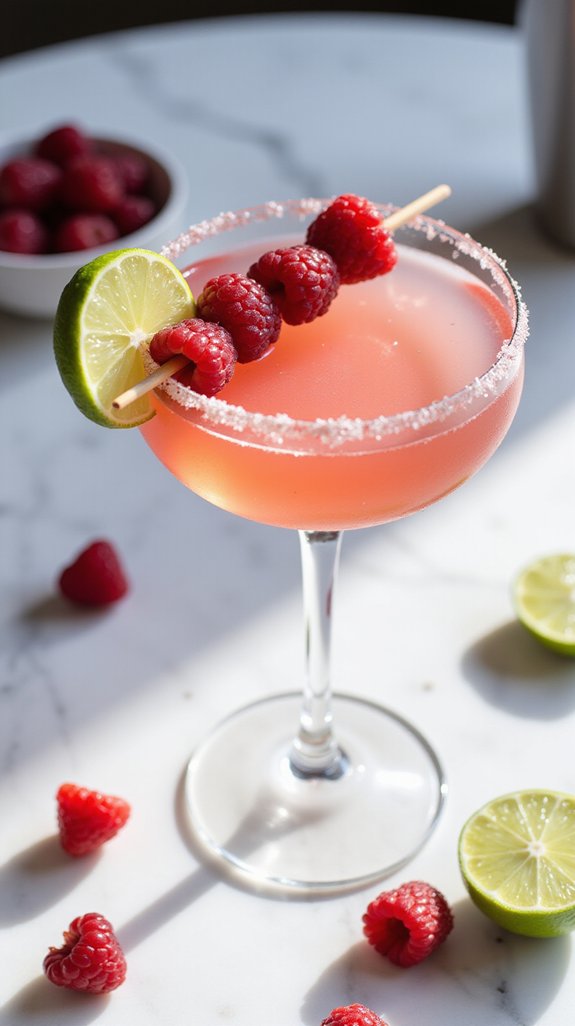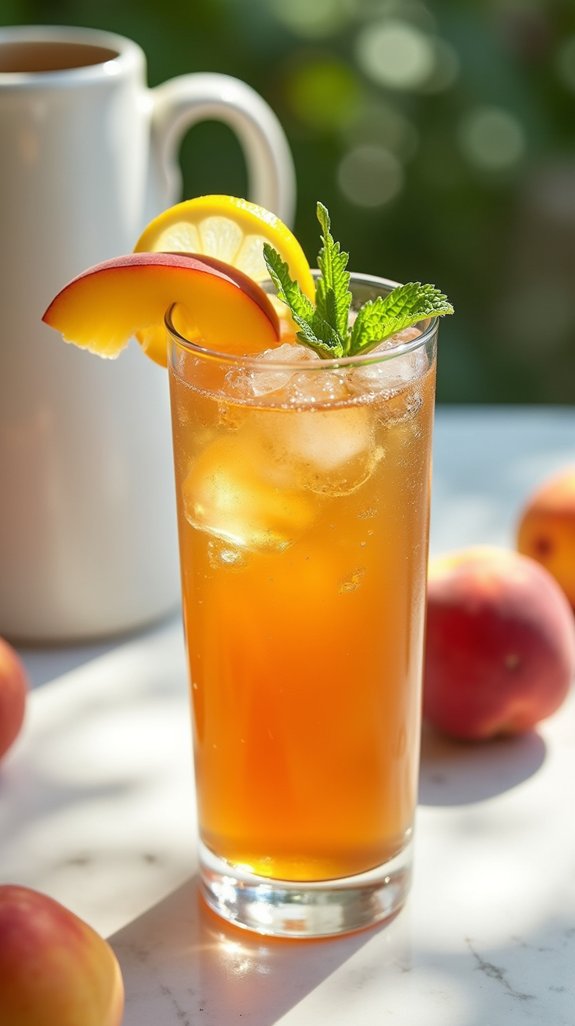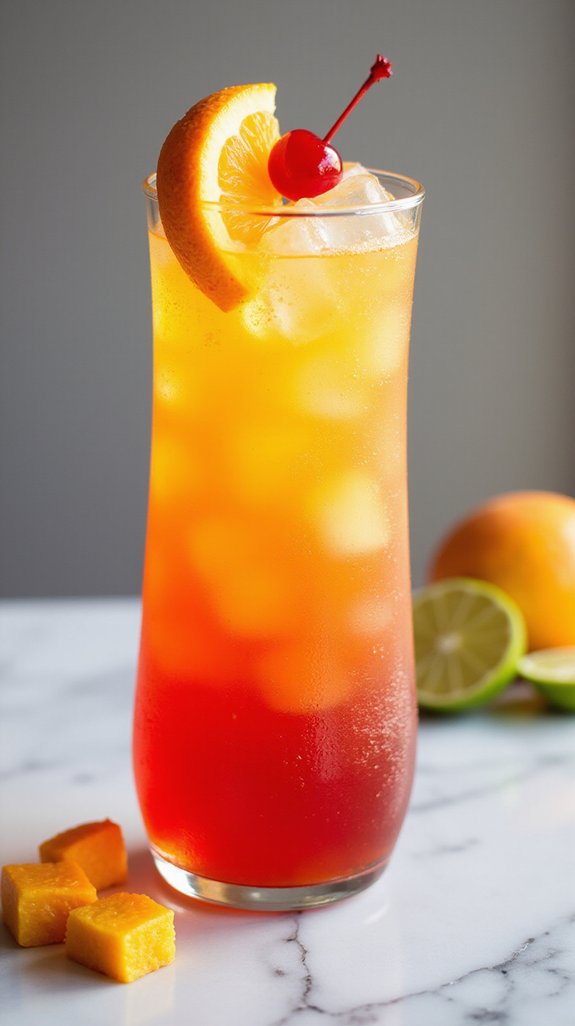

You’ve probably noticed that gin has made quite a comeback lately, showing up at dinner parties and weekend gatherings with friends who swear they can taste hints of juniper, citrus, and botanicals in every sip. I get it—gin isn’t just for your grandparents anymore. The best part? You don’t need fancy bar equipment or mixology training to craft impressive cocktails. With a decent bottle of gin and a few simple ingredients you likely already have, you can mix up drinks that’ll make people think you’ve been doing this for years.
Classic Gin and Tonic
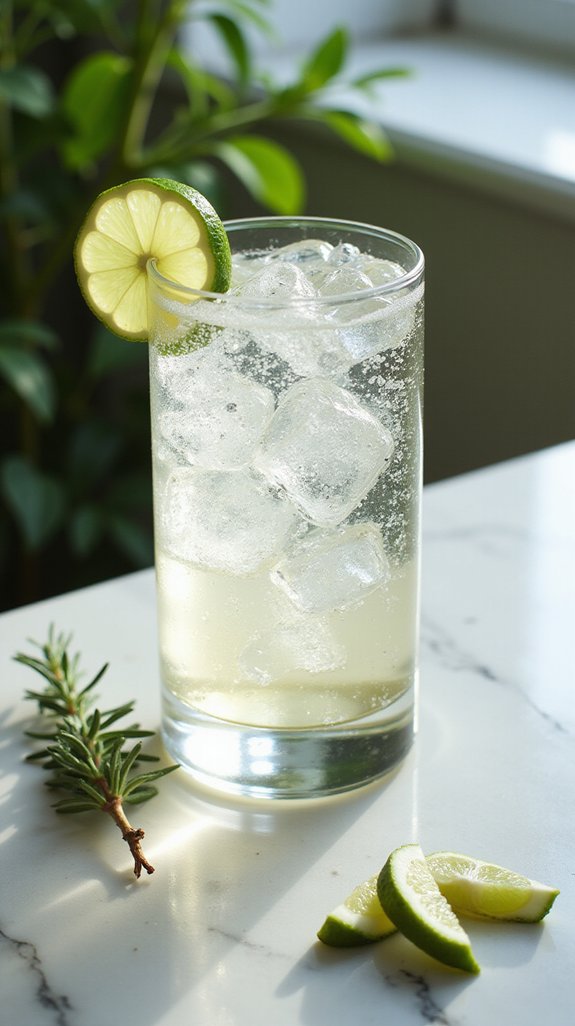
The gin and tonic is one of the most iconic and invigorating cocktails in the world, celebrated for its simplicity and crisp, botanical flavor profile. Originally developed in the 1800s by British officers in India who mixed gin with their antimalarial tonic water, this drink has evolved into a sophisticated cocktail enjoyed in bars and homes across the globe.
Its enduring popularity stems from the perfect balance between the juniper-forward notes of gin and the bitter-sweet quinine taste of tonic water. This classic cocktail requires minimal ingredients and equipment, yet the quality of each component matters considerably to the final result.
The beauty of a gin and tonic lies in its versatility – while the traditional version is timeless, it serves as an excellent canvas for personal customization. Whether you prefer it strong or light, traditional or contemporary, mastering the basic recipe will provide you with a reliable go-to cocktail for any occasion.
Ingredients
- 2 oz gin
- 4-6 oz tonic water
- Ice cubes
- 1 lime wedge or wheel
- Fresh garnish (optional: cucumber slice, fresh herbs, or citrus peel)
Shop Related Products

Add Master Mixologist to Your Resume: Curated by KITESSENSU with the cocktail enthusiast in mind, this 3-piece cocktail shaker set has everything mixology kit you need to make cocktails, whether you’re a bartender looking for quality drink mixer set, or a home mixologist to get started creating and serving drinks from your own entertainment space

【6-Piece Cocktail Shaker Set】6 piece cocktail shaker set include all your necessary bartendering kits with 24oz shaker, strainer, muddler, jigger, spoon, pour spouts and a recipe book. You can achive to make most special drinks or cocktail with this set.

FULL BAR SET YOU NEED: This 6 piece cocktail shaker set includes all the bartender accessories:2 cocktail shaker 27OZ & 20OZ /800ml&600ml, a double Jigger 15ml 1/2oz,30ml 1 oz, a hawthorne strainer, a mixing spoon, a liquor pourers. Help you create drinks made from a wide variety of liquors like Whiskey, Tequila, Gin, Rum, Brandy, and more.
Instructions
Fill a highball or copa glass with ice cubes to chill it thoroughly. Pour the gin over the ice, followed by the tonic water, pouring slowly down the side of the glass to preserve the carbonation.
Gently stir once or twice with a bar spoon to combine the ingredients without releasing too much fizz. Squeeze the lime wedge over the drink to release its oils, then drop it into the glass or garnish the rim with a lime wheel.
Tips
The ratio of gin to tonic can be adjusted to personal preference, but a 1:2 or 1:3 ratio typically works best for balanced flavor. Always use fresh, cold tonic water and add it just before serving to maintain maximum carbonation.
Premium gin and quality tonic water will greatly improve the drink’s taste, so invest in good ingredients when possible. For enhanced aromatics, express citrus oils over the drink by twisting a peel above the glass, and consider chilling your glass beforehand for an extra-cold cocktail that stays invigorating longer.
Negroni
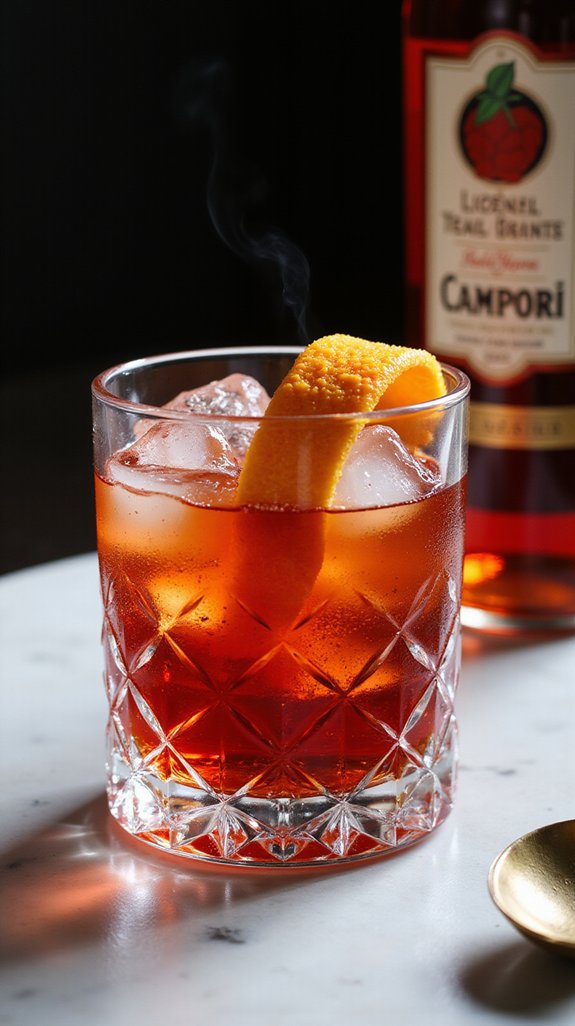
The Negroni is a bold, bittersweet Italian cocktail that has captivated cocktail enthusiasts since its creation in Florence in 1919. Legend has it that Count Camillo Negroni asked his bartender to strengthen his favorite Americano cocktail by replacing the soda water with gin, thereby creating this iconic three-ingredient masterpiece.
With its distinctive crimson hue and perfectly balanced combination of gin, Campari, and sweet vermouth, the Negroni has become a benchmark cocktail that represents sophistication and complexity in equal measure.
This aperitivo cocktail is renowned for its harmonious interplay of flavors – the botanical notes of gin, the bitter orange complexity of Campari, and the rich, herbal sweetness of vermouth combine to create a drink that’s both challenging and deeply satisfying.
The Negroni’s equal-parts formula makes it remarkably easy to remember and prepare, yet achieving the perfect balance requires attention to ingredient quality and technique. Whether served before dinner to stimulate the appetite or enjoyed as a contemplative sipper, the Negroni stands as one of the most revered cocktails in the modern bar canon.
Ingredients
- 1 oz gin
- 1 oz Campari
- 1 oz sweet vermouth
- Ice cubes
- 1 orange peel or orange slice for garnish
Shop Related Products

DESIGNED FOR EXPERT BARTENDING - This 22oz/650ml lead free crystal mixing glass is designed and sized to match professional grade equipment used by bartenders. You wouldn't be surprised to see this bar accessory in use at the finest cocktail lounges.

Quality Seamless Design - Made of ultra-clear lead-free glass with with a thick, weighted bottom to ensure that you get the most from your mixing experience
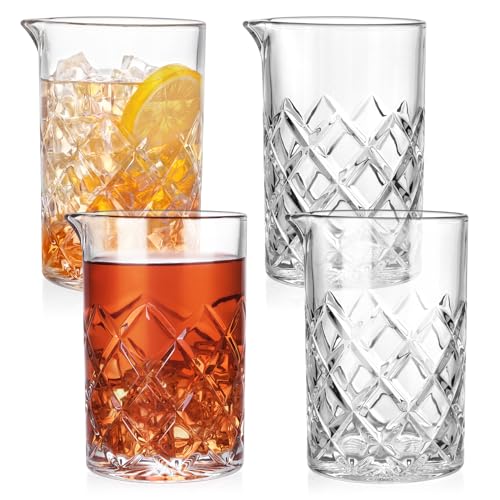
DESIGNED FOR PROFESSIONAL BARTENDING - specially selected by GOSDENG professional bartenders, the 700ml/24oz size makes one or two cocktails, and the cocktail mixing glasses are designed to match the professional-grade equipment used by bartenders.
Instructions
Fill an old fashioned glass with ice cubes or use a mixing glass if you prefer to stir and strain. Add the gin, Campari, and sweet vermouth in equal parts over the ice.
Stir gently with a bar spoon for 20-30 seconds until well-chilled and properly diluted. If using a mixing glass, strain the mixture into an ice-filled old fashioned glass.
Express the oils from an orange peel over the drink by holding it over the glass and giving it a firm twist, then either drop the peel into the drink or run it around the rim before adding it as a garnish.
Tips
The equal-parts ratio is traditional, but some prefer a slightly higher proportion of gin for a less bitter profile.
Always use fresh vermouth and store it in the refrigerator after opening, as vermouth is a fortified wine that oxidizes and loses flavor over time.
The quality of each ingredient matters greatly since there are only three components, so choose a London Dry or bold gin that can stand up to the Campari’s intensity.
For a proper dilution and texture, stir the drink longer rather than shorter – a well-stirred Negroni should be silky and perfectly integrated.
Some bartenders prefer serving it on the rocks in an old fashioned glass, while others opt for straining it over fresh ice or serving it up in a coupe, so feel free to experiment with presentation styles.
Tom Collins
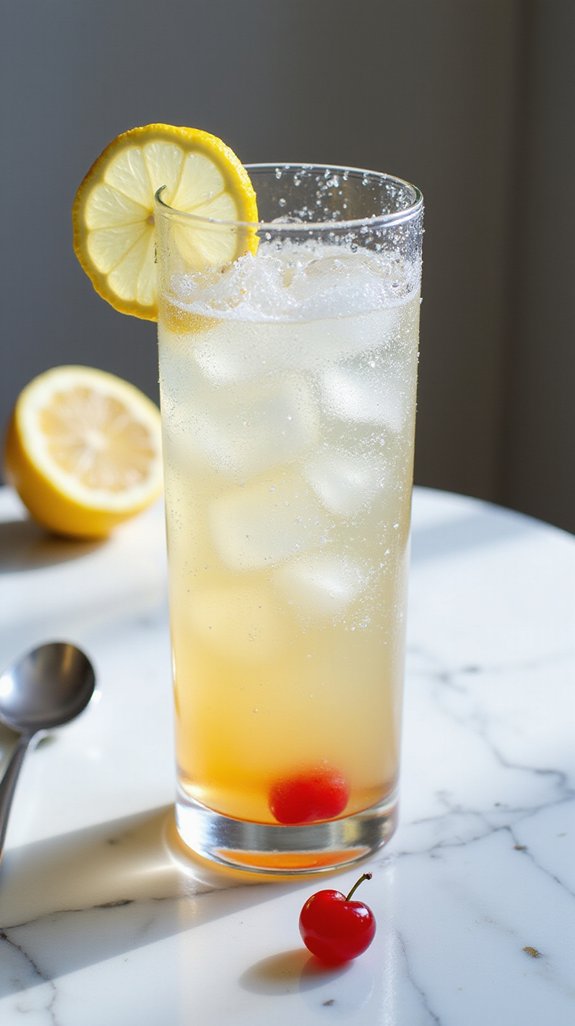
The Tom Collins is a revitalizing, effervescent gin cocktail that has been delighting drinkers since the mid-19th century. This timeless highball is believed to have originated in London, though its exact birthplace remains a subject of friendly debate among cocktail historians. Named after its creator or perhaps inspired by the “Tom Collins hoax” of 1874, this classic drink combines gin with fresh lemon juice, simple syrup, and soda water to create a perfectly balanced, thirst-quenching libation.
Its bright, citrusy character and bubbly finish make it an ideal choice for warm weather entertaining or any occasion that calls for a crisp, invigorating beverage.
What sets the Tom Collins apart from other gin cocktails is its masterful balance of sweet, sour, and effervescent elements. The botanical complexity of gin provides the foundation, while fresh lemon juice adds bright acidity, simple syrup contributes just the right amount of sweetness, and soda water delivers a lively sparkle that ties everything together.
Traditionally served in a tall Collins glass filled with ice, this cocktail is as visually appealing as it’s delicious. The Tom Collins has inspired countless variations and remains a staple on bar menus worldwide, proving that sometimes the simplest combinations create the most enduring classics.
Ingredients
- 2 oz gin
- 1 oz fresh lemon juice
- 0.5 oz simple syrup
- 3-4 oz soda water
- Ice cubes
- 1 lemon wheel and maraschino cherry for garnish
Instructions
Fill a Collins glass or highball glass with ice cubes. Add the gin, fresh lemon juice, and simple syrup to the glass. Stir briefly to combine the ingredients, then top with soda water, pouring gently to preserve the carbonation.
Give the drink one gentle stir to integrate all the components without losing too much fizz. Garnish with a lemon wheel and a maraschino cherry, either skewered together or dropped directly into the glass.
Tips
Always use freshly squeezed lemon juice rather than bottled juice, as the fresh citrus makes an enormous difference in the drink’s brightness and overall quality. The amount of simple syrup can be adjusted to taste depending on your preferred level of sweetness and the tartness of your lemons.
Choose a quality London Dry gin for the most traditional flavor profile, though Old Tom gin can add a slightly sweeter, more rounded character that some prefer. When adding the soda water, pour it slowly down the side of the glass to maintain maximum carbonation, and avoid over-stirring once the soda has been added.
For a drier version, reduce the simple syrup slightly and increase the soda water for a more revitalizing, less sweet cocktail.
Gin Martini
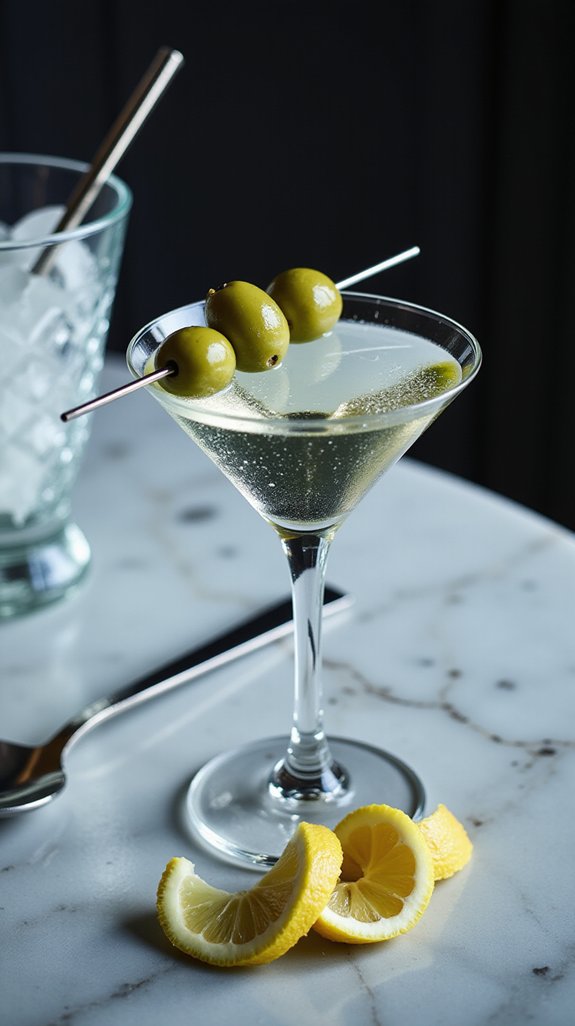
The Gin Martini stands as perhaps the most iconic and sophisticated cocktail in the world, epitomizing elegance and refinement in a single, perfectly chilled glass. This legendary drink, which emerged in the late 19th century, has been the choice of presidents, literary figures, and film stars, especially immortalized by James Bond’s famous “shaken, not stirred” preference.
At its core, the Martini is a study in minimalism—combining gin and dry vermouth in varying proportions to create a drink that’s simultaneously simple and complex. The quality of ingredients becomes paramount when working with so few components, making the Gin Martini a true test of a bartender’s skill and a drinker’s discernment.
The beauty of the Gin Martini lies in its versatility and the passionate debates it inspires about proper preparation. Whether you prefer it bone-dry with just a whisper of vermouth, perfectly balanced at the classic ratio, stirred to crystal clarity, or shaken to an icy froth, the Martini adapts to personal taste while maintaining its essential character.
The botanical notes of quality gin shine through, enhanced by the subtle herbal complexity of dry vermouth, while the garnish—either a lemon twist or olives—adds the finishing aromatic touch. This is a drink meant to be sipped slowly and savored, ideally in a chilled coupe or the classic V-shaped Martini glass that has become synonymous with cocktail culture itself.
Ingredients
- 2.5 oz gin
- 0.5 oz dry vermouth
- Ice cubes
- Lemon twist or olives for garnish
Instructions
Fill a mixing glass with ice cubes and add the gin and dry vermouth. Stir gently but consistently for about 30 seconds until the mixture is well-chilled and properly diluted—stirring rather than shaking produces a silky, clear cocktail with a smooth texture.
Strain the mixture into a chilled Martini glass or coupe. Express the oils from a lemon twist over the drink by holding it over the glass and giving it a firm twist, then either drop it into the drink or run it around the rim before discarding. Alternatively, garnish with one to three olives on a cocktail pick.
Tips
The ratio of gin to vermouth is highly personal and can be adjusted to taste—a “dry” Martini uses less vermouth, while a “wet” Martini uses more, and some prefer ratios as extreme as 6:1 or even just rinsing the glass with vermouth before discarding it.
Always chill your Martini glass in the freezer beforehand or fill it with ice water while you prepare the drink to guarantee the cocktail stays cold. Use a premium gin with botanical notes you enjoy, as its flavor will dominate the drink—London Dry gins offer classic juniper-forward profiles, while contemporary gins provide more varied flavor experiences.
If using olives, consider high-quality varieties like Castelvetrano or Spanish Manzanilla, and if using a lemon twist, make sure you express the oils over the drink to release the aromatic citrus essence that adds brightness to each sip.
French 75
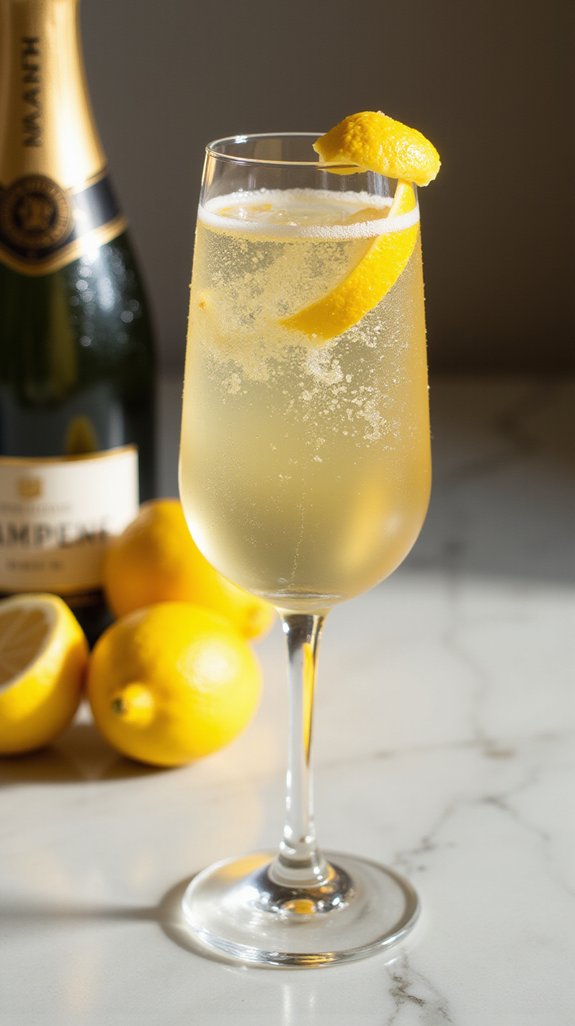
The French 75 is a sparkling celebration in a glass, combining the botanical complexity of gin with the bright acidity of fresh lemon juice and the effervescent elegance of Champagne. Named after the French 75mm field gun used during World War I—reportedly because the drink packs a similar punch—this cocktail has been delighting drinkers since its creation at Harry’s New York Bar in Paris during the 1920s.
The French 75 represents the perfect marriage of strength and sophistication, balancing the potent kick of gin with the refinement of Champagne, making it an ideal choice for special occasions, brunches, or whenever you want to add a touch of glamour to your gathering. Its golden hue and steady stream of bubbles make it as visually appealing as it’s delicious.
What sets the French 75 apart from other gin cocktails is its remarkable versatility and crowd-pleasing character. The drink manages to be both approachable and impressive, offering the complexity that cocktail enthusiasts appreciate while remaining accessible to those who might find straight spirits intimidating.
The sugar and lemon juice create a balanced foundation that allows the gin’s botanicals to shine without overwhelming the palate, while the Champagne adds a celebratory sparkle and lightness that makes each sip feel like an occasion. Traditionally served in a Champagne flute or coupe, the French 75 looks as elegant as it tastes, with its presentation adding to the overall experience of enjoying this classic cocktail.
Ingredients
- 1 oz gin
- 0.5 oz fresh lemon juice
- 0.5 oz simple syrup
- 3-4 oz Champagne or dry sparkling wine
- Ice cubes
- Lemon twist for garnish
Instructions
Add the gin, fresh lemon juice, and simple syrup to a cocktail shaker filled with ice. Shake vigorously for about 15 seconds until the mixture is well-chilled and the shaker feels cold to the touch. Strain the mixture into a chilled Champagne flute or coupe glass.
Top with Champagne or your preferred dry sparkling wine, pouring slowly down the side of the glass to preserve the bubbles. Garnish with a lemon twist, either dropped into the glass or expressed over the drink and perched on the rim.
Tips
While traditional recipes call for Champagne, any quality dry sparkling wine such as Prosecco or Cava works beautifully and makes the cocktail more budget-friendly for larger gatherings.
The key to a perfect French 75 is using freshly squeezed lemon juice rather than bottled, as the bright, fresh citrus flavor is essential to the drink’s character. Make sure all your non-sparkling ingredients are well-chilled before adding the Champagne to avoid excessive dilution and to maintain the wine’s effervescence.
You can also prepare the gin, lemon, and simple syrup mixture in batches ahead of time and store it in the refrigerator, then simply shake with ice and top with Champagne when ready to serve, making this an excellent choice for entertaining.
Bramble
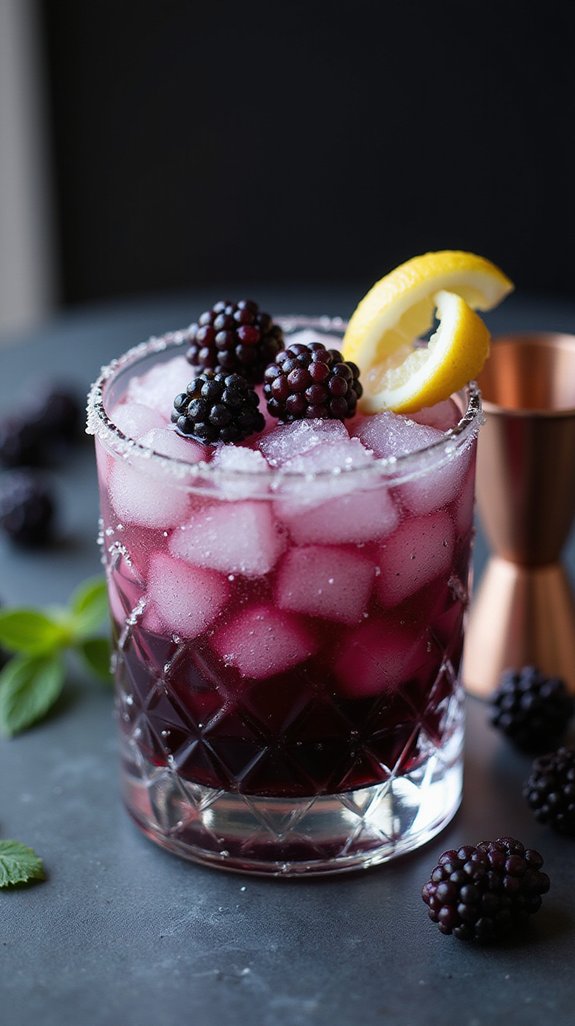
The Bramble is a modern classic that has earned its place among the pantheon of essential gin cocktails since its creation by legendary bartender Dick Bradsell in London during the mid-1980s. This sophisticated yet approachable drink beautifully showcases gin’s botanical character while incorporating the rich, tart sweetness of blackberries through crème de mûre, a blackberry liqueur.
What makes the Bramble particularly special is its striking visual presentation—the dark purple liqueur is drizzled over crushed ice, creating a gorgeous gradient effect that resembles a blackberry bramble patch, hence the name. The drink captures the essence of late summer when blackberries are at their peak, translating that seasonal pleasure into a year-round cocktail that’s equally at home at upscale cocktail bars and casual garden parties.
Beyond its aesthetic appeal, the Bramble represents a perfect balance of flavors and textures that exemplifies the craft cocktail movement. The crushed ice provides a different drinking experience compared to standard cubed ice, creating a more invigorating, almost slushy texture that mellows the alcohol while keeping the drink extremely cold.
The combination of bright lemon juice, quality gin, and the fruity depth of blackberry liqueur creates layers of flavor that evolve as you sip and the ice gradually dilutes the drink. This evolution is intentional and part of the Bramble’s charm—the cocktail is designed to be savored slowly, with each sip offering a slightly different experience as the liqueur continues to mingle with the other ingredients.
Ingredients
- 2 oz gin
- 1 oz fresh lemon juice
- 0.5 oz simple syrup
- 0.5 oz crème de mûre (blackberry liqueur)
- Crushed ice
- Fresh blackberries for garnish
- Lemon slice for garnish
Instructions
Fill a rocks glass or old-fashioned glass with crushed ice, packing it in firmly to create a stable base. Add the gin, fresh lemon juice, and simple syrup to a cocktail shaker filled with regular ice cubes and shake vigorously for 10-15 seconds until well-chilled.
Strain the mixture over the crushed ice in your prepared glass. Slowly drizzle the crème de mûre over the top of the drink, allowing it to filter through the crushed ice and create the signature marbled effect. The liqueur should settle toward the bottom while creating beautiful purple streaks throughout the drink.
Tips
If you can’t find crème de mûre, you can substitute with Chambord or another quality blackberry liqueur, though the flavor profile will be slightly different.
For an even more authentic experience, make your own crushed ice by wrapping ice cubes in a clean kitchen towel and crushing them with a rolling pin or mallet—this produces a better texture than most refrigerator ice makers.
When drizzling the blackberry liqueur, pour it slowly over the back of a bar spoon to achieve the most dramatic visual effect. Fresh blackberries can be muddled gently in the shaker before adding the other ingredients for an extra layer of fresh fruit flavor, though this creates a cloudier appearance that some purists avoid.
Southside
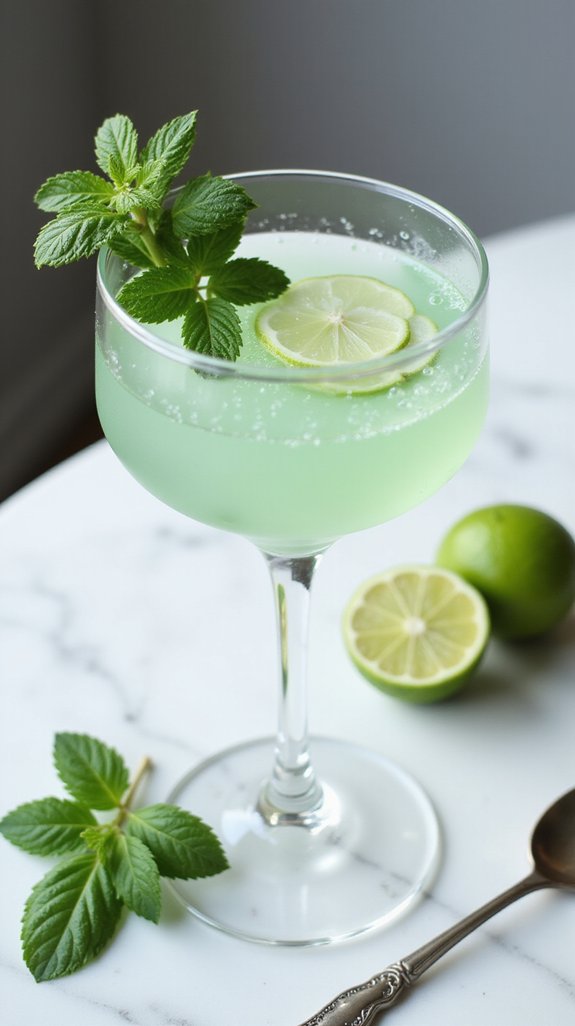
The Southside is a revitalizing gin cocktail with a storied history that traces back to Prohibition-era America, though its exact origins remain a subject of friendly debate among cocktail historians. Some attribute its creation to the Southside Sportsmen’s Club on Long Island, while others link it to Chicago’s South Side, where gangsters allegedly used the mint and citrus to mask the harsh taste of bathtub gin.
Regardless of its true birthplace, the Southside has evolved into an elegant and timeless cocktail that highlights the harmonious marriage of gin’s botanicals with fresh mint and bright citrus. Often described as a gin mojito or a minty gin daisy, the Southside offers a sophisticated alternative to sweeter warm-weather drinks, with its crisp, herbaceous profile making it particularly appealing during spring and summer months.
What sets the Southside apart from other gin cocktails is its emphasis on fresh, vibrant ingredients that complement rather than compete with quality gin. The muddled mint releases essential oils that provide an aromatic complexity, while the fresh lime juice delivers a tart brightness that balances the simple syrup’s sweetness.
Unlike cocktails that rely on liqueurs or bitters for depth, the Southside achieves its complexity through the interplay of just four simple ingredients, each playing a vital role in the final flavor profile. This simplicity makes it an excellent choice for both novice and experienced home bartenders, though the quality of ingredients—particularly the gin and the freshness of the mint—will greatly impact the final result.
Ingredients
- 2 oz gin
- 0.75 oz fresh lime juice
- 0.75 oz simple syrup
- 6-8 fresh mint leaves
- Ice cubes
- Fresh mint sprig for garnish
- Lime wheel for garnish (optional)
Instructions
Add the fresh mint leaves to a cocktail shaker and gently muddle them with a muddler or the back of a spoon, pressing just enough to release the oils without shredding the leaves into small pieces.
Add the gin, fresh lime juice, and simple syrup to the shaker, then fill it with ice cubes. Shake vigorously for 15-20 seconds until the shaker becomes frosty and well-chilled.
Double strain the mixture through both the shaker’s strainer and a fine-mesh strainer into a chilled coupe glass or cocktail glass to remove any mint fragments and ice chips.
Gently slap a fresh mint sprig between your hands to release its aromatics and place it on top of the drink as garnish, adding a lime wheel to the rim if desired.
Tips
The key to an exceptional Southside is gentle muddling—overly aggressive muddling will bruise the mint and release bitter chlorophyll, resulting in a brownish color and unpleasant vegetal notes.
Use only the freshest mint you can find, as wilted or old mint will lack the vibrant flavor this cocktail requires. Some variations call for lemon juice instead of lime, which creates a slightly different but equally delicious drink; experiment to find your preference.
If you prefer a fizzy version, strain the shaker contents into an ice-filled highball glass and top with club soda for a Southside Fizz. The simple syrup can be adjusted to taste depending on the tartness of your limes and your personal sweetness preference, so consider starting with slightly less and adding more if needed.
Aviation
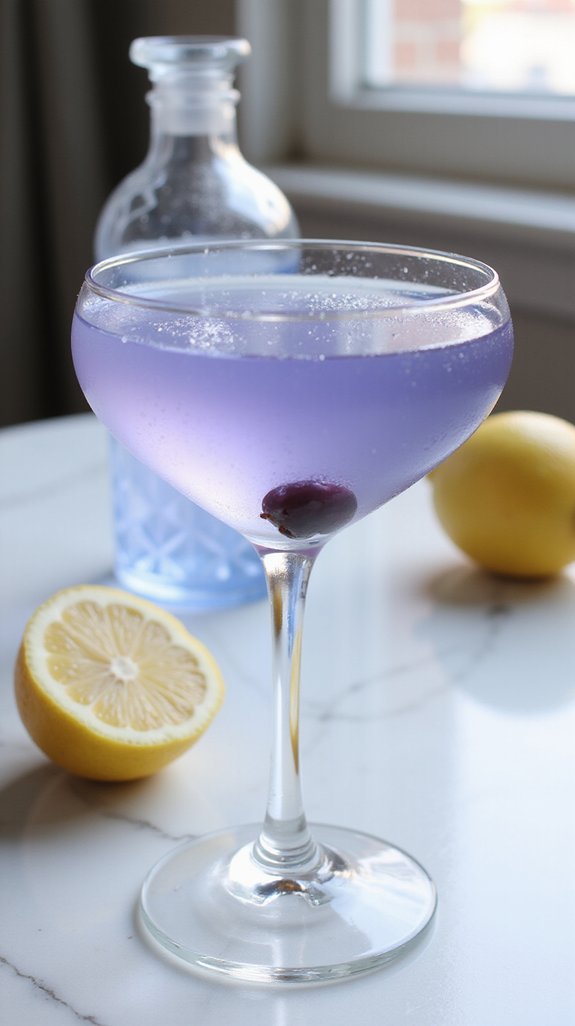
The Aviation is one of the most celebrated and visually stunning gin cocktails, originally created in the early 1900s by Hugo Ensslin, head bartender at the Hotel Wallick in New York City. First appearing in his 1916 book “Recipes for Mixed Drinks,” the Aviation gained its name from the pale sky-blue color achieved through the addition of crème de violette, a liqueur made from violet flowers.
However, the cocktail nearly faded into obscurity during the mid-20th century when crème de violette became difficult to source, leading many bartenders to omit it entirely. The craft cocktail renaissance of the early 2000s brought both the liqueur and the Aviation back into the spotlight, restoring the drink to its original glory and cementing its status as a pre-Prohibition classic that remains relevant in contemporary cocktail culture.
The Aviation’s appeal lies in its delicate balance of floral, tart, and botanical notes that create a sophisticated flavor profile unlike any other gin cocktail. The maraschino liqueur adds a subtle sweetness and cherry-like complexity that complements the gin’s botanicals, while the fresh lemon juice provides essential brightness and acidity.
The crème de violette, used sparingly, contributes both the signature color and a gentle floral perfume that elevates the drink without overwhelming the palate. This careful orchestration of ingredients results in a cocktail that tastes as ethereal as it looks, making it a favorite among those who appreciate nuanced, elegantly crafted drinks that showcase gin’s versatility beyond the typical citrus-forward preparations.
Ingredients
- 2 oz gin
- 0.5 oz fresh lemon juice
- 0.5 oz maraschino liqueur
- 0.25 oz crème de violette
- Ice cubes
- Brandied cherry for garnish
Instructions
Add the gin, fresh lemon juice, maraschino liqueur, and crème de violette to a cocktail shaker filled with ice cubes. Shake vigorously for 15-20 seconds until the mixture is well-chilled and the shaker develops a frosty exterior.
Strain the cocktail through the shaker’s strainer into a chilled coupe glass or cocktail glass, ensuring a smooth pour without any ice chips. Drop a brandied cherry into the glass as garnish, allowing it to sink to the bottom of the drink.
Tips
The amount of crème de violette is essential to achieving the proper balance in an Aviation—too much will make the drink taste soapy and perfume-like, while too little will rob it of its characteristic color and floral notes.
Start with a scant quarter ounce and adjust to your preference in subsequent attempts. Use a high-quality maraschino liqueur such as Luxardo rather than the bright red syrup used for ice cream sundaes, as authentic maraschino liqueur is clear and made from Marasca cherries.
For the gin, choose a London Dry style or a gin with prominent citrus botanicals that won’t clash with the delicate floral elements, and always use fresh-squeezed lemon juice rather than bottled for the brightest, most vibrant flavor.
Bee’s Knees
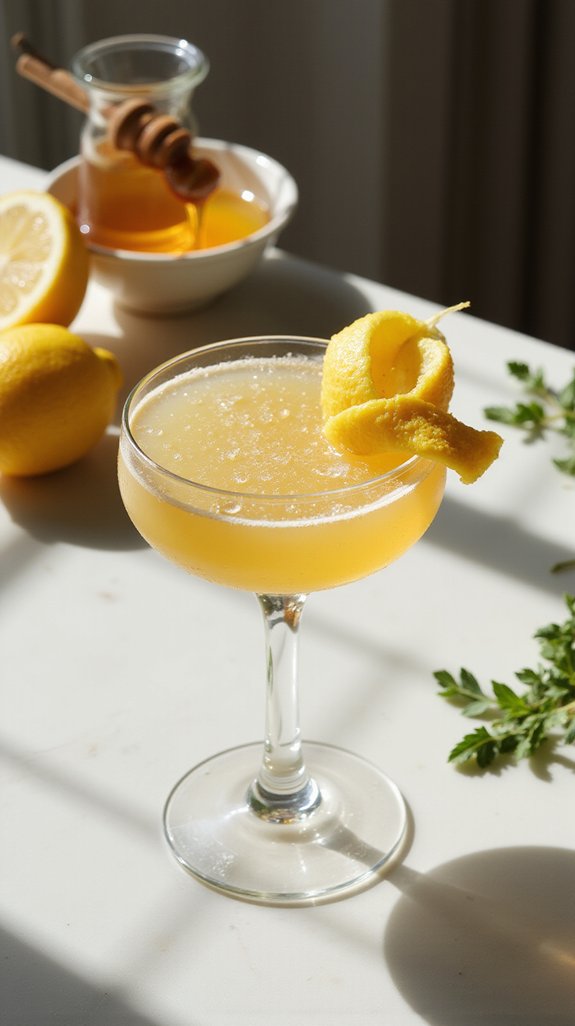
The Bee’s Knees emerged during the Prohibition era of the 1920s, a time when bartenders needed creative solutions to mask the harsh flavors of bootleg spirits. This simple yet sophisticated cocktail combined gin with honey and lemon, ingredients that worked together to smooth out the rough edges of lower-quality alcohol while creating a drink worthy of the jazz age‘s glamorous speakeasy culture.
The name itself became popular slang during the 1920s, meaning “the best” or “excellent,” and the cocktail lived up to its moniker by becoming one of the era’s most beloved drinks. While its exact origin remains debated, with some attributing it to Paris’s famous bartender Frank Meier, the Bee’s Knees has endured well beyond Prohibition to become a modern classic that showcases how simple ingredients can create extraordinary results.
What makes the Bee’s Knees particularly appealing to contemporary cocktail enthusiasts is its perfect balance of sweet, tart, and botanical elements, all achieved with just three core ingredients. The honey syrup provides a rich, natural sweetness with more complexity than simple sugar, while the fresh lemon juice cuts through with bright acidity that prevents the drink from becoming cloying.
The gin’s botanicals shine through this framework, with the honey’s floral notes complementing rather than masking the spirit’s juniper and herb characteristics. This cocktail also offers versatility—different honey varieties can dramatically alter the flavor profile, from the delicate sweetness of acacia honey to the bold, earthy notes of buckwheat honey, allowing bartenders and home enthusiasts to customize the drink to their preferences while maintaining its fundamental character.
Ingredients
- 2 oz gin
- 0.75 oz fresh lemon juice
- 0.75 oz honey syrup (3:1 ratio of honey to water)
- Ice cubes
- Lemon twist for garnish
Instructions
Add the gin, fresh lemon juice, and honey syrup to a cocktail shaker filled with ice cubes. Shake vigorously for 15-20 seconds until the mixture is thoroughly chilled and the honey syrup is completely integrated with the other ingredients—the shaker should feel very cold to the touch.
Strain the cocktail through the shaker’s strainer into a chilled coupe glass or cocktail glass. Express a lemon twist over the drink by holding it over the glass and giving it a firm twist to release the citrus oils, then either drop it into the drink or perch it on the rim as garnish.
Tips
Making proper honey syrup is essential for the Bee’s Knees, as honey alone is too thick to incorporate smoothly into a cold cocktail. Combine three parts honey with one part warm water and stir until completely dissolved, then allow it to cool before using—this syrup can be made in advance and stored in the refrigerator for up to two weeks.
The quality of honey greatly impacts the final drink, so choose a honey with a flavor profile you enjoy, keeping in mind that lighter honeys produce a more delicate cocktail while darker varieties create a more robust, assertive drink. If the cocktail tastes too sweet or too tart, adjust the honey syrup and lemon juice in small increments while maintaining roughly equal proportions to preserve the drink’s balance.
Gimlet
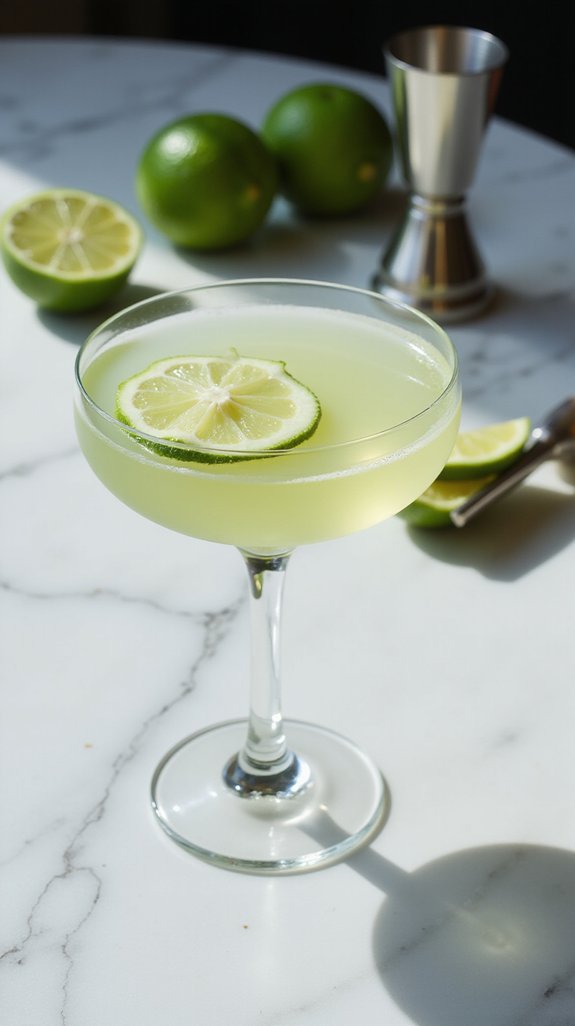
The Gimlet stands as one of the most elegant and minimalist cocktails in the gin canon, with a history as crisp as its flavor profile. Born from naval necessity in the 19th century, the drink is attributed to Rear-Admiral Sir Thomas Gimlette of the Royal Navy, who allegedly introduced gin mixed with lime cordial as a way to encourage sailors to consume their scurvy-preventing citrus rations.
The original version relied on Rose’s Lime Cordial, a sweetened preserved lime juice invented in 1867 by Lauchlan Rose, which was a practical solution for long voyages when fresh citrus was unavailable. The Gimlet gained literary fame through Raymond Chandler’s 1953 novel “The Long Goodbye,” where detective Philip Marlowe declared that “a real gimlet is half gin and half Rose’s Lime Cordial and nothing else,” cementing its status as a drink of sophistication and discernment among mid-century cocktail culture.
Modern bartenders have evolved the Gimlet from its cordial-based origins to embrace fresh lime juice and simple syrup, creating a brighter, more balanced cocktail that better showcases premium gin’s botanical complexity. This contemporary approach yields a drink that’s both invigorating and spirit-forward, with the sharp tartness of fresh lime providing a clean counterpoint to the gin’s juniper and herbal notes.
The beauty of the Gimlet lies in its restraint—with only three ingredients, there’s nowhere to hide imperfections, making it an ideal canvas for high-quality gin and the bartender’s technique. Whether served straight up in a chilled coupe or over ice in a rocks glass, the Gimlet remains a tribute to the power of simplicity, offering a sophisticated drinking experience that’s equally at home in a classic cocktail lounge or a summer garden party.
Ingredients
- 2.5 oz gin
- 0.75 oz fresh lime juice
- 0.75 oz simple syrup
- Ice cubes
- Lime wheel or wedge for garnish
Instructions
Combine the gin, fresh lime juice, and simple syrup in a cocktail shaker filled with ice cubes. Shake vigorously for 12-15 seconds until the mixture is well-chilled and properly diluted—the outside of the shaker should frost over.
Strain the cocktail into a chilled coupe glass or, if preferred, serve over fresh ice in a rocks glass for a more casual presentation. Garnish with a lime wheel placed on the rim or a lime wedge dropped into the drink.
Tips
The quality of your lime juice makes an enormous difference in a Gimlet—always use freshly squeezed lime juice and strain out any pulp for the smoothest texture. For a more traditional experience, you can substitute Rose’s Lime Cordial for both the lime juice and simple syrup, using about 1 oz of cordial to 2 oz of gin, though this will create a sweeter, less tart drink.
Adjust the simple syrup quantity based on your preferred sweetness level and the tartness of your limes, as citrus acidity can vary seasonally. Some bartenders prefer a 2:1 ratio of gin to citrus-sweetener mix for a more spirit-forward cocktail, while others add a pinch of salt to enhance the lime’s brightness and round out the flavors.
Elderflower Gin Fizz
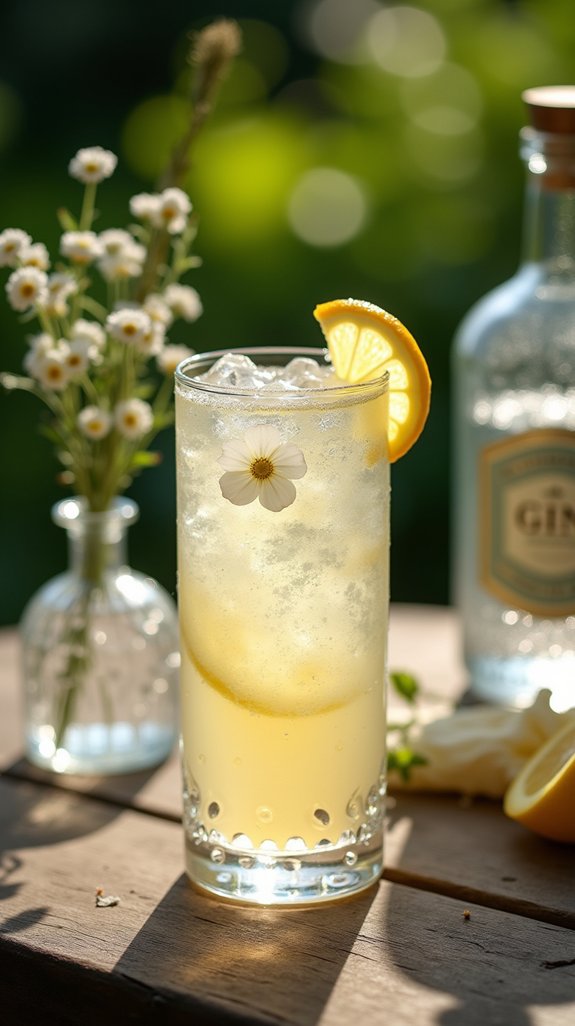
The Elderflower Gin Fizz represents a modern evolution of the classic gin fizz family, bringing delicate floral notes that complement rather than overpower the botanical character of quality gin. This cocktail emerged from the contemporary cocktail renaissance of the early 2000s, when bartenders began incorporating artisanal ingredients like elderflower liqueur—most significantly St-Germain, introduced in 2007—into traditional templates.
The marriage of gin and elderflower creates a sophisticated harmony where the liqueur’s subtle sweetness and perfumed aromatics enhance the gin’s juniper foundation while adding layers of honeysuckle and lychee-like complexity. Unlike the heavier cream-based Ramos Gin Fizz or the egg white-enriched versions, the Elderflower Gin Fizz maintains a lighter, more invigorating profile that makes it particularly appealing for spring and summer occasions.
What distinguishes this fizz from its predecessors is the ethereal quality that elderflower brings to the equation, transforming a straightforward highball into something more nuanced and garden-party elegant. The effervescence from fresh soda water lifts the drink, creating a lively texture that dances on the palate, while the lemon juice provides essential acidity to balance the liqueur’s sweetness and prevent the cocktail from becoming cloying.
This is a crowd-pleasing cocktail that appeals to both gin enthusiasts and those who typically find the spirit too assertive, as the elderflower acts as a bridge ingredient that softens edges while maintaining sophistication. It’s equally appropriate for afternoon entertaining or as a pre-dinner aperitif, offering a refined alternative to more commonplace drinks without requiring advanced bartending techniques.
Ingredients
- 2 oz gin
- 0.75 oz elderflower liqueur
- 0.75 oz fresh lemon juice
- 3 oz chilled soda water
- Ice cubes
- Fresh elderflowers, lemon wheel, or edible flowers for garnish
Instructions
Add the gin, elderflower liqueur, and fresh lemon juice to a cocktail shaker filled with ice cubes. Shake vigorously for 10-12 seconds until the mixture is thoroughly chilled.
Fill a highball or Collins glass with fresh ice cubes and strain the shaken mixture over the ice. Top with chilled soda water, pouring gently down the side of the glass to preserve carbonation. Give the drink a gentle stir—one or two rotations—to integrate the soda water without losing effervescence. Garnish with fresh elderflowers if available, a lemon wheel, or edible flowers such as pansies or violets.
Tips
The key to a perfect fizz is using the coldest possible soda water and adding it last without shaking, as agitating carbonated ingredients destroys the bubbles that give the drink its signature texture.
Consider adjusting the elderflower liqueur quantity based on your gin’s botanical intensity—London Dry gins can handle the full three-quarters ounce, while more delicate or floral gins might benefit from reducing it to half an ounce to prevent the elderflower from dominating.
For an extra aromatic dimension, express a lemon peel over the finished drink before adding the garnish, releasing the citrus oils across the surface. This cocktail is best consumed immediately while the carbonation is at its peak, so prepare drinks individually rather than batching when serving multiple guests.
Cucumber Basil Gin Smash
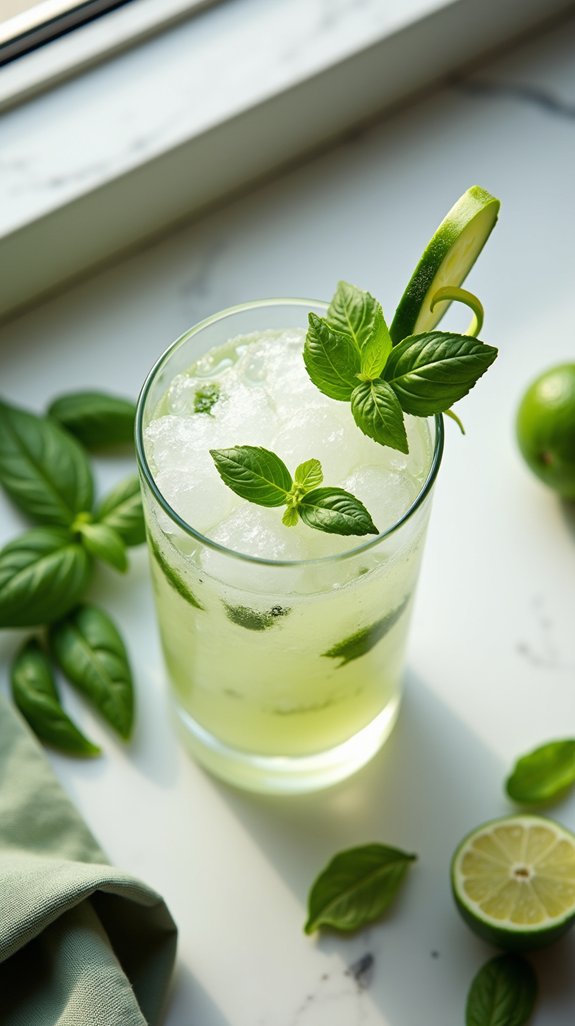
The Cucumber Basil Gin Smash belongs to the distinguished lineage of smash cocktails, a category that dates back to the 19th century and is defined by the muddling of fresh herbs, fruit, and sugar to release essential oils and create vibrant, garden-fresh flavor profiles. This contemporary interpretation capitalizes on gin’s natural affinity for herbaceous ingredients, pairing the spirit’s botanical complexity with the cool, clean taste of cucumber and the peppery-sweet aromatics of fresh basil.
The result is a cocktail that feels both refined and rustic, offering a sophisticated drinking experience that celebrates seasonal produce while maintaining the accessible, straightforward preparation method that makes smashes beloved by home bartenders and professionals alike. The muddling technique not only extracts flavor but also creates a textured, visually appealing drink with flecks of green that signal its fresh, natural ingredients.
What makes the Cucumber Basil Gin Smash particularly compelling is its versatility and the way it showcases gin as a canvas for complementary flavors rather than masking the spirit’s character. The cucumber contributes a subtle vegetal sweetness and remarkable revitalizing factor, while basil adds an aromatic lift that bridges the gap between the cucumber’s delicacy and the gin’s more assertive juniper notes.
This cocktail works exceptionally well with London Dry gins that have pronounced botanical profiles, though it’s equally successful with more contemporary styles that emphasize cucumber or other garden-inspired botanicals. It’s an ideal choice for warm weather entertaining, farmers’ market brunches, or any occasion that calls for something revitalizing yet substantial enough to satisfy discerning palates.
The smash format also encourages experimentation—the basic template readily accommodates variations in herbs, additional fruit, or different sweetening agents.
Ingredients
- 2 oz gin
- 3-4 fresh basil leaves
- 3 cucumber slices (about 1/4 inch thick)
- 0.75 oz fresh lime juice
- 0.5 oz simple syrup
- Crushed ice
- Club soda (optional splash)
- Cucumber ribbon and basil sprig for garnish
Instructions
Place the cucumber slices, basil leaves, and simple syrup in the bottom of a rocks glass or cocktail shaker. Gently muddle the ingredients together, pressing and twisting to release the cucumber’s juice and basil’s essential oils without pulverizing them into mush—about 6-8 gentle presses should suffice.
Add the gin and lime juice, then fill with crushed ice. If using a shaker, shake briefly for 5-6 seconds, then pour everything (including the muddled solids) into a rocks glass and top with additional crushed ice. If building directly in the glass, add the gin and lime juice, fill with crushed ice, and use a bar spoon to churn the mixture by lifting ingredients from the bottom to the top several times.
For a slightly lighter, more effervescent version, add a small splash of club soda over the top. Garnish with a ribbon of cucumber threaded onto a cocktail pick and a fresh basil sprig, gently slapping the basil between your hands before placing it to release additional aromatics.
Tips
Select English cucumbers or Persian cucumbers for the cleanest flavor, as their thinner skins and fewer seeds produce less bitterness than standard cucumbers. The basil should be muddled gently—overly aggressive muddling bruises the leaves and can introduce bitter, astringent flavors that throw off the cocktail’s delicate balance.
If you find your drink turning slightly bitter, you’ve likely over-muddled or used basil that’s past its prime. For the most aromatic results, tear or lightly clap the garnish basil to release its essential oils just before placing it on the drink.
The crushed ice is preferable to cubed ice in this cocktail because it dilutes more quickly, creating a mellower integration of flavors and a satisfyingly slushy texture that enhances revitalization. If you don’t have a proper muddler, the handle of a wooden spoon works adequately in a pinch.
Frequently Asked Questions
What Is the Best Gin Brand for Making Cocktails at Home?
You’ll find Tanqueray, Bombay Sapphire, and Hendrick’s are excellent choices for home cocktails. They’re widely available, reasonably priced, and versatile enough to work well in classic drinks like martinis, gin and tonics, or negronis.
How Long Does an Opened Bottle of Gin Last?
You’ll be glad to know that an opened gin bottle lasts indefinitely when stored properly. Since gin contains 40% alcohol, it won’t spoil. However, you’ll notice the botanicals’ flavors gradually fade after about one year.
Can I Substitute Dry Vermouth With Sweet Vermouth in Gin Cocktails?
You can substitute sweet vermouth for dry vermouth, but it’ll markedly change your cocktail’s flavor profile. Sweet vermouth adds sugary, spiced notes while dry vermouth provides herbaceous, crisp characteristics. You’ll create an entirely different drink.
What Are the Essential Bar Tools Needed for Making Gin Cocktails?
You’ll need a cocktail shaker that gleams like polished silver, a jigger for precise pours, a strainer to catch ice, a bar spoon for elegant stirring, and a muddler to release fresh aromatics.
How Do I Properly Store Fresh Herbs for Gin Cocktails?
Store fresh herbs by trimming stems and placing them in water like flowers, then covering loosely with plastic bags. Keep them refrigerated, changing water every few days. They’ll stay fresh for up to two weeks.