Last summer, I watched my friend Sarah transform a simple brunch into something memorable by swapping her usual mimosas for French 77s made with fresh peach purée and basil. You’ve probably heard of the French 75, but the French 77 trades gin for vodka and adds St-Germain elderflower liqueur, creating a softer, more approachable champagne cocktail. I’ve spent the past few months experimenting with different flavor combinations, and I’ve found eleven variations that’ll change how you think about bubbly drinks.
Classic French 77 With St-Germain

The French 77 is an elegant twist on the classic French 75, substituting the traditional gin base with premium vodka and adding the delicate floral notes of St-Germain elderflower liqueur. This sophisticated cocktail combines the brightness of fresh lemon juice with the botanical sweetness of elderflower, all topped with effervescent champagne or sparkling wine. The result is a revitalizing, celebratory drink that’s perfect for special occasions or when you want to elevate your evening with something truly special.
This cocktail strikes a perfect balance between sweet and tart, with the St-Germain adding a subtle complexity that sets it apart from other champagne cocktails. The vodka provides a clean, neutral base that allows the elderflower and citrus flavors to shine through, while the champagne adds a festive sparkle and crisp finish.
Whether you’re hosting a brunch, celebrating an anniversary, or simply treating yourself to a luxurious drink, the French 77 delivers sophistication in every sip.
Ingredients:
- 1 ounce vodka
- ½ ounce St-Germain elderflower liqueur
- ½ ounce fresh lemon juice
- 3-4 ounces champagne or dry sparkling wine, chilled
- Lemon twist or edible flower for garnish
- Ice cubes
Instructions:
Add the vodka, St-Germain, and fresh lemon juice to a cocktail shaker filled with ice. Shake vigorously for 10-15 seconds until well-chilled. Strain the mixture into a chilled champagne flute or coupe glass.
Slowly top with champagne, pouring gently down the side of the glass to preserve the bubbles. Garnish with a lemon twist expressed over the drink and placed on the rim, or float a small edible flower on top for an extra elegant presentation.
Tips:
Always use freshly squeezed lemon juice rather than bottled for the brightest, most vibrant flavor. Chill your glassware in the freezer for at least 15 minutes before preparing the cocktail to keep it cold longer.
When selecting champagne, a dry brut or extra brut works best to balance the sweetness of the St-Germain without making the drink overly sweet. Pour the champagne slowly and at an angle to minimize foam and preserve carbonation.
If you prefer a less sweet cocktail, reduce the St-Germain to ¼ ounce and increase the lemon juice slightly to maintain balance.
Shop Related Products

【6-Piece Cocktail Shaker Set】6 piece cocktail shaker set include all your necessary bartendering kits with 24oz shaker, strainer, muddler, jigger, spoon, pour spouts and a recipe book. You can achive to make most special drinks or cocktail with this set.

Add Master Mixologist to Your Resume: Curated by KITESSENSU with the cocktail enthusiast in mind, this 3-piece cocktail shaker set has everything mixology kit you need to make cocktails, whether you’re a bartender looking for quality drink mixer set, or a home mixologist to get started creating and serving drinks from your own entertainment space
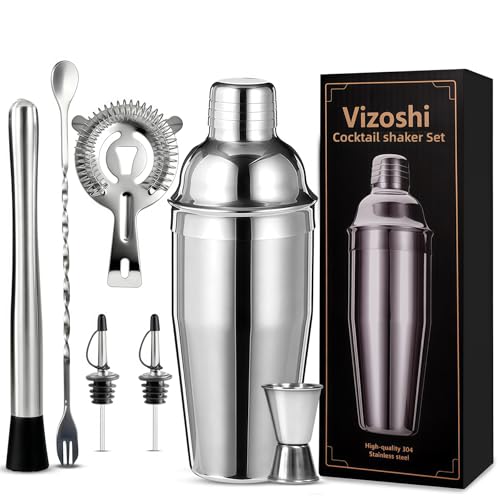
【All-in-One Professional Bartender Kit - Unleash Your Inner Mixologist】Elevate your home bar with this complete 7-piece cocktail shaker set, the ultimate bartender kit for enthusiasts and beginners alike. Whether you're crafting cocktails, martinis, or mocktails, this bar set includes every bar tool: a premium Martini shaker, precise jigger, strainer, mixer spoon, versatile muddler, and two efficient liquor pourers. It's the mixology kit and bar essentials for home that contains all the bartending supplies you need to create bar-quality drinks.
Lavender-Infused French 77

The Lavender-Infused French 77 takes the classic elderflower cocktail to new aromatic heights by incorporating the gentle, floral essence of lavender. This variation adds an extra layer of botanical complexity that pairs beautifully with the St-Germain and champagne, creating a drink that’s both soothing and celebratory. The subtle herbal notes of lavender complement the elderflower liqueur without overwhelming the palate, while the citrus brightness keeps the cocktail balanced and invigorating. This is an ideal choice for garden parties, spring celebrations, or any occasion where you want to impress guests with a uniquely fragrant and visually stunning cocktail.
The key to this variation lies in the lavender simple syrup, which infuses the drink with a delicate floral character that evokes French countryside gardens and Provençal elegance. Unlike artificial lavender flavors, homemade lavender syrup offers a natural, nuanced taste that enhances rather than dominates the other ingredients. The combination of vodka’s clean profile, elderflower’s sweetness, lavender’s aromatics, and champagne’s effervescence creates a multi-dimensional drinking experience that engages all the senses with each sip.
Ingredients:
- 1 ounce vodka
- ½ ounce St-Germain elderflower liqueur
- ¼ ounce lavender simple syrup
- ½ ounce fresh lemon juice
- 3-4 ounces champagne or dry sparkling wine, chilled
- Fresh lavender sprig or lemon twist for garnish
- Ice cubes
For Lavender Simple Syrup:
- ½ cup water
- ½ cup granulated sugar
- 1 tablespoon dried culinary lavender buds
Instructions:
To make the lavender simple syrup, combine water and sugar in a small saucepan over medium heat, stirring until the sugar dissolves completely. Remove from heat, add the dried lavender buds, and let steep for 30 minutes. Strain through a fine-mesh sieve into a clean container and refrigerate until ready to use.
When preparing the cocktail, add vodka, St-Germain, lavender syrup, and fresh lemon juice to a cocktail shaker filled with ice, then shake vigorously for 10-15 seconds until thoroughly chilled. Strain into a chilled champagne flute or coupe glass, slowly top with champagne by pouring gently down the side of the glass, and garnish with a fresh lavender sprig or expressed lemon twist.
Tips:
Use only culinary-grade lavender buds specifically designated for consumption, as ornamental varieties may have been treated with chemicals. Start with less lavender syrup than the recipe calls for if you’re new to lavender cocktails, as the flavor can be polarizing and too much can taste soapy or perfume-like.
The lavender simple syrup can be made up to two weeks in advance and stored in the refrigerator in an airtight container. For a more subtle lavender presence, reduce steeping time to 15-20 minutes, or for a more pronounced flavor, extend to 45 minutes while tasting periodically. Gently bruise the lavender sprig garnish between your fingers before adding it to the glass to release additional aromatic oils.
Shop Related Products

Torani Lavender Syrup, Sugar Free, Kosher, 12.7 Fluid Ounce (Pack of 4)

LAVENDER SIMPLE SYRUP: With a floral and slightly sweet flavor profile, our Lavender simple syrup will add a distinctive taste to your mixed drink, cocktail, or non-alcoholic beverage. Rich in aromatic compounds, lavender is known for its effects on relieving nervous tension, and promoting relaxation. It pairs well with blackcurrants, thyme, and lemongrass.

🍹 Versatile Elixir: Elevate your beverages effortlessly – perfect for cocktails, mocktails, teas, and culinary creations.
Raspberry Rose French 77

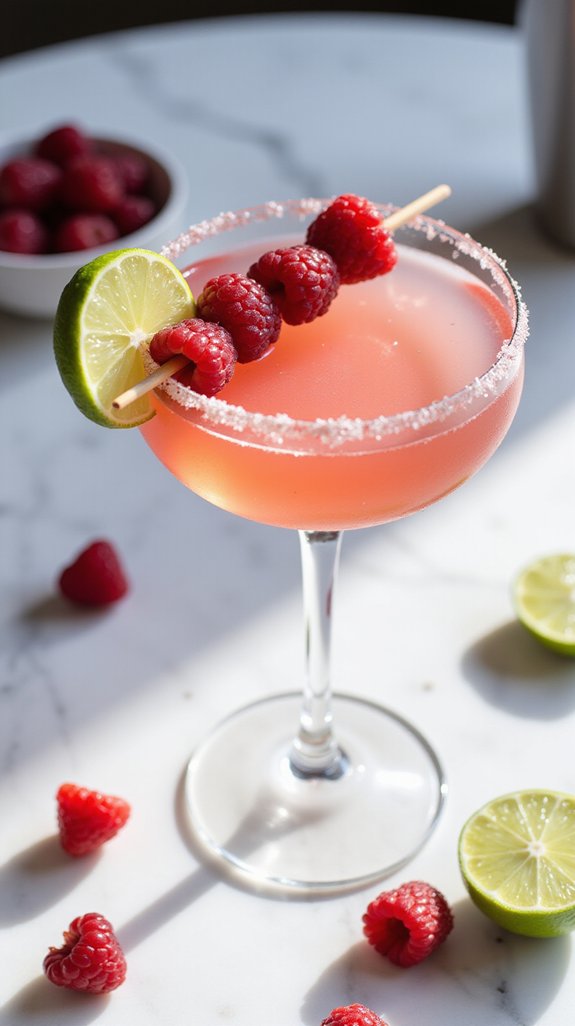
The Raspberry Rose French 77 transforms the classic cocktail into a romantic, blush-hued creation that celebrates the timeless pairing of berries and florals. This sophisticated variation combines the tartness of fresh raspberries with the delicate perfume of rose, creating a drink that’s as visually stunning as it’s delicious. The natural fruit sugars from muddled raspberries balance the floral notes of rose water or rose syrup, while the St-Germain adds its signature elderflower sweetness to create a complex botanical profile.
This cocktail is perfect for Valentine’s Day, bridal showers, anniversaries, or any occasion that calls for an elegant, Instagram-worthy beverage with refined flavors.
The beautiful pink color comes naturally from fresh raspberries, which are muddled directly in the shaker to release their vibrant juice and fruity essence. Unlike artificial flavoring, fresh berries provide depth and texture to the cocktail, with tiny seeds occasionally passing through the strainer to add visual interest and authenticity.
The rose element should be added with a gentle hand—too much can make the drink taste soapy or perfume-like, but the right amount creates an enchanting aromatic experience that transports you to a summer garden in full bloom.
Ingredients:
- 1 ounce vodka
- ½ ounce St-Germain elderflower liqueur
- ¼ ounce rose syrup or 2-3 drops rose water
- ½ ounce fresh lemon juice
- 6-8 fresh raspberries, plus extra for garnish
- 3-4 ounces champagne or dry sparkling wine, chilled
- Edible rose petals for garnish (optional)
- Ice cubes
Instructions:
Add the fresh raspberries to a cocktail shaker and gently muddle them to release their juices and break down the fruit, being careful not to crush the seeds too aggressively.
Add vodka, St-Germain, rose syrup or rose water, fresh lemon juice, and ice cubes to the shaker, then shake vigorously for 15-20 seconds until well-chilled and the raspberry flavor is fully incorporated.
Double-strain through a fine-mesh strainer into a chilled champagne flute or coupe glass to remove seeds and pulp while allowing some of the beautiful pink color to pass through.
Gently top with champagne, pouring slowly down the side of the glass to preserve carbonation, and garnish with fresh raspberries skewered on a cocktail pick and a few edible rose petals floating on top.
Tips:
Start conservatively with rose flavoring—you can always add more, but you can’t remove it once added, and the line between elegant and overpowering is surprisingly thin.
If using rose water instead of rose syrup, begin with just 1-2 drops and taste before adding more, as rose water is highly concentrated.
For the most vibrant color and freshest flavor, use ripe, seasonal raspberries at room temperature, as cold berries from the refrigerator are harder to muddle and release less juice.
If fresh raspberries are unavailable, frozen raspberries that have been thawed work well, though they may make the drink slightly more watery.
Blood Orange French 77

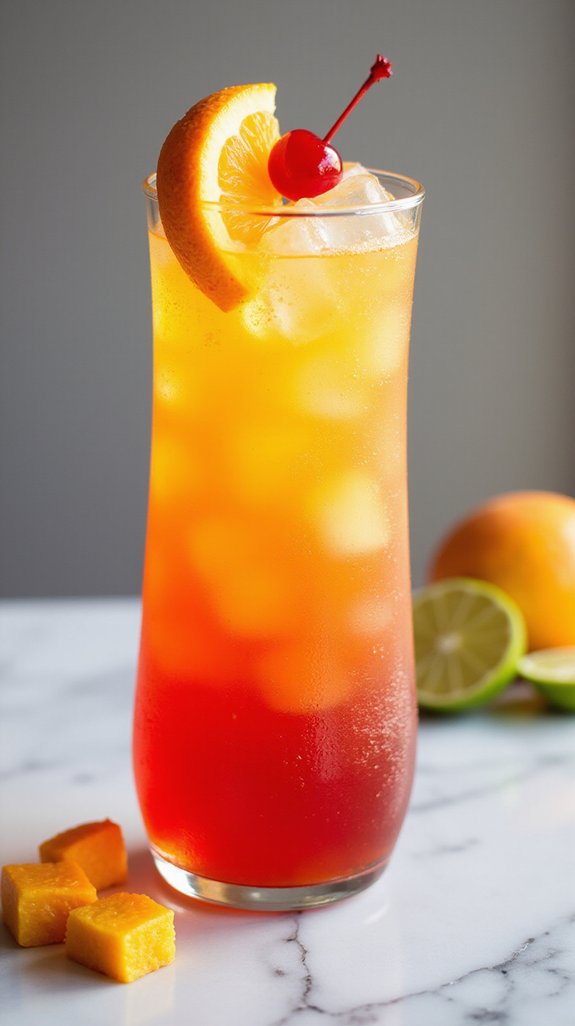
The Blood Orange French 77 brings a citrus-forward twist to the classic champagne cocktail, showcasing the dramatic ruby-red hue and complex sweet-tart flavor of blood oranges. This vibrant variation capitalizes on the brief winter season when blood oranges are at their peak, offering a sophisticated alternative to standard citrus cocktails.
The distinctive anthocyanin pigments that give blood oranges their characteristic crimson color create a stunning visual effect when combined with sparkling wine, resulting in a drink that ranges from coral pink to deep sunset orange depending on the specific fruit used. Beyond aesthetics, blood oranges provide a more nuanced flavor profile than regular oranges, with berry-like undertones and a less acidic, slightly sweeter taste that pairs beautifully with the botanical notes of elderflower liqueur.
This cocktail works wonderfully for winter and early spring celebrations when blood oranges are in season, making it an excellent choice for New Year’s gatherings, winter brunch events, or as a bright spot during the colder months. The fresh juice is essential here—bottled blood orange juice simply can’t replicate the vibrant color and fresh, complex flavor of juice squeezed from ripe fruit.
The combination of vodka and St-Germain creates a smooth, floral base that allows the blood orange to shine without overwhelming its delicate flavor profile, while a touch of regular lemon juice adds brightness and balances the sweetness.
Ingredients:
- 1 ounce vodka
- ½ ounce St-Germain elderflower liqueur
- 1 ounce fresh blood orange juice
- ¼ ounce fresh lemon juice
- ¼ ounce simple syrup (optional, depending on sweetness preference)
- 3-4 ounces champagne or dry sparkling wine, chilled
- Blood orange wheel or twist for garnish
- Ice cubes
Instructions:
Add vodka, St-Germain, fresh blood orange juice, lemon juice, and simple syrup (if using) to a cocktail shaker filled with ice, then shake vigorously for 15-20 seconds until the mixture is well-chilled and properly diluted.
Strain the mixture into a chilled champagne flute or coupe glass, being careful to leave enough room for the sparkling wine. Gently top with champagne, pouring slowly to maintain carbonation and allow the layers to naturally blend into a beautiful gradient effect. Garnish with a thin blood orange wheel perched on the rim of the glass or express the oils from a blood orange twist over the drink and drop it in.
Tips:
Blood oranges can vary greatly in sweetness and color intensity depending on the variety and ripeness, so taste your juice before mixing and adjust the simple syrup accordingly—some blood oranges are sweet enough that you can omit it entirely.
The Moro variety provides the deepest red color, while Tarocco and Sanguinello varieties offer lighter hues but excellent flavor. For maximum juice extraction and flavor, bring blood oranges to room temperature before juicing and roll them firmly on the counter to break down the internal membranes.
If blood oranges are unavailable, you can substitute regular orange juice with a small splash of pomegranate juice or cranberry juice for color, though the flavor profile will be different.
Cucumber Mint French 77

The Cucumber Mint French 77 transforms the classic champagne cocktail into a revitalizing, garden-inspired libation perfect for warm weather entertaining and outdoor gatherings. This herbaceous variation captures the essence of spa-like sophistication, combining the cool, clean flavor of fresh cucumber with the bright aromatic qualities of mint to create a drink that feels both luxurious and invigorating.
The subtle vegetal notes of cucumber provide an unexpected but delightful foundation that pairs remarkably well with the botanical complexity of elderflower liqueur, while fresh mint adds layers of freshness without overwhelming the delicate bubbles of the sparkling wine. The result is a cocktail that drinks lighter and feels more revitalizing than fruit-forward variations, making it an ideal choice for spring garden parties, summer brunches, or as a palate-cleansing aperitif before dinner.
This variation shines brightest during the late spring and summer months when both cucumbers and mint are at their peak freshness and flavor. The key to success lies in properly muddling the cucumber and mint to release their essential oils and juices without creating a bitter, over-extracted mess.
Unlike the blood orange version that celebrates bold color, the Cucumber Mint French 77 embraces a more subtle aesthetic with pale green hues and an elegant, minimalist presentation. The vodka base provides a neutral canvas that allows the fresh ingredients to take center stage, while a touch of lime juice adds necessary acidity to balance the sweetness of the St-Germain and highlight the cucumber’s natural freshness.
Ingredients:
- 3-4 thin cucumber slices (about 2 inches of cucumber)
- 6-8 fresh mint leaves
- 1 ounce vodka
- ½ ounce St-Germain elderflower liqueur
- ½ ounce fresh lime juice
- ¼ ounce simple syrup
- 3-4 ounces champagne or dry sparkling wine, chilled
- Cucumber ribbon or slice and mint sprig for garnish
- Ice cubes
Instructions:
In a cocktail shaker, gently muddle the cucumber slices and mint leaves together for about 10-15 seconds, pressing just enough to release the juices and oils without pulverizing the ingredients into mush.
Add the vodka, St-Germain, fresh lime juice, and simple syrup to the shaker, then fill with ice and shake vigorously for 15-20 seconds until well-chilled.
Double strain the mixture through a fine-mesh strainer into a chilled champagne flute or coupe glass to remove all cucumber and mint solids, ensuring a smooth, refined texture.
Top gently with champagne, pouring slowly down the side of the glass to preserve carbonation. Garnish with a thin cucumber ribbon threaded onto a cocktail pick along with a fresh mint sprig, or simply float a cucumber slice and small mint leaf on the surface.
Tips:
For the most vibrant cucumber flavor, use English or Persian cucumbers rather than standard garden cucumbers, as they’ve fewer seeds, thinner skins, and a more concentrated taste.
Always muddle gently—over-muddling mint in particular will release bitter chlorophyll compounds that can make the cocktail taste grassy and unpleasant.
If you prefer a more pronounced cucumber flavor, you can prepare cucumber-infused vodka in advance by steeping thinly sliced cucumber in vodka for 2-4 hours, then straining before use.
The double-straining step is essential for achieving a clear, professional-looking cocktail; skipping this will result in floating bits of cucumber and mint that detract from the elegant presentation and can create an unpleasant texture.
Tropical Passion Fruit French 77

The Tropical Passion Fruit French 77 transports the classic champagne cocktail to sun-drenched beaches and exotic locales, delivering an intoxicating blend of tropical flavors that celebrate the vibrant, tangy sweetness of passion fruit. This variation leans into the fruit’s distinctive tart-sweet profile and intensely aromatic qualities, which stand up beautifully to the effervescence of champagne without being lost in the bubbles.
The passion fruit’s complex flavor—simultaneously floral, citrusy, and deeply tropical—creates a sophisticated foundation that elevates this drink far beyond typical fruity cocktails. Unlike more delicate variations, this version embraces bold, sun-soaked flavors while maintaining the elegance expected from a French 77-style cocktail, making it an ideal choice for summer celebrations, poolside gatherings, or whenever you need an instant vacation in a glass.
The magic of this variation lies in the passion fruit’s natural intensity and its ability to harmonize with the botanical notes of gin while adding layers of tropical complexity to the champagne’s crisp finish. Fresh passion fruit pulp is preferred when available, offering an unmatched depth of flavor and visual appeal with its distinctive seeds suspended throughout the drink, though high-quality passion fruit puree serves as an excellent alternative year-round.
The addition of vanilla syrup introduces a subtle warmth that rounds out the passion fruit’s sharp edges, while fresh lemon juice provides necessary brightness to balance the fruit’s natural sweetness. This cocktail presents beautifully with its golden-orange hue and creates an impressive sensory experience from the moment the aromatic tropical notes meet your nose to the final champagne-kissed sip.
Ingredients:
- 2 tablespoons fresh passion fruit pulp (about 2 passion fruits) or passion fruit puree
- 1 ounce gin
- ½ ounce St-Germain elderflower liqueur
- ½ ounce fresh lemon juice
- ¼ ounce vanilla syrup or simple syrup
- 3-4 ounces champagne or dry sparkling wine, chilled
- Passion fruit half or edible flower for garnish
- Ice cubes
Instructions:
In a cocktail shaker, combine the passion fruit pulp, gin, St-Germain, fresh lemon juice, and vanilla syrup. Fill the shaker with ice and shake vigorously for 20-25 seconds until thoroughly chilled and the passion fruit has been well incorporated into the mixture.
Fine strain the mixture through a mesh strainer into a chilled champagne flute or coupe glass, using a spoon to press the passion fruit pulp against the strainer to extract maximum flavor while leaving the seeds behind (or leave some seeds for visual appeal if desired). Slowly top with chilled champagne, pouring gently down the side of the glass to preserve the bubbles.
Garnish with half a passion fruit balanced on the rim or float an edible flower on the surface for an elegant tropical presentation.
Tips:
When selecting fresh passion fruits, choose ones that feel heavy for their size with wrinkled, dimpled skin—this indicates ripeness and maximum flavor development, as smooth-skinned fruits are underripe and overly tart.
If you’re keeping the seeds in the final drink for texture and visual interest, reduce the shaking time slightly to prevent the seeds from becoming too pulverized. The vanilla syrup adds a luxurious dimension to this cocktail, but if unavailable, regular simple syrup works well, or you can quickly infuse simple syrup by adding a split vanilla bean while the syrup is still warm.
For the most visually stunning presentation, use a coupe glass which better showcases the cocktail’s beautiful color and allows the tropical aromatics to concentrate near the rim. This variation also works exceptionally well when scaled up for punch service—simply multiply the ingredients (except champagne), pre-batch in a pitcher, and top individual servings with champagne as guests arrive.
Blackberry Sage French 77

The Blackberry Sage French 77 brings an herbaceous sophistication to the champagne cocktail repertoire, pairing the deep, jammy sweetness of blackberries with the earthy, slightly peppery notes of fresh sage. This variation strikes a beautiful balance between fruit-forward indulgence and refined herbal complexity, creating a drink that feels both rustic and elegant.
The blackberries provide a rich, jewel-toned base with their natural tartness and subtle floral undertones, while the sage introduces an unexpected savory element that prevents the cocktail from becoming overly sweet. This combination works particularly well during the late summer and early fall months when blackberries are at their peak, though frozen berries can be used successfully throughout the year. The resulting cocktail showcases a stunning deep purple hue that gradually lightens as it mingles with the champagne, creating a visually striking gradient in the glass.
The interplay between blackberry and sage creates a sophisticated flavor profile that complements the botanical complexity of gin while adding depth to the champagne’s crisp effervescence. Fresh sage is essential to this recipe, as dried sage lacks the bright, aromatic qualities needed to balance the fruit’s sweetness without overpowering the delicate bubbles.
A touch of honey syrup rather than simple syrup enhances the earthy notes of both the blackberries and sage, while lemon juice provides the necessary acidity to keep the cocktail bright and invigorating. This variation appeals to those who appreciate cocktails with more nuanced, complex flavor profiles and serves as an excellent changeover drink between the bright, fruity cocktails of summer and the deeper, spiced beverages of autumn.
Ingredients:
- 4-5 fresh blackberries, plus extra for garnish
- 3-4 fresh sage leaves, plus 1 sprig for garnish
- 1 ounce gin
- ½ ounce fresh lemon juice
- ½ ounce honey syrup (1:1 honey to water ratio)
- 3-4 ounces champagne or dry sparkling wine, chilled
- Ice cubes
Instructions:
In a cocktail shaker, muddle the blackberries and sage leaves together until the berries are completely broken down and the sage has released its aromatic oils, being careful not to tear the sage leaves too aggressively as this can introduce bitter flavors.
Add the gin, fresh lemon juice, and honey syrup to the shaker, then fill with ice and shake vigorously for 15-20 seconds until well chilled and the mixture takes on a deep purple color.
Double strain the mixture through a fine mesh strainer into a champagne flute or coupe glass to remove all blackberry seeds and sage fragments, guaranteeing a smooth texture.
Top with chilled champagne, pouring slowly down the side of the glass to preserve the bubbles. Gently stir once or twice to incorporate the champagne with the blackberry-sage base.
Garnish with a fresh sage sprig and one or two blackberries skewered on a cocktail pick.
Tips:
For the most vibrant flavor, select blackberries that are deeply colored, plump, and slightly soft to the touch, avoiding any that show signs of mold or mushiness.
When muddling the sage, use a gentle pressing and twisting motion rather than aggressive grinding to extract the essential oils without releasing bitter compounds from the leaves.
The honey syrup can be prepared in advance by heating equal parts honey and water until fully combined, then cooling before use—this guarantees the honey integrates smoothly into the cold cocktail rather than settling at the bottom.
If you prefer a seedless presentation but want to maintain textural interest, consider straining just once and allowing a few blackberry seeds to remain in the final cocktail for visual appeal.
The sage garnish benefits from a quick clap between your palms before adding to the glass, which releases aromatic oils and enhances the drink’s herbal fragrance with each sip.
Grapefruit Thyme French 77

The Grapefruit Thyme French 77 offers a revitalizing bitter-bright twist on the classic champagne cocktail, combining the tart, slightly bitter citrus notes of fresh grapefruit with the aromatic, woodsy character of thyme. This variation appeals to those who prefer their cocktails on the drier, more herbaceous side, as grapefruit’s natural bitterness provides a sophisticated counterpoint to the sweetness typically found in fruit-based champagne drinks.
The thyme adds an unexpected Mediterranean quality, its subtle mintiness and earthy undertones enhancing both the gin’s botanical elements and the grapefruit’s complex citrus profile. The resulting cocktail is crisp, invigorating, and perfectly balanced, with a pale pink hue that makes it as visually appealing as it’s delicious.
This combination works exceptionally well during winter and early spring when grapefruit is at its seasonal peak, though quality grapefruit can be found year-round. The thyme’s herbaceous notes prevent the grapefruit from becoming too astringent while adding depth and complexity that elevates this beyond a simple citrus cocktail.
Ruby red or pink grapefruit varieties are preferred for their slightly sweeter profile and attractive color, though white grapefruit can be used for those who enjoy a more pronounced bitter edge. This variation is ideal for brunch occasions or as a palate-cleansing aperitif, offering a sophisticated alternative to sweeter champagne cocktails without sacrificing elegance or celebratory appeal.
Ingredients:
- 1½ ounces fresh grapefruit juice (preferably ruby red or pink grapefruit)
- 4-5 fresh thyme sprigs, plus 1 sprig for garnish
- 1 ounce gin
- ½ ounce fresh lemon juice
- ½ ounce simple syrup
- 3-4 ounces champagne or dry sparkling wine, chilled
- Grapefruit wheel or twist for garnish
- Ice cubes
Instructions:
In a cocktail shaker, gently muddle 3-4 thyme sprigs to release their essential oils, being careful not to pulverize the leaves as this can create bitterness. Add the fresh grapefruit juice, gin, lemon juice, and simple syrup to the shaker, then fill with ice and shake vigorously for 15-20 seconds until thoroughly chilled and the mixture becomes slightly frothy.
Double-strain the mixture through a fine-mesh strainer into a champagne flute or coupe glass to remove any thyme particles and pulp. Top with chilled champagne, pouring slowly down the side of the glass to preserve the bubbles. Garnish with a fresh thyme sprig and a grapefruit wheel or twist, expressing the grapefruit oils over the drink before adding.
When selecting grapefruit for this cocktail, always use freshly squeezed juice rather than bottled, as the fresh juice provides brighter flavor and better integrates with the champagne’s effervescence. If the grapefruit is particularly tart or bitter, adjust the simple syrup incrementally to taste, though be careful not to oversweeten as the natural bitterness is part of this cocktail’s appeal.
The thyme should be fresh and vibrant; older thyme that has begun to dry will lack the aromatic qualities needed for this recipe. For a slightly different presentation, you can also build this cocktail directly in the glass by first combining the shaken ingredients without ice, then adding champagne and a large ice cube for a longer-lasting chill, though the traditional no-ice presentation in a champagne flute is recommended for peak effervescence and elegance.
Peach Basil French 77

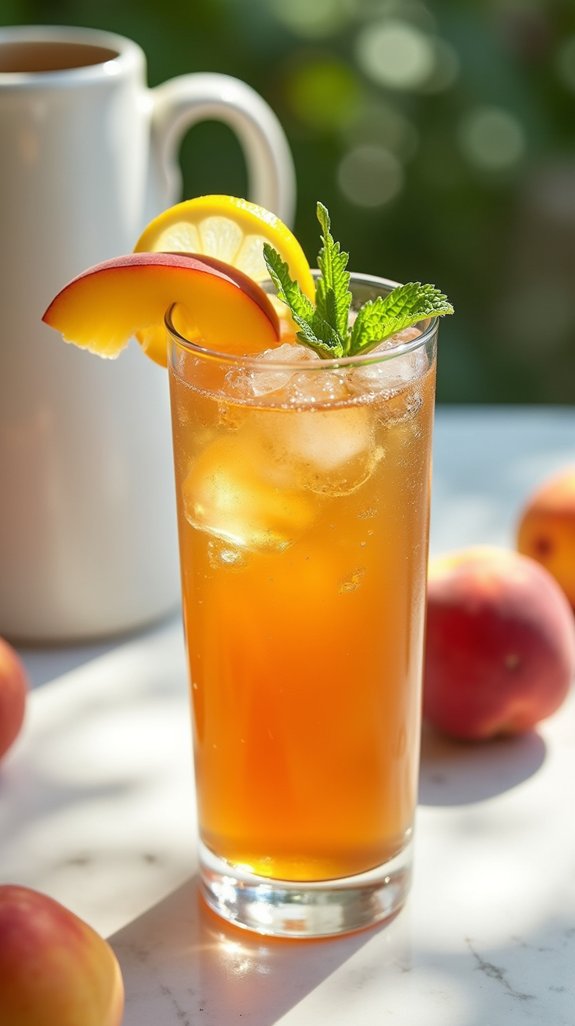
The Peach Basil French 77 represents the height of summer elegance, marrying the lush sweetness of ripe peaches with the peppery, slightly anise-like character of fresh basil in a champagne cocktail that tastes like sunshine in a glass. This variation strikes a beautiful balance between fruity indulgence and herbal sophistication, with the basil preventing the peach from becoming cloying while adding layers of aromatic complexity that complement both the gin’s botanicals and the champagne’s crisp effervescence.
The natural sugars in ripe peaches create a velvety texture when shaken, resulting in a cocktail that’s both invigorating and satisfying, with a gorgeous peachy-golden hue that captures the essence of late summer. This cocktail is at its absolute best during peak peach season from June through August, when stone fruits reach their ideal sweetness and flavor intensity.
The combination of peach and basil is a time-honored pairing in both sweet and savory applications, and it translates beautifully to cocktails, offering a more nuanced alternative to simple fruit punches. White or yellow peaches both work wonderfully, though white peaches tend to be slightly sweeter and more delicate in flavor. This variation is perfect for garden parties, outdoor celebrations, or any occasion where you want to showcase seasonal ingredients in an elegant, crowd-pleasing format that feels both familiar and surprisingly sophisticated.
Ingredients:
- 1 ripe peach, peeled and cut into chunks (about ½ cup)
- 6-8 fresh basil leaves, plus 1 small sprig for garnish
- 1 ounce gin
- ½ ounce fresh lemon juice
- ½ ounce simple syrup (adjust based on peach sweetness)
- 3-4 ounces champagne or dry sparkling wine, chilled
- Peach slice for garnish
- Ice cubes
Instructions:
In a cocktail shaker, combine the peach chunks and basil leaves and muddle thoroughly until the peach is completely broken down into a pulp and the basil releases its aromatic oils. Add the gin, lemon juice, and simple syrup, then fill the shaker with ice and shake vigorously for 20-25 seconds until well-chilled and the mixture becomes frothy from the fruit’s natural pectin.
Double-strain the mixture through a fine-mesh strainer into a champagne flute or coupe glass, pressing gently on the solids to extract maximum flavor while leaving behind pulp and basil pieces. Top with chilled champagne, pouring slowly to maintain carbonation and allow the bubbles to integrate with the peach mixture. Garnish with a fresh peach slice and a small basil sprig, gently clapping the basil between your hands before adding it to release additional aromatics.
Tips:
For the best results, use peaches that are perfectly ripe—they should yield slightly to gentle pressure and have a strong, sweet fragrance at the stem end. If your peaches are underripe or out of season, you can substitute high-quality frozen peaches, though the texture won’t be quite as silky.
Taste your peach before mixing and adjust the simple syrup accordingly; very sweet peaches may only need ¼ ounce of syrup, while less sweet fruit might benefit from ¾ ounce. The basil should be fresh and vibrant; avoid older leaves with brown spots as they can impart bitter flavors.
If you’re making multiple cocktails, you can prepare the peach-basil mixture in advance and keep it refrigerated for up to 4 hours, shaking it with ice and adding champagne just before serving to guarantee maximum freshness and effervescence.
Pomegranate French 77

The Pomegranate French 77 transforms the classic champagne cocktail into a jewel-toned masterpiece that captures the essence of autumn and winter sophistication. The ruby-red pomegranate brings a complex sweet-tart profile with subtle tannic qualities that add depth and structure to the cocktail, while its natural acidity harmonizes beautifully with both the gin’s botanicals and the champagne’s brightness.
This variation offers a more robust, berry-forward character compared to citrus-based versions, with pomegranate’s distinctive flavor providing enough personality to stand up to the effervescence without being overwhelmed. The resulting cocktail showcases a stunning crimson hue that makes it as visually striking as it’s delicious, perfect for holiday celebrations and festive gatherings.
Pomegranate season runs from October through January, making this variation ideal for fall and winter entertaining when you want something both invigorating and seasonally appropriate. Fresh pomegranate juice is preferable to bottled versions, as it delivers brighter flavor and avoids the sometimes cloying sweetness of commercial products, though high-quality pure pomegranate juice without added sugars can work in a pinch.
The natural antioxidants in pomegranate also give this cocktail a healthful halo, though the primary appeal lies in its sophisticated balance of flavors and its ability to feel both celebratory and refined. This variation pairs exceptionally well with rich, savory appetizers and makes an impressive signature cocktail for New Year’s Eve, Thanksgiving gatherings, or any occasion calling for something elegant with a touch of drama.
Ingredients:
- 1½ ounces gin
- 1 ounce fresh pomegranate juice
- ½ ounce fresh lemon juice
- ½ ounce simple syrup
- 3-4 ounces champagne or dry sparkling wine, chilled
- Pomegranate arils for garnish
- Fresh rosemary sprig for garnish (optional)
- Ice cubes
Instructions:
Combine the gin, pomegranate juice, lemon juice, and simple syrup in a cocktail shaker filled with ice, then shake vigorously for 15-20 seconds until the mixture is thoroughly chilled and the shaker becomes frosty to the touch.
Strain the mixture into a champagne flute or coupe glass, ensuring a smooth pour without ice chips or pulp. Slowly top with chilled champagne, pouring gently down the side of the glass to preserve carbonation and create a beautiful layered effect as the bubbles rise through the pomegranate-tinted base.
Garnish with a small cluster of pomegranate arils dropped into the glass and an optional sprig of fresh rosemary, which adds an aromatic element that complements the gin’s botanicals.
When working with fresh pomegranates, the easiest extraction method involves cutting the fruit in half and tapping the back with a wooden spoon over a bowl to release the arils, then pressing them through a fine-mesh strainer to collect the juice.
If the pomegranate juice tastes particularly tart, you may want to increase the simple syrup to ¾ ounce, though it’s better to start conservatively since the champagne’s sweetness level will also affect the final balance.
The pomegranate arils used as garnish will sink to the bottom of the glass, providing little bursts of texture and flavor as you drink, making each sip slightly different from the last. For an extra layer of complexity, consider using a rosemary-infused simple syrup instead of plain, which creates a subtle herbal undertone that bridges the gap between the pomegranate’s fruitiness and the gin’s botanical character.
Apple Cinnamon French 77

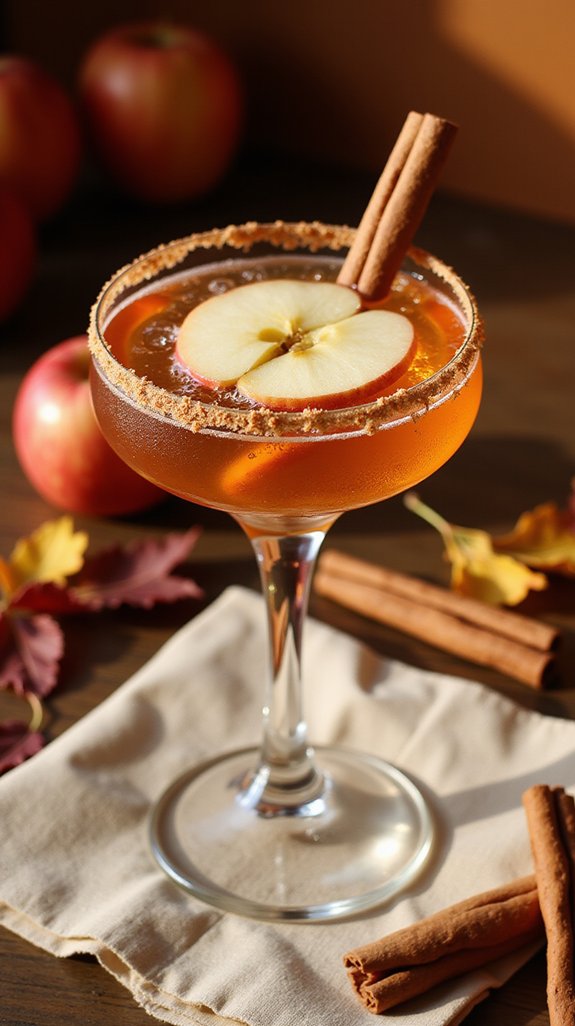
The Apple Cinnamon French 77 evokes the warmth of autumn orchards and spiced desserts while maintaining the elegant effervescence that defines champagne cocktails. This variation marries the crisp sweetness of fresh apple with warming cinnamon spice, creating a cozy yet refined drinking experience that feels equally at home at a harvest celebration or an intimate fireside gathering.
The apple’s natural sugars and subtle acidity provide a mellow counterpoint to the gin’s botanicals, while cinnamon adds aromatic complexity that transforms each sip into something reminiscent of apple pie, but far more sophisticated. The resulting cocktail achieves a delicate balance between comfort and celebration, offering familiar flavors elevated by sparkling wine’s refinement.
This variation shines brightest during peak apple season from September through November, when fresh-pressed apple cider delivers maximum flavor and natural sweetness. Using real apple cider rather than juice is crucial, as cider’s fuller body and more complex flavor profile stands up better to the champagne without getting lost.
The cinnamon element can be incorporated through infused simple syrup or a cinnamon-sugar rim, allowing you to control the spice level according to preference. This cocktail pairs beautifully with cheese boards, roasted nuts, and pork dishes, making it an ideal aperitif for Thanksgiving dinner or autumn entertaining when you want something that tastes like the season in a glass.
Ingredients:
- 1½ ounces gin
- 1 ounce fresh apple cider
- ½ ounce cinnamon simple syrup
- ½ ounce fresh lemon juice
- 3-4 ounces champagne or dry sparkling wine, chilled
- Thin apple slice for garnish
- Cinnamon stick for garnish
- Ground cinnamon and sugar for rim (optional)
- Ice cubes
Instructions:
If rimming the glass, mix equal parts ground cinnamon and sugar on a small plate, moisten the rim of a champagne flute or coupe with lemon juice, and gently dip into the cinnamon-sugar mixture, then set aside.
Fill a cocktail shaker with ice and add the gin, apple cider, cinnamon simple syrup, and lemon juice, shaking vigorously for 15-20 seconds until the shaker becomes ice-cold and frost forms on the exterior. Strain the mixture into the prepared glass, making certain no ice shards or sediment pass through.
Gently pour the chilled champagne down the side of the glass to maintain maximum carbonation and allow the layers to integrate naturally. Garnish with a thin slice of fresh apple fanned on the rim and a cinnamon stick standing in the glass for both aroma and visual appeal.
To make cinnamon simple syrup, combine one cup of water, one cup of sugar, and three cinnamon sticks in a saucepan, bringing to a boil before reducing to a simmer for ten minutes, then allow to cool completely before straining out the cinnamon sticks.
Fresh-pressed apple cider from local orchards will yield the best results, but verify it’s unfiltered for maximum flavor and avoid heavily spiced ciders that might compete with your controlled cinnamon element. The apple garnish will begin to brown after cutting, so prepare it just before serving or brush with a small amount of lemon juice to preserve its color.
For a lighter spice note, reduce the cinnamon simple syrup to ¼ ounce and add an extra ¼ ounce of regular simple syrup to maintain sweetness balance.
Frequently Asked Questions
What Is the Difference Between a French 75 and French 77?
You’ll find the main difference in the base spirit: a French 75 uses gin, while a French 77 uses elderflower liqueur instead. Both mix their spirit with lemon juice, simple syrup, and champagne for a revitalizing cocktail.
Can I Make a French 77 Without Champagne?
Like swapping tires on a car, you can substitute champagne with prosecco or cava in your French 77. However, you’ll lose the authentic champagne character that defines this elegant cocktail’s signature taste.
How Do I Properly Chill Champagne for Cocktails?
You’ll want to chill your champagne in the refrigerator for at least three hours before mixing cocktails. For faster results, place the bottle in an ice bucket filled with ice and water for 20-30 minutes.
What Type of Glass Should I Serve a French 77 In?
You’ll want to serve your French 77 in a champagne flute. While some bartenders claim coupes are more authentic, flutes actually preserve the bubbles longer and showcase the cocktail’s elegant effervescence better.
How Far in Advance Can I Prepare French 77 Ingredients?
You can prepare the elderflower liqueur and lemon juice mixture up to 4 hours ahead, storing it chilled. However, you’ll need to add the gin and sparkling wine immediately before serving for ideal freshness.