I’ll be honest with you—there’s something incredibly satisfying about mastering a perfect filet mignon at home. It’s the kind of dish that turns an ordinary Tuesday into a celebration, whether you’re marking an anniversary, landing that promotion, or simply treating yourself after a challenging week. The best part? You don’t need fancy culinary training or complicated techniques to pull it off, and I’m going to show you exactly how.
Why You`ll Love this Perfect Filet Mignon
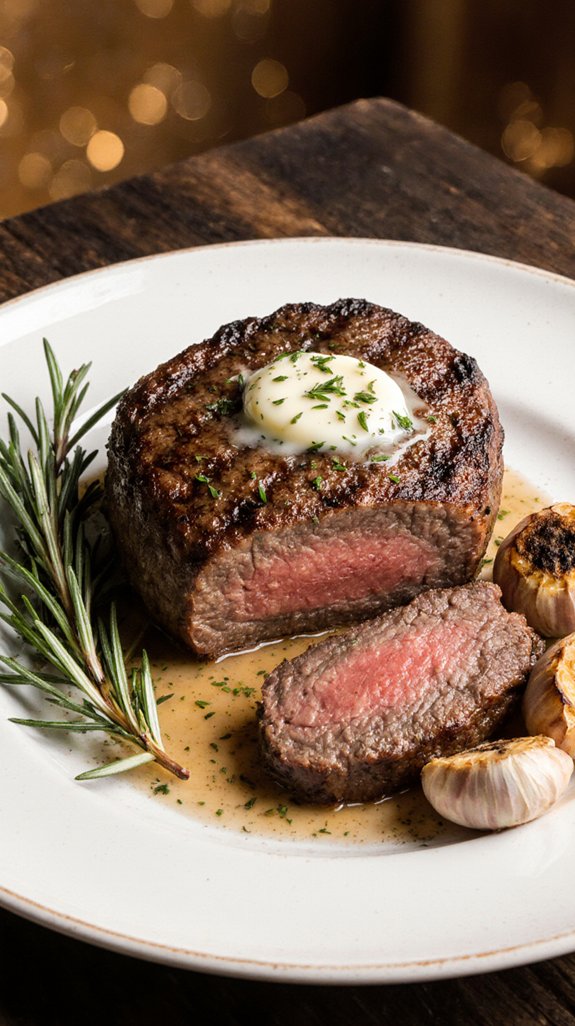
When you want to impress at your next special gathering, this filet mignon recipe delivers restaurant-quality results without the complexity or hefty price tag.
I’ve found that mastering this cut transforms ordinary dinners into memorable occasions. The tender texture of filet mignon makes it remarkably forgiving, even if you’re not an experienced cook.
You’ll appreciate how the simple seasoning approach lets the meat’s rich flavor shine through naturally. What I love most is the flexibility—whether you choose classic oil and seasoning or the sophisticated Dijon-peppercorn coating, you’ll achieve spectacular results.
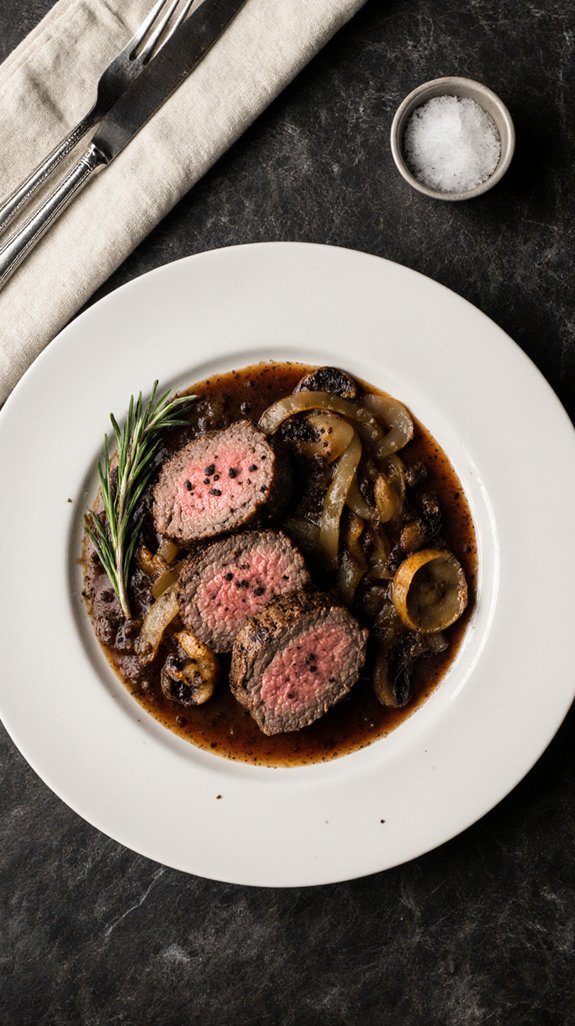
The mushroom sauce adds an elegant finishing touch that tastes like you spent hours preparing it, though it actually comes together quickly while the meat rests.
What ingredients are in Perfect Filet Mignon?
The filet mignon recipe requires two main components: the beef itself and the accompanying mushroom sauce. For the meat preparation, you’ll need a whole filet mignon (typically around 5½ pounds), oil for coating, and your choice of seasonings. The mushroom sauce brings together fresh ingredients that complement the rich beef flavor perfectly.
For the Filet Mignon:
- 1 (5½ lb) filet mignon (preferably trimmed)
- Oil (olive oil recommended)
- Salt and pepper
- Optional: Paprika, crushed garlic, Montreal Steak Seasoning, OR Dijon mustard with crushed black or colored peppercorns
For the Mushroom Sauce:
- 2 (10 ounce) boxes fresh white mushrooms, sliced
- 1 large onion, sliced
- 3-4 tablespoons oil or butter
- ½ cup sweet vermouth or sherry wine
- 1 clove garlic, crushed
- Salt and pepper to taste
- 1 dash Worcestershire sauce
- Pan drippings (optional)
- Beef bouillon paste (optional, for richer flavor)
- Gravy Master or similar browning sauce (optional)
When selecting your filet, you can purchase it already trimmed (peeled) to save preparation time, or buy an untrimmed piece and remove the silverskin and fat yourself. The seasoning approach is flexible—you can keep it simple with oil, salt, and pepper, use a pre-made blend like Montreal Steak Seasoning, or opt for the more sophisticated Dijon mustard and peppercorn crust. For the sauce, having fresh mushrooms rather than canned makes a significant difference in both texture and flavor.
How to make this Perfect Filet Mignon
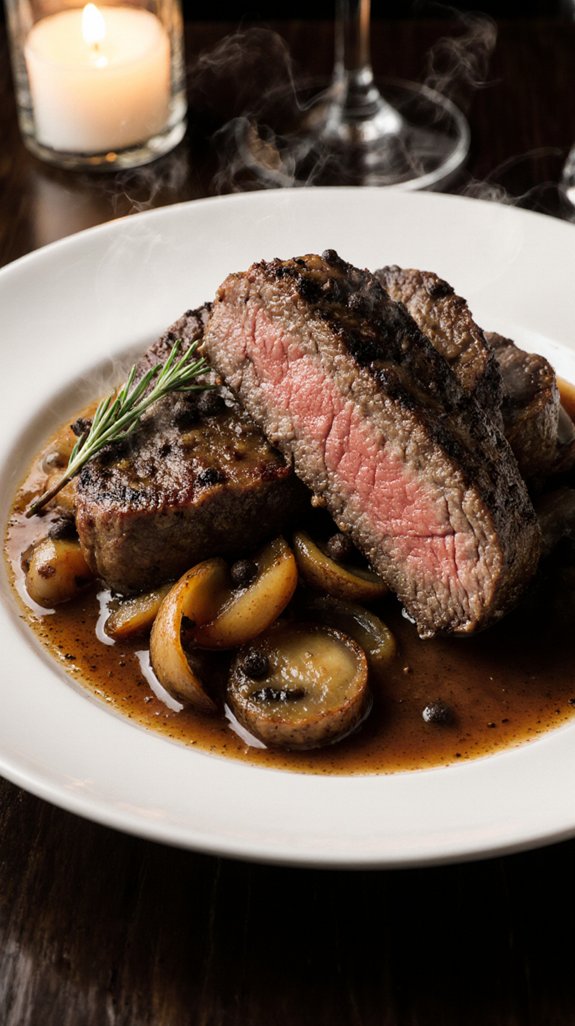
Start by bringing your 1 (5½ lb) filet mignon to room temperature before cooking, as this guarantees even roasting and helps keep the meat tender throughout. If you purchased an untrimmed filet, remove the silverskin and excess fat, then tuck the tapered tail end underneath to create a more uniform shape for consistent cooking. If the whole filet is too large for your roasting pan, you can cut it in half and roast both pieces together.
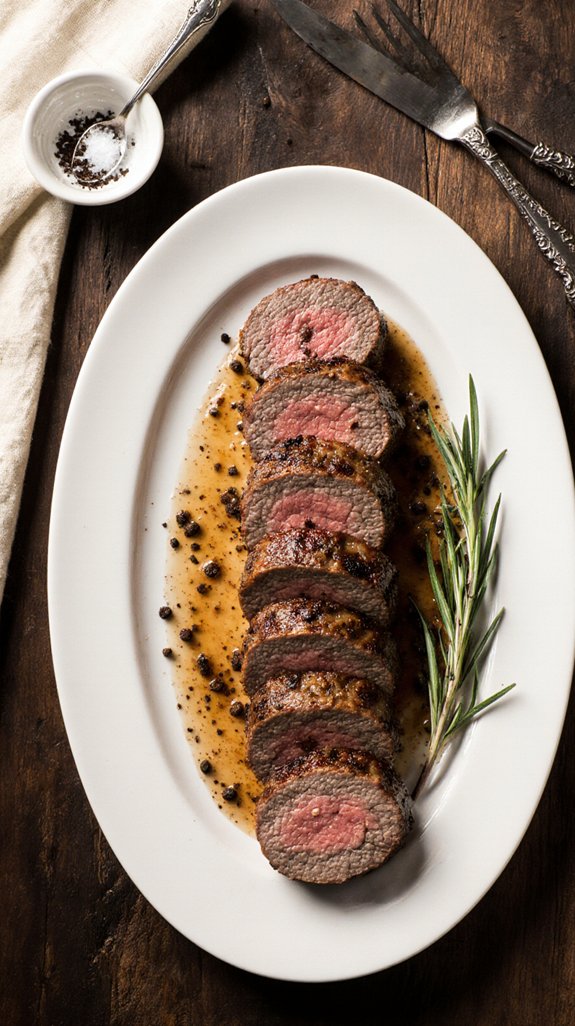
Next, rub oil (olive oil works wonderfully) all over the meat, then apply your chosen seasonings generously. You might use salt, pepper, paprika, and crushed garlic, or reach for a convenient option like Montreal Steak Seasoning. Alternatively, for a more elegant presentation, coat the filet with Dijon mustard and roll it in finely crushed black or colored peppercorns.
Place the prepared filet on a roasting rack set over your roasting pan, or position it directly over some beef bones which will act as a natural rack. Using premium cookware sets designed for high-heat roasting can make a significant difference in achieving that perfect crust and even cooking.
Preheat your oven to 475°F and roast the filet for 20 minutes at this high temperature. Then reduce the heat to 350°F and continue roasting for an additional 20 minutes for medium-rare results (though timing may vary based on the exact weight of your roast). For precision, insert a meat thermometer into the thickest part—you’re looking for 120-130°F for rare or 130-140°F for medium-rare, keeping in mind that the temperature will continue rising as the meat rests.
Once done, remove the filet from the oven and let it sit for about 15 minutes before slicing, which allows the juices to redistribute and makes for cleaner cuts.
While the meat rests, prepare the mushroom sauce by heating 3-4 tablespoons of oil or butter in a large skillet over medium-high heat. Cook 1 large sliced onion until softened, then add 2 (10 ounce) boxes of sliced fresh white mushrooms and 1 crushed garlic clove.
Continue cooking and stirring until the mushrooms reduce by half and become tender. Pour in ½ cup of sweet vermouth or sherry wine, add a dash of Worcestershire sauce, and if desired, a bit of Gravy Master for color. Let this simmer for another 5-10 minutes, then season with salt and pepper to taste.
For extra richness, stir in a few tablespoons of the pan drippings from the roast or a bit of beef bouillon paste. This natural, unthickened sauce perfectly complements the tender beef and brings out all those savory flavors.
Shop Related Products

VERSATILE ROASTING PAN – A cookware essential. This big 15 inch roaster is ideal for cooking turkey, chicken or beef, along with other meats and vegetables.

HEALTHY - E-far metal roasting pan with racks is made of high quality stainless steel without any toxic and chemical coating, No harmful substance leeching into your food, Great alternative to aluminum pans and Teflon coating pans, Healthy for daily use

Whether you're preparing cookies, sheet cakes, roasted vegetables, or savory meals, this extra-large embossed aluminum pan ensures even heating, durability, and top-tier performance for all your baking needs.
Perfect Filet Mignon Substitutions and Variations
While this recipe calls for a whole filet mignon with traditional seasonings and a classic mushroom-vermouth sauce, you’ve got plenty of room to make it your own based on what’s available or what your family prefers.
If you’re exploring filet mignon alternatives, consider using beef tenderloin steaks or even a high-quality sirloin roast for similar tenderness.
For seasoning variations, I’ve experimented beyond the Montreal Steak Seasoning mentioned here. Try herbs de Provence for a French touch, or create a coffee-cocoa rub for deeper flavor.
The Dijon-peppercorn crust works beautifully, but you can also use whole grain mustard mixed with fresh rosemary.
Even the sauce adapts well—swap vermouth for red wine, or replace white mushrooms with cremini or portobello for earthier notes.
Shop Related Products

10.25 INCH BAKER’S SKILLET: Inspired by the classic Lodge cast iron skillet, reinvented for bakers.

YOUR NEW GO-TO PAN: Lodge cast iron cookware is the perfect kitchen tool for beginners, home cooks and chefs. Cast iron can handle any kitchen cooktop, oven, grill, and open flame. Crafted in America with iron and oil, its naturally seasoned cooking surface creates an easy-release and improves with use.

Steakhouse Sear At Home: The Lodge Square Cast Iron Grill Pan delivers high-heat searing and bold grill marks while channeling excess grease away
What to serve with Perfect Filet Mignon
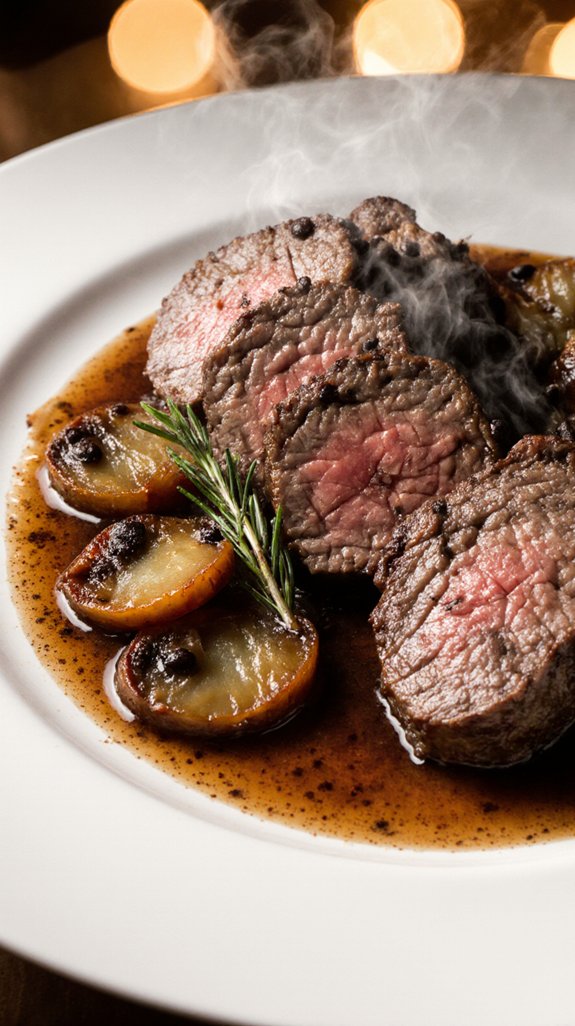
Since filet mignon brings such elegance to the table, I always choose side dishes that complement its buttery texture without competing for attention.
Creamy mashed potatoes or roasted asparagus work beautifully alongside the tender beef. I also love serving garlic-butter sautéed green beans or a simple arugula salad with lemon vinaigrette to add brightness to the plate.
For wine pairings, I reach for a bold Cabernet Sauvignon or smooth Merlot that enhances the meat’s rich flavor. The mushroom and onion sauce from this recipe eliminates the need for heavy gravies, so I keep other side dishes fairly simple.
Fresh dinner rolls and perhaps some roasted baby carrots round out the meal perfectly. This approach lets the filet remain the star while creating a complete, satisfying dinner.
Final Thoughts
This filet mignon recipe has become my go-to method for special occasions because it consistently delivers restaurant-quality results without requiring professional chef skills.
The cooking tips I’ve shared, from bringing the meat to room temperature to monitoring internal temperatures carefully, make all the difference between good and exceptional results.
I appreciate how forgiving this recipe is, even when meal planning for guests with different preferences. The mushroom sauce adds elegance without complications, and leftovers reheat beautifully for next-day enjoyment.
Whether you’re celebrating an anniversary, holiday, or simply treating yourself to something special, this preparation method transforms an already premium cut into something truly memorable.
Your confidence in the kitchen will grow with each successful roast.
Frequently Asked Questions
How Do I Know When My Filet Mignon Is Done Without a Thermometer?
I’ll use the touch test to check doneness—pressing the meat’s center gently. For medium-rare, it should feel slightly firm but springy. I also watch for visual cues like browning and juice color when slicing.
Can I Cook Filet Mignon From Frozen or Partially Frozen?
I don’t recommend cooking frozen meat for this recipe. The filet mignon needs to reach room temperature before roasting to guarantee even cooking and tenderness. Proper cooking techniques require thawed meat for the best results.
How Long Can I Store Leftover Cooked Filet Mignon in the Refrigerator?
I’ll store leftover cooked filet mignon in the refrigerator for 3-4 days maximum. Food safety is essential, so I always keep it in an airtight container and reheat thoroughly before serving for proper leftover storage.
What’s the Best Way to Reheat Leftover Filet Mignon Without Drying It Out?
I’ll reheat your leftover filet mignon gently in a low oven (250°F) with moisture retention by covering it with foil. This reheating technique prevents drying while warming the meat through in about 20-30 minutes.
Should I Let the Filet Rest After Cooking and for How Long?
Yes, I always let my filet rest for about 15 minutes after roasting. The resting benefits include better slicing and settling juices, while the ideal timing guarantees medium-rare doneness as the meat continues cooking slightly.