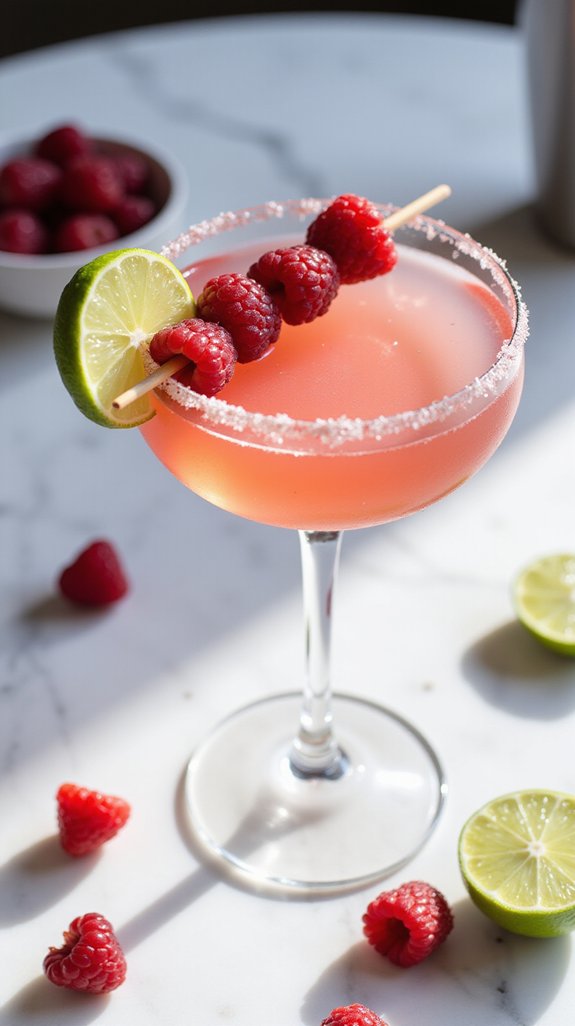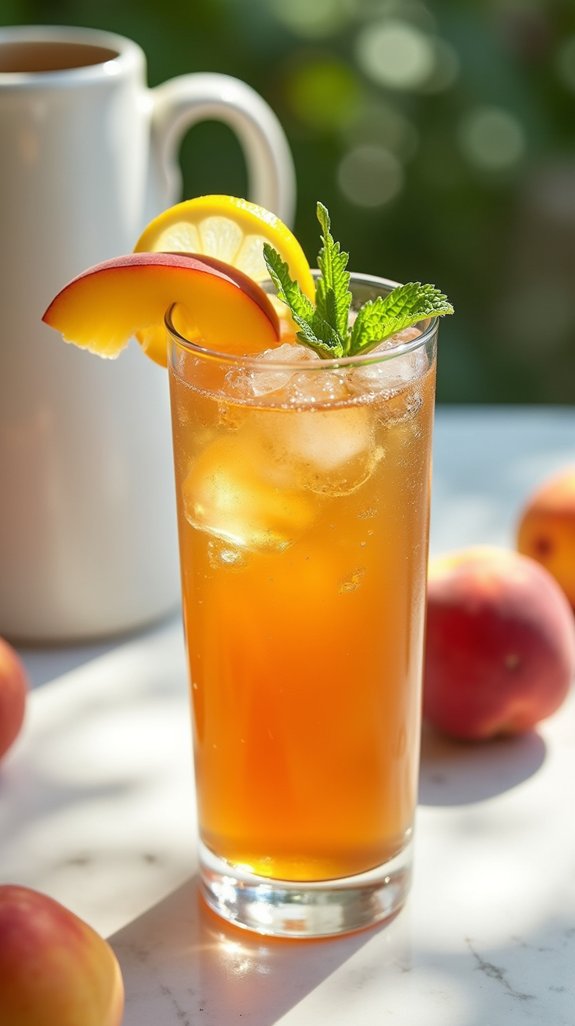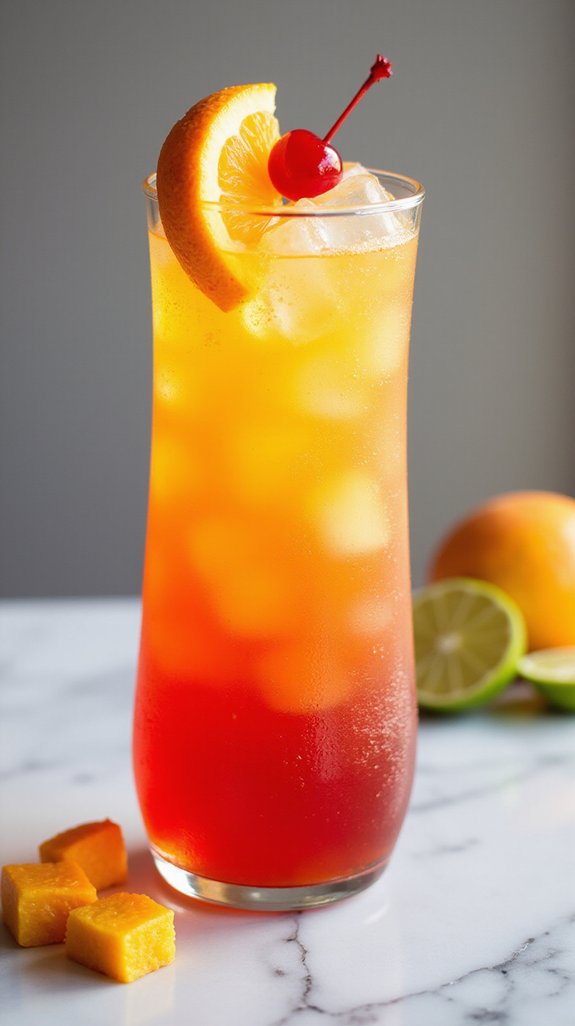
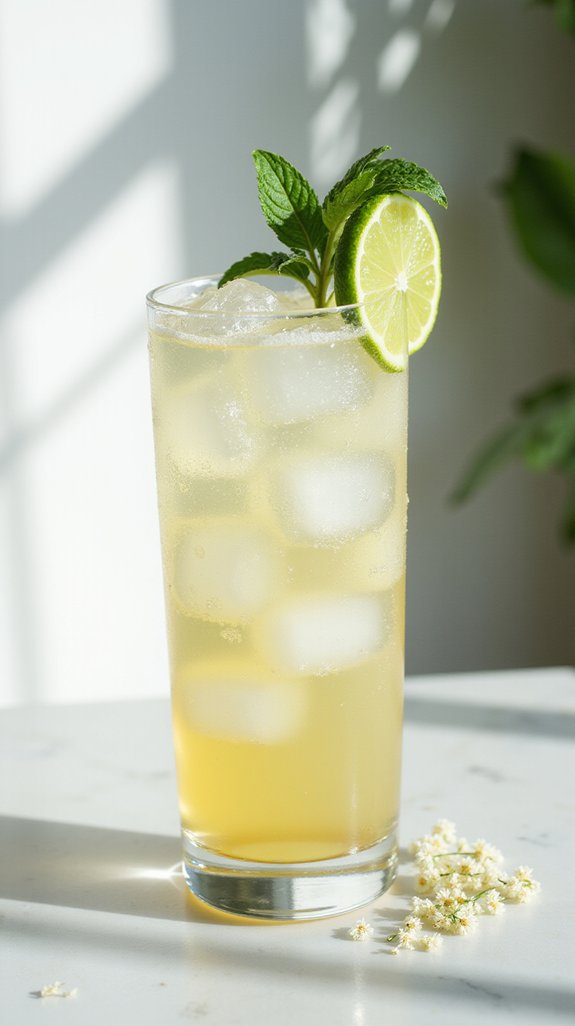
You’ve probably spotted those delicate white elderflowers at the farmers market in late spring, their sweet fragrance drifting across the stalls. I started experimenting with elderflower liqueur after tasting a Hugo Spritz at a friend’s backyard party last summer, and it completely changed how I think about cocktails. The floral notes add something sophisticated without being overpowering, working beautifully with everything from gin to tequila in ways that might surprise you.
Classic Elderflower Gin Fizz

The Classic Elderflower Gin Fizz is a revitalizing and sophisticated cocktail that combines the botanical notes of gin with the delicate floral sweetness of elderflower liqueur. This effervescent drink is perfect for warm weather gatherings, garden parties, or any occasion that calls for an elegant yet easy-to-make beverage.
The fizz gets its signature sparkle from club soda, while fresh lemon juice adds a bright citrus balance to complement the sweet floral notes. This timeless cocktail has gained popularity in recent years as elderflower liqueur has become more widely available and appreciated by cocktail enthusiasts.
The combination of gin and elderflower creates a harmonious blend where neither ingredient overpowers the other, resulting in a light and drinkable cocktail that appeals to a wide range of palates. Whether served at brunch, happy hour, or evening gatherings, this drink offers a taste of springtime in every sip.
Ingredients:
- 2 oz gin
- 1 oz elderflower liqueur (such as St-Germain)
- 3/4 oz fresh lemon juice
- Club soda
- Ice
- Lemon wheel or twist for garnish
- Fresh mint sprig for garnish (optional)
Instructions:
Fill a cocktail shaker with ice and add the gin, elderflower liqueur, and fresh lemon juice. Shake vigorously for 10-15 seconds until well-chilled. Strain the mixture into a highball or Collins glass filled with fresh ice.
Top with 2-3 ounces of club soda, gently stirring once to combine. Garnish with a lemon wheel or twist and a fresh mint sprig if desired.
Tips:
For the best flavor, use freshly squeezed lemon juice rather than bottled, as it provides a brighter, more vibrant taste. The quality of gin matters in this cocktail, so choose a botanical gin that you enjoy drinking on its own.
If you prefer a less sweet drink, reduce the elderflower liqueur to 3/4 oz and increase the lemon juice slightly. The cocktail can be made in batches for parties by mixing all ingredients except the club soda ahead of time, then adding the soda just before serving to maintain the fizz.
Shop Related Products

【6-Piece Cocktail Shaker Set】6 piece cocktail shaker set include all your necessary bartendering kits with 24oz shaker, strainer, muddler, jigger, spoon, pour spouts and a recipe book. You can achive to make most special drinks or cocktail with this set.

Add Master Mixologist to Your Resume: Curated by KITESSENSU with the cocktail enthusiast in mind, this 3-piece cocktail shaker set has everything mixology kit you need to make cocktails, whether you’re a bartender looking for quality drink mixer set, or a home mixologist to get started creating and serving drinks from your own entertainment space
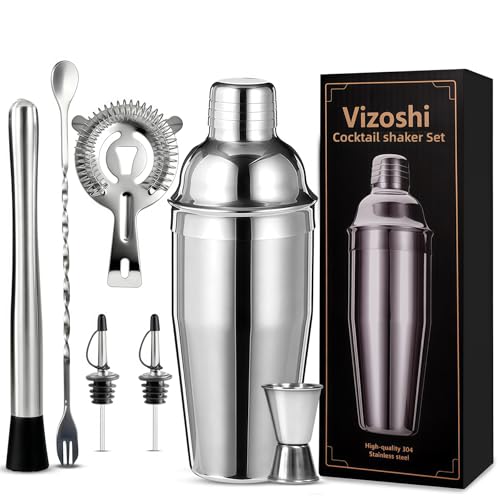
【All-in-One Professional Bartender Kit - Unleash Your Inner Mixologist】Elevate your home bar with this complete 7-piece cocktail shaker set, the ultimate bartender kit for enthusiasts and beginners alike. Whether you're crafting cocktails, martinis, or mocktails, this bar set includes every bar tool: a premium Martini shaker, precise jigger, strainer, mixer spoon, versatile muddler, and two efficient liquor pourers. It's the mixology kit and bar essentials for home that contains all the bartending supplies you need to create bar-quality drinks.
Elderflower Champagne Cocktail

The Elderflower Champagne Cocktail is the epitome of celebration and refinement, transforming ordinary champagne into an extraordinary libation with just a few simple additions. This elegant cocktail marries the crisp, effervescent qualities of champagne or sparkling wine with the honeyed, floral notes of elderflower liqueur, creating a drink that feels both luxurious and approachable. The subtle sweetness of elderflower enhances rather than masks the champagne’s natural characteristics, making it an ideal choice for toasts, special occasions, or when you simply want to add a touch of glamour to your day.
What makes this cocktail particularly appealing is its versatility and ease of preparation. Unlike more complex mixed drinks, the Elderflower Champagne Cocktail requires minimal effort while delivering maximum impact, making it perfect for entertaining when you want to impress guests without spending excessive time behind the bar. The gentle floral sweetness appeals to those who might find champagne too dry on its own, while still maintaining the sophisticated character that makes champagne-based cocktails so beloved.
Whether served at weddings, New Year’s celebrations, bridal showers, or intimate dinner parties, this cocktail brings an air of festivity to any gathering.
Ingredients:
- 4 oz champagne or dry sparkling wine, chilled
- 1/2 oz elderflower liqueur (such as St-Germain)
- 1/4 oz fresh lemon juice
- Lemon twist for garnish
- Fresh elderflower sprig for garnish (optional)
Instructions:
Add the elderflower liqueur and fresh lemon juice to a champagne flute or coupe glass. Slowly pour the chilled champagne or sparkling wine over the liqueur mixture, allowing it to gently mix as you pour. The natural effervescence will help incorporate the ingredients without the need for stirring.
Express the oils from a lemon twist over the glass by gently squeezing it, then drop it into the cocktail or place it on the rim as garnish. If available, add a small sprig of fresh elderflower for an elegant aromatic presentation.
Tips:
Always use well-chilled champagne or sparkling wine to guarantee the cocktail stays cold and maintains its bubbles throughout drinking. While expensive vintage champagne isn’t necessary, choose a quality dry sparkling wine like Prosecco, Cava, or a good Brut champagne that you’d enjoy drinking on its own.
Avoid stirring the cocktail after adding the champagne, as this will cause the bubbles to dissipate quickly. For the best results, chill your glassware in the freezer for 10-15 minutes before assembling the cocktail. If making multiple servings for a group, you can pre-measure the elderflower liqueur and lemon juice into each glass, then simply top with champagne when ready to serve, guaranteeing each drink is perfectly carbonated.
Shop Related Products

Add Master Mixologist to Your Resume: Curated by KITESSENSU with the cocktail enthusiast in mind, this 15-piece cocktail shaker set has everything mixology kit you need to make cocktails, whether you’re a bartender looking for quality drink mixer set, or a home mixologist to get started creating and serving drinks from your own entertainment space

Insulated for Cold Cocktails: The Corkcicle Cocktail Shaker keeps drinks icy cold longer with triple-insulated steel walls, so you can shake without freezing your hands
Hugo Spritz

The Hugo Spritz is a revitalizing Italian aperitivo that has taken the cocktail world by storm since its invention in South Tyrol in the early 2000s. This delightfully light and aromatic cocktail combines elderflower liqueur with Prosecco, sparkling water, and fresh mint, creating a drink that’s perfectly balanced between sweet, herbaceous, and bubbly.
Originally created as a gentler alternative to the bitter Aperol Spritz, the Hugo has become a beloved warm-weather staple across Europe and beyond, particularly popular at outdoor gatherings, garden parties, and lazy Sunday brunches. Its pale, luminous appearance and aromatic profile make it as visually appealing as it’s delicious, embodying the relaxed sophistication of Italian drinking culture.
What sets the Hugo Spritz apart from other spritz variations is its herbaceous freshness and floral complexity. The combination of mint and elderflower creates an intriguing aromatic experience that feels both elegant and casual, while the Prosecco and sparkling water keep the drink light and sessionable.
Unlike heavier cocktails, the Hugo is designed for leisurely sipping in the sunshine, making it an ideal choice for daytime entertaining or as a pre-dinner drink that won’t overwhelm the palate. Its relatively low alcohol content and revitalizing character have made it especially popular during spring and summer months, though its appeal extends year-round for those seeking a sophisticated yet uncomplicated cocktail.
Ingredients:
- 3 oz Prosecco, chilled
- 1 oz elderflower liqueur (such as St-Germain)
- 2 oz sparkling water or club soda, chilled
- 6-8 fresh mint leaves
- 3-4 thin slices of fresh lime
- Ice cubes
- Fresh mint sprig for garnish
- Lime wheel for garnish
Instructions:
Fill a large wine glass or goblet with ice cubes to chill it properly. Add the fresh mint leaves and lime slices to the glass, then gently press them against the ice with a bar spoon to release their aromatic oils without completely muddling them.
Pour the elderflower liqueur over the ice, followed by the chilled Prosecco, pouring slowly to preserve the bubbles. Top with sparkling water or club soda to add lightness and dilution. Give the drink a very gentle stir with a bar spoon, just one or two rotations to incorporate the ingredients without losing carbonation.
Garnish with a fresh sprig of mint and a lime wheel placed on the rim of the glass.
Tips:
The key to a perfect Hugo Spritz is using quality, well-chilled ingredients and not over-muddling the mint, as this can release bitter compounds that overwhelm the delicate elderflower flavor.
Use a large wine glass or goblet rather than a traditional rocks glass to allow the aromatics to develop and give the bubbles room to express themselves. The ratio of Prosecco to sparkling water can be adjusted to personal preference, with some preferring a boozier version using less soda and others wanting an even lighter, more revitalizing drink with additional sparkling water.
For the best flavor, make each drink individually rather than batching, as the fresh mint and lime contribute aromatic elements that fade quickly once the drink is assembled.
Elderflower Martini

The Elderflower Martini represents a sophisticated evolution of the classic martini, incorporating the delicate floral sweetness of elderflower liqueur to soften the traditional gin or vodka base while maintaining the elegant simplicity that defines this iconic cocktail category.
This modern interpretation has become a favorite among those who find traditional martinis too austere but still crave the refinement and clarity of a well-crafted spirit-forward drink. The elderflower component adds layers of honeyed, lychee-like complexity that beautifully complements botanical gin or smooth vodka, creating a cocktail that feels both timeless and contemporary.
Unlike sweeter liqueur-based drinks, the Elderflower Martini maintains a clean, crisp profile with just enough floral character to intrigue the palate without overwhelming it.
What makes the Elderflower Martini particularly appealing is its versatility and broad appeal—it bridges the gap between classic cocktail enthusiasts and those who prefer lighter, more approachable flavors.
The drink’s pale golden hue and aromatic bouquet create an immediate sense of occasion, making it equally suitable for upscale dinner parties, romantic evenings, or celebratory toasts. The subtle sweetness from the elderflower liqueur also makes this martini variation more forgiving than its purely spirit-based predecessor, allowing the botanicals in quality gin to shine while providing a smooth, velvety texture.
This cocktail has earned its place in the modern canon by offering refinement without intimidation, proving that innovation can enhance rather than diminish cocktail traditions.
Ingredients:
- 2 oz gin or vodka, chilled
- 1 oz elderflower liqueur (such as St-Germain)
- 0.5 oz fresh lemon juice
- 0.25 oz dry vermouth (optional, for a more traditional martini character)
- Ice cubes for shaking
- Lemon twist or edible flowers for garnish
Instructions:
Fill a cocktail shaker with ice cubes and add the chilled gin or vodka, elderflower liqueur, fresh lemon juice, and dry vermouth if using.
Shake vigorously for 10-15 seconds until the outside of the shaker becomes frosty and well-chilled—this cocktail benefits from proper dilution and aeration to balance the floral sweetness with crisp coldness.
Strain the mixture through a fine-mesh strainer into a chilled martini glass or coupe to remove any ice shards and create a crystal-clear presentation.
Express the oils from a lemon twist over the surface of the drink by holding it over the glass and giving it a firm twist, then either drop it into the cocktail or drape it over the rim as garnish. Alternatively, float a single edible flower on the surface for an elegant, botanical presentation.
Tips:
Always use freshly squeezed lemon juice rather than bottled, as the bright acidity is essential for balancing the sweetness of the elderflower liqueur and preventing the cocktail from tasting cloying.
Chilling your gin or vodka in the freezer beforehand, along with your serving glass, guarantees the drink stays cold longer and achieves that silky, luxurious texture characteristic of well-made martinis.
If you prefer a drier version, reduce the elderflower liqueur to 0.75 oz and increase the base spirit accordingly, or add the optional dry vermouth to introduce more complexity.
For those who enjoy a floral yet herbaceous variation, consider using a gin with pronounced citrus or floral botanicals, such as Hendrick’s or The Botanist, which will harmonize beautifully with the elderflower notes.
St-Germain French 75

The St-Germain French 75 is an enchanting variation of the classic French 75 that transforms the champagne cocktail into an even more celebration-worthy libation through the addition of elderflower liqueur. This elegant reinterpretation maintains the original’s festive spirit and effervescent charm while introducing delicate floral notes that perfectly complement the bright citrus and botanical gin foundation. The elderflower liqueur adds a sophisticated sweetness that harmonizes beautifully with the champagne’s acidity and the lemon’s tartness, creating a multi-layered drinking experience that feels both luxurious and invigorating.
Named after the powerful French 75mm field gun from World War I, this cocktail variation retains the punchy strength of its predecessor while offering a more nuanced, aromatic profile that appeals to modern palates seeking complexity alongside sparkle.
What elevates the St-Germain French 75 beyond a simple champagne cocktail is its masterful balance of elements—the gin provides botanical backbone, the lemon juice offers brightness, the elderflower liqueur contributes honeyed floral complexity, and the champagne delivers celebratory effervescence and dry minerality. This combination creates a cocktail that’s simultaneously lively and refined, making it perfect for special occasions, brunch gatherings, wedding receptions, or any moment that deserves a touch of elegance.
The drink’s pale golden color topped with delicate bubbles presents beautifully in a champagne flute, while its flavor profile offers enough depth to satisfy cocktail connoisseurs while remaining accessible to casual drinkers. The St-Germain French 75 proves that sometimes the best innovations come from thoughtfully enhancing beloved classics rather than reinventing them entirely.
Ingredients:
- 1 oz gin
- 0.5 oz elderflower liqueur (St-Germain)
- 0.5 oz fresh lemon juice
- 0.25 oz simple syrup (optional, depending on sweetness preference)
- 3-4 oz champagne or dry sparkling wine, chilled
- Ice cubes for shaking
- Lemon twist or fresh elderflower sprig for garnish
Instructions:
Fill a cocktail shaker with ice and add the gin, elderflower liqueur, fresh lemon juice, and simple syrup if using. Shake vigorously for 10-12 seconds until the mixture is thoroughly chilled and the outside of the shaker frosts over. Strain the mixture into a chilled champagne flute or coupe glass, filling it approximately one-third full.
Slowly top with chilled champagne or sparkling wine, pouring gently down the side of the glass to preserve the bubbles and prevent overflow. Garnish with a twisted lemon peel expressed over the drink to release its oils, or add a delicate sprig of fresh elderflower if available for an aromatic and visually stunning presentation.
Tips:
The quality of champagne or sparkling wine greatly impacts this cocktail, but you don’t need to use expensive vintage champagne—a good-quality Prosecco, Cava, or dry sparkling wine works beautifully and keeps the drink affordable for entertaining.
Always shake the non-sparkling ingredients with ice before adding the champagne to guarantee proper chilling and dilution without losing carbonation. If you prefer a less sweet version, omit the simple syrup entirely and let the elderflower liqueur provide all the sweetness, or reduce the elderflower liqueur to 0.25 oz for a drier profile.
Pre-chill your champagne flutes in the freezer for 10-15 minutes before serving to keep the cocktail cold and bubbly longer, and consider making a batch of the shaken ingredients ahead of time for easy assembly when guests arrive.
Elderflower Mojito

The Elderflower Mojito reimagines Cuba’s beloved national cocktail by infusing it with the delicate floral sweetness of elderflower liqueur, creating a sophisticated twist on the classic rum-based cooler. This innovative variation maintains the mojito’s signature characteristics—the invigorating coolness of fresh mint, the bright acidity of lime, and the effervescent lift of soda water—while introducing an elegant botanical dimension that elevates the drink from casual beachside sipper to refined garden party centerpiece.
The elderflower liqueur’s honeyed floral notes weave seamlessly through the traditional mint and lime foundation, adding complexity without overwhelming the revitalizing nature that makes mojitos so universally appealing. Unlike the original’s straightforward sweetness from simple sugar, the elderflower component brings layers of flavor that include hints of pear, lychee, and honeysuckle, transforming each sip into a more nuanced experience.
What makes the Elderflower Mojito particularly compelling is its versatility across seasons and settings—it feels equally at home at summer garden parties, spring brunches, or as a year-round cooler that brings a touch of botanical elegance to any occasion. The combination of white rum’s clean spirit base with the aromatic mint, tart lime, and floral elderflower creates a harmonious balance that’s simultaneously energizing and soothing.
The drink’s vibrant appearance, featuring fresh green mint leaves suspended in pale golden liquid topped with sparkling bubbles, makes it as visually appealing as it’s delicious. This cocktail demonstrates how traditional recipes can be thoughtfully updated with modern ingredients to create something that honors the original while offering contemporary sophistication.
Ingredients:
- 2 oz white rum
- 0.75 oz elderflower liqueur (St-Germain)
- 0.75 oz fresh lime juice
- 8-10 fresh mint leaves, plus extra sprigs for garnish
- 2-3 oz soda water, chilled
- Ice cubes
- Lime wheel or wedge for garnish
Instructions:
Place the fresh mint leaves in the bottom of a highball or Collins glass and add the lime juice and elderflower liqueur. Gently muddle the mint leaves with a muddler or wooden spoon, pressing just enough to release the oils without shredding the leaves into small pieces.
Add the white rum and stir briefly to combine the ingredients. Fill the glass with ice cubes, then top with chilled soda water, stirring gently to distribute the flavors throughout the drink. Garnish with a fresh mint sprig and lime wheel, gently slapping the mint sprig between your hands before adding it to release additional aromatic oils.
When preparing this cocktail, the key to success lies in properly muddling the mint—too gentle and you won’t extract enough flavor, too aggressive and you’ll release bitter chlorophyll that can make the drink taste grassy and harsh.
The elderflower liqueur is already quite sweet, so you typically won’t need additional simple syrup, though those with a sweeter palate can add a small amount to taste. For the best results, use fresh mint with vibrant green leaves and avoid any that show browning or wilting, as the herb’s freshness directly impacts the final flavor.
If you prefer a stronger rum presence, you can increase the rum to 2.5 oz while keeping the elderflower liqueur constant, or for a lighter version suitable for daytime sipping, reduce the rum to 1.5 oz and increase the soda water slightly. The drink is best enjoyed immediately after preparation while the carbonation is still lively and the mint remains aromatic.
Lavender Elderflower Collins

The Lavender Elderflower Collins transforms the classic Tom Collins into an aromatic botanical experience by layering the delicate floral sweetness of elderflower with the herbaceous, perfumed notes of lavender. This refined variation builds upon the traditional gin, lemon, sugar, and soda foundation while introducing two complementary floral elements that create a sophisticated interplay of flavors.
The elderflower liqueur provides honeyed sweetness with hints of lychee and pear, while lavender contributes a gently herbal, almost soapy-in-the-best-way fragrance that evokes fields of purple blooms and European countryside charm. Together, these botanical additions elevate the straightforward revitalizing nature of a Collins into a complex, garden-inspired cocktail that appeals to both the palate and the imagination. The gin’s juniper backbone provides structure that prevents the florals from becoming cloying, while the bright acidity of fresh lemon juice cuts through the sweetness and keeps the drink balanced and vibrant.
This cocktail represents the perfect marriage of classic cocktail architecture and modern flavor experimentation, demonstrating how traditional templates can accommodate innovative ingredients without losing their essential character. The Lavender Elderflower Collins maintains the Collins family’s defining qualities—tall, fizzy, citrus-forward, and supremely invigorating—while introducing an elegant complexity that makes it ideal for spring and summer entertaining, afternoon garden parties, or any occasion calling for something both sophisticated and approachable.
The pale purple hue created by lavender-infused simple syrup, combined with the effervescent sparkle of soda water and garnished with fresh lavender sprigs or lemon wheels, makes this cocktail as visually stunning as it’s delicious. It strikes that rare balance of being accessible enough for casual sipping yet refined enough to impress discerning cocktail enthusiasts.
Ingredients:
- 2 oz gin
- 0.75 oz elderflower liqueur (St-Germain)
- 0.75 oz fresh lemon juice
- 0.5 oz lavender simple syrup
- 2-3 oz soda water, chilled
- Ice cubes
- Fresh lavender sprigs for garnish
- Lemon wheel for garnish
Instructions:
Add the gin, elderflower liqueur, fresh lemon juice, and lavender simple syrup to a cocktail shaker filled with ice. Shake vigorously for 12-15 seconds until well-chilled and properly diluted. Strain the mixture into a chilled Collins or highball glass filled with fresh ice cubes.
Top with chilled soda water, pouring gently down the side of the glass to preserve carbonation. Give the drink a gentle stir with a bar spoon to integrate the soda water without losing too much effervescence. Garnish with a fresh lavender sprig and a lemon wheel, either placed on the rim or floated on top of the drink.
To make lavender simple syrup, combine equal parts sugar and water in a small saucepan (typically one cup of each) and bring to a simmer, stirring until the sugar completely dissolves. Remove from heat and add 2-3 tablespoons of culinary-grade dried lavender buds, allowing them to steep for 20-30 minutes before straining out the flowers.
Be cautious not to over-steep the lavender, as it can become bitter and soapy-tasting with prolonged infusion—taste the syrup periodically during steeping to achieve your preferred intensity. The lavender syrup can be made several days in advance and stored in the refrigerator for up to two weeks. If fresh culinary lavender is available, it can be used for a more delicate flavor, though you may need slightly more volume than dried lavender.
For a more pronounced floral character, increase the elderflower liqueur to 1 oz and reduce the lavender syrup slightly to maintain balance.
Elderflower Margarita

The Elderflower Margarita reimagines Mexico’s most beloved cocktail by introducing the delicate floral sweetness of elderflower liqueur to the traditional trinity of tequila, lime, and orange liqueur. This fusion of European botanical elegance and Mexican agave spirit boldness creates a cocktail that honors the margarita’s fundamental character while adding layers of honeyed complexity and aromatic intrigue.
The elderflower liqueur’s subtle notes of lychee, pear, and white flowers complement the earthy, vegetal qualities of quality blanco or reposado tequila, while the bright acidity of fresh lime juice provides the vital counterpoint that keeps the drink balanced and invigorating rather than overly sweet. This variation demonstrates how a classic template can successfully incorporate new flavor profiles when the additions respect and enhance rather than overwhelm the foundational elements.
What makes the Elderflower Margarita particularly compelling is its versatility and broad appeal—it satisfies margarita purists who appreciate its adherence to the original structure while enticing those who prefer gentler, more nuanced cocktails over aggressively boozy drinks. The floral dimension adds sophistication without pretension, making this variation equally at home at casual backyard gatherings and upscale cocktail bars.
The pale golden hue, whether served on the rocks in a salt-rimmed glass or straight up in a coupe, presents beautifully, especially when garnished with a lime wheel and optional edible flowers. It captures the celebratory, sunny spirit of traditional margaritas while offering a softer, more aromatic drinking experience that works wonderfully for spring celebrations, garden parties, or any occasion calling for a crowd-pleasing cocktail with a distinctive twist.
Ingredients:
- 2 oz blanco or reposado tequila
- 1 oz elderflower liqueur (St-Germain)
- 1 oz fresh lime juice
- 0.5 oz Cointreau or triple sec
- Ice cubes
- Kosher salt or flaky sea salt for rim (optional)
- Lime wheel for garnish
- Edible flowers for garnish (optional)
Instructions:
If using a salt rim, run a lime wedge around the edge of your glass and dip it into a shallow plate of salt, coating only half the rim to give drinkers the option of salt with each sip. Fill the glass with fresh ice and set aside.
Add the tequila, elderflower liqueur, fresh lime juice, and Cointreau to a cocktail shaker filled with ice. Shake vigorously for 12-15 seconds until the exterior of the shaker becomes frosty and the drink is thoroughly chilled. Strain the mixture into the prepared glass over fresh ice for a rocks-style presentation, or double-strain into a chilled coupe glass for a straight-up serve.
Garnish with a lime wheel positioned on the rim and, if desired, float an edible flower on the surface for additional visual appeal.
For the best results, use 100% agave tequila rather than mixto varieties, as the purer agave flavor creates better harmony with the elderflower’s delicate botanical notes. Adjust the elderflower liqueur quantity based on personal preference—some may prefer the full ounce for pronounced floral character, while others might reduce it to 0.75 oz for a more tequila-forward experience with just a whisper of elderflower sweetness.
Fresh lime juice is absolutely essential; bottled juice will produce an inferior, artificially flavored result. Consider experimenting with different tequila styles—blanco offers clean, crisp agave flavor, while reposado adds subtle oak and vanilla notes that create additional complexity with the elderflower.
For a spicier variation, muddle a thin slice of jalapeño in the shaker before adding the other ingredients, creating an intriguing contrast between heat, floral sweetness, and citrus brightness.
Sparkling Elderflower Lemonade Cocktail

The Sparkling Elderflower Lemonade Cocktail is the quintessential warm-weather tonic, combining the nostalgic simplicity of homemade lemonade with the sophisticated floral notes of elderflower liqueur and the celebratory effervescence of sparkling wine or soda water. This light, bubbly cocktail achieves a perfect equilibrium between sweet, tart, and floral elements, creating a drink that feels simultaneously familiar and elevated.
The elderflower liqueur amplifies the natural aromatics of fresh lemon while adding honeyed depth, and the sparkling component provides textural interest and a festive quality that transforms what could be a simple mixed drink into something genuinely special. Unlike heavier cocktails that weigh you down on hot afternoons, this sparkling creation remains crisp and invigorating from first sip to last, making it ideal for extended gatherings where guests want something flavorful yet revitalizing enough to enjoy multiple rounds.
What distinguishes this cocktail from standard lemonade or simple spritzers is its layered construction and flexibility—the vodka or gin base can be adjusted to preference or omitted entirely for a sophisticated non-alcoholic version, while the choice between prosecco, champagne, or sparkling water allows you to calibrate both the alcohol content and the overall character of the drink.
The pale, effervescent appearance in a tall glass makes for an inherently appealing presentation, especially when garnished with fresh lemon slices, sprigs of mint, or delicate elderflower blossoms if available. This cocktail shines at garden parties, bridal showers, brunch gatherings, and poolside entertaining, offering the kind of universally appealing flavor profile that pleases diverse palates while maintaining enough complexity to keep cocktail enthusiasts engaged.
Ingredients:
- 1.5 oz vodka or gin
- 1 oz elderflower liqueur (St-Germain)
- 1 oz fresh lemon juice
- 0.5 oz simple syrup (adjust to taste)
- 3 oz prosecco, champagne, or sparkling water
- Ice cubes
- Lemon wheel or twist for garnish
- Fresh mint sprig for garnish (optional)
- Edible flowers for garnish (optional)
Instructions:
Fill a highball or wine glass with ice cubes. Add the vodka or gin, elderflower liqueur, fresh lemon juice, and simple syrup directly to the glass and stir gently to combine and chill the ingredients.
Top with prosecco, champagne, or sparkling water, pouring slowly down the side of the glass to preserve carbonation. Give the drink one final gentle stir to integrate the sparkling element without losing too much effervescence. Garnish with a lemon wheel perched on the rim, and add a sprig of fresh mint or edible flowers for visual appeal and aromatic enhancement.
Tips:
The key to maintaining maximum effervescence is to add the sparkling component last and stir minimally—overmixing will flatten the bubbles and diminish the drink’s lively character.
Adjust the simple syrup based on the sweetness of your elderflower liqueur and personal preference; some may find the elderflower liqueur provides sufficient sweetness on its own, especially when using sweeter prosecco.
For batch preparation at parties, pre-mix the spirits, elderflower liqueur, lemon juice, and simple syrup in a pitcher, keep chilled, then add the sparkling component to individual glasses as served to ensure everyone gets a properly bubbly drink.
Using freshly squeezed lemon juice rather than bottled is essential here, as the bright, natural citrus flavor is central to the cocktail’s invigorating quality and complements the delicate elderflower notes far better than the flat, slightly bitter taste of commercial lemon juice.
Elderflower Prosecco Punch

The Elderflower Prosecco Punch transforms the elegant simplicity of individual cocktails into a show-stopping centerpiece designed to serve a crowd with minimal fuss and maximum impact. This batch cocktail combines the delicate floral sweetness of elderflower liqueur with the bright acidity of citrus, the aromatic complexity of fresh herbs, and the festive sparkle of prosecco to create a punch that feels both refined and approachable.
Unlike labor-intensive cocktails that require individual preparation, this punch allows hosts to pre-batch most components hours in advance, then simply add the sparkling wine and garnishes just before serving. The result is a visually stunning, flavor-packed beverage that eliminates the bottleneck of making drinks to order while delivering consistent quality to every guest throughout your event.
What makes this punch particularly versatile is its scalability and adaptability to different occasions and seasonal availability. The base formula can be doubled, tripled, or scaled even further for large gatherings, while the fruit and herb components can be customized to reflect seasonal produce or personal preferences—strawberries and basil in summer, blood oranges and rosemary in winter, or cucumber and mint for a spa-like refreshment.
The pale golden hue dotted with floating fruit slices and herb sprigs makes for an inherently photogenic presentation in a punch bowl or large glass dispenser, turning the beverage itself into part of your table decoration. This punch works beautifully for wedding receptions, birthday celebrations, holiday parties, baby showers, or any occasion where you want to offer something more memorable than standard wine or beer without committing to full bartending service.
Ingredients:
- 2 bottles (750ml each) prosecco, chilled
- 1.5 cups elderflower liqueur (St-Germain)
- 1 cup vodka or gin
- 1 cup fresh lemon juice (about 4-5 lemons)
- 0.5 cup fresh lime juice (about 3-4 limes)
- 0.25 cup simple syrup (adjust to taste)
- 2 cups sparkling water or club soda, chilled
- 1 lemon, thinly sliced
- 1 lime, thinly sliced
- 1 cup fresh berries (strawberries, raspberries, or blueberries)
- Fresh mint sprigs
- Edible flowers for garnish (optional)
- Ice block or ice cubes
Instructions:
In a large punch bowl or beverage dispenser, combine the elderflower liqueur, vodka or gin, fresh lemon juice, lime juice, and simple syrup, stirring well to integrate all the non-sparkling components.
Add the sliced lemons, limes, and fresh berries, allowing them to macerate for at least 15-30 minutes if time permits to infuse their flavors into the base. Just before serving, add a large ice block or generous amount of ice cubes to keep the punch cold without excessive dilution, then slowly pour in the chilled prosecco and sparkling water, stirring very gently to combine while preserving as much carbonation as possible.
Tuck fresh mint sprigs and edible flowers around the edges and floating on the surface for visual appeal, then serve immediately in punch cups, wine glasses, or coupes, ensuring each serving includes some of the macerated fruit.
Tips:
For the clearest, most visually appealing punch, use freshly squeezed citrus juice and strain it well to remove pulp and seeds before adding to the bowl.
Creating a large decorative ice block (made by freezing water with citrus slices and herbs in a bundt pan or large container) prevents dilution much better than regular ice cubes while adding an impressive visual element.
Always add prosecco and sparkling components at the very last moment before serving to maintain maximum effervescence, and consider keeping an extra chilled bottle on hand to refresh the punch bowl as needed.
If making the punch for a smaller gathering, the recipe halves easily, or you can prepare the base mixture in advance and store it refrigerated for up to 24 hours, adding the sparkling components only when guests arrive.
Adjust the sweetness by tasting the base before adding bubbles—remember that prosecco adds some sweetness, so the pre-sparkling base should taste slightly more tart than your desired final result.
Elderflower Vodka Tonic

The Elderflower Vodka Tonic represents the perfect marriage of botanical complexity and crisp rejuvenation, elevating the humble vodka tonic into something worthy of cocktail hour at the finest establishments. This deceptively simple drink relies on the transformative power of elderflower liqueur to add layers of honeyed floral notes that complement rather than compete with the quinine bitterness of quality tonic water.
Unlike its gin-based cousin, the vodka variation offers a cleaner canvas that allows the delicate elderflower essence to shine without interference from competing botanicals, making it an ideal choice for those who appreciate nuance without overwhelming complexity. The result is a sophisticated yet accessible cocktail that feels light and elegant while delivering enough flavor depth to keep things interesting from first sip to last.
What makes the Elderflower Vodka Tonic particularly appealing is its versatility across seasons and occasions. The drink works equally well as a pre-dinner aperitif to stimulate the appetite, a rejuvenating accompaniment to light fare during warm weather entertaining, or a palate-cleansing option between heavier courses at dinner parties.
The effervescence of premium tonic water adds textural interest while the botanical components create aromatic appeal, and the moderate alcohol content keeps things sessionable for extended social gatherings. With just four core ingredients and minimal technique required, this cocktail delivers maximum impact with minimal effort, making it ideal for both novice home bartenders and experienced mixologists looking for a reliable crowd-pleaser that can be prepared quickly without sacrificing quality or presentation.
Ingredients:
- 2 oz vodka
- 1 oz elderflower liqueur (St-Germain)
- 4 oz premium tonic water, chilled
- 0.5 oz fresh lime juice
- Ice cubes
- Lime wheel or wedge for garnish
- Fresh mint sprig or edible flowers for garnish (optional)
Instructions:
Fill a highball or Collins glass with ice cubes to chill the glass thoroughly. Add the vodka and elderflower liqueur to the glass, followed by the fresh lime juice. Gently pour the chilled tonic water over the spirits, allowing it to cascade down the side of the glass to preserve the carbonation.
Give the drink a gentle stir with a bar spoon—just one or two rotations to integrate the ingredients without aggressively releasing the bubbles from the tonic. Garnish with a lime wheel placed on the rim or floating in the drink, and add a sprig of fresh mint or edible flowers if desired for visual appeal and subtle aromatic enhancement.
The quality of your tonic water makes a substantial difference in this cocktail, so invest in premium brands like Fever-Tree, Q Tonic, or Fentimans that offer more nuanced botanical profiles and better carbonation than standard supermarket options. Always use chilled tonic water and add it last to preserve maximum effervescence, and avoid over-stirring which can flatten the drink prematurely.
If you find the cocktail too sweet, reduce the elderflower liqueur to 0.75 oz and increase the lime juice slightly, or if you prefer more floral emphasis, reverse those proportions. For a flavor variation, try expressing a grapefruit or lemon peel over the finished drink to add citrus oils to the aromatics, or muddle a few cucumber slices in the glass before adding ice for a spa-like dimension that pairs beautifully with the elderflower.
Frequently Asked Questions
What Is Elderflower and Where Does It Come From?
Elderflower comes from the elder tree’s cream-colored blossoms, which you’ll find blooming across Europe and North America in late spring. You can harvest these fragrant flowers to create syrups, liqueurs, and cocktails with delicate floral notes.
Can I Use Dried Elderflowers Instead of Elderflower Liqueur?
You can’t directly substitute dried elderflowers for elderflower liqueur in cocktails. You’ll need to make a syrup by steeping the dried flowers in simple syrup first, then use that in your drink recipes.
What Does Elderflower Taste Like?
You’ll find elderflower’s delicate, honey-like sweetness reminds many of lychee with subtle grape notes. It’s got a distinctly floral aroma that’s not overpowering, making it perfect for cocktails where you want invigorating, spring-garden vibes.
How Long Does Elderflower Liqueur Last Once Opened?
Once you’ve opened elderflower liqueur, it’ll last about six months to a year when stored properly in a cool, dark place. You’ll get the best flavor if you use it within six months of opening.
Are There Non-Alcoholic Substitutes for Elderflower Liqueur?
You’ll love elderflower cordial or syrup as perfect non-alcoholic alternatives. St. Germain recently created a mocktail using elderflower cordial that became their most-requested recipe. Combine it with sparkling water, lemon juice, and fresh mint for delicious floral drinks.