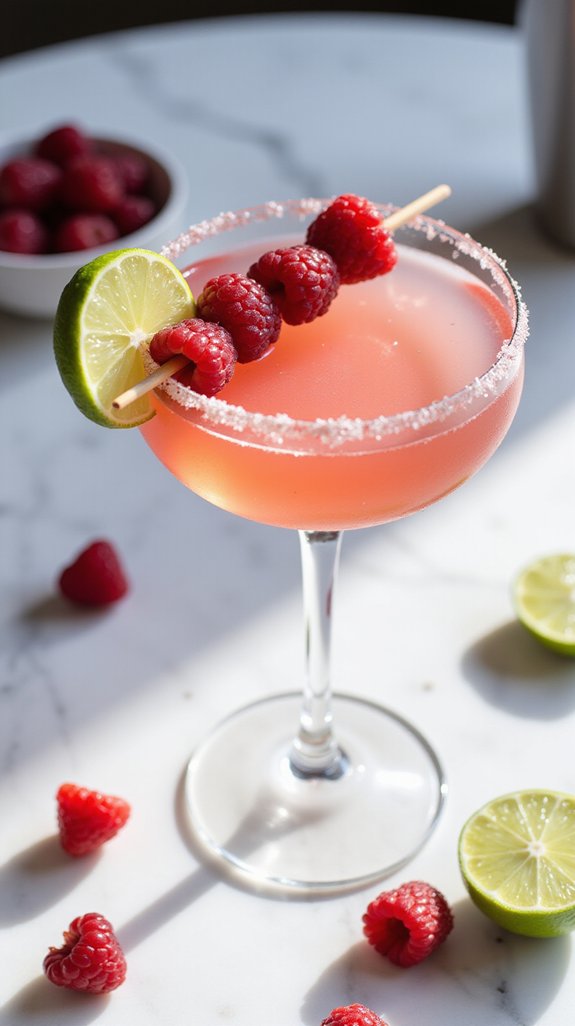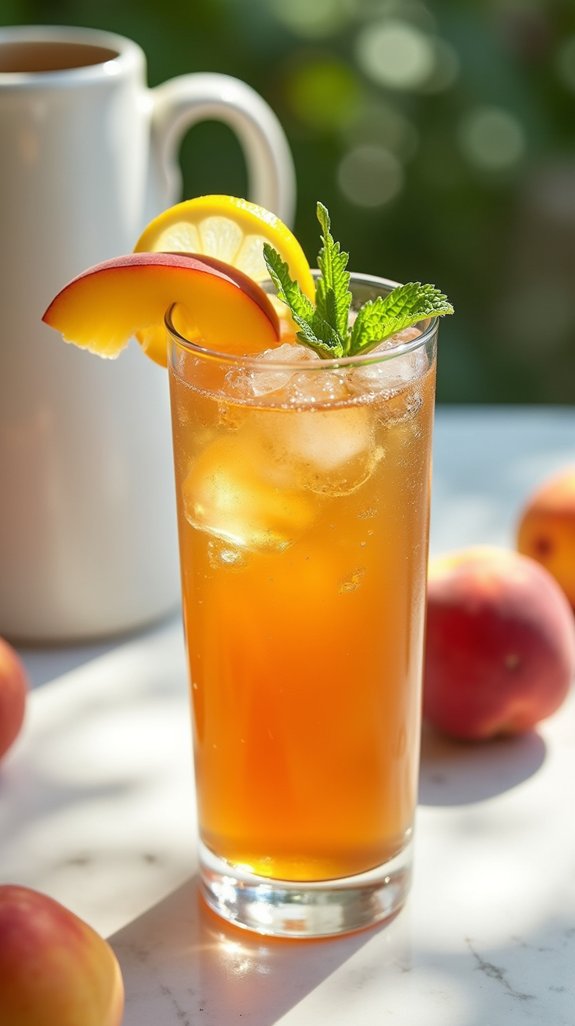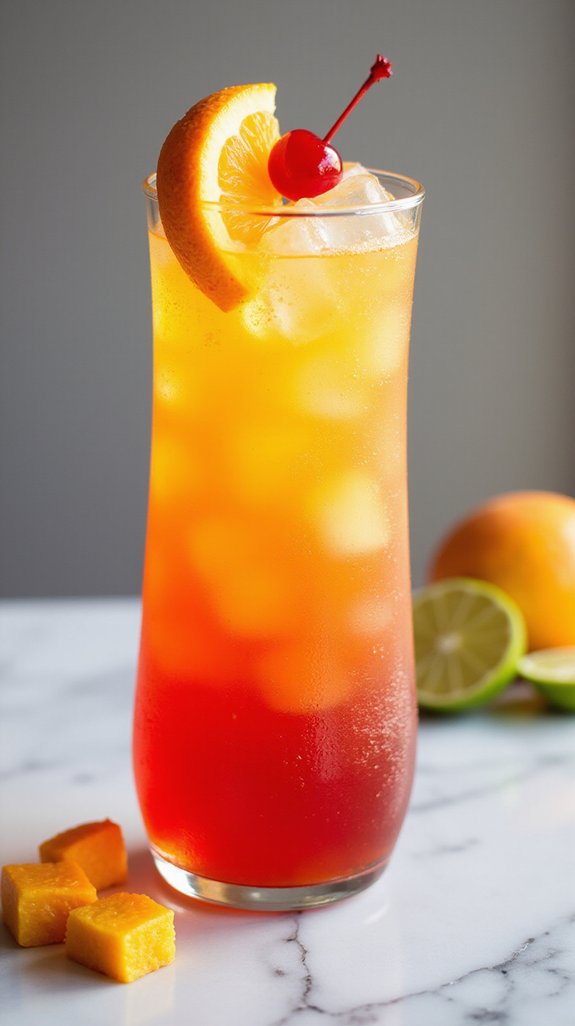

Picture yourself behind the bar at your friend’s place, ice clinking in the shaker while everyone watches with anticipation. You don’t need years of bartending school to mix drinks that’ll impress your crew. I’ve put together thirteen cocktails that’ll take you from nervous newcomer to confident host, starting with classics you’ve probably tasted but never thought you could make yourself.
Classic Margarita

The Classic Margarita is perhaps the most beloved tequila cocktail in the world, combining the perfect balance of tart lime juice, smooth tequila, and sweet orange liqueur. This invigorating drink originated in Mexico and has become a staple at bars, restaurants, and home gatherings everywhere.
Whether served on the rocks or blended with ice, the margarita’s crisp and tangy flavor profile makes it an ideal choice for warm weather entertaining or anytime you crave a zesty, citrus-forward cocktail.
Making a margarita from scratch is surprisingly simple and requires only a handful of ingredients that you can easily find at any liquor store or supermarket. The key to a truly exceptional margarita lies in using fresh lime juice rather than bottled, quality tequila, and finding the right proportions to suit your taste preferences.
Once you master this classic recipe, you’ll have a versatile foundation that you can customize with different flavors, fruits, and rim salts.
Ingredients
- 2 oz blanco or reposado tequila
- 1 oz fresh lime juice
- 1 oz orange liqueur (such as Cointreau or Triple Sec)
- ½ oz simple syrup (optional, for a sweeter margarita)
- Coarse salt for rimming
- Ice cubes
- Lime wheel for garnish
Shop Related Products

【6-Piece Cocktail Shaker Set】6 piece cocktail shaker set include all your necessary bartendering kits with 24oz shaker, strainer, muddler, jigger, spoon, pour spouts and a recipe book. You can achive to make most special drinks or cocktail with this set.

Add Master Mixologist to Your Resume: Curated by KITESSENSU with the cocktail enthusiast in mind, this 3-piece cocktail shaker set has everything mixology kit you need to make cocktails, whether you’re a bartender looking for quality drink mixer set, or a home mixologist to get started creating and serving drinks from your own entertainment space
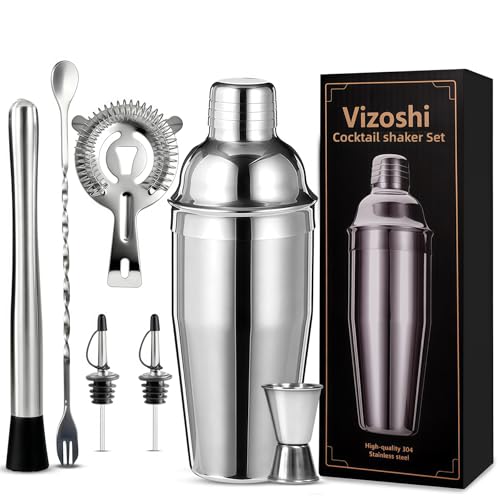
【All-in-One Professional Bartender Kit - Unleash Your Inner Mixologist】Elevate your home bar with this complete 7-piece cocktail shaker set, the ultimate bartender kit for enthusiasts and beginners alike. Whether you're crafting cocktails, martinis, or mocktails, this bar set includes every bar tool: a premium Martini shaker, precise jigger, strainer, mixer spoon, versatile muddler, and two efficient liquor pourers. It's the mixology kit and bar essentials for home that contains all the bartending supplies you need to create bar-quality drinks.
Instructions
Begin by preparing your glass: run a lime wedge around the rim of a rocks glass, then dip the rim into a plate of coarse salt to coat it evenly. Fill the glass with ice and set aside.
In a cocktail shaker, combine the tequila, fresh lime juice, orange liqueur, and simple syrup if using. Fill the shaker with ice, seal it tightly, and shake vigorously for 15-20 seconds until the outside of the shaker becomes frosty and cold.
Strain the mixture into your prepared glass over fresh ice, garnish with a lime wheel, and serve immediately.
Tips
For the best flavor, always use freshly squeezed lime juice rather than bottled juice, as the fresh citrus makes a dramatic difference in taste.
If you prefer your margarita less sweet, omit the simple syrup and let the natural flavors of the tequila and orange liqueur shine through.
You can adjust the salt rim to your preference by salting only half the rim, giving you the option to sip with or without salt.
When selecting tequila, choose 100% agave tequila for a smoother, more authentic flavor that will elevate your cocktail from good to exceptional.
Aperol Spritz

The Aperol Spritz is a quintessential Italian aperitivo cocktail that has taken the world by storm with its bright orange hue and invigoratingly bittersweet flavor. Originating in the Veneto region of northeastern Italy, this effervescent drink combines Aperol—a vibrant orange Italian liqueur—with prosecco and a splash of soda water to create a light, bubbly cocktail that’s lower in alcohol than many other mixed drinks.
The Aperol Spritz has become synonymous with leisurely afternoons, outdoor dining, and the Italian tradition of enjoying a pre-dinner drink to stimulate the appetite.
What makes the Aperol Spritz particularly appealing to beginners is its simplicity and forgiving nature. With only three main ingredients and minimal equipment required, you can create this elegant cocktail in minutes without any special bartending skills. The standard ratio is easy to remember, and the drink is difficult to mess up, making it perfect for those just starting their cocktail-making journey.
Its light, citrusy flavor profile with subtle bitter notes appeals to a wide range of palates, and its beautiful presentation in a large wine glass filled with ice makes it as visually appealing as it’s delicious.
Shop Related Products

【Enjoy Your Favorite Drinking】10 oz coupe glasses set of 4. Coupe glasses will impress your home bars and receptions with an elegant and modern design.

CLASSIC WITH A TOUCH OF ELEGANT SOPHISTICATION: Impress your friends with these modern style JoyJolt red wine glasses curve to perfectly fit in your hand, and this stemless wine glass can be conveniently washed in the dishwasher.

HIGH QUALITY: Wine glass set are made of lead-free crystal glass with extreme transparency that allows the color of the whiskey to shine through. The unique production process and high quality raw materials avoid the problem of gray and greenish glass.
Ingredients
- 3 oz prosecco
- 2 oz Aperol
- 1 oz soda water
- Ice cubes
- Orange slice for garnish
- Green olive (optional, for garnish)
Instructions
Fill a large wine glass or rocks glass with ice cubes to chill it properly. Pour the prosecco into the glass first, followed by the Aperol, and then top with a splash of soda water.
Give the drink a gentle stir with a bar spoon or regular spoon to combine the ingredients without losing too much carbonation. Garnish with a slice of fresh orange, and if you want to follow the traditional Venetian style, add a green olive on a cocktail pick. Serve immediately while the drink is cold and bubbly.
Tips
The traditional ratio for an Aperol Spritz is 3-2-1 (prosecco, Aperol, soda water), but feel free to adjust based on your preferences—some people prefer a boozier version with more prosecco or a lighter version with extra soda water.
Use a chilled prosecco to keep your drink cold without diluting it too quickly with ice. Don’t shake this cocktail, as you want to preserve the bubbles from the prosecco and soda water; a gentle stir is all that’s needed.
For the most authentic experience, use a good quality prosecco rather than other sparkling wines, as the subtle sweetness and delicate bubbles of prosecco complement the bitter orange notes of Aperol perfectly.
Mojito

The Mojito is a classic Cuban cocktail that has become one of the most beloved and widely recognized drinks around the world. This invigorating combination of white rum, fresh mint, lime juice, sugar, and soda water delivers a perfect balance of sweetness, citrus brightness, and herbaceous coolness that makes it especially popular during warm weather.
Legend has it that the Mojito’s origins trace back to 16th-century Havana, though the modern version became famous in Cuban bars during the early 20th century, with Ernest Hemingway being among its most notable enthusiasts. The drink’s name likely comes to the African word “mojo,” meaning to cast a spell, which is fitting given how addictive this minty, lime-forward cocktail can be.
For beginners, the Mojito offers an excellent introduction to the art of muddling—a fundamental bartending technique that involves gently pressing ingredients to release their essential oils and flavors. While it requires a few more steps than some simpler cocktails, the Mojito is still approachable and the process is straightforward once you understand the basic method.
The visual appeal of fresh mint leaves suspended in a tall glass of sparkling, pale green liquid makes this cocktail a showstopper at any gathering, and the customizable sweetness level means you can adjust it to suit any palate. Best of all, the ingredients are readily available at any grocery store, making it easy to master this crowd-pleasing classic at home.
Ingredients
- 2 oz white rum
- 1 oz fresh lime juice (about 1 lime)
- 2 teaspoons sugar (or 3/4 oz simple syrup)
- 8-10 fresh mint leaves, plus a sprig for garnish
- 2 oz soda water
- Ice cubes
- Lime wheel for garnish
Instructions
Place the mint leaves and sugar in the bottom of a highball glass or Collins glass, then add the fresh lime juice. Use a muddler or the back of a wooden spoon to gently press and twist the mint leaves against the sugar and lime juice for about 10-15 seconds—you want to bruise the leaves to release their oils, not pulverize them into small pieces.
Fill the glass about three-quarters full with ice cubes, pour in the white rum, and stir well for about 10 seconds to dissolve the sugar and chill the mixture. Top with soda water, give it one more gentle stir, and garnish with a fresh mint sprig and a lime wheel. Insert a straw and serve immediately.
Tips
The key to a great Mojito is gentle muddling—pressing too hard will release bitter compounds from the mint leaves and create an unpleasant flavor, so use a light touch and focus on bruising rather than shredding the leaves.
If you don’t have a muddler, a wooden spoon works perfectly well for this purpose. Using simple syrup instead of granulated sugar makes the drink easier to mix and guarantees the sweetness is evenly distributed, though traditional recipes call for white sugar.
For the best flavor, always use fresh lime juice rather than bottled, and don’t skip the soda water, as it adds essential lightness and effervescence that balances the rum and sweetness. Some bartenders prefer to add the soda water first before the ice to help dissolve the sugar more effectively, while others strain out the muddled mint before serving for a cleaner presentation—experiment to find your preferred method.
Old Fashioned

The Old Fashioned is widely considered the original cocktail, a timeless classic that dates back to the early 19th century and represents the very definition of what a cocktail should be. This spirit-forward drink combines whiskey (traditionally bourbon or rye), sugar, bitters, and a twist of citrus peel to create a sophisticated, balanced sipper that showcases the quality of the base spirit rather than masking it.
Born in Louisville, Kentucky, at the Pendennis Club in the 1880s, the Old Fashioned was created as a response to bartenders who were over-complicating drinks with too many ingredients—it was a return to the “old-fashioned” way of making cocktails with just a few essential components. The drink experienced a major resurgence in the 21st century, becoming a staple at craft cocktail bars and a symbol of refined drinking culture.
For beginners, the Old Fashioned is an excellent choice because it teaches fundamental cocktail-making principles while requiring minimal ingredients and equipment. Unlike shaken cocktails, this is a stirred drink that emphasizes precision, patience, and the quality of each component.
The simple preparation—building the drink directly in the glass—makes it accessible for home bartenders, while the ritual of muddling sugar with bitters and carefully stirring with ice creates a meditative, rewarding experience. Mastering the Old Fashioned will give you confidence with spirit-forward cocktails and help you understand how small adjustments in sweetness, dilution, and garnish can greatly impact the final drink. Once you’ve perfected this classic, you’ll have a sophisticated cocktail in your repertoire that never goes out of style.
Ingredients
- 2 oz bourbon or rye whiskey
- 1 sugar cube (or 1/2 oz simple syrup)
- 2-3 dashes Angostura bitters
- Orange peel
- 1 large ice cube or several regular ice cubes
- Luxardo cherry for garnish (optional)
Instructions
Place the sugar cube in an Old Fashioned glass (also called a rocks glass), add the bitters directly onto the sugar, and add a splash of water or soda water. Use a muddler or bar spoon to crush and dissolve the sugar completely, creating a paste at the bottom of the glass.
Add the whiskey and one large ice cube (or fill the glass with regular ice cubes), then stir gently for about 30 seconds to properly chill and dilute the drink—this stirring is vital for achieving the right balance and smooth mouthfeel.
Express the oils from an orange peel over the drink by holding it over the glass and giving it a firm twist, then run the peel around the rim of the glass before either dropping it into the drink or draping it over the edge as a garnish. Add a Luxardo cherry if desired, and serve immediately.
Tips
The type of whiskey you choose will greatly impact your Old Fashioned—bourbon creates a sweeter, smoother drink with notes of vanilla and caramel, while rye whiskey produces a spicier, drier cocktail with more bite and complexity.
Using a large, single ice cube is preferable to smaller cubes because it melts more slowly, preventing over-dilution while still providing the necessary chill and slight dilution that opens up the whiskey’s flavors.
Don’t skip the step of expressing the orange peel oils over the drink—this releases aromatic citrus oils that add a vital layer of complexity and fragrance to the finished cocktail.
Some bartenders prefer to use simple syrup instead of a sugar cube because it dissolves more easily and guarantees consistent sweetness, but the traditional sugar cube method adds to the ritual and allows you to control the sweetness more precisely by adjusting how thoroughly you dissolve the sugar.
Moscow Mule

The Moscow Mule is a revitalizing, effervescent cocktail that burst onto the American cocktail scene in the 1940s and became famous for being served in its distinctive copper mug. This spirited drink combines vodka, spicy ginger beer, and fresh lime juice to create a bright, zingy beverage that’s equally perfect for warm summer evenings and cozy winter gatherings.
The cocktail was born out of marketing genius when a vodka distributor, a ginger beer producer, and a copper mug manufacturer joined forces to promote their struggling products—the result was a cocktail phenomenon that helped establish vodka as a staple spirit in American bars. The copper mug isn’t just for show; the metal’s thermal conductivity keeps the drink icy cold and adds a subtle metallic note that complements the ginger’s spiciness.
For beginners, the Moscow Mule is an ideal starting point because it’s remarkably forgiving and requires no special bartending techniques—no shaking, stirring, or muddling needed. The drink’s simple build-in-the-glass construction makes it accessible to anyone, while the combination of sharp lime, fiery ginger, and smooth vodka creates a complex flavor profile that impresses guests.
The Moscow Mule also introduces home bartenders to the importance of quality mixers, as the ginger beer is just as essential as the vodka in determining the final taste. This cocktail teaches you that great drinks don’t always require elaborate preparation, and that fresh ingredients can elevate even the simplest recipes into something memorable.
Ingredients
- 2 oz vodka
- 4 oz ginger beer
- 1/2 oz fresh lime juice (about half a lime)
- Ice cubes
- Lime wheel or wedge for garnish
- Fresh mint sprig for garnish (optional)
- Copper mug or highball glass
Instructions
Fill a copper mug or highball glass with ice cubes, then pour in the vodka and freshly squeezed lime juice. Top with ginger beer, pouring slowly to preserve the carbonation, and give the drink a gentle stir with a bar spoon—just one or two quick motions to combine the ingredients without losing too much fizz.
Garnish with a lime wheel placed on the rim of the mug and a sprig of fresh mint if desired, gently slapping the mint between your hands before adding it to release its aromatic oils.
Tips
The quality of your ginger beer makes or breaks this cocktail, so seek out brands with real ginger that provide authentic spiciness rather than artificial sweetness—popular options include Fever-Tree, Gosling’s, or Barritt’s.
Always use fresh lime juice rather than bottled, as the bright acidity is essential to balancing the sweetness of the ginger beer and cutting through the vodka’s smoothness. While copper mugs are traditional and do enhance the drinking experience through temperature retention and aesthetic appeal, the cocktail tastes just as good in a regular glass if you don’t have the classic mug.
For extra complexity, consider upgrading to a flavored vodka like vanilla or adding a few dashes of Angostura bitters, and remember that the drink should be consumed soon after preparation to enjoy the ginger beer at its fizziest.
Gin and Tonic

The Gin and Tonic is perhaps the most elegant simplicity in a glass—a two-ingredient classic that has remained beloved since British officers in 19th-century India mixed gin with their medicinal tonic water to make the quinine more palatable.
What began as an antimalarial remedy evolved into one of the world’s most invigorating and sophisticated cocktails, a drink that showcases the botanical complexity of gin while the bitter-sweet tonic water provides an effervescent counterpoint.
The beauty of the G&T lies in its infinite variations; different gin styles ranging from London Dry to contemporary botanical expressions can dramatically transform the drink’s character, while the recent explosion of premium tonic waters has elevated this humble highball into a craft cocktail worthy of serious attention.
A properly made Gin and Tonic should be crisp, balanced, and aromatic, with the juniper and botanicals of the gin dancing harmoniously with the quinine bitterness of the tonic.
For beginners, the Gin and Tonic is deceptively instructive despite its apparent simplicity.
This cocktail teaches the fundamental lesson that quality ingredients matter immensely—since there are only two components plus garnish, there’s nowhere for inferior spirits or mixers to hide.
The G&T also introduces new bartenders to the concept of ratios and how adjusting the proportion of gin to tonic can create a drink that suits personal preferences, from a light and bubbly refresher to a more spirit-forward botanical experience.
The garnish selection, whether classic lime, aromatic herbs, or creative additions like cucumber or pink peppercorns, demonstrates how even simple aromatics can enhance a drinking experience.
This is a cocktail that rewards attention to detail and experimentation.
Ingredients
- 2 oz gin
- 4-5 oz tonic water
- Ice cubes (preferably large cubes or spheres)
- Lime wedge or wheel for garnish
- Highball or copa de balón glass
Instructions
Fill your glass with ice, using large cubes if possible to minimize dilution, then pour the gin over the ice.
Add the tonic water slowly, pouring it down the side of the glass to preserve carbonation and prevent excessive fizzing.
Give the drink one gentle stir with a bar spoon to integrate the gin and tonic without agitating the bubbles too much.
Squeeze a lime wedge over the drink to release its oils, then drop it into the glass or place a lime wheel on the rim as garnish.
Tips
The ratio of gin to tonic is highly personal, but a 1:2 or 1:2.5 ratio creates a balanced drink where both components shine—adjust according to your taste preferences.
Chilling your glass beforehand and using very cold tonic water straight from the refrigerator ensures the drink stays icy without becoming watery as the ice melts.
Experiment with different garnishes beyond lime: try a sprig of rosemary, basil, or thyme with floral gins, cucumber slices with cucumber-forward gins, or a twist of grapefruit peel with citrus-heavy varieties.
Always add tonic water last and avoid stirring vigorously, as you want to maintain as much carbonation as possible for that essential effervescent quality that makes the G&T so invigorating.
Whiskey Sour

The Whiskey Sour stands as one of the essential classics of American cocktail culture, a perfect marriage of spirit, citrus, and sweetness that has graced bar menus since the 1860s. This cocktail belongs to the venerable sour family—drinks that balance a base spirit with fresh citrus juice and sugar—and showcases how three simple ingredients can create something far greater than the sum of their parts.
The whiskey provides a robust, warming foundation with notes of oak, caramel, and spice, while fresh lemon juice adds bright acidity that cuts through the spirit’s richness, and simple syrup rounds out the edges with just enough sweetness to achieve harmony. The optional addition of egg white, which became traditional in many recipes, transforms the texture entirely, creating a silky, frothy crown that elevates this drink from simple to sublime.
Whether served up in a coupe glass or over ice in a rocks glass, the Whiskey Sour delivers a sophisticated drinking experience that honors its working-class origins while demonstrating genuine bartending craft.
For beginners, the Whiskey Sour is an ideal educational cocktail that teaches several fundamental techniques and principles simultaneously. This drink introduces the concept of balancing sweet and sour elements—a cornerstone of mixology that applies to countless other cocktails—while demonstrating the transformative power of fresh ingredients versus bottled alternatives.
Making a Whiskey Sour properly requires learning the shake, one of the most important bartending techniques, and if you choose to include egg white, you’ll master the dry shake method that creates that luxurious foam cap. The cocktail is forgiving enough for experimentation with different whiskey styles, from bourbon‘s sweeter vanilla notes to rye‘s spicier character, teaching your palate how the base spirit influences the final result.
It’s a drink that looks impressive, tastes balanced, and builds confidence in foundational techniques.
Ingredients
- 2 oz bourbon or rye whiskey
- 3/4 oz fresh lemon juice
- 1/2 oz simple syrup
- 1/2 oz egg white (optional)
- Ice cubes
- Angostura bitters (for garnish)
- Lemon wheel or cherry (for garnish)
- Coupe glass or rocks glass
Instructions
Add the whiskey, fresh lemon juice, simple syrup, and egg white (if using) to a cocktail shaker without ice and perform a dry shake for about 15 seconds to emulsify the egg white and create foam.
Add ice to the shaker and shake vigorously for another 10-15 seconds until the shaker becomes frosty and well-chilled.
Double strain the cocktail through both the shaker’s built-in strainer and a fine-mesh strainer into a chilled coupe glass to catch any ice chips or egg white fragments.
If you’ve used egg white, the drink will develop a beautiful foam cap on top; garnish this with 3-4 drops of Angostura bitters and draw a cocktail pick through them to create a decorative pattern, then add a lemon wheel on the rim or a brandied cherry.
Tips
Always use freshly squeezed lemon juice rather than bottled, as the difference is dramatic and immediately noticeable in such a citrus-forward cocktail.
If you’re hesitant about raw egg white, you can omit it entirely for a traditional sour, use pasteurized egg whites from a carton, or substitute with aquafaba (chickpea liquid) for a vegan alternative that still creates foam.
The ratio of lemon to simple syrup can be adjusted to taste—start with the classic 3:2 ratio and modify based on your preference for tartness versus sweetness.
When shaking with egg white, shake harder and longer than you think necessary; a proper Whiskey Sour should be cold, well-diluted, and if using egg, have a dense, meringue-like foam that sits proudly on top of the drink rather than quickly dissolving.
Paloma

The Paloma stands as Mexico’s most beloved tequila cocktail, even surpassing the internationally famous Margarita in domestic popularity. This invigorating highball combines tequila with grapefruit soda, creating a drink that perfectly captures the bright, citrusy, slightly bitter flavors that define Mexican drinking culture.
Unlike many cocktails that originated in fancy hotel bars, the Paloma emerged from the cantinas and street corners of Mexico, where its simple combination of readily available ingredients made it accessible to everyone. The drink’s name, meaning “dove” in Spanish, evokes its light, invigorating character—a quality that makes it ideal for warm weather and casual gatherings.
Traditional versions use grapefruit-flavored soda like Jarritos or Squirt, though many contemporary bartenders prefer fresh grapefruit juice topped with club soda for a less sweet, more sophisticated interpretation. The addition of lime juice and a salt rim provides the perfect counterpoint to the grapefruit’s natural bitterness, while the tequila’s agave notes tie everything together with earthy, peppery undertones.
For beginners, the Paloma represents cocktail-making at its most approachable, requiring minimal equipment and technique while delivering maximum flavor and satisfaction. This is a true “build” cocktail, meaning you construct it directly in the serving glass rather than shaking or stirring in a separate vessel, eliminating the need for a cocktail shaker entirely.
The drink teaches the important principle of layering flavors and understanding how carbonation interacts with other ingredients—you’ll learn why adding the fizzy element last preserves its effervescence. It’s infinitely customizable based on what’s available to you, whether that’s bottled grapefruit soda for convenience or fresh-squeezed juice for a more artisanal approach.
The Paloma also introduces you to the Highland versus Lowland tequila question, as the choice between blanco, reposado, or añejo tequila will noticeably affect the drink’s character, helping you develop your understanding of how aged spirits contribute different flavor profiles.
Ingredients
- 2 oz blanco or reposado tequila
- 1/2 oz fresh lime juice
- 4 oz grapefruit soda (Jarritos, Squirt, or similar) OR 2 oz fresh grapefruit juice plus 2 oz club soda
- Pinch of salt
- Coarse salt for rimming
- Ice cubes
- Lime wheel or grapefruit wedge (for garnish)
- Highball or Collins glass
Instructions
Prepare your highball glass by running a lime wedge around half the rim and dipping it in coarse salt to create a salt rim on one side (allowing guests to choose whether to sip through the salt). Fill the glass with ice cubes, then pour in the tequila and fresh lime juice.
If using fresh grapefruit juice, add it now, then top with club soda; if using grapefruit soda, simply pour it over the tequila and lime mixture. Add a pinch of salt directly into the drink to enhance the grapefruit’s flavor and balance any sweetness.
Give the drink a gentle stir with a bar spoon or straw—just two or three rotations to combine the ingredients without destroying the carbonation. Garnish with a lime wheel or grapefruit wedge placed on the rim or floated in the drink.
Tips
The key to an exceptional Paloma lies in the quality and freshness of your grapefruit element—if using soda, seek out Mexican brands made with real sugar rather than high-fructose corn syrup, as they provide cleaner, brighter citrus flavor without cloying sweetness.
When making the fresh juice version, consider the grapefruit variety you choose: pink or ruby red grapefruits offer sweeter, less bitter juice, while white grapefruits provide more pronounced bitterness that some prefer.
Always add carbonated components last and avoid vigorous stirring, as you want to preserve the drink’s effervescence. The salt rim should never encircle the entire glass—a half rim gives drinkers the choice of how much salt they want with each sip.
For added complexity, try a few dashes of grapefruit bitters or muddle a slice of fresh jalapeño in the glass before building the drink for a spicy variation that’s become increasingly popular in craft cocktail bars.
Negroni

The Negroni stands as one of the most iconic and divisive cocktails in the modern bar canon—a drink that inspires fierce devotion in those who love it and bewildered grimaces from those who don’t. Born in Florence, Italy, in 1919 when Count Camillo Negroni asked bartender Fosco Scarselli to strengthen his favorite Americano cocktail by replacing the soda water with gin, this ruby-red aperitivo has become the standard-bearer for bitter cocktails worldwide.
The Negroni’s equal-parts formula of gin, Campari, and sweet vermouth creates a perfectly balanced trifecta of botanical complexity, aggressive bitterness, and sweet herbal depth that challenges the palate while remaining infinitely drinkable. Its bold, unapologetic bitterness serves as an initiation rite into the world of amaro-based drinks, training your taste buds to appreciate flavors beyond simple sweetness.
The drink’s striking crimson color and jewel-like clarity when properly stirred make it as visually stunning as it’s flavorful, embodying the Italian concept of “la bella figura”—making a beautiful impression.
For beginners, the Negroni represents a vital milestone in cocktail education, teaching the fundamental technique of stirring rather than shaking, and demonstrating how three strong ingredients can achieve harmony through precise proportions. This is a stirred cocktail, meaning you’ll build it in a mixing glass with ice, stir gently to chill and dilute, then strain into your serving glass—a technique that produces the drink’s characteristic silky texture and crystal-clear appearance without the cloudiness that shaking would create.
The equal-parts recipe (1:1:1 ratio) makes it mathematically simple while allowing endless opportunities for customization as you develop preferences for different gin styles, vermouth brands, or even Campari alternatives. The Negroni demands quality ingredients since there’s nowhere for inferior spirits to hide, making it an excellent teacher about how ingredient selection dramatically impacts the final product.
It also introduces the concept of dilution as a feature rather than a flaw, as proper stirring with ice doesn’t weaken the drink but rather opens up flavors and softens the alcohol’s harsh edges.
Ingredients
- 1 oz London Dry gin
- 1 oz Campari
- 1 oz sweet vermouth (preferably Italian, such as Carpano Antica or Cocchi di Torino)
- Ice cubes (for stirring and serving)
- Orange peel (for garnish)
- Rocks glass (Old Fashioned glass)
- Mixing glass and bar spoon (or a second glass and regular spoon)
Instructions
Fill your mixing glass about two-thirds full with ice cubes, then add the gin, Campari, and sweet vermouth in equal measures. Using a bar spoon (or regular spoon if you don’t have one), stir the mixture gently for 20-30 seconds in a smooth, circular motion—you’re aiming to chill and dilute the drink without creating air bubbles or cloudiness.
Fill your rocks glass with fresh ice (one large cube is traditional, but several smaller cubes work fine), then strain the stirred mixture over the ice. Express the oils from an orange peel over the drink by holding it over the glass, colored side down, and giving it a firm twist to release the aromatic oils, then either drop the peel into the drink or run it around the rim before adding it as garnish.
Tips
The Negroni’s bitterness can be shocking if you’re new to Campari, so don’t be discouraged if your first sip seems overwhelming—take small sips and let your palate adjust, as the drink often tastes markedly better by the third or fourth sip once your taste buds acclimate.
If the bitterness proves too intense, try starting with a modified ratio like 1.5 oz gin, 0.75 oz Campari, and 0.75 oz vermouth to ease yourself in, gradually working toward the classic equal-parts formula.
Always store your vermouth in the refrigerator after opening and use it within a month or two, as it’s a fortified wine that oxidizes and loses its vibrant flavors much faster than spirits—old, flat vermouth will ruin an otherwise perfect Negroni.
The choice of gin matters considerably: a bold, juniper-forward London Dry style like Beefeater or Tanqueray stands up well to Campari’s intensity, while softer, more citrus-forward gins can get lost in the mix, though experimenting with different gins is part of the Negroni’s endless appeal.
Daiquiri

The Daiquiri represents the pinnacle of simplicity in cocktail craft—a three-ingredient masterpiece that has suffered decades of indignity through association with artificially-flavored frozen slushies served in oversized novelty glasses. The true Daiquiri, however, is a sophisticated, balanced, and invigorating cocktail that originated in Cuba around 1898, named after a beach near Santiago where American mining engineer Jennings Cox first created the drink.
This classic formula of white rum, fresh lime juice, and simple syrup creates a perfect equilibrium between spirit strength, citrus brightness, and subtle sweetness that showcases the essential architecture of the sour cocktail family. The Daiquiri is deceptively simple—its minimal ingredient list means there’s absolutely nowhere to hide mistakes, making it one of the most challenging drinks to execute perfectly despite its straightforward appearance.
When properly made with quality ingredients and precise measurements, the Daiquiri delivers a crystalline, lip-smacking refreshment that captures the essence of Cuban sunshine while demonstrating that the best cocktails often require nothing more than restraint, balance, and technique.
For beginners, the Daiquiri serves as perhaps the most important foundational cocktail in your education, teaching the vital skill of balancing sour and sweet while introducing the concept of the shaken cocktail and the importance of fresh citrus juice. This is a shaken drink, requiring vigorous agitation with ice to properly chill, dilute, and aerate the ingredients into a silky, integrated whole with a light froth on top.
The Daiquiri demonstrates why fresh-squeezed lime juice is non-negotiable—no bottled juice can replicate the bright, complex acidity and aromatic oils that fresh limes provide, and this drink’s stark simplicity makes that difference glaringly obvious. It also teaches you to trust your palate and adjust ratios to account for variables like lime acidity (which changes with the fruit’s ripeness) and personal preference, making it an excellent vehicle for developing your tasting skills.
The classic 2:1:1 ratio (rum to lime to simple syrup) provides a reliable starting point, but understanding that you might need to tweak these proportions based on your specific ingredients transforms you from a recipe-follower into a thoughtful bartender.
Ingredients
- 2 oz white rum (preferably Cuban-style, such as Havana Club 3 Year or Flor de Caña 4 Year)
- 1 oz fresh lime juice (from approximately 1-2 limes)
- 3/4 oz simple syrup (1:1 ratio of sugar to water)
- Ice cubes (for shaking)
- Lime wheel (for garnish, optional)
- Coupe glass or chilled cocktail glass
Instructions
Add the white rum, fresh lime juice, and simple syrup to a cocktail shaker filled with ice cubes—use generous ice, filling the shaker about two-thirds full to guarantee proper chilling and dilution.
Seal the shaker tightly and shake vigorously for 10-15 seconds until the exterior of the shaker becomes frosty cold and you can feel the ice breaking down inside; this aggressive shaking is essential for achieving the proper temperature, dilution, and texture.
Double-strain the mixture through a fine-mesh strainer into your chilled coupe glass to catch any ice shards or lime pulp, creating a smooth, clear cocktail. Garnish with a lime wheel if desired, though purists often serve it naked to showcase the drink’s elegant simplicity.
Tips
The quality of your lime juice will make or break this cocktail—always juice limes immediately before making the drink, as citrus juice begins losing its vibrant character within minutes of being squeezed, and the aromatic oils in the peel contribute essential complexity when the fruit is freshly cut.
If your Daiquiri tastes too tart, add simple syrup in small increments (quarter-ounce at a time) rather than making a whole new drink; if it’s too sweet, add lime juice similarly, teaching yourself to adjust cocktails on the fly.
Room temperature rum shakes and chills more effectively than cold rum straight from the freezer, which can prevent proper dilution and leave the drink unbalanced. Consider making batches of simple syrup in advance and storing it refrigerated for up to a month, guaranteeing you always have this vital ingredient ready when the cocktail urge strikes.
Finally, resist any temptation to use flavored rums, pre-made mixes, or frozen preparations—the classic Daiquiri’s beauty lies in its purity, and mastering this version will give you a template for understanding balance that applies to countless other cocktails.
Dark and Stormy

The Dark and Stormy stands as one of the most fiercely protected cocktails in the world—Bermuda’s national drink is actually a trademarked name owned by Gosling’s Rum, who maintains legal rights to both the cocktail’s title and its specific preparation method. This proprietary status means that, technically speaking, a true Dark and Stormy must be made with Gosling’s Black Seal rum and Barritt’s ginger beer, though the broader cocktail community recognizes the formula of dark rum and ginger beer as a timeless combination regardless of brand.
Born in Bermuda shortly after World War I when the British Royal Naval Officer’s Club began mixing the island’s indigenous dark rum with ginger beer, the drink takes its evocative name from its appearance—the dark rum floating atop the ginger beer supposedly resembles storm clouds gathering over turbulent seas. This simple highball delivers bold flavors through the interplay of rich, funky molasses notes from the dark rum and the spicy, effervescent bite of quality ginger beer, with a squeeze of fresh lime adding brightness that cuts through the sweetness and ties the elements together into a revitalizing, complexity-laden sipper.
For beginners, the Dark and Stormy represents an ideal entry point into the world of highballs—drinks built directly in the glass with minimal fuss—while simultaneously teaching the importance of ingredient quality in simple preparations. Unlike shaken cocktails that require technique and precision, this drink demands only that you understand how to build layers and appreciate how the choice of ginger beer dramatically affects the final product, with options ranging from aggressively spicy to mildly sweet creating vastly different drinking experiences.
The Dark and Stormy also introduces the concept of float construction, where the rum is gently poured over the back of a bar spoon to create a visual layering effect that gradually mingles as you drink, offering an evolving flavor experience from first sip to last. This is a forgiving cocktail that’s nearly impossible to ruin, making it perfect for building confidence, yet it still rewards attention to detail—fresh lime juice versus bottled, the quality and ginger intensity of your beer, and even the type of ice you use all contribute to whether you end up with a memorable drink or a merely adequate one.
Ingredients
- 2 oz dark rum (traditionally Gosling’s Black Seal)
- 4-5 oz ginger beer (preferably Barritt’s or another high-quality brand)
- ½ oz fresh lime juice
- Lime wedge for garnish
- Ice cubes
Fill a highball or Collins glass with ice cubes, then add the fresh lime juice to the glass. Pour the ginger beer over the ice, filling the glass to near the top while leaving room for the rum. Hold a bar spoon upside down just above the surface of the ginger beer, then slowly pour the dark rum over the back of the spoon so it gently floats on top of the lighter ginger beer, creating the characteristic stormy appearance with dark rum sitting above the golden ginger beer.
Give the drink a very gentle stir if you prefer the flavors integrated from the start, or leave it layered and allow the gradual mingling to occur naturally as you drink. Garnish with a lime wedge on the rim of the glass.
The quality of your ginger beer will make or break this drink, so invest in a brand with real ginger bite rather than sweet, artificial alternatives—look for ginger beers that list ginger high in the ingredient list and have a noticeable spicy kick when tasted alone. Some bartenders prefer to add the lime juice directly before drinking rather than building it into the cocktail, allowing guests to control the citrus level themselves, which can be a thoughtful approach when serving others with varying preferences.
If you can’t source Gosling’s Black Seal and want to experiment with other dark rums, choose funkier, molasses-forward Jamaican or Demerara-style rums that can stand up to the assertive ginger beer rather than lighter, more refined aged rums that will disappear beneath the spice. The float technique is traditional and creates visual appeal, but don’t worry if your layers mix immediately—the drink tastes excellent either way, and perfect layering takes practice with understanding the specific gravity of your particular rum and ginger beer combination.
Tom Collins

The Tom Collins holds a distinguished position in cocktail history as one of the foundational gin sours that helped establish the template for an entire category of spirit-lengthened drinks. Dating back to the 1870s—though its exact origins remain disputed between London and New York—this invigorating combination of gin, lemon juice, sugar, and soda water represents the perfect marriage of citrus brightness, botanical complexity, and sparkling effervescence.
Named either after a popular hoax known as “The Great Tom Collins Hoax of 1874” or simply after a bartender named John Collins who used Old Tom gin, the drink gained such popularity during the late 19th and early 20th centuries that it spawned an entire family of Collins variations using different base spirits. The Tom Collins became so ubiquitous that it even inspired the creation of its namesake glassware—the tall, narrow Collins glass designed specifically to showcase the drink’s clarity and carbonation while providing ample room for ice and garnish.
This classic serves as a masterclass in balance, demonstrating how the interplay of sweet, sour, and dilution can create a drink that’s simultaneously sophisticated and supremely invigorating.
For beginners, the Tom Collins offers an excellent introduction to the fundamentals of cocktail construction, particularly the essential skill of balancing citrus and sweetness before adding dilution and carbonation. Unlike simple highballs that merely combine spirit and mixer, this drink requires you to first create a properly balanced sour base—shaking gin, fresh lemon juice, and simple syrup with ice until properly chilled and diluted—before topping with soda water in the serving glass.
This two-stage construction teaches the critical lesson that carbonated ingredients should never be shaken, as agitation destroys the very effervescence that makes them desirable, while also demonstrating how the foundation of a cocktail must be strong enough to withstand additional dilution from ice and mixers. The Tom Collins is forgiving enough for novices to achieve success on their first attempt, yet nuanced enough to reward experimentation with different gins, adjustments to the sweet-tart ratio, and even variations in carbonation levels.
It’s a drink that looks impressive when properly executed—tall, sparkling, and elegantly garnished—making it ideal for building both skills and confidence behind the bar.
Ingredients
- 2 oz London Dry gin
- 1 oz fresh lemon juice
- 0.5 oz simple syrup
- 3-4 oz chilled soda water
- Ice
- Lemon wheel and maraschino cherry for garnish
Instructions
Fill a Collins glass with ice and set aside to chill. In a cocktail shaker, combine the gin, fresh lemon juice, and simple syrup with ice, then shake vigorously for 10-15 seconds until the mixture is well-chilled and properly diluted.
Strain the mixture into your prepared Collins glass filled with fresh ice, then slowly top with chilled soda water, pouring gently down the side of the glass to preserve carbonation. Give the drink a gentle stir with a bar spoon to integrate the ingredients without destroying the fizz, then garnish with a lemon wheel and maraschino cherry secured on a cocktail pick or skewered together.
Tips
The quality of your lemon juice makes or breaks this cocktail—always use freshly squeezed juice rather than bottled, as the bright, natural acidity is essential to the drink’s character and can’t be replicated by preserved alternatives.
Adjust the simple syrup to taste based on your preference and the tartness of your lemons, starting with the recommended half-ounce and adding more if needed, remembering that it’s easier to add sweetness than to remove it.
Use a London Dry gin for the most classic presentation, as its juniper-forward profile provides the backbone the drink needs, though more contemporary botanical gins can create interesting variations once you’ve mastered the basic formula.
Verify your soda water is well-chilled before adding it to prevent excessive dilution and flat carbonation, and always add it last without shaking or stirring too vigorously—the goal is a lively, effervescent drink, not a flat one.
If you find your drink too strong, resist the urge to add more soda water after the initial pour; instead, adjust the proportions in your next attempt, as over-dilution will create a watery, unbalanced cocktail that lacks the crisp definition that makes the Tom Collins so invigorating.
Espresso Martini

For beginners, the Espresso Martini serves as an excellent introduction to several vital cocktail techniques, particularly the art of achieving proper emulsification and creating stable foam through vigorous shaking. Unlike many classic cocktails that require delicate balancing of transparent spirits and citrus, this drink demands a hard, sustained shake—typically 15 to 20 seconds—to properly incorporate the espresso’s oils and create the luxurious crema-like foam that crowns a properly made version.
This recipe teaches the importance of using fresh, quality ingredients, as stale espresso or inferior coffee liqueur will produce a flat, lackluster result that no amount of technique can salvage. The drink also introduces beginners to the concept of texture as a cocktail component, demonstrating how the physical mouthfeel and visual presentation contribute as much to the drinking experience as flavor alone.
The Espresso Martini’s popularity means it’s a crowd-pleaser that will impress guests, while its straightforward construction—simply shaking all ingredients together without complex layering or muddling—makes it achievable for novice bartenders willing to commit to a proper shake.
Ingredients
- 2 oz vodka
- 1 oz fresh espresso (cooled to room temperature)
- 0.5 oz coffee liqueur (Kahlúa or Mr. Black)
- 0.5 oz simple syrup (adjust to taste)
- Ice cubes
- 3 coffee beans for garnish
Instructions
Fill a cocktail shaker with ice cubes and add the vodka, freshly brewed espresso (which should be cooled to at least room temperature to prevent excessive ice melt), coffee liqueur, and simple syrup.
Seal the shaker tightly and shake vigorously for 15 to 20 seconds—longer and harder than you’d for most cocktails—to properly emulsify the coffee oils and create a thick, stable foam on top of the drink. The shaker should feel extremely cold in your hands and may even develop frost on the outside, indicating proper dilution and chilling.
Double-strain the mixture through both the shaker’s built-in strainer and a fine-mesh strainer into a chilled coupe or martini glass to remove any ice shards or coffee grounds that could mar the smooth texture. The properly made drink should have a rich, tan-colored foam layer approximately half an inch thick floating on top of the darker liquid beneath.
Garnish by gently placing three coffee beans on the foam surface in a triangular pattern, representing health, wealth, and happiness according to Italian tradition.
Tips
The quality and temperature of your espresso dramatically impacts the final result—use freshly pulled espresso from an espresso machine rather than strongly brewed coffee for authentic flavor and proper crema formation, and allow it to cool to room temperature before mixing, as hot espresso will melt the ice too quickly and create an over-diluted, watery cocktail.
If you don’t have access to an espresso machine, high-quality cold brew concentrate can serve as an acceptable substitute, though you’ll need to adjust the proportions since cold brew is typically less concentrated than espresso.
The vigorous shake is non-negotiable for this drink; a weak or brief shake will fail to create the signature foam cap that defines a properly made Espresso Martini, leaving you with a flat, visually unimpressive result.
When selecting coffee liqueur, consider that Kahlúa offers a sweeter, more approachable profile while Mr. Black provides a more intense, less sweet coffee flavor—choose based on your preference and adjust the simple syrup accordingly, potentially reducing it to 0.25 oz if using sweeter liqueurs.
For the best presentation, pre-chill your glassware in the freezer for at least 15 minutes before serving, as the cold glass helps maintain the foam structure and prevents premature warming of the cocktail.
Frequently Asked Questions
What Basic Bar Tools Do Beginners Need to Make Cocktails at Home?
You’ll need a cocktail shaker, jigger for measuring, bar spoon, strainer, muddler, and citrus juicer. Don’t forget a sharp paring knife, cutting board, and quality glassware to serve your drinks properly.
How Long Do Opened Bottles of Spirits and Liqueurs Stay Fresh?
Good things don’t last forever—unopened spirits last indefinitely, but once opened, you’ll find most stay fresh for one to two years. Liqueurs with cream spoil faster, so refrigerate them and use within six months.
Can I Substitute Ingredients if I Don’t Have Everything for a Recipe?
Yes, you can substitute ingredients, but stick to similar flavor profiles. Swap vodka for gin, lime for lemon, or simple syrup for honey. However, drastically different substitutions will change your cocktail’s character completely.
What’s the Difference Between Shaking and Stirring a Cocktail?
Think of shaking as a vigorous dance—you’ll shake cocktails with juice or cream to chill, dilute, and aerate them. You’ll stir spirit-forward drinks like martinis to maintain their silky texture without cloudiness.
How Do I Properly Measure Cocktail Ingredients Without a Jigger?
You can use a tablespoon (equals half an ounce) or shot glass (typically 1.5 ounces) to measure ingredients. Alternatively, count to four while free-pouring—that’s roughly one ounce of liquid from a standard bottle.