I’ve been making carnitas for years, and I can tell you there’s nothing quite like the moment you pull apart that first piece of perfectly cooked pork shoulder. The tender meat practically falls apart in your hands, glistening with rendered fat and bursting with citrus and garlic flavor. What makes authentic carnitas truly special, though, isn’t just the ingredients—it’s understanding the traditional technique that transforms simple pork into something extraordinary.
Why You`ll Love these Authentic Mexican Carnitas

These carnitas deliver everything you want in authentic Mexican street food without the fuss of complicated techniques or hard-to-find ingredients.
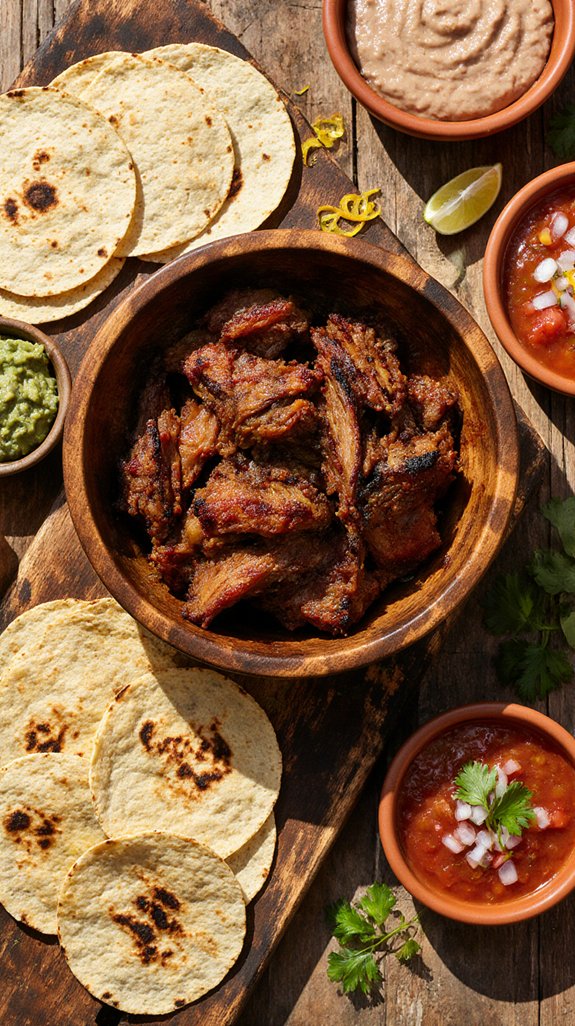
I’m talking about tender pork that’s been slow-cooked until it practically falls apart, then crisped to golden perfection in its own rendered fat. The flavor profiles here are incredible—citrusy orange brightens the rich pork, while garlic adds depth you’ll taste in every bite.
What I love most is how versatile these carnitas are. You can pile them into warm tortillas with your favorite taco toppings like fresh salsa, creamy guacamole, and tangy cilantro.
They’re perfect for weeknight dinners or weekend gatherings, and the recipe scales beautifully whether you’re feeding two people or twenty.
Shop Related Products

Even Heat Distribution Retention: This Umite Chef Dutch oven Made with heavy-duty enameled cast iron, ensures even heat distribution for perfect searing and slow cooking, locking in flavors. thickened walls lock in heat for slow braising, searing, and baking. Unlike thin pots that scorch food, this professional-grade Enameled cast iron potSuperior heat retention after preheating (allow 5-7 mins for even distribution). CRITICAL: Always cool naturally for 45+ mins before cleaning. Thermal shock (hot-to-cold contact) cracks enamel. USE TIP: Preheat 2-3 mins on medium-low only

【Airtight Lid Locks In Freshness & Flavor】Experience the magic of this Dutch oven with lid, precision-engineered to create a tight seal. It locks in moisture and essential nutrients, delivering richer flavor and incredibly tender, juicy results in every dish—from slow-braised meats to hearty soups. Achieve a perfect, crispy crust on your artisan loaves—it's the ultimate Dutch oven for bread baking. The interior self-basting dots continuously redistribute condensation, ensuring your food stays perfectly moist, never dry or mushy

LOW MAINTENANCE: a great alternative to the traditional bare cast iron pot for busy working individuals, our ovenproof casserole dish is coated with enamel for a sleek smooth finish, enjoy quick and easy cleaning with no need of seasoning!
What ingredients are in Authentic Mexican Carnitas?
The foundation of authentic carnitas lies in a carefully selected blend of fresh ingredients that work together to create that signature combination of tender, juicy meat with crispy, caramelized edges.
This recipe keeps things beautifully simple, relying on quality pork and a few key aromatics to develop layers of flavor during the slow-cooking process.
Ingredients:
- 3 lbs boneless pork shoulder or country-style pork ribs
- 6 garlic cloves, halved
- 1 orange (zest cut into wide strips using a vegetable peeler)
- 3/4 cup fresh orange juice
- Sea salt
- 1 tablespoon canola oil or safflower oil
- 12 corn or flour tortillas, warmed
For serving:
- Guacamole
- Salsa fresca
- Refried beans
When selecting your ingredients, pork shoulder is the preferred cut due to its ideal fat-to-meat ratio, which keeps the carnitas moist during cooking and provides enough fat for crisping.
If using an orange that isn’t organic, make sure to scrub the skin thoroughly before zesting to remove any wax or residue.
The choice between corn and flour tortillas comes down to personal preference, though corn tortillas are more traditional.
Keep in mind that the oil may not be necessary if your pork renders enough fat during cooking—you’ll know you need it only if the meat isn’t browning properly in its own fat.
How to make these Authentic Mexican Carnitas

The beauty of carnitas lies in the two-stage cooking method that first tenderizes the meat, then crisps it to perfection. Start by trimming any large pieces of fat from your 3 lbs of pork shoulder or country-style ribs, and place those fatty bits into a wide, heavy saucepan or frying pan—they’ll melt down and contribute to the cooking process.
Cut your pork into strips approximately 1 1/2 inches long and 3/4 inch wide, then add them to the pan along with 6 halved garlic cloves, the orange zest strips, 3/4 cup of fresh orange juice, and 2 teaspoons of sea salt. Try to arrange the meat in a single layer if possible, which helps it cook evenly.
Pour in just enough water to barely cover the meat, bring everything to a boil over medium heat, then reduce to medium-low and partially cover the pan. Let it simmer away, stirring occasionally, until all the liquid has evaporated—this takes about an hour. If your meat isn’t fork-tender yet, add a splash more water and keep cooking.
Once the liquid has disappeared, remove the lid and continue cooking for another 10-15 minutes. This is where the magic happens—the pork fat will render out, and the meat will start browning and crisping in its own melted fat.
Most of the time, the rendered fat is sufficient, but if your meat seems dry, add that 1 tablespoon of canola or safflower oil to help things along. When the carnitas are beautifully browned and crispy on the edges, use a slotted spoon to transfer them to a colander, letting any excess fat drain away.
Move the drained pork immediately to a warmed serving bowl and serve with your 12 warmed tortillas. Let everyone build their own tacos by slathering tortillas with guacamole and salsa fresca, with refried beans (and rice, if you like) on the side.
Shop Related Products

100% PURE COPPER - Copper has many beneficial properties for our health and shared environments. Check out the Oligodynamic Effect if you would like to learn more....
Authentic Mexican Carnitas Substitutions and Variations
While this traditional recipe delivers outstanding results, carnitas is forgiving enough to welcome plenty of substitutions and variations that still honor its authentic roots.
If you can’t find pork shoulder, pork butt works beautifully with the same cooking techniques. I’ve successfully used pork loin when I wanted leaner meat, though it requires careful attention to avoid drying out.
For meat alternatives, some cooks experiment with jackfruit or mushrooms to create plant-based versions, though these won’t replicate the authentic texture.
You can also adjust the citrus profile by adding lime juice alongside the orange, or incorporate bay leaves and Mexican oregano for deeper flavor.
The braising-then-crisping method remains consistent regardless of your chosen variation, ensuring that signature tender-yet-crispy texture.
What to serve with Authentic Mexican Carnitas

Once you’ve mastered making carnitas, the real fun begins with choosing accompaniments that complement the rich, crispy pork without overwhelming it.
I always serve warm tortillas as the foundation, but the topping options really bring everything together. Fresh guacamole adds creamy richness, while salsa fresca provides bright acidity that cuts through the fat. Don’t forget cilantro, diced onions, and a squeeze of lime juice.
For side dishes, refried beans are traditional and satisfying. Mexican rice makes an excellent companion, soaking up all those delicious juices.
I also recommend pickled jalapeños for heat lovers and crumbled queso fresco for extra flavor. Some people enjoy grilled vegetables or a simple cabbage slaw.
These additions transform carnitas from simple meat into a complete, memorable meal.
Final Thoughts
Making authentic Mexican carnitas at home isn’t nearly as complicated as many people think, and I’ve found that once you nail down the basic technique of braising then crisping the pork, you’ll want to make this recipe again and again.
The key cooking tips I’ve shared—like using the right cut of meat and not rushing the browning process—will help you achieve that perfect combination of tender interior and crispy exterior.
For flavor enhancement, don’t skip the orange zest or fresh garlic, as these ingredients create the authentic taste you’re looking for.
Frequently Asked Questions
Can I Make Carnitas in a Slow Cooker or Instant Pot?
I’ve adapted carnitas for both appliances with great success. For slow cooker tips, cook on low 6-8 hours until tender, then crisp under the broiler. Instant pot benefits include faster cooking—just 45 minutes under pressure.
How Long Do Leftover Carnitas Stay Fresh in the Refrigerator?
I’ll store your leftover carnitas in an airtight container in the refrigerator for 3-4 days. Proper leftover storage is essential for flavor preservation, ensuring they taste just as delicious when you reheat them later.
What’s the Difference Between Carnitas and Pulled Pork?
I’ll explain the key distinctions: carnitas uses different cooking techniques, simmering pork in citrus and lard before crisping, while pulled pork gets smoked low and slow. Their flavor profiles also differ—carnitas features bright citrus notes versus pulled pork’s smoky sweetness.
Can I Freeze Cooked Carnitas for Meal Prep?
Yes, I can freeze cooked carnitas for up to three months. For meal prep, I’ll portion them into airtight containers, let them cool completely first, and follow proper freezing tips to maintain quality and flavor.
What Type of Orange Is Best for This Recipe?
I’d use navel or Valencia oranges as the best oranges for carnitas since they’re sweet and juicy. If you’re out, orange substitutes like tangerines or even grapefruit work well in a pinch.