I’ve spent years perfecting my Caesar salad, and I’m convinced the secret isn’t just fresh ingredients—it’s understanding how each component works together. Most home versions fall flat because they skip the essential techniques that create that addictive, creamy-yet-bright flavor profile you’d pay $15 for at your favorite restaurant. Once you master these simple but specific steps, you’ll wonder why you ever settled for bottled dressing.
Why You`ll Love this Restaurant-Quality Caesar Salad

When I first learned to make Caesar salad at home, I couldn’t believe how much better it tasted than the bottled stuff I’d been using for years.
The flavor profiles in this homemade version are incredibly complex, thanks to the anchovy-garlic paste and fresh lemon juice working together with the creamy dressing.
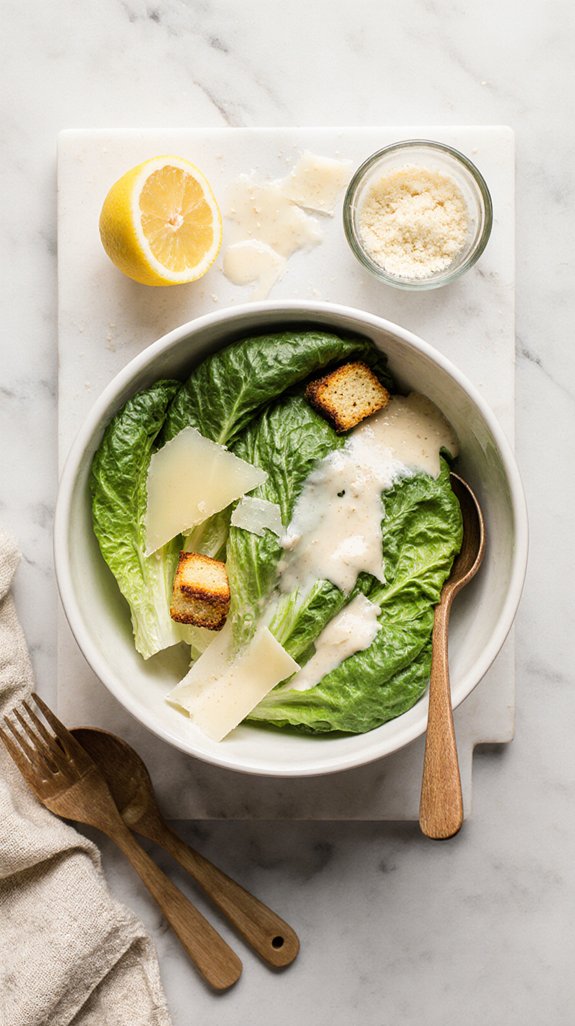
What really sets this recipe apart is the texture contrast you get from crispy croutons against tender romaine leaves, all coated in that rich, tangy dressing.
The freshly-grated Parmesan adds another layer of flavor that pre-shredded cheese just can’t match.
Making your own Caesar dressing takes about ten minutes, and the results are worth every second.
Once you try this version, you’ll never go back to store-bought.
What ingredients are in Restaurant-Quality Caesar Salad?
The foundation of an authentic Caesar salad lies in using the right ingredients in their proper proportions. This recipe calls for a combination of pantry staples and fresh components that work together to create the signature creamy, savory, and tangy flavor profile that Caesar salad is known for.
For the dressing:
- 3 cloves garlic
- 3 flat anchovy fillets, drained and minced
- 2 large egg yolks
- 1 tablespoon white wine vinegar
- 2 teaspoons red wine vinegar
- 1 1/2 teaspoons Dijon mustard
- 1 teaspoon Worcestershire sauce
- 1/4 teaspoon salt
- 1 tablespoon fresh lemon juice
- 3/4 cup olive oil
For the salad:
- 2 heads romaine lettuce, torn into pieces, rinsed and spun dry
- 1/2 cup freshly-grated Parmesan cheese
- 1 cup garlic-flavored croutons
When gathering ingredients for this recipe, freshness is paramount. The romaine lettuce should be crisp and vibrant green, and the Parmesan cheese must be freshly grated rather than pre-shredded for maximum flavor and texture. The egg yolks should be at room temperature to help with emulsification, and using quality olive oil will make a noticeable difference in the final taste. Don’t skip the anchovies—they’re essential to achieving that authentic Caesar flavor, even if you’re not typically a fan of them on their own.
How to make this Restaurant-Quality Caesar Salad

Making this Caesar salad starts with creating the signature dressing from scratch, which is easier than you might think. Begin by mincing and mashing 3 cloves of garlic together with 3 flat anchovy fillets until they form a smooth paste—this combination is what gives the dressing its distinctive savory depth.
In a bowl, whisk together this paste with 2 large egg yolks, 1 tablespoon white wine vinegar, 2 teaspoons red wine vinegar, 1 1/2 teaspoons Dijon mustard, 1 teaspoon Worcestershire sauce, 1/4 teaspoon salt, and 1 tablespoon fresh lemon juice until everything is well combined. The key to achieving that creamy, luxurious texture comes next: slowly add 3/4 cup of olive oil in a steady stream while whisking continuously. This gradual incorporation allows the oil to emulsify with the other ingredients, transforming the mixture into a thick, cohesive dressing rather than a separated, oily mess.
Once your dressing is ready, the assembly is wonderfully straightforward. In a large bowl, toss the torn pieces of 2 heads of romaine lettuce (which should already be rinsed and thoroughly spun dry) with 1/2 cup of freshly-grated Parmesan cheese and 1 cup of garlic-flavored croutons.
Making sure your lettuce is completely dry is important because any excess water will prevent the dressing from clinging properly to the leaves. Pour the dressing over the salad and toss everything together well, ensuring each piece of lettuce gets coated with that rich, flavorful dressing.
The beauty of this salad is that it’s meant to be served immediately while the lettuce is still crisp and the croutons haven’t had a chance to get soggy, so bring it to the table right away for the best possible experience. For the smoothest emulsification and most consistent results when whisking your dressing, investing in premium cookware sets with quality bowls and utensils can make all the difference in your cooking.
Shop Related Products

Enhance a variety of dishes with our non-GMO and gluten-free anchovy paste. Unlike leading competitors who often rely on processed seed oils, our paste is crafted without them—giving you nothing but clean, authentic flavor. Use it to add a rich, savory boost to a wide range of dishes, including sauces, dressings, appetizers, and marinades. It's also a delicious and simple topping for croutons, crackers, and bruschettas.
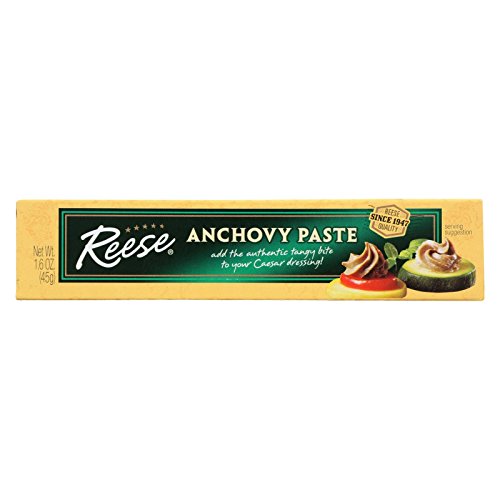
Rich, savory flavor with a briny, umami kick
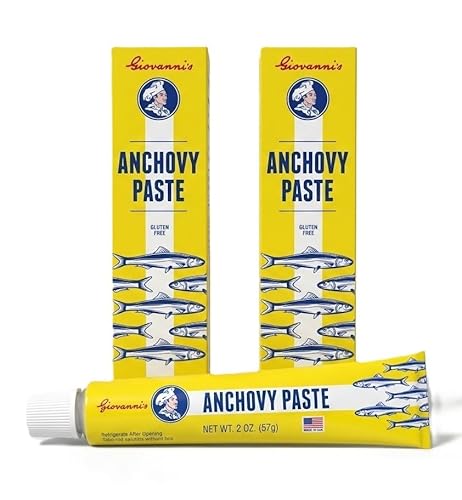
Enhance a variety of dishes with our non-GMO and gluten-free anchovy paste. Use it to add a rich, savory boost to a wide range of dishes, including sauces, dressings, appetizers, and marinades. It's also a delicious and simple topping for croutons, crackers, and bruschettas.
Restaurant-Quality Caesar Salad Substitutions and Variations
While this classic Caesar salad is perfect as written, you’ll find plenty of opportunities to adapt it based on what you have in your kitchen or your personal preferences.
If you’re uncomfortable using raw egg yolks, alternative dressings can include using mayonnaise as your base instead, which provides similar richness and emulsification. You can also purchase quality bottled Caesar dressing if time is short.
For protein additions, grilled chicken is the most popular choice, but I’ve also enjoyed this salad topped with seared salmon, grilled shrimp, or even sliced steak.
Vegetarians might add chickpeas or white beans for substance. You can swap different lettuces like kale or spinach, though romaine’s crisp texture is traditional for good reason.
What to serve with Restaurant-Quality Caesar Salad

Caesar salad shines as both a standalone meal and a versatile side dish that pairs beautifully with countless main courses.
I love serving it alongside grilled chicken, steak, or salmon for protein pairings that complement the creamy, tangy dressing. The salad’s bold flavors hold up well next to robust dishes like barbecued ribs or roasted lamb.
For a lighter option, I’ll add grilled shrimp directly to the salad, transforming it into a complete meal. The classic anchovy-based dressing works wonderfully with Italian dishes, making it a natural companion to pasta, pizza, or chicken parmesan.
When I’m exploring different dressing options, I sometimes prepare extra to use as a dip for breadsticks or drizzle over roasted vegetables, maximizing the recipe’s potential beyond the traditional salad presentation.
Final Thoughts
This recipe has earned its place in my regular rotation because it delivers authentic restaurant flavor with ingredients I can easily find at any grocery store. The homemade dressing is what truly sets it apart, and my best dressing tips include whisking slowly to achieve perfect emulsification and tasting as you go to adjust seasonings. I’ve found that fresh ingredients make all the difference, especially the garlic and Parmesan. For serving suggestions, I often pair this salad with grilled chicken or shrimp to make it a complete meal, though it’s equally impressive as a starter for dinner parties. The key is serving it immediately after tossing so the lettuce stays crisp and the croutons maintain their crunch. You’ll be amazed at the results.
Frequently Asked Questions
Can I Make Caesar Salad Dressing Ahead of Time?
Yes, I’ll make the dressing up to three days ahead for ideal dressing storage. The flavors actually meld beautifully in the fridge, enhancing the flavor enhancement while saving you precious time on busy weeknights.
How Long Does Homemade Caesar Dressing Last in the Refrigerator?
I’ll store my homemade Caesar dressing in an airtight container for up to 3 days in the refrigerator. The shelf life is limited due to raw egg yolks, so I follow proper storage tips and use it quickly.
Is It Safe to Eat Raw Egg Yolks in Caesar Dressing?
I’ll be honest about raw egg safety—there are legitimate health concerns since raw eggs can contain salmonella. I recommend using pasteurized eggs for this dressing, which eliminates the risk while maintaining that creamy, authentic texture.
Can I Use Pasteurized Eggs Instead of Raw Eggs?
Yes, I’d recommend using pasteurized eggs for health benefits and safety. They’re excellent egg alternatives to raw eggs, eliminating salmonella risk while maintaining the same creamy texture and rich flavor in your Caesar dressing.
What Can I Do With Leftover Caesar Salad Dressing?
I’ll use leftover Caesar dressing as a marinade for chicken or fish before grilling. It also works perfectly as a spread for sandwiches or wraps, adding bold flavor to turkey or chicken salad sandwiches.