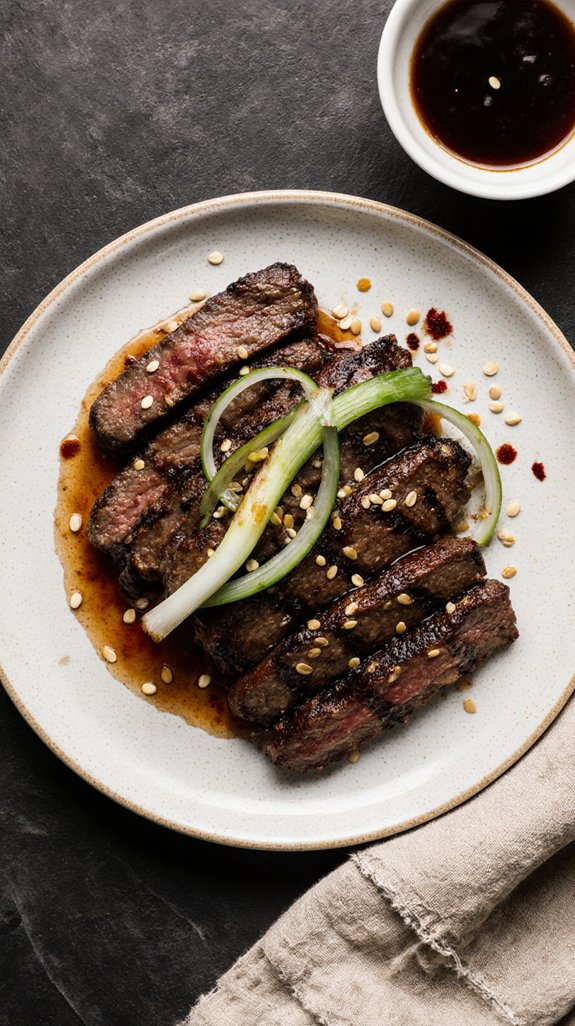
I’ve been making bulgogi for years, and I’ll be honest with you—the authentic version requires patience that most recipes skip over. While you can throw together a quick marinade and call it done, real Korean bulgogi sits overnight, letting those flavors penetrate every fiber of the meat. That waiting period transforms ordinary beef into something remarkable, and once you taste the difference, you’ll understand why Korean grandmothers insist on doing it right.
Why You`ll Love this Authentic Korean Bulgogi

When I first tasted bulgogi at a family gathering years ago, I couldn’t believe how something so simple could pack such incredible flavor. This Korean beef dish has won me over completely, and I’m confident it’ll do the same for you.
The flavor profile strikes a perfect balance between sweet, savory, and slightly spicy notes that dance across your palate. What really sets this recipe apart is how the marinade transforms ordinary beef into something extraordinary.
The cooking techniques are straightforward enough for beginners, yet the results taste like they came from a skilled Korean chef’s kitchen. Whether you grill, broil, or pan-fry the meat, you’ll achieve that signature caramelized exterior while keeping the inside tender and juicy.
What ingredients are in Authentic Korean Bulgogi?
The beauty of authentic Korean bulgogi lies in its carefully balanced blend of ingredients that work together to create layers of flavor. This recipe calls for a combination of both common pantry staples and traditional Korean elements that transform the beef into something truly special.
The marinade ingredients are what make this dish authentically Korean, with each component playing a vital role in developing the characteristic sweet and savory taste profile.
Ingredients:
- 4 lbs short rib of beef (can also use tri tip, and flank steak)
- 2/3 cup green onion, thinly sliced
- 1/2 cup soy sauce
- 1/2 cup water
- 1/4 cup sesame oil
- 2 1/2 tablespoons brown sugar, packed
- 2 tablespoons sesame seeds, lightly toasted and crushed
- 2 garlic cloves, crushed
- 1 tablespoon fresh ginger, grated
- 1/2 teaspoon red pepper flakes
- 1/8 teaspoon szechwan pepper, ground
When selecting your beef, short ribs are the traditional choice and offer excellent marbling and flavor, but tri tip and flank steak work beautifully as more budget-friendly alternatives.
The key is ensuring whichever cut you choose is sliced thinly against the grain for maximum tenderness. For the best results, use fresh garlic and ginger rather than powdered versions, as they provide a more vibrant, authentic flavor.
The sesame seeds should be lightly toasted before crushing to release their nutty aroma and enhance the overall taste of the marinade.
How to make this Authentic Korean Bulgogi

Making authentic Korean bulgogi is surprisingly straightforward, though the key to success lies in proper preparation and patience with the marinating process. Start by trimming your 4 lbs of short rib beef (or your chosen alternative) into pieces that are about 1/2 inch thick. If you’re working with tri tip or flank steak, it’s really important to cut across the grain rather than with it, as this guarantees your finished bulgogi will be tender and easy to chew.
Once your meat is prepared, grab a large ziplock bag and combine all your marinade ingredients: 2/3 cup of thinly sliced green onion, 1/2 cup soy sauce, 1/2 cup water, 1/4 cup sesame oil, 2 1/2 tablespoons of packed brown sugar, 2 tablespoons of toasted and crushed sesame seeds, 2 crushed garlic cloves, 1 tablespoon of grated fresh ginger, 1/2 teaspoon red pepper flakes, and 1/8 teaspoon of ground Szechwan pepper. If you need to crush the sesame seeds quickly, a premium food processor can make this task much easier.
Close the bag tightly and massage everything together until the ingredients are well blended and the sugar has dissolved into the liquid.
Now comes the part that requires a bit of patience but makes all the difference in the final dish. Add your prepared beef to the marinade-filled bag, seal it securely, and massage the bag again to guarantee every piece of meat gets completely coated with that flavorful mixture.
Pop the whole thing in the refrigerator for 4 to 6 hours, turning the bag occasionally to make sure the marinade reaches every surface of the meat evenly.
When you’re ready to cook, remove the beef from the bag and pour the leftover marinade into a small bowl to use for basting. You have several cooking options here: traditional grilling on a BBQ, broiling in your oven, or even pan-frying on the stovetop.
Because the meat is sliced thin, it cooks quickly, taking just 3 to 6 minutes per side depending on how thin your slices are and how well-done you prefer your beef. Remember to brush on some of that reserved marinade when you flip the meat to keep it moist and add an extra layer of flavor.
Shop Related Products

【Great Sealing】 Our turkey brine bag has a double-zipper seal top for a leak-proof closure, Efficient Sealing with 3 cotton strings to tie up and 3 sealing clips, making sure there is no leakage, avoiding the bag from expanding outwards and spill through.

Thanksgiving turkey brine kit contains: 3 brine bags for turkey and 3 ropes. marinade bags the size is: 26inx24in, which can hold 35lb of turkey and salt water. The oversized turkey pickling bag allows you to pickle large pieces of meat at ease, making parties and dinners more convenient, which is essential for families.

✅ Size: Our Quart size bags are the perfect storage bag size for lunches or leftovers. These quart slider bags measure 8x8 Inches, the ideal size for sliced fruits, sandwiches, chips, and more.
Authentic Korean Bulgogi Substitutions and Variations
While the classic bulgogi recipe I’ve shared is absolutely delicious as written, you’ll probably want to know about some substitutions and variations that can help you work with what’s available in your kitchen or adapt the dish to different dietary needs and preferences.
For bulgogi ingredients, you can swap the brown sugar with honey or even use pear puree for marinades variations that add natural sweetness and tenderness.
Different cooking methods work wonderfully, from traditional grilling to pan-frying or air-frying. If you’re exploring beef alternatives, try thinly sliced pork or chicken.
For flavor enhancements, add a splash of rice wine or increase the ginger.
Regarding serving suggestions, bulgogi pairs perfectly with lettuce wraps, rice bowls, or Korean banchan side dishes.
Shop Related Products

Nonstick & Easy to Clean: The Switzerland ILAG nonstick coating is very effective in preventing anything from sticking to the surface, even with minimal oil, and also makes cleaning a breeze, just wipe it with a paper towel or rinse it with water. Free of PFOA and PFOS.
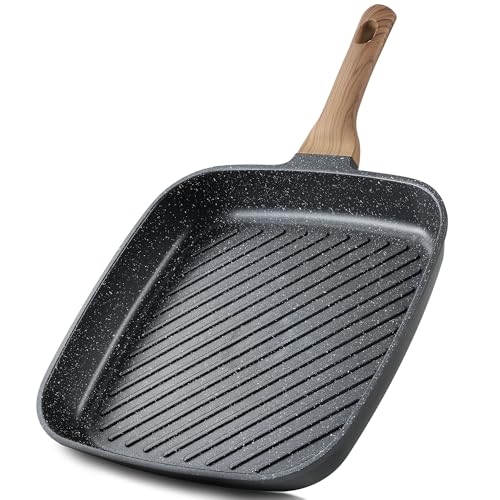
Universal Stovetop Compatibility—Carote grill pan can work flawlessly on gas, induction, electric, and ceramic cooktops. Seamlessly transitions from indoor kitchens to outdoor cooking setups.

【Titanium Reinforced Nonstick Surface】Made without PFAS-related materials for cooking confidence. The titanium-reinforced nonstick grill pan lets steaks release with minimal oil, resists scratches, and wipes clean easily after cooking
What to serve with Authentic Korean Bulgogi

Once you’ve mastered this bulgogi recipe, you’ll want to know exactly what to serve alongside it to create an authentic Korean dining experience.
I always pair mine with steamed white rice, which soaks up the delicious marinade perfectly.
For side dishes, kimchi is essential—its tangy, spicy flavor cuts through the richness of the beef beautifully.
I also recommend adding some seasoned vegetables like spinach or bean sprouts, called banchan in Korean cuisine.
A simple lettuce wrap setup works wonderfully too, where you can wrap the bulgogi in fresh lettuce leaves with a dab of gochujang sauce.
These meal pairings transform your bulgogi into a complete Korean feast that’ll impress everyone at your table.
Final Thoughts
After you’ve tried this authentic bulgogi recipe a few times, you’ll discover why it’s remained one of Korea’s most beloved dishes for generations. The marinade does most of the work, transforming simple cuts of beef into something truly special. I’ve shared my best cooking tips throughout this recipe, from slicing the meat thin to achieving that perfect caramelized char. Don’t be afraid to experiment with flavor enhancements like adding pear juice or adjusting the spice level to match your preferences. The beauty of bulgogi is its versatility. Whether you’re grilling outdoors or cooking on your stovetop, you’ll get delicious results. I hope you’ll make this recipe your own and share it with people you care about.
Frequently Asked Questions
Can I Freeze Marinated Bulgogi for Later Use?
Yes, I’d recommend freezing your marinated bulgogi for up to three months. The freezing techniques actually enhance marination duration, allowing flavors to penetrate deeper while the meat freezes and thaws, creating incredibly tender results.
How Do I Know When the Meat Is Cooked Properly?
I check for proper meat tenderness by ensuring the bulgogi is no longer pink inside and has caramelized edges. Using different cooking techniques, I typically cook thin slices for 3-6 minutes per side until browned.
What’s the Difference Between Bulgogi and Galbi?
The main difference is the beef cuts used—bulgogi typically uses thinly sliced ribeye or sirloin, while galbi uses short ribs. Both share similar marinades, but their cooking methods differ since galbi requires longer grilling time due to thicker bones.
Can I Make Bulgogi in an Air Fryer?
Yes, you can make bulgogi in an air fryer! I recommend preheating to 400°F and cooking for 8-10 minutes, flipping halfway through. Here are my air fryer tips: don’t overcrowd the basket for even cooking times.
How Long Does Leftover Bulgogi Stay Fresh in the Refrigerator?
I’ve found that leftover storage for cooked bulgogi keeps it fresh for 3-4 days in the refrigerator when properly stored in an airtight container. The bulgogi lifespan can extend to 3 months if you freeze it instead.