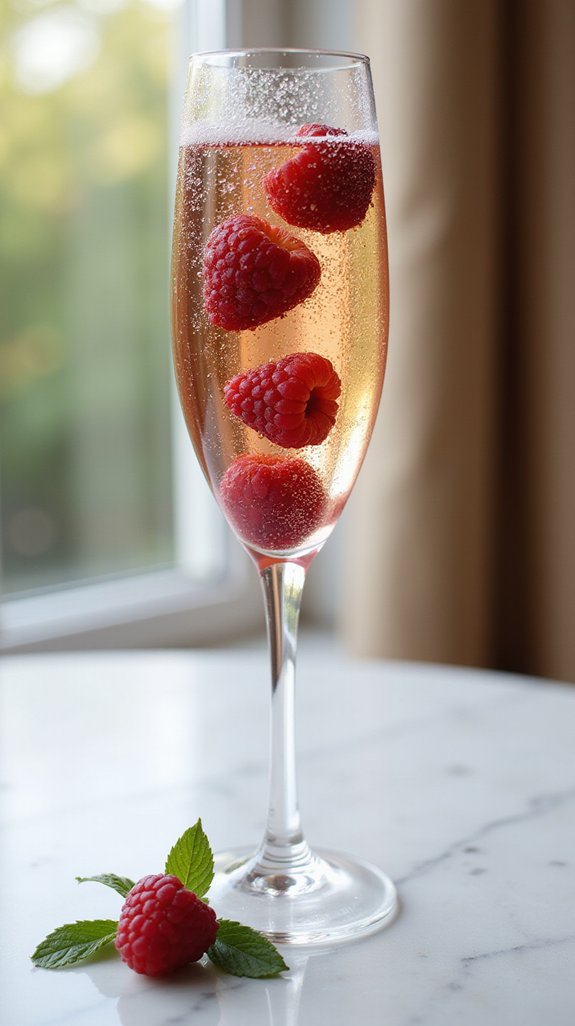
Picture tiny bubbles racing to the surface of a fluted glass, catching light like liquid celebration. You’ve probably seen champagne cocktails at brunches and weddings, but I’ve found they’re surprisingly simple to make at home. The right recipe can transform an ordinary Tuesday into something special, whether you’re mixing gin with lemon for a French 75 or stirring peach purée into a classic Bellini. Let me show you which ones actually deliver.
Classic Champagne Cocktail With Bitters and Sugar Cube

The Classic Champagne Cocktail is one of the most elegant and timeless drinks in the cocktail canon, dating back to the mid-19th century. This sophisticated libation combines the effervescence of champagne with the aromatic complexity of Angostura bitters and the subtle sweetness of a sugar cube, creating a perfectly balanced celebratory drink that’s ideal for special occasions or whenever you want to add a touch of luxury to your evening.
Despite its impressive presentation and refined taste, this cocktail requires minimal ingredients and effort to prepare. The ritual of watching the sugar cube dissolve while releasing tiny bubbles into the golden liquid is part of the drink’s charm, making it as visually appealing as it’s delicious. The bitters-soaked sugar cube slowly sweetens the champagne while imparting aromatic depth that elevates the entire drinking experience.
Ingredients:
- 1 sugar cube
- 2-3 dashes Angostura bitters
- 4-5 ounces champagne or sparkling wine, chilled
- 1 lemon twist for garnish
- 1 champagne flute
Instructions:
Place the sugar cube at the bottom of a chilled champagne flute and saturate it with 2-3 dashes of Angostura bitters, allowing the cube to absorb the liquid fully. Slowly pour the chilled champagne over the sugar cube, filling the flute about three-quarters full. The sugar cube will begin to fizz and dissolve, creating a stream of bubbles.
Express the oils from a lemon twist over the drink by gently twisting it over the surface, then either drop it into the glass or run it around the rim before adding it as a garnish.
Tips:
For the best results, verify your champagne or sparkling wine is thoroughly chilled to between 45-50°F, as this temperature preserves the bubbles and prevents the drink from becoming too foamy when poured.
While traditional champagne works beautifully, quality prosecco or cava make excellent more affordable alternatives. Don’t skip chilling your champagne flute beforehand, as a warm glass will cause the bubbles to dissipate more quickly.
Pour the champagne slowly and at an angle to maintain maximum effervescence, and serve immediately while the sugar cube is still visible and actively fizzing at the bottom of the glass.
Shop Related Products
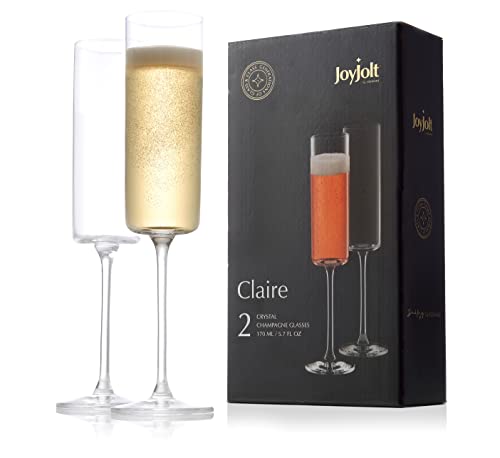
ELEGANCE IN EVERY POUR: Designed for perfectionists who savor the details, our Claire drinkware collection is crafted for elevated moments with champagne, prosecco, or even a cocktail. From casual to celebratory, these glass champagne flutes set of 2 delivers a touch of refinement every time.

FEELS LIKE HEAVEN: There's nothing better than sipping your favorite fizz from a glass that nestles perfectly (and comfortably!) in your hand, instead of gripping short fat champagne glasses. Our charming crystal stemless champagne flute lets you sip your favorite bubbly in delightful comfort.

✔【EXCELLENT CHOICE】These elegant stemmed champagne glasses have a classic appearance. Your home bar should definitely include these champagne flutes to surprise your special guests.
French 75 With Gin and Lemon Juice

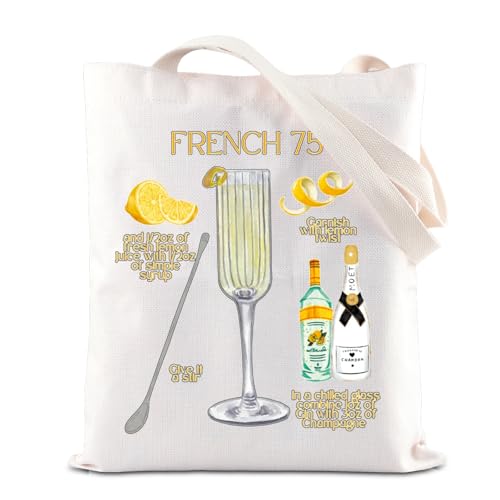
The French 75 is a legendary champagne cocktail that originated during World War I, allegedly named after the powerful French 75mm field gun due to its potent kick. This sophisticated drink masterfully combines the botanical complexity of gin with fresh lemon juice, simple syrup, and champagne, resulting in a revitalizing yet spirited cocktail that’s both tart and bubbly.
The French 75 has enjoyed enduring popularity in cocktail culture, appearing in countless bars and restaurants worldwide as a proof of its perfect balance of flavors. Unlike simpler champagne cocktails, the French 75 requires a bit more preparation as it involves shaking gin with citrus and sweetener before topping with champagne.
This two-step process creates layers of flavor that work harmoniously together—the bright, crisp notes from the gin and lemon are softened by the simple syrup and lifted by the champagne’s effervescence. The result is a drink that’s celebratory yet complex, ideal for brunches, special occasions, or any time you want a cocktail with both substance and sparkle.
Ingredients:
- 1 ounce London Dry gin
- ½ ounce fresh lemon juice
- ½ ounce simple syrup
- 3-4 ounces champagne or sparkling wine, chilled
- Ice cubes
- 1 lemon twist or lemon peel for garnish
- Cocktail shaker
- Champagne flute or coupe glass
Instructions:
Add the gin, fresh lemon juice, and simple syrup to a cocktail shaker filled with ice. Shake vigorously for 10-15 seconds until the mixture is well-chilled and properly diluted. Strain the mixture into a chilled champagne flute or coupe glass, filling it about one-quarter to one-third full.
Slowly top with chilled champagne, pouring gently down the side of the glass to preserve the bubbles. Garnish with a lemon twist, expressing the oils over the drink before dropping it in or placing it on the rim.
Tips:
Always use freshly squeezed lemon juice rather than bottled juice, as the bright, fresh citrus flavor is essential to the cocktail’s character. The quality of gin matters greatly in this drink—choose a London Dry style with prominent juniper notes that can stand up to the champagne rather than being overwhelmed by it.
If you don’t have simple syrup on hand, you can make it quickly by dissolving equal parts sugar and hot water, then letting it cool before use. Some bartenders prefer serving this cocktail in a coupe glass rather than a flute, as the wider opening allows the aromatics to be more pronounced.
Adjust the simple syrup amount to your taste preference, adding slightly more if you prefer a sweeter drink or less for a drier, more spirit-forward cocktail.
Shop Related Products
【Environmental 】responsible for saving the planet by not choosing paper or plastic bags, go green, bring our life in a colorful and creative way.

WE'LL ALWAYS HAVE PARIS - Add a French twist to your barware with this silver cocktail shaker. This essential bartending tool lets you create classic cocktails such as martinis, cosmopolitans, and Manhattans.

Single-wall Stainless Steel cocktail Shaker features two silicone gaskets to create a leak-proof seal
Bellini With Fresh Peach Purée

The Bellini is a classic Italian champagne cocktail that was invented in the 1940s by Giuseppe Cipriani, founder of the legendary Harry’s Bar in Venice. This elegant drink consists of fresh white peach purée topped with Prosecco, creating a delicate peachy-pink hue that supposedly reminded Cipriani of the color in paintings by 15th-century Venetian artist Giovanni Bellini.
The Bellini has become synonymous with sophisticated brunches and warm-weather celebrations, offering a lighter, fruitier alternative to more spirit-forward champagne cocktails. Its simple two-ingredient composition belies the refined drinking experience it delivers.
What sets an authentic Bellini apart from countless imitators is the use of fresh, ripe white peaches rather than canned peach nectar or artificial flavorings. The natural sweetness and delicate floral notes of fresh peaches combine beautifully with the crisp, dry character of Prosecco, creating a harmonious balance that’s neither too sweet nor too tart.
While the original recipe calls specifically for white peaches, which have a more subtle, less acidic flavor than yellow peaches, either variety can be used depending on availability and personal preference. The Bellini’s reputation as a quintessentially Venetian aperitivo has made it a favorite at upscale establishments worldwide.
Ingredients:
- 2 ripe white peaches (or yellow peaches)
- 1 teaspoon fresh lemon juice
- ½ teaspoon sugar (optional, depending on peach sweetness)
- 4-6 ounces Prosecco or other sparkling wine, chilled
- Champagne flute
- Blender or food processor
- Fine-mesh strainer (optional)
Instructions:
Peel the peaches by scoring an X on the bottom of each peach, blanching them in boiling water for 30 seconds, then transferring to ice water to make the skins slip off easily. Remove the pits and cut the peaches into chunks.
Place the peach chunks in a blender or food processor with the lemon juice and sugar (if using), then blend until completely smooth. For a silkier texture, strain the purée through a fine-mesh strainer to remove any fibrous bits.
Spoon 2-3 tablespoons of the peach purée into a chilled champagne flute, filling it about one-quarter full. Slowly pour the chilled Prosecco over the purée, stirring gently with a bar spoon to combine. The drink should have a beautiful gradient of peach color that becomes lighter toward the top.
Tips:
Use peaches at peak ripeness for the best flavor—they should be fragrant and yield slightly to gentle pressure. If fresh peaches aren’t in season, frozen peaches can be used as a substitute, though the flavor won’t be quite as vibrant as fresh fruit.
The peach purée can be made ahead of time and stored in the refrigerator for up to 24 hours, making this an excellent cocktail for entertaining larger groups. Traditional Bellinis are made with Prosecco rather than Champagne because its slightly sweeter profile and fruitier character complement the peaches better than drier French sparklings.
Some bartenders add a splash of peach schnapps to intensify the peach flavor, though purists consider this a departure from the authentic recipe.
Kir Royale With Crème De Cassis

The Kir Royale is a French champagne cocktail that elevates the simple Kir—a white wine and crème de cassis combination—into something truly celebratory. Named after Félix Kir, a former mayor of Dijon who popularized the original wine-based version, the Kir Royale substitutes champagne or other sparkling wine for still white wine, creating an effervescent aperitif with a stunning deep pink color.
This elegant drink has been a staple at French cafés and celebrations since the mid-20th century, embodying Parisian sophistication with just two simple ingredients. The blackcurrant liqueur adds a sweet-tart berry flavor that complements the crisp, dry character of champagne without overwhelming it.
What makes the Kir Royale particularly appealing is its simplicity and versatility. Unlike more complex cocktails requiring multiple spirits and mixers, this drink relies on the quality of just two components: good champagne and authentic crème de cassis.
The traditional recipe calls for a minimal amount of the liqueur—just enough to add flavor and a beautiful rose hue without making the drink overly sweet. The Kir Royale works equally well as a festive aperitif before dinner, a sophisticated brunch accompaniment, or an elegant toast at special occasions. Its balance of sweetness, acidity, and effervescence makes it universally appealing while maintaining an air of refinement.
Ingredients:
- ½ ounce (1 tablespoon) crème de cassis
- 4-5 ounces champagne or dry sparkling wine, chilled
- Champagne flute
- Fresh blackcurrants or lemon twist for garnish (optional)
Instructions:
Pour the crème de cassis into the bottom of a chilled champagne flute. Slowly top with the chilled champagne, pouring gently down the side of the glass to preserve the bubbles and prevent excessive fizzing.
The liqueur will naturally create a gradient effect, with deeper color at the bottom fading to lighter pink toward the top. Give the drink a gentle stir with a bar spoon if you prefer a more uniform color throughout, though many prefer to leave it unstirred for visual appeal.
If desired, garnish with a few fresh blackcurrants dropped into the glass or a small twist of lemon peel expressed over the top.
Tips:
The quality of crème de cassis varies greatly between brands, so invest in a good French version for the most authentic flavor—cheaper brands can taste overly sweet and artificial.
Adjust the amount of cassis to your taste preference, but be conservative; too much will overpower the champagne and make the drink cloying. While true champagne from France is ideal, any dry sparkling wine such as Prosecco, Cava, or American sparkling wine works well as a more budget-friendly alternative.
For the best presentation and to maintain carbonation, verify both the champagne and the flute are well-chilled before preparing the drink. The Kir Royale is best enjoyed immediately after preparation while the bubbles are most lively.
Elderflower Champagne Cocktail With St-Germain

The Elderflower Champagne Cocktail represents a modern evolution in champagne-based drinks, combining the delicate floral notes of St-Germain elderflower liqueur with the crisp effervescence of sparkling wine. St-Germain, introduced in 2007, quickly became a beloved ingredient among mixologists and home bartenders for its subtle sweetness and distinctive botanical character derived from hand-harvested elderflowers.
When paired with champagne, the liqueur adds layers of honeyed floral complexity without overwhelming the wine’s natural characteristics, creating a refined and aromatic cocktail that feels both contemporary and timeless. The pale golden hue and gentle sweetness make this cocktail an ideal choice for spring and summer celebrations, garden parties, or any occasion calling for something lighter and more nuanced than traditional champagne cocktails.
What distinguishes the Elderflower Champagne Cocktail is its remarkable balance and accessibility. The St-Germain adds just enough sweetness to appeal to those who find brut champagne too dry, while the botanical notes provide sophistication that prevents the drink from becoming cloying. A touch of citrus—typically lemon juice or a lemon twist—brightens the profile and adds necessary acidity to complement both the liqueur and the sparkling wine.
This cocktail has become a favorite at weddings, brunches, and upscale events, offering a crowd-pleasing option that maintains elegance while being approachable for various palates. Its simplicity allows the quality of the champagne to shine through while the elderflower adds a memorable signature flavor.
Ingredients:
- ¾ ounce St-Germain elderflower liqueur
- ¼ ounce fresh lemon juice
- 4 ounces champagne or dry sparkling wine, chilled
- Champagne flute or coupe glass
- Lemon twist or edible flowers for garnish (optional)
Instructions:
Pour the St-Germain elderflower liqueur and fresh lemon juice into a chilled champagne flute or coupe glass. Gently top with the chilled champagne, pouring slowly to maintain the bubbles and prevent overflow. The ingredients will naturally blend as you pour, but you can give the cocktail a very gentle stir with a bar spoon if needed to guarantee even distribution.
Express a lemon twist over the surface of the drink to release the citrus oils, then either drop it into the glass or rest it on the rim as garnish. For an extra elegant touch, float a small edible flower such as a pansy or viola on top of the cocktail.
Tips:
The ratio of St-Germain to champagne can be adjusted based on personal preference—use less liqueur for a drier cocktail or slightly more for additional sweetness and floral character. Always use fresh lemon juice rather than bottled, as the bright acidity is essential to balancing the liqueur’s sweetness.
For the best results, chill all ingredients beforehand, including the liqueur, to warrant the cocktail stays cold and bubbly without needing ice. While prosecco or cava work well as more affordable alternatives to champagne, their slightly sweeter profiles mean you may want to reduce the St-Germain slightly or add an extra splash of lemon juice to maintain balance.
Mimosa With Fresh Orange Juice

The Mimosa stands as one of the most recognizable and beloved champagne cocktails in the world, earning its place as the quintessential brunch beverage. Named after the mimosa flower due to its vibrant yellow color, this cocktail traces its origins to Paris in the 1920s, though it quickly gained popularity in London and eventually became a global phenomenon.
The beauty of the Mimosa lies in its elegant simplicity—just two ingredients creating a revitalizing, effervescent drink that bridges the gap between morning and afternoon drinking. Unlike more complex cocktails, the Mimosa requires no special techniques or exotic ingredients, making it accessible to anyone with a bottle of sparkling wine and fresh oranges. Its lightness and vitamin C content have made it socially acceptable for morning consumption, cementing its status as a brunch table staple alongside eggs Benedict and French toast.
The key to an exceptional Mimosa is the quality of both ingredients and the ratio between them. Fresh-squeezed orange juice makes an incomparable difference compared to store-bought versions, providing natural sweetness, vibrant flavor, and a fresher citrus aroma that complements rather than competes with the champagne.
The traditional ratio varies depending on preference, but a balanced approach typically calls for equal parts champagne and orange juice, though some prefer a lighter touch with more champagne to maintain the wine’s character. The cocktail’s versatility extends beyond the classic version—variations incorporating blood oranges, tangerines, or grapefruit offer seasonal alternatives, while the addition of a splash of Grand Marnier or Cointreau creates the elevated “Grand Mimosa.”
Whether served at an intimate breakfast or flowing freely at a wedding reception, the Mimosa remains a timeless choice that celebrates both simplicity and sophistication.
Ingredients:
- 3 ounces fresh-squeezed orange juice, chilled
- 3 ounces champagne or dry sparkling wine, chilled
- Champagne flute
- Orange slice or twist for garnish (optional)
Instructions:
Pour the fresh-squeezed orange juice into a chilled champagne flute first, filling it approximately halfway. Slowly top with the chilled champagne, pouring gently down the side of the glass to preserve the carbonation and prevent excessive fizzing.
The two ingredients will naturally combine as you pour, creating a beautiful gradient effect before settling into the cocktail’s signature golden-orange hue. If desired, garnish with a thin orange slice perched on the rim of the glass or an expressed orange twist. Serve immediately while the champagne is still at its most effervescent.
For the best possible Mimosa, always use freshly squeezed orange juice rather than bottled or concentrate, as the flavor difference is dramatic and the natural sugars and oils from fresh juice create a more vibrant, well-rounded cocktail.
Choose oranges that feel heavy for their size and have thin skin, as these tend to be juicier and sweeter—Valencia and navel oranges work particularly well. Chill both the orange juice and champagne thoroughly before mixing, as this helps maintain carbonation and creates a more invigorating drink.
While true champagne from France creates the most luxurious version, a good-quality prosecco or cava works beautifully and is more budget-friendly, especially when serving a crowd. For larger gatherings, consider setting up a Mimosa bar with various fruit juices and garnishes, allowing guests to customize their drinks while maintaining the ease and elegance that makes this cocktail so enduringly popular.
Champagne Cocktail With Raspberry and Chambord

The Champagne Cocktail with Raspberry and Chambord represents a sophisticated evolution of classic champagne cocktails, combining French elegance with the rich, luxurious flavor of black raspberries. Chambord, the renowned French liqueur produced in the Loire Valley, brings deep berry notes and a touch of sweetness that beautifully complements the crisp acidity of champagne. This cocktail elevates any celebration with its stunning visual presentation—fresh raspberries suspended in golden bubbles create an enchanting effect that captivates before the first sip.
The addition of fresh fruit not only enhances the aesthetic appeal but also provides bursts of natural flavor as the raspberries macerate slightly in the liqueur and wine. Perfect for romantic occasions, wedding toasts, or New Year’s Eve celebrations, this cocktail strikes an ideal balance between fruity sweetness and champagne’s characteristic dryness.
The versatility of this recipe allows for customization based on personal preference and occasion. While Chambord remains the star ingredient, the ratio of liqueur to champagne can be adjusted to suit different palates—those preferring a drier cocktail can reduce the Chambord, while sweeter preferences call for a more generous pour.
The quality of champagne or sparkling wine directly impacts the final result, though expensive vintage champagne isn’t necessary; a good-quality Prosecco or Cava works beautifully while keeping costs reasonable for larger gatherings. Fresh raspberries are essential not only for garnish but also for their contribution to the overall flavor profile as they release their juices into the drink. This cocktail transforms the simple act of drinking champagne into a multisensory experience that delights both the eye and the palate.
Ingredients:
- 1 ounce Chambord (black raspberry liqueur)
- 4 ounces champagne or dry sparkling wine, chilled
- 3-4 fresh raspberries
- Champagne flute
- Fresh mint sprig for garnish (optional)
Instructions:
Begin by placing 2-3 fresh raspberries at the bottom of a chilled champagne flute, then pour the Chambord over them, allowing the liqueur to coat the berries. Slowly add the chilled champagne, pouring gently down the side of the glass to minimize fizzing and preserve carbonation. The Chambord will naturally blend with the champagne, creating a beautiful rose-to-golden gradient effect throughout the glass.
Drop one or two additional raspberries into the cocktail after pouring, allowing them to float or sink for visual appeal. If desired, add a small sprig of fresh mint at the rim of the glass for an aromatic garnish that adds a subtle herbal note when sipping.
For best results, verify all ingredients are properly chilled before mixing, as warm liqueur or champagne will cause excessive fizzing and loss of carbonation. The raspberries should be fresh, firm, and dry—washing them too far in advance can make them soggy and affect the cocktail’s appearance.
If Chambord is unavailable, other high-quality raspberry liqueurs can substitute, though the flavor profile may vary slightly. Consider preparing the flutes with Chambord and raspberries in advance during parties, then topping with champagne just before serving to streamline the process. For a less sweet version, reduce the Chambord to half an ounce and increase the champagne proportionally, or muddle the raspberries gently before adding the liqueur to release more natural fruit flavor while reducing the need for additional sweetness.
Frequently Asked Questions
What Type of Champagne Is Best for Making Cocktails?
You’ll want to use dry Champagne like Brut or Extra Brut for cocktails. They’re not overly sweet, so they won’t overpower your mixed drink’s flavors. Save expensive vintage bottles for sipping alone.
Can I Use Prosecco or Sparkling Wine Instead of Champagne?
You can substitute prosecco or sparkling wine in champagne cocktails. They’ll work beautifully and cost less. Prosecco’s sweeter, while Cava’s drier. Choose based on your cocktail’s flavor profile and sweetness level.
How Do I Keep Champagne Cocktails Fizzy Longer?
Keep champagne cocktails fizzy longer by chilling glasses beforehand, adding champagne last, and pouring gently down the side. You’ll also preserve bubbles by avoiding stirring excessively and using fresh, cold champagne straight from the fridge.
What’s the Proper Way to Open a Champagne Bottle Safely?
Chill the bottle first, then remove the foil and loosen the wire cage. Hold the cork firmly while twisting the bottle—not the cork—slowly. You’ll hear a gentle sigh instead of a loud pop.
How Far in Advance Can I Prepare Champagne Cocktail Ingredients?
You’ll want to give yourself breathing room by prepping most ingredients up to 24 hours ahead. Juice citrus, make syrups, and measure spirits the day before. However, you should always add champagne immediately before serving.