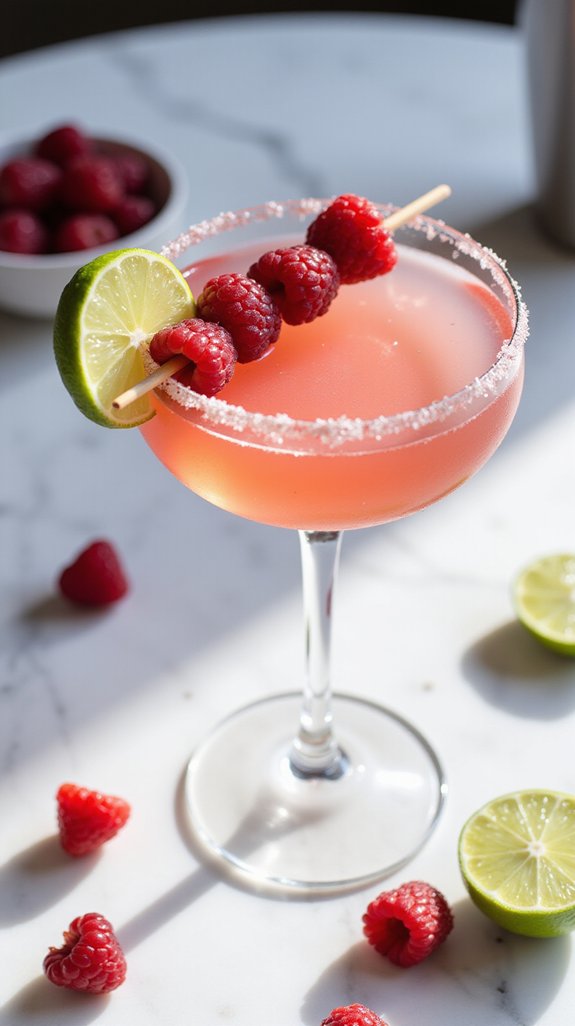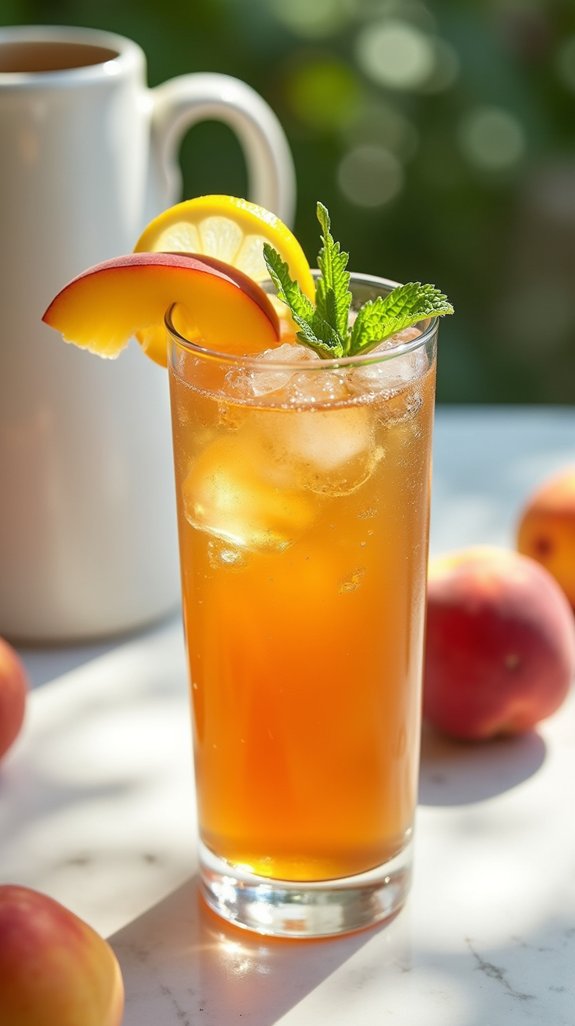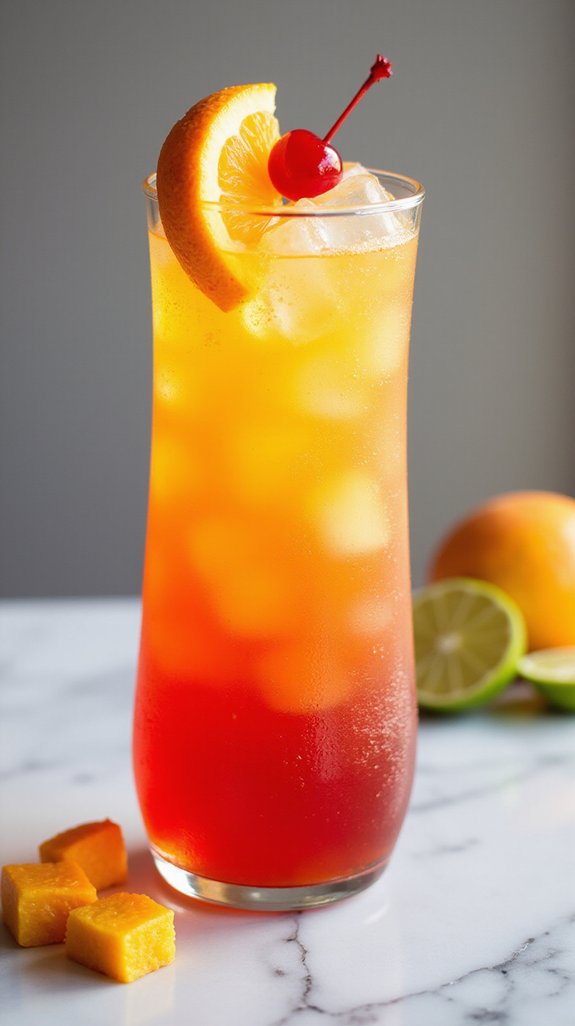

You’ve probably sipped an Aperol Spritz on a warm patio, watching the sunset paint that familiar orange glow in your glass. It’s invigorating, sure, but after your third summer of the same routine, you’re ready for something different. I get it—I felt that way too until I discovered Aperol works beautifully in cocktails you’d never expect, from smoky mezcal drinks to sophisticated twists on old favorites that’ll make you forget the spritz even exists.
Naked and Famous

The Naked and Famous is a modern classic cocktail that cleverly balances four equal parts of distinct spirits and liqueurs. Created by bartender Joaquín Simó in 2011 at Death & Co in New York City, this drink showcases Aperol alongside mezcal, yellow Chartreuse, and fresh lime juice. The result is a complex, smoky, herbal, and citrusy cocktail that has earned its place in contemporary cocktail culture.
This equal-parts recipe follows the Last Word template, creating a perfectly balanced drink where no single ingredient dominates. The Aperol brings its signature bitter-orange sweetness, the mezcal adds smokiness, the Chartreuse contributes herbal complexity, and the lime juice provides brightness and acidity. It’s a sophisticated cocktail that appeals to those who enjoy bold, adventurous flavors.
Ingredients
- ¾ oz mezcal
- ¾ oz Aperol
- ¾ oz yellow Chartreuse
- ¾ oz fresh lime juice
- Ice
- Lime wheel or twist for garnish (optional)
Shop Related Products
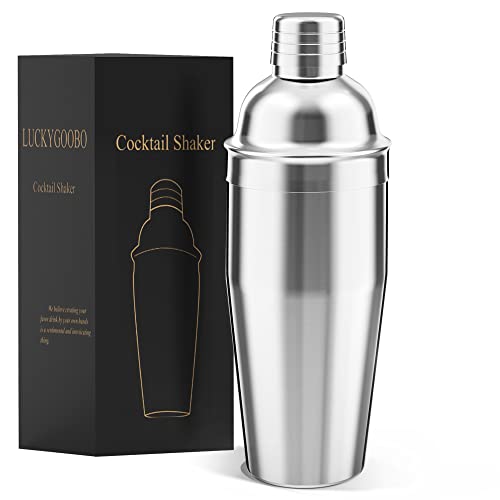
👍 ENTERTAIN YOUR FRIENDS:If you would like to impress your friend by making drink-you need this drink shaker set.Ideal for home or professional use, create masterpieces at home,Whether you're a pro mixologist or a beginner bartender, our cocktail shaker is the ultimate tool for creating unforgettable drinks.

Add Master Mixologist to Your Resume: Curated by KITESSENSU with the cocktail enthusiast in mind, this 3-piece cocktail shaker set has everything mixology kit you need to make cocktails, whether you’re a bartender looking for quality drink mixer set, or a home mixologist to get started creating and serving drinks from your own entertainment space

Single-wall Stainless Steel cocktail Shaker features two silicone gaskets to create a leak-proof seal
Instructions
Add the mezcal, Aperol, yellow Chartreuse, and fresh lime juice to a cocktail shaker filled with ice. Shake vigorously for 10-15 seconds until well-chilled. Strain the mixture into a chilled coupe or Nick and Nora glass. Garnish with a lime wheel or twist if desired and serve immediately.
Tips
Always use fresh lime juice rather than bottled for the best flavor and balance in this cocktail. The quality of mezcal matters notably—choose one with good smokiness but not overwhelming intensity, as it needs to play well with the other ingredients.
If you find the drink too intense, resist the urge to add more of one ingredient; instead, try slightly diluting with a small splash of water or shaking longer to incorporate more dilution from the ice.
Yellow Chartreuse is essential and can’t be substituted with green Chartreuse, as the green variety is stronger and will throw off the delicate balance of this equal-parts cocktail.
Paper Plane

The Paper Plane is a modern classic cocktail created in 2008 by Sam Ross, an Australian bartender working at The Violet Hour in Chicago. This elegantly balanced drink has become a staple in craft cocktail bars worldwide, thanks to its approachable yet sophisticated flavor profile.
Like the Naked and Famous, it follows the equal-parts formula, combining bourbon, Aperol, Amaro Nonino, and fresh lemon juice to create a harmonious blend of sweet, bitter, and citrus notes.
The cocktail’s name was inspired by the M.I.A. song “Paper Planes,” which was popular at the time of its creation. The drink showcases Aperol’s bitter-orange character alongside the rich warmth of bourbon, the bittersweet complexity of Amaro Nonino, and the bright acidity of lemon juice. It’s an ideal gateway cocktail for those new to amari and bitter liqueurs, as the bourbon provides familiarity while the Aperol and Amaro Nonino offer just enough complexity without being overwhelming.
Ingredients
- ¾ oz bourbon
- ¾ oz Aperol
- ¾ oz Amaro Nonino
- ¾ oz fresh lemon juice
- Ice
- Lemon twist for garnish (optional)
Shop Related Products
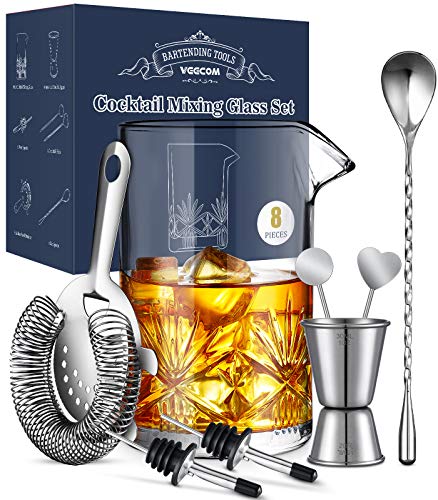
8 Pieces Cocktail Kit: Professional bar tools for 18 oz crystal mixing glass, strainer, jigger 0.5/1 oz, spoon, 2 pourers and 2 cocktail picks. Mixing glass is an alternative to cocktail shaker, and it can minimize the dilution of Manhattan, old fashioned, Negroni and other stirred drinks, enjoy different drinking experience

ELEGANT DESIGN: Oggi's cocktail mixer set is made of ultra-clear lead-free glass with with a thick, weighted bottom to ensure that you get the most from your mixing experience.

A Complete Cocktail Set - This stylish cocktail kit includes all the essential cocktail accessories; an old fashioned mixing glass, strainer, bar spoon, jigger, cocktail picks, and a recipe card.
Instructions
Combine the bourbon, Aperol, Amaro Nonino, and fresh lemon juice in a cocktail shaker filled with ice. Shake vigorously for 10-15 seconds until the shaker becomes frosty and well-chilled.
Strain the mixture into a chilled coupe glass or cocktail glass. Express a lemon twist over the drink to release its oils, then either place it in the glass as garnish or discard, and serve immediately.
Tips
Fresh lemon juice is absolutely vital for this cocktail—bottled juice will compromise the drink’s delicate balance and brightness.
While any bourbon will work, choose one that’s not too high-proof or overly oaky, as it needs to integrate smoothly with the other ingredients rather than dominate them.
Amaro Nonino is a significant component and difficult to substitute, though in a pinch, Amaro Averna can work with slightly different results.
Make sure all ingredients are measured precisely, as the equal-parts ratio is what makes this cocktail sing—even small variations can throw off the balance.
Chilling your glassware in advance will help the drink stay cold longer and enhance the overall drinking experience.
Aperol Sour

The Aperol Sour is a revitalizing twist on the classic whiskey sour that swaps spirits for the beloved Italian aperitif. This vibrant cocktail highlights Aperol’s bittersweet orange flavor while incorporating the traditional sour template of citrus and sweetness.
Unlike heavier spirit-based sours, the Aperol Sour is lighter and more approachable, making it perfect for afternoon sipping or as a pre-dinner aperitivo. The addition of egg white creates a silky foam topping that adds textural elegance and visual appeal to this bright coral-hued drink.
What makes the Aperol Sour particularly appealing is its versatility and lower alcohol content compared to traditional sours. The cocktail balances Aperol’s distinctive bitter-orange notes with fresh lemon juice and simple syrup, creating a drink that’s simultaneously tart, sweet, and pleasantly bitter.
The egg white foam not only adds a luxurious mouthfeel but also mellows the sharp edges of the citrus while providing a beautiful canvas for aromatic bitters garnish. This cocktail proves that Aperol can shine as the primary ingredient in a drink, not just as a supporting player.
Ingredients
- 2 oz Aperol
- ¾ oz fresh lemon juice
- ½ oz simple syrup
- 1 egg white (or ¾ oz aquafaba for vegan option)
- Ice
- Angostura bitters for garnish
Instructions
Add the Aperol, fresh lemon juice, simple syrup, and egg white to a cocktail shaker without ice and perform a dry shake for about 15 seconds to emulsify the egg white.
Add ice to the shaker and shake vigorously for another 15-20 seconds until well-chilled. Double strain the mixture through a fine-mesh strainer into a chilled rocks glass or coupe glass. Allow the foam to settle for a moment, then add 3-4 drops of Angostura bitters on top of the foam and drag a toothpick through them to create a decorative pattern if desired.
Tips
The dry shake (shaking without ice first) is essential for achieving the proper foam texture from the egg white—skipping this step will result in a thinner, less impressive foam.
If you’re concerned about using raw egg white, you can use pasteurized egg whites from a carton or substitute aquafaba, which froths similarly. Adjust the simple syrup amount based on your preference, as some may find Aperol’s bitterness needs more sweetening while others prefer a tarter profile.
For the best presentation, use a very fine strainer or tea strainer when pouring to make certain no ice chips break up the silky foam on top. The cocktail is best consumed immediately while the foam is still thick and pristine.
Aperol Negroni

The Aperol Negroni offers a lighter, more approachable take on the classic Italian Negroni by substituting traditional Campari with Aperol. This variation maintains the essential structure of equal parts spirit, vermouth, and bitter liqueur, but delivers a softer, sweeter profile that appeals to those who find the original Negroni too intensely bitter. The result is a cocktail that retains the sophisticated, aperitif character of its predecessor while presenting a more delicate balance of flavors.
The beautiful sunset-orange color and invigorating bitterness make it an ideal pre-dinner drink that stimulates the palate without overwhelming it.
What distinguishes the Aperol Negroni from its more famous cousin is its accessibility and versatility. The lower alcohol content and gentler bitterness of Aperol compared to Campari create a cocktail that’s perfect for introducing newcomers to the Negroni family of drinks. The sweet vermouth adds depth and complexity, while the gin provides botanical notes that complement Aperol’s orange and rhubarb flavors.
This variation has gained popularity among bartenders and home cocktail enthusiasts who appreciate its ability to bridge the gap between sweet aperitifs like the Aperol Spritz and the bold intensity of a classic Negroni.
Ingredients
- 1 oz gin
- 1 oz Aperol
- 1 oz sweet vermouth
- Ice
- Orange peel for garnish
Instructions
Fill a rocks glass with ice or add ice to a mixing glass if you prefer to strain your Negroni. Combine the gin, Aperol, and sweet vermouth over the ice and stir gently for 20-30 seconds until well-chilled and properly diluted.
If using a mixing glass, strain the mixture into a rocks glass filled with fresh ice. Express the oils from an orange peel over the drink by holding it over the glass and giving it a firm twist, then run the peel around the rim of the glass before dropping it into the cocktail as a garnish.
Tips
The choice of gin matters greatly in an Aperol Negroni—opt for a London Dry gin with strong juniper notes rather than contemporary botanical-forward gins, as the classic profile better complements Aperol’s flavor.
Stirring rather than shaking is essential for achieving the proper texture and clarity; shaking will create a cloudy appearance and alter the mouthfeel. The level of dilution is also important, so don’t rush the stirring process—proper dilution mellows the alcohol and helps the flavors meld together.
For a different presentation, some prefer to build this drink directly in the rocks glass, which is perfectly acceptable and maintains the drink’s casual, approachable nature.
Aperol Margarita

The Aperol Margarita reimagines the beloved Mexican classic by introducing the Italian aperitif’s distinctive bitter-orange character to the traditional tequila and lime foundation. This innovative fusion cocktail maintains the margarita’s signature balance of sweet, sour, and strong while adding layers of complexity through Aperol’s unique blend of herbs, roots, and citrus. The result is a more sophisticated take on the margarita that trades some of the straightforward tartness for a nuanced bitterness that elevates the drinking experience.
The vibrant coral hue creates an eye-catching presentation that signals this isn’t your typical margarita, making it an excellent conversation starter at gatherings and a revitalizing departure from conventional cocktail offerings.
What makes the Aperol Margarita particularly compelling is how seamlessly Italian and Mexican drinking traditions merge in a single glass. The tequila’s agave notes harmonize beautifully with Aperol’s orange and rhubarb flavors, while the lime juice provides the necessary acidity to cut through the sweetness and unite all the elements.
This cocktail appeals to both margarita enthusiasts looking for something new and Aperol devotees seeking alternatives to the ubiquitous spritz. The lower alcohol content compared to a traditional margarita makes it dangerously easy to drink, perfect for warm afternoons or extended social occasions where a lighter cocktail is preferred.
Ingredients
- 2 oz blanco tequila
- 1 oz Aperol
- 1 oz fresh lime juice
- 0.5 oz orange liqueur (Cointreau or triple sec)
- 0.25 oz simple syrup (optional, adjust to taste)
- Ice
- Salt for rim (optional)
- Orange wheel or lime wheel for garnish
Instructions
If desired, rim a rocks glass or coupe with salt by running a lime wedge around the edge and dipping it in salt, then set aside.
Add the tequila, Aperol, fresh lime juice, orange liqueur, and simple syrup (if using) to a cocktail shaker filled with ice. Shake vigorously for 15-20 seconds until the mixture is thoroughly chilled and the outside of the shaker becomes frosty.
Strain into the prepared glass over fresh ice for a rocks-style presentation, or strain into a chilled coupe for an up service. Garnish with an orange wheel or lime wheel placed on the rim of the glass.
Tips
The quality of tequila greatly impacts this cocktail—choose a 100% agave blanco tequila for the cleanest, most authentic flavor that won’t compete with the Aperol’s delicate botanicals.
Fresh lime juice is non-negotiable; bottled juice will compromise the brightness and balance of the drink. The simple syrup is adjustable based on personal preference and the sweetness of your orange liqueur, so taste as you go and start with less rather than more.
The salt rim is optional and somewhat controversial in this variation—while it enhances the citrus notes, some prefer to let the Aperol’s bitterness shine through unobstructed, so consider salting only half the rim to give drinkers a choice with each sip.
Aperol Gin Fizz

The Aperol Gin Fizz breathes new life into the classic gin fizz by incorporating the Italian aperitif’s distinctive bittersweet orange profile, creating a revitalizing cocktail that’s both invigorating and approachable. This contemporary variation maintains the traditional fizz’s light, effervescent character while introducing Aperol’s complex blend of herbs and citrus to complement the botanical notes of gin. The result is a beautifully balanced drink that’s less sweet than a standard gin fizz, with the Aperol adding depth and a subtle bitterness that prevents the cocktail from becoming cloying.
The vibrant peachy-pink color makes it visually striking, perfect for brunch gatherings, garden parties, or any occasion that calls for an elegant yet unpretentious libation.
What distinguishes the Aperol Gin Fizz from its classic counterpart is the interplay between the gin’s juniper and botanical notes with Aperol’s orange and herbal characteristics, all lifted by the addition of soda water. The citrus elements from both the Aperol and fresh lemon juice create a bright, zesty foundation, while the optional egg white adds a luxurious silky texture and creates the signature creamy foam cap that makes a fizz so distinctive.
This cocktail appeals to those who find traditional gin fizzes too simple and Aperol spritzes too one-dimensional, offering a middle ground that showcases the best qualities of both categories while remaining revitalizing light and sessionable.
Ingredients
- 1.5 oz gin (London Dry or a citrus-forward style)
- 1 oz Aperol
- 0.75 oz fresh lemon juice
- 0.5 oz simple syrup
- 1 egg white (optional, for texture and foam)
- 2-3 oz soda water
- Ice
- Orange peel or lemon wheel for garnish
Instructions
Add the gin, Aperol, fresh lemon juice, simple syrup, and egg white (if using) to a cocktail shaker without ice and perform a dry shake for about 15 seconds to emulsify the egg white.
Add ice to the shaker and shake vigorously for another 15-20 seconds until well-chilled and the shaker becomes frosty to the touch. Strain the mixture into a chilled highball or Collins glass without ice, or over fresh ice if you prefer a longer-lasting cold drink.
Top with soda water, pouring gently down the side of the glass to preserve the foam if you’ve used egg white. Express an orange peel over the drink to release its oils, then either discard or place it on the rim as garnish, or use a lemon wheel for a more citrus-forward presentation.
Tips
The dry shake technique is essential if using egg white, as shaking without ice first allows the egg white to properly emulsify and create that signature creamy foam without being diluted prematurely.
For those concerned about raw egg, pasteurized egg whites or aquafaba (chickpea liquid) can be substituted in equal amounts. The choice of gin matters greatly—a classic London Dry works beautifully, but citrus-forward gins enhance the orange notes from the Aperol.
Add the soda water last and gently to preserve carbonation, and resist the urge to stir after adding it, as this will deflate the foam. Adjust the simple syrup based on your sweetness preference, as some may find the Aperol provides sufficient sweetness on its own.
Aperol Paloma

The Aperol Paloma reimagines Mexico’s beloved tequila-based highball by incorporating the Italian aperitif‘s bittersweet orange complexity, creating a sophisticated fusion that bridges Mediterranean and Latin American cocktail traditions. While the classic Paloma pairs tequila with grapefruit soda or fresh grapefruit juice, this variation introduces Aperol to add layers of herbal bitterness and rhubarb notes that complement both the agave spirit and the citrus elements.
The result is a more nuanced version of the Paloma that maintains the original’s revitalizing character while offering additional depth and a beautiful coral-pink hue that makes it as visually appealing as it’s delicious. This cocktail works wonderfully as a pre-dinner aperitivo or as an invigorating companion to lighter fare during warm weather gatherings.
The marriage of tequila and Aperol might seem unconventional, but the combination proves remarkably harmonious, with the earthy, peppery notes of a quality blanco or reposado tequila playing beautifully against Aperol’s sweet-bitter orange profile. The grapefruit juice provides the essential citrus backbone that defines a Paloma, while the Aperol enhances those flavors rather than competing with them.
A touch of lime juice adds brightness and acidity, and the optional addition of a salt rim honors the traditional Paloma presentation while providing a savory contrast that heightens all the other flavors in the glass.
Ingredients
- 2 oz blanco or reposado tequila
- 1 oz Aperol
- 2 oz fresh grapefruit juice
- 0.5 oz fresh lime juice
- 0.25 oz agave syrup or simple syrup
- 2 oz grapefruit soda or club soda
- Ice
- Coarse salt for rim (optional)
- Grapefruit wheel or lime wheel for garnish
Instructions
If using a salt rim, run a grapefruit or lime wedge around half the rim of a highball glass and dip it in coarse salt, then fill the glass with ice.
Add the tequila, Aperol, fresh grapefruit juice, fresh lime juice, and agave syrup to a cocktail shaker filled with ice and shake vigorously for 10-15 seconds until well-chilled. Strain the mixture into the prepared glass over fresh ice.
Top with grapefruit soda or club soda, pouring gently to maintain carbonation, and give it a gentle stir to integrate the ingredients. Garnish with a grapefruit wheel or lime wheel placed on the rim or floated in the drink.
Tips
For the most authentic flavor, use fresh-squeezed grapefruit juice rather than bottled, as it provides brighter, more vibrant citrus notes that make a significant difference in the final cocktail.
If you prefer a less sweet drink, use club soda instead of grapefruit soda and adjust the agave syrup to taste. The choice between blanco and reposado tequila comes down to personal preference—blanco offers a cleaner, crisper profile that lets the Aperol and citrus shine, while reposado adds subtle oak and vanilla notes that create a richer, more complex drink.
For a more intense Aperol presence, you can increase it to 1.5 oz and reduce the tequila slightly, though this will shift the drink further from traditional Paloma territory.
Aperol Old Fashioned

The Aperol Old Fashioned represents a bold reinterpretation of America’s most iconic whiskey cocktail, introducing the Italian aperitif to create a lighter, more approachable version that retains the classic’s sophisticated spirit-forward character while adding vibrant citrus and herbal notes.
Traditional Old Fashioneds rely on the interplay between whiskey, sugar, and bitters to create a balanced, contemplative drinking experience, but this variation incorporates Aperol as both a sweetening agent and a flavor component, reducing the need for simple syrup while contributing its distinctive bittersweet orange and rhubarb complexity.
The result is a cocktail that bridges the gap between aperitivo culture and classic American mixology, offering a less intensely boozy alternative that works beautifully as a pre-dinner drink or a sophisticated sipper for those who find traditional Old Fashioneds too spirit-heavy.
The key to a successful Aperol Old Fashioned lies in selecting the right whiskey to complement rather than overpower the aperitif’s delicate flavors. A rye whiskey with its spicy, peppery characteristics creates an exciting contrast with Aperol’s sweetness, while a mellower bourbon provides a smoother, more harmonious blend with caramel notes that enhance the aperitif’s orange character.
The addition of both Angostura and orange bitters reinforces the citrus elements while adding the aromatic complexity that defines any proper Old Fashioned. Unlike the classic version that’s typically served over a single large ice cube, this variation benefits from either a large cube or sphere to minimize dilution while keeping the drink properly chilled, allowing the flavors to evolve slowly as you sip.
Ingredients
- 2 oz rye whiskey or bourbon
- 0.75 oz Aperol
- 2 dashes Angostura bitters
- 1 dash orange bitters
- 1 barspoon simple syrup (optional, for those preferring a sweeter drink)
- Large ice cube or sphere
- Orange peel for garnish
- Luxardo cherry for garnish (optional)
Instructions
Add the whiskey, Aperol, Angostura bitters, and orange bitters to a mixing glass filled with ice, along with the simple syrup if using.
Stir continuously for 20-30 seconds until the mixture is well-chilled and properly diluted—the stirring time is essential for achieving the right texture and temperature without over-diluting the drink.
Place a large ice cube or sphere in a rocks glass, preferably one that has been chilled in advance, and strain the cocktail over the ice.
Express the oils from an orange peel over the surface of the drink by holding it skin-side down and giving it a firm twist, then rim the glass with the peel before either dropping it into the drink or draping it over the edge as a garnish.
Add a Luxardo cherry if desired for a classic finishing touch.
Tips
The Aperol Old Fashioned benefits considerably from using a quality, well-balanced whiskey as the base spirit, so avoid overly harsh or young whiskeys that might clash with the aperitif’s subtle complexity.
Experiment with the Aperol-to-whiskey ratio to find your preferred balance—some drinkers prefer a full ounce of Aperol for a more pronounced aperitif character, while others find 0.5 oz sufficient for just a hint of Italian flair.
For an interesting variation, try using mezcal instead of whiskey to create a smoky, agave-based version that adds another dimension to the drink.
Always use fresh orange peel rather than a dehydrated garnish, as the aromatic oils released during expression are essential to the cocktail’s overall sensory experience and contribute considerably to the first few sips.
Aperol Mojito

The Aperol Mojito transforms Cuba’s beloved rum cocktail into a sophisticated Italian-Caribbean hybrid that maintains the revitalizing mint and lime essence of the original while introducing Aperol’s bittersweet orange and herbal complexity. Traditional mojitos are built on the foundation of white rum, fresh mint, lime juice, and sugar, creating a bright, cooling drink perfect for warm weather, but this variation incorporates Aperol as a flavor modifier that adds depth and a beautiful coral hue while slightly reducing the overall sweetness.
The aperitif’s bitter orange notes complement the mint’s cooling properties and lime’s tartness, creating a more complex flavor profile that appeals to those who find traditional mojitos too one-dimensional or overly sweet. This cocktail works exceptionally well as a changeover drink between afternoon and evening, offering the refreshment of a classic mojito with the sophisticated edge of an aperitivo.
The success of an Aperol Mojito depends heavily on proper muddling technique and the quality of the mint used. Unlike other cocktails where mint is simply a garnish, here it plays a starring role and must be fresh, fragrant, and gently bruised rather than pulverized to release its oils without introducing bitter, vegetal flavors from torn leaves.
The Aperol reduces the need for as much simple syrup as a traditional mojito requires, creating a better balance between sweet and bitter while the rum provides the necessary backbone to prevent the drink from becoming too light. The combination of still and sparkling elements, with club soda added at the end, gives the cocktail its characteristic effervescence and makes it dangerously easy to drink on hot days or as a revitalizing aperitif before Italian or Latin-inspired meals.
Ingredients
- 1.5 oz white rum
- 1 oz Aperol
- 0.75 oz fresh lime juice
- 0.5 oz simple syrup
- 8-10 fresh mint leaves, plus a sprig for garnish
- 2 oz club soda
- Crushed ice
- Lime wheel for garnish
Instructions
Add the mint leaves and simple syrup to a collins or highball glass and gently muddle 3-4 times, pressing just enough to bruise the leaves and release their oils without tearing them into small pieces. Add the lime juice, rum, and Aperol to the glass, then fill it two-thirds full with crushed ice.
Using a bar spoon, stir the mixture vigorously for 10-15 seconds to integrate the ingredients and chill the drink. Add more crushed ice to fill the glass to the top, then gently pour the club soda over the ice to create the characteristic fizz. Give the drink one final gentle stir to incorporate the soda, then garnish with a generous mint sprig slapped between your hands to release its aroma and a lime wheel positioned on the rim or floated on top.
For the best results, use freshly crushed ice rather than ice that has been sitting, as it will provide better texture and more consistent dilution throughout the drinking experience. If you prefer a stronger Aperol presence, you can adjust the ratio to 1.25 oz Aperol and reduce the simple syrup to 0.25 oz, though this will create a more bitter-forward cocktail that may not appeal to all palates.
The mint sprig garnish should be substantial and aromatic—don’t be shy about using a large bouquet of 5-7 sprigs, as the aromatics enhance every sip and the visual impact makes the drink more appealing. Some bartenders prefer to add the club soda first and build the drink in reverse order, but the method described above guarantees better integration of flavors and prevents the mint from floating to the top before the drinker can enjoy its full contribution to the cocktail.
Aperol Collins

The Aperol Collins reimagines the classic Tom Collins by substituting Aperol for the traditional gin, creating a lighter, more approachable cocktail that maintains the essential structure of the original while offering a distinctly Italian character.
The Tom Collins, one of the most enduring gin cocktails, relies on the spirit’s botanical complexity balanced with lemon juice, sugar, and soda water to create a tall, invigorating drink that has satisfied drinkers since the 1870s. However, this variation trades gin’s juniper-forward profile for Aperol’s bittersweet orange and herbal notes, resulting in a softer, more citrus-focused cocktail with less alcoholic intensity.
The Aperol Collins sits somewhere between a spritz and a traditional Collins, offering the approachable sweetness and effervescence of the former with the more substantial structure and citrus brightness of the latter. This makes it an excellent gateway cocktail for those new to aperitivo culture or anyone seeking a longer, more sessionable alternative to spirit-forward drinks without sacrificing complexity or sophistication.
The beauty of the Aperol Collins lies in its simplicity and the way it showcases Aperol’s flavor profile without overwhelming it with additional spirits or modifiers. Unlike the Aperol Mojito which incorporates rum for backbone, this cocktail allows Aperol to be the primary spirit component, supplemented only with fresh lemon juice, simple syrup, and club soda to create a drink that’s simultaneously invigorating, bittersweet, and deeply satisfying.
The lemon juice provides sharp acidity that highlights Aperol’s orange notes while the club soda adds effervescence and dilution that prevents the drink from becoming cloying. This cocktail works particularly well during warm weather or as an early evening refresher, offering enough flavor complexity to be interesting while remaining light enough to enjoy before dinner without dulling the appetite.
Ingredients
- 3 oz Aperol
- 1 oz fresh lemon juice
- 0.5 oz simple syrup
- 2-3 oz club soda
- Ice cubes
- Lemon wheel for garnish
- Orange slice for garnish (optional)
Instructions
Fill a collins or highball glass with ice cubes, then add the Aperol, fresh lemon juice, and simple syrup to the glass. Stir well with a bar spoon for 10-12 seconds to combine the ingredients and chill the mixture thoroughly.
Top with club soda, pouring gently to preserve carbonation, and give the drink one gentle stir to integrate the soda without losing too much effervescence. Garnish with a lemon wheel and an optional orange slice placed on the rim or floated on top of the drink.
Tips
The ratio of Aperol to lemon juice can be adjusted based on personal preference, with those preferring a more tart, citrus-forward drink using up to 1.25 oz of lemon juice, while those who favor Aperol’s bittersweet character can reduce the lemon to 0.75 oz and increase the Aperol slightly.
Using freshly squeezed lemon juice is essential, as bottled juice will create a flat, artificial-tasting cocktail that undermines the drink’s bright, invigorating quality. The club soda should always be added last and poured gently to maintain carbonation, and the drink should be served immediately to prevent the ice from over-diluting the cocktail.
For a more complex variation, some bartenders add a dash of orange bitters or substitute half the club soda with prosecco for additional depth and a celebratory quality.
Aperol Cosmopolitan

The Aperol Cosmopolitan represents a bold reimagining of one of the most iconic cocktails of the 1990s, transforming the traditional vodka-based formula into something that bridges classic cocktail sophistication with contemporary aperitivo sensibilities. The classic Cosmopolitan, popularized by New York City bartenders and brought to mainstream fame through popular culture, traditionally combines vodka, Cointreau, cranberry juice, and lime juice to create a pink-hued, perfectly balanced cocktail that’s simultaneously sweet, tart, and spirit-forward.
This variation introduces Aperol either as a supplement to or partial replacement for the orange liqueur component, adding layers of bittersweet complexity and herbal depth that elevate the drink beyond its reputation as merely fashionable, creating a more nuanced sipper that appeals to those who appreciate both approachability and sophistication. The marriage of Aperol’s distinctive bitter orange and rhubarb notes with the Cosmopolitan’s tart cranberry backbone produces a cocktail that maintains the original’s elegant presentation while offering a more complex, European-inflected flavor profile.
The Aperol Cosmopolitan works because it enhances rather than obscures the fundamental appeal of the original cocktail while addressing some of its limitations. Where traditional Cosmopolitans can sometimes skew too sweet or one-dimensional, the addition of Aperol introduces bittersweet complexity that balances the cranberry juice’s tartness and prevents the drink from becoming cloying, while the herbal undertones add aromatic depth that complements the citrus elements.
This cocktail maintains the signature pink-orange hue that makes the Cosmopolitan so visually appealing while shifting it toward a sunset-like warmth that hints at the Italian aperitivo inside. The result is a sophisticated cocktail suitable for evening entertaining that offers enough familiarity to please Cosmopolitan devotees while providing sufficient innovation to intrigue cocktail enthusiasts seeking new interpretations of classics.
Ingredients
- 1.5 oz vodka
- 1 oz Aperol
- 0.75 oz fresh lime juice
- 0.5 oz cranberry juice (unsweetened or lightly sweetened)
- Ice cubes
- Orange twist or lime wheel for garnish
Instructions
Add the vodka, Aperol, fresh lime juice, and cranberry juice to a cocktail shaker filled with ice cubes. Shake vigorously for 12-15 seconds until the shaker becomes frosty and well-chilled, making certain the ingredients are thoroughly combined and properly diluted.
Strain the mixture through a Hawthorne strainer into a chilled coupe or martini glass, taking care to achieve a smooth pour without ice chips. Express the oils from an orange twist over the surface of the drink by holding it over the glass and giving it a firm twist, then either drop it into the cocktail or run it around the rim before discarding, or alternatively garnish with a lime wheel placed on the rim for a more citrus-forward presentation.
Tips
Use high-quality cranberry juice that’s either unsweetened or only lightly sweetened, as cocktail-grade cranberry juice provides better balance than sweetened cranberry cocktail, which can make the drink cloying when combined with Aperol’s existing sweetness.
For a more Aperol-forward version, you can increase the Aperol to 1.5 oz and reduce the vodka to 1 oz, creating a lower-alcohol cocktail with more pronounced bitter orange character. Always use fresh lime juice rather than bottled, as the bright acidity is essential to balancing the sweetness and creating the signature tartness that defines a proper Cosmopolitan.
Chilling your glassware in the freezer for at least 15 minutes before serving guarantees the cocktail stays cold longer and enhances the overall drinking experience, while a proper vigorous shake is essential for achieving the slightly frothy texture and proper dilution that makes this cocktail sing.
Aperol French 75

The Aperol French 75 represents an inspired evolution of one of the most celebrated champagne cocktails in the classic canon, transforming the elegant gin-and-sparkling-wine formula into a vibrant aperitivo experience that captures the essence of Italian leisure while maintaining the sophisticated sparkle that has made the French 75 a favorite since its creation in 1920s Paris.
The original French 75, named after the powerful French artillery piece and traditionally composed of gin, lemon juice, simple syrup, and champagne, delivers a potent yet invigorating combination that balances botanical complexity with effervescent celebration.
This variation introduces Aperol as both a flavor modifier and partial sweetener, replacing or supplementing the simple syrup while adding its signature bittersweet orange character and subtle rhubarb notes that complement the botanical profile of gin and the bright acidity of lemon.
The result is a cocktail that maintains the French 75’s status as a celebratory drink while infusing it with the convivial, sun-drenched spirit of the Italian aperitivo tradition, creating a bridge between French elegance and Italian warmth.
The Aperol French 75 works exceptionally well because the bitter liqueur’s complex flavor profile enhances rather than competes with the cocktail’s fundamental elements, creating layers of flavor that unfold with each sip.
Where traditional French 75s can sometimes feel overly simple or one-note despite their elegance, the addition of Aperol introduces bittersweet depth that plays beautifully against the gin’s botanicals and the lemon’s brightness, while the herbal undertones add aromatic complexity that the sparkling wine amplifies and carries across the palate.
The cocktail’s visual presentation becomes even more striking, with Aperol’s vivid orange hue creating a sunset-like gradient when topped with champagne or prosecco, making it as photogenic as it’s delicious.
This makes the Aperol French 75 ideal for celebrations, brunches, or any occasion that calls for something festive yet sophisticated, offering a contemporary twist on classic champagne cocktail elegance.
Ingredients
- 1 oz gin
- 0.75 oz Aperol
- 0.5 oz fresh lemon juice
- 0.25 oz simple syrup (optional, depending on sweetness preference)
- 3 oz champagne or prosecco, chilled
- Ice cubes
- Lemon twist or orange peel for garnish
Instructions
Add the gin, Aperol, fresh lemon juice, and simple syrup (if using) to a cocktail shaker filled with ice cubes.
Shake vigorously for 10-12 seconds until well-chilled and properly diluted.
Strain the mixture into a champagne flute or coupe glass, taking care to leave room for the sparkling wine.
Gently top with chilled champagne or prosecco, pouring slowly down the side of the glass to preserve carbonation and create a beautiful layered effect as the orange-hued base mingles with the bubbles.
Express a lemon twist or orange peel over the drink to release its oils, then either drop it into the glass or perch it on the rim as garnish.
The choice between champagne and prosecco greatly affects the final character of this cocktail, with champagne providing a drier, more refined finish and prosecco offering a slightly sweeter, more fruit-forward profile that emphasizes Aperol’s orange notes.
For best results, verify all ingredients except the sparkling wine are thoroughly chilled before preparation, as this minimizes dilution and maintains the champagne’s effervescence.
The simple syrup can be adjusted or omitted entirely depending on personal preference and the sweetness of your sparkling wine—prosecco typically requires less additional sweetening than drier champagnes.
When serving multiple drinks, prepare the shaken components in batches and store them chilled, then assemble individual servings with fresh sparkling wine to guarantee each drink maintains its celebratory fizz and visual appeal.
Frequently Asked Questions
What Is Aperol and How Does It Differ From Campari?
Aperol’s a bright orange Italian aperitif you’ll find sweeter and less bitter than Campari. It’s got lower alcohol content at 11% versus Campari’s 24%, making it lighter and more approachable for cocktails.
Can I Substitute Aperol With Another Bitter Liqueur in Cocktails?
Don’t put all your eggs in one basket—you can absolutely substitute Aperol! Try Campari for bolder bitterness, Cappelletti for similar sweetness, or Select Aperitivo. Each brings its own unique flavor profile to your cocktails.
How Long Does an Opened Bottle of Aperol Last?
You’ll get the best quality from your opened Aperol bottle within two years if you store it properly. Keep it tightly sealed in a cool, dark place, though it won’t spoil due to its alcohol content.
What Foods Pair Well With Aperol-Based Cocktails?
You’ll find Aperol cocktails pair beautifully with light appetizers like prosciutto-wrapped melon, bruschetta, olives, aged cheeses, seafood dishes, and Italian antipasti. They’re also excellent alongside salty snacks, citrus-based desserts, and Mediterranean cuisine.
Is Aperol Gluten-Free and What Is Its Alcohol Content?
Yes, you’ll find Aperol is gluten-free. Boasting a balanced 11% alcohol by volume, it’s brilliantly bitter-sweet. You can confidently enjoy this Italian aperitif whether you’re mixing cocktails or sipping it in a classic spritz.