I’d bet my last dollar that once you’ve tasted a perfectly made café cubano, you’ll wonder how you ever survived on regular espresso. Last summer, I sat at my friend Maria’s kitchen table and watched her transform simple dark-roast coffee into something that tasted like liquid gold topped with sweet, silky foam. The secret wasn’t expensive equipment or rare beans—it was all in her technique, and she swore anyone could master it.
History
When Cuban coffee culture took root in Miami during the 1960s wave of immigration, my neighborhood transformed into a place where the scent of dark roasted beans and caramelized sugar drifted from every corner café.
Café Cubano became more than just a drink. It was a ritual that connected people to their homeland, served in tiny cups at ventanitas where locals gathered to chat and catch up.
The technique of whipping sugar with those first precious drops of espresso came from necessity, since Cuban coffee was traditionally strong and needed balance.
My grandmother told me how families in Havana would share these small, potent shots throughout the day, turning coffee breaks into moments of connection that carried forward through generations, even after leaving the island.
Recipe
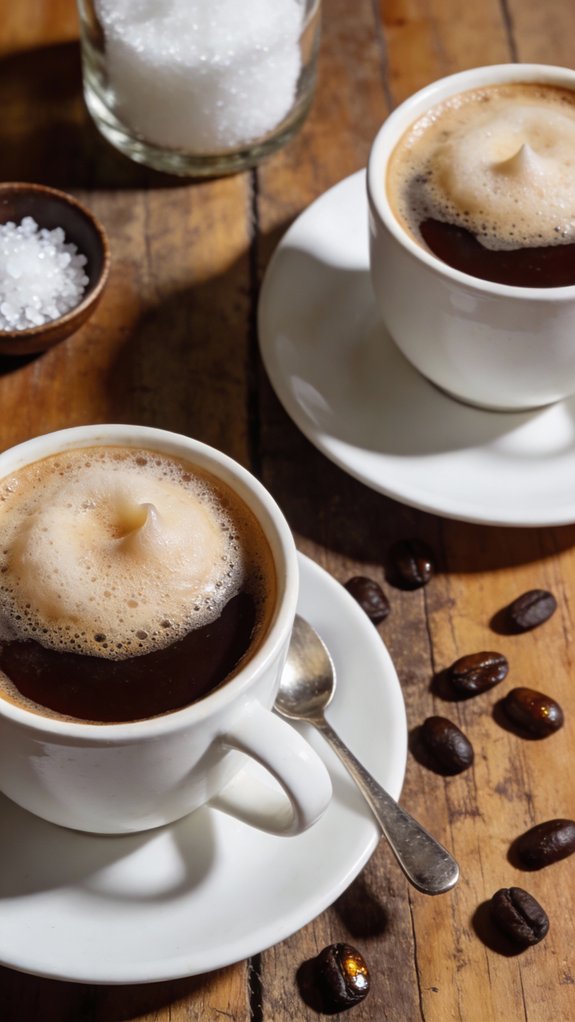
Café Cubano is a sweet, strong espresso shot that originated in Cuba and has become a staple of Cuban culture and Miami’s coffee scene. This intensely caffeinated drink is distinguished by its thick, sweet foam called espumita, created by whipping the first drops of espresso with sugar until it becomes light and creamy. The result is a bold coffee experience with a luxurious sweetness that coats your palate.
This drink is traditionally enjoyed in the morning or after meals as a quick pick-me-up, served in small demitasse cups and sipped slowly despite its size. The combination of dark roasted coffee and whipped sugar creates a unique texture and flavor that sets it apart from Italian espresso or American coffee drinks. It’s perfect for those moments when you need both energy and a touch of indulgence.
Ingredients
- 2 tablespoons finely ground dark roast coffee
- 2 tablespoons white sugar
- 4 ounces water
- Pinch of salt
- 1/4 teaspoon vanilla extract (optional)
Preparation
- Begin brewing espresso or moka pot coffee using the dark roast grounds and water.
- As soon as the first few drops of coffee emerge, pour them into a mixing cup with the sugar and salt.
- Whip the sugar mixture vigorously with a spoon or small whisk for 30-60 seconds until it becomes light tan, creamy, and nearly doubles in volume.
- Add the vanilla extract to the remaining brewed coffee.
- Slowly pour the hot coffee over the whipped sugar mixture, stirring gently to incorporate.
- Divide among small demitasse cups, ensuring each serving gets a generous layer of foam on top.
If you don’t have an espresso machine, a moka pot produces the closest results, though strong coffee from an AeroPress or French press can work in a pinch with slightly less authentic texture.
Demerara or turbinado sugar can replace white sugar for a deeper molasses note, while coconut sugar creates a caramel-like flavor. The salt is essential for balancing sweetness and enhancing coffee flavor, so don’t skip it.
For a less sweet version, reduce sugar to 1 tablespoon, though traditional Café Cubano is quite sweet. The espumita can be made slightly ahead and will hold for about 5 minutes, but it’s best served immediately for ideal texture and temperature.
Preparation Steps
Making Café Cubano isn’t complicated, but timing matters when you’re creating that signature espumita foam.
You’ll start by brewing your coffee, then immediately grab those first precious drops to whip with sugar until the mixture turns creamy and pale, almost like you’re making the world’s tiniest meringue.
Once the foam’s ready and the rest of your coffee has brewed, you’ll add the vanilla if you’re using it, pour everything together, and serve it while it’s still steaming hot.
Step 1. Gather Coffee and Sugar
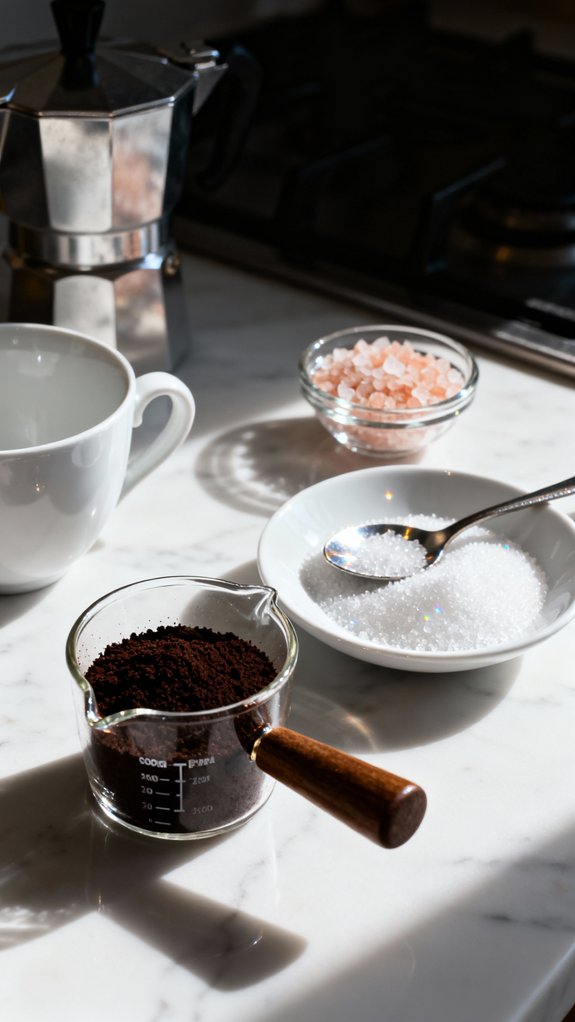
Before you start brewing, you’ll need to get your coffee and sugar ready on the counter.
I always measure out two tablespoons of finely ground dark roast coffee first, making sure it’s fresh and aromatic. The darker the roast, the better your Café Cubano will taste, with that bold, slightly bitter edge that balances the sweetness to come.
Next, measure two tablespoons of white granulated sugar into a small cup or bowl where you’ll create the espumita.
Don’t forget that tiny pinch of salt—it sounds weird, but it really does make the coffee taste richer. If you’re using vanilla extract, keep it nearby.
Having everything measured and within reach makes the actual brewing process much smoother, especially since you’ll need to move quickly once that first coffee starts dripping.
Step 2. Brew Espresso or Moka Coffee
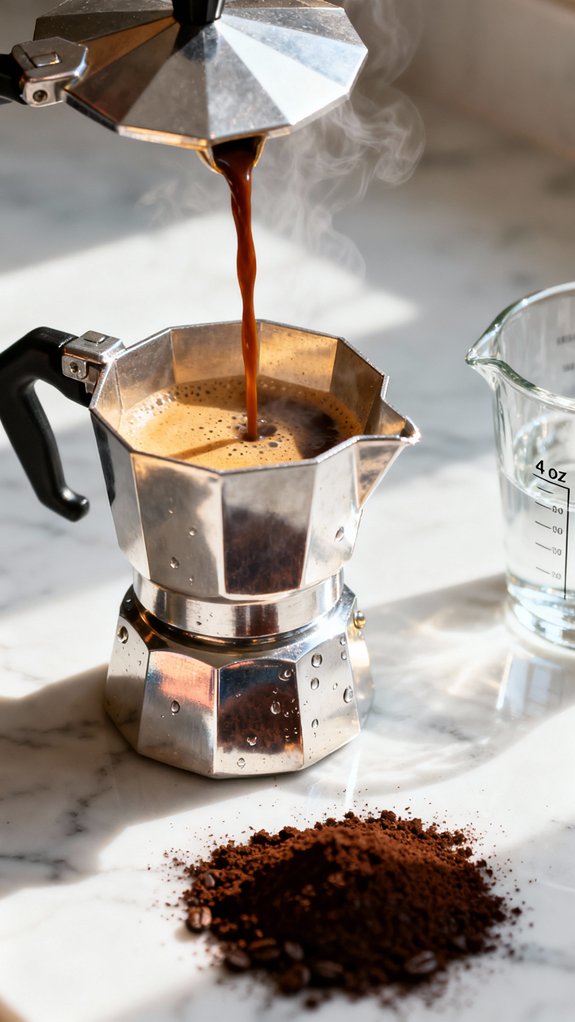
Now comes the part where your coffee maker does most of the work, though you’ll need to stay close and watch carefully.
Start brewing your espresso or moka pot coffee with the dark roast grounds and water you measured earlier. The moment those first few precious drops emerge—dark, aromatic, and steaming—you’ll need to act fast.
Catch approximately one teaspoon of this initial brew in your mixing cup where the sugar’s waiting. This first coffee is the most concentrated and creates the best espumita.
Then let the rest continue brewing while you work on whipping. The whole brewing process takes about three to five minutes depending on your equipment, filling your kitchen with that unmistakable rich coffee smell.
Step 3. Whip Sugar With Initial Drops
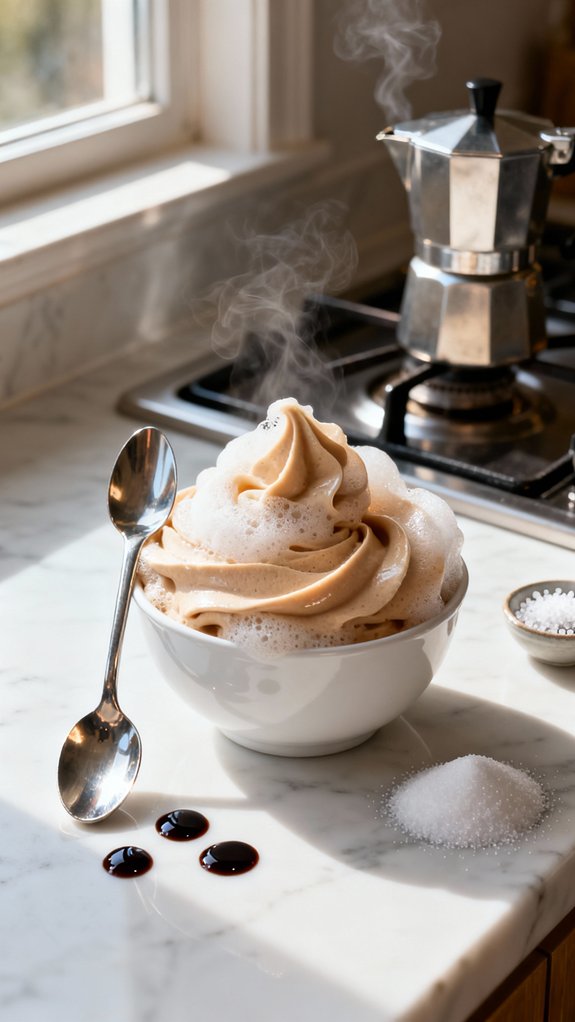
This step separates café cubano from regular espresso, and honestly, it’s where the magic happens. The moment those first drops hit your cup, you’ve got maybe fifteen seconds before they cool down too much.
I grab my spoon and whip like I’m trying to win something, mixing those initial coffee drops with the sugar and salt until my wrist gets tired. You’re looking for a color change from dark brown to light tan, almost beige.
The texture should remind you of creamy peanut butter, thick enough to coat your spoon. It takes about a minute of solid whisking, and yeah, your arm will feel it. When the mixture nearly doubles in volume, you’ve nailed it.
Step 4. Add Optional Vanilla Extract
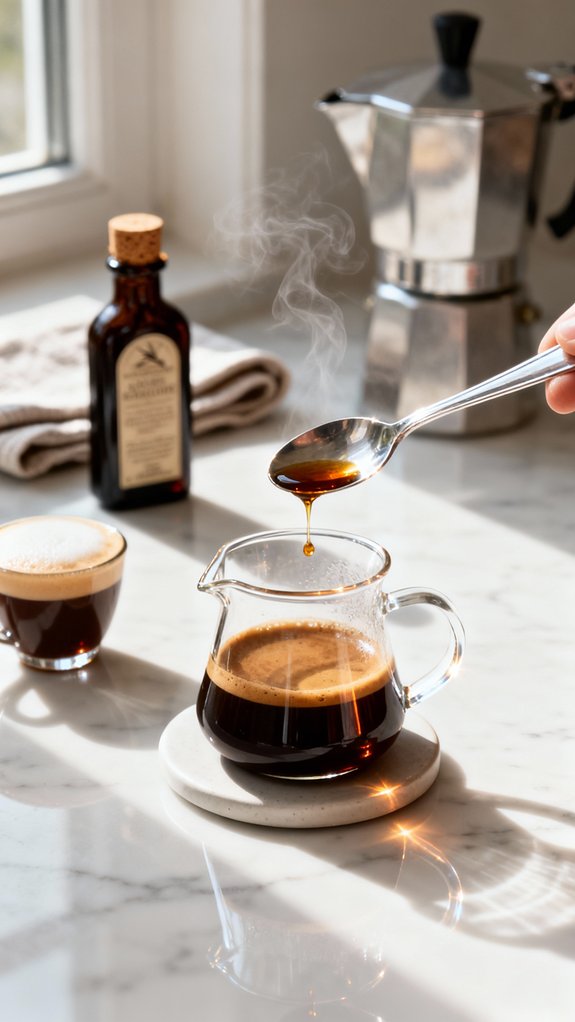
While the rest of your espresso finishes brewing, you’ve got a choice to make about vanilla. I always add a quarter teaspoon to the remaining coffee because it brings out this warm, rounded sweetness that feels more authentic.
You’re not making vanilla coffee here, just adding depth that Cuban grandmothers have used for generations. Pour the vanilla directly into the brewed espresso, not into your whipped sugar mixture. That espumita you worked so hard on shouldn’t be disturbed.
The vanilla blends into the hot coffee instantly, creating tiny aromatic pockets that rise with the steam. If you skip it, your Café Cubano will still taste legitimate, but I’ve found that little splash makes the difference between good and remarkable.
Step 5. Pour Coffee Over Foam
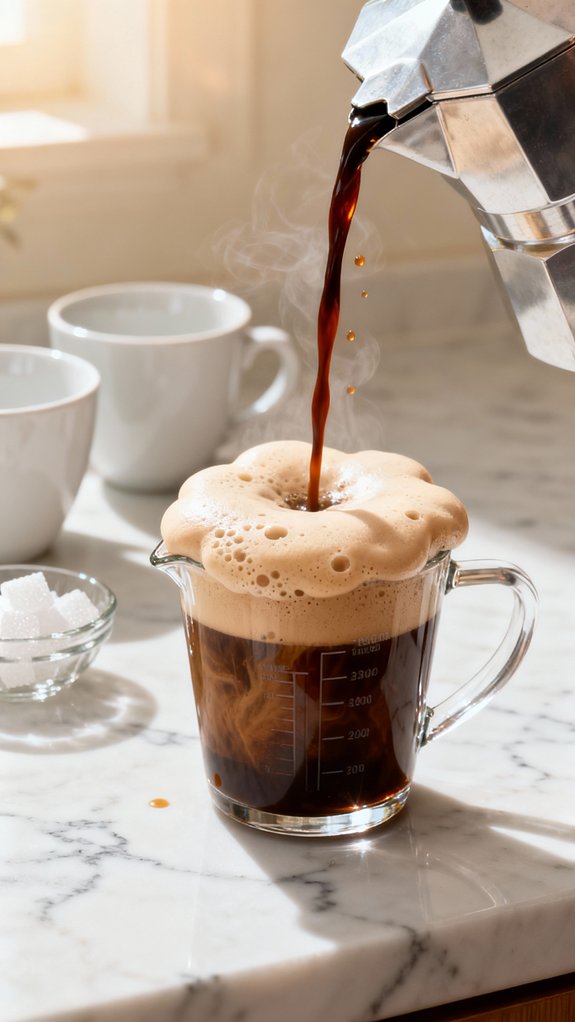
Once your espumita sits there looking like pale caramel mousse and your vanilla-spiked coffee is ready, the pouring becomes a gentle operation that requires more patience than skill.
You’ll want to tilt your cup slightly and let the hot coffee stream down the side rather than splashing directly onto that precious foam you just spent a minute whipping into existence.
I learned this the hard way when I dumped my first attempt and watched the espumita collapse into sad brown liquid.
Pour slowly until the cup’s about three-quarters full, then give everything a delicate stir with a demitasse spoon.
The foam should rise to the top naturally, creating that signature creamy cap that makes Café Cubano worth the fuss.
Final Thoughts
Making Café Cubano at home brings a little piece of Cuban coffee culture into your kitchen, and honestly, it’s one of those recipes that feels more impressive than it actually is. The whipping technique takes maybe a minute to learn, though your first attempt might produce less foam than you’d like. I’ve made this for friends who thought I’d spent years perfecting some complicated skill, when really it’s just sugar, coffee, and a bit of arm work. The espumita sitting on top of that dark coffee looks fancy enough for a café. It’s become my go-to when I want something stronger than regular coffee but more interesting than plain espresso. Three ingredients, five minutes, and you’ve got this sweet, bold shot that’ll wake you right up.
Frequently Asked Questions
What Is the Best Coffee Roast Level for Authentic Café Cubano?
You’ll want to use a dark roast coffee, as it’s traditional for authentic Café Cubano. Dark roasts produce the bold, intense flavor that stands up to the sweet espumita foam, creating that characteristic Cuban coffee experience everyone loves.
Can I Make Café Cubano Without an Espresso Machine or Moka Pot?
Yes, you can use an AeroPress or French press to brew strong coffee, though the espumita won’t have quite the same authentic texture as it would with proper espresso or moka pot coffee.
How Many Servings Does This Recipe Make?
This recipe yields two demitasse servings—small but mighty cups that pack caffeine’s punch like lightning in a thimble. You’ll brew 4 ounces total, which divides perfectly between two people for an authentic Cuban coffee experience.
What Is Espumita and Why Is It Important?
Espumita is the thick, sweet foam you’ll create by vigorously whipping the first espresso drops with sugar. It’s essential because it gives Café Cubano its signature creamy texture and luxurious sweetness that coats your palate.
Can I Prepare the Espumita Foam Ahead of Time?
While you might think making espumita ahead saves time, you shouldn’t prepare it early. The foam holds for only five minutes before deflating. You’ll get the best texture and authentic experience by whipping it immediately before serving your café.