You’d be surprised that nearly 70% of cocktail enthusiasts can’t properly make more than three classic drinks, even though these recipes have remained unchanged for decades. I’ve watched friends nervously fumble with shakers at dinner parties, their martinis turning cloudy from over-shaking, their old fashioneds drowning in sugar. The truth is, mastering these thirteen cocktails isn’t about fancy equipment or expensive spirits—it’s about understanding a handful of simple techniques that’ll transform your home bar.
Old Fashioned
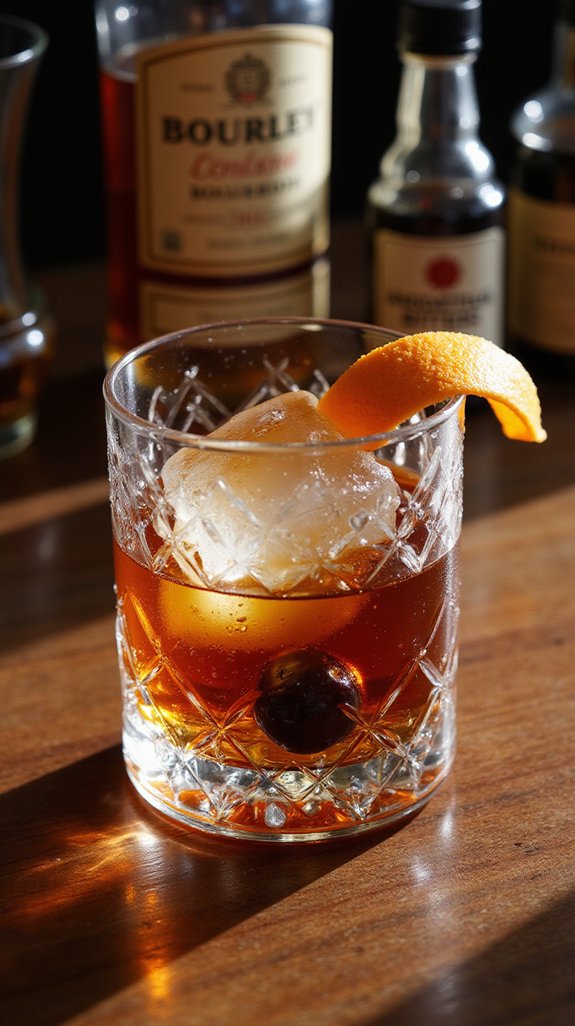
The Old Fashioned is a timeless whiskey cocktail that dates back to the early 19th century, making it one of the oldest cocktails in existence. This simple yet sophisticated drink showcases the quality of the spirit while balancing sweetness and bitters to create a smooth, complex flavor profile.
Originally created in Louisville, Kentucky, the Old Fashioned has become a staple in bars worldwide and remains a favorite among whiskey enthusiasts.
The beauty of the Old Fashioned lies in its simplicity and the ritual of its preparation. Unlike many modern cocktails that mask the base spirit with numerous ingredients, this classic drink requires only a handful of components, allowing the whiskey to shine through.
The gentle muddling of sugar with bitters, the careful addition of whiskey, and the slow dilution from ice create a drinking experience that’s both refined and approachable.
Ingredients
- 2 oz bourbon or rye whiskey
- 1 sugar cube or 1/2 teaspoon granulated sugar
- 2-3 dashes Angostura bitters
- Orange peel
- 1 large ice cube or several regular ice cubes
- 1 Luxardo cherry (optional)
Shop Related Products
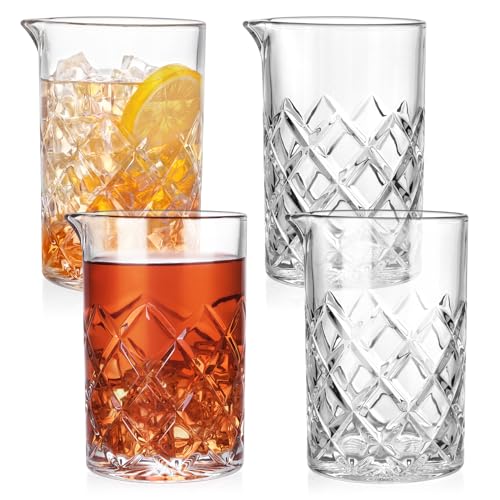
Sufficient Quantity: our product contains 4 pieces of clear bar mixing glasses, which are enough to meet your daily use needs, and enough quantity can also allow you to share with others

DESIGNED FOR PROFESSIONAL BARTENDING - specially selected by KITESSENSU's professional bartenders, the 710ml/24oz size makes two or three cocktails, and the cocktail mixing glasses are designed to match the professional-grade equipment used by bartenders.

DESIGNED AND SIZED FOR EXPERT BARTENDING - Our distinguished mixing glasses are designed for professional bartenders, but they can also be used just as easily for in-home cocktail parties and mixers.
Instructions
Place the sugar cube in an Old Fashioned glass and saturate it with the bitters, then add a few drops of water. Muddle the sugar until it dissolves into a paste.
Add the whiskey and stir to combine. Add the large ice cube or fill the glass with regular ice cubes and stir for about 30 seconds to chill and dilute the drink.
Express the oils from the orange peel over the drink by holding it over the glass and giving it a firm twist, then rim the glass with the peel and drop it into the drink. Add a cherry if desired.
Tips
The type of whiskey you choose will greatly impact the final flavor of your Old Fashioned—bourbon tends to produce a sweeter, smoother drink, while rye whiskey creates a spicier, more robust cocktail.
Using a large ice cube is preferred as it melts more slowly, preventing over-dilution of the drink. Avoid over-muddling the orange peel or cherry if you add them early, as this can release bitter oils and make the cocktail unpleasant.
The quality of your bitters and the freshness of your orange peel matter considerably, so invest in good ingredients for the best results.
Martini
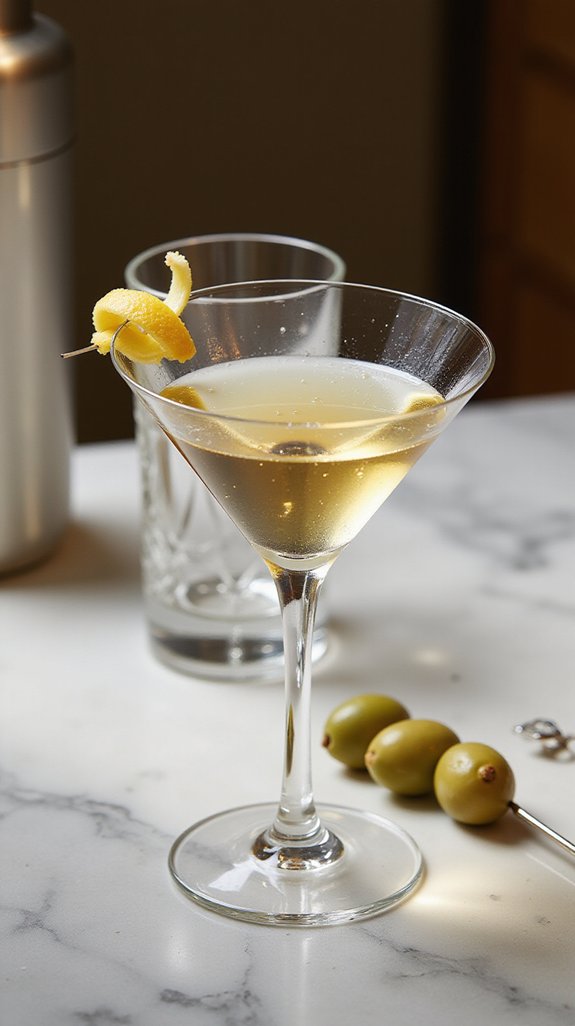
The Martini stands as perhaps the most iconic cocktail in history, embodying sophistication and elegance in a single glass. This deceptively simple combination of gin and vermouth has been a symbol of cocktail culture since the late 19th century, with its exact origins remaining a subject of debate among historians.
Whether shaken or stirred, dry or wet, the Martini has evolved into countless variations, yet the classic recipe remains a proof of the power of balance and precision in mixology.
At its core, the Martini is a study in restraint and refinement. The interplay between botanical gin and aromatic vermouth creates a complex, herbaceous flavor profile that’s both bracing and smooth. The proportions of these two ingredients have shifted dramatically over the decades, with modern preferences leaning toward drier versions that showcase the gin more prominently.
Served ice-cold in its signature V-shaped glass and garnished with either an olive or lemon twist, the Martini represents the pinnacle of cocktail craftsmanship.
Ingredients
- 2 1/2 oz gin
- 1/2 oz dry vermouth
- Ice cubes
- Lemon twist or green olives for garnish
- Optional: orange bitters (1 dash)
Shop Related Products

[ All-in-One Cocktail Mixing Kit ]: This complete set includes a 24 fl oz crystal mixing glass, stainless steel jigger(2 oz 1 oz), muddler, strainer, spoon, and a recipe card featuring 6 classic stirred cocktails. Perfect for both beginners and seasoned mixologists.

Complete 5-piece Set for Cocktails: this comprehensive cocktail mixing glass set provides all the essential instruments needed to create a wide range of cocktails at home; The kit includes a 23-ounce crystal mixing glass, a dual-sided jigger (0.5oz/1oz), a strainer, a long-handled bar spoon, and a muddler; Whether you're mixing an Old Fashioned, Martini, or experimenting with new recipes, this set has the tools to measure, stir, muddle, and strain like a professional bartender

【All in One Set】Mixing glass bartender set is made for cocktail and other drinks.This cocktail mixing glass set comes with 20 oz heavy mixing glass,double jigger,shinning polished strong strainer,super spoon and muddle.You have all for mixing cocktail with this bartender glass mixing set.
Instructions
Fill a mixing glass with ice cubes and add the gin and dry vermouth. Stir gently but consistently for about 30 seconds to properly chill and dilute the mixture—stirring rather than shaking produces a clearer, silkier drink with better texture.
Strain the cocktail into a chilled Martini glass using a cocktail strainer. If using a lemon twist, express the oils over the surface of the drink by twisting the peel skin-side down over the glass, then either run it around the rim and drop it in or discard it based on preference.
If using olives, spear one to three olives on a cocktail pick and rest it across the rim or drop them directly into the glass.
Tips
The ratio of gin to vermouth is highly customizable—a classic Martini uses a 5:1 or 6:1 ratio, but you can adjust to taste, with some preferring as little as a whisper of vermouth for an extra dry version.
Always use fresh vermouth and store it in the refrigerator after opening, as it oxidizes quickly and stale vermouth will ruin your cocktail. Chilling your Martini glass in the freezer beforehand guarantees your drink stays cold longer and enhances the overall experience.
The choice between a lemon twist and olives is personal preference, but avoid using both as they compete rather than complement. Quality gin with a good botanical profile is essential since there are so few ingredients to mask any imperfections in the spirit.
Manhattan
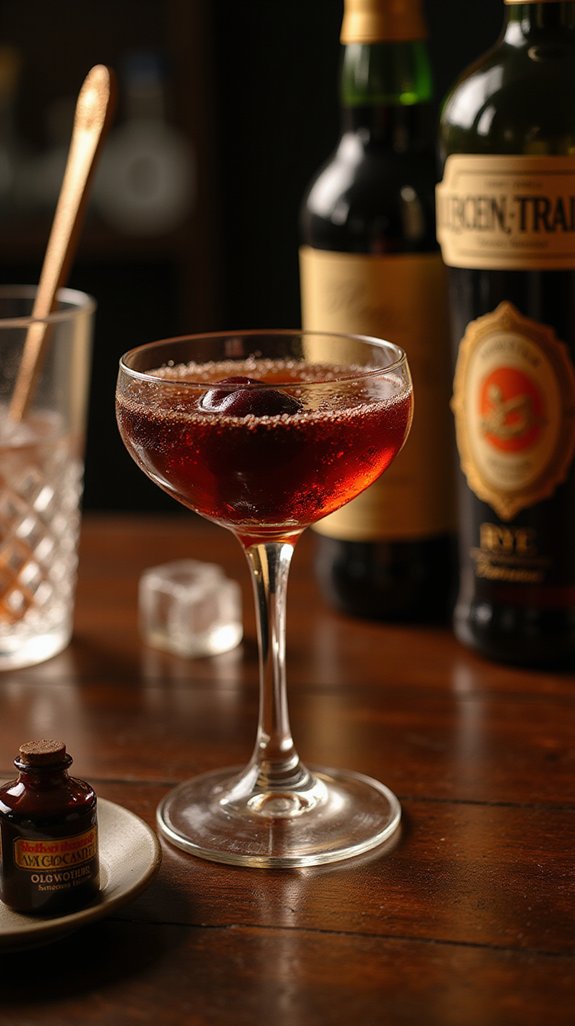
The Manhattan represents the epitome of whiskey-based cocktails, offering a perfect balance of spirit, sweetness, and complexity that has captivated drinkers since its creation in the 1870s. Legend attributes this classic drink to New York’s Manhattan Club, though its true origins remain shrouded in cocktail lore.
What’s undeniable is the Manhattan’s enduring appeal—a sophisticated blend of whiskey, sweet vermouth, and bitters that delivers warmth, depth, and a subtle spice that makes it equally suited for pre-dinner aperitifs or contemplative nightcaps.
Unlike its gin-based cousin the Martini, the Manhattan showcases the rich, robust character of whiskey, traditionally rye, though bourbon has become an increasingly popular choice. The sweet vermouth adds layers of herbal complexity and gentle sweetness, while aromatic bitters tie everything together with their concentrated botanical essence.
Served in a chilled coupe or Nick and Nora glass and garnished with a brandied cherry, the Manhattan is a reflection of how a few quality ingredients, properly proportioned and prepared, can create something truly timeless.
Ingredients
- 2 oz rye whiskey (or bourbon)
- 1 oz sweet vermouth
- 2 dashes Angostura bitters
- Ice cubes
- Brandied cherry for garnish
Instructions
Fill a mixing glass with ice cubes and add the rye whiskey, sweet vermouth, and bitters. Stir gently but thoroughly for about 30 seconds to achieve proper dilution and temperature—the Manhattan, like the Martini, should always be stirred rather than shaken to maintain clarity and a silky mouthfeel.
Strain the mixture into a chilled coupe or cocktail glass using a cocktail strainer. Garnish with a brandied cherry, either dropped directly into the drink or speared on a cocktail pick and rested on the rim.
Tips
The choice between rye and bourbon dramatically affects the final drink—rye provides a spicier, drier profile while bourbon offers sweeter, rounder flavors with notes of vanilla and caramel.
As with the Martini, fresh vermouth is essential, so keep your sweet vermouth refrigerated after opening. Some bartenders add a bar spoon of cherry syrup from the brandied cherry jar for added depth and a touch more sweetness.
For a Perfect Manhattan variation, use equal parts sweet and dry vermouth. Experiment with different bitters such as orange or chocolate to create your own signature version of this classic cocktail.
Margarita
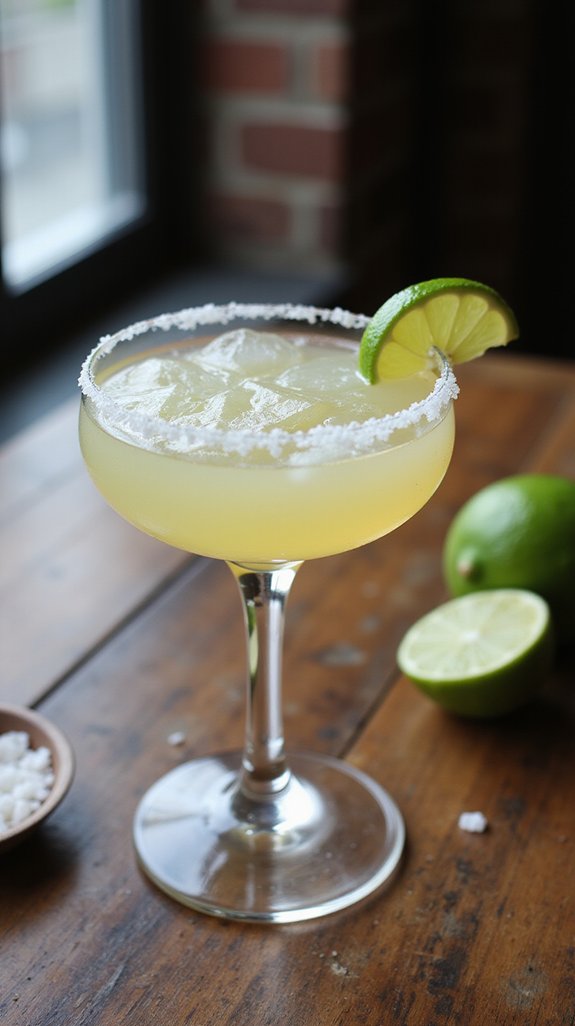
The Margarita stands as Mexico’s most iconic contribution to the global cocktail canon, a vibrant celebration of tequila that perfectly balances the trinity of spirit, citrus, and sweetness. While numerous origin stories compete for authenticity—from a Tijuana bartender in the 1930s to a Texas socialite’s poolside party—what matters most is the drink’s enduring ability to transport drinkers to sun-drenched beaches and festive gatherings with every sip.
This classic cocktail showcases tequila’s complex agave character while the fresh lime juice provides brightness and acidity, and the orange liqueur adds aromatic sweetness and depth that rounds out the experience.
The beauty of the Margarita lies in its simplicity and versatility, equally at home served frozen or on the rocks, with or without a salted rim. Unlike heavily diluted frozen versions found in tourist traps, a properly crafted Margarita respects the quality of its base spirit and relies on fresh ingredients rather than pre-made mixes.
The result is a cocktail that’s simultaneously invigorating and complex, tart yet balanced, and sophisticated enough for discerning palates while remaining approachable for casual enjoyment. Whether served in a traditional Margarita glass or a rocks glass, this tequila-based masterpiece has earned its place alongside the Manhattan and Martini in the pantheon of essential classic cocktails.
Ingredients
- 2 oz blanco or reposado tequila
- 1 oz fresh lime juice
- 3/4 oz orange liqueur (Cointreau or Grand Marnier)
- 1/2 oz simple syrup (optional, to taste)
- Ice cubes
- Kosher salt for rim (optional)
- Lime wheel for garnish
Instructions
If using a salt rim, run a lime wedge around half the rim of your glass and dip it in kosher salt, then fill the glass with fresh ice and set aside.
In a cocktail shaker, combine the tequila, fresh lime juice, orange liqueur, and simple syrup if desired. Fill the shaker with ice and shake vigorously for 15-20 seconds until well-chilled and properly diluted—unlike stirred cocktails, the Margarita benefits from the aeration and texture that shaking provides.
Strain the mixture into your prepared glass over fresh ice, or strain into a chilled coupe for a straight-up presentation. Garnish with a lime wheel on the rim.
Tips
Always use freshly squeezed lime juice rather than bottled—the difference in flavor is dramatic and essential to a quality Margarita.
The choice of tequila matters considerably; opt for 100% agave tequila rather than mixto varieties, with blanco offering clean, bright agave notes and reposado adding subtle oak complexity.
Adjust the simple syrup to your taste preference and the tartness of your limes, as some prefer their Margaritas on the drier side. For a smoky variation, substitute mezcal for half or all of the tequila.
Only salt half the rim to give drinkers the option of sipping with or without salt throughout their drink, and consider using flaky sea salt or flavored salts like chili-lime for added dimension.
Negroni
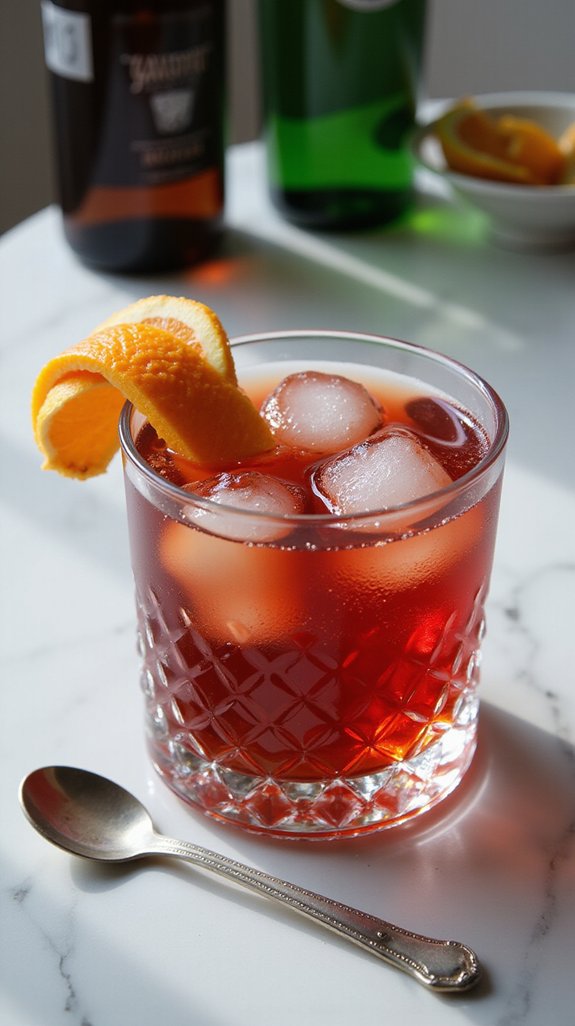
The Negroni represents Italian aperitivo culture at its finest, a bold and bittersweet cocktail that has captivated drinkers since its creation in Florence in 1919. Legend credits Count Camillo Negroni with the drink’s invention when he asked bartender Fosco Scarselli to strengthen his favorite Americano by replacing the soda water with gin. The result was a perfectly balanced triumvirate of equal parts gin, Campari, and sweet vermouth that showcases how three simple ingredients can create something far greater than the sum of their parts.
This ruby-red cocktail has experienced a remarkable renaissance in recent years, becoming a favorite among bartenders and cocktail enthusiasts who appreciate its unapologetic bitterness and complex flavor profile.
What makes the Negroni exceptional is its ability to challenge and reward the palate simultaneously, with Campari’s distinctive bitter orange notes playing against the botanical complexity of gin and the rich, herbaceous sweetness of vermouth. Unlike cocktails that aim to please immediately, the Negroni demands attention and develops an almost addictive quality as your taste buds acclimate to its assertive character.
It’s a drink that encourages contemplation and conversation, traditionally served before dinner to stimulate the appetite, though its devotees often enjoy it at any hour. The Negroni’s elegance lies in its simplicity—no shaking required, no fresh citrus to squeeze, just three bottles, ice, and a rocks glass standing between you and one of the world’s most sophisticated cocktails.
Ingredients
- 1 oz London Dry gin
- 1 oz Campari
- 1 oz sweet vermouth
- Ice cubes
- Orange peel for garnish
Instructions
Fill a rocks glass or Old Fashioned glass with ice cubes to chill it while you prepare the drink. In a mixing glass, combine the gin, Campari, and sweet vermouth with fresh ice, and stir gently for 20-30 seconds until the mixture is well-chilled and properly diluted—stirring rather than shaking maintains the cocktail’s silky texture and clarity.
Discard the ice from your serving glass if you prefer, or strain the mixture over fresh ice in the glass for ideal temperature. Express the oils from a wide swath of orange peel over the drink by holding it over the glass and giving it a firm twist, then either run the peel around the rim and drop it into the drink or perch it on the edge as a garnish.
Tips
The quality of your vermouth is essential and often overlooked—always use fresh vermouth stored in the refrigerator, as it’s a fortified wine that oxidizes and loses its vibrant flavors within a month or two of opening.
While the classic recipe calls for equal parts, many bartenders adjust the ratios slightly to suit different gins or personal preferences, sometimes going to 1.5 oz gin with 0.75 oz each of Campari and vermouth for a more spirit-forward version.
Don’t be discouraged if the Negroni seems too bitter on first sip; this is an acquired taste that often becomes a lifelong passion, and the bitterness mellows beautifully as the ice dilutes the drink slightly.
For a lighter variation, you can top the finished Negroni with a splash of soda water to create a Negroni Sbagliato, or substitute Aperol for Campari for a less intense introduction to the style.
Daiquiri
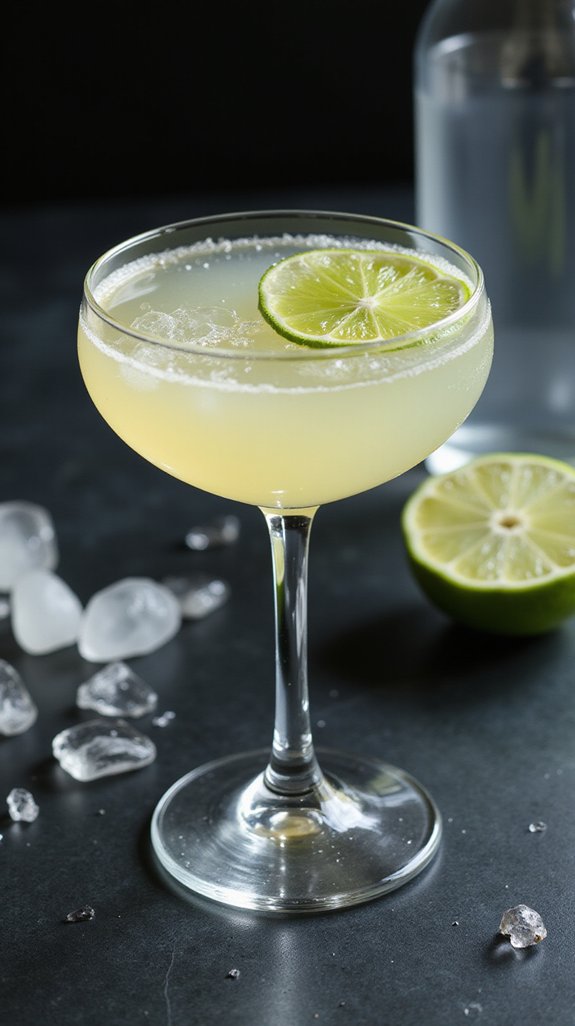
The Daiquiri stands as a representation to the power of simplicity in cocktail craft, a Cuban classic that has transcended its humble origins to become one of the most revered drinks in the bartender’s repertoire. Born in the mining town of Daiquiri, Cuba, around 1898, this elegant three-ingredient cocktail was reportedly created by American engineer Jennings Cox, who mixed local rum with lime and sugar when he ran out of gin for guests.
What emerged was a perfectly balanced showcase for quality rum, where the bright acidity of fresh lime juice and the subtle sweetness of sugar work in harmony to highlight rather than mask the spirit’s character. Unlike the frozen, artificially-flavored concoctions that have unfortunately appropriated its name, a proper Daiquiri is a shaken, strained, and supremely sophisticated drink served up in a coupe or cocktail glass.
The genius of the Daiquiri lies in its versatility within strict parameters—while the template remains constant, minor adjustments in proportions can shift the drink’s personality from bracingly tart to gently rounded, allowing it to adapt to different rums and personal preferences. This cocktail demands respect for its ingredients: fresh lime juice is non-negotiable, quality white rum is vital, and the sugar component, whether simple syrup or superfine sugar, must be measured with precision.
Ernest Hemingway famously favored his Daiquiris at El Floridita in Havana, eventually inspiring a variation that bore his name, but the classic version remains the gold standard by which all variations are judged. It’s a drink that looks deceptively simple on paper yet reveals the true skill of the bartender in execution, requiring proper dilution, precise balance, and the perfect chill that can only come from vigorous shaking.
Ingredients
- 2 oz white rum
- 3/4 oz fresh lime juice
- 1/2 oz simple syrup (1:1 sugar to water)
- Ice cubes
- Lime wheel for garnish (optional)
Instructions
Add the white rum, fresh lime juice, and simple syrup to a cocktail shaker filled with ice, making sure to use plenty of ice to achieve proper dilution and temperature. Shake vigorously for 10-15 seconds until the exterior of the shaker becomes frosty and cold to the touch—this aggressive shaking is essential for achieving the proper texture and dilution that makes a Daiquiri sing.
Double-strain the mixture through a Hawthorne strainer and fine-mesh strainer into a chilled coupe or cocktail glass to remove any ice shards and pulp, guaranteeing a silky-smooth texture. Garnish with a thin lime wheel if desired, though the drink is perfectly complete without adornment.
Tips
Always use freshly squeezed lime juice within hours of juicing, as bottled or even day-old lime juice will produce a flat, dull cocktail that bears little resemblance to the real thing. The ratio provided here is a classic starting point, but don’t hesitate to adjust based on your rum’s character and the tartness of your limes—some bartenders prefer a 2:1:3/4 ratio (rum:lime:syrup) for a drier profile.
Choose a quality white rum with character rather than a neutral, inexpensive option, as this cocktail offers nowhere for inferior spirits to hide. If you don’t have simple syrup, you can use superfine sugar, though you’ll need to shake longer and more vigorously to guarantee complete dissolution. The Daiquiri should be served immediately after preparation, as it will lose its ideal temperature and texture within minutes.
Whiskey Sour
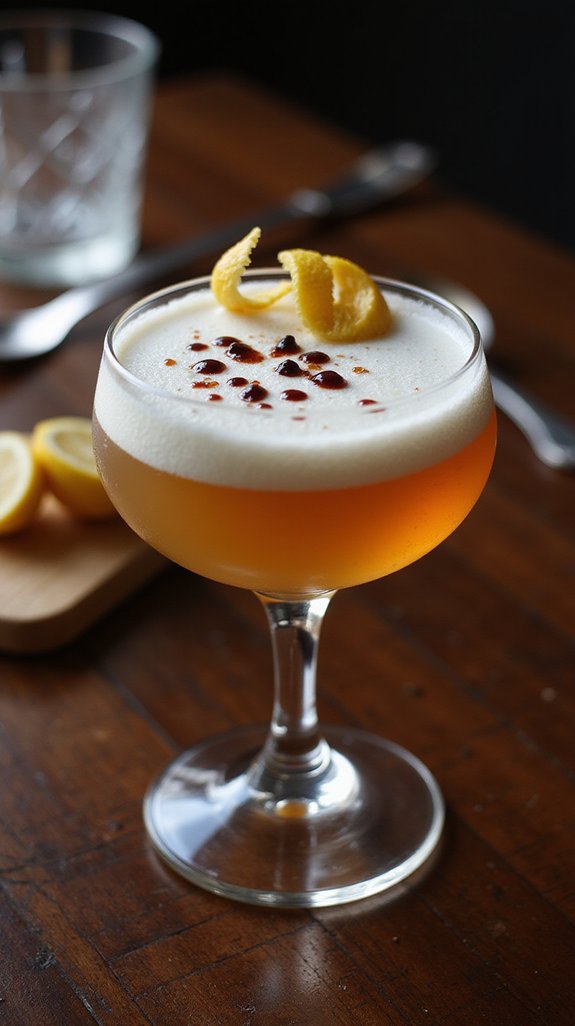
The Whiskey Sour represents the pinnacle of American cocktail tradition, a drink that perfectly balances the robust character of whiskey with the bright tartness of citrus and the smoothing influence of sugar. Dating back to the 1860s, this cocktail belongs to the “sour” family—a foundational category built on the holy trinity of spirit, citrus, and sweetener—and has remained a cornerstone of bar culture for over 150 years.
What distinguishes the Whiskey Sour from its contemporaries is its ability to showcase the complexity of good bourbon or rye whiskey while tempering its intensity with fresh lemon juice and simple syrup, creating a drink that’s simultaneously invigorating and substantial. The addition of egg white, while optional, transforms the cocktail from merely excellent to truly exceptional, lending a silky texture and luxurious foam cap that elevates both the visual appeal and mouthfeel.
The true art of the Whiskey Sour lies in achieving perfect equilibrium—too much lemon and the whiskey disappears, too much sugar and the drink becomes cloying, but when properly balanced, it becomes a harmonious expression of contrasts. The choice of whiskey matters immensely: bourbon brings vanilla and caramel notes that play beautifully against the citrus, while rye adds spice and structure for those who prefer a drier, more assertive drink.
This cocktail has suffered from decades of degradation in establishments that relied on pre-made sour mix, but the craft cocktail renaissance has restored it to its rightful glory, demanding fresh ingredients and proper technique. Whether served straight up in a coupe or over ice in a rocks glass, and whether garnished with the classic cherry-and-orange flag or a more modern expressed lemon peel, the Whiskey Sour remains an essential drink that every serious bartender must master and every cocktail enthusiast should appreciate.
Ingredients
- 2 oz bourbon or rye whiskey
- 3/4 oz fresh lemon juice
- 1/2 oz simple syrup (1:1 sugar to water)
- 1/2 oz egg white (optional but recommended)
- Ice cubes
- Angostura bitters (for garnish)
- Lemon peel or cherry and orange slice for garnish (optional)
Instructions
If using egg white, add it to the cocktail shaker first along with the whiskey, fresh lemon juice, and simple syrup, then perform a “dry shake” (shaking vigorously without ice for about 10 seconds) to emulsify the egg white and create the foundation for a proper foam.
Add ice to the shaker and shake vigorously again for another 10-15 seconds until the shaker is thoroughly frosted and cold. Double-strain the mixture through a Hawthorne strainer and fine-mesh strainer into a chilled coupe glass or over fresh ice in a rocks glass, depending on your preference.
If you’ve used egg white, wait a moment for the foam to settle and rise, then add three to four drops of Angostura bitters on top of the foam and drag a cocktail pick through them to create a decorative pattern, finishing with your chosen garnish.
Tips
The freshness of your lemon juice is absolutely critical—bottled lemon juice will ruin this drink, so always juice your lemons immediately before making the cocktail.
When using egg white, verify it’s fresh and from a reliable source, and don’t skip the dry shake, as this step is essential for creating that signature velvety texture and stable foam cap.
If you’re uncomfortable using raw egg white, aquafaba (chickpea brine) or commercially available egg white substitutes can work in a pinch, though the texture won’t be quite as luxurious.
The whiskey you choose will dramatically affect the final result, so use something you’d be happy to sip neat—well-aged bourbon brings smoothness and sweetness, while rye creates a spicier, more structured drink that some prefer.
Adjust the simple syrup by a quarter ounce in either direction to suit your taste and the specific whiskey you’re using, as some spirits have more inherent sweetness than others.
Mojito
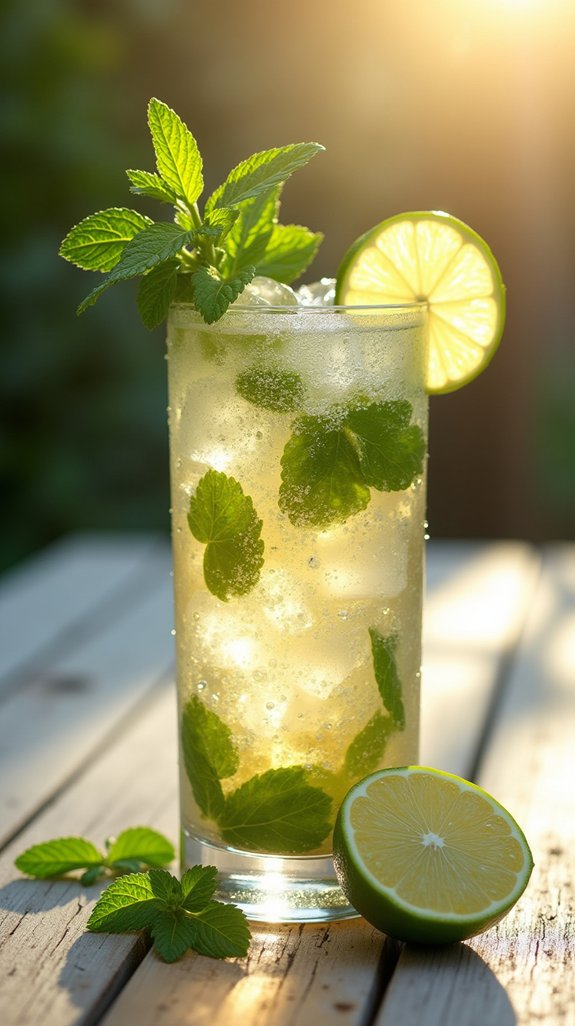
The Mojito stands as Cuba’s most celebrated contribution to the global cocktail canon, a revitalizing masterpiece that captures the essence of Caribbean sunshine in a glass. Born in Havana during the 16th century—or so the legends claim—this iconic drink achieved its modern form in the early 20th century at La Bodeguita del Medio, where it became the favored refreshment of Ernest Hemingway and countless others seeking respite from tropical heat.
The Mojito’s genius lies in its deceptively simple combination of white rum, fresh mint, lime, sugar, and soda water, each element working in concert to create something far greater than the sum of its parts. The gentle muddling of mint leaves releases their essential oils without introducing bitterness, while the lime and sugar form a perfect sweet-tart foundation that allows the rum’s subtle complexity to shine through, all lengthened and lightened by the effervescent lift of soda water.
What separates an exceptional Mojito from a mediocre one is restraint and technique—the mint must be treated with respect rather than brutalized, the rum should be of quality rather than merely utilitarian, and the balance must favor revitalization over sweetness. This is fundamentally a drink of summer and celebration, equally at home on a beach in Varadero as it’s in a sophisticated cocktail lounge, and its enduring popularity speaks to its universal appeal.
The Mojito has survived countless variations and adaptations, from fruit-infused versions to elaborate reinterpretations, yet the classic formula remains unimpeachable. Its preparation is a ritual that engages all the senses: the aromatic release of bruised mint, the visual appeal of verdant leaves suspended in sparkling liquid, the satisfying clink of ice, and ultimately, the cool, invigorating taste that has made it a permanent fixture in the cocktail lexicon.
Ingredients
- 2 oz white rum
- 1 oz fresh lime juice (about 1 lime)
- 2 teaspoons sugar (or 3/4 oz simple syrup)
- 8-10 fresh mint leaves, plus a sprig for garnish
- 2 oz soda water
- Ice cubes
- Lime wheel for garnish (optional)
Instructions
Place the mint leaves and sugar in a highball or Collins glass, then gently muddle them together using a muddling tool or the handle of a wooden spoon, pressing just enough to release the mint’s oils without tearing the leaves into bits—about 3-4 gentle presses should suffice.
Add the fresh lime juice and stir to dissolve the sugar completely, then fill the glass two-thirds full with ice cubes and pour in the white rum, stirring well to combine and chill the mixture.
Top with soda water, give one final gentle stir to integrate all elements, then add more ice if needed to fill the glass completely, and garnish with a fresh mint sprig (slapping it gently between your hands first to release its aroma) and a lime wheel if desired.
Tips
The most common error in Mojito preparation is over-muddling the mint, which releases chlorophyll and creates a bitter, vegetal flavor that overwhelms the drink’s delicate balance—think of it as gently pressing rather than pulverizing.
Use fresh spearmint rather than peppermint for the authentic flavor profile, and always add the soda water last to preserve its carbonation; stirring too vigorously after adding it will flatten the drink.
For the best results, chill your glass beforehand, use quality white rum (Cuban if possible, though any good light rum works), and resist the temptation to make the drink too sweet—the Mojito should be revitalizing and balanced, not a mint-flavored sugar bomb.
If sugar granules aren’t dissolving easily, muddle them with just the lime juice first before adding the mint, or simply use simple syrup for more consistent results.
Moscow Mule
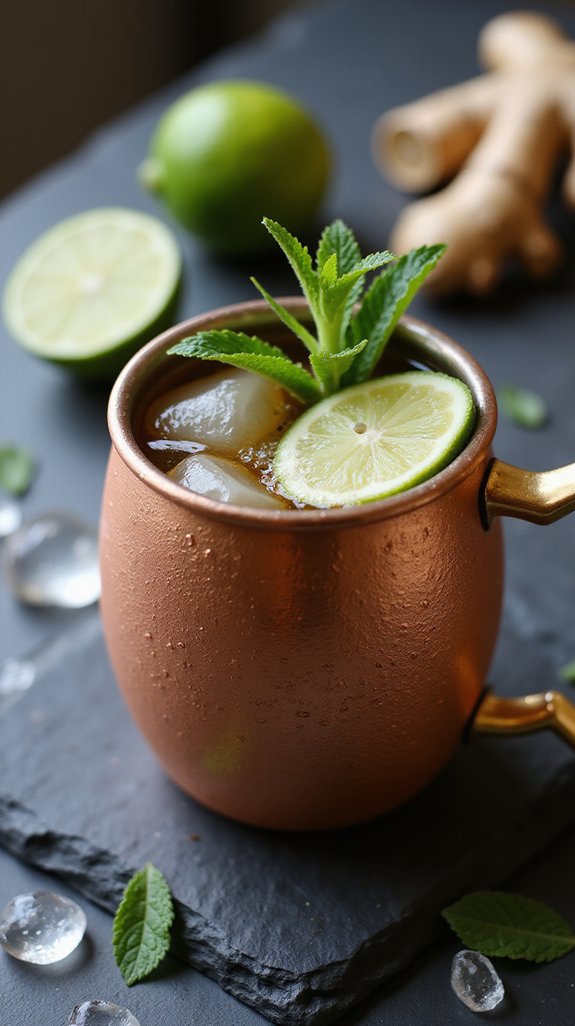
The Moscow Mule represents one of the most successful marketing triumphs in cocktail history, a drink that was quite literally invented to solve a business problem in 1941. John Martin of Smirnoff vodka, Jack Morgan of the Cock’n’Bull bar in Hollywood, and Sophie Berezinski, whose family made copper mugs, found themselves with three products that weren’t selling—vodka, ginger beer, and copper mugs. Their solution became an American classic that introduced vodka to a nation still unfamiliar with the spirit, wrapped in the exotic appeal of a Russian name and served in a distinctive copper vessel that became inseparable from the drink’s identity.
The Moscow Mule’s brilliance lies in its simplicity: vodka’s clean neutrality provides the perfect canvas for spicy, zingy ginger beer, while fresh lime adds brightness and complexity, all served ice-cold in a metal mug that frosts beautifully and keeps the drink remarkably chilled.
What makes the Moscow Mule enduringly appealing is its accessibility and versatility—it’s simultaneously sophisticated enough for craft cocktail bars yet simple enough for home bartenders, strong enough to satisfy serious drinkers yet invigorating enough for casual sipping. The copper mug is more than mere affectation; the metal’s excellent thermal conductivity creates an icy vessel that enhances the drinking experience, while the mug’s lip against your mouth provides a unique sensory element that glass can’t replicate.
The drink sparked countless variations, from the Kentucky Mule with bourbon to the Mexican Mule with tequila, yet the original vodka version remains the gold standard. Its popularity has ebbed and flowed over the decades, but the Moscow Mule has proven remarkably resilient, experiencing a major resurgence in the 2000s that introduced it to new generations of cocktail enthusiasts who appreciate its perfect balance of spice, citrus, and effervescence.
Ingredients
- 2 oz vodka
- 1/2 oz fresh lime juice (about half a lime)
- 4-6 oz ginger beer (not ginger ale)
- Ice cubes
- Lime wheel or wedge for garnish
- Fresh mint sprig for garnish (optional)
- Copper mug (traditional, but a highball glass works)
Instructions
Fill a copper mug or highball glass with ice cubes, then pour in the vodka and fresh lime juice, stirring briefly to combine. Top with ginger beer, pouring slowly to preserve carbonation, and give the drink one gentle stir to incorporate all ingredients without losing too much effervescence. Garnish with a lime wheel or wedge placed on the rim of the mug, and add a sprig of fresh mint if desired, giving it a light slap between your hands before adding to release its aromatic oils. Serve immediately while the mug is still frosty cold, with a straw or stirrer if preferred.
Tips
The quality of ginger beer makes or breaks a Moscow Mule—seek out brands with real ginger and robust spiciness rather than sweet, insipid versions that taste more like ginger ale. If you’re using copper mugs, verify they’re lined with another metal like stainless steel or nickel on the interior, as pure copper can react with acidic ingredients, though this is primarily a concern with prolonged contact.
For an extra-cold drink, place your copper mugs in the freezer for 15-30 minutes before mixing, and consider chilling your vodka and ginger beer as well. The lime juice must be fresh—bottled lime juice will produce a flat, artificial-tasting drink that completely undermines the Mule’s bright, invigorating character.
Some prefer a spicier kick and will add a few thin slices of fresh ginger muddled in the bottom of the mug before building the drink, while others like a touch of simple syrup if their ginger beer isn’t sweet enough, though purists insist the original recipe requires no additional sugar.
Gin and Tonic
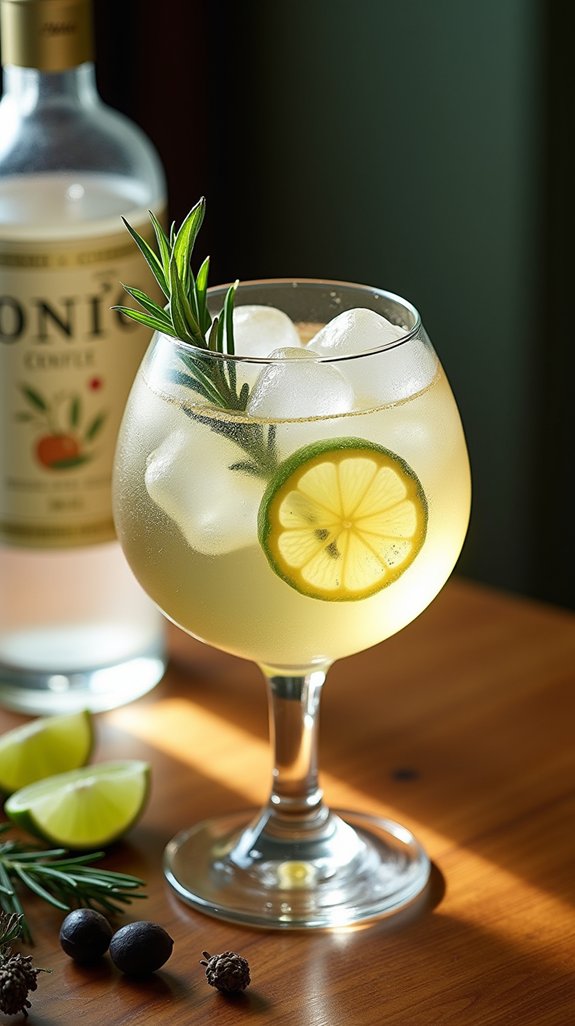
The Gin and Tonic is deceptively simple, a two-ingredient highball that has been the backbone of British drinking culture since the 19th century and remains one of the world’s most consumed cocktails. Born from colonial necessity in British India, where quinine-laced tonic water was used to prevent malaria, officers of the British East India Company made the bitter medicine more palatable by mixing it with gin, lime, and sugar.
What began as medicinal pragmatism evolved into a cultural institution, a drink so embedded in British identity that it became shorthand for a certain kind of sophisticated leisure. The modern Gin and Tonic has transformed dramatically from its humble origins, riding the craft spirits revolution that has seen gin evolve from a standardized juniper spirit into a diverse category with hundreds of botanical expressions, each bringing unique character to this timeless combination.
The beauty of the Gin and Tonic lies not in complexity but in the quality and balance of its components—a great G&T demands careful attention to the ratio of gin to tonic, the quality of ice, the type of tonic water, and the garnish that complements your chosen gin’s botanical profile.
The craft cocktail renaissance has elevated this humble highball to an art form, with bartenders treating gin selection with the same reverence sommeliers give to wine, pairing specific gins with compatible tonic waters and thoughtful garnishes that highlight particular botanicals. Spanish gin bars pioneered the modern approach, serving G&Ts in oversized balloon glasses filled with huge ice cubes and elaborate garnishes ranging from cucumber and rosemary to pink peppercorns and grapefruit peel.
This isn’t mere affectation—the large glass allows aromatics to develop, while proper ice guarantees dilution stays minimal and temperature remains ideal throughout the drinking experience.
Ingredients
- 2 oz gin
- 4-5 oz premium tonic water (chilled)
- Ice cubes (large format preferred)
- Lime wedge or wheel for garnish
- Optional garnishes: cucumber slice, rosemary sprig, juniper berries, grapefruit peel, or other botanicals that complement your gin
Instructions
Fill a highball glass or large balloon glass with ice—preferably large cubes or a single large ice sphere to minimize dilution. Pour the gin over the ice, then slowly add the chilled tonic water by pouring it down the side of the glass to preserve carbonation.
Give the drink one gentle stir with a bar spoon to integrate the ingredients without releasing too much carbonation. Squeeze the lime wedge over the drink to release its oils, then drop it into the glass along with any additional garnishes that complement your gin’s botanical profile.
Tips
The quality of your tonic water matters enormously—cheap, flat tonic will ruin even the finest gin, so invest in premium brands like Fever-Tree, Q Tonic, or Fentimans, and verify they’re well-chilled before mixing.
The ratio of gin to tonic is deeply personal, ranging from 1:1 for spirit-forward drinkers to 1:3 for a lighter serve, but 1:2 provides an excellent starting point that lets both components shine.
Match your garnish to your gin’s dominant botanicals: citrus-forward gins pair beautifully with grapefruit or lemon, while cucumber complements more delicate, floral gins, and rosemary enhances gins with strong herbal notes.
Always add tonic water last and avoid vigorous stirring, as preserving carbonation is vital to the drink’s invigorating quality and mouthfeel.
Aperol Spritz
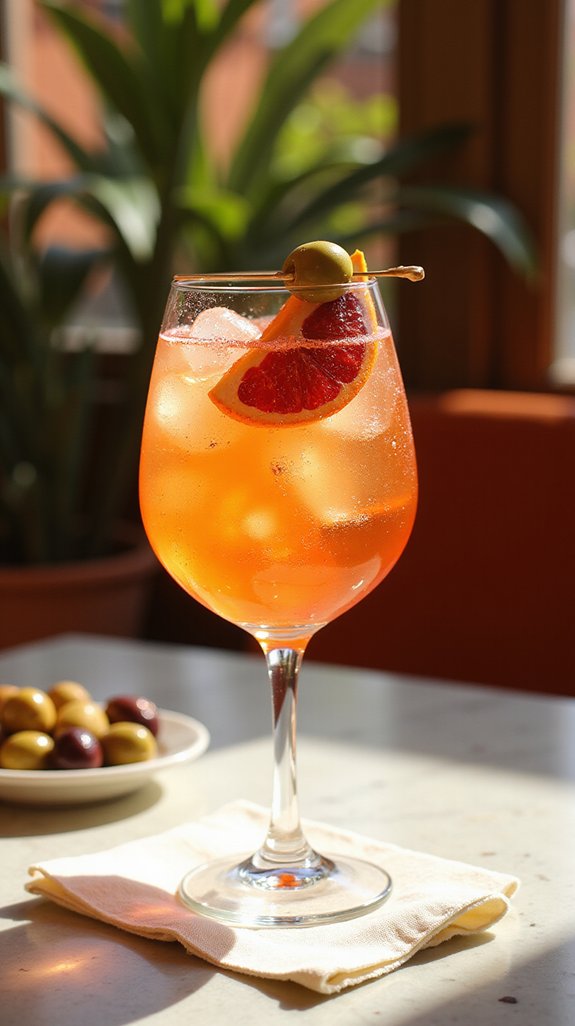
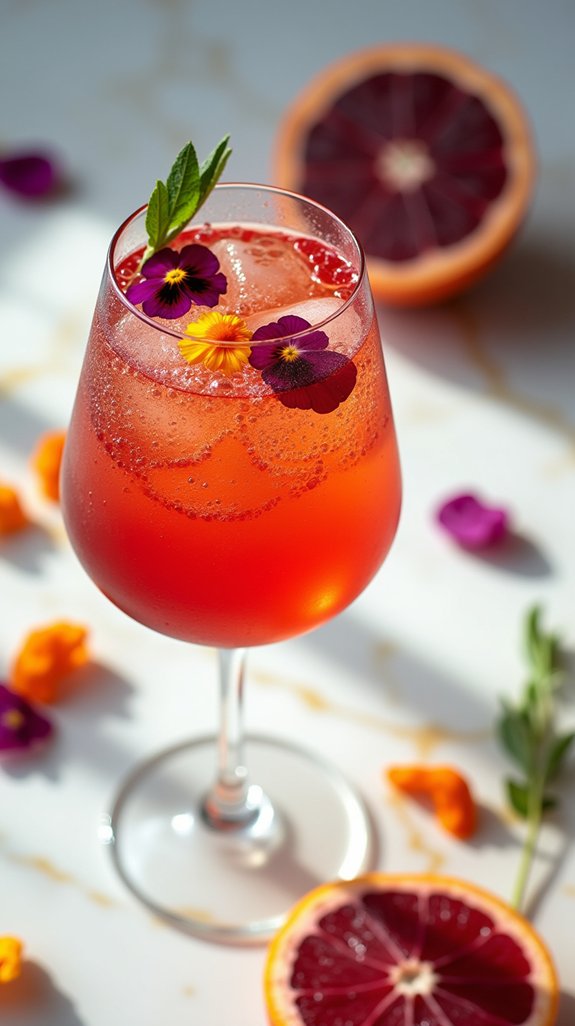
The Aperol Spritz represents the essence of Italian aperitivo culture, a bittersweet symphony of Aperol, Prosecco, and soda water that has become the unofficial drink of Venetian sunsets and leisurely pre-dinner socializing. Created in Padua in 1919, Aperol was designed as a lighter, more approachable alternative to its more intensely bitter cousin Campari, featuring a proprietary blend of bitter orange, gentian, rhubarb, and cinchona among its botanicals.
The Spritz itself has deeper roots in the Veneto region, dating back to the 19th-century Austrian occupation when Habsburg soldiers would dilute the local wine with a splash—or “spritz”—of water. The modern Aperol Spritz as we understand it emerged in the post-World War II era and exploded globally in the 2000s, becoming synonymous with effortless Italian sophistication and the art of drinking not to get drunk, but to stimulate appetite and conversation.
What makes the Aperol Spritz particularly beloved is its remarkable accessibility and crowd-pleasing character—at just 11% ABV, Aperol brings vibrant orange color and bittersweet complexity without the challenging intensity of other Italian amari, making it the perfect gateway to the world of bitter liqueurs.
The formula is beautifully simple, traditionally built in the glass rather than shaken, a invigorating low-alcohol option that bridges the gap between serious cocktail culture and casual refreshment. Unlike many classic cocktails that have spawned endless variations, the Aperol Spritz remains remarkably standardized in its construction, though ratios may vary slightly between the classic Venetian style and international interpretations.
This drink’s astronomical rise in popularity has made it a cultural phenomenon, transforming from a regional Italian specialty into a global symbol of la dolce vita, the embodiment of sunny afternoons, outdoor cafés, and the civilized art of aperitivo hour.
Ingredients
- 3 oz Prosecco (chilled)
- 2 oz Aperol
- 1 oz soda water (chilled)
- Ice cubes
- Orange slice or wheel for garnish
- Optional: green olive for garnish (traditional in Veneto)
Instructions
Fill a large wine glass or rocks glass with ice cubes, ensuring the glass is well-chilled. Add the Aperol first, followed by the chilled Prosecco, pouring gently to preserve the bubbles. Top with a splash of soda water and give the drink one brief, gentle stir to combine the ingredients without losing carbonation.
Garnish with a half-moon slice of orange, placing it into the drink rather than perching it on the rim, and if you want to honor Venetian tradition, add a green olive on a cocktail pick.
The key to a perfect Aperol Spritz lies in maintaining the right temperature and effervescence throughout—use chilled Prosecco and soda water straight from the refrigerator, and build the drink quickly once you’ve added ice to prevent excessive dilution.
While the classic ratio is 3:2:1 (Prosecco:Aperol:soda), some prefer a slightly boozier 2:2:1 ratio or even less soda for more pronounced flavors. The quality of your Prosecco matters more than you might think for such a simple drink; choose a dry Prosecco rather than extra-dry (which is actually sweeter), as the drier style balances Aperol’s sweetness better.
Resist the urge to over-stir or shake this drink—it should remain bubbly and lively, not flat and watery. For the most authentic experience, serve it in the afternoon or early evening before dinner, ideally accompanied by some salty snacks like potato chips, olives, or small panini, embodying the true spirit of Italian aperitivo culture where the drink is merely one component of a broader social ritual.
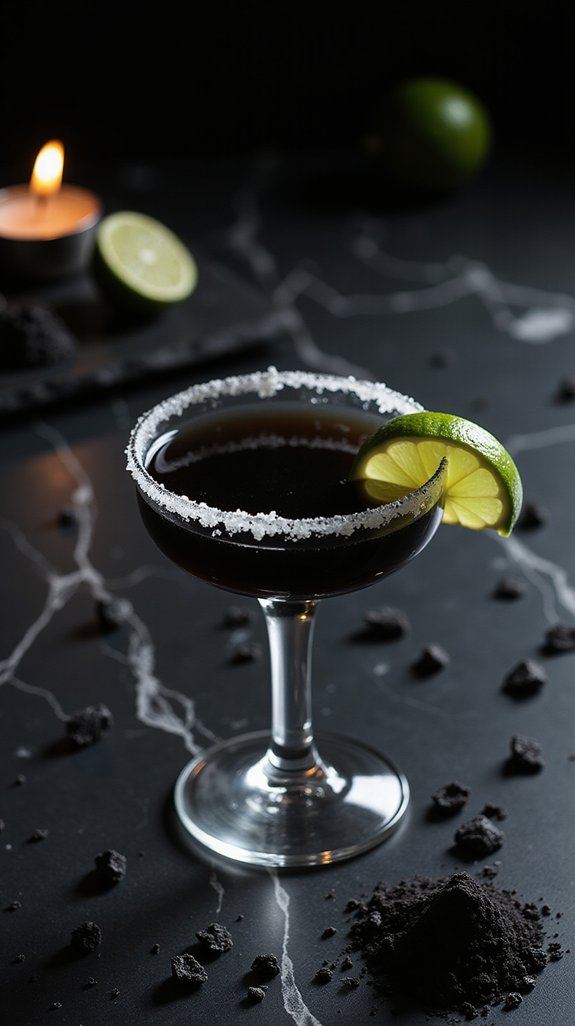
Espresso Martini
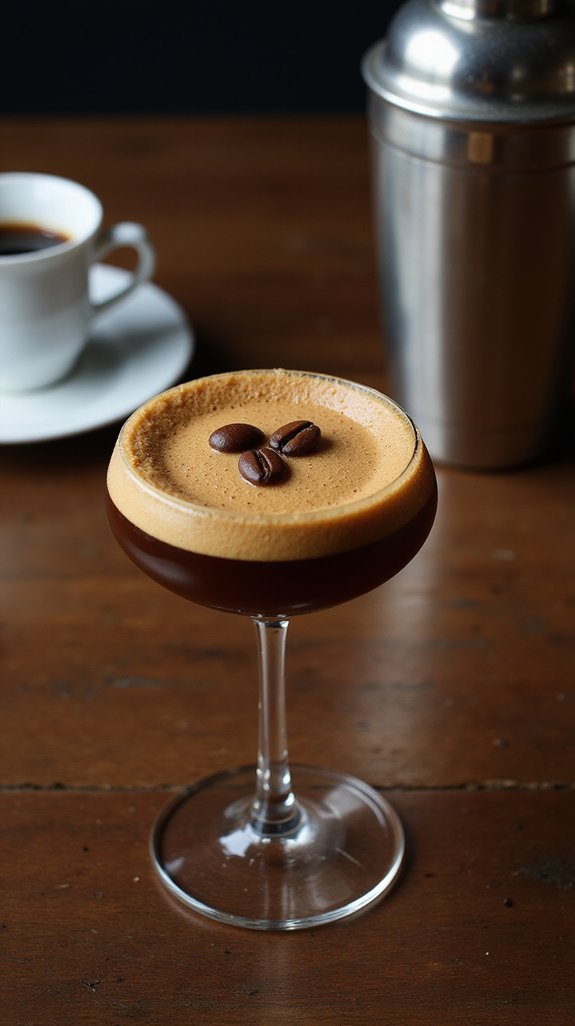
The Espresso Martini stands as one of the most successful modern cocktail inventions, created in the late 1980s by legendary London bartender Dick Bradsell at the Soho Brasserie when a young model (often rumored to be Kate Moss) allegedly requested a drink that would “wake me up, then fuck me up.”
Originally called the Vodka Espresso, this caffeinated cocktail perfectly captured the hedonistic energy of London’s late-night scene, combining the sophistication of cocktail culture with the practical need for simultaneous stimulation and intoxication. Bradsell’s genius lay in recognizing that freshly pulled espresso, when shaken vigorously with vodka and coffee liqueur, would create a luxurious foam cap that elevated the drink from mere utility to genuine elegance.
The drink gained its current name in the 1990s during the height of the “Martini” trend, when virtually any drink served in a V-shaped glass received the Martini designation, and has since become a global phenomenon, experiencing major revivals in the 2010s and 2020s as coffee culture and cocktail culture increasingly intersected.
What distinguishes the Espresso Martini from other coffee cocktails is its emphasis on using freshly brewed espresso rather than cold coffee or coffee concentrate, creating a drink that’s simultaneously a proper cocktail and a legitimate coffee experience, complete with the aromatic crema that defines quality espresso.
The drink’s theatrical presentation—that signature layer of foam dotted with three coffee beans representing health, wealth, and happiness—makes it instantly recognizable and Instagram-worthy, while its balanced formula delivers genuine refreshment rather than cloying sweetness.
The Espresso Martini occupies a unique space in cocktail culture as an after-dinner drink that paradoxically energizes rather than relaxes, making it the perfect bridge between dinner and dancing, or the ideal pick-me-up at the dangerous hour when one should probably go home but isn’t quite ready.
Its enduring popularity has spawned countless variations and inspired an entire category of caffeinated cocktails, yet the original formula remains remarkably resilient, a demonstration of Bradsell’s perfect balance of coffee, alcohol, and sweetness.
Ingredients
- 2 oz vodka
- 1 oz fresh espresso (cooled for about 30 seconds but still warm)
- 0.5 oz coffee liqueur (Kahlúa or Mr. Black)
- 0.25 oz simple syrup (adjust based on preferred sweetness)
- Ice cubes
- 3 coffee beans for garnish
Instructions
Pull a fresh shot of espresso and allow it to cool slightly for about 30 seconds while you prepare your shaker. Fill a cocktail shaker with ice cubes, then add the vodka, coffee liqueur, simple syrup, and the still-warm espresso.
Seal the shaker and shake vigorously for at least 15-20 seconds—longer and more aggressive than most cocktails—to create maximum foam and properly chill and dilute the drink. Double strain through both the shaker’s built-in strainer and a fine-mesh strainer into a chilled coupe or martini glass to achieve a silky texture and remove any ice chips.
The drink should have a rich, tan-colored foam cap on top. Float three coffee beans in a triangular pattern on the foam as garnish and serve immediately.
The key to an exceptional Espresso Martini is the quality and freshness of the espresso—using espresso that’s more than five minutes old will result in a flat, lifeless drink without the signature foam.
The espresso should be warm but not scalding hot when added to the shaker, as too-hot espresso will melt the ice too quickly and create a watery drink, while completely cold espresso won’t emulsify properly.
Shake with genuine aggression and don’t be afraid of over-shaking; this is one of the few cocktails that benefits from extended shaking time, as the vigorous action is what creates the velvety foam cap that defines the drink.
If your foam isn’t forming properly, check that you’re using fresh espresso with good crema and shaking hard enough—weak shaking is the most common mistake.
Some bartenders add a small dash of simple syrup even when using sweetened coffee liqueur to balance the bitterness of the espresso, so adjust sweetness to your preference and the specific coffee liqueur you’re using.
French 75
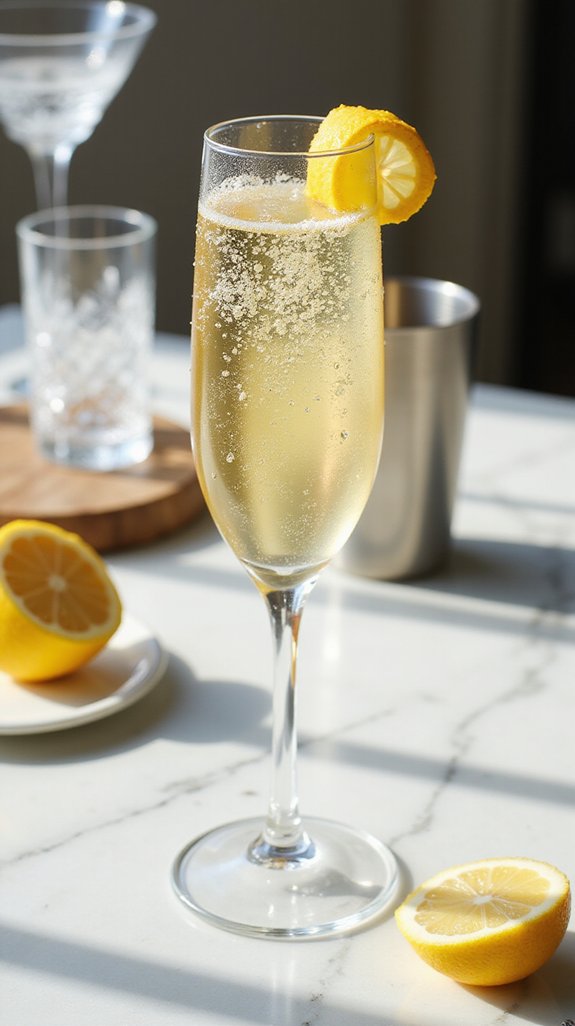
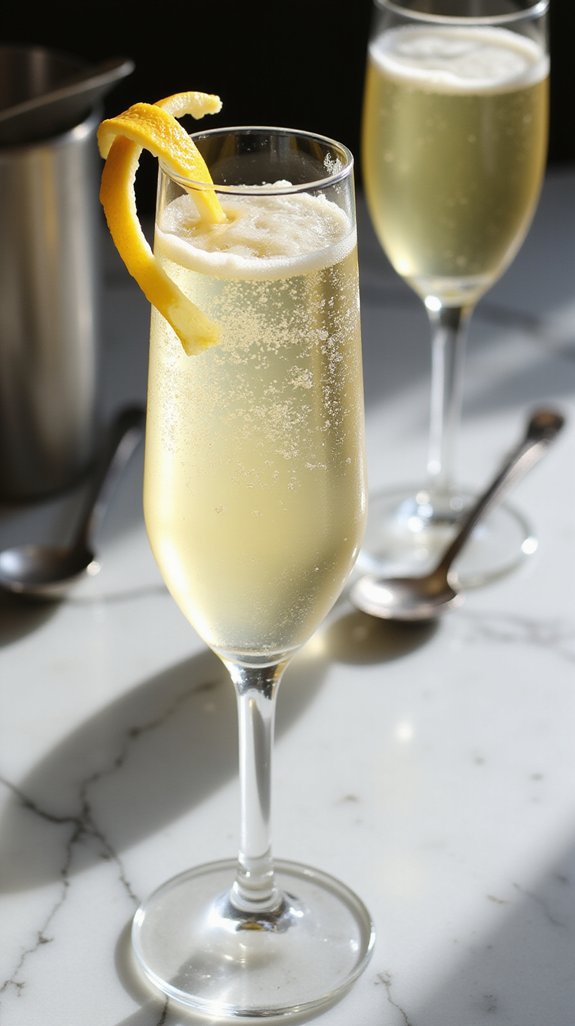
The French 75 represents cocktail royalty, a champagne cocktail with a disputed but glamorous origin story that most frequently traces back to Harry’s New York Bar in Paris during World War I, though some accounts place its creation in 1915 at the New York Bar in Paris by barman Harry MacElhone himself.
Named after the French 75mm field gun—a weapon so powerful it changed the nature of artillery warfare—the cocktail earned its military moniker from its notable kick, the combination of gin, lemon, sugar, and champagne creating a deceptively elegant drink that could knock you off your feet as effectively as artillery fire.
The drink epitomizes the Jazz Age‘s love affair with champagne cocktails and the enduring French tradition of making wine-based drinks more interesting through creative augmentation. What makes the French 75 particularly notable is its status as one of the few champagne cocktails that genuinely improves the wine rather than merely masking cheap bubbles, with the gin and lemon providing a citrus-forward spine that makes even modest sparkling wine taste celebratory.
The French 75’s genius lies in its architectural simplicity and the way it transforms familiar ingredients into something greater than their parts, the effervescence of champagne lifting what might otherwise be a standard gin sour into the domain of celebration.
Unlike many champagne cocktails that feel like gimmicks or vehicles for pouring bad sparkling wine down unsuspecting throats, the French 75 maintains perfect balance, with each element contributing meaningfully to the final product—the botanical complexity of gin, the bright acidity of fresh lemon, the gentle sweetness of sugar, and the festive sparkle of champagne all working in harmony.
The drink’s versatility allows it to function equally well as a brunch cocktail, an aperitif, or a celebration drink, making it a year-round favorite rather than being relegated to New Year’s Eve duty like so many champagne cocktails.
Its presentation in a flute or coupe glass adds visual elegance, while its flavor profile remains invigorating and surprisingly sessionable despite its substantial alcohol content, a dangerous combination that explains both its enduring popularity and its fearsome nickname.
Ingredients
- 1 oz London Dry gin
- 0.5 oz fresh lemon juice
- 0.5 oz simple syrup
- 3-4 oz champagne or dry sparkling wine (chilled)
- Ice cubes
- Lemon twist for garnish
Instructions
Add the gin, fresh lemon juice, and simple syrup to a cocktail shaker filled with ice and shake vigorously for 10-15 seconds until well-chilled.
Strain into a chilled champagne flute or coupe glass, then gently top with chilled champagne or sparkling wine, pouring slowly down the side of the glass to preserve carbonation.
Express a lemon twist over the drink to release its oils, then either drop it into the glass or perch it on the rim as garnish.
Tips
The quality of champagne matters but extravagance doesn’t—a good dry Prosecco or Cava works beautifully and is often preferable to wasting expensive vintage champagne in a mixed drink.
Always use fresh lemon juice rather than bottled, as the bright, clean acidity is essential to cutting through the sweetness and champagne.
Some traditionalists insist the French 75 should be made with cognac rather than gin (creating what others call a French 125), so feel free to experiment, though the gin version has become the standard.
Make sure all non-champagne ingredients are properly chilled through shaking before adding the sparkling wine, as this prevents excessive dilution and maintains the champagne’s effervescence.
When serving multiple French 75s, consider batching the gin, lemon, and syrup mixture in advance and storing it chilled, then simply shaking individual portions with ice and topping with champagne as needed.
Frequently Asked Questions
What Essential Bar Tools Do I Need to Make Cocktails at Home?
You’ll need a cocktail shaker, jigger for measuring, bar spoon, strainer, muddler, and citrus juicer. Don’t forget a sharp paring knife, cutting board, and quality glassware to complete your home bar setup.
How Long Do Opened Bottles of Spirits and Liqueurs Stay Fresh?
Unlike milk that spoils, most spirits don’t expire—they’re your immortal bar companions. You’ll find unopened bottles last indefinitely, while opened spirits stay fresh for years. Liqueurs remain good for 6-12 months once opened.
Can I Substitute Ingredients if I Don’t Have Everything on Hand?
You can substitute ingredients, but it’ll change the cocktail’s flavor profile. Try using similar spirits within the same category—like swapping one whiskey for another—rather than completely different base spirits for better results.
What’s the Proper Way to Chill Cocktail Glasses Before Serving?
A chilled glass keeps drinks 40% colder longer. You’ll want to fill your glasses with ice water for five minutes before serving, or freeze them for 30 minutes. This prevents your cocktail from warming too quickly.
How Do I Adjust Cocktail Recipes for Making Multiple Drinks at Once?
Multiply each ingredient by the number of servings you need, then batch them in a pitcher. You’ll want to stir or shake the mixture with ice just before serving to maintain proper dilution and temperature.