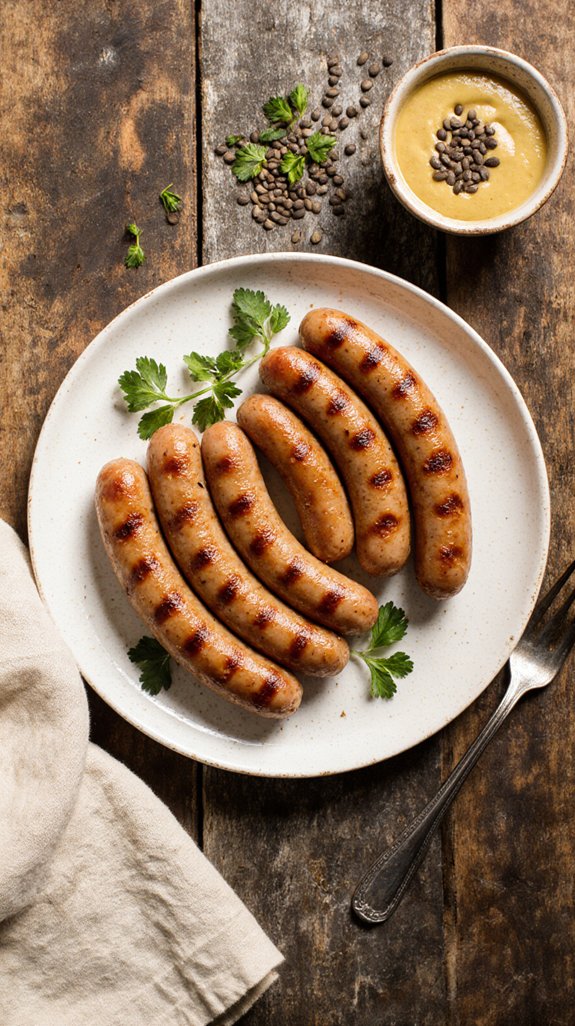
I’ve spent years chasing the memory of my grandmother’s bratwurst, the kind that filled her kitchen with the warm scent of caraway and made Sunday dinners feel like celebrations. After countless attempts, I finally cracked the code to creating authentic German bratwurst at home, and I’m convinced there’s nothing quite like biting into a sausage you’ve seasoned and crafted yourself. The best part is, you don’t need fancy equipment to pull this off.
Why You`ll Love this Homemade Bratwurst

When you make bratwurst at home, you’re not just grinding meat and stuffing casings—you’re taking control of every ingredient that goes into your sausage, which means no mystery fillers, no preservatives you can’t pronounce, and definitely no questionable meat scraps.
The flavor profile you’ll achieve here is something you simply can’t buy at the grocery store, with fresh spices and quality meat creating that authentic German taste my grandmother would actually approve of.
Plus, you’ll learn cooking techniques that translate to dozens of other sausages, turning you into the person everyone asks to bring links to the cookout.
And honestly, there’s something deeply satisfying about biting into sausage you made yourself.
What ingredients are in Homemade Bratwurst?
Making authentic bratwurst from scratch requires a carefully selected combination of meats and spices that work together to create that distinctive German sausage flavor.
The beauty of this recipe is in its simplicity—each ingredient serves a specific purpose, from the meat blend that provides the right texture and fat content to the aromatic spices that give bratwurst its signature taste.
You won’t need exotic or hard-to-find items; most of these ingredients are already sitting in your pantry or easily available at any grocery store.
Ingredients:
- 1 lb coarse-ground pork
- 1 lb coarse-ground veal or beef
- 2 teaspoons ground celery seed
- 2 teaspoons ground caraway
- 1 tablespoon powdered milk
- 1 egg
- 2 teaspoons onion powder
- Salt and pepper to taste
- 1/4 teaspoon fresh-grated lemon peel
- 1 tablespoon dried parsley
- 3 tablespoons water
- Sausage casings (optional, for stuffing)
The quality of your meat makes all the difference in homemade bratwurst, so look for pork and veal (or beef) with a good fat content—around 20-30% fat is ideal for juicy, flavorful sausages that won’t dry out during cooking.
While the recipe calls for coarse-ground meat, you can ask your butcher to grind it for you or do it yourself if you have a meat grinder at home.
The powdered milk acts as a binder and helps retain moisture, while the egg brings everything together.
Fresh-grated lemon peel is preferred over dried for the best aromatic quality, and if you’re planning to stuff these into casings, make sure to purchase natural hog casings from a butcher shop or online supplier and soak them in water before use.
How to make this Homemade Bratwurst
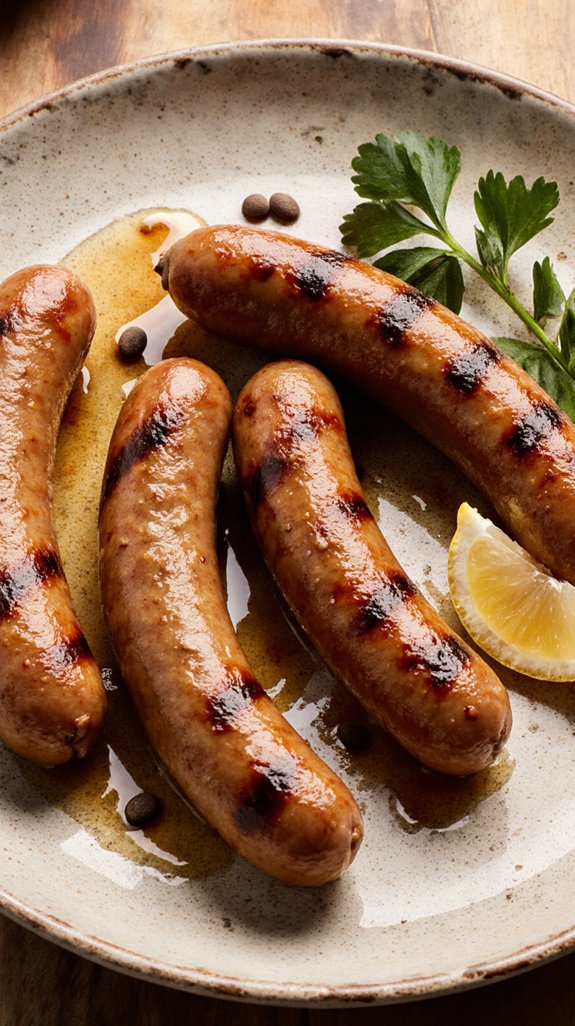
Making bratwurst at home is a straightforward process that requires patience more than anything else. Start by combining your 1 lb of coarse-ground pork and 1 lb of coarse-ground veal (or beef) in a large mixing bowl.
To this meat mixture, add 2 teaspoons of ground celery seed, 2 teaspoons of ground caraway, 1 tablespoon of powdered milk, 1 egg, 2 teaspoons of onion powder, salt and pepper to your liking, 1/4 teaspoon of fresh-grated lemon peel, 1 tablespoon of dried parsley, and 3 tablespoons of water.
Mix everything together thoroughly with your hands or a sturdy spoon until all the spices are evenly distributed throughout the meat—you want every bite to have that perfect blend of flavors.
Once you’ve achieved a uniform mixture, cover the bowl and let it sit in the refrigerator for 1 hour. This resting time is essential because it allows the flavors to meld together and gives the meat time to absorb the moisture from the egg and water, which helps create a better texture.
After the hour is up, take your mixture out and give it another thorough mixing to confirm everything is still well-combined.
At this point, you have two options for finishing your bratwurst. If you have sausage casings ready, you can stuff the mixture into them using a sausage stuffer or a piping bag fitted with a large tip, being careful not to overstuff them so they don’t burst during cooking.
Twist the filled casing into individual links at your desired length, typically around 4-6 inches each. If you don’t have casings or prefer a simpler approach, you can skip this step entirely and simply form the mixture into patties or cook it loose—the flavor will be just as delicious, even without the traditional sausage shape.
Whether you’re grilling, pan-frying, or baking your bratwurst, make sure they’re cooked through to an internal temperature of 160°F for food safety. For the best results, consider using high end cookware sets that provide even heat distribution and superior temperature control throughout the cooking process.
Shop Related Products

3-piece stainless steel sausage stuffer tubes, which are more durable and safer than plastic tubes, save you much time and effort. Say goodbye to the cracked and yellowing plastic stuffing tubes.

Versatile Cone Stuffer Tubes: Our 3-Piece Sausage Stuffer Tube Kit includes universal sausage stuffing tubes, designed to fit various meat grinders. Perfect for casing and stuffing sausages, these cone stuffers make meat preparation a breeze
Homemade Bratwurst Substitutions and Variations
One of the best things about making your own bratwurst is that you can adjust the recipe to fit what you have on hand or what your family prefers.
I’ve used alternative meats like ground turkey or chicken when I wanted a lighter version, though I’ll admit the texture isn’t quite as satisfying. You can also go all pork if you can’t find veal.
For spice variations, I sometimes double the caraway when I’m craving that traditional German flavor, or add a pinch of nutmeg for warmth. My neighbor swears by adding garlic powder, which isn’t authentic but tastes incredible.
Don’t be afraid to experiment—the worst that happens is you learn what you don’t like.
Shop Related Products
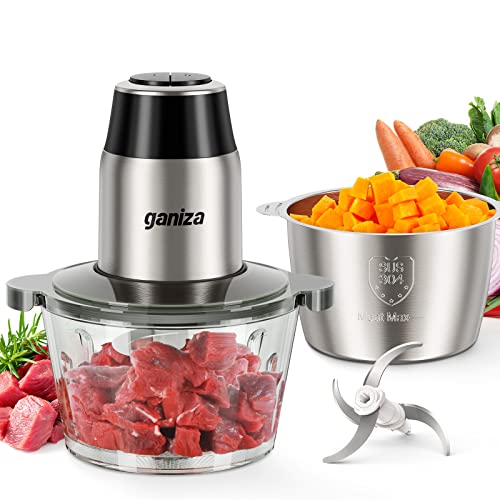
【Indispensable Kitchen Helper】GANIZA BPA-FREE food processor features 2 sets of blades and paired bowls (8-Cup glass bowl and 8-Cup stainless steel bowl). Easily chop meat, fish, vegetables, nuts, frozen fruit, or make a salad, guacamole, etc, the food chopper is ideal for multiple kitchen tasks!

𝐌𝐨𝐫𝐞 𝐄𝐟𝐟𝐢𝐜𝐢𝐞𝐧𝐭𝐥𝐲:5 beveled and curved five-blade pinwheel design makes for easier and quicker chopping compared to other options that only have three or four blades. Meat Chopper works perfectly to break up meat without damaging non stick pans surfaces
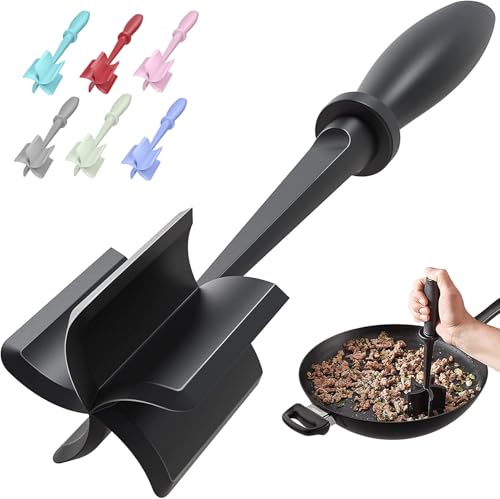
5 Wide Beveled Blades for Faster Chopping: Our meat chopper tool with 5 wide beveled pinwheel blades, which is easier and faste to chop and crumble ground beef, turkey, and chicken than other products with three or four blades. This meat masher can not only chop all kinds of meats for quick cooking, or mash potatoes, and other foods, such as gelatin, fruits, vegetables, etc.
What to serve with Homemade Bratwurst
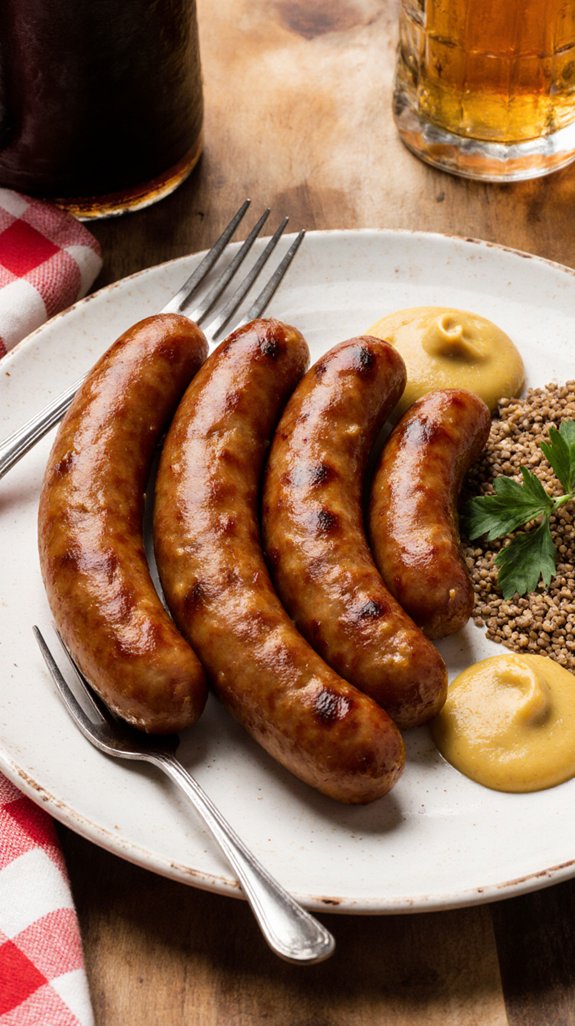
When it comes to serving bratwurst, I’ve found that the simplest presentations are often the most satisfying, probably because they let the sausage itself shine.
A warm potato salad with vinegar and bacon makes an ideal pairing, though sauerkraut remains the classic choice for good reason.
I’m partial to mustard as my condiment suggestion—specifically a grainy brown or spicy Düsseldorf-style that cuts through the richness.
For sides pairings, consider rye bread, pickles, or a crisp cucumber salad dressed lightly with dill.
My grandmother always served hers with red cabbage braised with apples, which added a sweet-tart balance I still crave.
Don’t overthink it—these straightforward accompaniments complement rather than compete with your carefully crafted sausages.
Final Thoughts
Bratwurst-making isn’t a skill you’ll master on your first attempt, and that’s perfectly fine. I’ve burned casings, over-spiced batches, and created sausages that resembled hockey pucks more than dinner. Each mistake taught me something valuable about flavor profiles and technique.
The beauty of homemade bratwurst lies in customization—you control every ingredient, every seasoning level, every texture choice. My cooking tips have evolved through trial and error, and yours will too.
Don’t stress about perfection. Focus on understanding how spices interact, how meat responds to handling, and what your family enjoys. Keep notes on each batch, adjust gradually, and remember that even imperfect bratwurst tastes better than most store-bought versions.
You’re creating something authentic, and that matters more than flawless execution.
Frequently Asked Questions
Can I Freeze Uncooked Bratwurst for Later Use?
Yes, I can freeze uncooked bratwurst! Here are my freezing tips: wrap them tightly in plastic wrap, then place in freezer bags. For best quality, the storage duration shouldn’t exceed three months before using.
How Long Do Homemade Bratwurst Last in the Refrigerator?
I’ll store homemade bratwurst in the refrigerator for up to 2 days maximum. For bratwurst safety, I always guarantee proper homemade storage at 40°F or below, and I’ll freeze them if I’m not cooking within that timeframe.
What Type of Casings Work Best for Bratwurst?
I recommend natural hog casings for authentic bratwurst—they’re traditional and provide the best snap and texture. Collagen casings work well too as a convenient alternative, though they won’t deliver quite the same traditional bite.
Can I Grill Bratwurst Instead of Frying Them?
I’d recommend grilling your bratwurst over medium heat, turning frequently to prevent splitting. This technique develops excellent char and smokiness. You can explore flavor variations by adding wood chips or brushing with beer while cooking.
Do I Need a Sausage Stuffer to Make Bratwurst?
No, you don’t need a sausage stuffer for bratwurst. I can shape the mixture into patties for easier sausage preparation. Both cooking techniques work perfectly—stuffing casings creates traditional links, while frying patties delivers authentic flavor.