
I’ll never forget the first time I tasted proper teriyaki salmon at my friend’s house, where her mom brushed thick, glossy sauce over perfectly seared fillets. Since then, I’ve tweaked that memory into something better, a sweet glazed version that balances caramelized edges with tender, flaky fish. The best part isn’t just how simple it is to make, but what happens when you understand the magic behind that glaze.
Why You`ll Love this Sweet Glazed Teriyaki Salmon

Why do restaurant teriyaki dishes always taste so much better than homemade versions? I’ve cracked the code with this sweet glazed salmon that rivals any Japanese steakhouse.
The secret’s in the marinade ratio, which creates an irresistible flavor profile that caramelizes beautifully under the broiler.
I’ll never forget my first attempt at teriyaki salmon, when I drowned the poor fish in straight soy sauce and wondered why it tasted like the ocean’s saltiest corner.
This recipe balances sweet and savory perfectly, and the health benefits are impressive too. Salmon’s loaded with omega-3s, and the simple ingredients mean you’re avoiding all those questionable restaurant additives.
Plus, you’ll save enough money to buy better quality fish.
What ingredients are in Sweet Glazed Teriyaki Salmon?
This sweet glazed teriyaki salmon keeps things invigoratingly simple with just a handful of pantry staples you probably already have on hand. Unlike complicated restaurant versions with mysterious ingredient lists, this recipe uses familiar items that work together to create that signature glossy, caramelized coating we all crave. The magic happens when these few quality ingredients combine during the marinating process.
- 2 (160 g) salmon fillets
- 1/4 cup soy sauce
- 1 tablespoon brown sugar
- 1 teaspoon ginger, minced
- 1 teaspoon garlic, minced
When selecting your ingredients, freshness makes all the difference. Choose salmon fillets with firm, bright flesh and no fishy odor. Fresh ginger root will give you a much more vibrant, zingy flavor than the jarred stuff, and the same goes for garlic. For the soy sauce, regular or low-sodium both work, though low-sodium gives you better control over the final saltiness. Dark brown sugar provides deeper molasses notes than light brown, but either variation will deliver that essential sweet glaze that balances the salty soy sauce perfectly.
How to make this Sweet Glazed Teriyaki Salmon

Making this sweet glazed teriyaki salmon is wonderfully straightforward, which is part of what makes it such a reliable weeknight dinner option. Start by combining your 1/4 cup soy sauce, 1 tablespoon brown sugar, 1 teaspoon minced ginger, and 1 teaspoon minced garlic in a shallow dish or resealable bag. Whisk or shake these ingredients together until the brown sugar dissolves completely into the liquid, creating your marinade.
Place your 2 salmon fillets into this mixture, making sure both pieces are well-coated on all sides. Let them marinate for half to one hour in the refrigerator, turning them once halfway through if you remember. This resting time allows the flavors to penetrate the fish while the sugar begins working its tenderizing magic.
When you’re ready to cook, you have two excellent options depending on your preference and equipment. For grilling, preheat your grill to medium-high heat and cook the salmon for about 4-6 minutes per side, depending on thickness, until it flakes easily with a fork.
If you’re broiling instead, position your oven rack about 6 inches from the heat source, preheat the broiler, and cook for roughly 8-10 minutes total, watching carefully to prevent burning. Either method will give you that gorgeous caramelized exterior with a tender, flaky interior.
The sugar in the marinade creates a beautiful glaze that turns golden brown as it cooks, so don’t be alarmed when you see those darker edges forming. Investing in premium cookware sets can make the cooking process even more enjoyable and help achieve perfectly even heat distribution. Serve your finished salmon alongside your favorite vegetables or a crisp salad, and you’ve got a restaurant-quality meal that took minimal effort.
Shop Related Products

Nonstick & Easy to Clean: The Switzerland ILAG nonstick coating is very effective in preventing anything from sticking to the surface, even with minimal oil, and also makes cleaning a breeze, just wipe it with a paper towel or rinse it with water. Free of PFOA and PFOS.
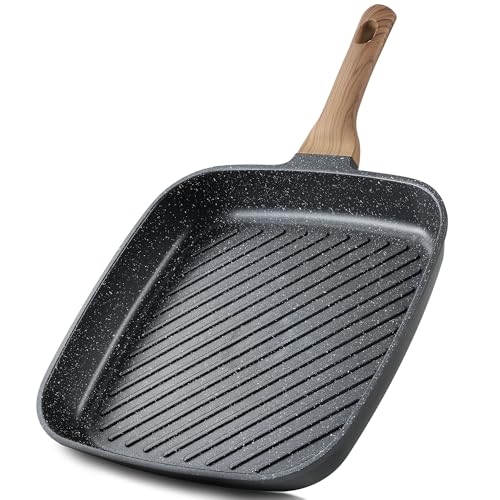
Universal Stovetop Compatibility—Carote grill pan can work flawlessly on gas, induction, electric, and ceramic cooktops. Seamlessly transitions from indoor kitchens to outdoor cooking setups.

Eco-friendly Non-Stick Granite Coating & Super Easy to Clean - Our grill pan interior is coated by non-stick granite coating, SGS approved, 100% PFOA free. Require less oil or butter for cooking and minimal scrubbing for a spotless clean, giving you a healthier and more enjoyable at-home cooking experience.
Sweet Glazed Teriyaki Salmon Substitutions and Variations
While I’m devoted to the classic combination of soy sauce, brown sugar, ginger, and garlic, I’ll be the first to admit that this teriyaki salmon is incredibly forgiving when it comes to swapping ingredients based on what you’ve got in your pantry.
For ingredient swaps, honey works beautifully in place of brown sugar, creating a slightly more floral sweetness. You can substitute coconut aminos for soy sauce if you’re watching sodium, though the flavor will be milder.
When it comes to flavor enhancements, I love adding a splash of rice vinegar for tanginess or sesame oil for nuttiness. A pinch of red pepper flakes transforms this into something completely different, adding welcome heat that cuts through the sweetness perfectly.
Shop Related Products
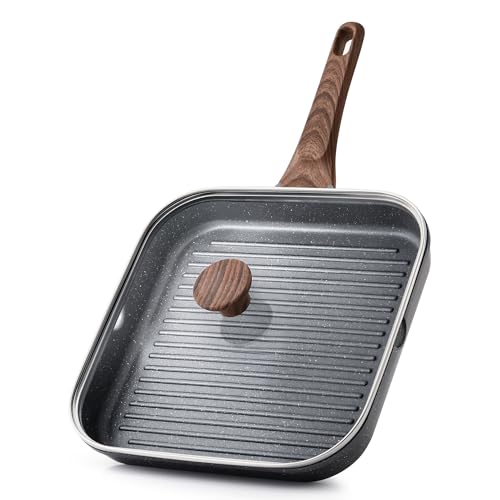
Nonstick & Easy to Clean: The Switzerland ILAG nonstick coating is very effective in preventing anything from sticking to the surface, even with minimal oil, and also makes cleaning a breeze, just wipe it with a paper towel or rinse it with water. Free of PFOA and PFOS.

Nonstick & Easy to Clean: The Switzerland ILAG nonstick coating is very effective in preventing anything from sticking to the surface, even with minimal oil, and also makes cleaning a breeze, just wipe it with a paper towel or rinse it with water. Free of PFOA and PFOS.
Nonstick & Easy to Clean: The Switzerland ILAG nonstick coating is very effective in preventing anything from sticking to the surface, even with minimal oil, and also makes cleaning a breeze, just wipe it with a paper towel or rinse it with water. Free of PFOA and PFOS.
What to serve with Sweet Glazed Teriyaki Salmon
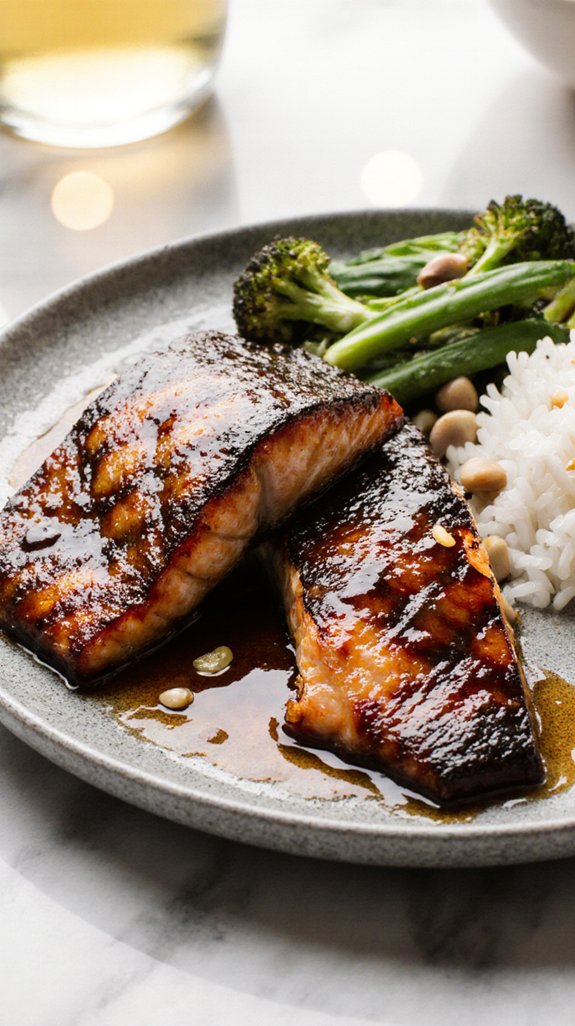
I’ve found that the best accompaniments for teriyaki salmon are ones that either complement its sweetness or provide a contrasting texture, and over the years I’ve settled on a few reliable favorites that make this dish feel complete.
Vegetable sides work beautifully here, especially steamed broccoli or roasted asparagus, which add a slight bitterness that balances the glaze. I also love quick-pickled cucumbers or a simple Asian-style slaw for crunch.
Rice options are equally important, and I typically reach for jasmine or sticky rice to soak up the extra sauce. Sometimes I’ll make fried rice with leftover vegetables, turning the meal into something more substantial.
A light cucumber salad dressed with rice vinegar rounds everything out nicely.
Final Thoughts
This recipe has become one of those weeknight staples I turn to when I want something that feels special without requiring much effort, and honestly, that’s the whole point of good home cooking. The cooking tips I’ve shared—like not over-marinating and watching your heat—make all the difference between soggy fish and that perfect caramelized glaze. And while my serving suggestions lean toward crisp vegetables and steamed rice, you really can’t go wrong pairing this salmon with whatever sounds good to you. The beauty of teriyaki is its versatility, and once you’ve nailed the basic technique, you’ll find yourself tweaking the recipe to match your own tastes, which is exactly what I hope happens.
Frequently Asked Questions
Can I Use Frozen Salmon Fillets for This Recipe?
Yes, you can use frozen salmon for this recipe. I’d recommend thawing it completely in the refrigerator first, then following the cooking instructions exactly as written for the best results with your teriyaki marinade.
How Long Does Leftover Teriyaki Salmon Stay Fresh in the Refrigerator?
I’d recommend eating your leftover teriyaki salmon within 3-4 days for ideal salmon freshness. Proper leftover storage is essential—make sure you refrigerate it in an airtight container within two hours of cooking.
What Is the Best Way to Reheat Leftover Teriyaki Salmon?
I’ll share the best reheating methods for your leftover teriyaki salmon. My top salmon reheating tips include using a 275°F oven for 15 minutes or gently warming it in a covered skillet with minimal heat.
Can This Teriyaki Marinade Be Used for Other Types of Fish?
Yes, I’d recommend this teriyaki marinade for alternative fish options like tuna, mahi-mahi, or swordfish. The sweet-savory teriyaki flavor profile complements firm, meaty fish varieties that won’t break apart during grilling or broiling.
Is It Safe to Reuse Leftover Marinade as a Sauce?
I don’t recommend reusing leftover marinade without proper precautions. For food safety, you must boil it for at least five minutes to kill bacteria from the raw salmon. Following marinade guidelines guarantees you’ll avoid foodborne illness risks.