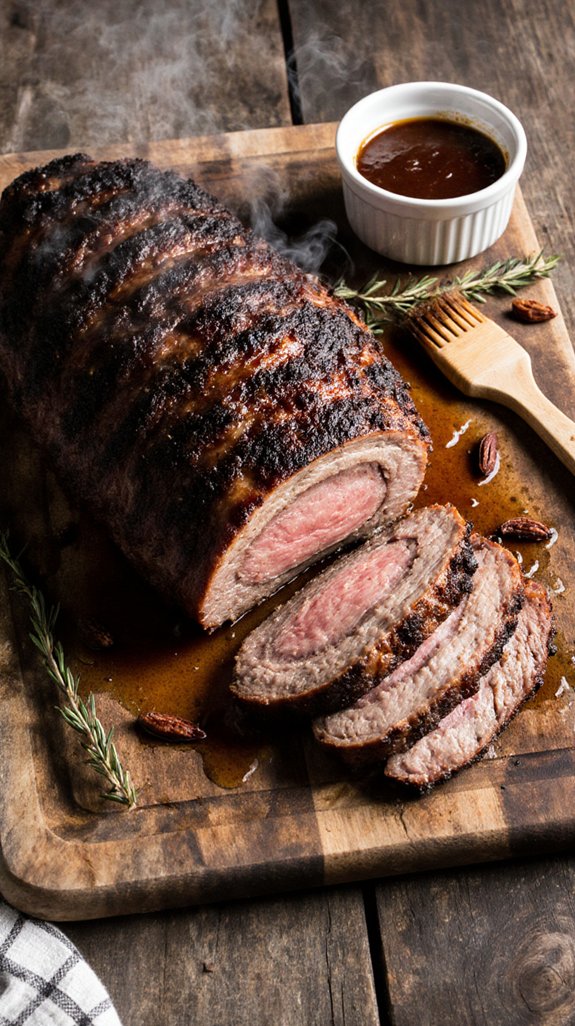
I’ve spent years perfecting my brisket technique, and I’m convinced that combining hickory and apple wood creates the most incredible flavor profile you’ll ever taste. While ten hours might seem like an eternity, every minute of smoke time transforms an ordinary cut of meat into something extraordinary. The secret lies in the dry rub and maintaining consistent low heat throughout the entire cook, which I’ll show you exactly how to master.
Why You`ll Love this Hickory Apple Smoked Brisket
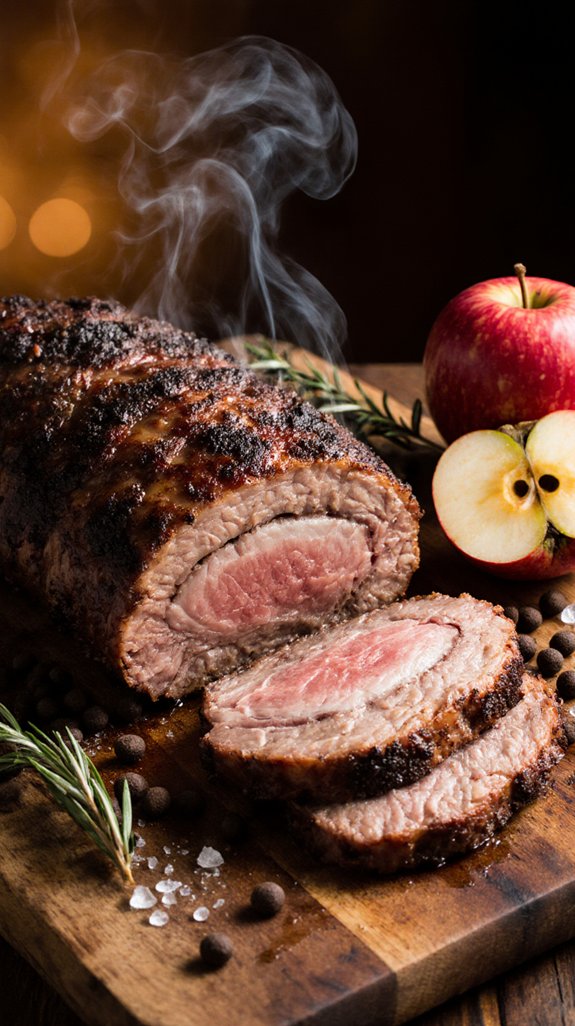
When you’re looking for a brisket recipe that’ll have your guests asking for seconds before they’ve finished their firsts, this hickory apple smoked version delivers every single time.
I’ve perfected this approach over countless cookouts, and the combination of hickory and apple wood creates a smoky flavor that’s bold without being overwhelming.
The overnight rub application lets those spices penetrate deep into the meat, while the low-and-slow cooking method guarantees a tender texture that practically melts on your tongue.
What really sets this recipe apart is the beer and coffee steam pan, which keeps everything moist during that essential first smoking phase.
You’ll invest about ten hours total, but that incomparable bark and juicy interior make every minute worthwhile.
What ingredients are in Hickory Apple Smoked Brisket?
The foundation of exceptional smoked brisket starts with selecting quality ingredients that work together to create layers of flavor. This recipe combines a carefully crafted dry rub with a unique steaming liquid that infuses moisture throughout the smoking process.
The ingredient list is substantial but straightforward, requiring items you can find at most grocery stores, with a few specialty components available at Hispanic markets for authentic flavor.
For the Brisket:
- 1 beef brisket (about 10 lbs, untrimmed)
- 2 lbs wood chips (equal mix of hickory and apple)
For the Dry Rub:
- 1 cup dark brown sugar
- 1/2 cup Mexican chili powder
- 1 tablespoon salt (kosher preferred)
- 1 tablespoon paprika
- 1 tablespoon dried onion flakes
- 1 tablespoon granulated garlic
- 1 teaspoon dried thyme
- 1 teaspoon Mexican oregano
- 1 teaspoon coriander
- 1/2 teaspoon cumin
For the Steam Pan/Mop Sauce:
- 1/2 gallon apple juice
- 3 cups strong coffee
- 2 cups cider vinegar
- 2 (12 ounce) cans beer
- 1/2 cup salt
The untrimmed brisket is essential because you’ll want control over how much fat to remove during prep.
Mexican chili powder differs from standard chili powder in its blend of peppers and spices, offering a more authentic flavor profile. The coffee in the steam pan might seem unusual, but it adds depth and helps develop that coveted bark on the exterior.
Keep extra apple juice and beer on hand to replenish the steam pan as needed throughout the extended cooking process.
How to make this Hickory Apple Smoked Brisket
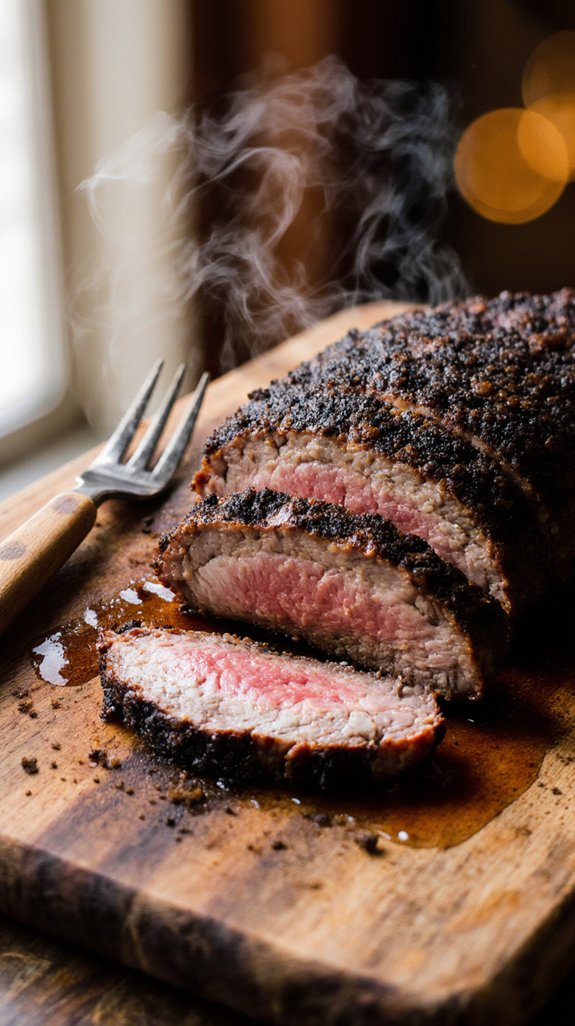
The process begins the day before you plan to smoke your brisket, giving the rub time to work its magic. Start by combining all your dry rub ingredients—1 cup dark brown sugar, 1/2 cup Mexican chili powder, 1 tablespoon each of salt, paprika, dried onion flakes, and granulated garlic, plus 1 teaspoon each of dried thyme, Mexican oregano, and coriander, and 1/2 teaspoon cumin—in a small food processor or spice grinder. Blend them well and set aside about 1/2 cup for later use.
Trim your 10-pound brisket carefully, removing any discolored or hard fat and the fat between the flat and flap, but leave most of the fat cap intact on one side. Apply about 1-1/2 cups of the rub generously to both sides of the meat, wrap it in plastic wrap or cover it on a sheet pan, and refrigerate for at least 8 hours or overnight.
When you’re ready to smoke, prepare your steam pan mixture by whisking together 1/2 gallon apple juice, 3 cups strong coffee, 2 cups cider vinegar, 2 cans of beer (12 ounces each), and 1/2 cup salt. Take 2 cups of this liquid and combine it with your reserved 1/2 cup of rub—this becomes your mop sauce for basting.
Add your 2 pounds of hickory and apple wood chips to the smoker box, fill the steam pan with the remaining liquid, and preheat your smoker to about 200 degrees Fahrenheit. Once you’ve got good, thick smoke rolling, place the brisket fat side up in the smoker and mop it every 30 to 45 minutes, maintaining both the smoker box and steam pan as needed. Investing in premium grill accessories can make the mopping and temperature monitoring process significantly easier and more precise.
The cooking happens in two stages for ideal tenderness. During the first phase, keep your brisket unwrapped in the smoker, absorbing all that wonderful smoke flavor until it reaches an internal temperature of 145-150 degrees, which typically takes 4 to 5 hours.
At that point, wrap it tightly in a double layer of aluminum foil and return it to the smoker or transfer it to an oven, maintaining a temperature between 200 and 225 degrees. Continue cooking until the internal temperature hits 190-195 degrees, then let the brisket rest in its foil pouch on a cutting board for 15 to 20 minutes.
Be cautious when unwrapping—there will be quite a bit of flavorful liquid that you can either discard or drizzle over your sliced meat for extra moisture and flavor.
Shop Related Products
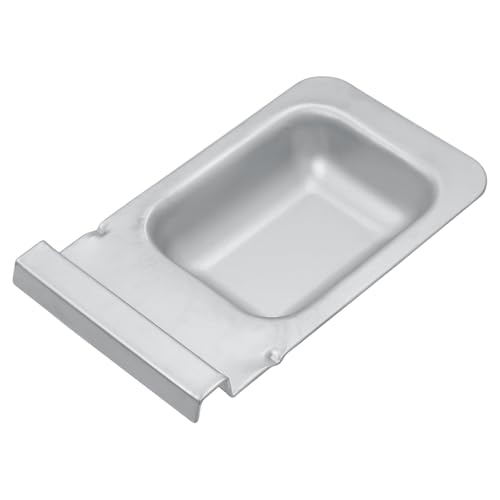
Wood Chip Tray: 9007140023 Wood Chip Tray Replacement Parts Compatible with Masterbuilt 30 inch & 40 inch Digital Electric Smoker 20070115, 20070215, 20070315, 20070415, 20070615, 20070816, 20071115, 20071117, 20071217, 20071218, 20071317, 20071417, 20071517, 20072115, 20072215, 20072315, 20072415, 20072515, 20072615, 20072715, 20073115, 20073215, 20073315, 20074517, 20076716, 20076816, 20076916, 20077016, 20077116, 9907140008, 9907170002, 9907170027, 9907170131, 9907180008, 9907180022.

SMOKY GRILL FLAVOR: Turns a standard gas or charcoal grill into a wood chip smoker for ribs, chicken, burgers, and vegetables. Add soaked chips, set the box over heat, and cook with the lid closed to infuse steady smoke during grilling

Thicker sturdy stainless steel construction will hold up great under the heat of the grill. With the unique hinged design, you can easily add or remove wood chips from the smoker box while in use.
Hickory Apple Smoked Brisket Substitutions and Variations
Now that you’ve mastered the basic technique, let’s explore how you can adapt this recipe to suit your preferences, equipment, or what you’ve got on hand.
For brisket rub variations, I often swap the Mexican chili powder for regular chili powder mixed with a tablespoon of cocoa powder—it adds incredible depth. You can also reduce the brown sugar by half if you prefer less sweetness.
When it comes to wood chip alternatives, mesquite creates a bolder, more intense smoke flavor, while cherry wood offers a milder, slightly sweet profile. If you’re short on wood chips, use what you have and supplement with soaked cedar planks.
The steam pan liquid is flexible too—substitute beef broth for coffee if you’re not a coffee fan.
Shop Related Products

【100% Natural Hardwood — Pure, Clean Smoke】Crafted from pure hardwood with no chemicals, no fillers, and no artificial additives, these smoking wood chips burn clean and deliver true hardwood smoke. Perfect for buyers seeking natural, safe, and high-quality BBQ smoking wood chips that enhance flavor without harshness.

Subtle Sweet flavor

Cherry wood chips
What to serve with Hickory Apple Smoked Brisket
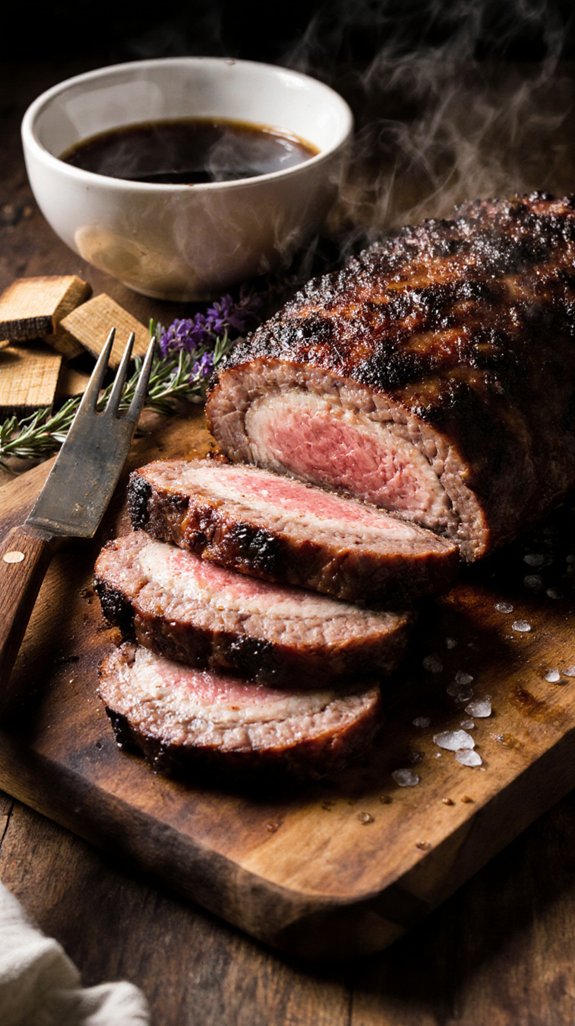
After investing hours into smoking this magnificent brisket, you’ll want side dishes that complement—not compete with—those rich, smoky flavors.
I recommend classic sides pairings like creamy coleslaw, which cuts through the meat’s richness beautifully. Baked beans add sweetness that balances the savory rub, while cornbread soaks up those incredible juices. Mac and cheese brings comfort, and pickles provide a tangy crunch.
For sauce options, I keep it simple. Some purists eat brisket naked, letting the smoke speak for itself.
However, a vinegar-based sauce complements the apple-hickory notes nicely. Traditional Texas-style BBQ sauce works too, though use it sparingly—you’ve already built incredible flavor. Offer sauces on the side, letting guests choose their adventure.
Final Thoughts
Smoking a brisket like this isn’t just about following a recipe—it’s about embracing a process that rewards patience and attention to detail.
My final thoughts? This hickory apple smoked brisket truly delivers incredible flavor that’s worth every minute of effort.
The key cooking tips I’ve learned include maintaining consistent smoker temperature, not skipping the overnight rub, and trusting the internal temperature more than cooking time.
Each brisket behaves differently, so flexibility matters.
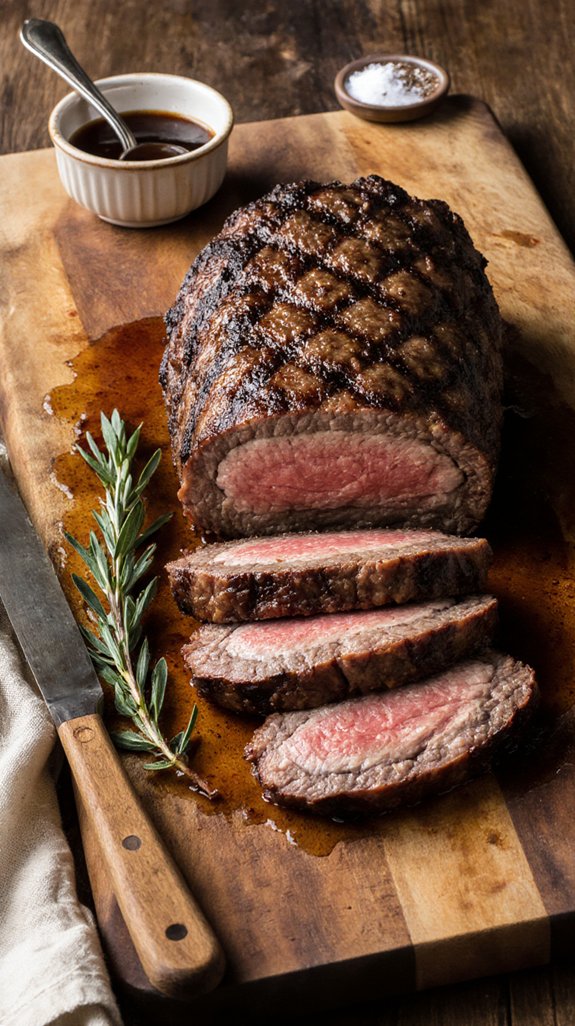
When you slice into that perfectly cooked meat and see the smoke ring, you’ll understand why pitmasters take such pride in their craft.
Remember, practice makes perfect. Your first attempt mightn’t be flawless, but you’ll gain valuable experience that improves every future cook.
Give yourself grace, enjoy the journey, and savor the results.
Frequently Asked Questions
Can I Smoke a Brisket Without a Dedicated Smoker?
Yes, I’ve successfully smoked brisket using alternative smoking methods like adding wood chips to a charcoal grill. You can achieve excellent backyard grilling results without buying expensive equipment by maintaining low, consistent heat.
How Do I Know When My Brisket Is Done Cooking?
I check the internal temperature with a meat thermometer—it should reach 190-195°F. I also do a tenderness test by inserting a probe; it should slide in easily like butter when it’s done.
Why Does the Brisket Need to Rest After Cooking?
The resting period allows the meat juices to redistribute throughout the brisket instead of running out when I slice it. This keeps your brisket moist and flavorful rather than dry and disappointing.
Can I Make This Recipe Ahead of Time and Reheat It?
Yes, I’d recommend making it ahead since freezing brisket actually improves tenderness. You can refrigerate up to three days or freeze for three months. For reheating methods, I prefer low oven temperatures around 250°F wrapped in foil.
How Should I Store Leftover Smoked Brisket?
I’ll store leftover brisket by wrapping it tightly in foil or plastic wrap, though vacuum sealing works best for longer storage. With proper refrigeration at 40°F or below, it’ll stay fresh for up to four days.