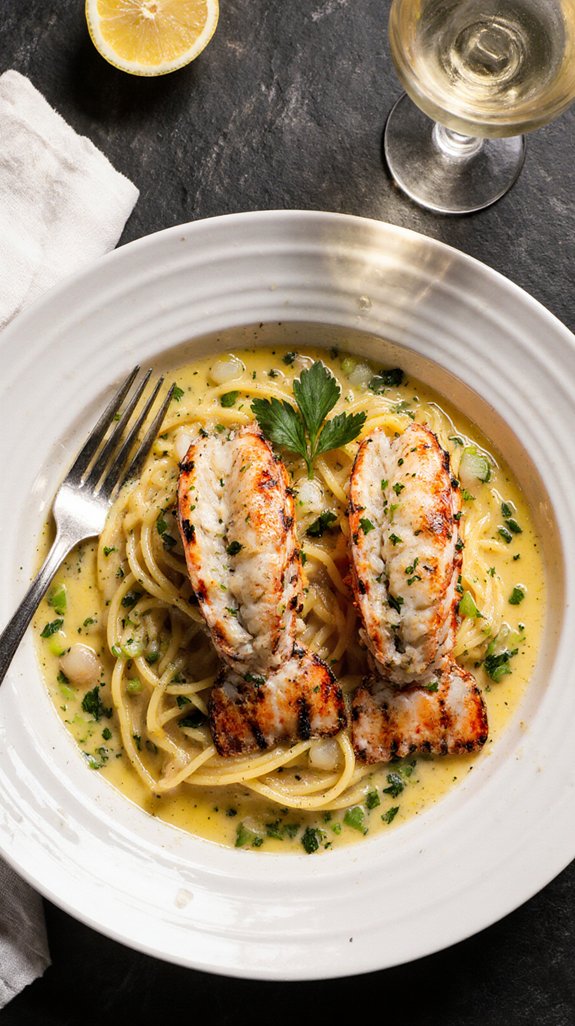
I’m excited to share this Buttery Lobster Tail Francaise recipe with you because it’s transformed my romantic dinners at home into something truly special. You don’t need fancy culinary skills to pull off this restaurant-quality dish, and that’s what makes it perfect for impressing someone you care about. The combination of tender lobster and silky butter sauce creates an intimate dining experience that’ll make any evening unforgettable, and I’ll show you exactly how to make it happen.
Why You`ll Love this Buttery Lobster Tail Francaise
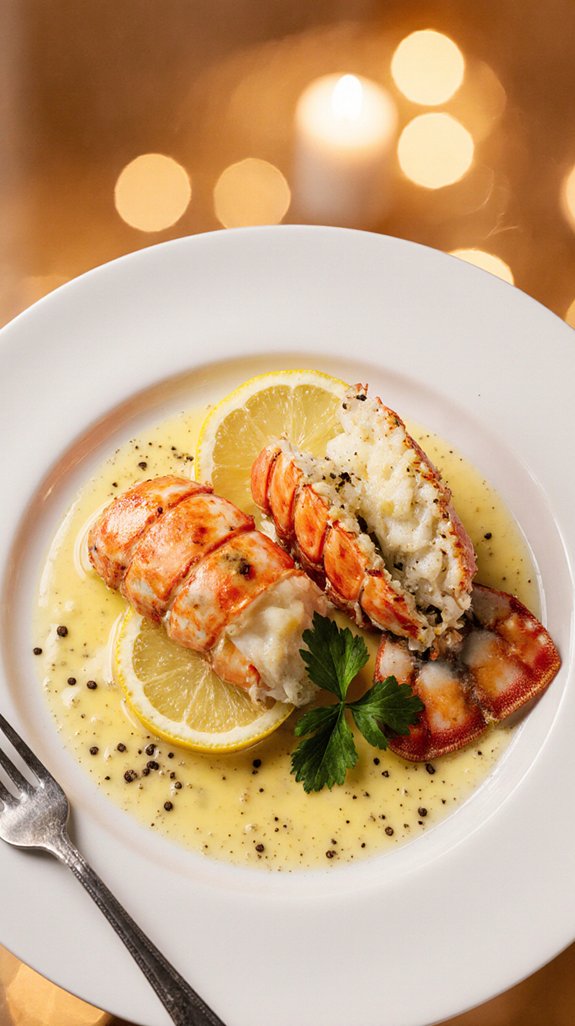
Why wouldn’t you fall head over heels for a dish that transforms elegant lobster tails into a restaurant-quality masterpiece right in your own kitchen?
I’m telling you, this Buttery Lobster Tail Francaise delivers luxurious flavors that’ll make you feel like a professional chef. The combination of tender butterflied lobster, golden egg coating, and silky lemon-wine sauce creates something truly special.
What I love most is how approachable this recipe is—you don’t need fancy culinary training to pull it off. It’s perfect for a romantic dinner when you want to impress without spending hours in the kitchen.
The buttery richness paired with bright citrus notes makes every bite memorable. Trust me, once you master this technique, you’ll want to make it again and again.
What ingredients are in Buttery Lobster Tail Francaise?
This elegant Buttery Lobster Tail Francaise requires fresh, quality ingredients that come together to create an unforgettable dish. The star of the show is obviously the lobster tails, which get coated in a delicate egg batter and pan-fried to golden perfection. The sauce brings brightness and richness through a beautiful combination of wine, citrus, and aromatics that complement the sweet lobster meat perfectly.
Ingredients:
- 6 small lobster tails
- 3 eggs
- 1 tablespoon chopped flat leaf parsley
- 1/8 teaspoon black pepper
- 1/2 cup all-purpose flour
- 1/2 cup unsalted butter
- 2 tablespoons olive oil
- 1 cup dry white wine
- 1 cup chicken broth
- 1 lemon, juice of (3 tablespoons)
- 3 teaspoons minced fresh garlic
- 2 scallions, minced (green onions)
- 1 small shallot, minced
- Salt and pepper to taste
- 1 tablespoon cornstarch
- 1 lb angel hair pasta
When selecting your ingredients, freshness is key—opt for fresh or flash-frozen lobster tails rather than ones that have been sitting in the freezer too long. For the wine, choose a dry white variety you’d actually enjoy drinking, like Pinot Grigio or Sauvignon Blanc, as the flavor will concentrate in the sauce. Fresh lemon juice makes a noticeable difference compared to bottled, and unsalted butter gives you better control over the seasoning. The cornstarch serves as a thickening agent for the sauce, so don’t skip it unless you prefer a thinner consistency.
How to make this Buttery Lobster Tail Francaise
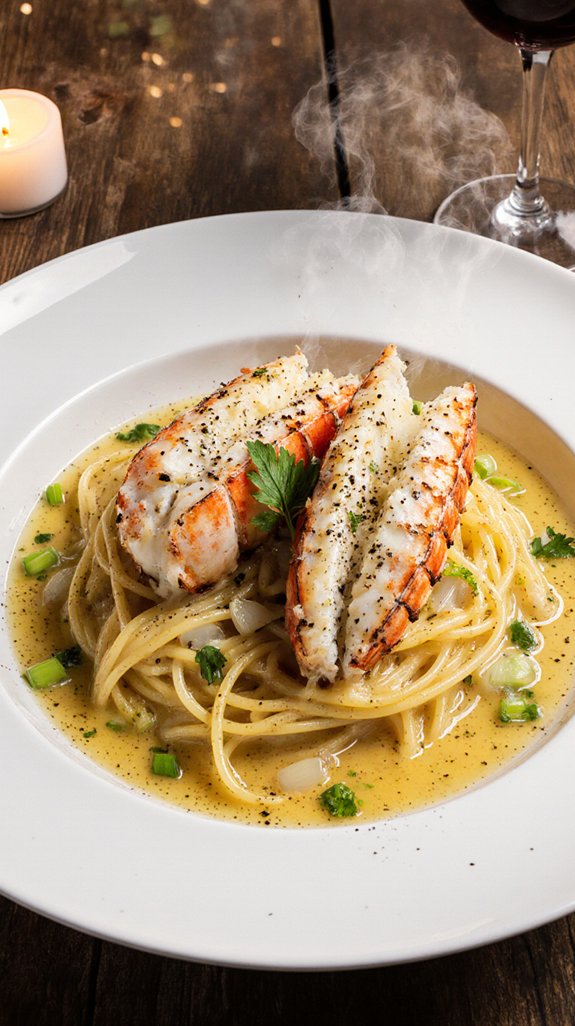
Making this Buttery Lobster Tail Francaise is easier than you might think, though it does require some attention to detail. Start by removing the 6 small lobster tails from their shells and giving them a quick rinse under cold water.
Next, butterfly each tail by slicing down the center lengthwise, being careful not to cut all the way through—you want the tail to open like a book. Gently spread it open and flatten it slightly with the palm of your hand.
Set up your coating station by whisking together 3 eggs, 1 tablespoon of chopped flat leaf parsley, and 1/8 teaspoon of black pepper in a shallow bowl, then spreading 1/2 cup of all-purpose flour on a piece of waxed paper.
In a large, heavy skillet (cast iron works beautifully here), melt 1/2 cup of unsalted butter with 2 tablespoons of olive oil over low heat.
Once your butter mixture is nice and hot, it’s time to cook the lobster. Lightly dust each side of the tails with flour, then dip them in the egg mixture and immediately place them in the hot pan.
Sauté the lobster for approximately 2 minutes per side until they turn a lovely golden brown, then transfer them to a platter and cover with aluminum foil to keep them warm.
Now comes the magic of the sauce—add 1 cup of dry white wine, 1 cup of chicken broth, and the juice of 1 lemon (about 3 tablespoons) to the same pan, using a wire whisk to scrape up all those flavorful browned bits from the bottom.
Bring this mixture to a boil, then reduce the heat and keep whisking until it reduces by about one-third. Stir in 3 teaspoons of minced fresh garlic, 2 minced scallions, 1 small minced shallot, and salt and pepper to taste, letting everything simmer for about 5 minutes.
To thicken the sauce, dissolve 1 tablespoon of cornstarch in a small amount of water, then slowly whisk it into the sauce until it’s thick enough to coat the back of a spoon.
Return the lobster tails to the pan for a minute or two to heat through, then serve everything over 1 pound of cooked angel hair pasta in individual bowls, spooning that gorgeous sauce over the top. Having premium kitchen appliances can make the cooking process smoother and help you achieve restaurant-quality results at home.
Shop Related Products

Versatile Cooking Skillet: The Lodge Cast Iron Skillet is a multipurpose, everyday cooking pan that excels at searing, sautéing, baking, frying, and campfire meals

Durable Cast Iron Construction: Made from cast iron for long-lasting use and even heat distribution.
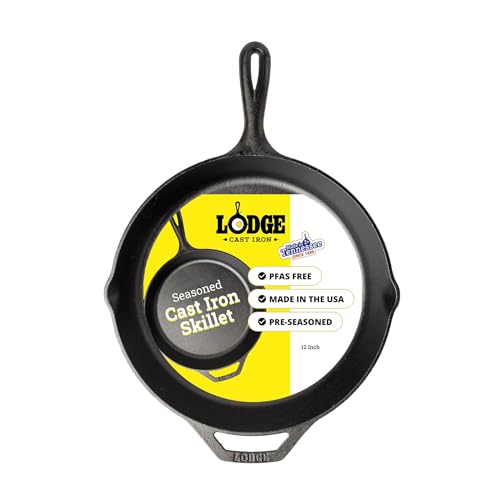
Quality Cast Iron Frying Pan: The Lodge Seasoned Cast Iron Skillet is loved for its great heat retention, incredible durability, and ability to make almost any recipe you dream up
Buttery Lobster Tail Francaise Substitutions and Variations
While this classic Buttery Lobster Tail Francaise is absolutely delicious as written, I know there are times when you might need to swap out an ingredient or two based on what you have on hand or your personal preferences.
For lobster tail substitutions, you can use large shrimp, scallops, or even chicken cutlets if seafood isn’t available. The white wine can be replaced with additional chicken broth mixed with a splash of white wine vinegar.
If you’re exploring alternative cooking methods, try baking the coated lobster tails at 375°F for 10-12 minutes instead of pan-frying. You can also substitute linguine or fettuccine for the angel hair pasta.
Feel free to add fresh herbs like basil or tarragon to the sauce for extra flavor depth.
Shop Related Products
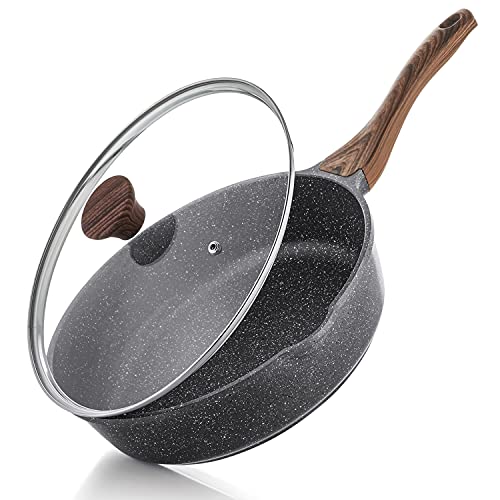
Swiss Non-Stick Coating - Switzerland ILAG nonstick granite coating, free of intentionally added PFOA. Smokeless, safe, and healthy—cook with 80% less oil for a healthier diet.
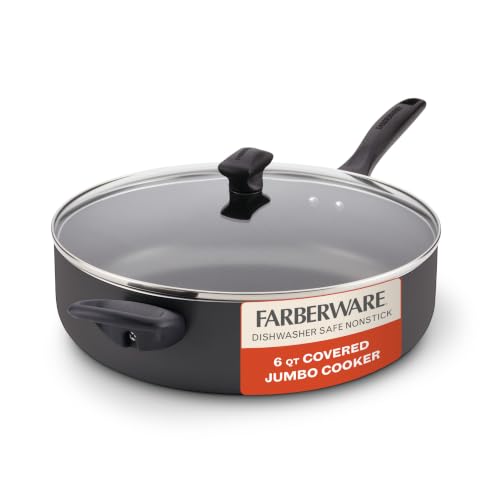
DURABLE, DISHWASHER SAFE COOKING PAN: This dishwasher safe nonstick jumbo cooker features heavy-duty construction that heats fast and evenly

【Healthy Cooking –Food-grade 18/10 stainless steel】Made from premium 3-layer stainless steel with an aluminum core for even heat distribution. This 8-inch frying pan contains no PFOA, PTFE, PFAS, lead, cadmium, or toxic metals. A truly non-toxic pan that keeps your cooking healthy and safe
What to serve with Buttery Lobster Tail Francaise
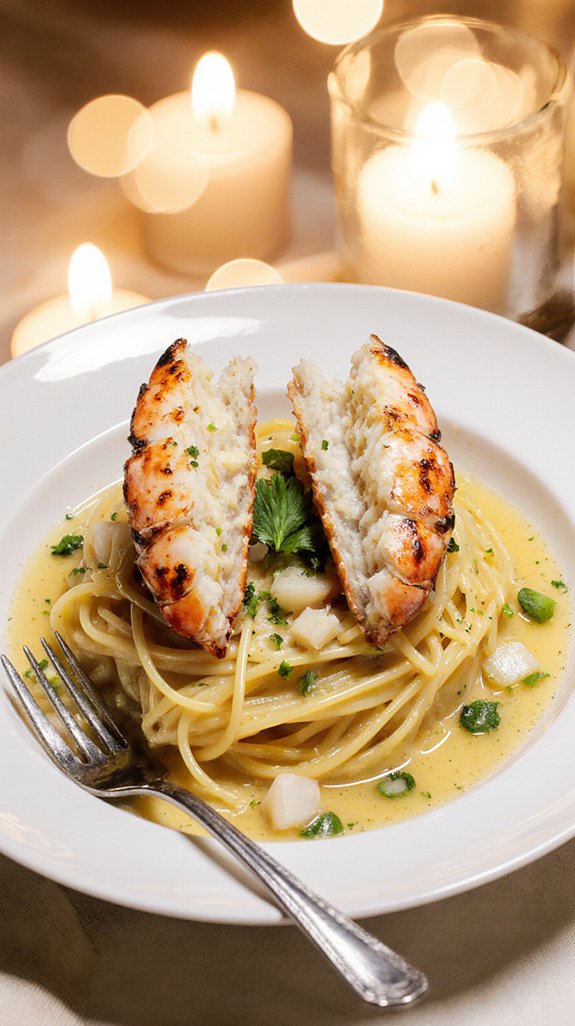
Since Buttery Lobster Tail Francaise already includes angel hair pasta, you’ve got your main course sorted, but I always like to round out the meal with a few complementary sides that won’t compete with the delicate lobster and buttery lemon sauce.
My sides suggestions typically include a simple arugula salad with lemon vinaigrette, roasted asparagus, or garlic bread to soak up that incredible sauce.
For wine pairings, I reach for a crisp Chardonnay or Pinot Grigio that can stand up to the butter without overpowering the lobster’s sweetness. A Sauvignon Blanc works beautifully too, especially if you want something with a bit more acidity to cut through the richness.
Keep everything light and fresh, letting the lobster remain the star of your romantic dinner.
Final Thoughts
This Buttery Lobster Tail Francaise delivers restaurant-quality results right in your own kitchen, and I promise it’s easier than it looks.
Once you master the basic cooking techniques of butterflying and sautéing the lobster, you’ll have a showstopping meal that works for any special occasion.
The beauty of this dish lies in how the delicate sauce complements the sweet lobster meat without overpowering it.
I’ve found that understanding seafood pairings makes all the difference—the white wine and lemon create that perfect balance of acidity and richness.
Don’t let fancy French cooking intimidate you.
With a little practice, you’ll be plating this elegant dish like a pro, impressing everyone at your table while keeping the process surprisingly simple.
Frequently Asked Questions
Can I Use Frozen Lobster Tails for This Recipe?
Yes, I’ll use frozen lobster tails for this recipe. The key difference between frozen vs fresh is texture, so I’ll employ proper thawing techniques like overnight refrigeration or cold water immersion before butterflying them.
How Do I Know When the Lobster Is Fully Cooked?
I’ll know the lobster is fully cooked when the meat turns opaque white and reaches 140°F internally. When cooking lobster, proper lobster doneness means the flesh is firm yet tender, not rubbery or translucent.
What Type of White Wine Works Best for the Sauce?
I’d recommend using a dry Sauvignon Blanc or unoaked Chardonnay for this sauce. Both wines complement the lobster beautifully without overpowering it. The Chardonnay pairing creates richness, while Sauvignon Blanc adds bright, crisp acidity.
Can This Recipe Be Made Ahead of Time for a Date?
I don’t recommend meal prep for this dish since the lobster and sauce taste best fresh. Instead, prep your ingredients beforehand—butterfly the tails, measure seasonings, and cook pasta during date night for ideal results.
How Do I Remove Lobster Meat From the Shell Easily?
I’ll share my favorite lobster shelling techniques: use kitchen shears to cut along the top shell lengthwise, then gently pull the meat out. For cooking lobster tips, working with cold tails makes handling easier and prevents tearing.