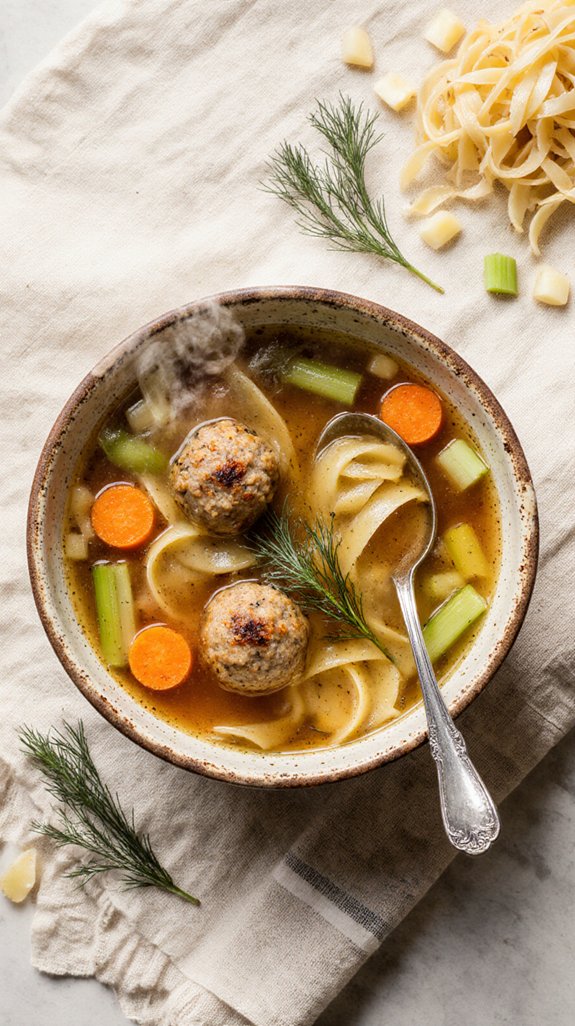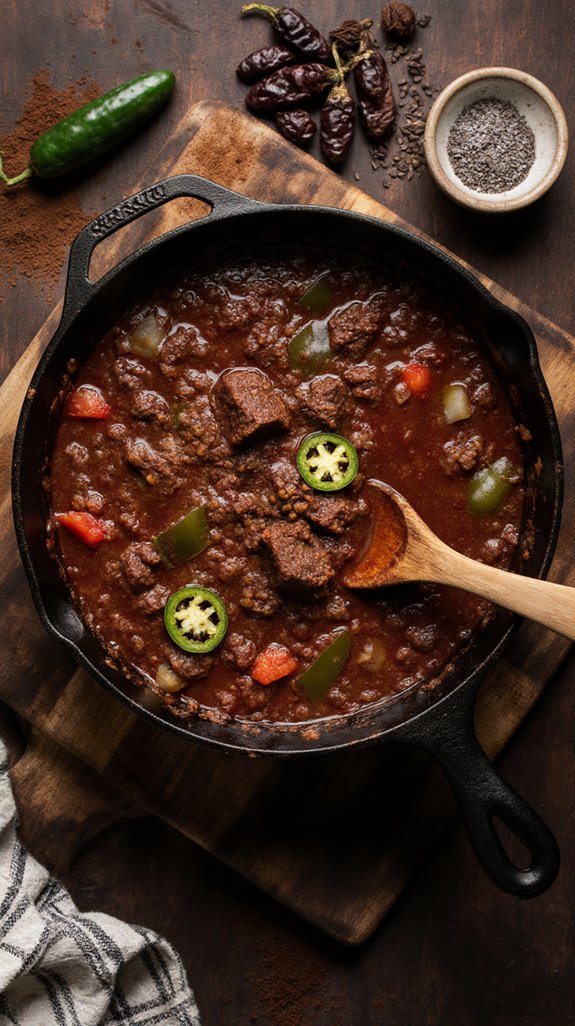

I’ve been making this hearty pasta fagioli for years, and it’s become my go-to recipe whenever the temperature drops. There’s something magical about how ground beef, tender beans, and pasta come together in a rich, savory broth that fills your kitchen with the most incredible aroma. If you’re looking for a one-pot wonder that’ll warm you up and keep everyone satisfied, you’re in the right place.
Why You`ll Love this Hearty Pasta Fagioli

When you’re craving comfort food that doesn’t require a culinary degree, this pasta fagioli delivers exactly what you need. I love how this recipe transforms simple ingredients into a satisfying meal that fills your kitchen with amazing aromas. The combination of ground beef, beans, and pasta creates a hearty texture that sticks to your ribs, while the spicy V8 adds a bold kick you won’t find in traditional versions. It’s perfect for bringing winter warmth to your dinner table, especially when temperatures drop. What makes this dish special is its flexibility—you can adjust the spice level, swap beans, or add extra vegetables based on what’s in your pantry. Plus, it actually tastes better the next day, making leftovers something to look forward to.
What ingredients are in Hearty Pasta Fagioli?
This hearty pasta fagioli relies on a combination of protein, vegetables, beans, and pasta to create its signature filling texture. The ingredient list is straightforward and likely includes items you already have in your pantry, making this an accessible weeknight dinner option. The key to achieving the right balance of flavors lies in using quality canned goods and fresh aromatics.
Ingredients:
- 1 lb ground beef
- 1 cup onion, diced
- 1 cup carrot, julienned
- 1 cup celery, chopped
- 2 garlic cloves, minced
- 2 (14 1/2 ounce) cans diced tomatoes
- 1 (15 ounce) can red kidney beans, undrained
- 1 (15 ounce) can great northern beans, undrained
- 1 (15 ounce) can tomato sauce
- 18 ounces spicy hot V8 (12 ounces initially, 6 ounces added at end)
- 1 tablespoon white vinegar
- Salt, oregano, basil, thyme, black pepper, cayenne pepper (to taste)
- 1/2 lb ditali pasta
The spicy hot V8 is particularly important in this recipe, as it provides both liquid and a bold flavor profile that sets this version apart from milder variations. Keep the beans undrained since their liquid contributes to the soup’s body and helps create a thicker consistency. The ditali pasta is traditional for pasta fagioli, but you can substitute with small shells, elbow macaroni, or any small pasta shape. Since the pasta cooks directly in the soup and absorbs considerable liquid, having that extra 6 ounces of V8 on hand is essential to maintain the right consistency.
How to make this Hearty Pasta Fagioli

Making this hearty pasta fagioli is a straightforward process that builds layers of flavor through careful timing. Start by browning 1 lb of ground beef in a large pot, breaking it up as it cooks until it just begins to turn brown.
Once the beef is browned, drain off the excess grease to keep the soup from becoming too oily. Next, add your 1 cup of diced onion, 1 cup of julienned carrots, 2 minced garlic cloves, and 1 cup of chopped celery along with the 2 cans of diced tomatoes. Let this mixture simmer together for about 10 minutes, which gives the vegetables time to soften and the flavors to start melding together.
After the initial simmer, it’s time to add the bulk of your ingredients. Stir in both cans of beans (the red kidney beans and great northern beans, undrained), the tomato sauce, 12 ounces of spicy hot V8, 1 tablespoon of white vinegar, and your seasonings—salt, oregano, basil, thyme, black pepper, and cayenne pepper to taste.
Let everything simmer together for a full hour, which allows all those flavors to develop and create a rich, cohesive soup base. You’ll want to taste it during this time and adjust the seasonings as needed.
About 50 minutes into that hour-long simmer, add your 1/2 lb of uncooked ditali pasta directly to the pot. This is where timing becomes important, as the pasta will cook in the soup and absorb quite a bit of liquid.
Keep an eye on the consistency, and when you notice the soup getting too thick, add the remaining 6 ounces of V8 to loosen it up. The pasta will be perfectly tender after cooking in all those flavorful liquids, and you’ll end up with a thick, hearty soup that’s substantial enough to serve as a complete meal. Having the right professional kitchen appliances can make the entire cooking process more efficient and enjoyable, from browning the meat to simmering the soup to perfection.
Shop Related Products

Excellent Non Stick Performance: Crafted with 100% free of PFOS and PFOA granite materials, you will experience hassle-free cooking with our non-stick pot that prevents food from sticking, making cleaning up a breeze.
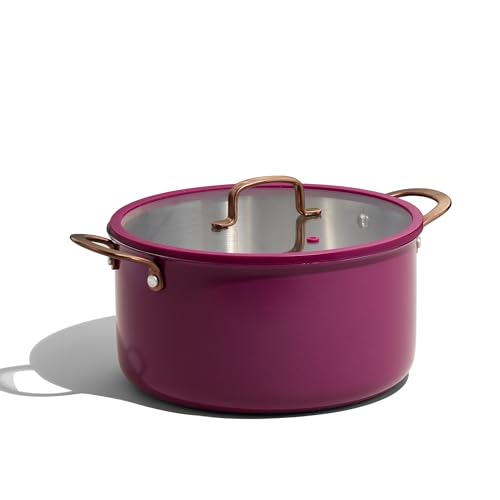
1. Premium Food-Grade Safety: The 8QT Fully-Clad 3-Ply Stainless Steel Stockpot is crafted from PFAS/PFOA/PFOS Free 18/8 stainless steel, ensuring a non-toxic cooking experience for you and your family. Its full tri-ply clad construction prevents warping and eliminates hot spots during cooking.

Even Heat Distribution Retention: This Umite Chef Dutch oven Made with heavy-duty enameled cast iron, ensures even heat distribution for perfect searing and slow cooking, locking in flavors. thickened walls lock in heat for slow braising, searing, and baking. Unlike thin pots that scorch food, this professional-grade Enameled cast iron potSuperior heat retention after preheating (allow 5-7 mins for even distribution). CRITICAL: Always cool naturally for 45+ mins before cleaning. Thermal shock (hot-to-cold contact) cracks enamel. USE TIP: Preheat 2-3 mins on medium-low only
Hearty Pasta Fagioli Substitutions and Variations
One of the best things about pasta fagioli is how easily you can adapt it to suit your preferences or work with what you’ve got in your pantry.
For pasta alternatives, I often swap ditali for shells, elbow macaroni, or even broken spaghetti. Bean variations work beautifully too—try cannellini, pinto, or chickpeas instead of the kidney and great northern beans.
Vegetable swaps let you customize based on what’s fresh: add zucchini, bell peppers, or spinach for extra nutrition.
Spice adjustments allow you to control the heat level—if you prefer mild, use regular V8 instead of spicy, or add red pepper flakes gradually to find your perfect balance.
The recipe remains delicious no matter how you modify it.
Shop Related Products

GOTHAM STEEL MULTIPURPOSE PASTA POT: Suitable for pasta, spaghettis and anything else that cooks on the stove! Use the strainer or not, this pot is designed for all types of foods and is oven safe & dishwasher safe
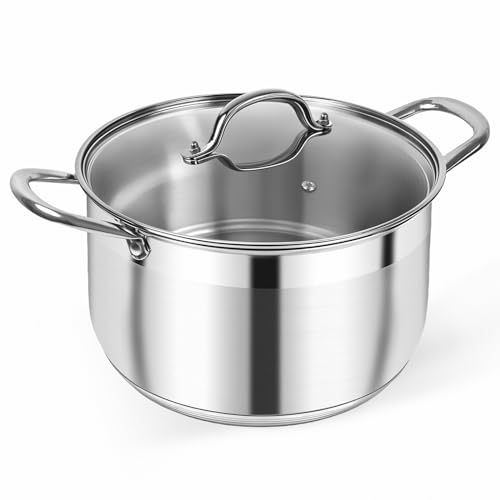
Stainless steel and 5 layers bottom: Kirecoo 8-Quart Stainless Steel Stockpot with Lid is an essential kitchen cookware, boasting an advanced stainless steel construction with a 5-layer thickened base. This cooking pot features high temperature and corrosion resistance, promising a long service life without easy deformation. Composed of aluminum, iron, aluminum, and a magnetic base, the 5-layer bottom of stockpot has good sturdiness and performance. It heats quickly and distributes heat evenly.

SAUCEPOT WITH LID: 4-Quart Saucepot and Soup Pot with Lid
What to serve with Hearty Pasta Fagioli

Since pasta fagioli is such a hearty, filling soup, I like to pair it with lighter sides that complement rather than compete with its rich flavors.
A simple green salad with a tangy vinaigrette cuts through the soup’s richness perfectly. I also love serving garlic bread or crusty rolls for dunking into the broth—they’re essential for soaking up every last drop.
Garlic knots are another excellent choice if you want something a bit more fun and flavorful. Don’t forget to set out extra parmesan cheese at the table for sprinkling over each bowl.
For adults, a glass of red wine pairs beautifully with this Italian-inspired dish, enhancing the tomato-based flavors and making the meal feel extra special.
Final Thoughts
This pasta fagioli recipe has become my go-to comfort meal because it’s straightforward to make, feeds a crowd, and tastes even better the next day.
I love that I can throw everything into one pot and let it simmer while I handle other tasks. The flavors meld together beautifully, creating a rich, satisfying soup that warms you from the inside out.
It’s perfect comfort food for those chilly evenings when you need something hearty and filling.
I’ve also found it works wonderfully for meal prep since it stores well in the refrigerator for up to five days. The pasta might absorb more liquid over time, so just add extra V8 or broth when reheating.
This recipe truly delivers on flavor and convenience.
Frequently Asked Questions
Can I Make Pasta Fagioli in a Slow Cooker or Instant Pot?
Yes, I can adapt pasta fagioli for both appliances. Slow cooker benefits include hands-off simmering for 6-8 hours. For instant pot tips, I’d pressure cook 10 minutes, then add pasta separately to prevent mushiness.
How Long Does Leftover Pasta Fagioli Last in the Refrigerator?
I’ll store my leftover Pasta Fagioli in an airtight container in the fridge for 3-4 days. This soup longevity guarantees food safety while maintaining great flavor. I always label containers with dates for proper leftover storage.
Can Pasta Fagioli Be Frozen for Later Use?
Yes, I can freeze pasta fagioli for up to three months. For best results, I’ll share these freezing tips: use airtight storage containers, cool completely first, and leave headspace for expansion during freezing.
What’s the Difference Between Pasta Fagioli and Minestrone Soup?
The main difference is that pasta fagioli ingredients focus on beans and pasta as stars, while minestrone variations include more diverse vegetables. I find pasta fagioli heartier and bean-forward compared to minestrone’s lighter vegetable medley.
Should I Cook the Pasta Separately or Directly in the Soup?
I recommend cooking the pasta directly in the soup during the last 10 minutes. This cooking method lets the pasta absorb the flavorful broth, creating better pasta texture and a more authentic, cohesive dish.